
Translated material
Orban will discuss the Putin-Trump summit at the White House
Hungarian Prime Minister seeks to strengthen his position ahead of 2026 elections
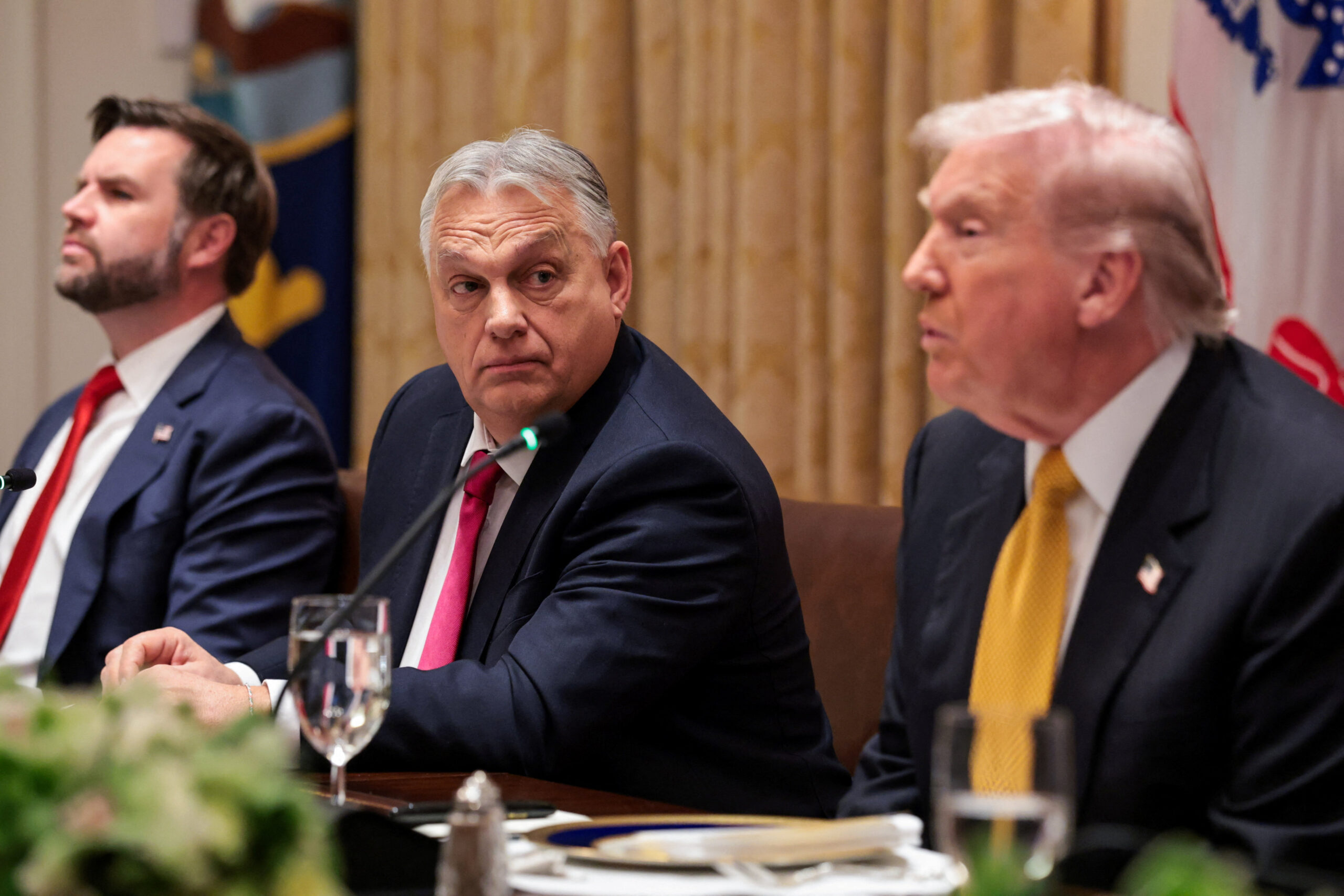
Hungarian Prime Minister Viktor Orban arrived in Washington, where on November 7 he met with US President Donald Trump. The purpose of the visit is to strengthen their own positions before the 2026 elections and achieve concessions on energy sanctions against Russia, writes The Guardian.
“Friday’s meeting will be an opportunity for the two heads of state to define a roadmap that could lead to a US-Russia meeting and, through it, a peace agreement between Russia and Ukraine,” said Gergely Gulyas, Orban’s chief of staff.
Bet on energy and elections
After the cancellation of Trump's October summit with Russian President Vladimir Putin in Budapest, the United States imposed sanctions against Rosneft and Lukoil, which supply oil to Hungary. Orban intends to ask the US President for an exception.
The Hungarian Prime Minister claims that the refusal of Russian energy resources will lead to rising prices and an energy crisis. The opposition believes that the government is not making efforts to diversify supplies.
According to Politico polls, 45% of Hungarians are ready to vote for opposition leader Peter Magyar, while 38% are ready to vote for Orban's party.
In order not to miss new texts from “Layout”, subscribe to our telegram channel
Budapest between Moscow and Washington
The US expects Hungary to present a plan to reduce imports of Russian oil, but The Guardian's interlocutors note that the meeting is fraught with risk - if Orban does not achieve relief from sanctions, his position within the country will weaken.
Orban himself continues to promote the idea of organizing a Trump-Putin summit in Budapest.
“There are one or two unresolved issues in the US-Russian negotiations. If they are resolved, a peace summit could take place in Budapest within a few days,” the prime minister said in an interview with Magyar Nemzet.
Kremlin spokesman Dmitry Peskov confirmed that Moscow “at a certain stage” is interested in negotiations, but “it’s too early to talk about the timing.”
Hungarian oil and gas company MOL is ready to replace part of Russian oil
On the eve of Orban’s meeting with Trump, the largest Hungarian oil and gas company MOL said it was able to replace up to 80% of Russian oil supplies from alternative sources, Bloomberg reports.
MOL operates refineries in Hungary and Slovakia, the last EU countries that continue to purchase Russian oil.
The MOL report notes that supplies could go through Croatia's Adria (Adriatic) pipeline, although this would lead to "higher technical risks and logistics costs."
Bloomberg calls the company's statement a “turning point,” since Budapest and MOL previously argued that the country has no alternative to Russian energy.
Earlier, “Verstka” wrote that the United States canceled the meeting between Trump and Putin in Budapest after Moscow’s memorandum on Ukraine. It turned out that the Kremlin demanded territorial concessions and abandonment of NATO from Kyiv. At the same time, both Moscow and Washington stated that the meeting of the presidents could take place later.
Photo: US President Donald Trump meets with Hungarian Prime Minister Viktor Orban and Vice President J.D. Vance at the White House, Washington, November 7, 2025. REUTERS/Jonathan Ernst
Support “Vestka” - it’s important and safe →