
Translated material
The movie "Predator: Planet of Death" has been released. The iconic movie monster became the main character for the first time
Anton Dolin - about a funny and successful revision of the classic franchise
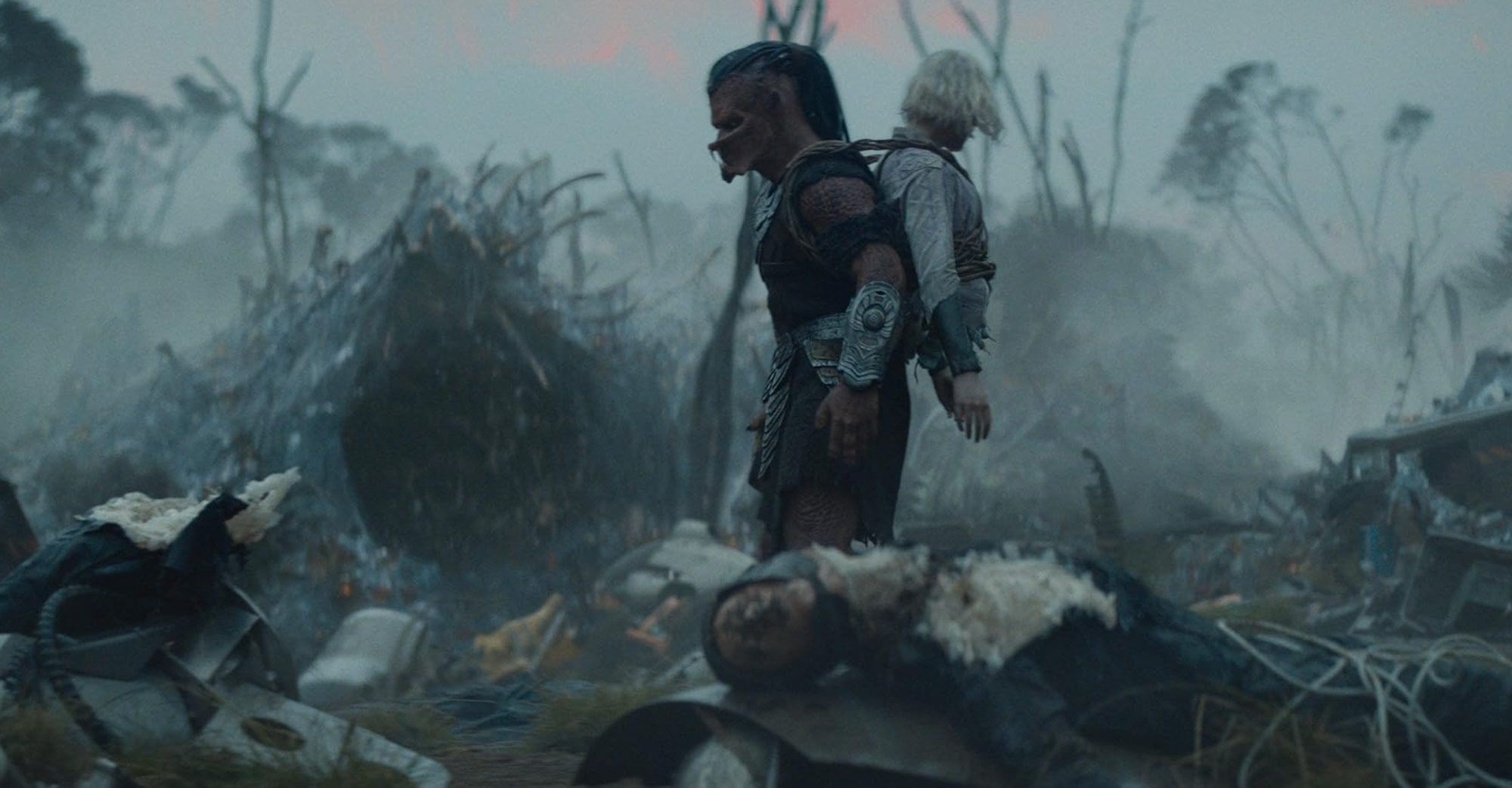
“Predator: Planet of Death” is being released in Russia - another film from an extensive franchise that begins with the cult “Predator” by John McTiernan with Arnold Schwarzenegger (1987). Film critic Anton Dolin says that director Dan Trachtenberg has created an instructive and touching tale - and just good entertainment, made with passion and humor.
The main character of the film is the unlucky youngest son of the Yautja clan (we know these people as the "Predators") named Dec. His despotic father is ready to slaughter his weak son in a Spartan manner. To meet his expectations, Dec decides to catch or kill the ferocious beast Kalisk, the most terrible inhabitant of the planet Genna. He has not only teeth and claws, but also the ability to regenerate. Before us is a variation of the ancient legend about a knight who must fight a dragon. Or—this analogy would be more accurate—with the unknown Jabberwocky from Carroll’s “Alice.”
Since the Predator was first revealed to viewers in 1987, it has gone through many transformations, fought not only with people, but also with opponents from neighboring franchises (for example, Alien), and more than once found itself in the hands of serious authors (Robert Rodriguez, Paul W. S. Anderson, Shane Black). But this has never happened to him: having been a terrible monster in the “root” film, doomed to defeat from the positive hero, now he has grown to become a protagonist who himself goes on a dangerous hunt.
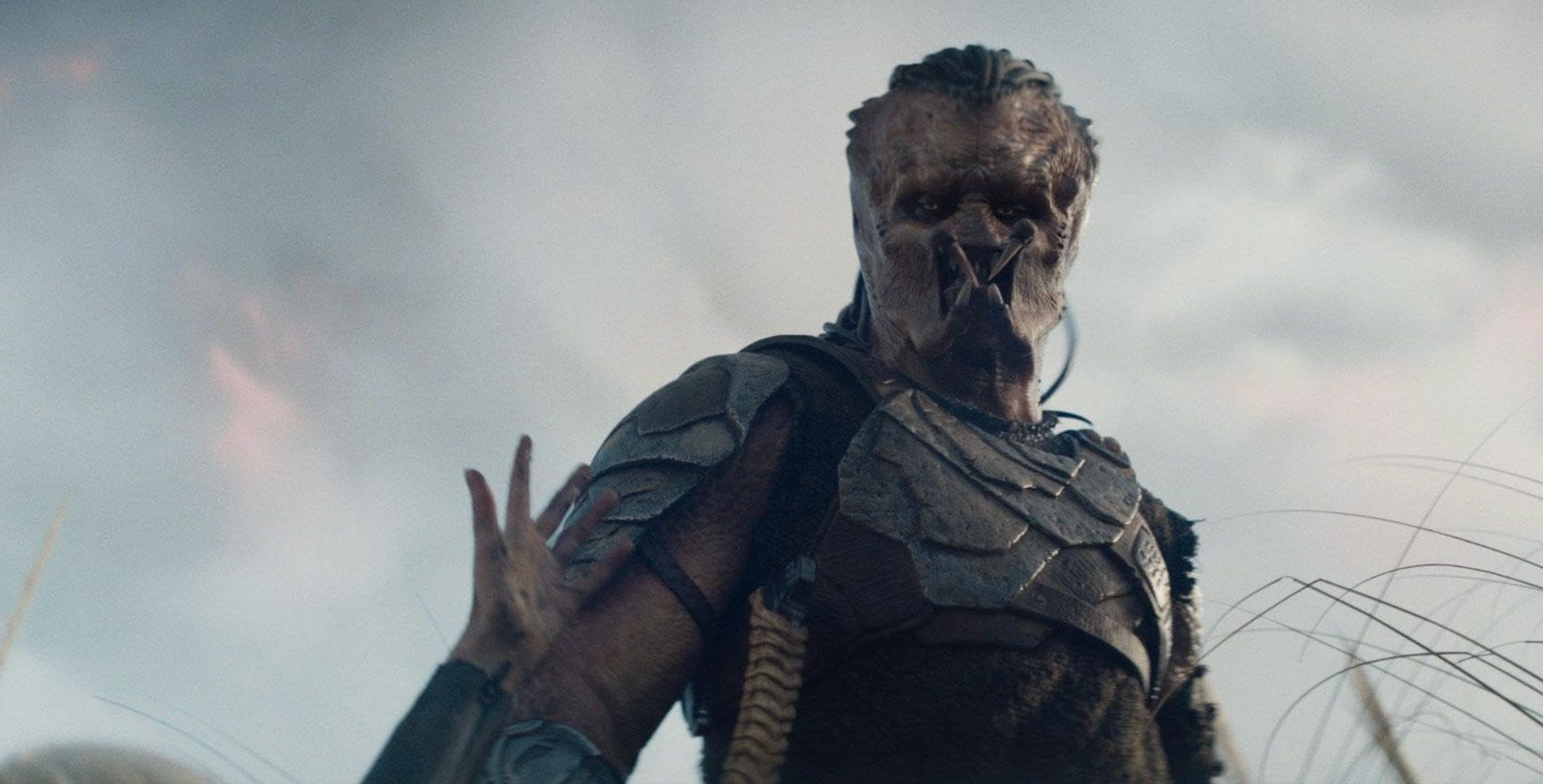
Will the public, still consisting primarily of homo sapiens, be able to care about a creepy scaly creature with fangs and mandibles? Director Dan Trachtenberg offers a bet - and wins it by the end credits. Including because he himself is clearly in love with the Yautja Predators. He was the first to become so fascinated by this universe that he is already making a third film about it. His witty Prey (2022) was a historical-romantic revision of The Predator, set in the times of Leatherstocking and Chingachgook. Released online last summer, Predator: Killer of Killers is an animated fantasy on the theme. The current “Planet of Death” already looks like a full-fledged blockbuster, in which the ingenuity of action scenes and stunts is elegantly balanced by the economy of dramaturgy - simple, but not at all primitive.
Almost the entire film, apart from the voiceovers, is performed by three actors. Moreover, the main one, New Zealander with Samoan roots Dimitrius Shuster-Kolomatangi, is hidden under the mask of the Predator. At first, his Dek, who hid from his father-leader, deals exclusively with the deadly flora and fauna of Genna (obviously, the name refers to fiery Gehenna). Here trees, flowers and even slugs, each of which contains an explosive device, are trying to kill him.
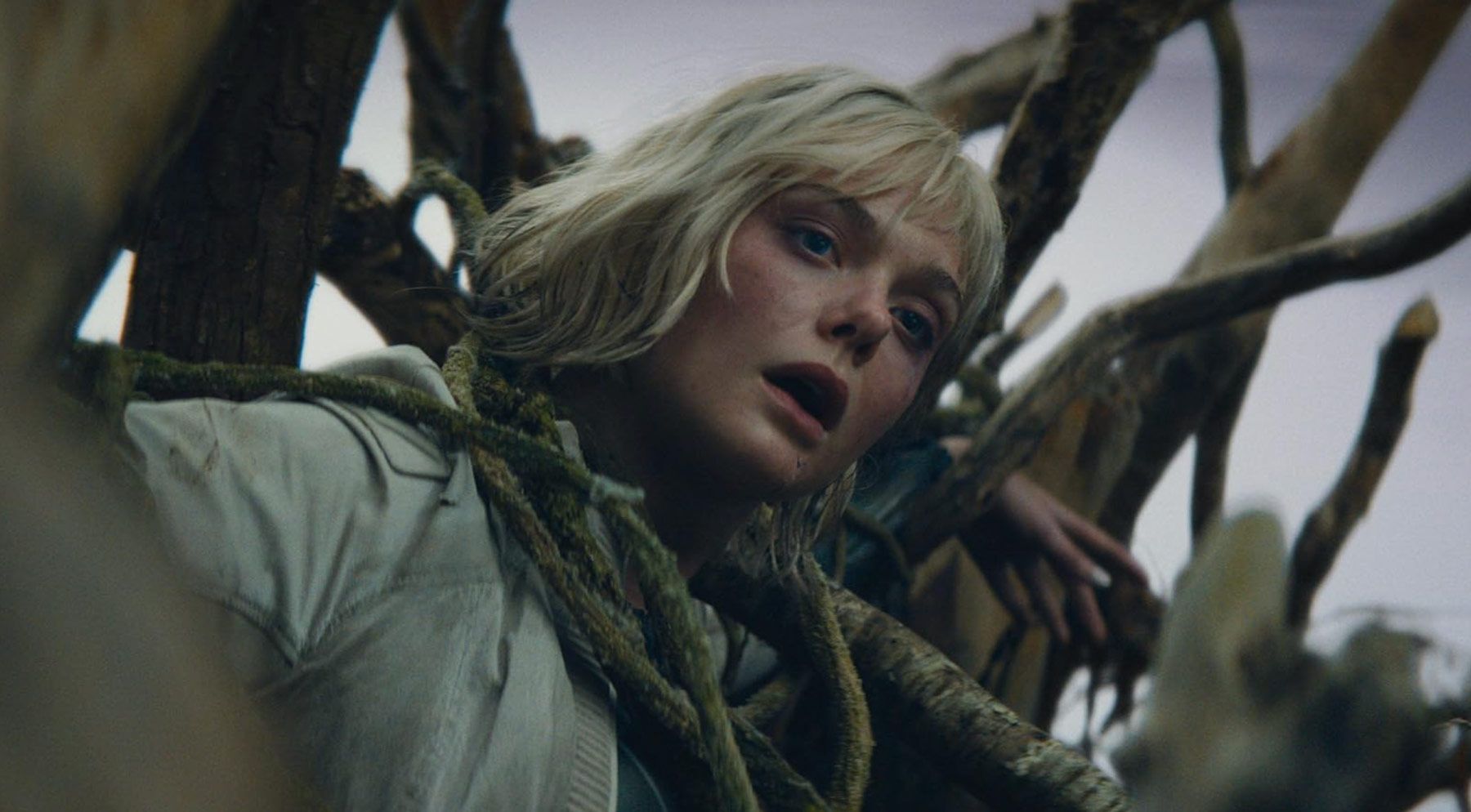
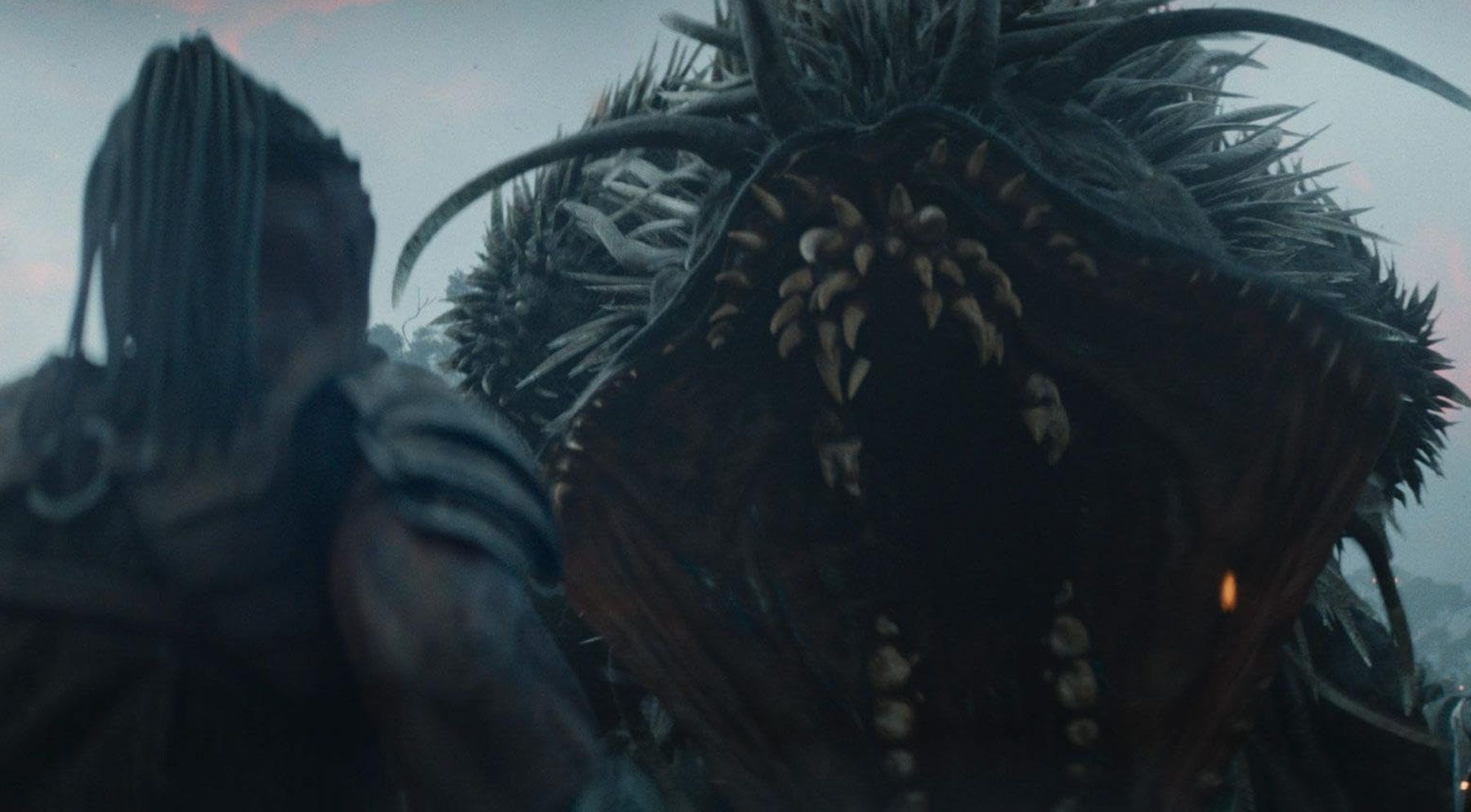
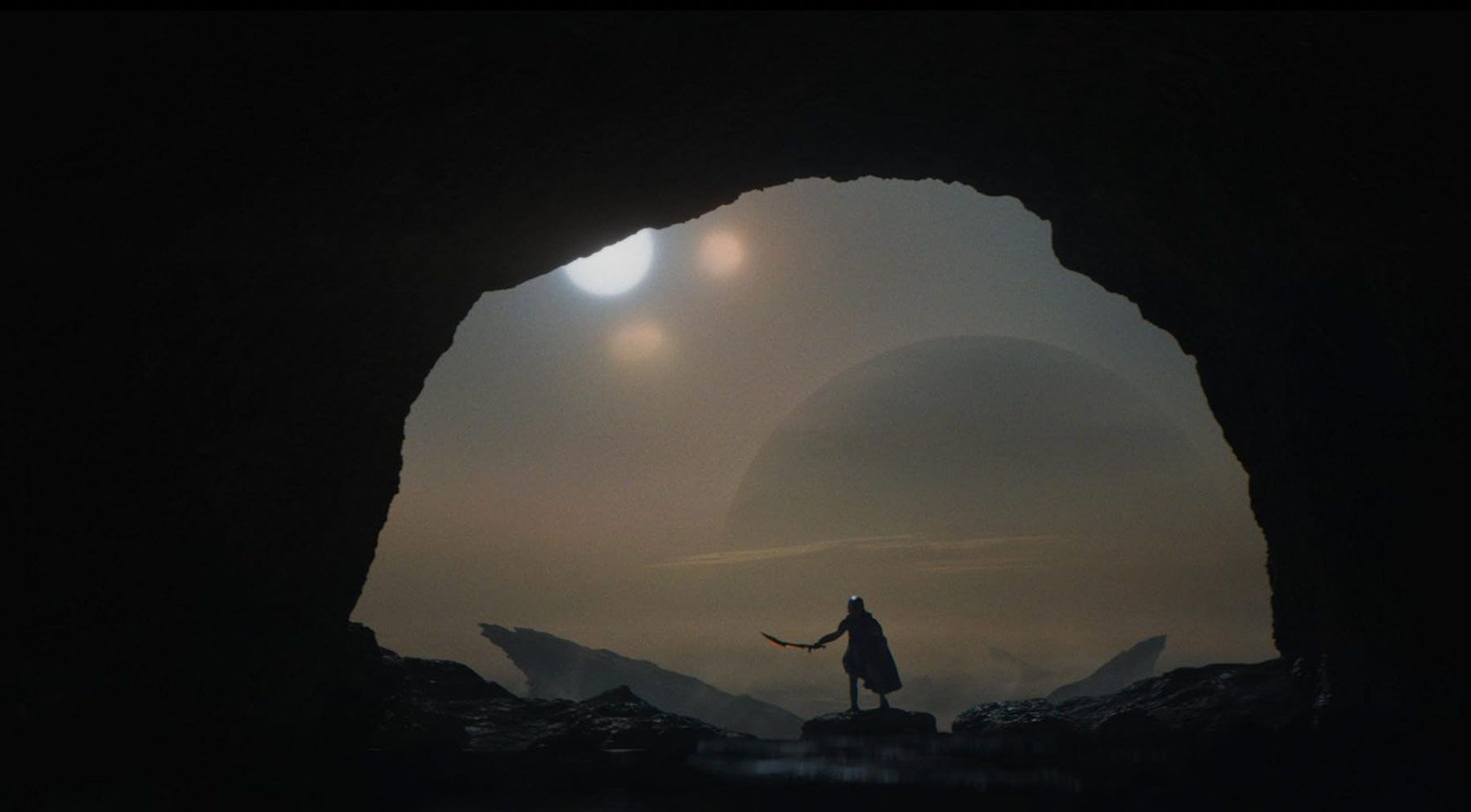
One can understand the hero’s doubts when the android girl Tia, cut in half, offers him a temporary alliance: he will take her to the destroyed station, there she will sew her legs back, and then help him find Kalisk. The role of the talkative and friendly Tia, and at the same time her evil twin sister Tessa, was played by Elle Fanning (respect to the versatile actress, who in the same season starred in the intellectual “Sentimental Value” by the Norwegian Joakim Trier). Finally, when other humanoids appear on screen, all of the many soldiers - also seemingly identical robots - are played by the annoyingly expressionless Cameron Brown.
Tia and Tessa work for the Weyland-Yutani corporation - this, as you remember, is completely from a different movie . Trachtenberg takes another risk, reminiscent of Alien vs. Predator, traditionally despised by fans of both series. However, there is no better way to implement the semantic inversion conceived by the director and his screenwriter Patrick Eison, quite in the spirit of “Avatar”: no matter how creepy Genna is, no matter what bloodthirsty monsters inhabit it, humanity from Earth will turn out to be more vicious and dangerous. Dec is a ruthless savage warrior (at least that’s what he wants to seem like to himself), but in comparison with people, even he will appear as a paladin without fear or reproach. And most importantly, he has an individuality that has been completely erased from identical human machines that have forgotten how to feel anything, controlled by the affectionately merciless voice of the AI - the omnipresent “Mother”.
Environmental issues—a fundamental and always key question for America about the (un)ethicality of “civilized” development of “wild lands”—make the new “Predator” extremely modern. At the same time, Trachtenberg achieves what his predecessors in the franchise never managed: he magically resurrects the carefree spirit of the hooligan and artisanal Hollywood of the 1980s, recalling not so much McTiernan’s masterpiece as another blockbuster with the young Schwarzenegger - “Conan the Barbarian.” An impenetrable strongman discovers his ability to empathize, and a team of unexpected, dissimilar like-minded allies defeats the dark forces - contrary to common sense, but in full accordance with the logic of a fairy tale.
Anton Dolin