
Translated material
Dick Cheney, one of the most influential politicians in US history, has died
He initiated the wars in Iraq and Afghanistan and, like Trump, advocated an “imperial presidency.” But he couldn’t stand Trump himself
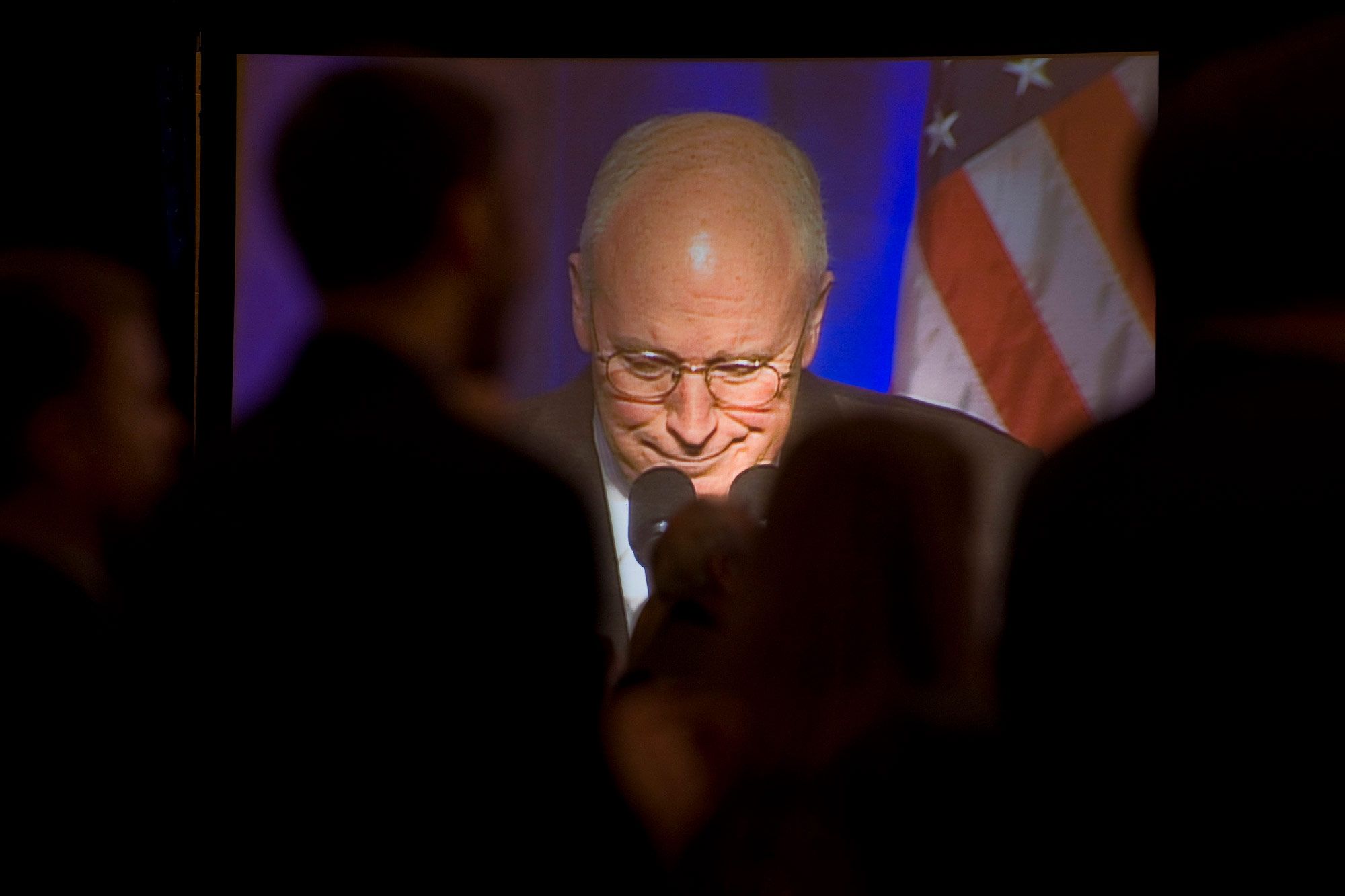
Former US Vice President Dick Cheney died on November 3. He is considered the most influential person to ever hold this position. In many ways, it was Cheney who initiated the “war on terror” and the subsequent invasions of Iraq and Afghanistan, as well as the expansion of the program of surveillance of Americans. In addition, Cheney actively promoted the theory of expanding presidential powers, which Donald Trump now uses, but at the end of his life he lost the former support of the Republicans. And the politician didn’t like the current president so much that in the last election he supported Democrat Kamala Harris.
Dick Cheney was born in 1941 in Nebraska, from where his family then moved to Wyoming. At school, the future vice president was captain of the football team and did not care much about his studies. Nevertheless, he entered the prestigious Yale University, but was soon expelled for poor academic performance. Returning to Wyoming, Chaney worked as an electrician and began drinking heavily (he was arrested twice for drunk driving). But after his wife Lynn said that she did not want to live with a simple electrician and a drunkard, Cheney pulled himself together and studied to be a political scientist. In the late 1960s, he began working on his doctorate at the University of Wisconsin, thereby receiving an exemption from the Vietnam War draft.
But Cheney never went into science, abandoning his dissertation to work as an assistant in the office of the governor of Wisconsin, Republican Warren Knowles. In 1968, he received a fellowship for a congressional internship. Having moved to Washington, 27-year-old Cheney made a rapid career in just a few years, going from assistant to Congressman William Steiger to chief of staff to President Gerald Ford .
In 1969, Steiger was approached by his colleague Donald Rumsfeld, asking for help with a new position in Richard Nixon's administration, where he had been appointed by the president. At the request of his boss, Cheney wrote a report that Rumsfeld liked so much that he appointed him as his assistant. After that, Rumsfeld and Cheney moved up the career ladder together. After Nixon resigned in 1974 as a result of the Watergate scandal, Rumsfeld was named chief of staff to the new President Gerald Ford, and Cheney became his deputy. The following year, Ford appointed Rumsfeld to head the Pentagon, and 34-year-old Cheney took over as White House chief of staff, becoming the youngest official to hold that post.
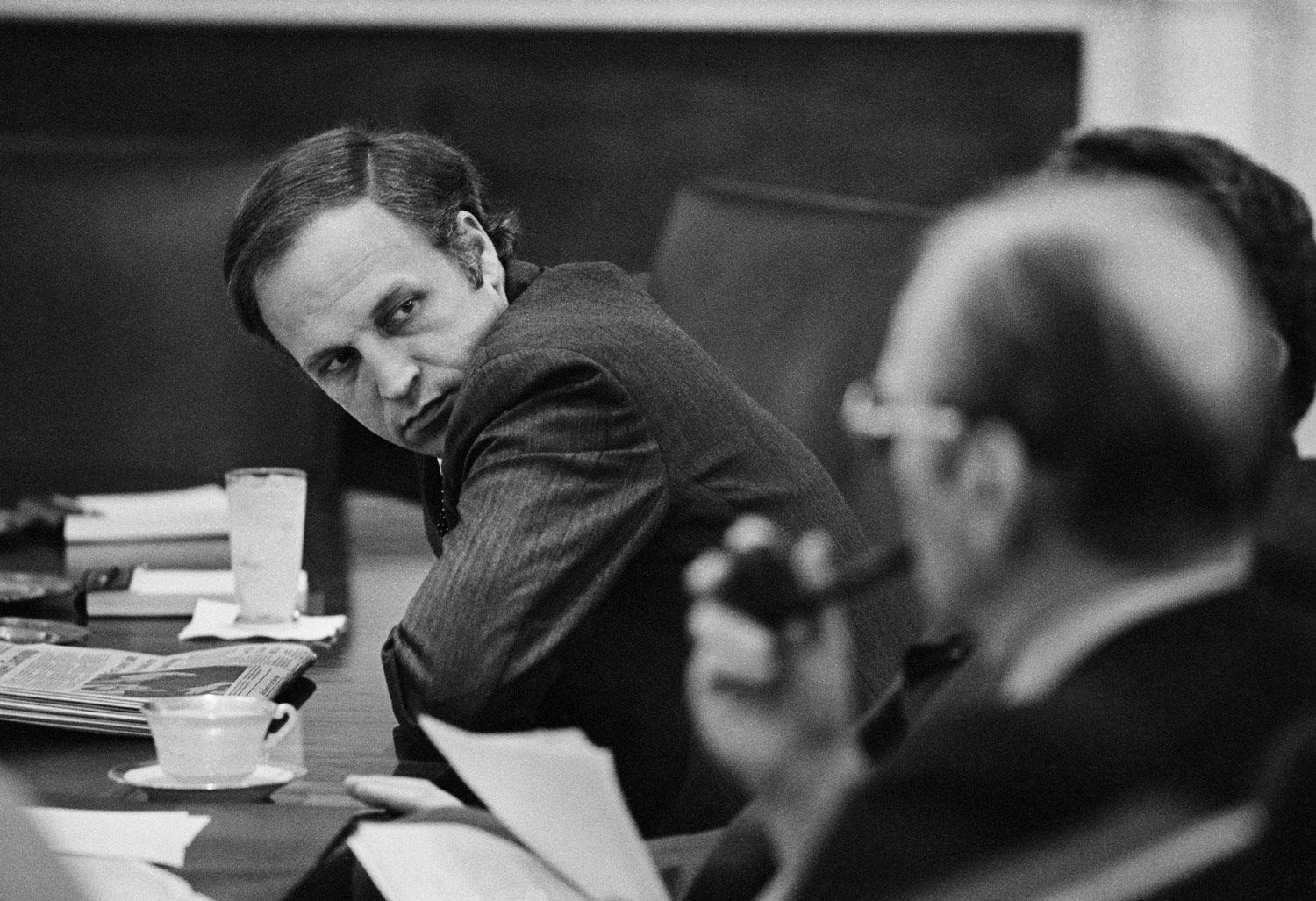
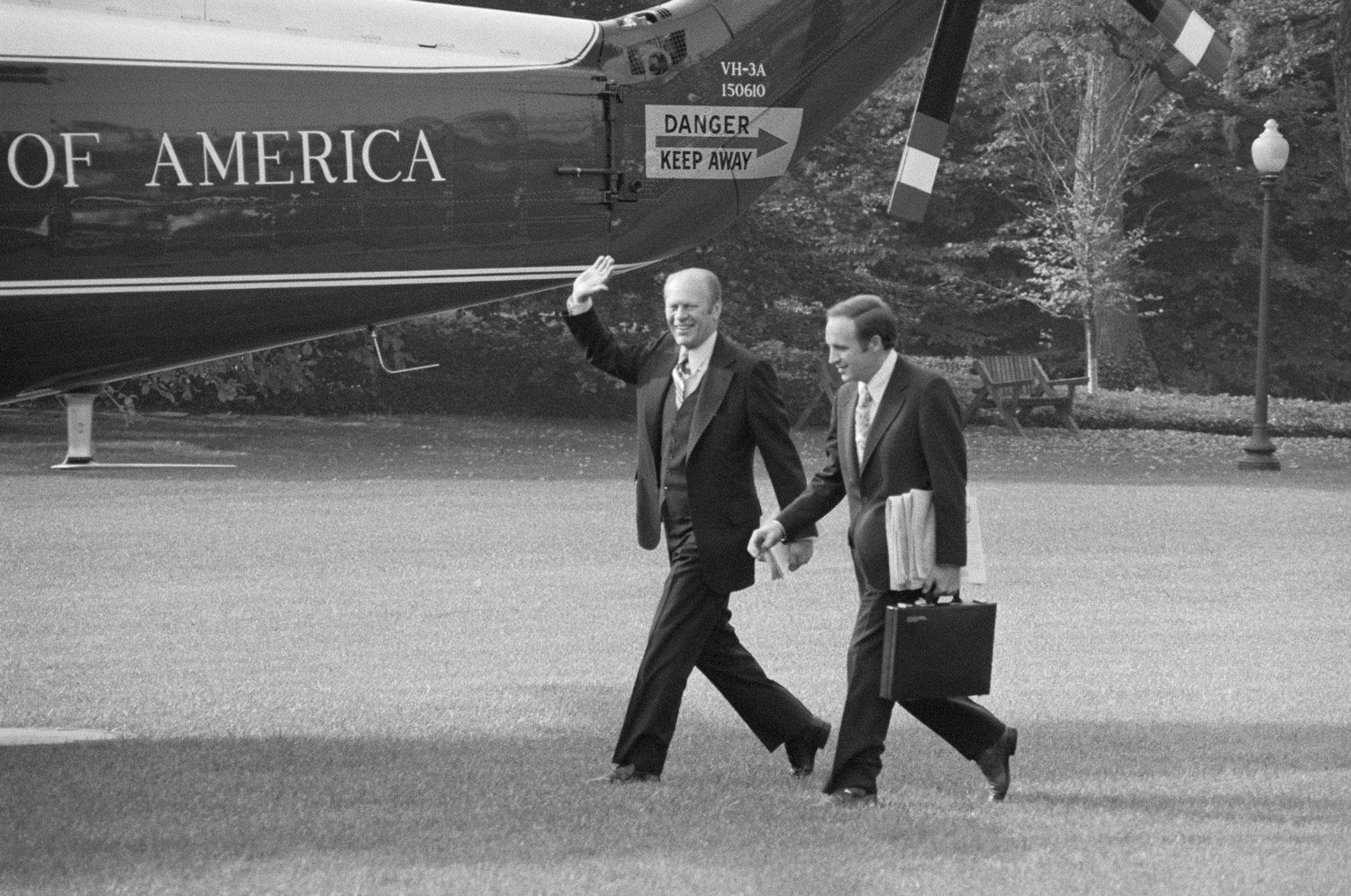
Cheney clashed with then-Vice President and liberal Republican Nelson Rockefeller. Before the 1976 election, he convinced Ford to replace him with conservative Senator Bob Dole. At the White House, he met the then head of the CIA, George H. W. Bush, Sr., who would later become president. When the CIA—after Nixon's resignation—prepared a report on its surveillance program against Nixon's opponents, Cheney personally edited it, replacing the word “illegal” with “improper.”
After the president's resignation, Congress passed a number of bills that were supposed to increase the transparency of the White House, and also limited the powers of intelligence agencies to wiretap Americans and obliged the president to coordinate military operations with legislators. Cheney believed that these measures undermined the power of the president, depriving him of the ability to fully govern the country. In a farewell message to James Baker, the future White House chief of staff under Ronald Reagan, Cheney wrote : “Restore the power and authority of the executive branch. Strong leadership is needed. Get rid of the War Powers Act."
Congressman and Minister
In 1976, Gerald Ford failed to win reelection, losing to Democrat Jimmy Carter. Then Cheney decided to run for Congress from Wyoming. However, in the midst of the election campaign, he suffered a heart attack , and his wife had to replace her husband at one of the events. Cheney was successfully elected and represented Wyoming for ten years. In the House of Representatives, the politician became one of the most conservative congressmen. He voted against sanctions against apartheid South Africa, gun regulation, environmental legislation and social programs. At the same time, he supported a ban on abortion, tax cuts, increased defense spending and compulsory prayers in public schools.
When the Iran-Contra scandal broke during Ronald Reagan's presidency, Congress condemned the White House's actions and banned it from funding militants in Nicaragua. Cheney, along with other Republicans, prepared his own report in which he called such restrictions illegal. However, this did not lead to any consequences.
Cheney's influence within the party grew rapidly, and by the late 1980s he became the second-most senior member of the Republican caucus in the House of Representatives. Many predicted the post of speaker for him, but he decided to rejoin the government when President George H. W. Bush had personnel problems. He nominated former senator John Tower for the post of defense minister, but amid numerous accusations of alcoholism and sexual harassment, he was unable to get enough votes. Then Bush offered the post of head of the Pentagon to Cheney, who was approved unanimously.
Against the background of the US victory in the Cold War, Cheney reduced the size of the armed forces by a quarter, closed more than 30 military bases in the US and canceled a number of programs to develop new weapons. He secured the appointment of Colin Powell to the post of Chief of the US General Staff, who became the first black man to hold this position. Cheney coordinated US military operations in Somalia and Haiti, as well as the invasion of Panama by US troops, which killed more than 3.5 thousand local residents. The reason for this was accusations of drug trafficking against the country's President Manuel Noriega, who was detained and sent under arrest to the United States.
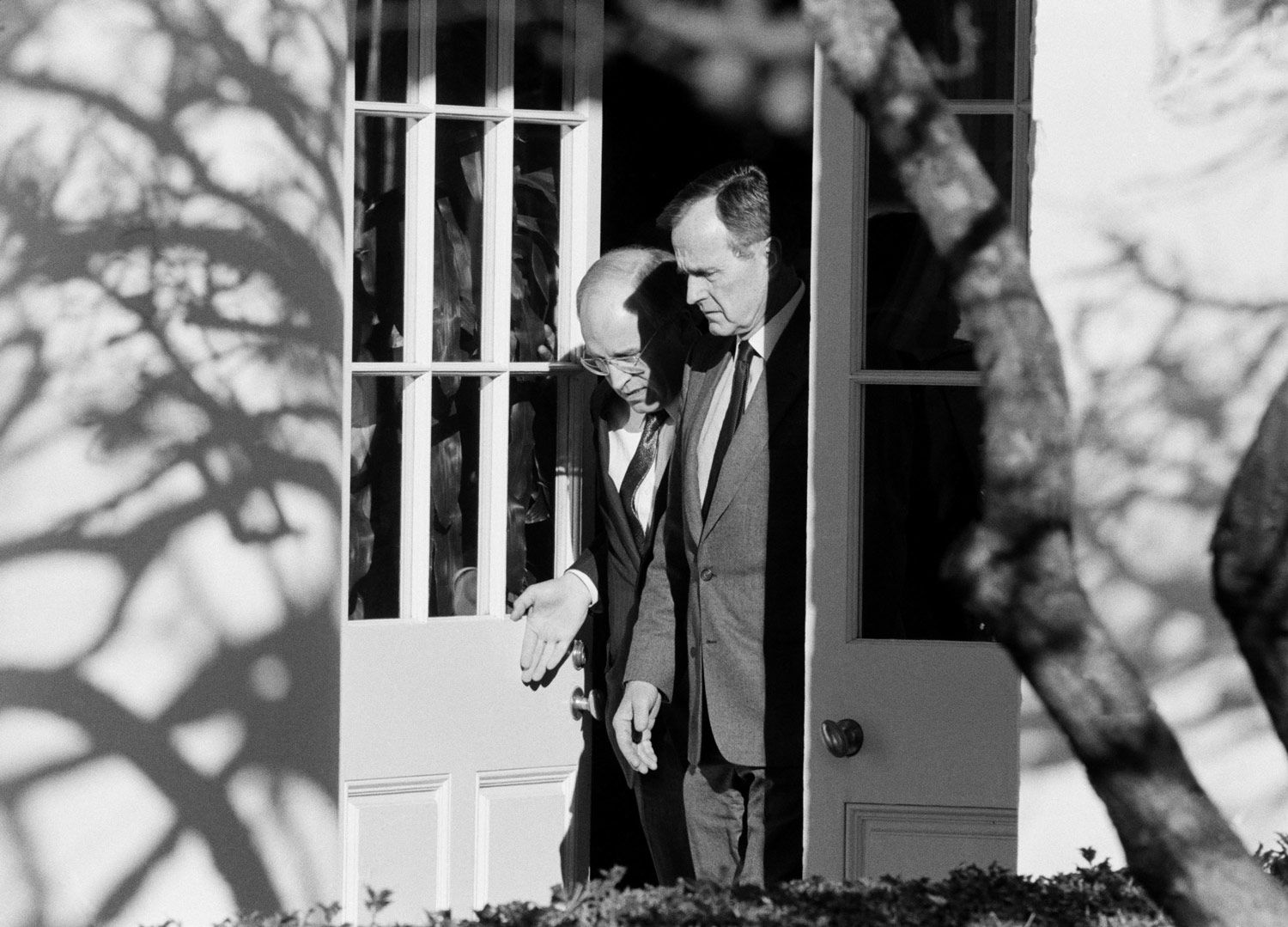
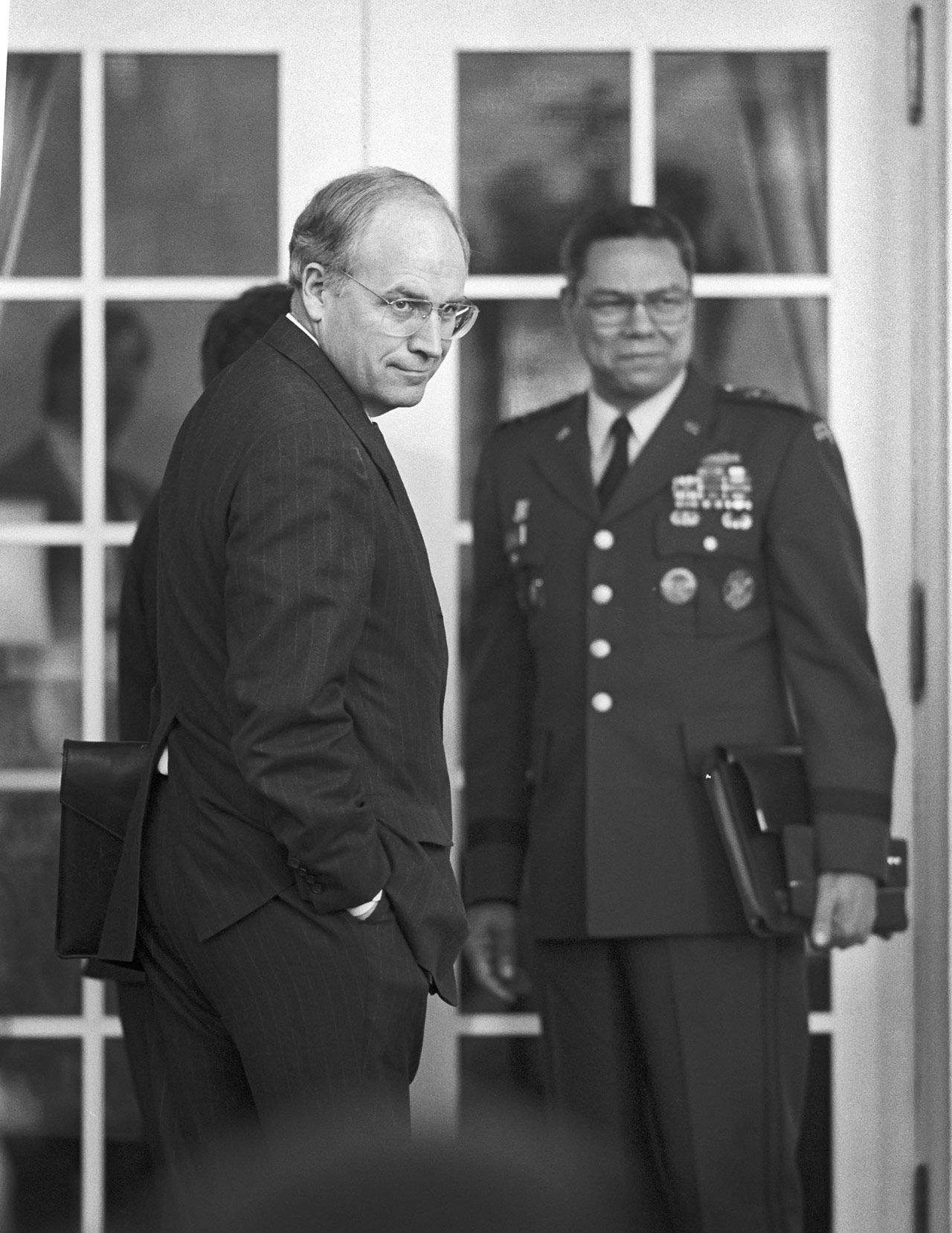
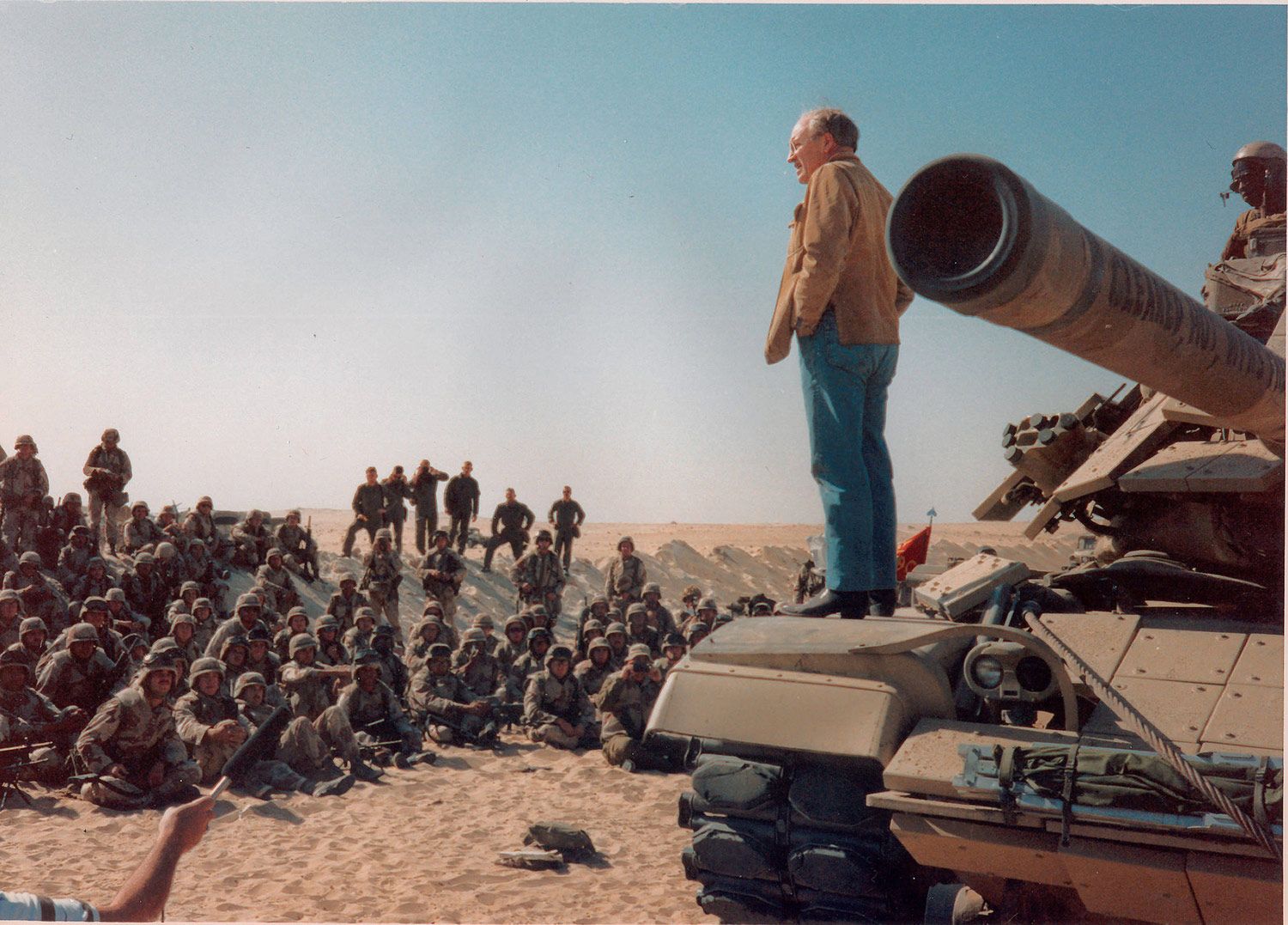
In 1990, Iraqi troops invaded neighboring Kuwait and the United States launched Operation Desert Storm, defeating Saddam Hussein's army. The State Department argued that to begin the operation, Bush must first obtain permission from Congress and the UN Security Council. Cheney insisted that permission was not needed.
At the same time, the vice president opposed a large-scale invasion of Iraq, believing that it would cost the United States too much: “How many more American lives does Hussein cost? We decided not too much, and I think we decided correctly.” In 1991, Bush presented him with the Presidential Medal of Freedom, the nation's highest civilian honor. Moreover, precisely for his actions during the war in Iraq.
After Bush Sr.'s defeat in the 1992 election, Cheney left the government. He considered launching his own presidential campaign in 1995, but decided against it , deciding that he lacked both health and charisma.
That same year, he headed the board of directors of the major oil company Halliburton and left it in 2000, having earned more than $40 million during that time. Before the US invasion of Iraq in 2003, the firm received a large contract worth $7 billion, for which only it could bid. Cheney himself denied that he helped the company obtain government contracts in Iraq occupied by American troops. When Democratic Senator Patrick Leahy asked him about it at an event, Cheney rudely dismissed him.
Secret President of America
In 2000, the former president's son and Texas Governor George W. Bush became the Republican presidential nominee. He turned to Cheney for help, asking him to review a list of 11 candidates for the post of vice president and choose the best one. But he unexpectedly refused, offered himself as a candidate - and easily convinced Bush.
To run, Cheney had to sell her house in Dallas, Texas, and move back to Wyoming because the 12th Amendment to the US Constitution prohibits the president and vice president from being residents of the same state.
Bush and Cheney complemented each other well: the former had a simplicity and charisma that appealed to voters, and the latter had extensive experience in Congress and government. They immediately developed a strong working relationship, quite atypical for a president and vice president.
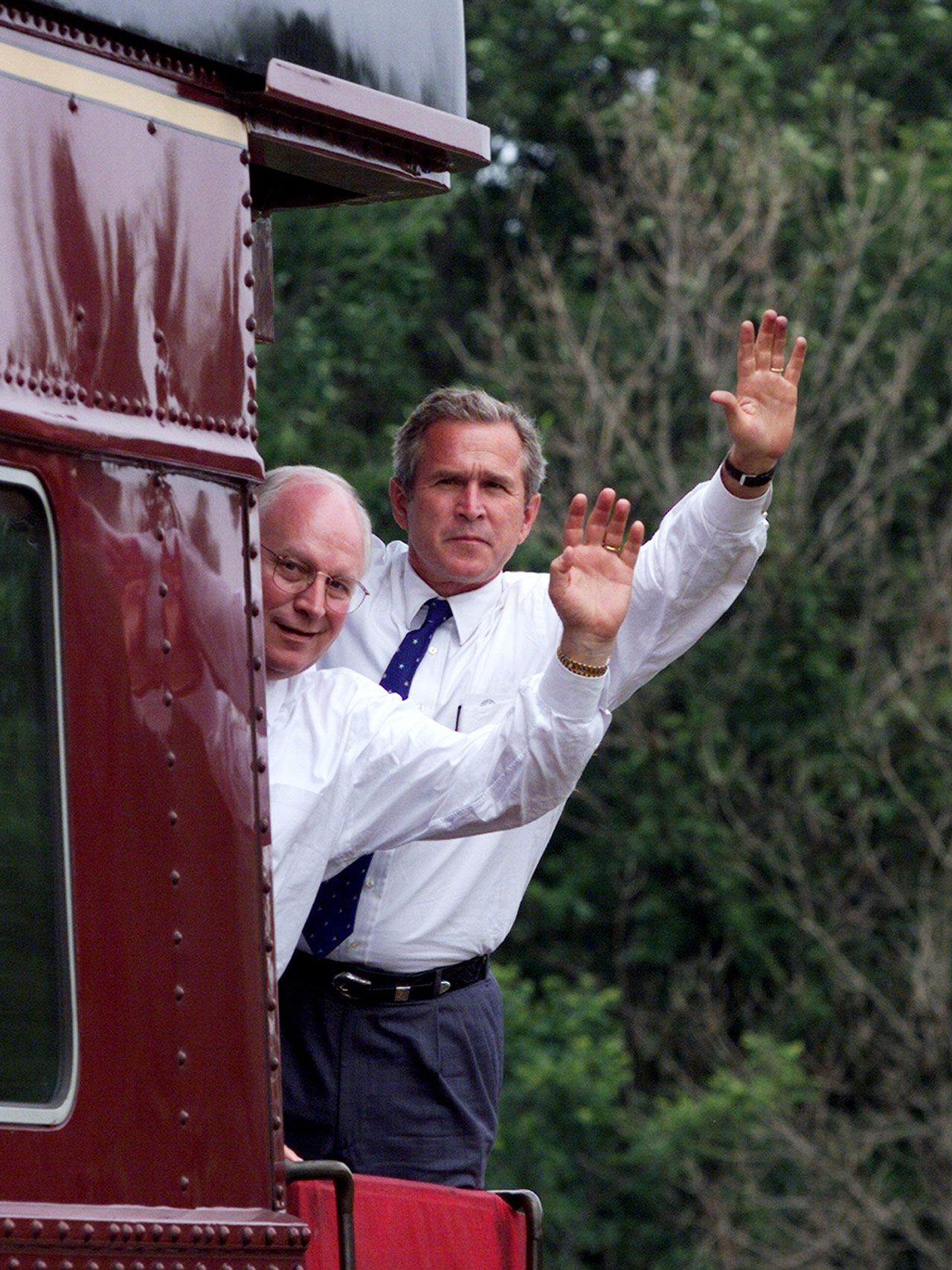
When the outcome of the presidential election was in doubt due to a recount in Florida, Cheney got the Supreme Court to halt the recount. He also led the White House transition team, which coordinates work with the outgoing presidential administration and prepares personnel lists for key positions in the government.
In addition to old acquaintances Donald Rumsfeld and Colin Powell, who headed the Pentagon and the State Department, Cheney appointed his supporters to key positions in the White House, the Department of Justice and the Department of Defense. Together with chief of staff Lewis Libby and lawyer David Addington, he created his own national security council and received many intelligence data before the president
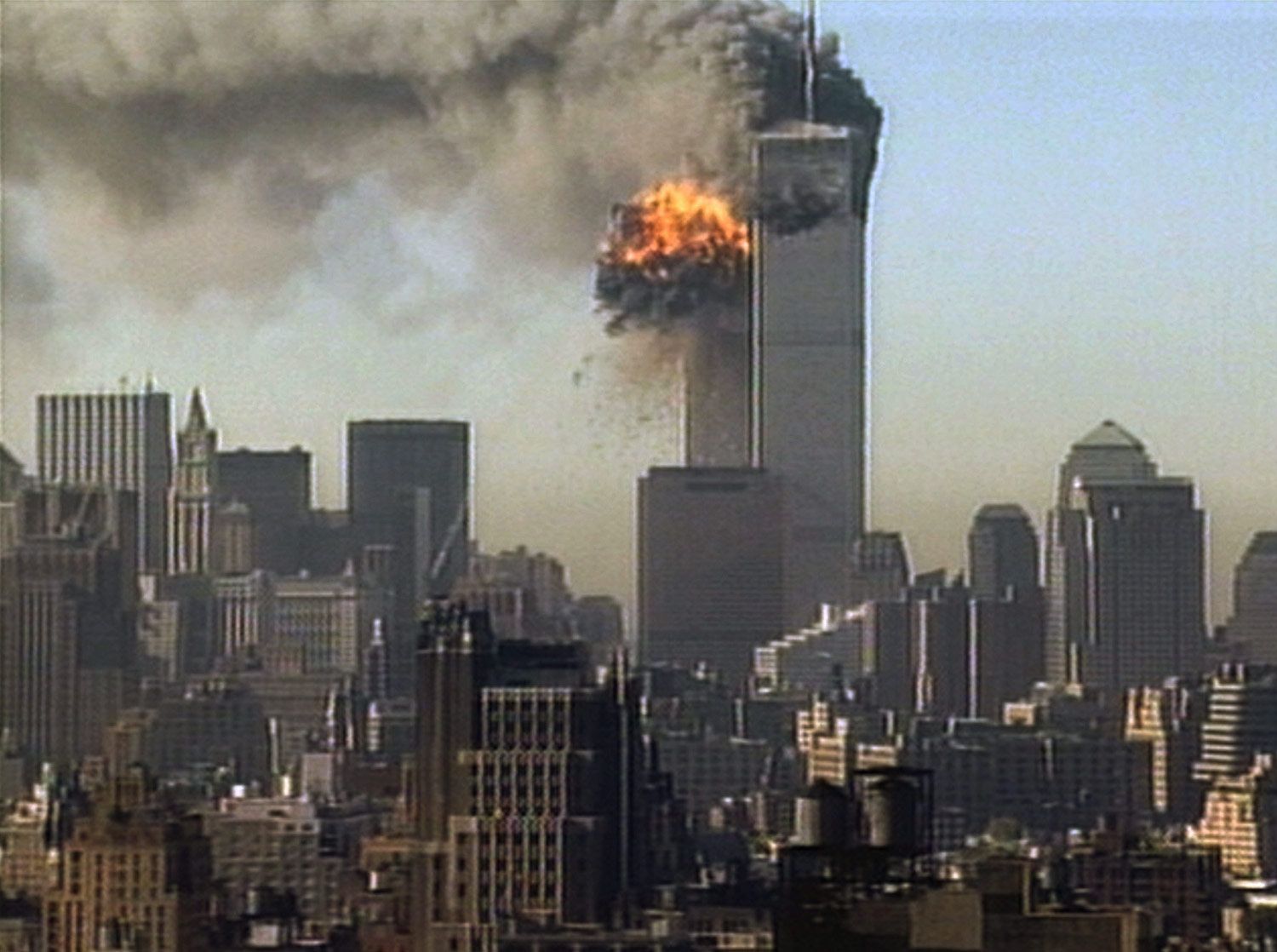
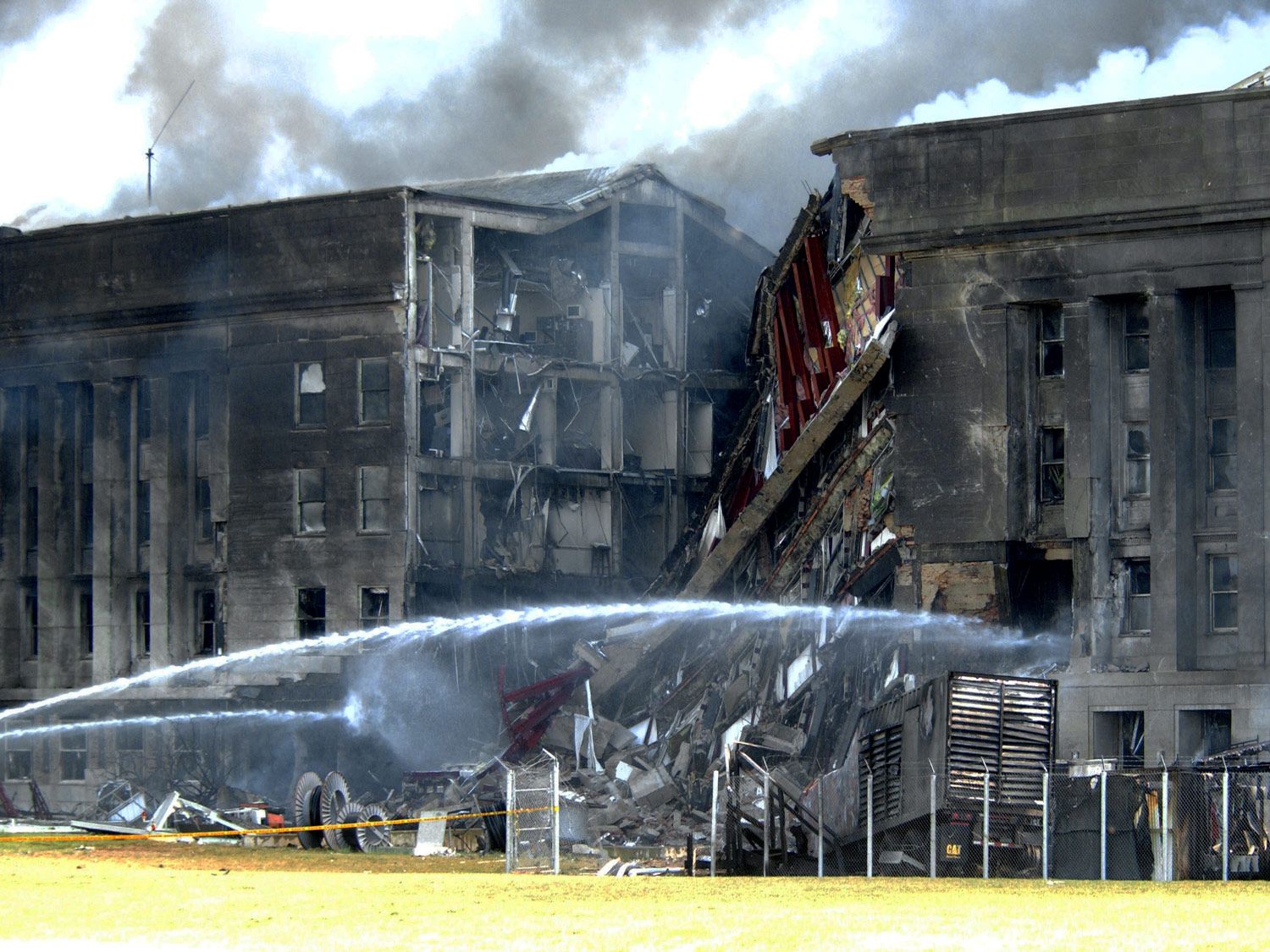
President Bush wanted to spend his first term tackling domestic policy issues such as tax cuts and pension reform, leaving foreign policy for later. But these plans were disrupted by the terrorist attack of September 11, 2001, when al-Qaeda terrorists hijacked several passenger planes, sending them to the twin towers of the World Trade Center and the Pentagon building.
Bush was at an elementary school in Florida that day and was transported to a government facility in Nebraska shortly after the attack. At this time, Cheney essentially took over control of the country (this lasted about nine hours). It was he who gave the order to shoot down one of the planes, which crashed after passengers tried to storm the cockpit.
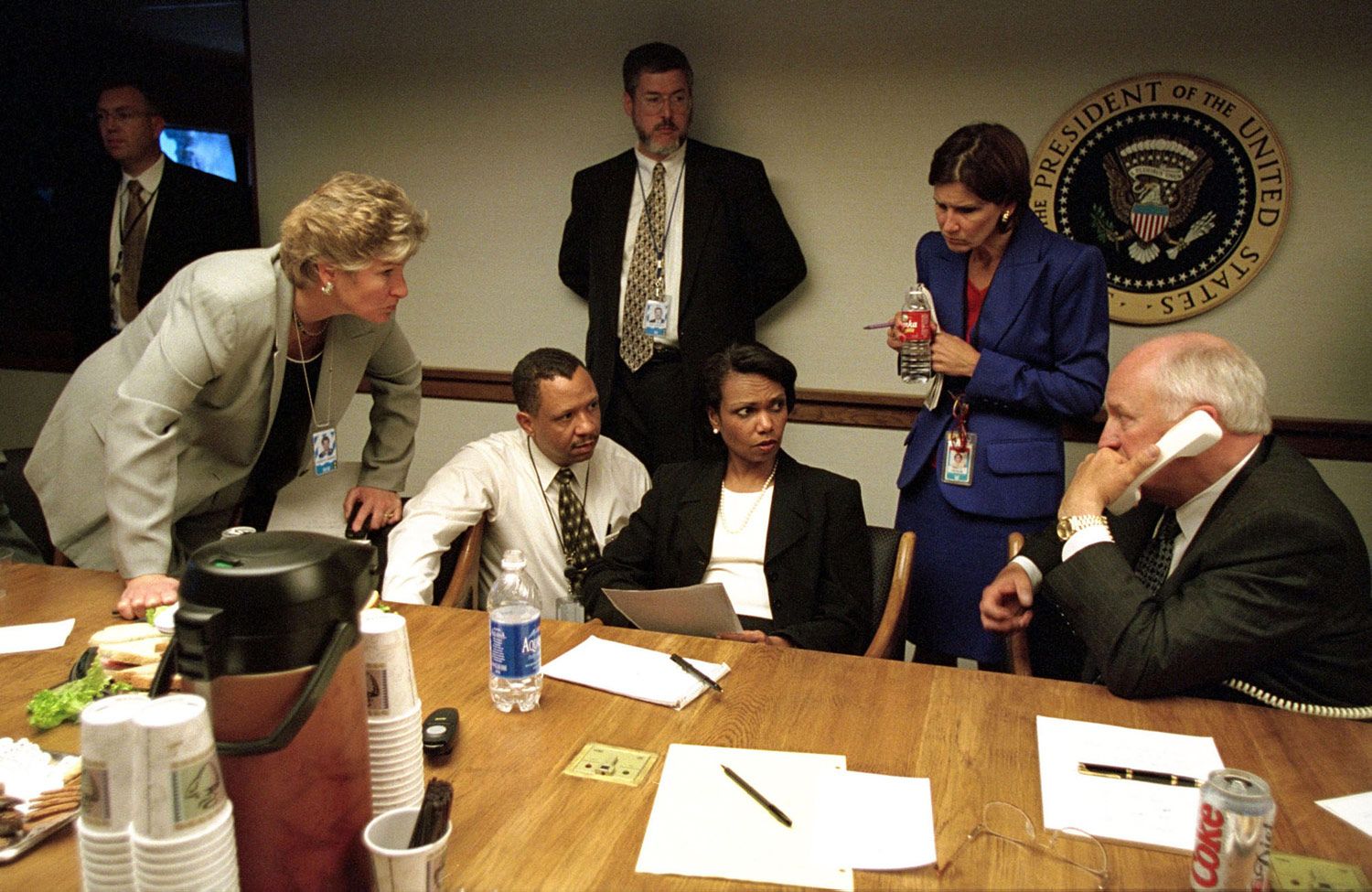
Using his connections in Congress, in October 2001, Cheney was able to achieve the passage of the Patriot Act , which significantly expanded the government's powers to spy on terrorism suspects. Without the president's knowledge, he launched the illegal surveillance program Stellar Wind, which allowed intelligence agencies to access call and Internet traffic data without a court warrant.
Hundreds of people were arrested and held indefinitely at the US military base at Guantanamo Bay and secret CIA facilities, and footage of brutal torture in American prisons spread around the world. In 2006, the Supreme Court ruled such practices illegal.
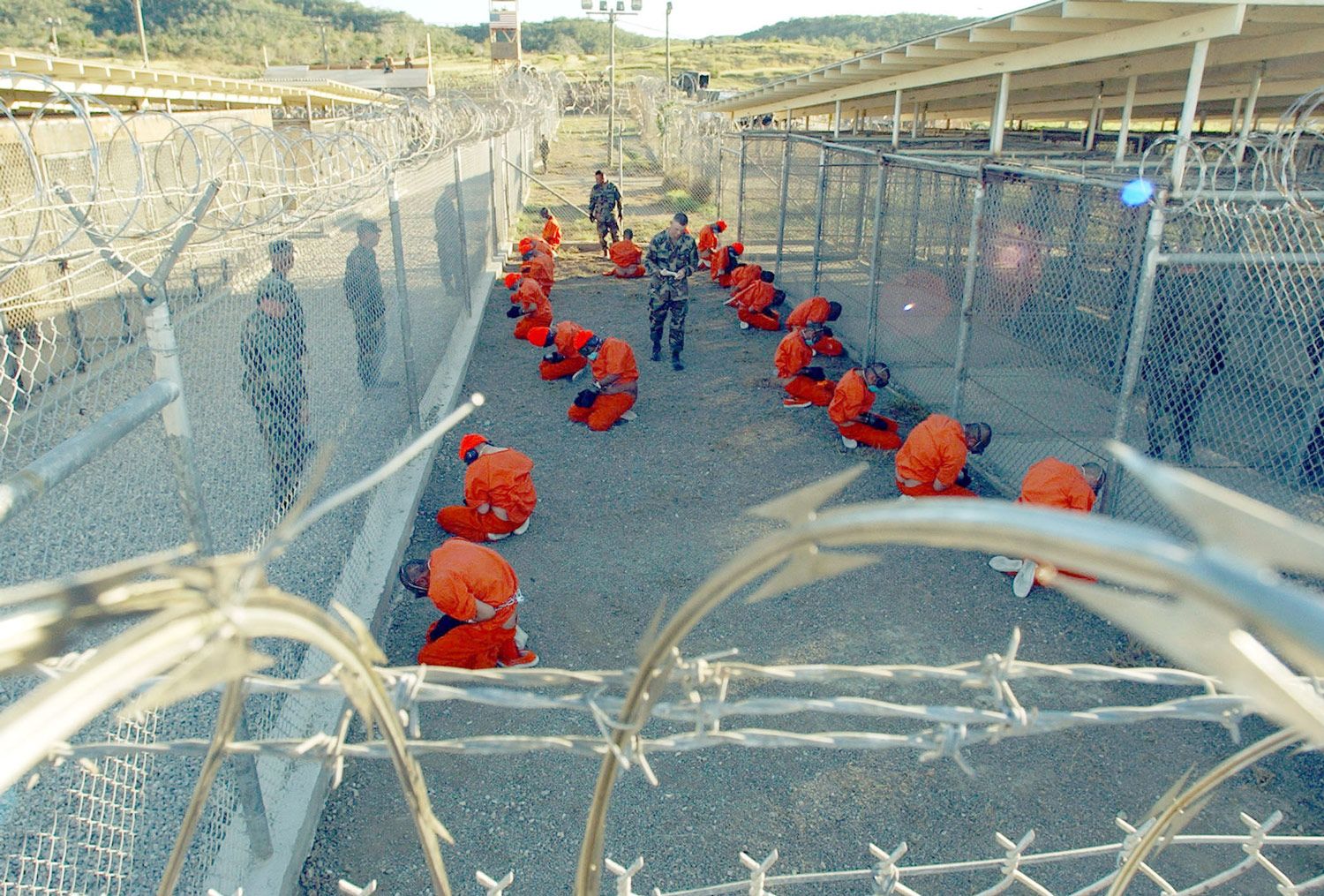
White House and Justice Department lawyers appointed by Cheney in internal documents justified the legality of torturing terrorism suspects by recognizing them as “non-state combatants” who are not covered by the Geneva Prisoners of War Convention. In 2012, the Senate published a lengthy report on the CIA’s “torture program,” in which the intelligence service was accused of hiding information.
In addition, shortly after the September 11 terrorist attacks, the vice president convinced Bush to launch an invasion of Afghanistan to overthrow the ruling Taliban movement, which the United States accused of supporting al-Qaeda.
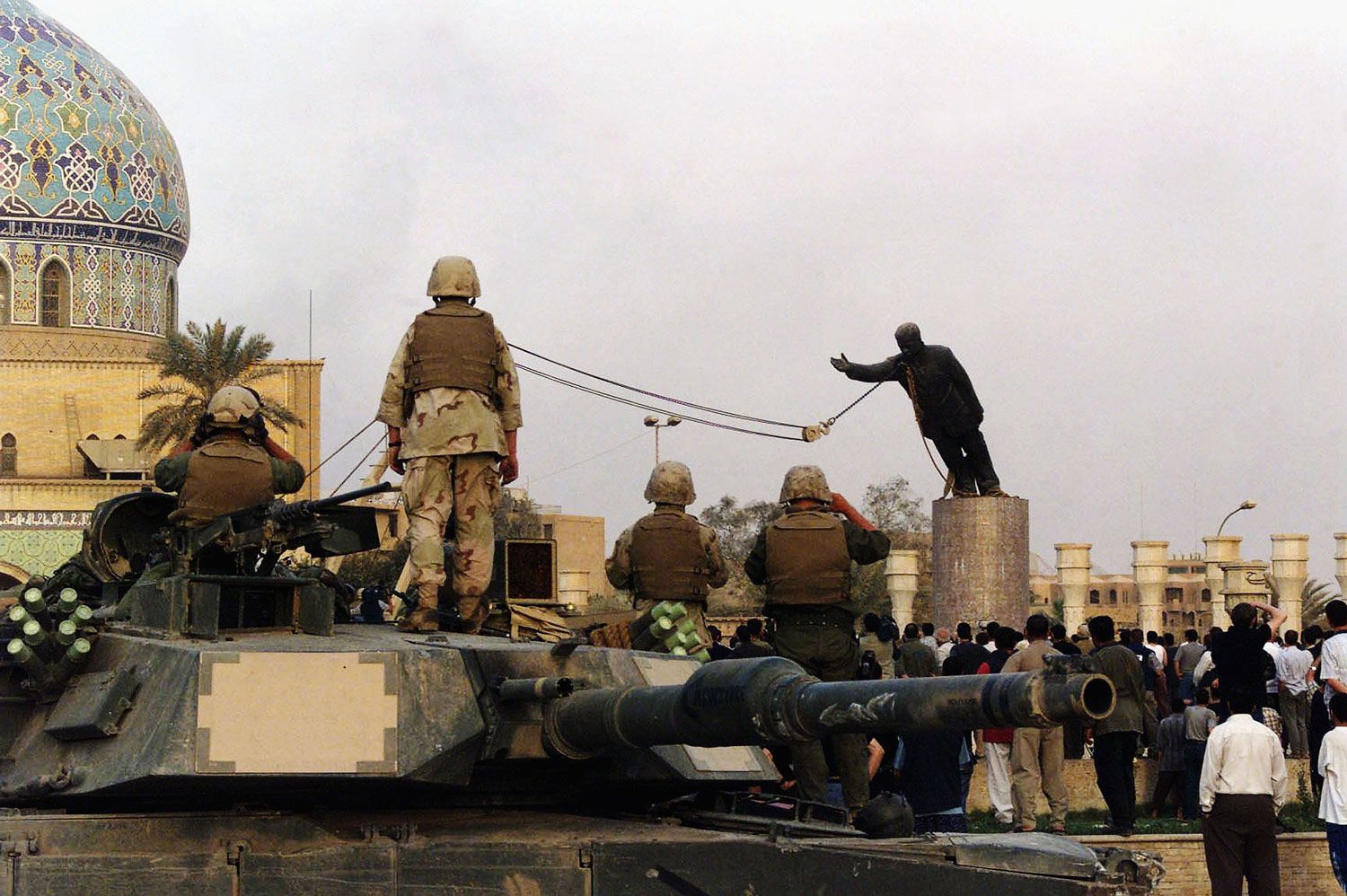
Cheney made similar accusations against Iraqi leader Saddam Hussein. Under the false pretext of the presence of weapons of mass destruction in Iraq, which could fall into the hands of terrorists, in 2003, American troops launched a military operation to overthrow the Hussein regime. In both countries, the United States was quickly able to achieve its goals, but both conflicts eventually turned into multi-year wars. Several thousand military personnel and hundreds of thousands of local residents died .
Cheney considered the so-called theory of a unified executive power to be the rationale for all these actions. According to it, the president, as head of the executive branch, has unlimited control over it, especially in the event of a threat to national security.
Donald Trump holds similar views, justifying mass layoffs of government employees and attacks on drug cartel ships. These arguments find support among conservative members of the Supreme Court (some of whom Dick Cheney and his supporters selected in the 2000s).
Decline of a career
Before the 2004 elections, Cheney suggested that Bush find a new vice president because in the eyes of Americans he had become the “Darth Vader of the administration.” Bush seriously considered this possibility, but ultimately decided against it.
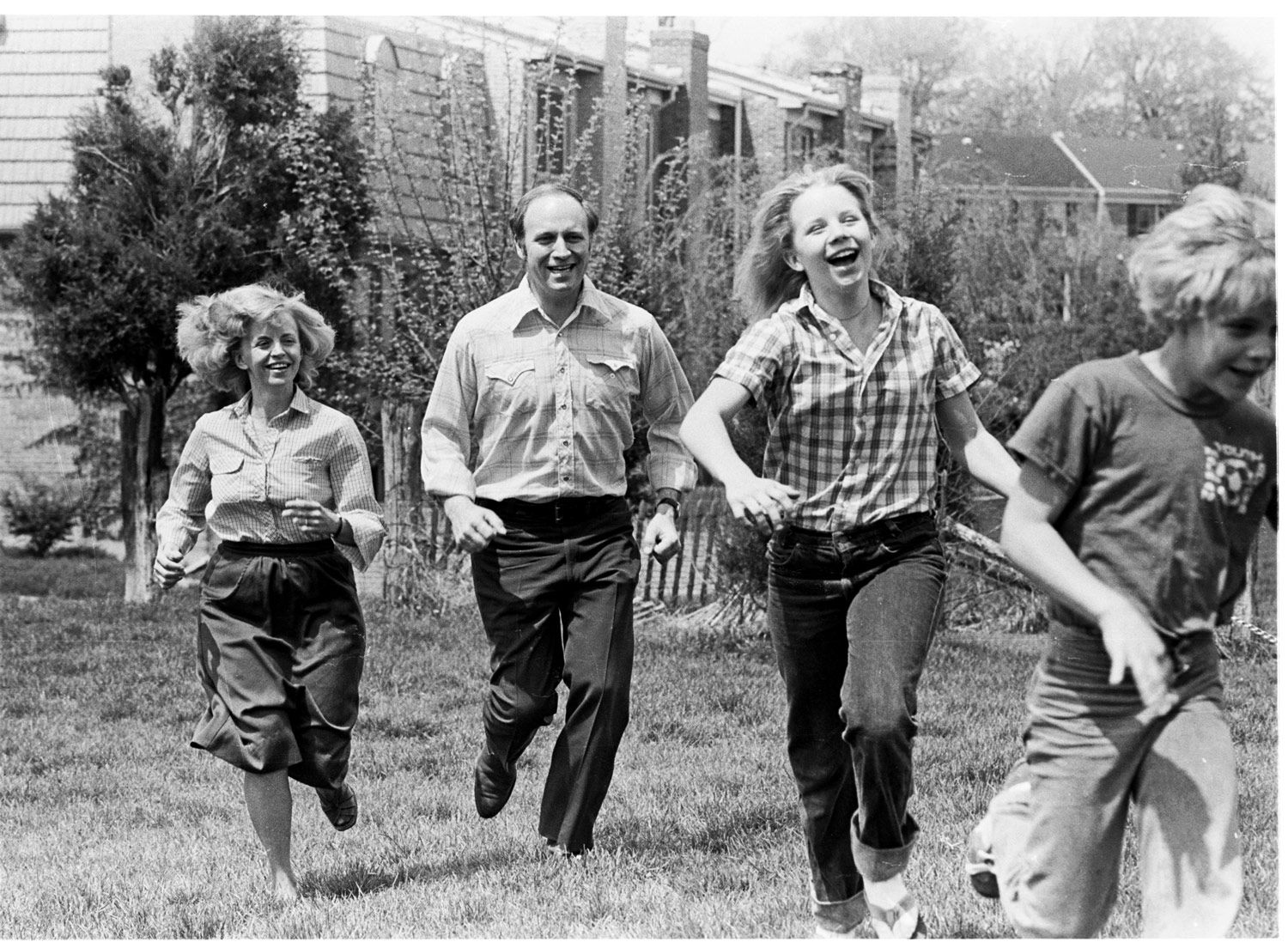
During the election campaign, Republicans organized a series of referendums in 11 states on banning same-sex marriage to mobilize conservative voters in support of Bush. Cheney himself, at one of his meetings with voters, to the surprise of many, said that the issue of same-sex marriage should be decided by the states. He also mentioned for the first time that his daughter Mary is a lesbian. Later, after leaving the White House, Cheney became one of the first Republicans to support the legalization of same-sex marriage.
After Bush Jr.'s re-election to a second term, Cheney's influence on White House policy began to decline. In 2005, his chief of staff, Lewis Libby, was indicted and sentenced to 30 months in prison for lying about revealing the identity of a CIA agent whose husband had criticized the Iraq War. Bush agreed to shorten his prison term but refused to grant a pardon, which led to a conflict with Cheney. In 2018, Libby was granted a full pardon by Donald Trump.
Cheney himself also found himself at the center of a scandal when, in February 2006, he accidentally shot his friend Harry Whittington while hunting. The wounds were not fatal, but President Bush was not immediately notified of this, which led to a conflict with the vice president. The White House informed the press about the incident, but Cheney himself refused to comment for several days.
By the end of his term in January 2009, Cheney's job approval rating among Americans had fallen to a record low of 30%. But he didn't seem to care much. When in 2008, on the air of one of the TV channels, the presenter noted that two-thirds of Americans oppose the war in Iraq, the vice president replied : “So what? We cannot be thrown off course by fluctuations in public opinion.” Ten years later, he continued to insist that the invasion of Iraq and the torture of terrorism suspects were justified.
After leaving the White House, Cheney broke the unspoken tradition for presidents and vice presidents not to comment on the work of their successors and actively criticized the foreign policy of Barack Obama, who promised to close the military base at Guantanamo Bay. But as the wars in Iraq and Afghanistan became increasingly unpopular, even many Republicans began to view Cheney unfavorably. In 2016, Donald Trump directly criticized Bush and Cheney for US actions in the Middle East. Cheney himself reluctantly supported Trump when he became the official Republican nominee, although he has sometimes criticized his foreign policy.
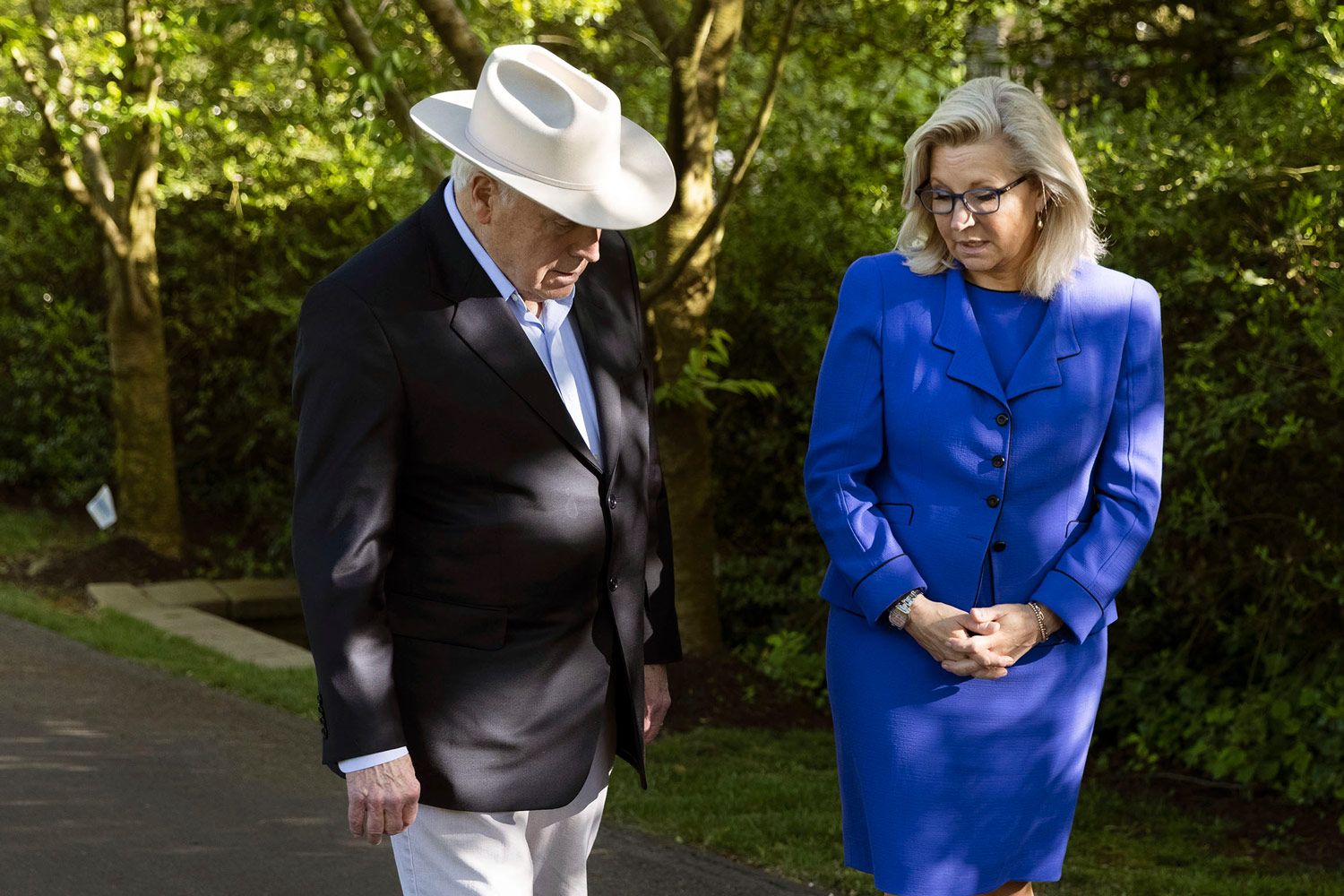
That same year, former Vice President Liz Cheney's daughter was elected to the House of Representatives. She quickly entered the leadership of the Republican faction in Congress and became known for her conservative views. But after the 2020 election, she criticized Trump for refusing to recognize Joe Biden's victory and joined the committee investigating the storming of the Capitol on January 6, 2021. For this she was expelled from the party, and in 2022 she lost re-election.
Cheney actively defended his daughter and called Trump a coward and the most dangerous man in US history. He responded by calling for Liz Cheney to be tried. The conflict between Cheney and Trump turned out to be so serious that in the 2024 presidential election, the former vice president and his daughter came out in support of Democrat Kamala Harris.
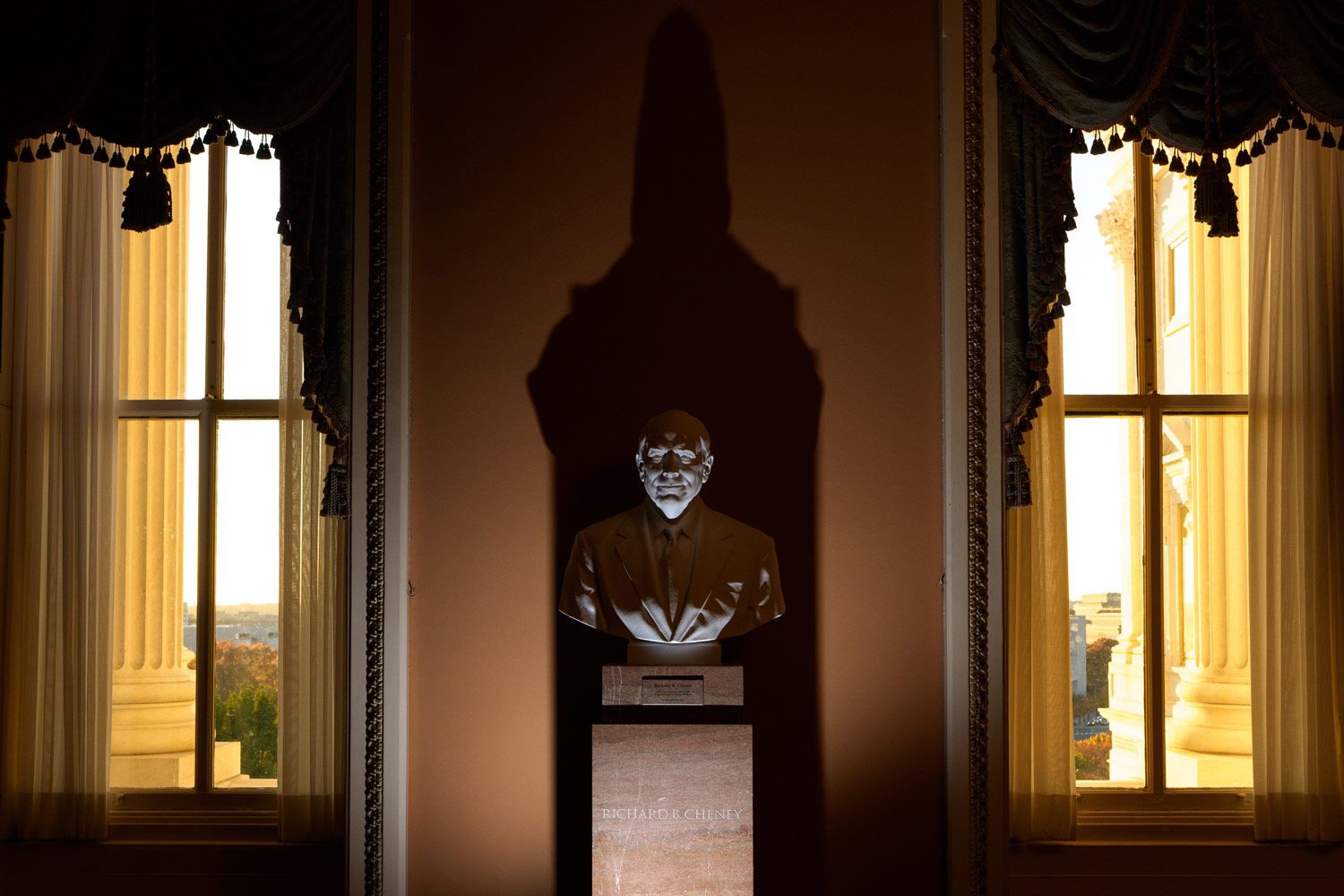
After Cheney's death, many Republican politicians, including their congressional leaders Mike Johnson and John Thune, praised his contributions to American politics. Even some Democrats who were vocal critics of him during his vice presidency spoke warmly of him. Former House Speaker Nancy Pelosi called Cheney "a patriot who loves his country." But Trump and Vice President J.D. Vance did not release a statement of condolences to his family.
* * *
When asked in an interview about his approach to fighting al-Qaeda, Cheney responded: “We also have to work on the dark side, so to speak. We have to spend time in the shadows, in the world of intelligence. Much of what needs to be done will have to be done quietly, without any discussion." This response largely reflected Cheney's approach to politics. He did not really like publicity and small talk, rarely communicated with the press and preferred to act from behind the scenes, making decisions without much discussion.
In this, he was the complete opposite of Trump, who tries to turn every aspect of his work into a spectacular show and constantly strives to be the center of attention. It is all the more ironic that both politicians ultimately strived for the same goal: the so-called imperial presidency , free from checks and balances in the form of other branches of government.
"Jellyfish"