
Translated material
If you are not from Yakutia, then you have hardly heard of photographer Ivan Popov. He photographed the region at the beginning of the 20th century - and did it amazingly
Here is the story of this author, who was actually an icon painter
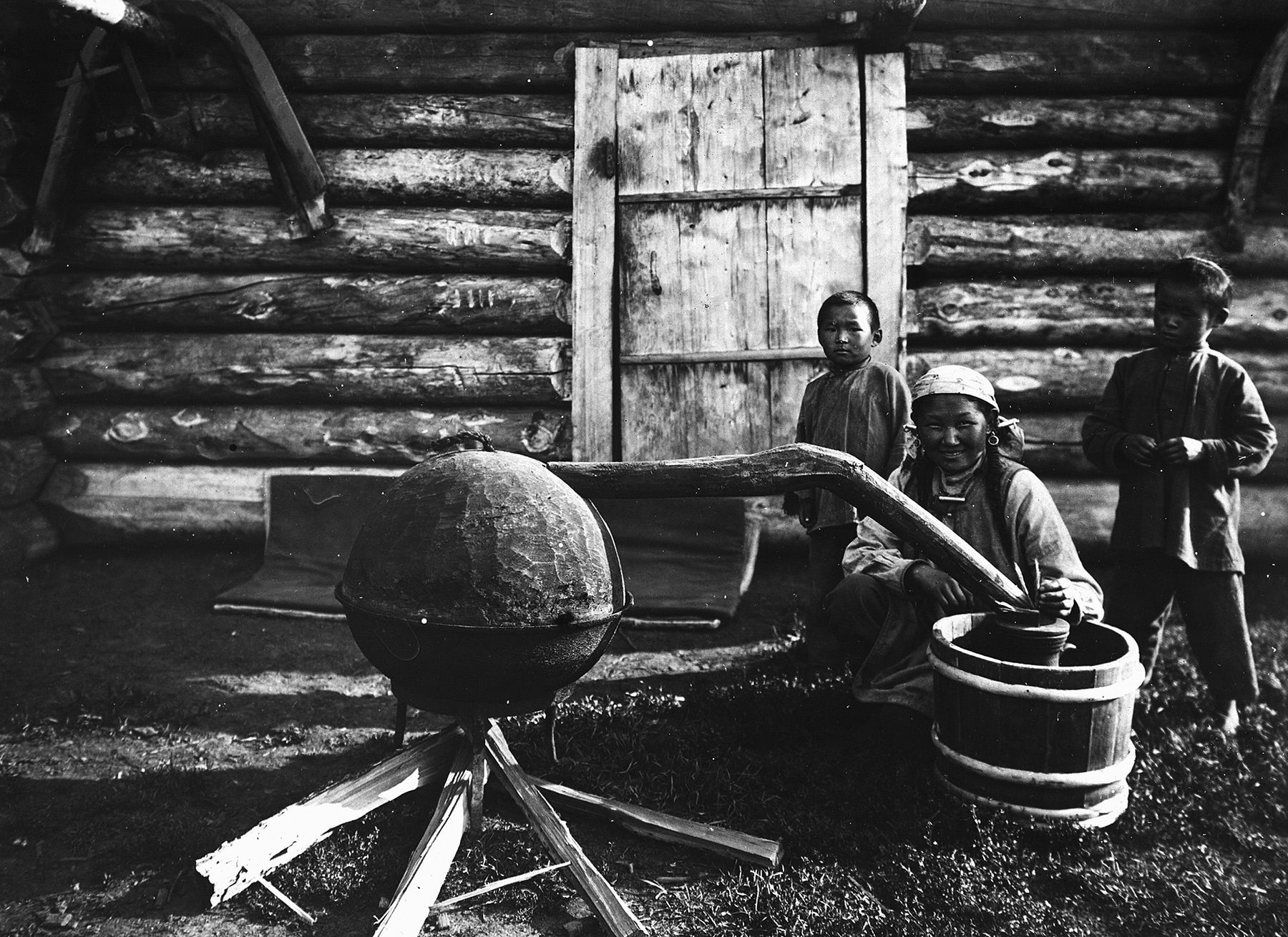
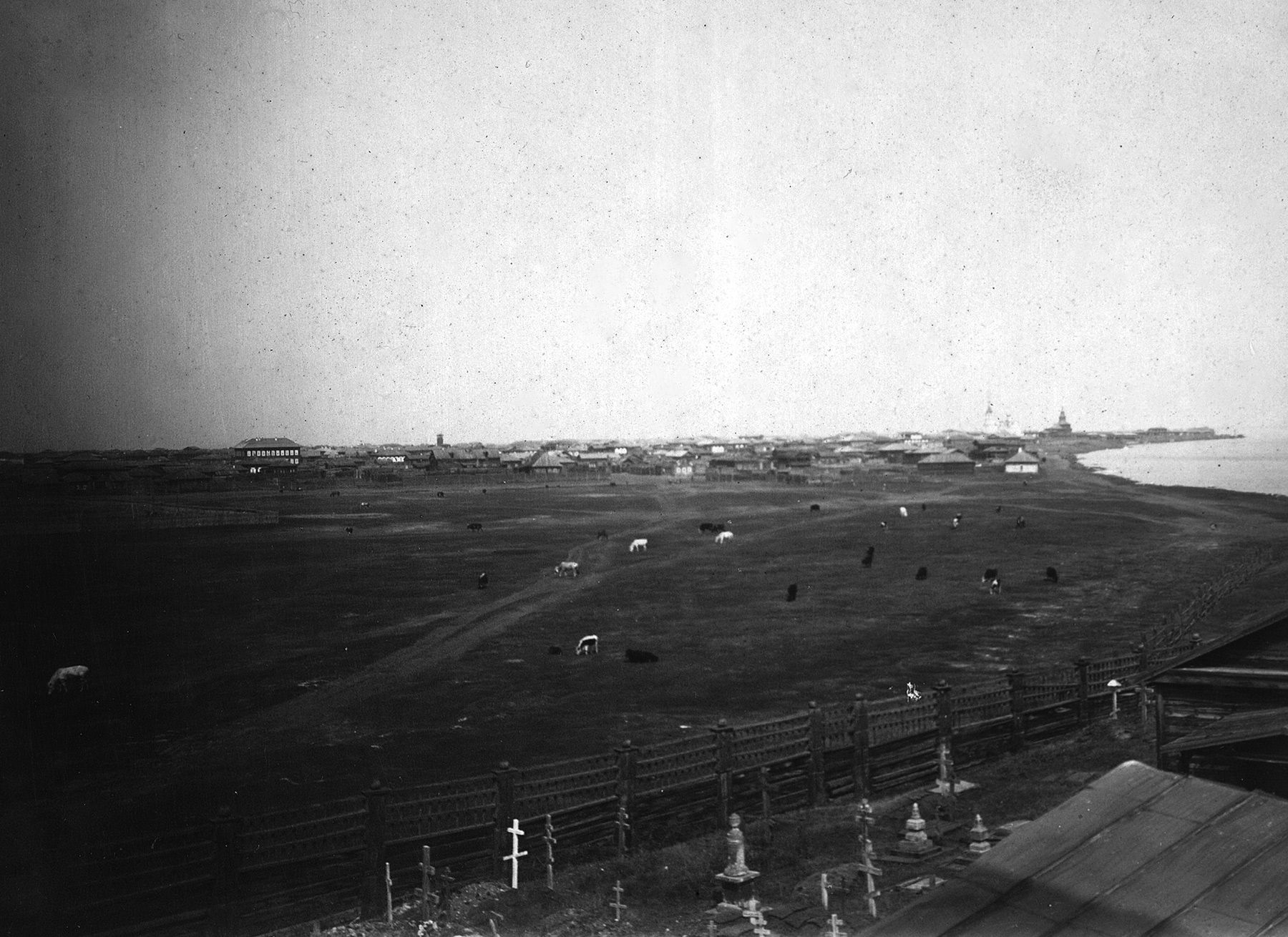
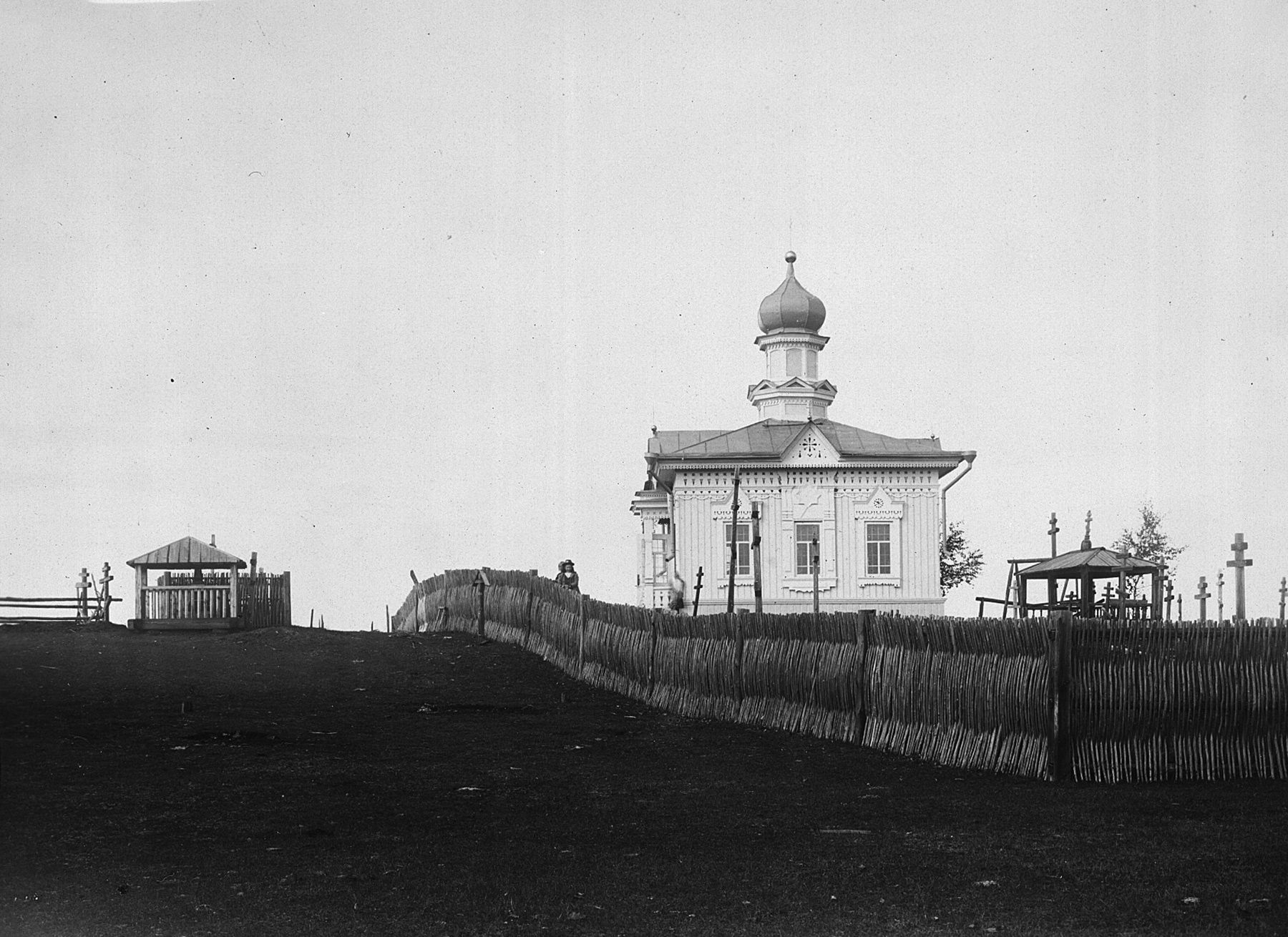
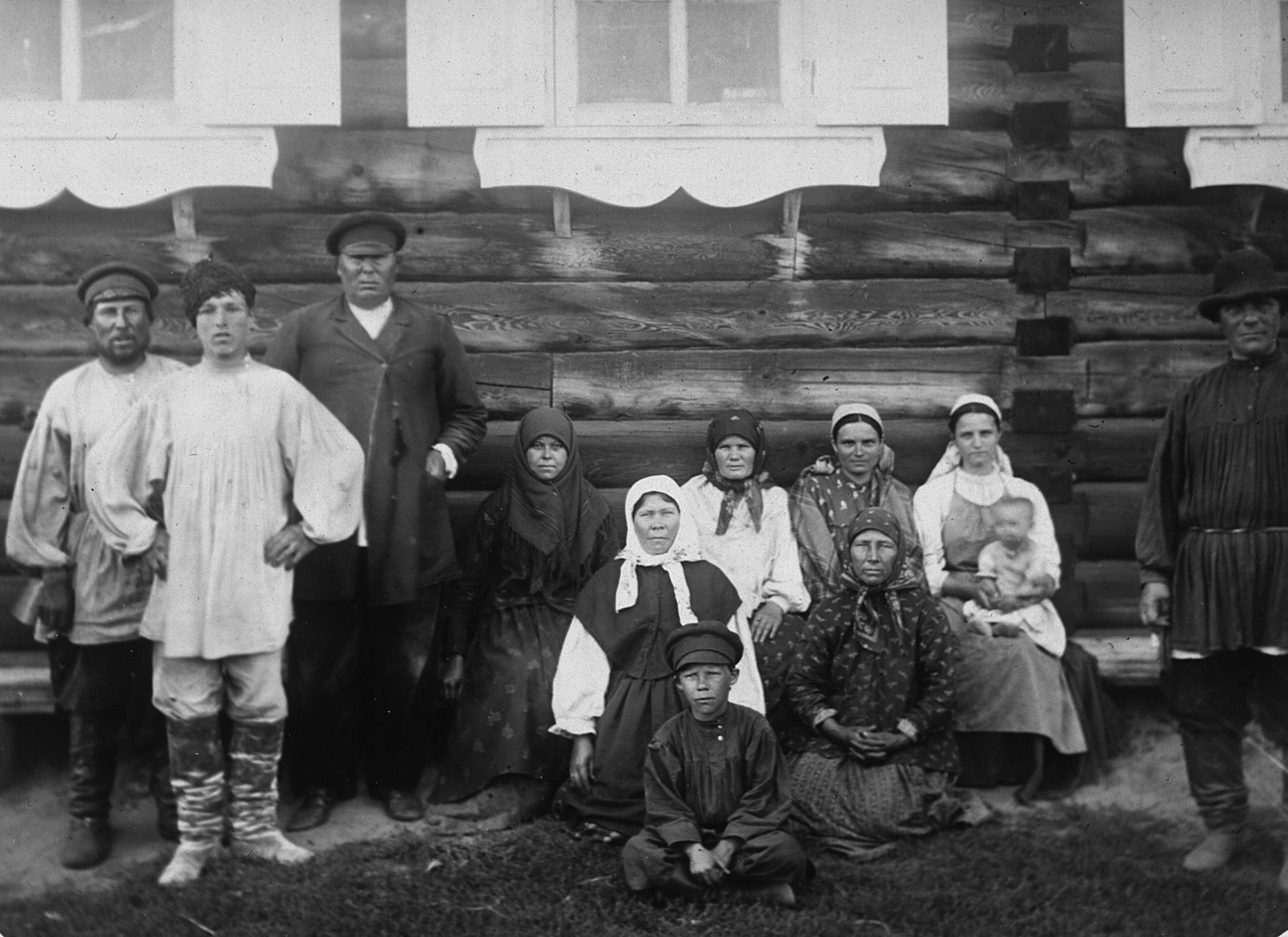
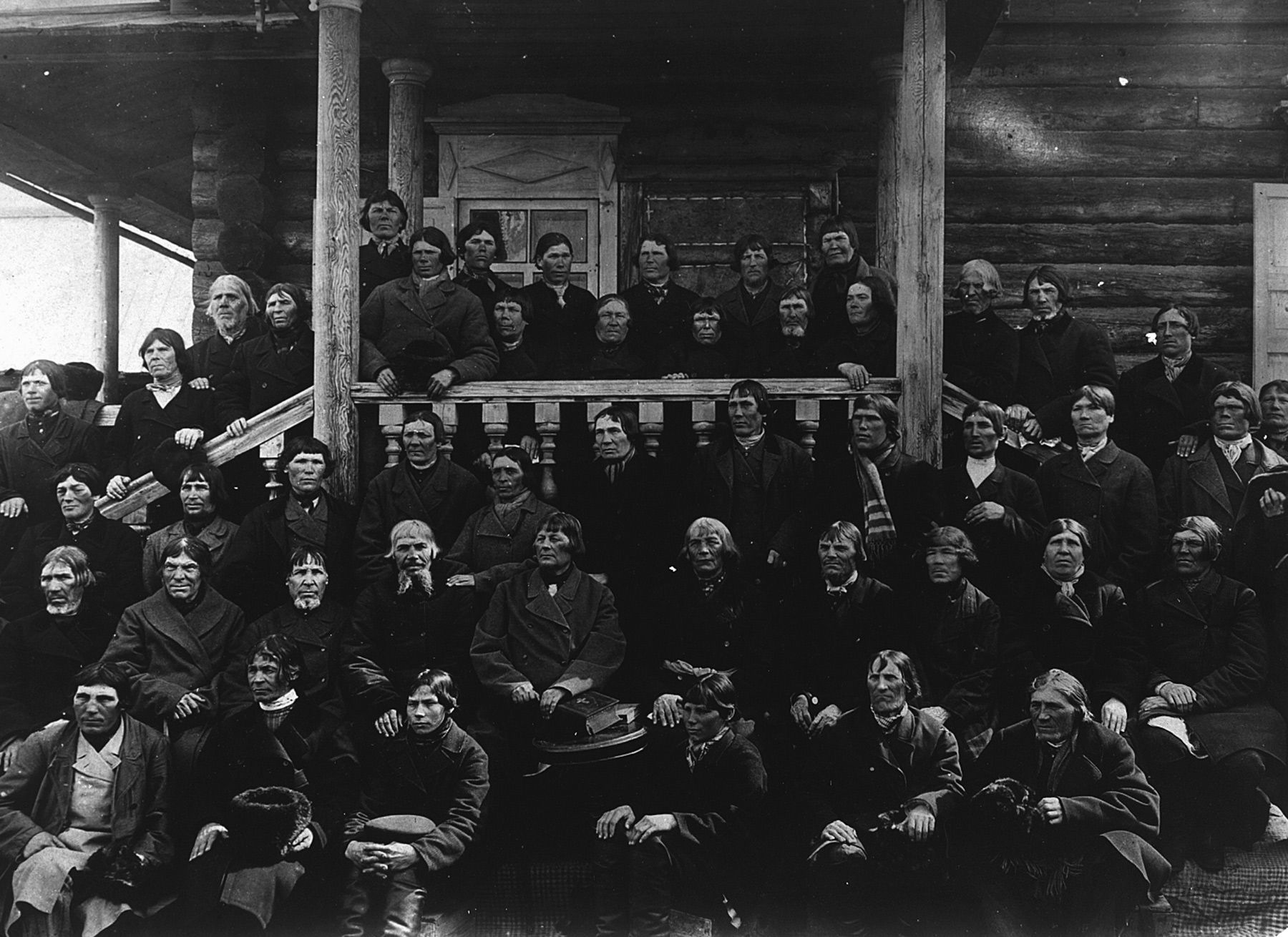
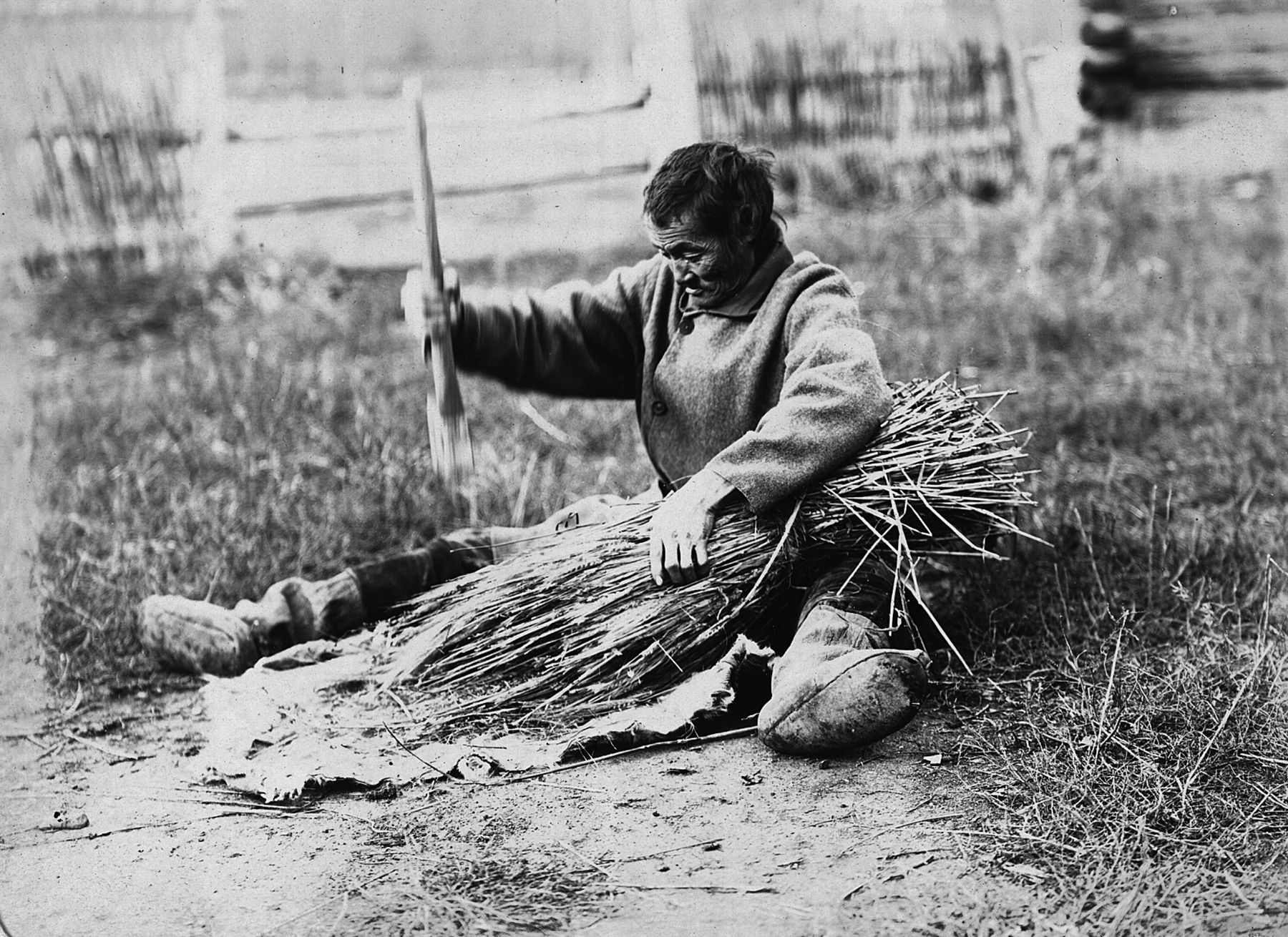
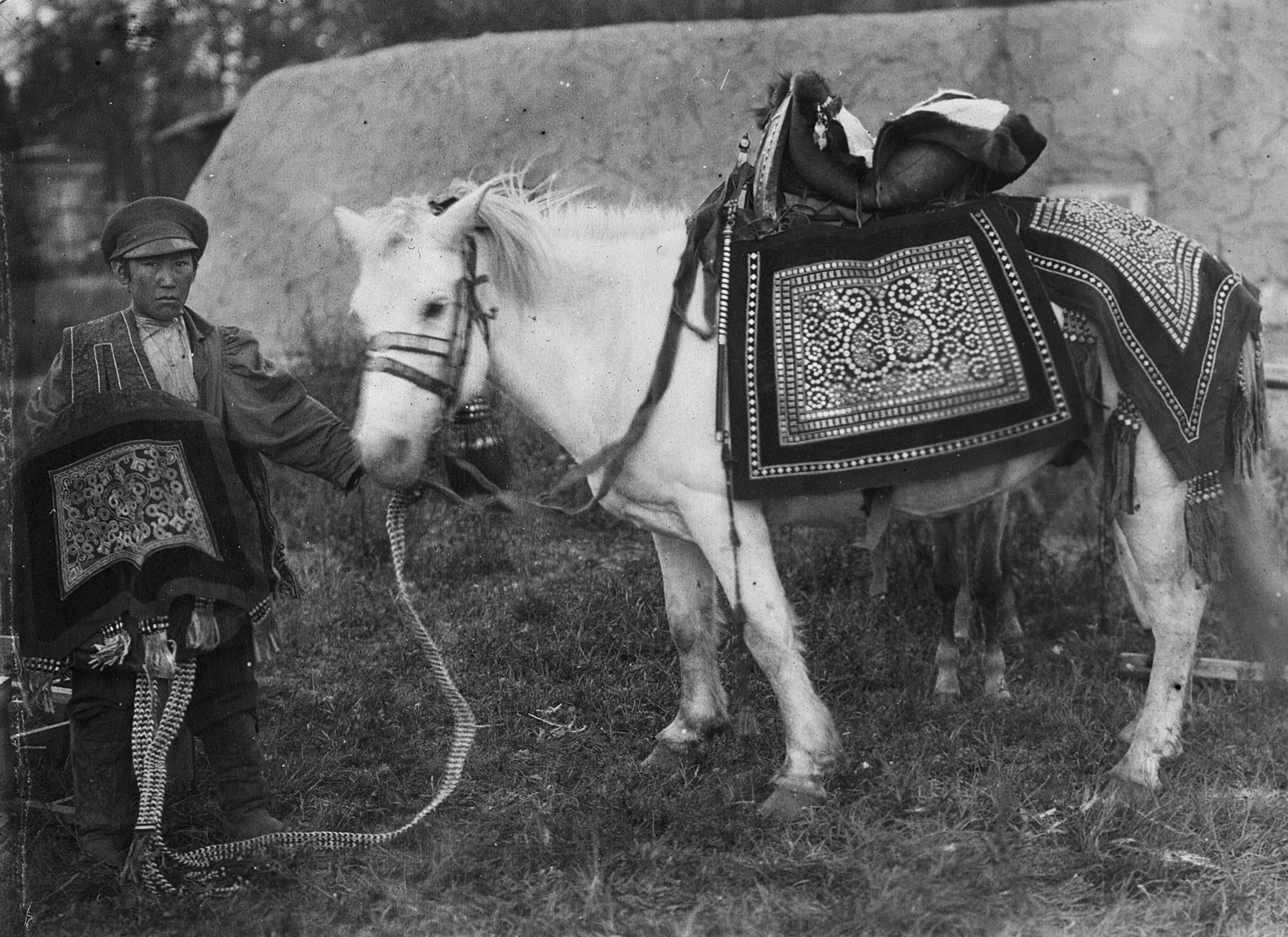
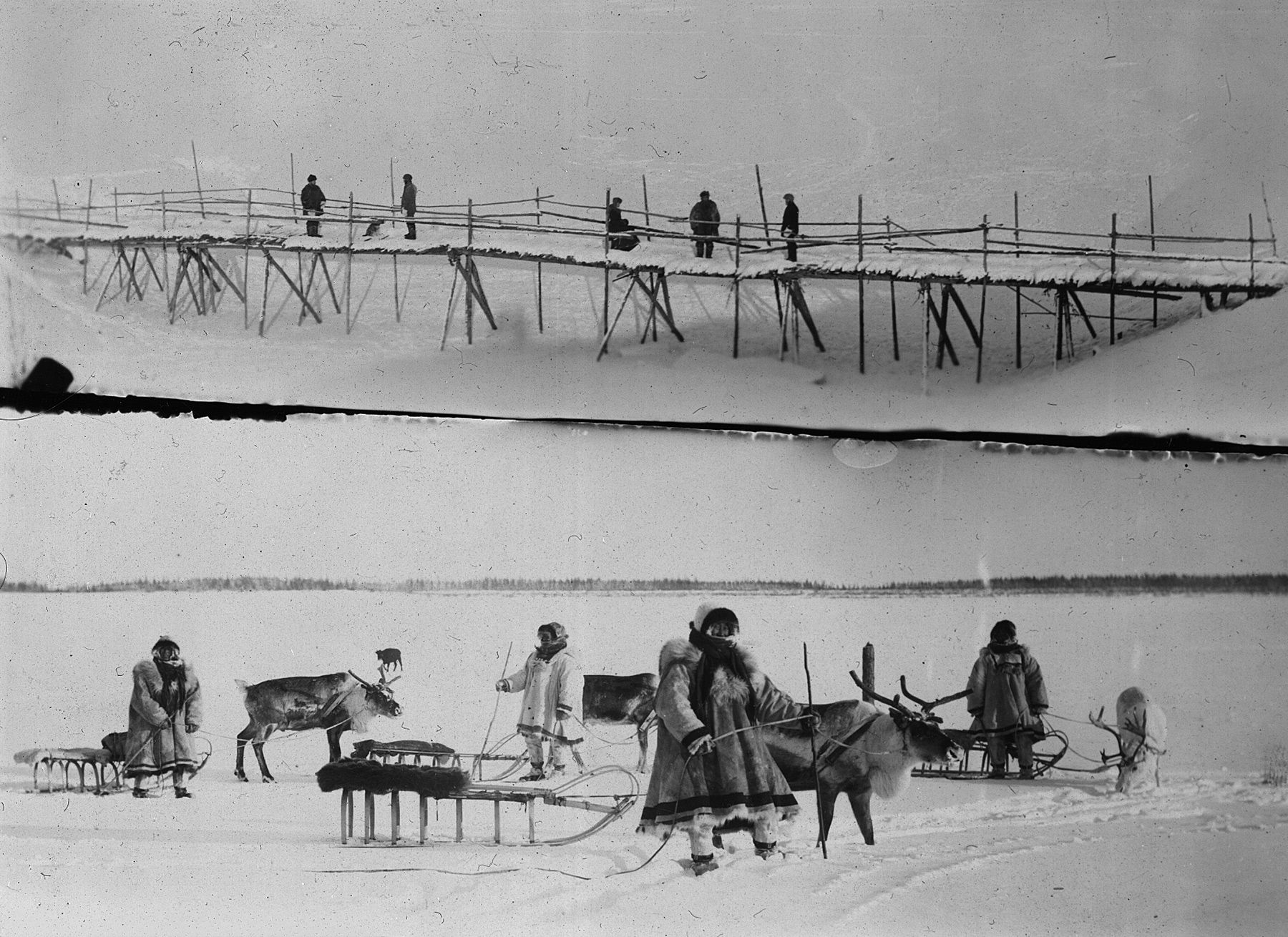
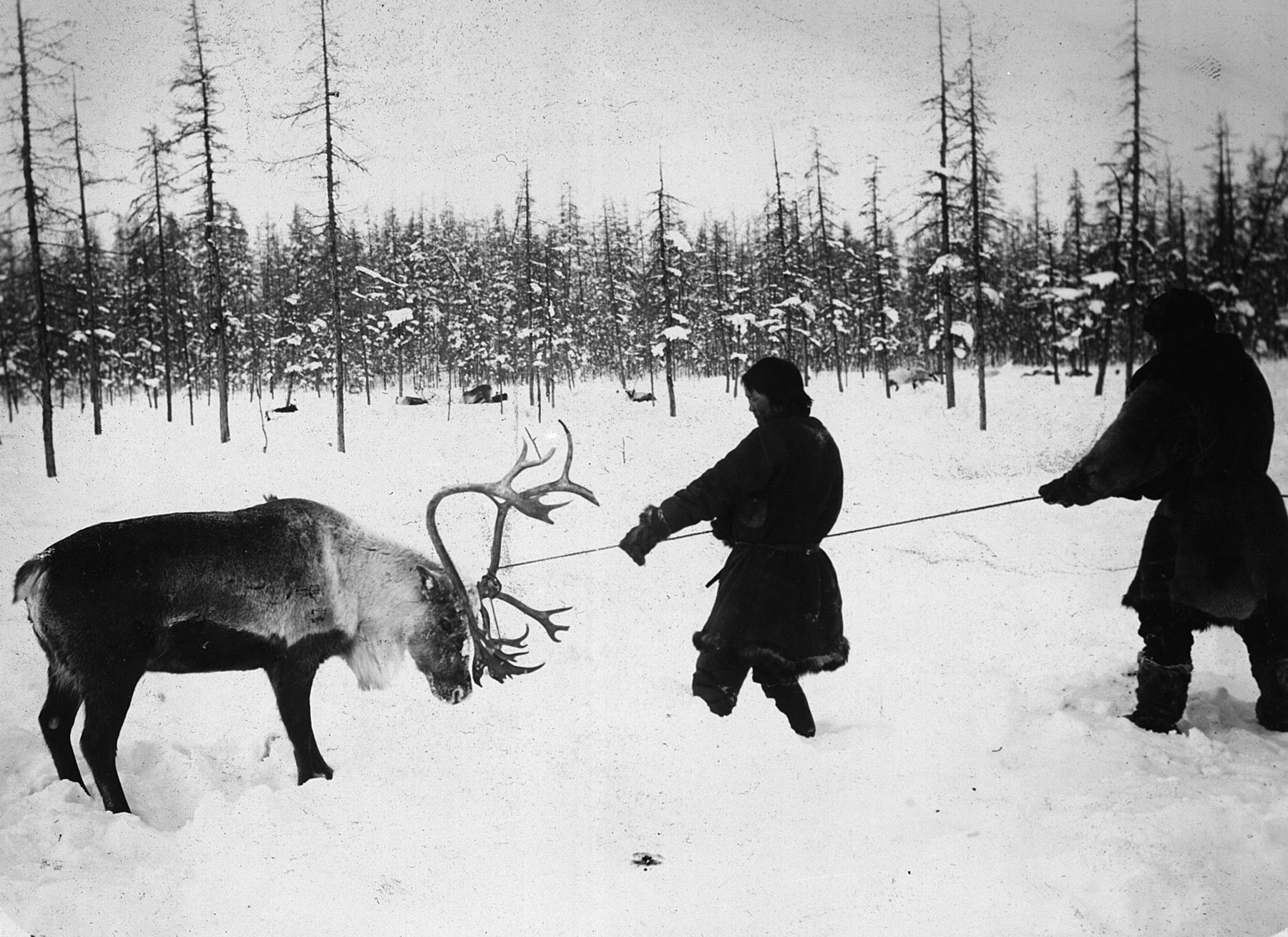
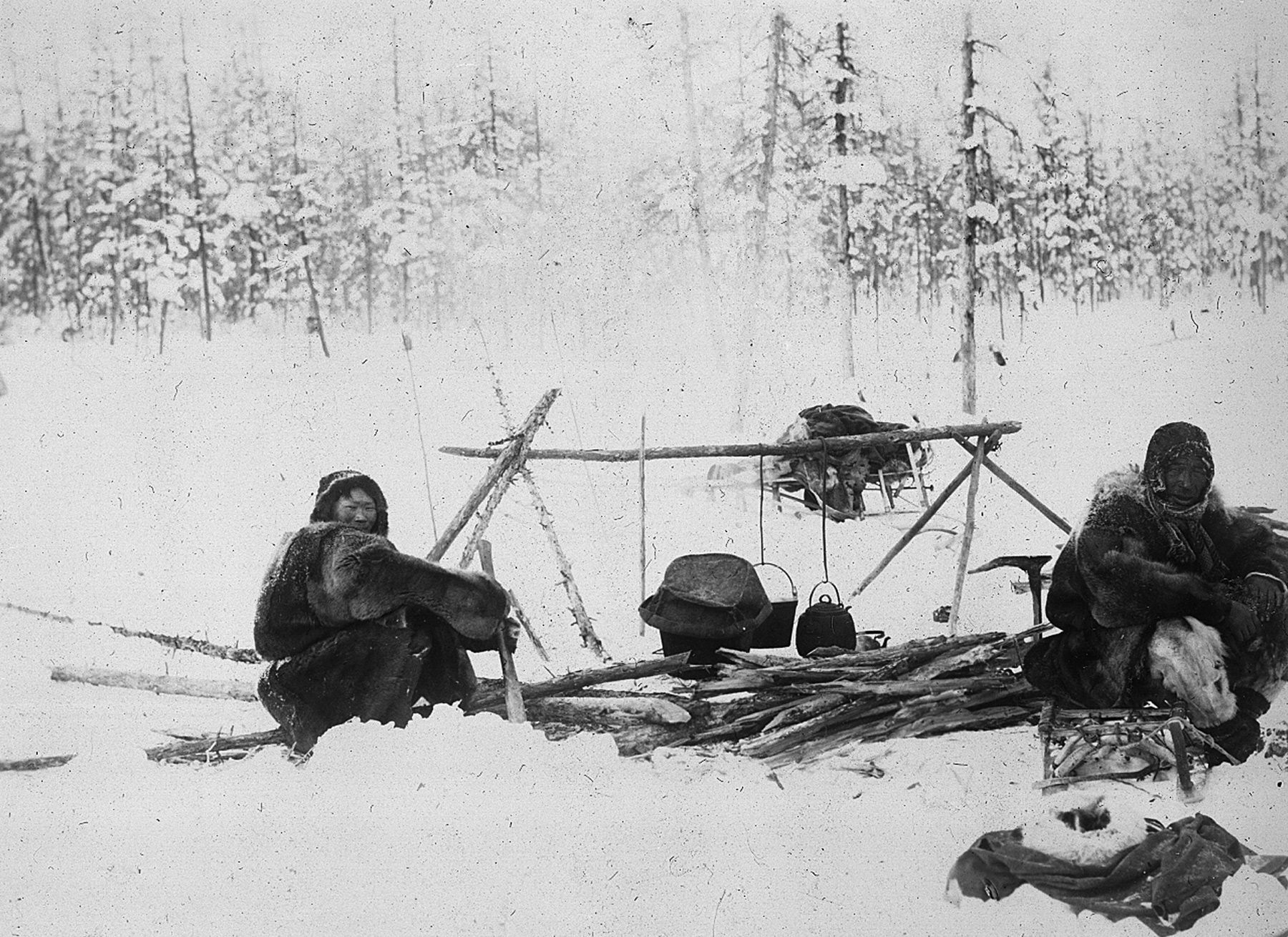
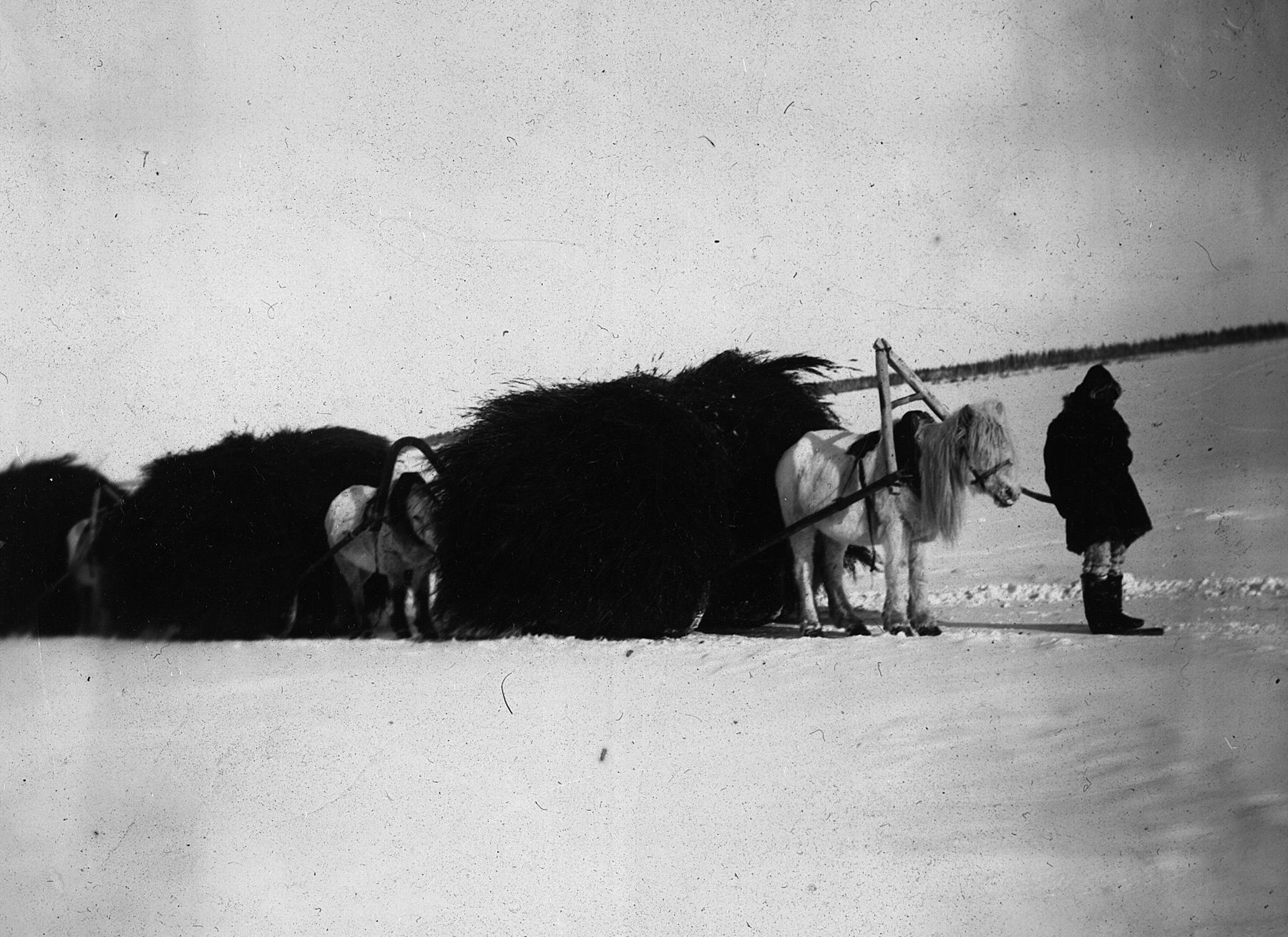
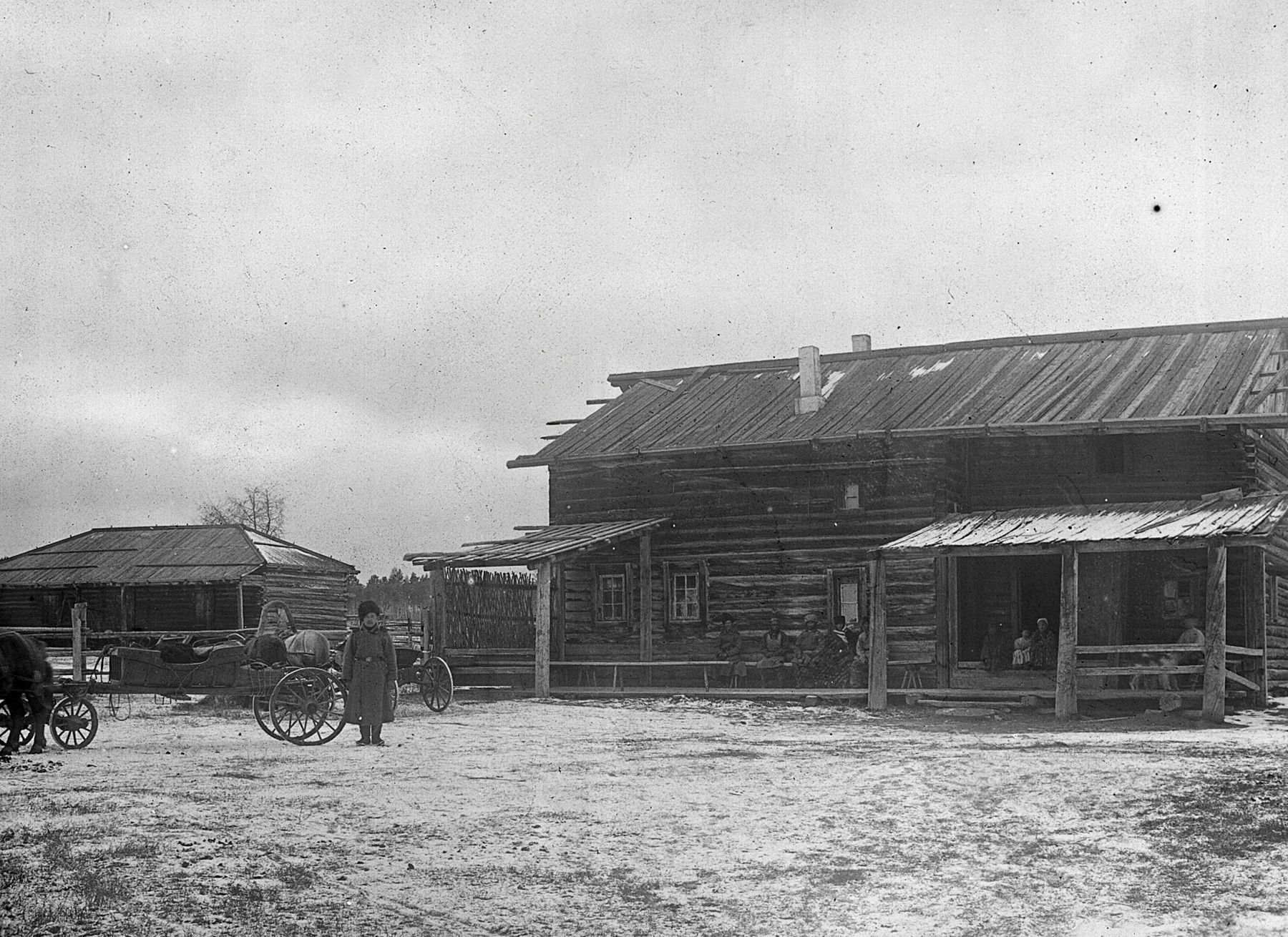
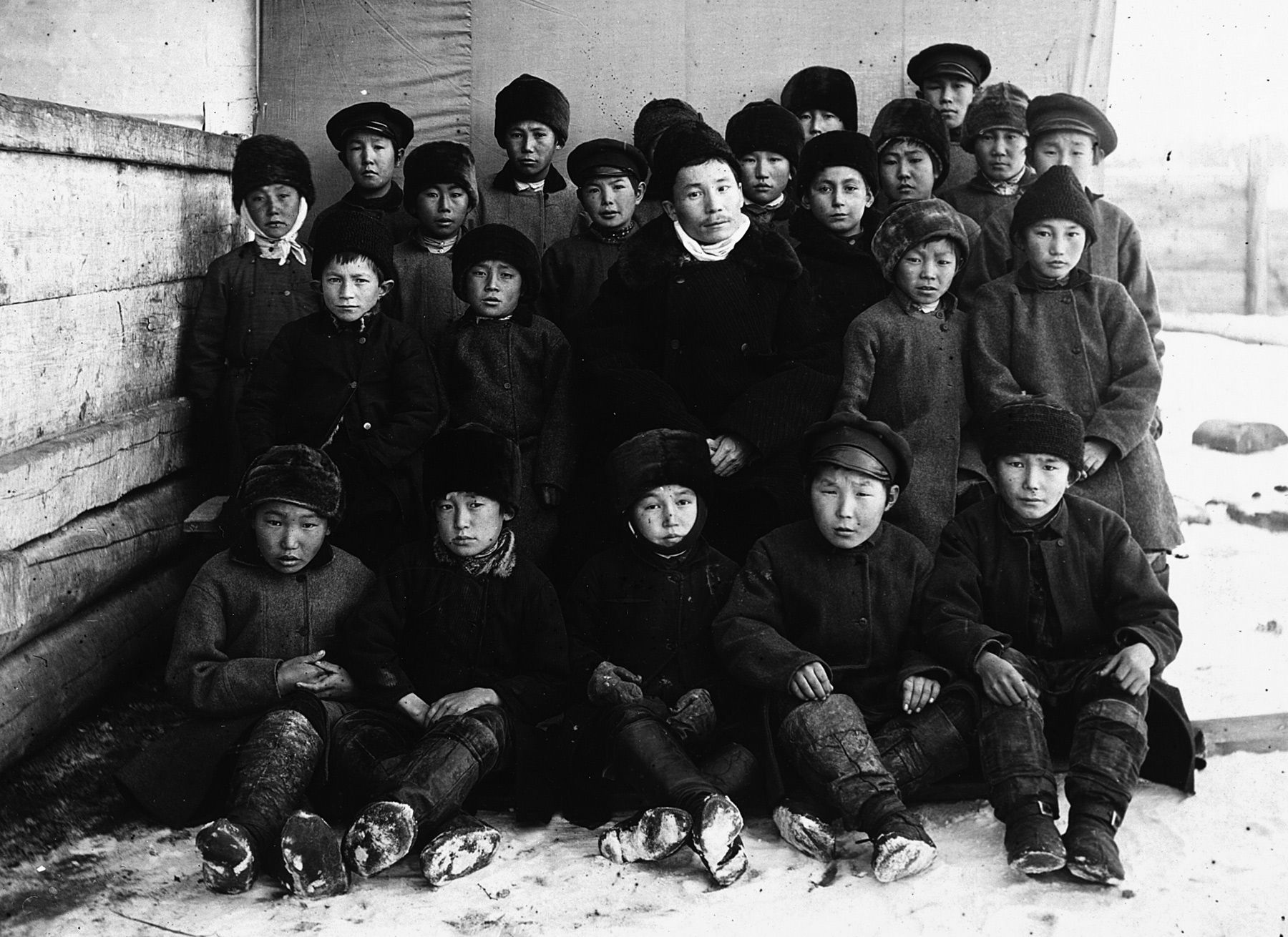
Ivan Popov is one of the first photographers in Yakutia, whose photographs are still kept in the archives of the world's leading collections. He is quite famous in his homeland (last year in Yakutsk, for example, an exhibition was held in honor of his 150th anniversary), but primarily as an artist; contemporaries called him the first professional Yakut painter. Which, however, does not make his reportage photographs created during ethnographic trips to Yakutia and Buryatia any less valuable. Meduza tells the story of Ivan Popov, and also publishes his photographs from two albums of the early 20th century - “Views of the Yakut Region” and “Peoples of Siberia”.
If you are asked to name the most famous photographer of the early 20th century in the Russian Empire, you will most likely remember Sergei Prokudin-Gorsky , an innovator and creator of color photography technology. It is thanks to his works that today one can easily find out what the Solovetsky Monastery looked like in 1916, what clothes the Avars wore in Dagestan at the beginning of the 20th century, or what Chaliapin looked like in 1915 , trying on the Mephistopheles costume.
Speaking about the legacy of this master, one is tempted to use the cliche: Prokudin-Gorsky painted a portrait of the entire country at the turn of the century. But technically this would be incorrect: during his expeditions, the famous photographer did not travel east of Tobolsk. Siberia, Yakutia, Kamchatka and Primorye (territories where only about 6% of the country's population lived in those years) that remained outside the scope of his research were photographed by other masters .
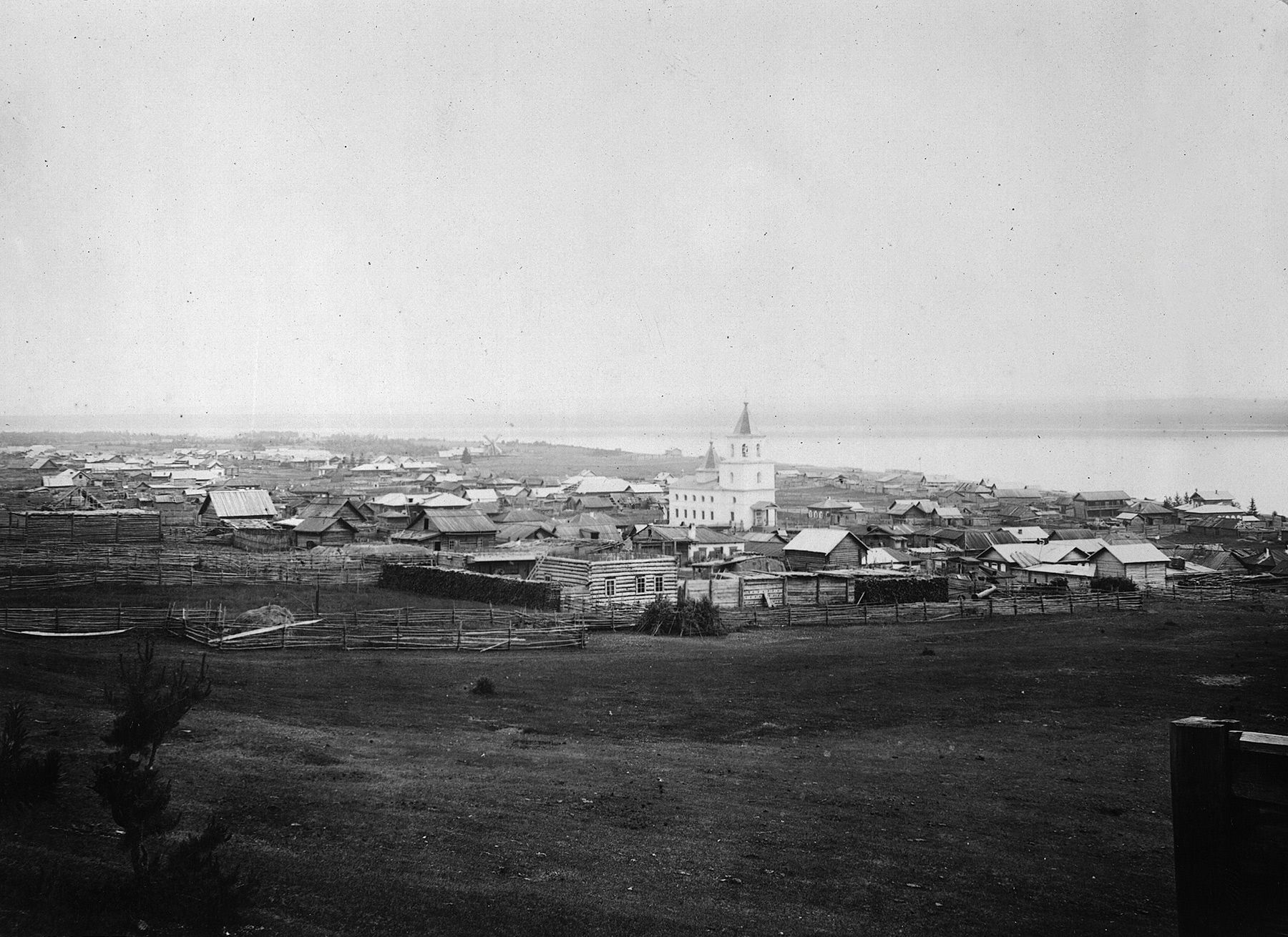
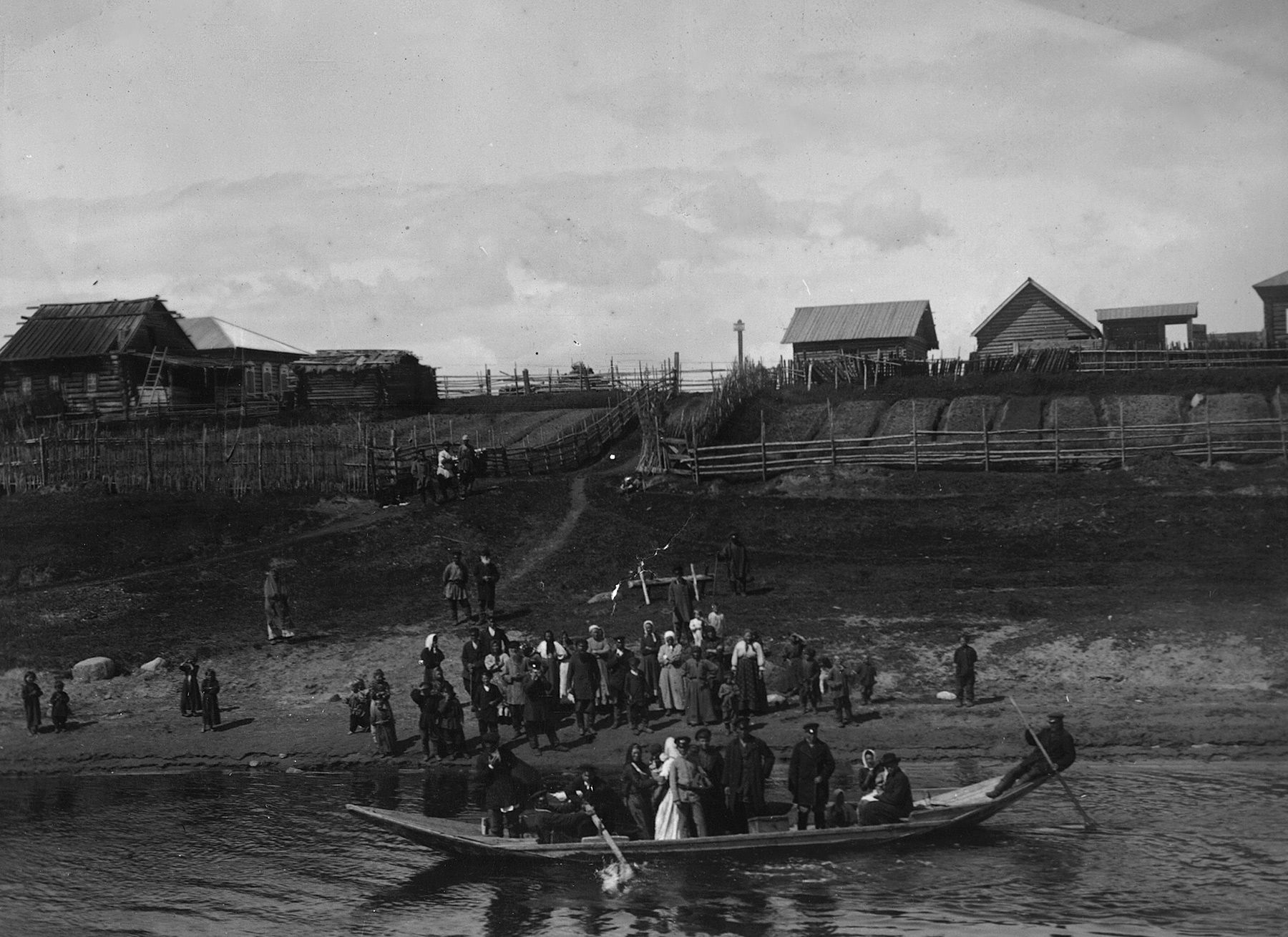
At the same time, the chances of finding out what life looked like in the northeast of the Russian Empire at the turn of the 19th and 20th centuries are much less than finding photographs from the West. This is clearly seen in the digitized archives of the world's famous complete collections.
For example, the Library of Congress of the United States, the largest digitized fund that stores cultural artifacts that do not belong only to America, will return only 300 finds in the entire history of mankind upon request “yakut xix century photo”. For the most part, these will be photographs taken by Ivan Popov, an artist and ethnographer born in 1874 in the village of Ytyk-Kyuel, Tattinsky ulus, Yakut region.
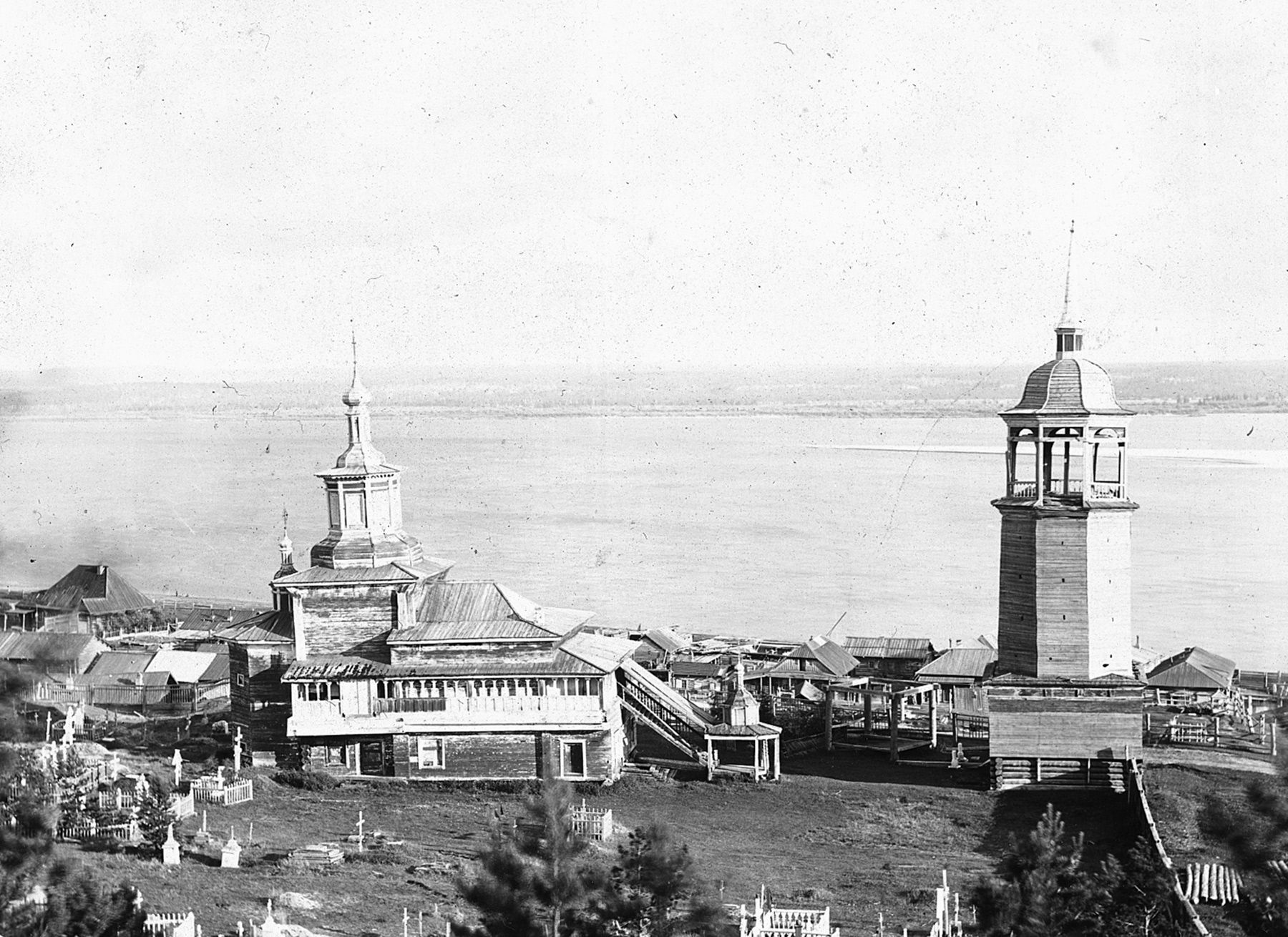
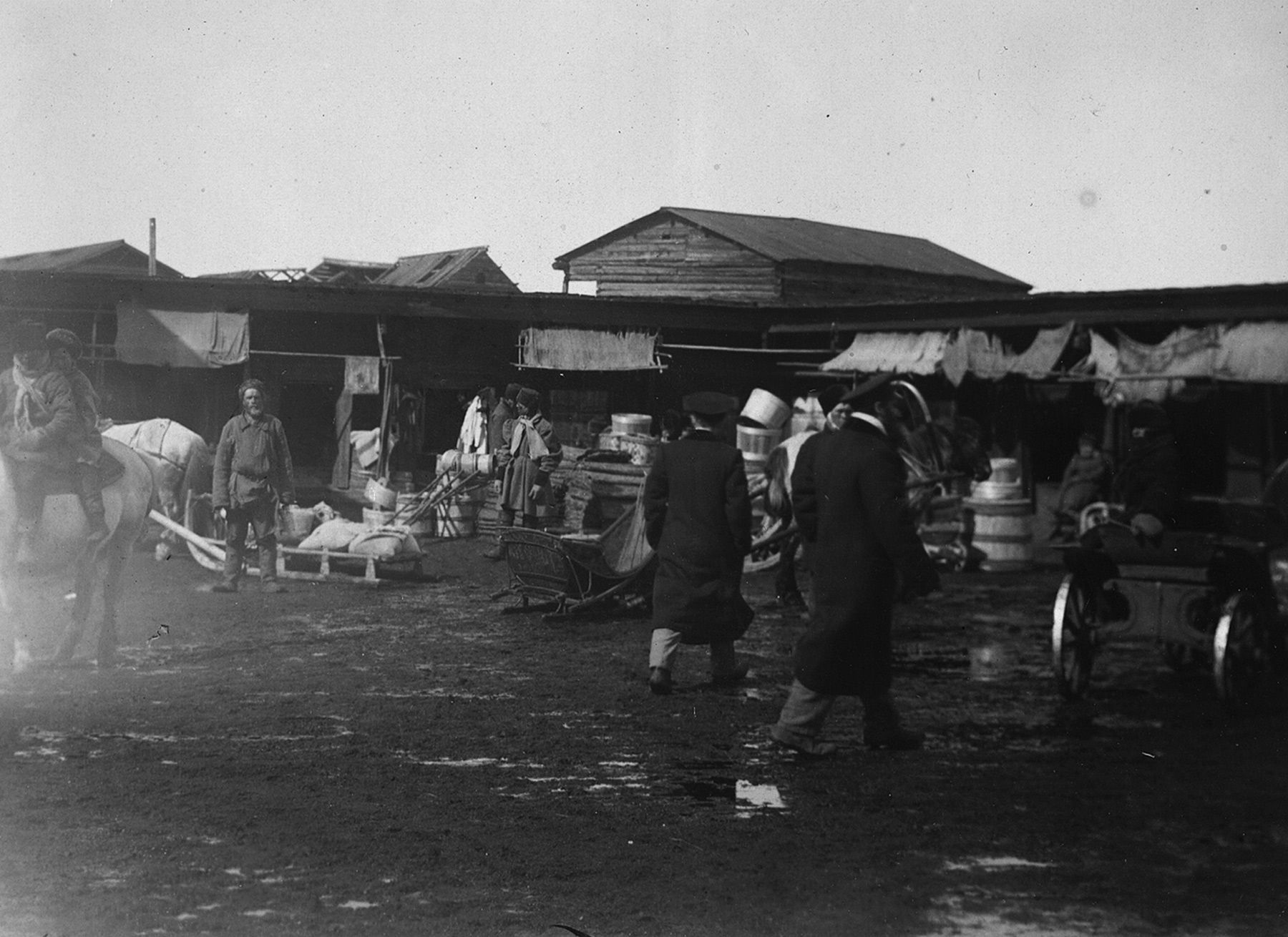
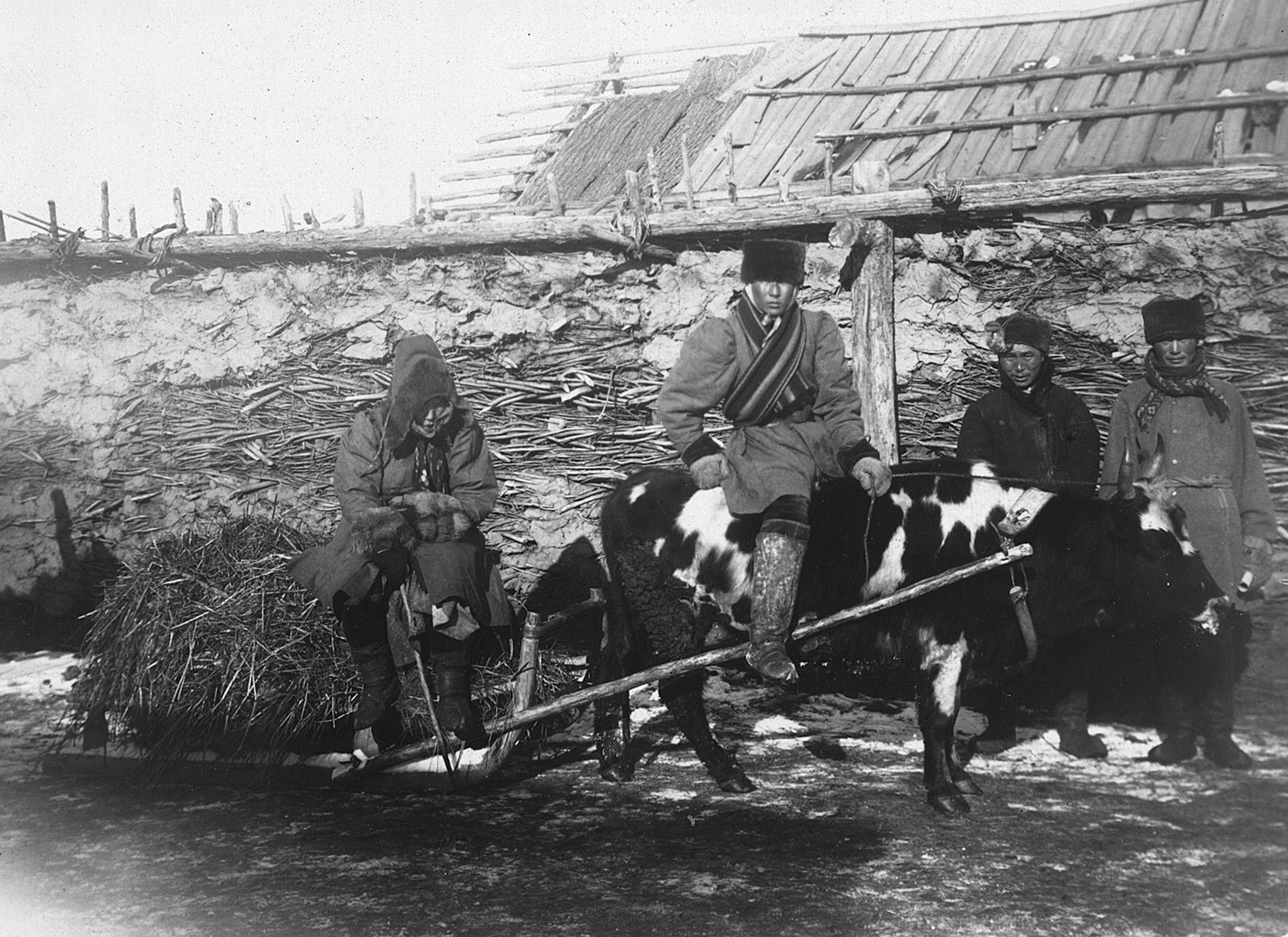
Popov, unlike his colleague Prokudin-Gorsky, used only black and white film; He filmed, as stated in one of the sources, on a compact German camera .
But strictly speaking, Popov was not a photographer—more precisely, he was not only one. The definition that his fellow countrymen still use today when describing his life is “the first professional Yakut artist.” By and large, Popov’s main specialization was icon painting, which is natural given the history of his family.
The Popov family ended up in Yakutia at the end of the 18th century, where the artist’s ancestors moved from the central provinces of the country for missionary purposes. Ivan’s grandfather, Archpriest Dimitrian Popov, was already born in Yakutia - and became an influential figure for the local Christian world : he was engaged not only in spiritual enlightenment, but also in philological work - he collected local words; his findings were later useful to the exiled linguist Eduard Pekarsky, who eventually published his monumental work - the first of its kind Yakut-Russian dictionary.
Dimitrian's grandson, of course, spoke Yakut perfectly - which played a role in the success of his expeditions. And it was the grandfather who is believed to have instilled in the child a love of fine art - under his influence, as many sources say, Ivan Popov began to write.
More about Popov's artistic heritage
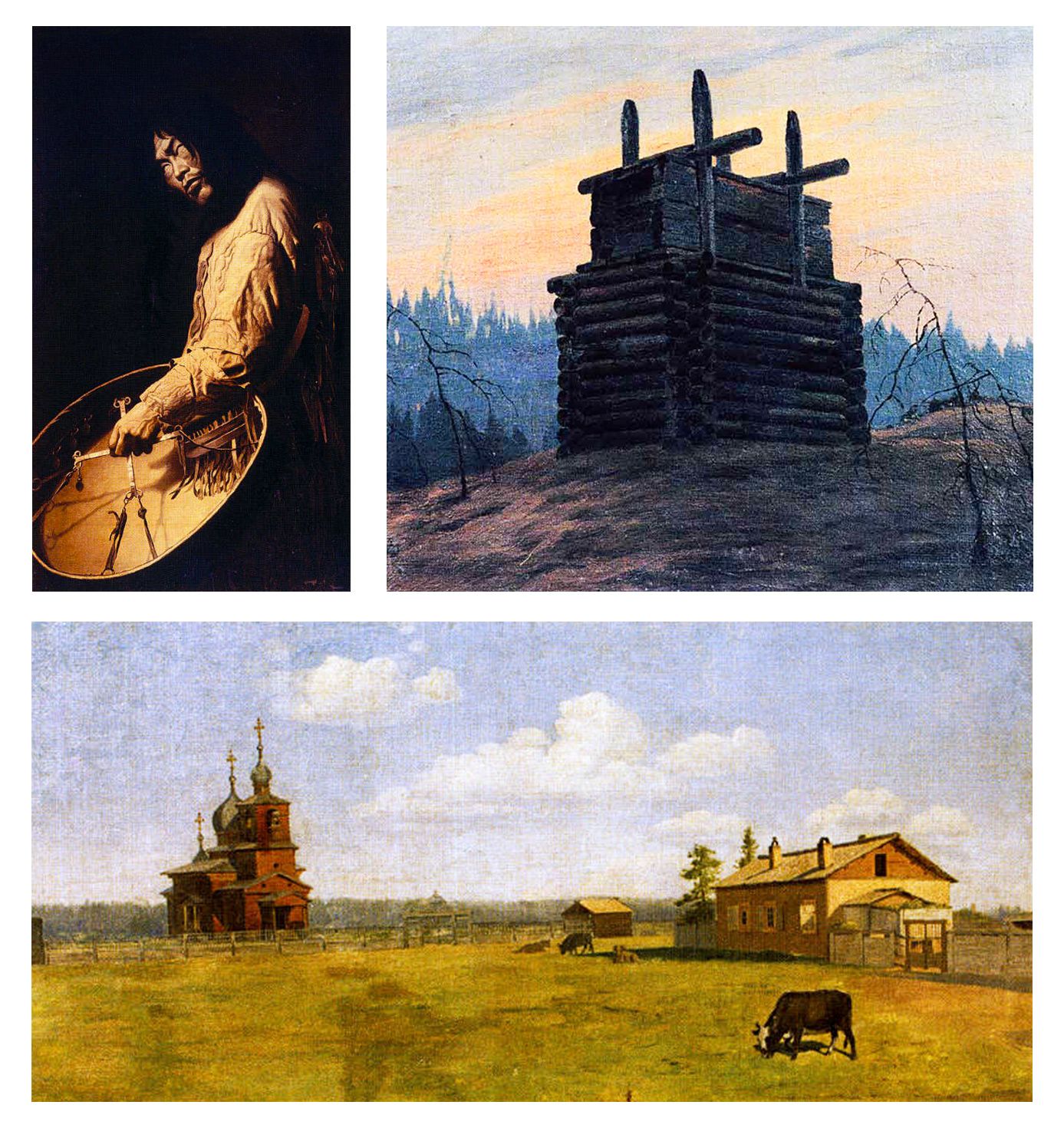
The most famous paintings by Ivan Popov in Yakutia are considered to be “Shaman” (1926), “Calf” (1926) and “Yakutsk at the end of the 17th century” (1928). The illustration above shows, in addition to “Shaman,” also the paintings “Shaman’s Dwelling” and “Ytyk-Kel Church and Priest’s House.”


Soviet artist and local historian Mikhail Nosov wrote about the work “Shaman” that Popov began working on it in 1910; at the same time, the artist’s eldest son Nikolai indicated that he finished it only 16 years later. “The picture was painted with documentary accuracy, in a simple and strict manner. The shaman with a tambourine is depicted from such a perspective that the viewer seems to see him from below, in a proud pose, preparing for ritual. Depicted almost from the back, in darkness, he is immersed in a state of trance. The artist used the technique of black and white grisaille, rich in pale and cold gradations of tones,” writes Yuri Sleptsov, a researcher at the Institute for Humanitarian Research and Problems of Indigenous Peoples of the North, in his article.
In addition to icons and original artwork, researchers of Popov’s heritage also note the significance of the reproductions that he made while studying in St. Petersburg. In particular, he copied paintings by Titian, Nikolai Ge and Leonardo da Vinci. In this genre, his most famous reproduction is the painting “Madonna Litta”, which is in the Hermitage collection. Apparently, Popov took these copies to Yakutia, which helped the remote region become acquainted with the paintings of world masters.
Writer Suorun Omolloon enthusiastically emphasized: “For us, Yakuts, meeting with the works of great artists of the past through copies of our fellow countryman I.V. Popov is a holiday that rarely falls to the lot of the distant Russian province.”
But he did not take up painting right away. After studying at the Yakut Theological Seminary (Ivan later taught drawing there), Popov first entered the service as a psalm-reader in the prison church, after which the diocesan authorities sent him to study icon painting in St. Petersburg. Returning home, Popov opened the first icon-painting and art workshop in Yakutsk. Not far from his native village, in the village of Cherkekh, he also painted the iconostasis of the Tattine Nicholas Church (1911–1912).
However, it is not so easy to restore an extremely accurate chronology of events in his life today. Different sources have different data. It is known that Popov visited St. Petersburg three times - in the 1900s and 1910s, where he briefly studied painting with the artist Alexander Makovsky . And, apparently , somewhere between the second and third trip - from 1910 to 1914 - his ethnographic career began.
On an expedition to Yakutia (and Buryatia - there are photographs of the artist from there), Popov was sent by the ethnographic department of the Museum of Alexander III (today the Russian Ethnographic Museum), as well as the Kunstkamera Museum. During his trips, he photographed local landscapes, everyday practices and local residents in national costumes; sketched the utensils; He collected silver, furs, dishes, toys, and items of shamanic costume. He was engaged in archaeological research (according to some sources , including excavations of ancient graves), and bought or exchanged household items from local residents.
At the same time, with the help of the Moscow printing company Scherer, Nabholz and Co., he printed a batch of postcards with his photographs of views of Yakutia, which in the future ended up in Western archives.
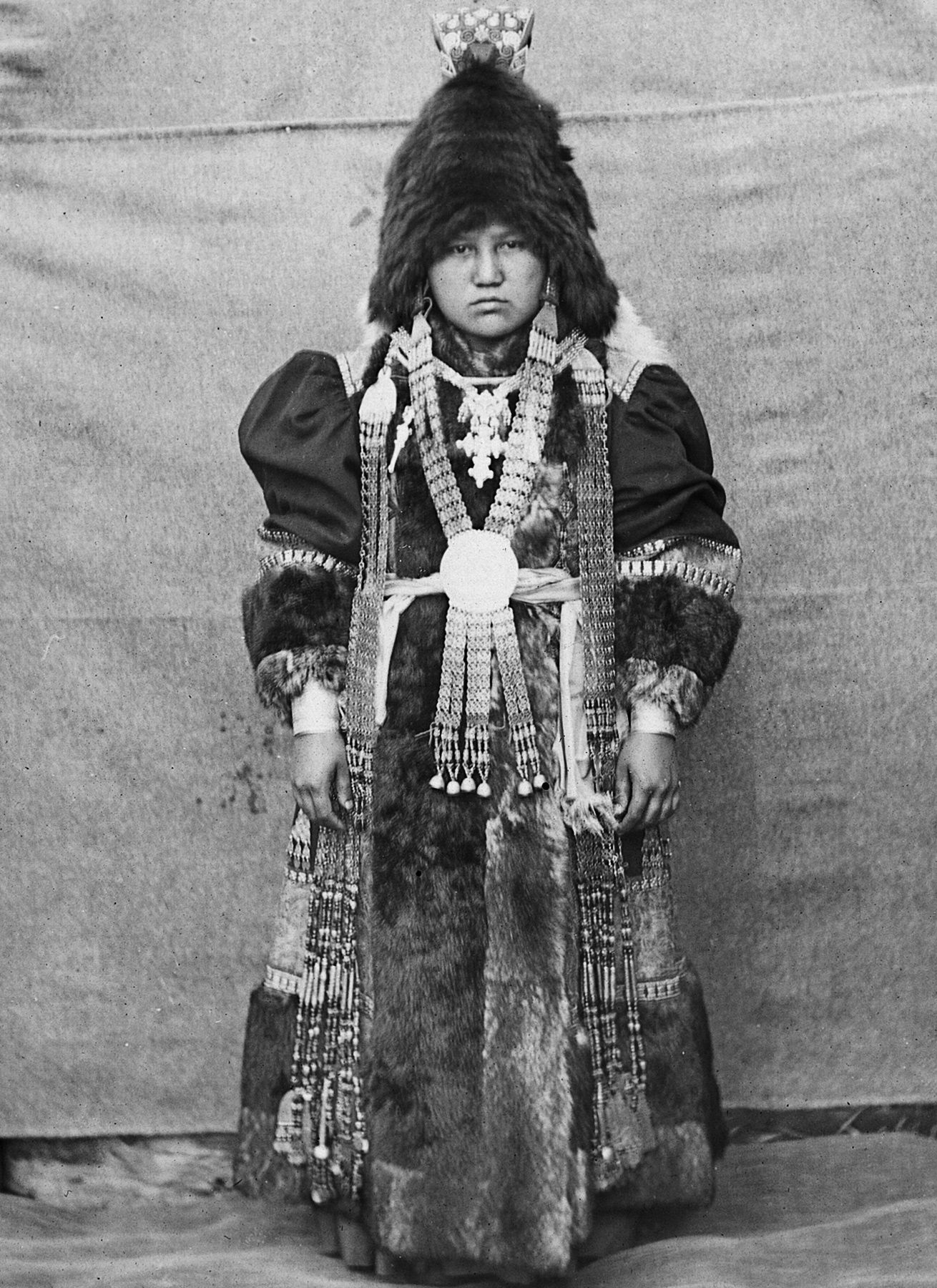
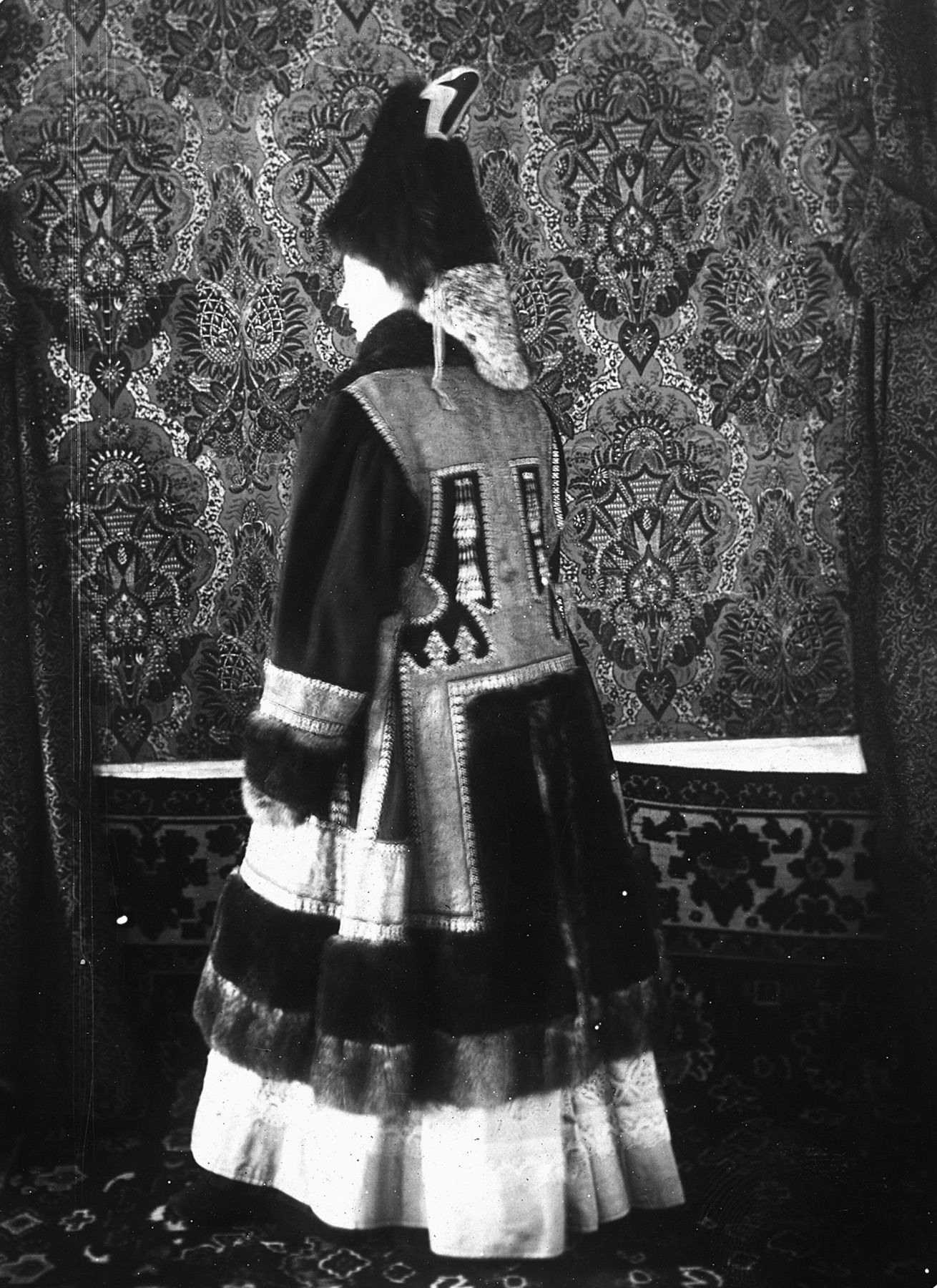
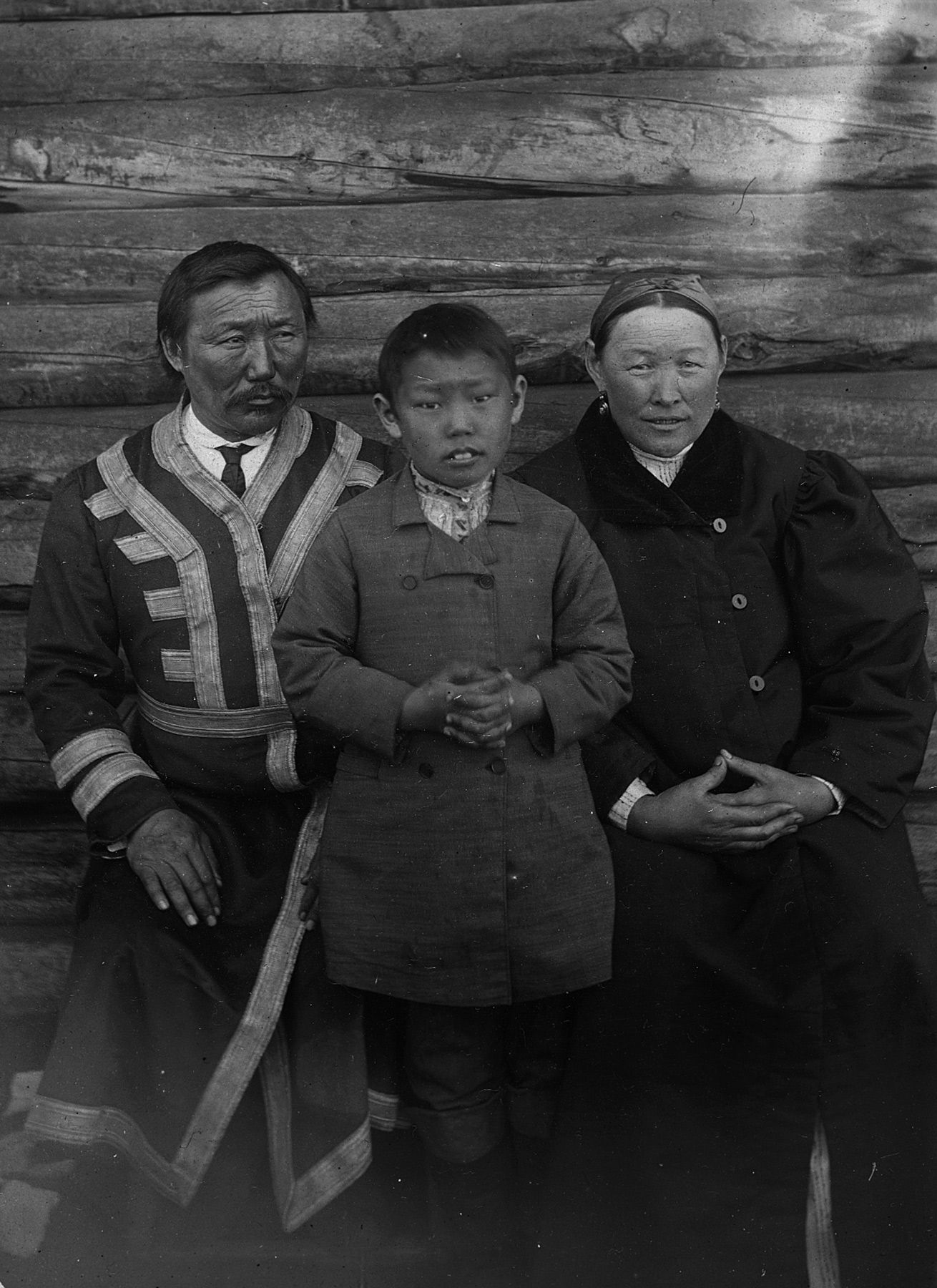
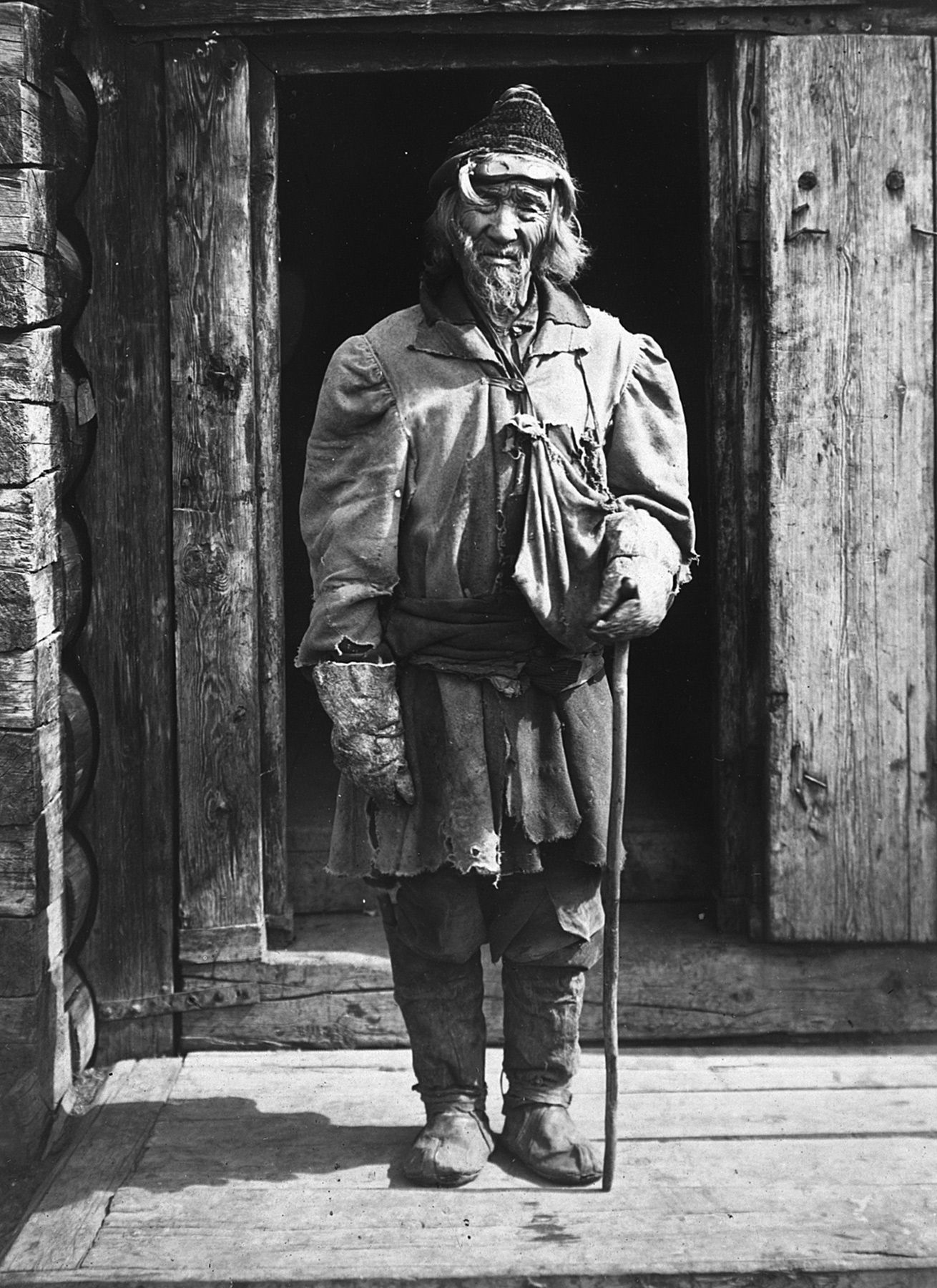
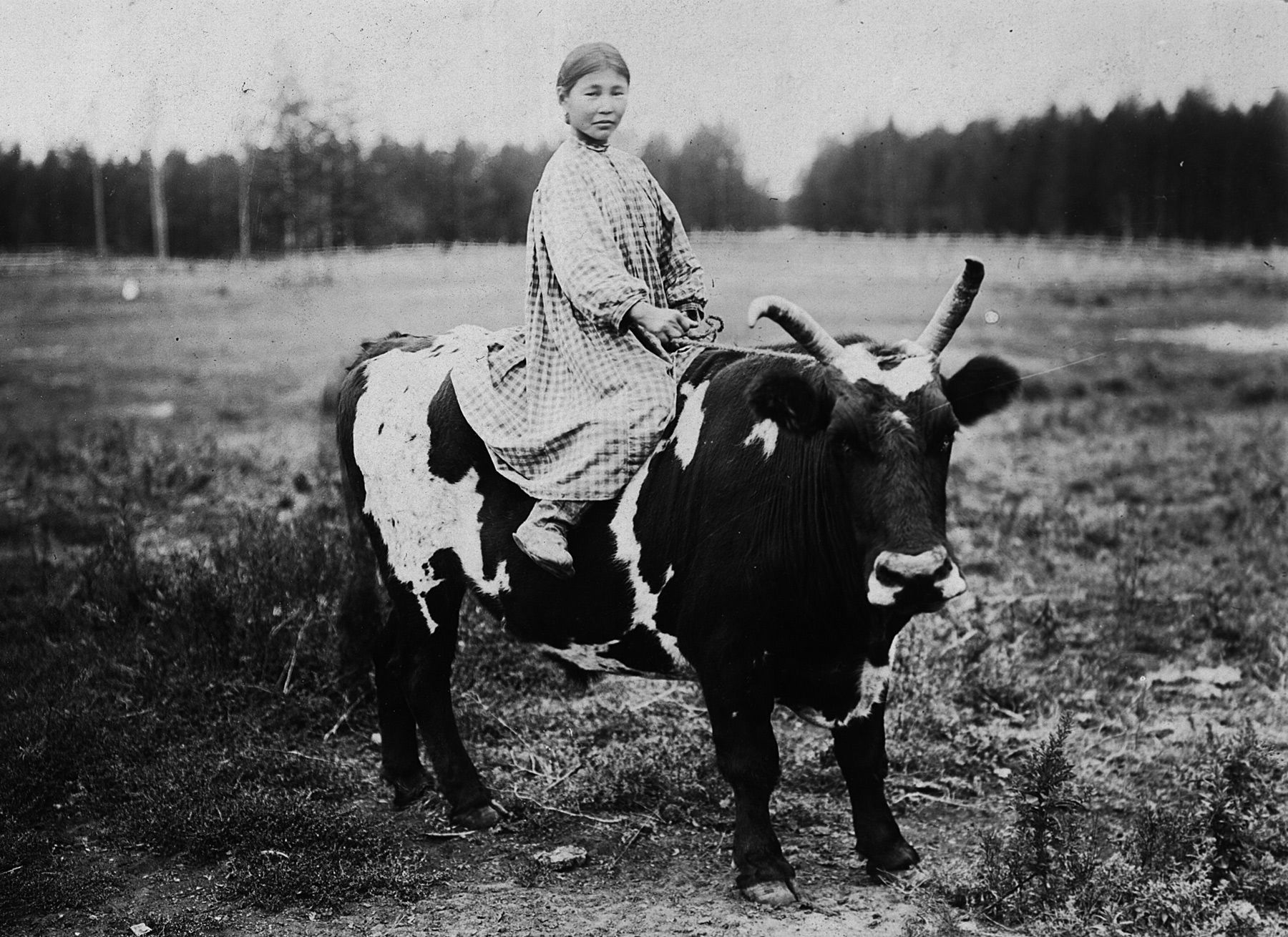
The newspaper “Yakutskaya Outskirts” indicated that “foreign museums” also ordered Popov’s ethnographic forays. The Yakut writer and playwright Suorun Omolloon, who knew the artist personally, gives the following detail in his memoirs about him: in 1914, Popov sent five boxes of Yakut exhibits (1,226 pieces) to Germany, which eventually ended up in the ethnographic museums of Berlin, Hamburg, Leipzig, Frankfurt am Main.
It is difficult to say how and when exactly in 1914 Popov sent objects of applied Yakut art to the West - and whether the outbreak of the First World War influenced this event. Some biographers of the artist insist today that he was “alien to politics,” although the revolution and the Civil War “passed through his family like a steamroller.” To a reader in 2025, this story may certainly seem suspicious and far from ethical - especially against the backdrop of controversy about the return of colonial collections from European museums to their homeland. However, many speakers from Yakutia, on the contrary, are proud that local art has seeped into European collections. “Thank God, thanks to the foresight of Ivan Vasilyevich, these relics of the culture and art of the Yakut people are kept in the funds of European countries,” Omolloon wrote. “Ten museums have excellent Yakut collections in good preservation,” notes Yakut scientist Asya Gabysheva.
A recent feature film by Yakut director Lyubov Borisova, “Don’t bury me without Ivan,” is dedicated to Popov’s expeditions. This tender picture, clearly made with love for Yakutia, is a rare example of local cinema, not shot in dark tones (Yakut cinema often focuses on rather frightening horror or social dramas ).
According to the plot, on the eve of being sent on the next expedition, Popov (played by Lithuanian actor Darius Gumauskas) saves the local peasant Stepan from being buried alive. The fact is that Stepan falls into a lethargic sleep every time he sees something beautiful - a sunset in the summer tundra, a beautiful girl in a national costume, or a reproduction of da Vinci's Madonna Litta, which was created by Popov. And only a learned ethnographer can find his pulse, while his fellow villagers recognize Stepan as dead and strive to bury him. Fearing this, Stepan asks Popov to go on an expedition - and together they travel around neighboring villages in a cart.
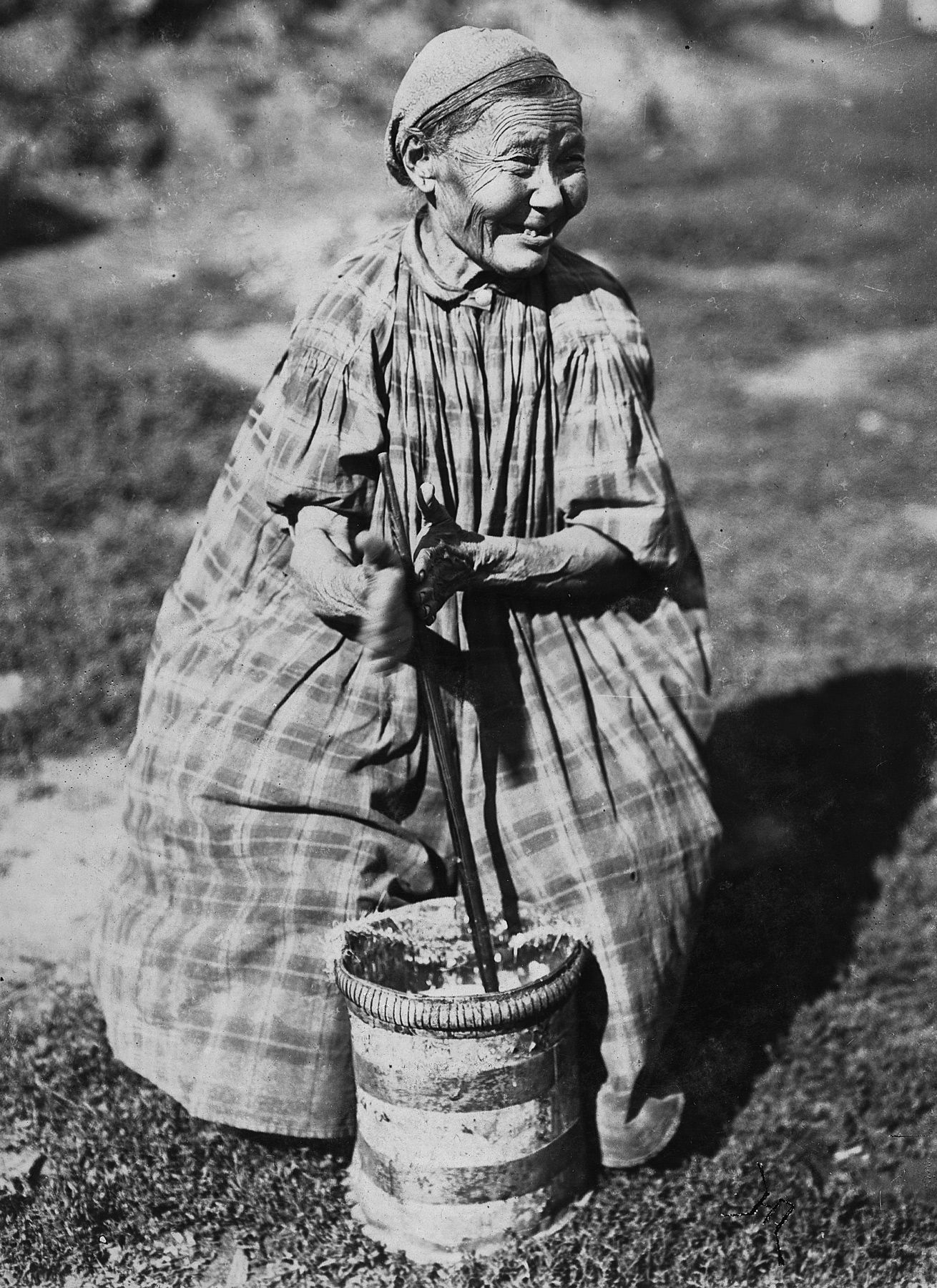
Stepan Beresekov, who was played in the film by non-professional actor Alexander Chichakhov, really existed - Popov really knew him and filmed him more than once. For example, the series of photographs “Mower” and “Mower during rest” are known, in which Beresekov in national costume is waving a sickle (the film reproduces this moment, like many other famous works of Popov; for example, the photograph “Woman churning butter”).
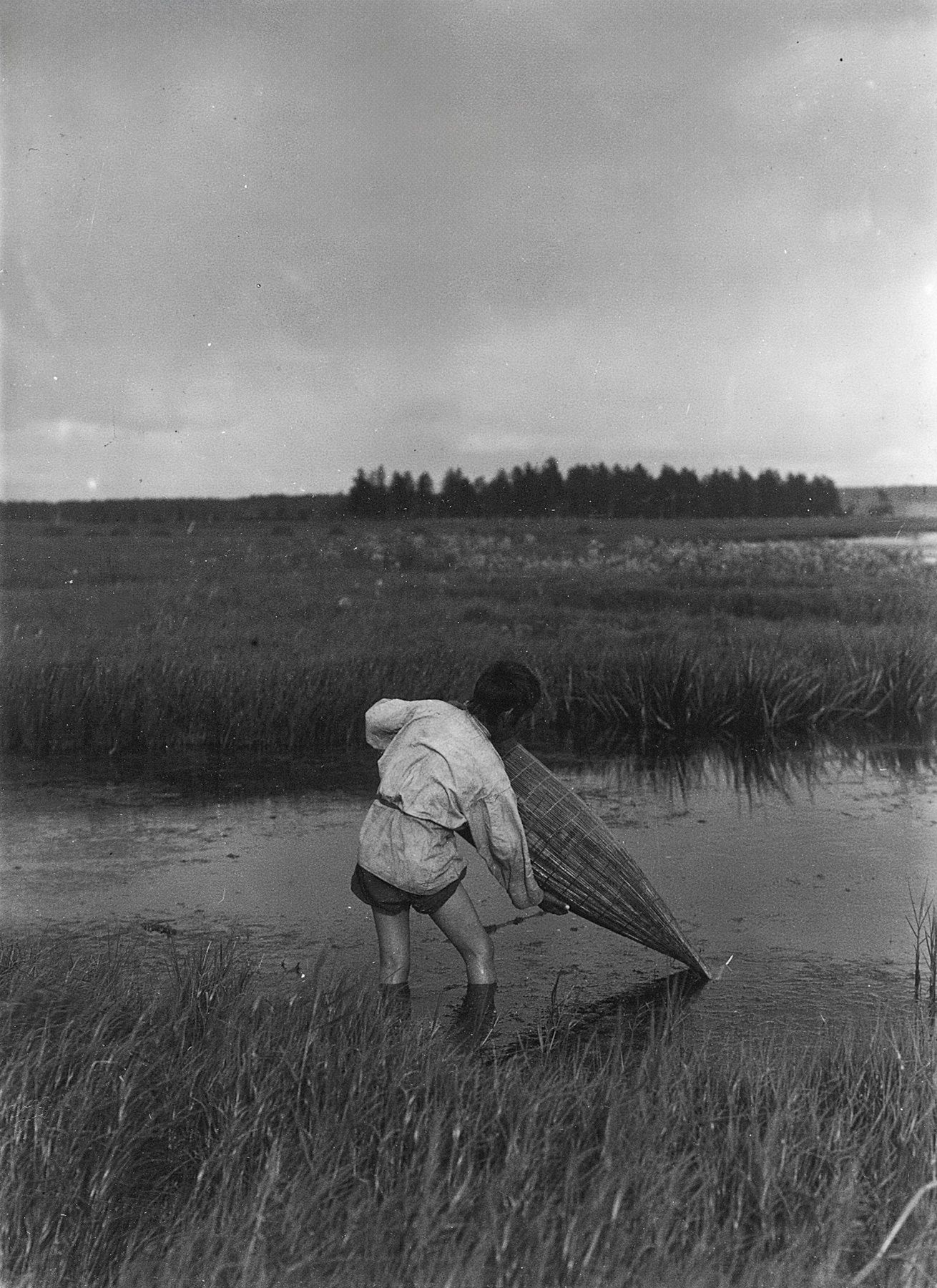
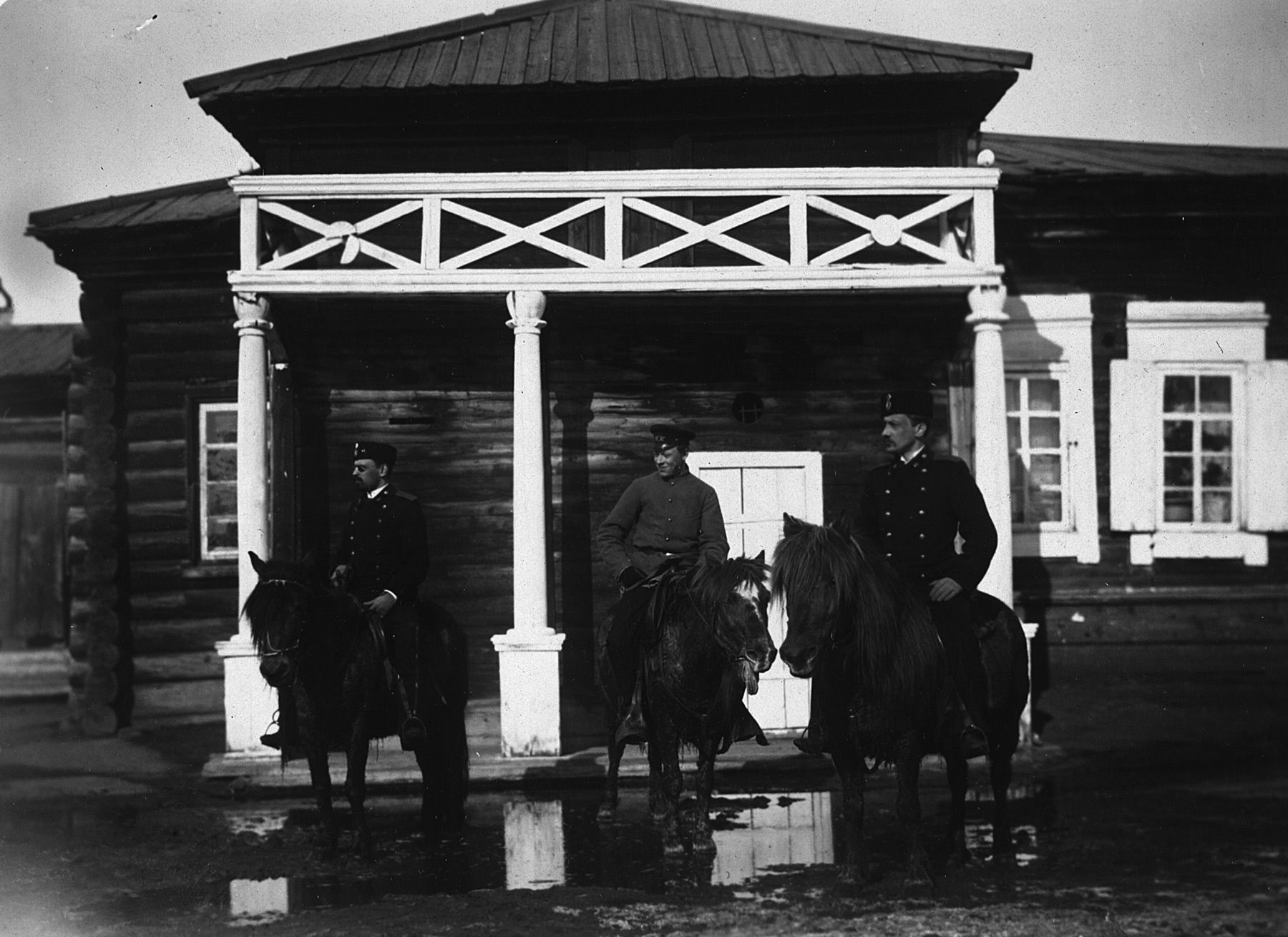
Suorun Omolloon writes that in 1914 Popov stopped taking photographs. This date also coincides with the end of his ethnographic expeditions. According to some reports, after the outbreak of World War I, he continued to serve in the Tattinskaya St. Nicholas Church, which he painted, but there are no details about this. His Western colleague Prokudin-Gorsky also stopped his photographic experiments at this time - it is believed that he was trying to film a chronicle of the fighting, but there is no documentary evidence of this.
And then in the life of the first Yakut artist there are only scattered incoherent fragments. During the Civil War, his younger brother Nikolai, a member of the revolutionary committee, died. Nikolai’s wife, as stated in several sources, was “brutally killed” by the whites in 1922: “The language cannot even describe what these women endured before their death. Then they both pushed them into the hole. In the spring, the bodies surfaced. And it was Ivan Vasilyevich who saw them off on their last journey,” says one of the consultants of the film “Don’t bury me without Ivan,” an employee of the Literary Museum, Efrosinia Nogovitsyna.
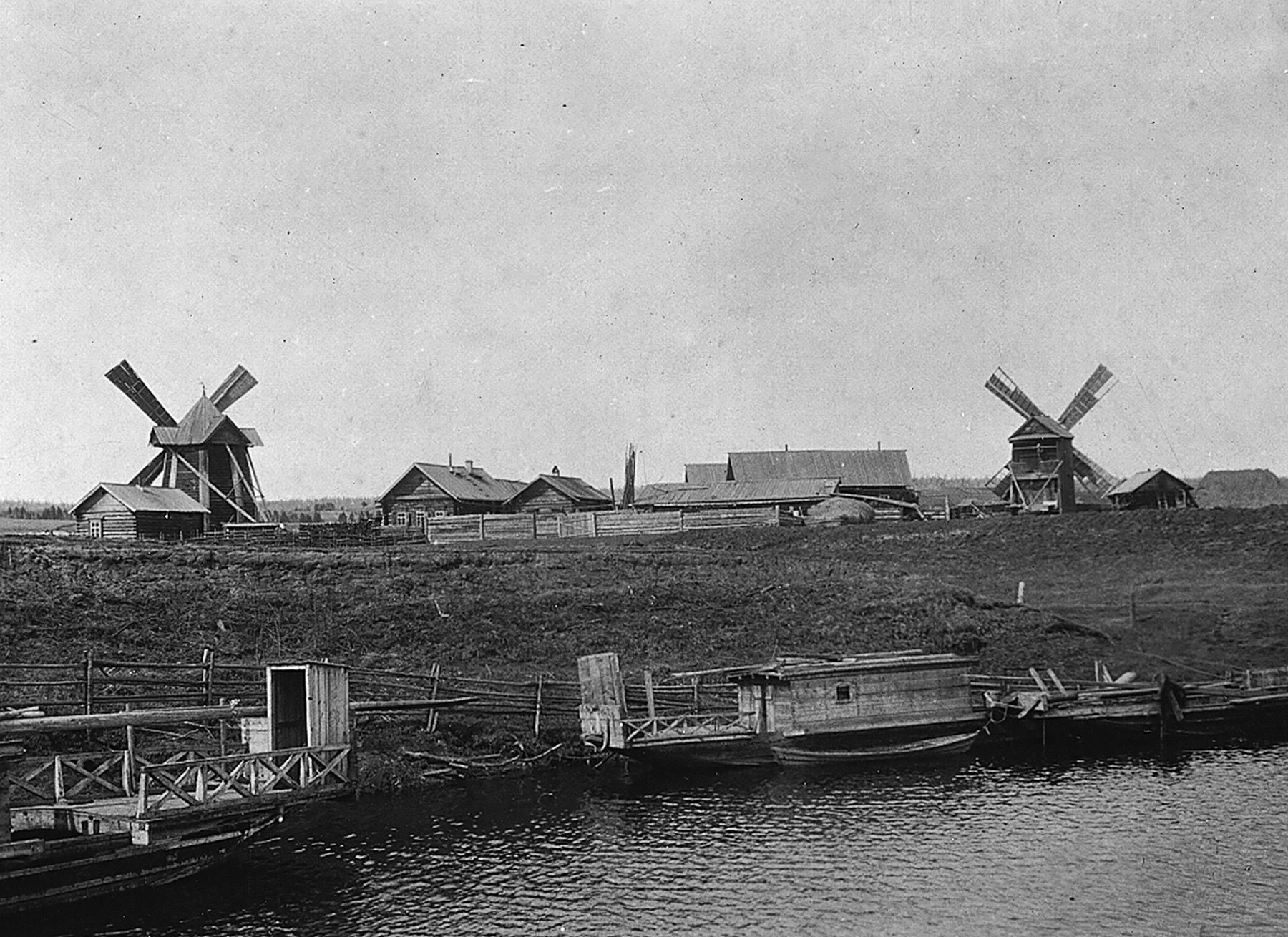
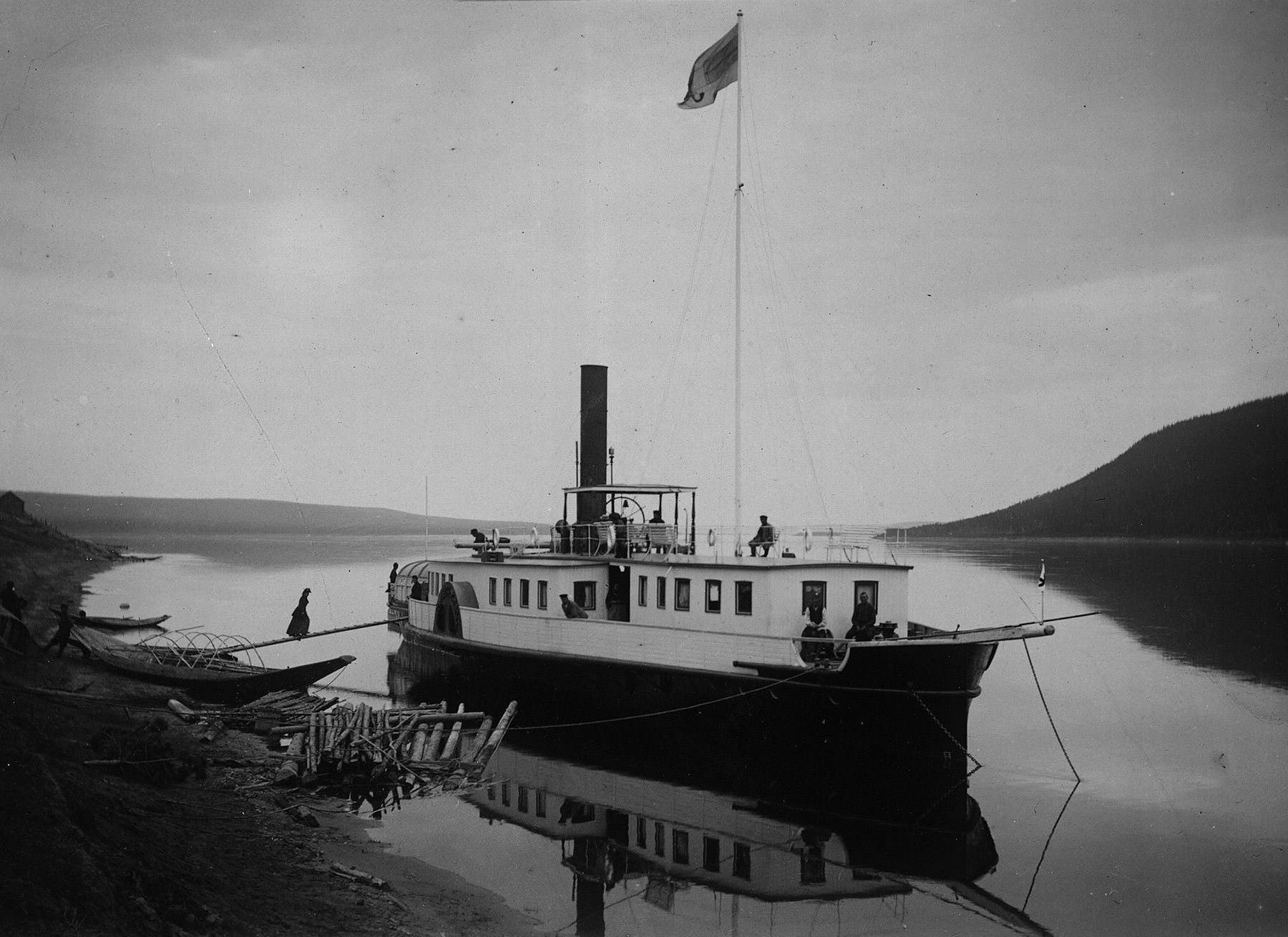
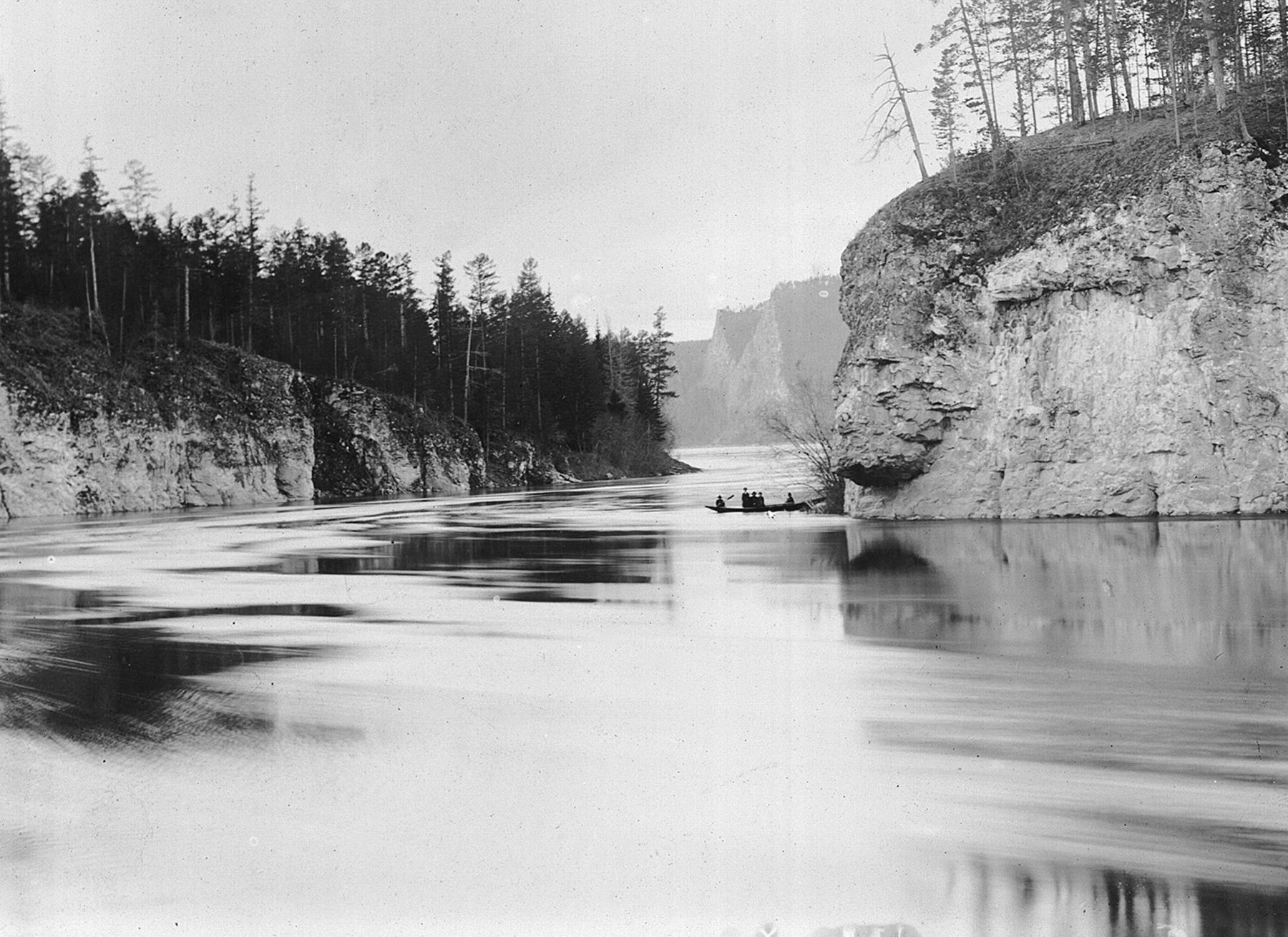
During World War II, Popov, as Omolloon writes, served as a meteorologist. He died in 1945 at the age of 71 - the Yakut writer indicates that the cause of his death was overwork and malnutrition. Considering that in those years, in addition to the obvious economic consequences of the war, residents of the region also faced drought , the theory looks at least plausible.
May 2024 marked the 150th anniversary of the birth of Ivan Popov - an exhibition was opened at the Art Museum of the Republic of Sakha in Yakutsk. At the opening day, officials called Popov nothing more than “a block” and “Yakut Leonardo.”
The world is on fire - but in addition to the bad news, we also have good. For example, about new books, films and music. Meduza editors Sofya Vorobyova and Anton Khitrov talk every day about the most interesting cultural events in the Raft telegram channel. Subscribe!
Sofia Vorobyova
Photos: Ivan Popov / Library of Congress