
Translated material
War
One thousand three hundred fifty-eighth day. “The enemy is developing success. Enemy sea." Russian troops almost captured Pokrovsk
Since February 24, 2022, Meduza has been broadcasting live about the Russian-Ukrainian war. We publish your letters in our daily materials because we are sure that we need to continue talking about the war. Share with us the thoughts you have about the war. What feelings are you experiencing? How does war affect you, your life, the lives of your loved ones and your attitude towards the world? Find the feedback form at the end of this article. You can read the previous day's review here .
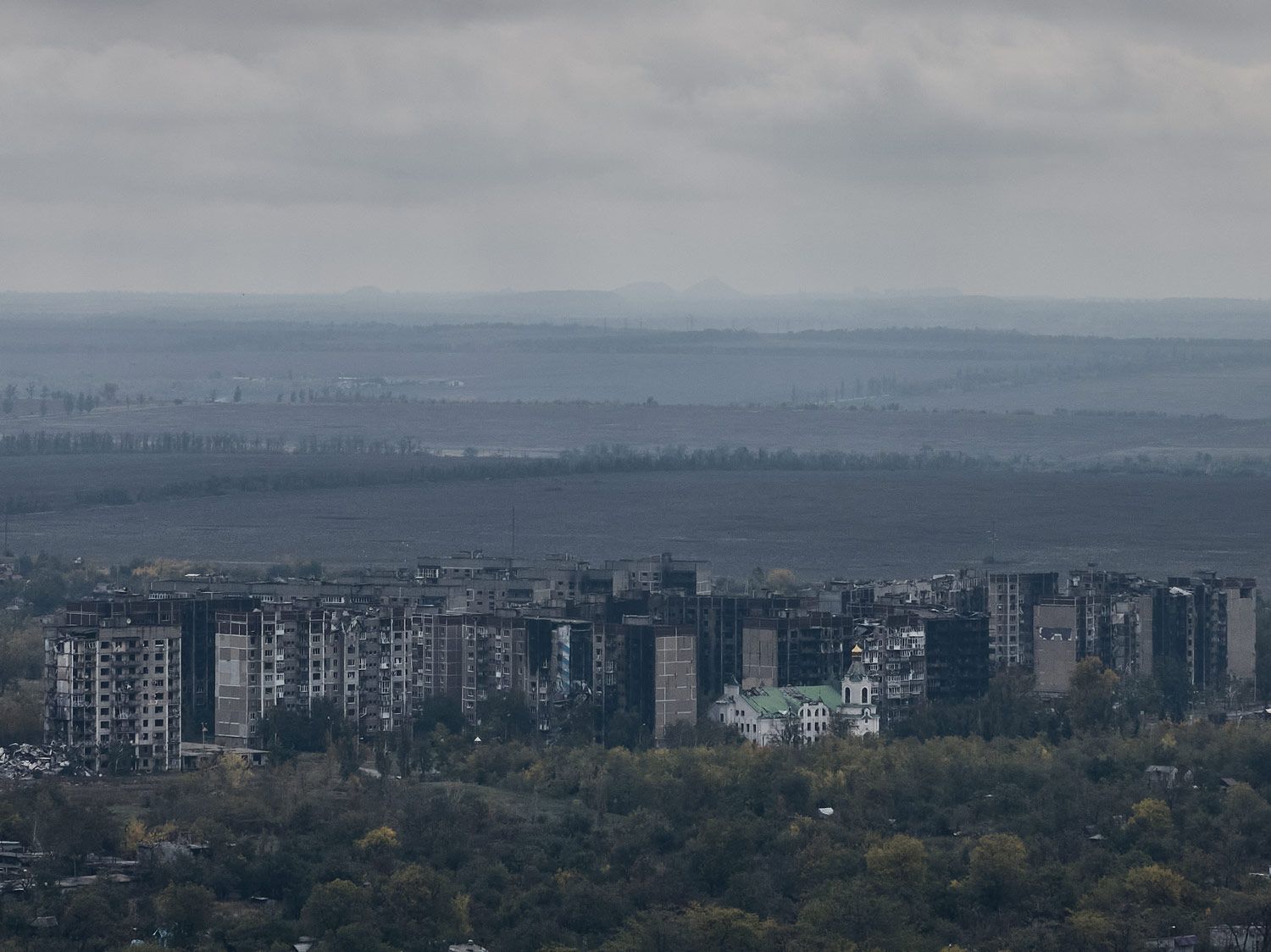
Russian troops are close to establishing full control over Pokrovsk, Meduza writes in its latest report on the progress of the fighting. Large forces are entering the semi-surrounded city. The Russian military advances on motorcycles and pickup trucks, and they set up mortars.
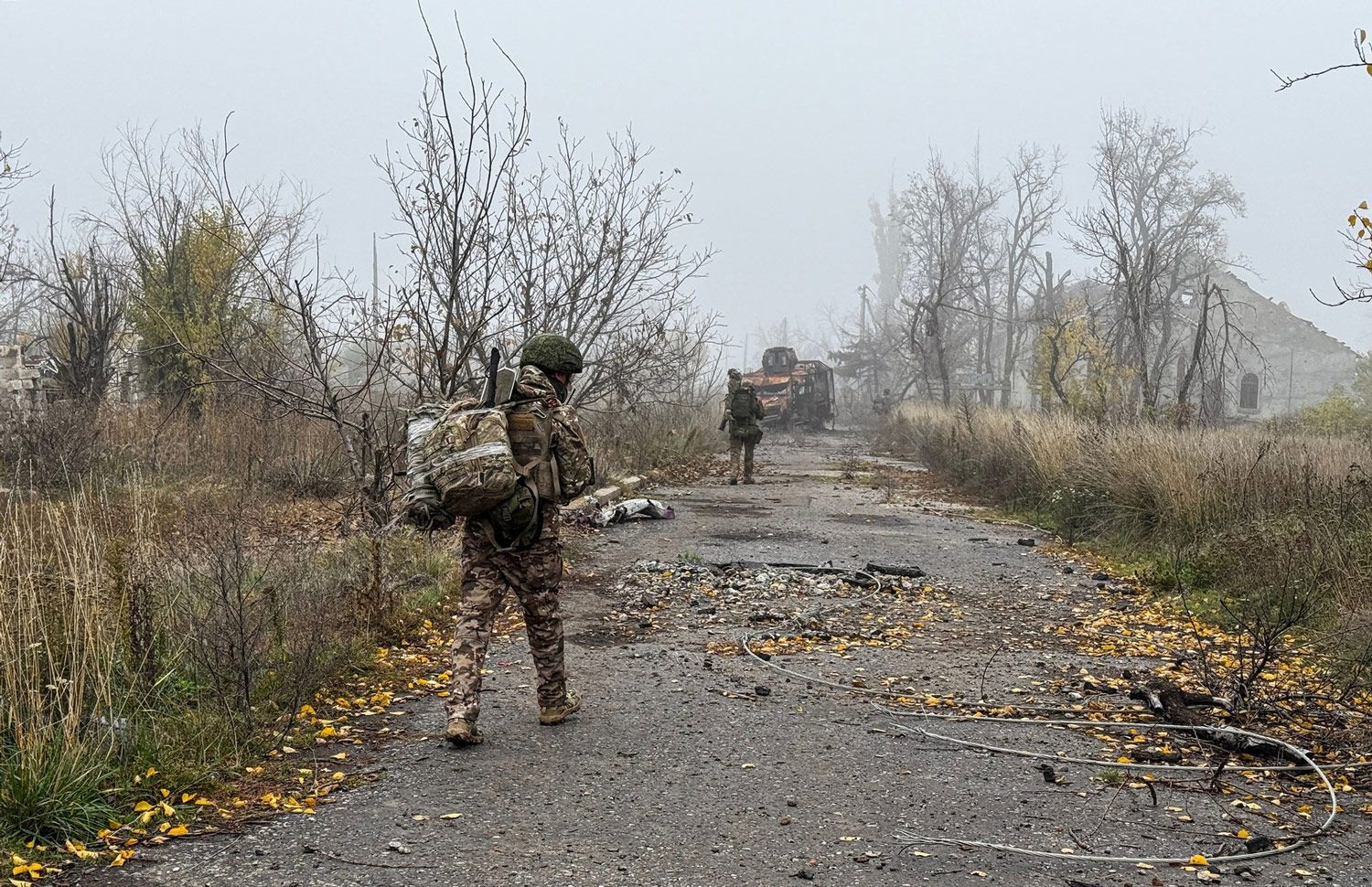
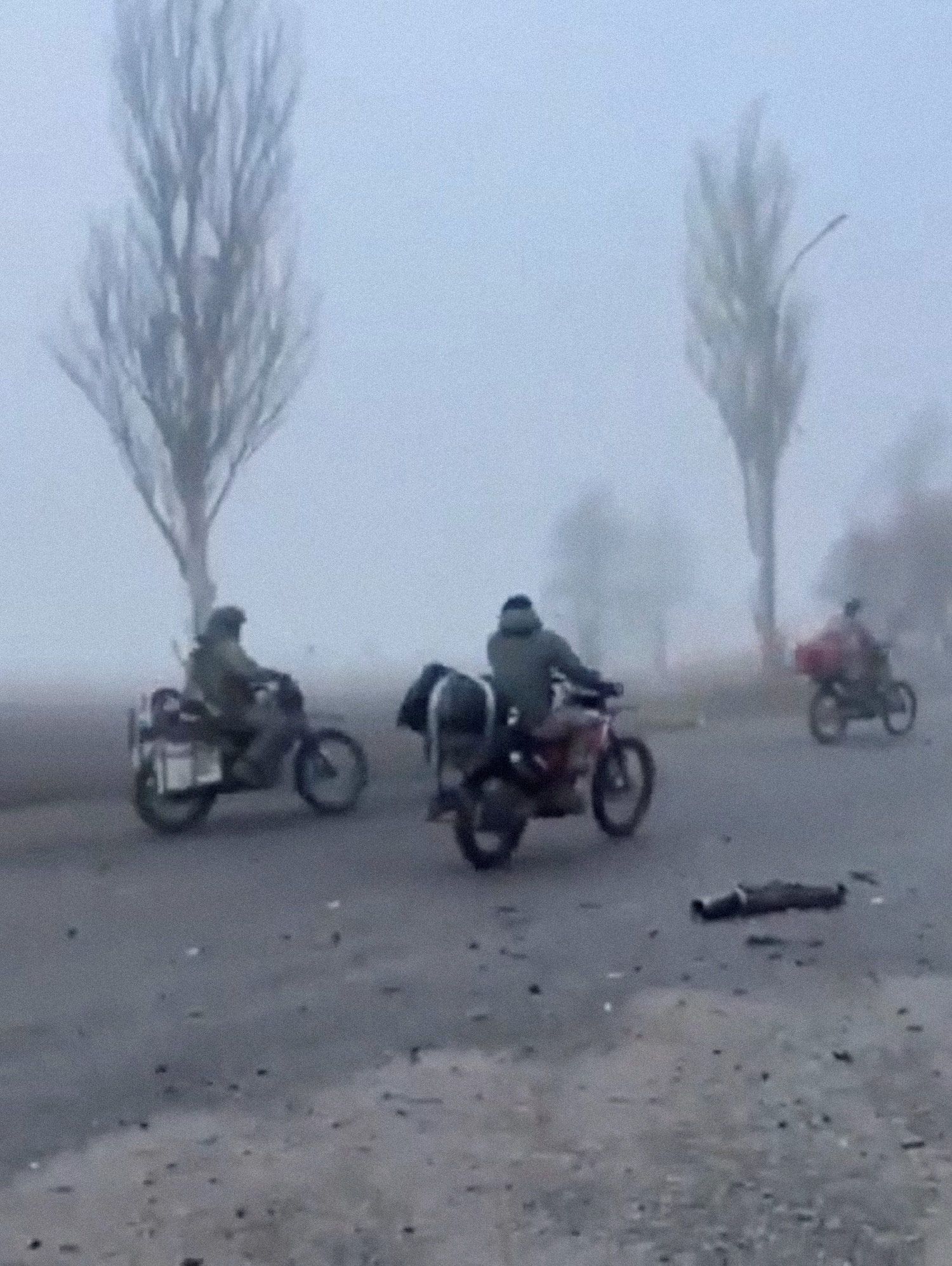
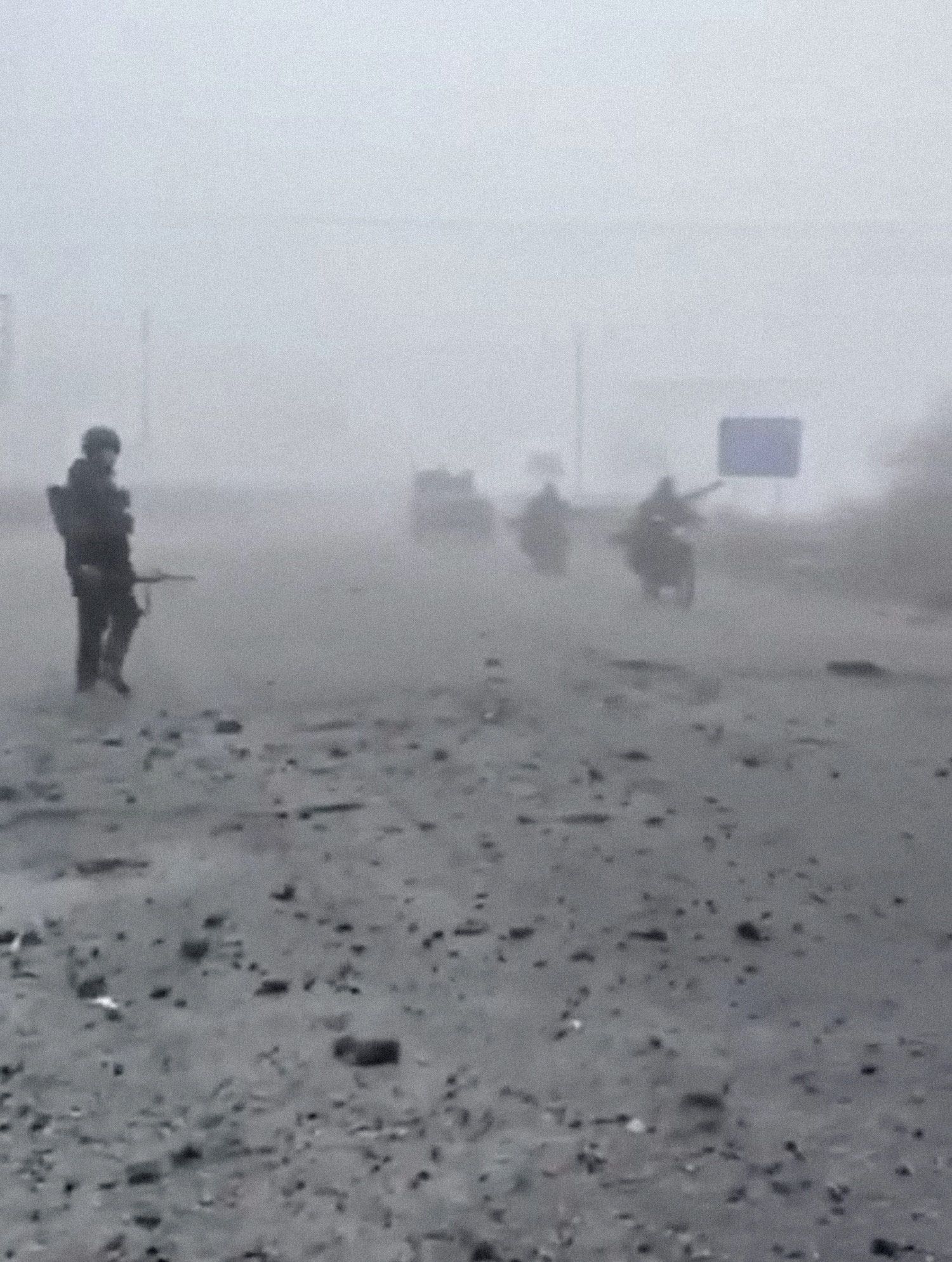
On November 10, Ukrayinska Pravda notes, a video circulated on social networks in which Russians in a column (including motorcycles, cars and foot soldiers) entered the city in the fog. The video was geolocated - it was filmed on the southern outskirts of Pokrovsk, from the village of Novopavlovka and the exit to Selidovo. The Ukrainian Armed Forces, notes Ukrayinska Pravda, tried to strike the convoy, but “in conditions of heavy fog it is difficult to do this.”
Using mortars that were brought to Pokrovsk, the Russian military is firing at the positions of Ukrainian UAV operators on the northern outskirts of the city. Together with thick fog, this makes it difficult for the Ukrainian Armed Forces to monitor the city.
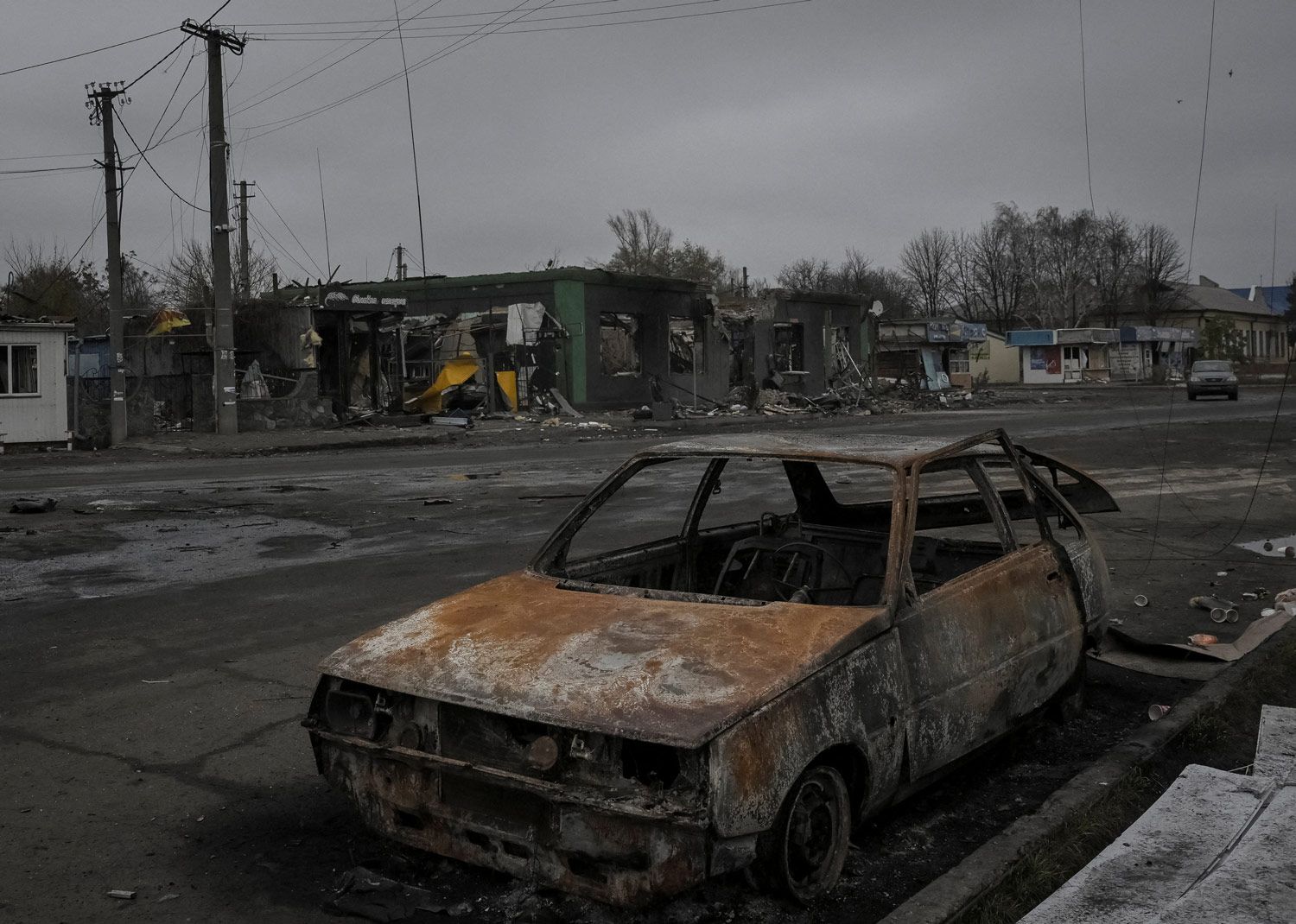
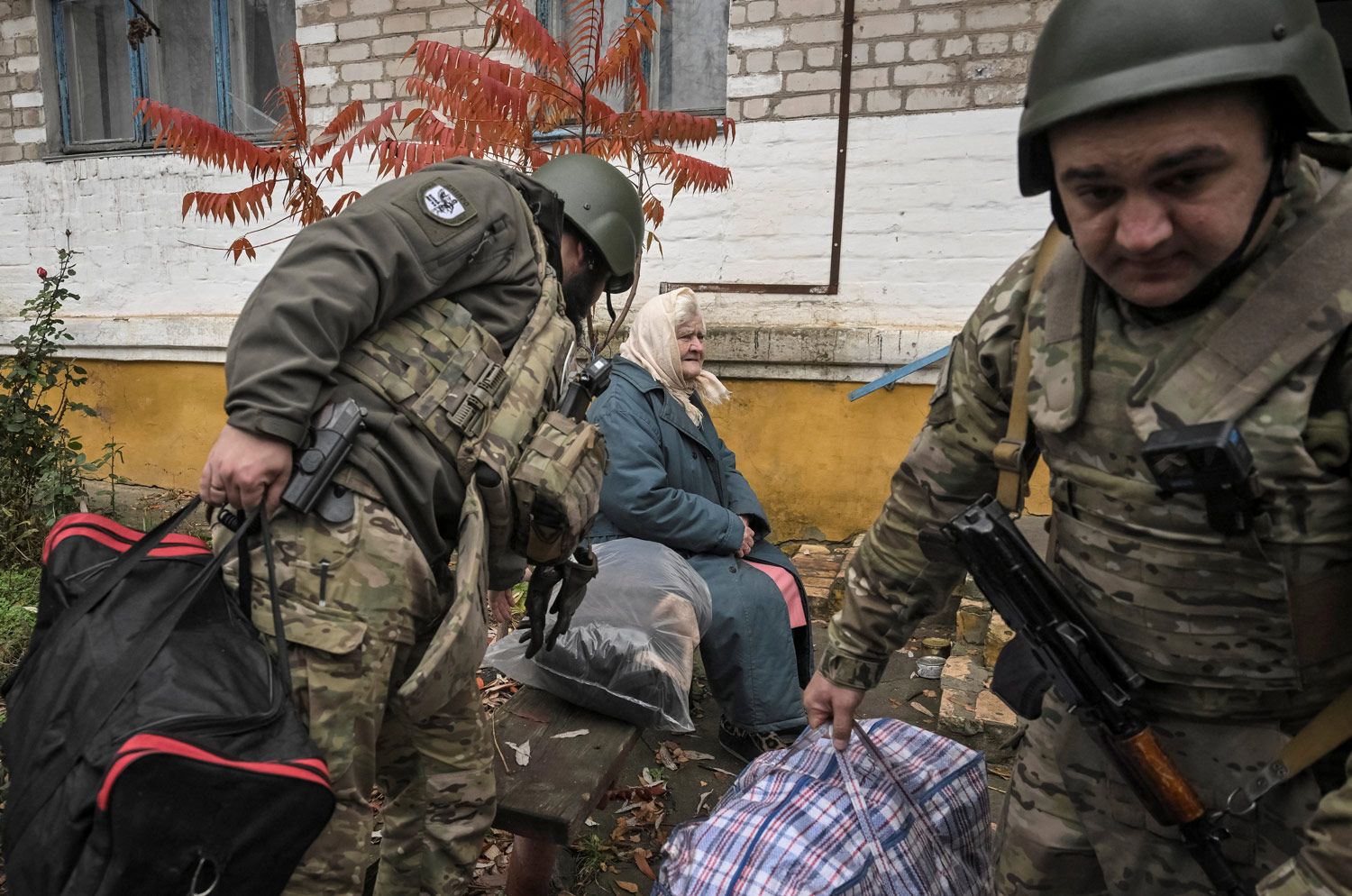
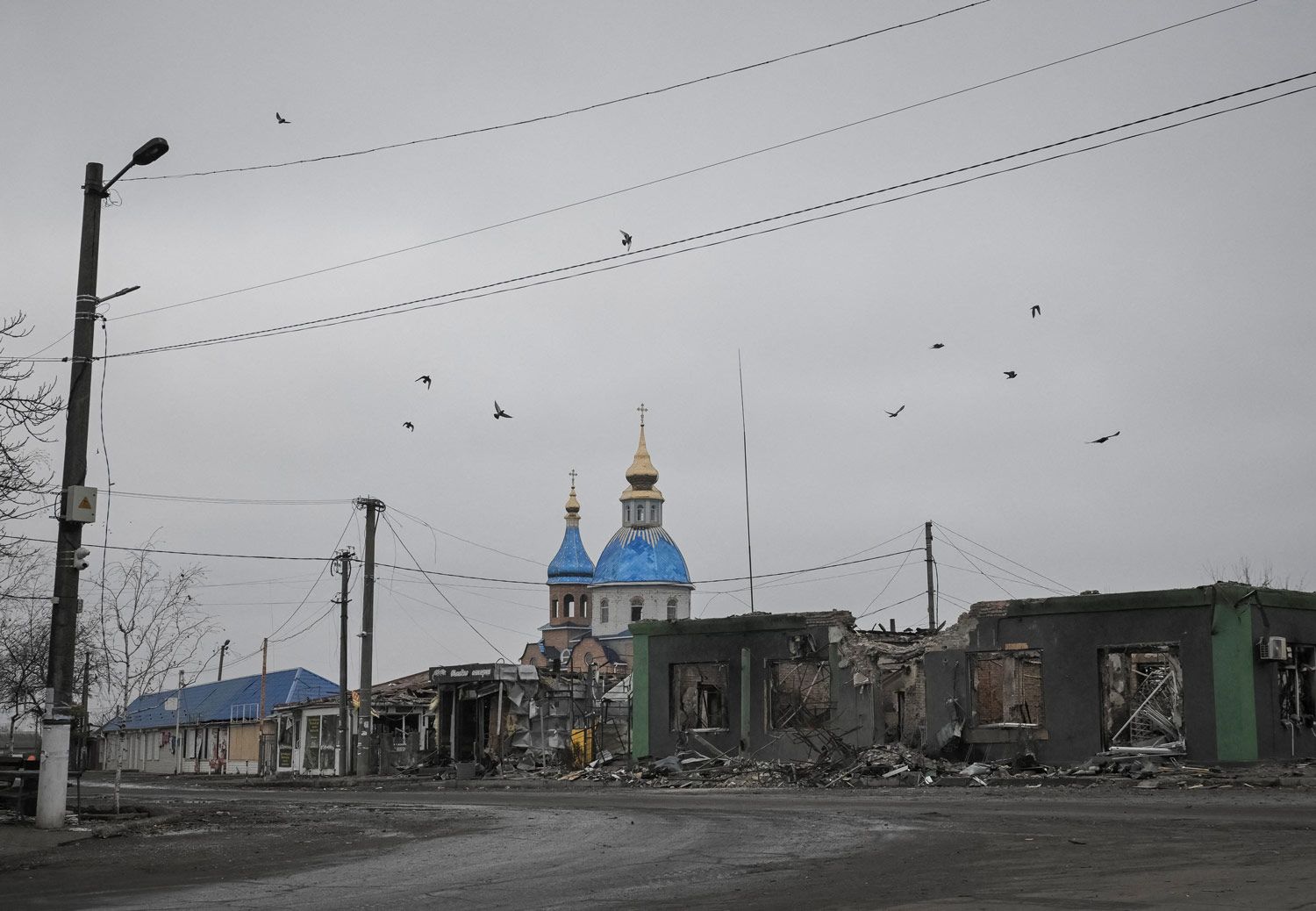
One of the publication’s interlocutors, whose name was not named, said: “The enemy is developing success. No special forces will be able to restore order, because the enemy is at sea.”
Another source of Ukrayinska Pravda confirms that the city has actually come under enemy control. “Finally, everyone admitted that they had lost Pokrovsk. The Russians have already brought mortars to Pokrovsk and will now use them to dismantle the pilots’ positions. At the same time, they (the Russians) are trying to jump into Rovnoye (a village between Pokrovsk and Mirnograd), and also constantly want to go to Mirnograd. They go in columns, although they kill almost everyone, or in small groups, which brings them success,” he said. In Mirnograd and to the south of it, two brigades of the Ukrainian Armed Forces, which are actually surrounded, continue to hold the defense. Ukrainian troops are trying to restore contact with these units by counterattacking from the north - from the direction of the city of Rodinskoye.
The British newspaper The Telegraph, in an article dated November 11, writes that the capture of Pokrovsk will be one of the largest successes of Russian troops in recent times and will allow them to advance to the north and west, threatening the “ belt of fortresses ” - the stronghold cities of the Ukrainian defense in the Donbass. The fall of the city will also be a blow to the morale of Ukraine, the publication notes.
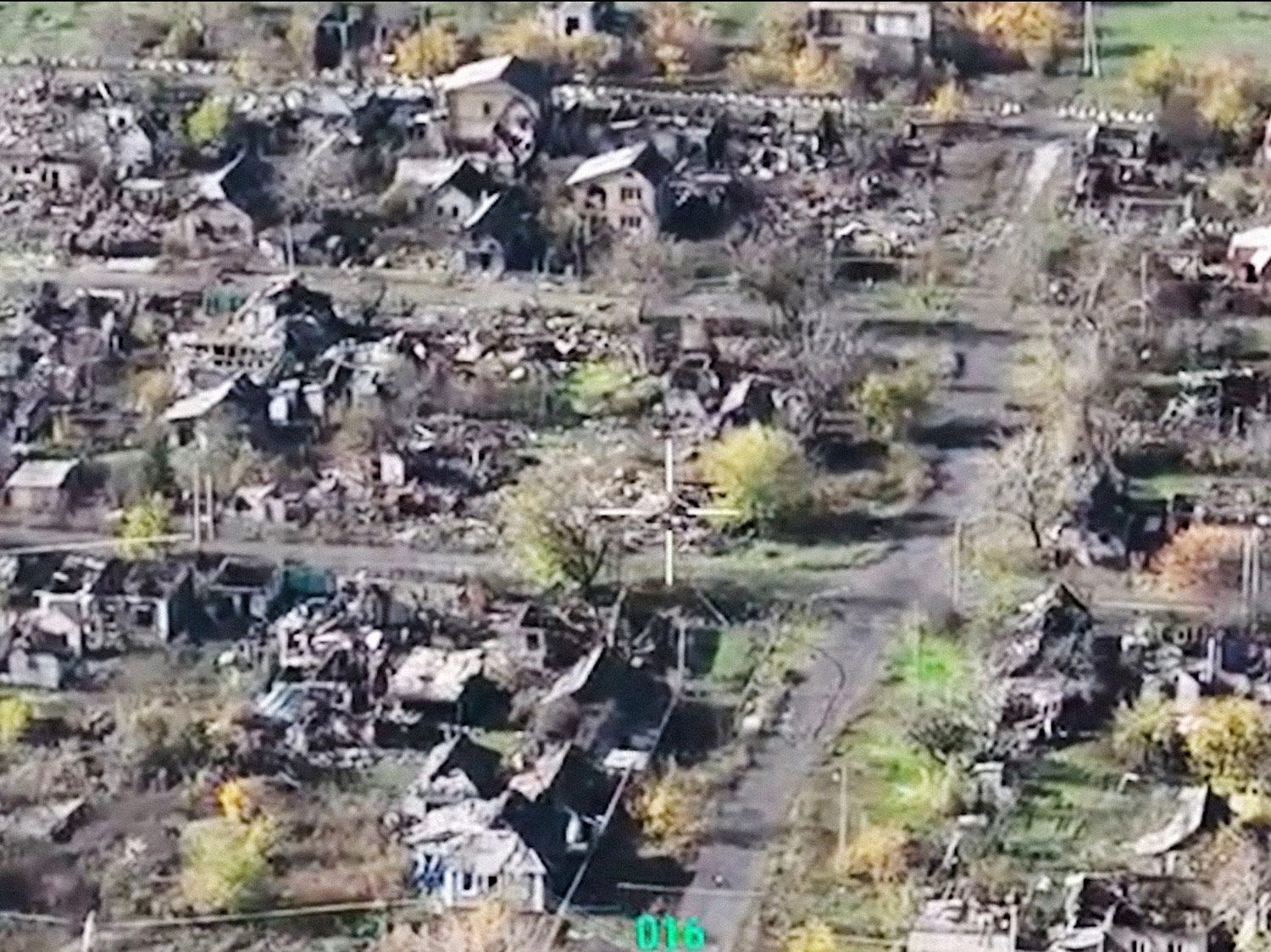
In turn, military expert John Watling writes in Foreign Affairs magazine that the Russian command planned to capture Pokrovsk a year ago - by November 2024. In addition to Pokrovsk, he notes, Russian troops are advancing in other areas, and are also actively shelling cities located near the front line, forcing their residents to leave for less dangerous places. The coming winter, which Ukraine will again have to spend with a damaged energy infrastructure, the article says, could be decisive for the course of the war. At the same time, Foreign Affairs emphasizes that the outcome is not predetermined and, with due pressure from Ukraine’s allies on Russia, the Kremlin by the end of 2026 may find that it is “approaching the end of the runway without gaining altitude.”
War through the eyes of Meduza readers
How we choose letters
Meduza's readers live in different countries and have different attitudes towards the war. We publish your letters to see this event through your eyes. Our editors try to present all points of view, even if they do not coincide with the editorial position. However, in accordance with the Meduza code, we do not publish messages that contain “hate speech,” justify the murder of civilians, or express direct support for an aggressive war.
Maxim . Before the war, I collected documents for a Ukrainian residence permit, went to Ukraine to visit friends whom I love madly, learned the language and thought about going to work there after studying. The war overtook me in a psychiatric hospital - I lived with depression for several years and periodically ended up in clinics. It is very difficult to describe this time. I was literally torn from the inside, I could not explain to my friends from Kyiv that I could not do anything. Perhaps I still can’t explain to myself that this is really so.
I was lucky to be under the supervision of doctors during this terrible time - the level of nervous tension led to breakdowns and hallucinations. The psychiatrist almost immediately forbade reading the news, increased the dose of medication and tried to support him, until at the next examination he said the phrase: “But I think the Ukrainians are to blame.” This was critical training for future years - I can no longer trust my straight thoughts even to the people who helped.
My grandfather was a Ukrainian who lived in Russia. At first this thought seemed terrible, but now I am glad that my loved one died suddenly from Covid, and not from a heart attack while watching the news about the bombing of his hometown.
During the war years, the future completely died in me. There are some tasks that need to be done now, but there is nothing further, this time has died in advance. Nothing good awaits us anymore; in principle, there will be no “further.”
There are different types of pain. Now we are experiencing an acute crisis due to the very fact of war. But no matter how it ends, what awaits us next are many decades of dull pain—insurmountable hatred that never goes away. The murder of [Alexey] Navalny finished it off. I was not his supporter, but there was a statistically insignificant feeling that there was a person who, at least hypothetically, could one day begin the painful process of emerging from the post-war shock between countries.
I sometimes go back to my teenage memories of the Sochi Olympics. This was the last time of hope, euphoria that Russia had finally begun to change, at least for the world around, which lasted about a month.
I will soon leave Russia, there is nothing valuable for me here anymore. Here I am an internal enemy; in emigration I will be an unnecessary refugee, on whom the stain of his country’s blood will still not be washed away. I doubt that for the rest of my life I will ever experience that feeling of the future from a couple of days in Sochi 2014.