
Translated material
First night right
Fifth scene
First night right
An investigation into how Putin was arranged to have sex with a minor and what role sex played in the career of Valentina Matvienko
November 13, 2025
Characters:
Alisa Kharcheva, her lover and her father, Valentina Matvienko and her men, the Rotenberg family and their women
In the middle of the 18th century, a woman had a colossal influence on the politics of France, and therefore the whole of Europe, the famous favorite of King Louis XV, the Marquise de Pompadour. But this does not mean at all that women at that time had the same rights as men, in particular in government. It is not for nothing that there is a version according to which influential men stood behind Pompadour - allegedly they arranged the king’s acquaintance with the beauty, hoping through her to increase their own influence on His Majesty. In this sense, modern Russia is not far from the France of modern times - it is not easy for women to make a career in power without influential men; they are still being used in the same way as the patrons of the Marquise de Pompadour did. We begin this story with the story of enterprising young people who decided to rise to the occasion by introducing ~~Putin~~ to an underage concubine.

The pro-Kremlin youth movement “Nashi” (begun in 2000 as “Walking Together”) has played an interesting role in Russian history. More than twenty years ago, young people staged protests involving throwing unwanted books into the toilet and impaling the heads of human rights activists cast from plastic on stakes - in general, they did everything that has now become the norm.
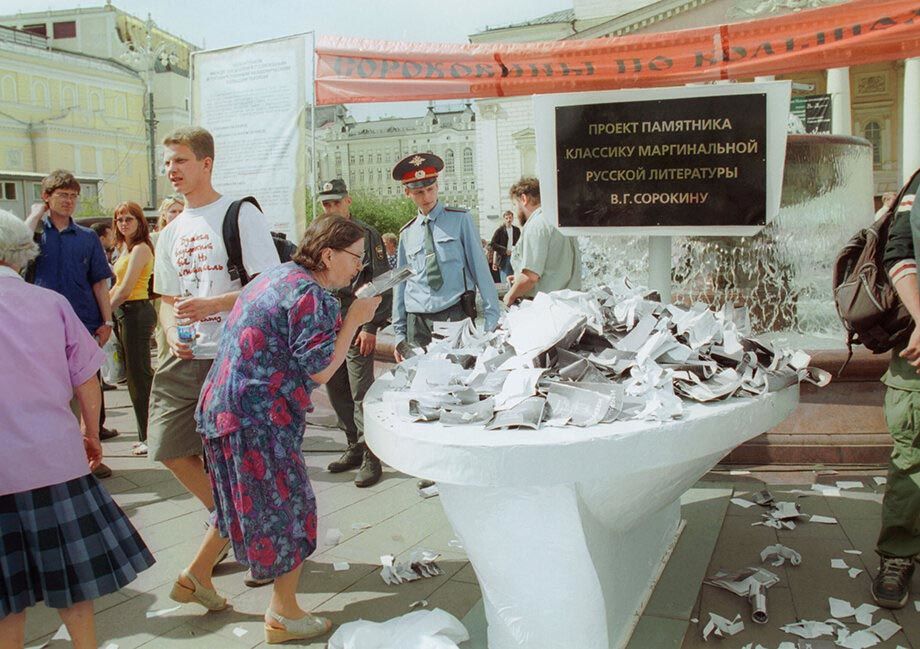
In the 2000s, events in the spirit of fascist Germany looked wild, so “Nashi” was quite appropriately nicknamed “Nashi” and “jubilant gopota”. But they were not at all shy, as if they knew that they were setting standards for the future. Moreover, the country's leadership, at least in words, promised them a brilliant career. “Ours” was supervised by the first deputy head of Putin’s administration, Vladislav Surkov, and in 2005 he literally said to the jubilant youth gathered in the famous pro-Kremlin camp on Lake Seliger: “We will hand over the country to you.” In part, this promise even began to come true - the creator of the movement, Vasily Yakemenko, already two years later headed the government’s state committee (later it would be renamed the federal agency) for youth affairs, and at least 13 more people at different times would take some significant positions in the structures of the federal government - from members of the Public Chamber to federal ministers. Some of these young people - we've collected them in the gallery below - are important to our story.
“Ours” are in power

Mikhail Degtyarev
He started as the head of the Samara branch of Walking Together, but was later elected to the State Duma from the Liberal Democratic Party. He was the governor of the Khabarovsk Territory, and now he is the Minister of Sports of Russia. *
Sergei Belokonev
The former commissioner of Nashi, then will be a State Duma deputy and head of the federal agency for youth affairs. *
Robert Schlegel
He started as a press secretary and later as a commissioner of Nashi. He was a State Duma deputy of two convocations, at one time the first deputy chairman of the parliamentary committee on information policy and the head of the commission of the presidium of the General Council of United Russia on international politics. Publicly condemned Russia's attack on Ukraine. Now in exile. *
Irina Pleshcheva
She started as a press secretary of the Voronezh branch of Nashi. She was the Moscow Region Government Minister for Social Communications, deputy head of the executive committee of the All-Russian Popular Front, and executive director of the Russian Schoolchildren Movement. Now he works in the Kremlin as head of the department of projects and programs in the field of education. *
Ilya Kostunov
He was a commissar of Nashi and a State Duma deputy. Until the summer of 2024, he headed GlavNIVTs, which is engaged in mass surveillance of Russians on the Internet and, with the help of bots, promotes Kremlin propaganda on social networks (Important Stories reported ). *
Maxim Mishchenko
He was a commissar of Nashi, a State Duma deputy, a member of the Public Chamber and Deputy Minister of Internal Policy of the Tula Region. He served time in prison for fraud. *
Pavel Tarakanov
He was the head of the Chechen branch, and then the leader of Walking Together. Former State Duma deputy, was a member of the Federation Council and vice-governor of the Tyumen region. Now he is the first deputy governor of Khanty-Mansi Autonomous Okrug. *
Kristina Potupchik
She was the press secretary of Nashi and a member of the Public Chamber. Now he is one of the Kremlin’s most important contractors for work on social networks. *
Vladimir Tabak
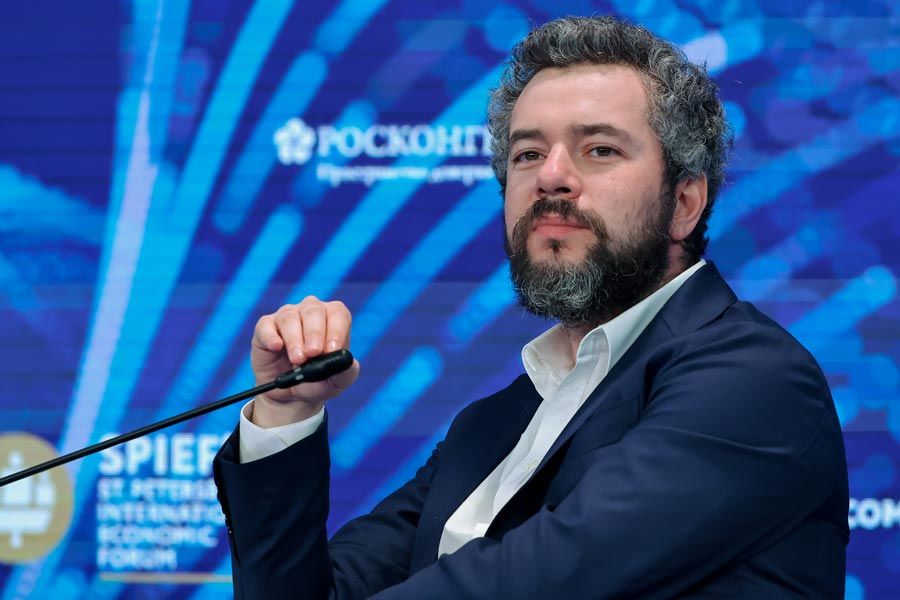
I wasn’t a member of Nashi, but I came up with an important project for them. In 2018, he worked at the election headquarters of Vladimir Putin, and is now the general director of the Dialogue non-profit organization, a key structure of the Kremlin propaganda. *
Yulia Gorodnicheva
She was the commissar of Nashi. After she asked a question about the relationship between church and state at a meeting between the “nashists” and the president, Putin invited her to join the Public Chamber. Later, she became the deputy chief of staff of this structure, created by the Kremlin to simulate a dialogue between society and government. *
Boris Yakemenko
He led the Orthodox corps of “Nashi” and was a member of the Public Chamber. *
Dmitry Chugunov
He was a commissioner of Nashi, then a member of the Public Chamber, and later vice president for GR at the Synergy corporation. *
Yulia Zimova
She was a commissar of Nashi, then a member of the Public Chamber. Now she is engaged in “charity” in the occupied territories of Ukraine, for which she received a Russian state award.
‹
›
They all understood perfectly well that the government did not set them the goal of improving the lives of Russians. Their main goal was to please Putin and attract his attention. The most important day of the year, as a former “Nashist” now recalls in a conversation with Project, ×
It was October 7th—Putin’s birthday. “Before this day, it was impossible to take a vacation,” recalls an interlocutor from the former “Nashists”. Instead, young people were instructed to generate ideas - what to give to the leader of the nation, how to please and surprise him. For every “Nashist”, a good idea was a real chance to attract the attention of management.
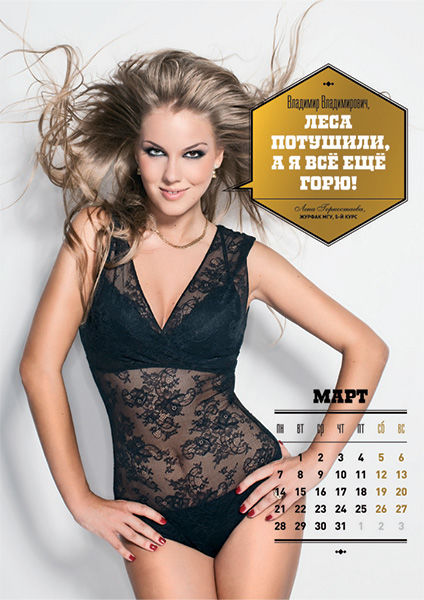
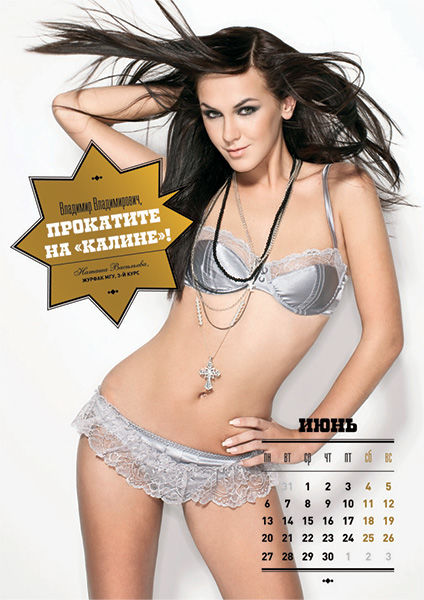
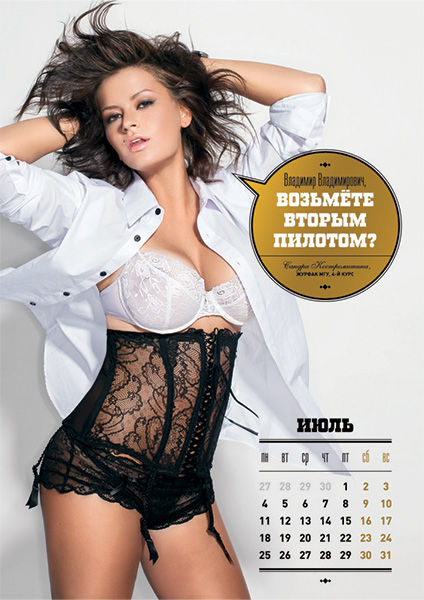
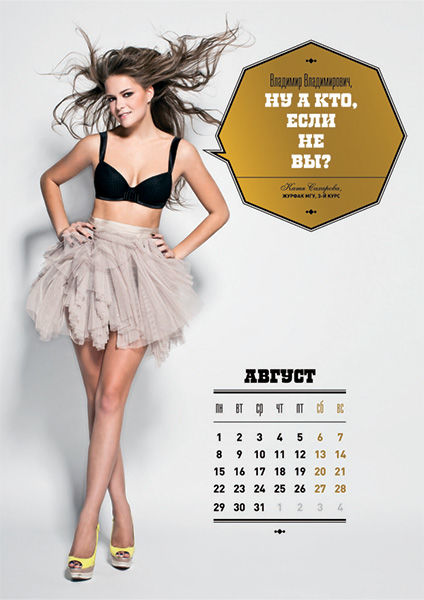
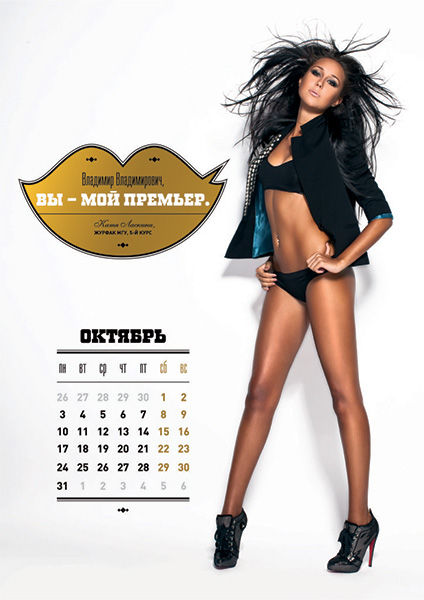
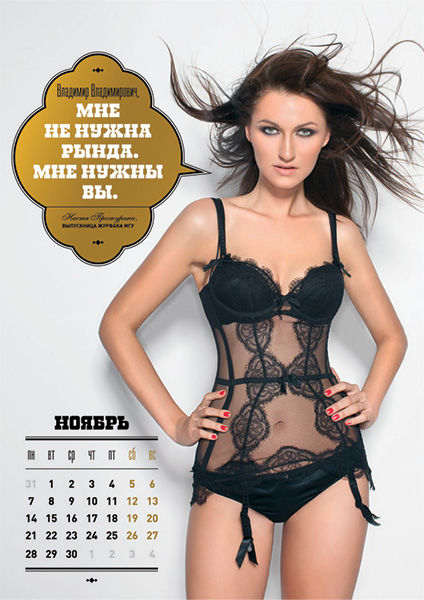
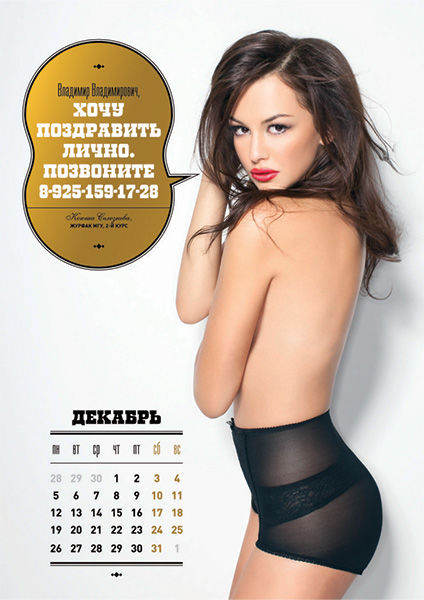
The history of the gift made by “Nashi” for the 58th birthday of then Prime Minister Putin was still only partially known. On October 6, 2010, the press secretary of the movement, Kristina Potupchik, published an erotic calendar on her blog, on each page of which there was a photograph of girls dressed in erotic lingerie with ambiguous calls like: “How about a third time?” The question had a political hint - the country was then wondering whether Putin would seek a third presidential term.





‹
›
Nine of these models were students of the journalism department of Moscow State University, two were graduates of the same university, and one (depicted on the April page) was a 17-year-old applicant who failed to enroll that year. Her name was ~~Alice Kharcheva~~ .

It soon became clear that the birthday boy liked the “nashi” gift. Putin's press secretary ~~Peskov~~ publicly announced: the prime minister has received the calendar and hopes that the management of the journalism department will not punish the models for a candid photo shoot. The story seemed to end there. But six years have passed, and Reuters will find out the most important detail: in 2015, Alisa received an elite apartment in Moscow from a certain Grigory Baevsky. It turned out that Baevsky is a man of Arkady Rotenberg, Putin’s friend. This intermediary then provided apartments for the daughter of the president himself ~~Katerina Tikhonova~~ , as well as the grandmother of Putin’s mistress ~~Alina Kabaeva~~ . In general, Alice found herself in the company of women close to the head of state, and, as many could have guessed even then, for a reason.

The “project” was able to establish the details of that story, which, as is now clear, fully corresponds to the spirit of the times of the Marquise de Pompadour. We spoke at different times with four people directly involved in the acquaintance of Kharcheva and Putin, and also discovered new data - they confirm the long-term relationship of the head of state with a young girl.
Alisa was born into the family of a professional bandy player Vsevolod Kharchev, who at one time played for Dynamo Moscow. However, by the time the girl wanted to enroll at Moscow State University, he had long since dropped out of the capital’s club and had been thinking about retiring from his career for several years.
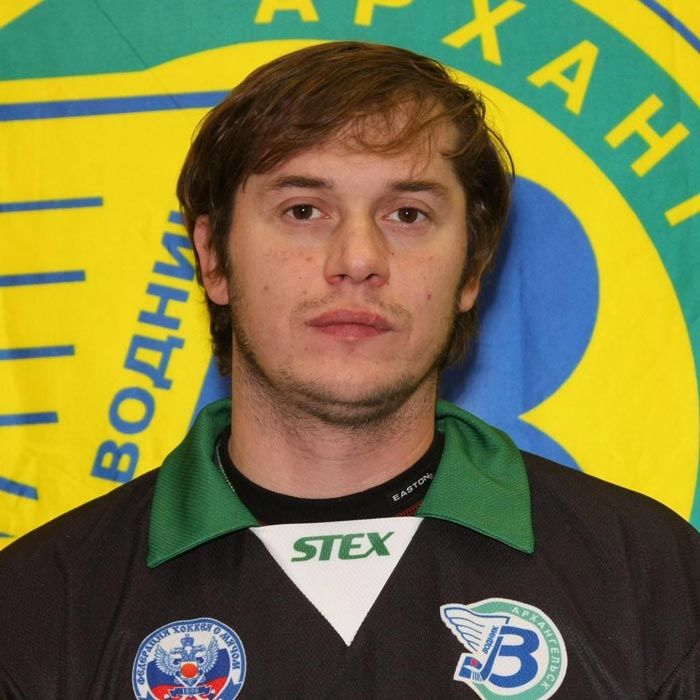
So it’s unlikely that she could count on her father’s help in building a prosperous future. The applicant was lucky - through her friends she met a graduate of the journalism department, Vladimir Tabak, who was not a member of Nashi, but worked closely with them (one of his biographies states that at that time he was “the head of a creative group for creating Internet projects under the presidential administration”). This then unknown classmate of Yuri Dudya was also thinking about how to please Putin on his birthday. It was he who gave birth to the idea of an erotic calendar. Tabak agreed on the plan with the leadership of “Nashi” - Vasily Yakemenko and Vladislav Surkov (the organization’s curator in the Kremlin): he told them that in this way the youth would show the authorities the loyalty of the journalism department, which was considered a stronghold of the opposition 
, says one of our interlocutors ×
.
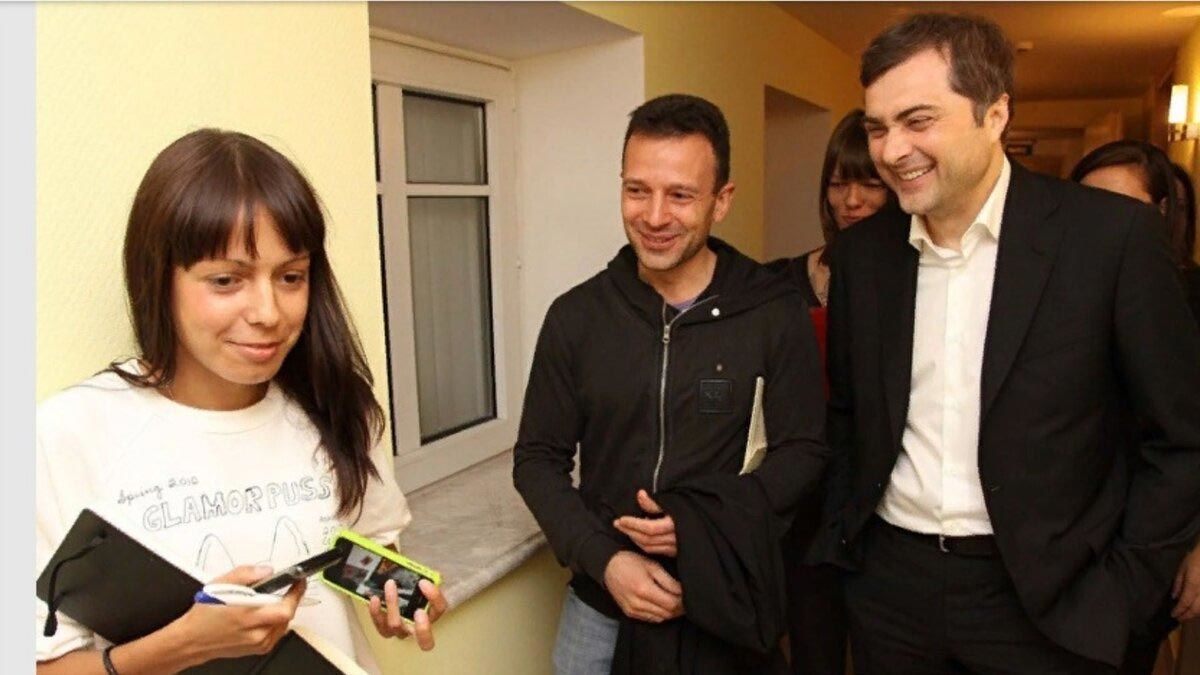
And before, Puritanism was not in honor among “Nashi”. An acquaintance of Yakemenko recalls that “girls constantly hung out in Vasya’s office.” Vasily generally actively mixed work and personal - he married an activist of his own organization, Maria Soboleva. Yakemenko later recalled in an interview: “I have never been involved in any politics. I was dealing with the issue of courting women."
In general, the erotic idea was approved. And even more: along with a gift copy of the calendar, the contacts of the students were transferred to the Kremlin.
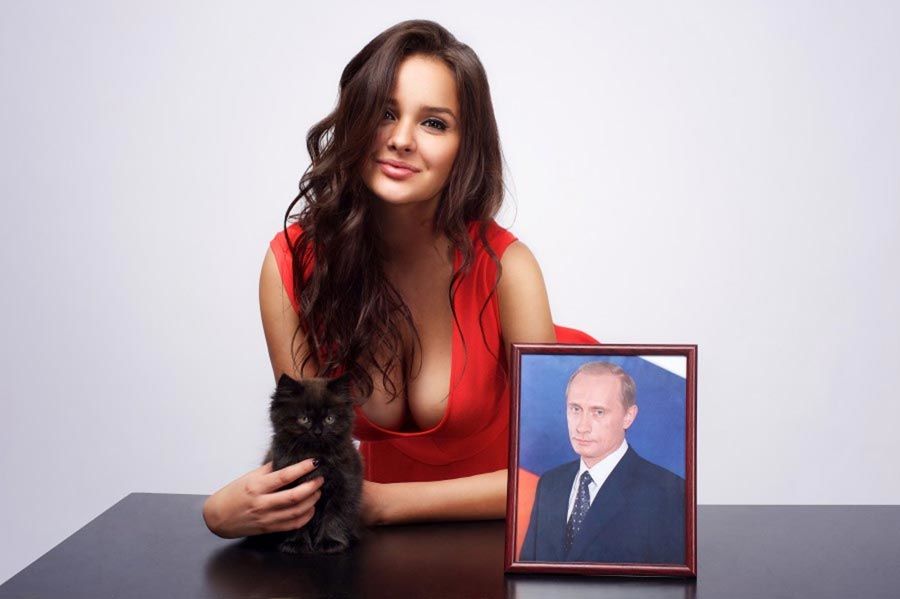
Alice’s phone rang quite soon (“less than a month later,” recalls one of the interlocutors) - the voice on the other end said hello and suggested a meeting at the prime minister’s country residence (apparently, we were talking about Novo-Ogarevo located in the Moscow region). The caller was probably Putin's assistant, although one of our interlocutors retells a story circulating among the “Nashists” that it was the prime minister himself, impressed by the beauty’s photograph. All the participants in the story who spoke to us agree on one thing: an intimate relationship began between Kharcheva and Putin.
The girl went to see the prime minister regularly - these visits, naturally, coincided in time with departures from the residence of Alina Kabaeva, who at that time was already Putin’s main lover. The formal wife Lyudmila did not live with the prime minister by that time.
The affair with the prime minister, of course, was hidden, but Alice herself was not hidden from the public. On the contrary, when the girl wanted to participate in the Miss Russia competition, she immediately found herself in the final, which was broadcast by the state-owned and Putin's friends
, primarily to the structures of ~~Yuri Kovalchuk~~ , ×
NTV channel.
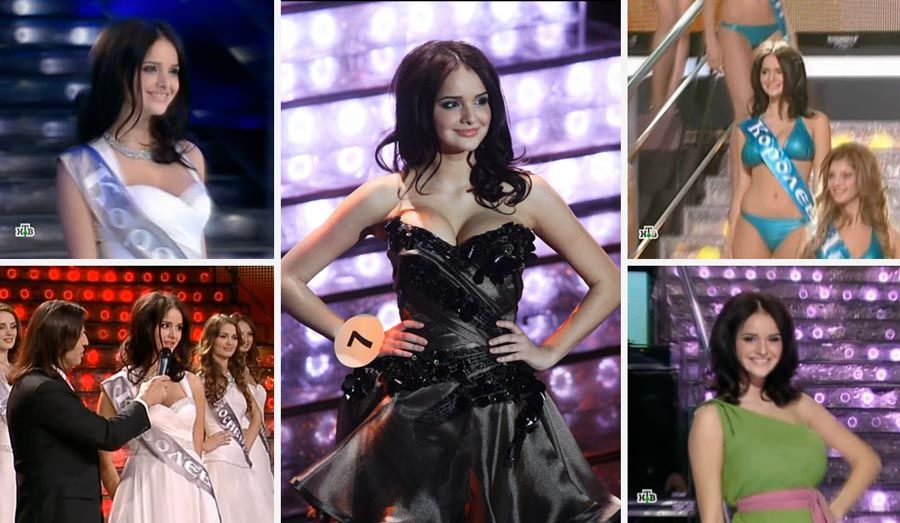
The whole country, without knowing it, watched the mistress of the head of government go through one stage after another - parading in a swimsuit and an evening dress, answering questions from the jury. How would Alice spend $6.5 million (for some reason the presenter suggested that the other girls spend less)? She would give it to her parents, give gifts to her brother and friends, “provide her dogs with new down jackets,” invest some of the money in business—she confidently listed, and unlike the other participants, she did not say a word about personal needs. And which of the finalists would she choose as the winner? The applicant from Krasnoyarsk, Anastasia Mashukova, said Alisa. Kharcheva’s favorite will eventually be recognized as vice-miss, and the winner’s crown will go to Natalya Gantimurova, also a difficult girl, she is a relative of former State Duma deputy Sergei Markidonov. Putin's mistress will modestly remain in the top ten. This is perhaps the only difference from the same court beauty contest, which a few years earlier the head of Chechnya ~~Ramzan Kadyrov~~ organized for his concubines. “His women” won .
Quite quickly, “Ours” realized that the connection between Kharcheva and Putin could be used to their advantage. Before each regular trip to a meeting with Putin, the “nashi” asked Alisa to convey this or that request to her man. But Madame de Pompadour did not turn out to be a young girl. Either she herself did not insist too much on the ideas she brought to Putin, or he did not like them. At the very least, our interlocutors cannot remember that any of the initiatives that Alisa brought to Putin’s bed were ultimately implemented. Moreover, one of our interlocutors thinks that attempts to use the novel must have irritated Putin.
One way or another, about a year later this relationship ended - Putin stopped inviting Alice to visit.
By coincidence, at about the same time, “Nashi” completely lost the trust of the country’s leadership. At the end of 2011, just after Putin’s decision “about the third time,” many months of mass protests began in the country, to which the “nashi” were unable to counter anything. The organization was dissolved, Surkov was removed from his post as the Kremlin curator of domestic policy, and Yakemenko was fired from Rosmolodezh.
But Vladimir Tabak, who noticed Alice, managed to advance - since then, the Kremlin has entrusted him with important tasks more than once, including work in Putin’s election headquarters - at least in 2018, he was introduced to the Project correspondent as an employee of the headquarters ×
. Now the producer of the erotic calendar heads the propaganda organization “Dialogue”.
Its task is to promote the government’s agenda on the Internet. But these are not all the functions of Dialogue. The Kremlin has entrusted this multibillion-dollar organization with one very sensitive task. This is the most vicious part of the story of Alisa Kharcheva.
At the end of the 2010s, Alice’s father was left idle - he was already too old to play hockey, and the coaching profession did not work out. And in 2020, he was hired by Tabak - this is one of the rare examples of reverse inheritance in a career, when parents receive positions and wealth thanks to the “successes” of their children (you can find several such examples in our special project).
In recent years, Kharchev has received a salary of approximately 100 thousand rubles from Tabak. per month, follows from the financial statements of “Dialogue”, which were at the disposal of the “Project” ×
. What a former hockey player can do in a propaganda organization is unknown.
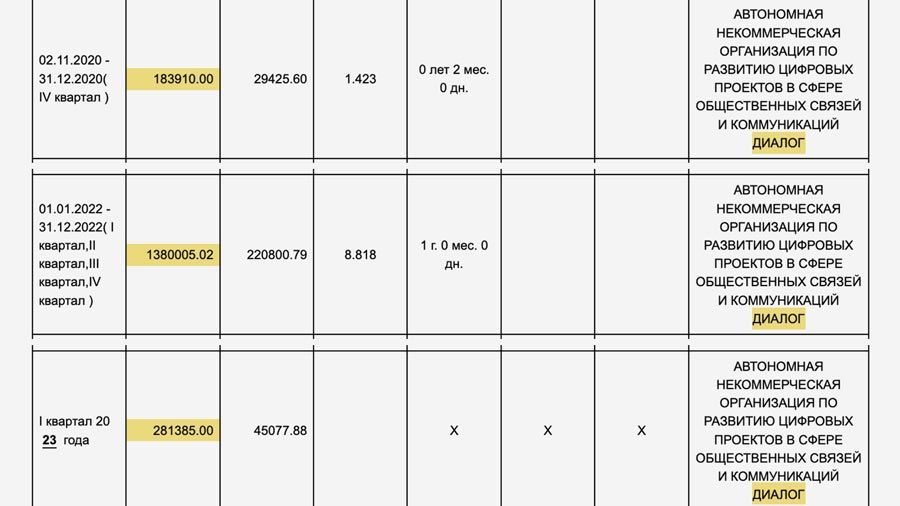
It turns out that Putin estimated the well-being of the father of a 17-year-old girl he once liked at 100 thousand a month. Alice herself received not only the already mentioned apartment. As one of our interlocutors put it, “she was admitted” to MGIMO. During her relationship with Putin, the girl lost interest in journalism, so when she was asked to choose any university in the country to study, she preferred the Institute of International Relations, where she was immediately enrolled. Now she is the co-owner of a tanning studio called Bronzeglow and maintains relationships with her “benefactors” - at least in 2021, she flew to Turkey on a business jet in the company of Kristina Potupchik.
Of course, the description of the role of women in Russian politics is not limited to such medieval stories.
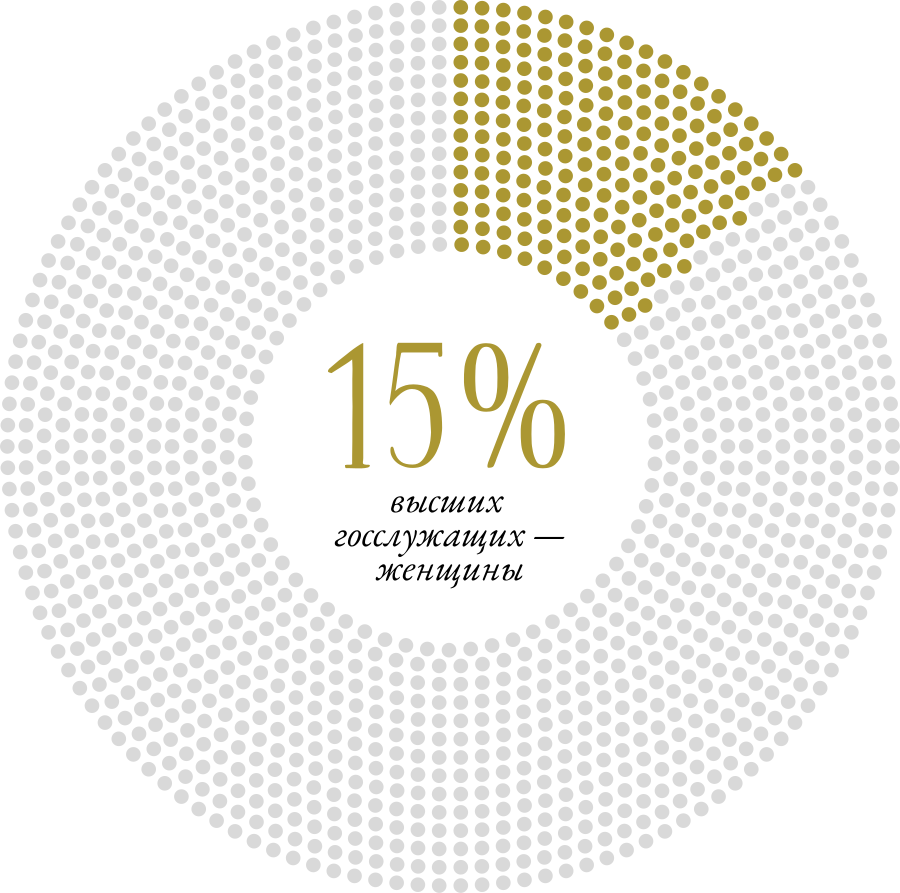
In total, there are 194 women in leadership positions in the government bodies and government business we studied, that is, 15% of the total number of top officials in Russia. At the same time, our database included 134 women, or 13% of those studied—that’s how many have relatives in government or government business.
Of course, some of them made it to the top due to their abilities or willingness to participate on an equal basis with men in the most terrible plans of the country’s leadership. An absolute example of the latter is deputy ~~Irina Yarovaya~~ , who over the many years of work in the Duma became a co-author of many draconian bills. When in 2012, deputies adopted the so-called “scoundrels law”, which prohibited Americans from adopting Russian children, the Kremlin again chose women as its authors and popularizers - deputies Ekaterina Lakhova, ~~Elena Afanasyeva~~ and ~~Olga Batalina~~ .
In other cases (there are many of them), the reason for the high appointment of a particular woman lies in the help of a male patron, at least at an early stage of her career. Until now, the most famous example of this kind was Deputy Prime Minister ~~Tatyana Golikova~~ . In the 90s, this energetic young woman was building a career in the Ministry of Finance, where she would probably sooner or later head one of the departments. But in 1997, her future husband ~~Viktor Khristenko~~ appeared in her life - he briefly came to the Ministry of Finance as a deputy minister, and then quickly moved to deputy prime minister of the government. The officials had an office romance, and Golikova’s career took off sharply. The 32-year-old financier was almost immediately promoted to head of the key budget department for her department, and a year later she was made deputy minister. In the future, she probably managed without her husband’s help - having gained Putin’s trust, she served as a minister, assistant to the president, head of the Accounts Chamber and deputy prime minister.
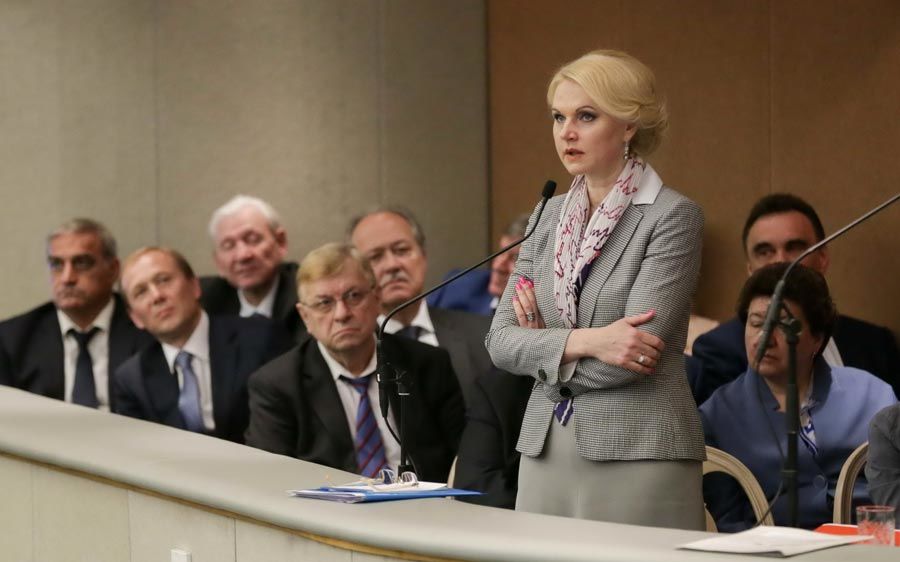
However, there is one even more influential lady in the Russian leadership, the nature of whose career success has never before been revealed. We are talking about the highest-ranking woman in Russia over the last two centuries.
Speaker of the Federation Council ~~Valentina Matvienko~~ loves to look good. So much so that her aides have prepared a set of several of her best photographs, which they force on journalists working in parliament. Attractive appearance played not the last, if not the first, role in the career of the young Komsomol member Valentina Tyutina (married to Matvienko).
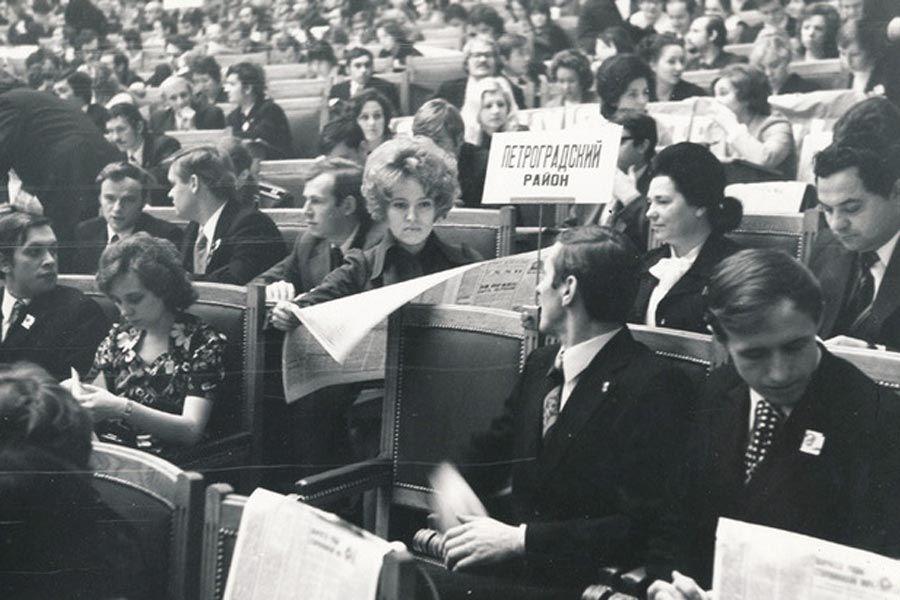
A native of the Ukrainian Shepetovka (this city in the Khmelnitsky region has come under Russian shelling more than once in recent years) she came to Leningrad in 1967 to study at the Chemical-Pharmacological Institute, but began to grow not along the production line, but along the Komsomol line. At one of the activist meetings, Viktor Lobko liked her - in the 70s he was first the second, then the first secretary of the Leningrad Komsomol.
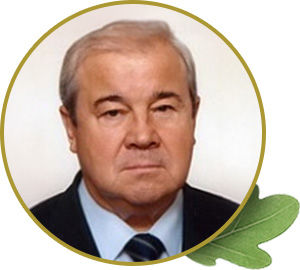
A romantic relationship with this man gave impetus to Matvienko’s impressive career, knows Andrei Korchagin, who at various times headed the Nevsky district of St. Petersburg and the directorate for traffic management. A Leningrad journalist of those years told the Project the same thing ×
. Over the course of several years, the girl turned into the first secretary of the Petrograd district Komsomol committee.
At this post, she was noticed by a much more important functionary of that era - the “owner” of Leningrad himself. This was the name of the first secretary of the regional committee and member of the CPSU Central Committee Grigory Romanov. He led Leningrad throughout the entire period of “stagnation”, and in the 80s he almost became the leader of the USSR instead of Mikhail Gorbachev, which would undoubtedly have set the history of the state on a different path. Romanov became notorious for dogmatism, he is a persecutor of dissent and a participant in the persecution of the creative intelligentsia, Joseph Brodsky, Olga Berggolts, Sergei Dovlatov.
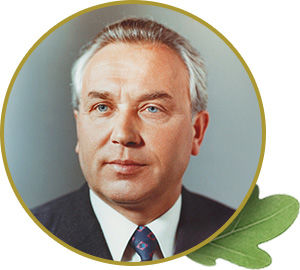
Matvienko calls Romanov a “teacher.” It was at his suggestion
, says the Project’s interlocutor who knew her from her Komsomol work, ×
By the age of 32, she headed the Leningrad Komsomol, then one of the city districts, and at the age of 37 she was already deputy chairman of the Leningrad executive committee
, analogue of today's government ×
- and all this during the times of masculine gerontocracy, when the USSR was led in front of our eyes by men dying of decrepitude. Later, Matvienko thanked both patrons - having become the governor of St. Petersburg, she made Lobko her deputy, and installed a memorial plaque in the city for the already deceased Romanov, despite the stormy protests of St. Petersburg residents. In personal conversations, Matvienko will flaunt his turbulent youth a little. “I know there is nothing behind you. For me too - except for the sins of youth,” she said in 2003 to one of the St. Petersburg deputies, whom she asked for support in the gubernatorial elections
, this deputy told the Project ×
.
The sins of youth apparently also mean a love of party and Komsomol banquets, which is why the girl got the nickname “Valya Half a Glass,” which later became public. Matvienko treated this with humor and when asked by documentarian Igor Shadkhan whether she had a nickname “Valya Glass”, she answered: “I don’t remember a glass, but there was half a glass, but you didn’t have it?”
“At drinking parties there were usually only men and her. We drank vodka. Valentina Ivanovna put her hand on the glass and said: “I only need half a glass,” she didn’t want to get drunk. But she drank normally,”
- says former St. Petersburg official Andrei Korchagin, who knows about this from Matvienko’s Komsomol comrades. Korchagin himself worked for many years in Matvienko’s team and eventually fled the country, becoming a defendant in a criminal case on corruption. According to Korchagin, the case was falsified, and the reason for this was his refusal to participate in the fraud of laundering budget funds proposed to him by Valentina Matvienko’s son Sergei ×
.
Another interlocutor of the Project remembers how already in the early 90s he saw her on a night train to Moscow - in those years the official studied in the capital at the diplomatic academy - with an English textbook and a decanter of vodka.
Matvienko also owed her diplomatic career (in 1991-1998 she was the Russian ambassador to Malta and Greece, and also held positions in the Foreign Ministry), which began in the year of the collapse of the USSR, to a male patron - this time a native of the intelligence service ~~Evgeniy Primakov~~ , a well-known mover in the Soviet elite. He noticed a young Leningrad woman in the late 80s among the people's deputies of the USSR, when he headed one of the chambers of the Supreme Council. Matvienko was one of the youngest in parliament, she represented the Committee of Soviet Women, an ideologized structure accountable to the CPSU and supervised by the KGB.
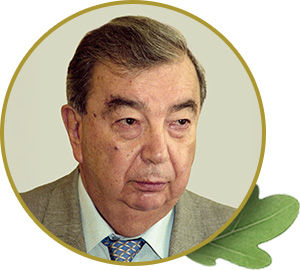
“Acquaintances who came from congresses of people’s deputies said that even in public they constantly hugged and kissed as if in a friendly manner, but it all looked very strange,” recalls Korchagin. A Leningrad journalist and a high-ranking official of those years heard about the affair between Primakov and Matvienko at that time. When Primakov became prime minister in 1998, he called Matvienko as his deputy. And later it was he who allegedly introduced her to Putin - he liked the official for her diligence, Korchagin heard ×
. Another acquaintance of Matvienko, a former St. Petersburg and federal official, confirms: Primakov really helped her with her career, but, in his opinion, they did not have an affair. “Valentina Ivanovna is very efficient,” says the interlocutor with undisguised admiration. It’s true—Matvienko’s career successes cannot be attributed solely to the help of men. It was Primakov who made her deputy prime minister in his government in 1998, but even after his resignation and a serious conflict with the country’s leadership, Matvienko managed not only to retain her high post, but also to go even further.
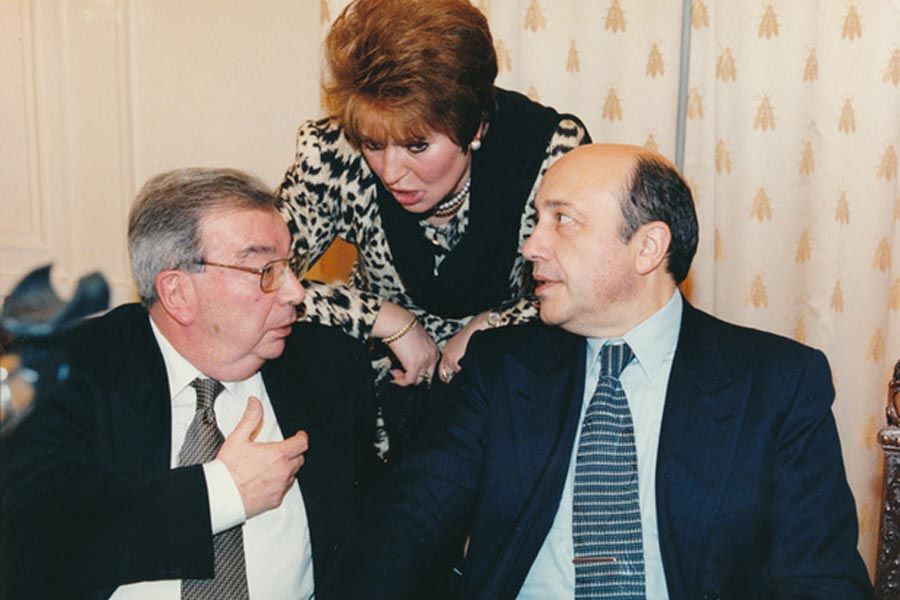
Over the past forty years, this woman's enviable public career has developed against the backdrop of difficult personal dramas. While still a student, Valentina Tyutina married for the first and only time in her life - to a classmate at the Leningrad Chemical and Pharmaceutical University, Vladimir Matvienko. Since the 1980s, he suffered from a serious illness that left him unable to move.
multiple sclerosis, according to two acquaintances of Matvienko ×
, which is why, for example, he did not go with his wife to Greece when she was appointed ambassador there
, remembers Alexander Baunov, who worked at the embassy at the same time ×
, and at the age of 55 he was forced to leave service at the Military Medical Academy.
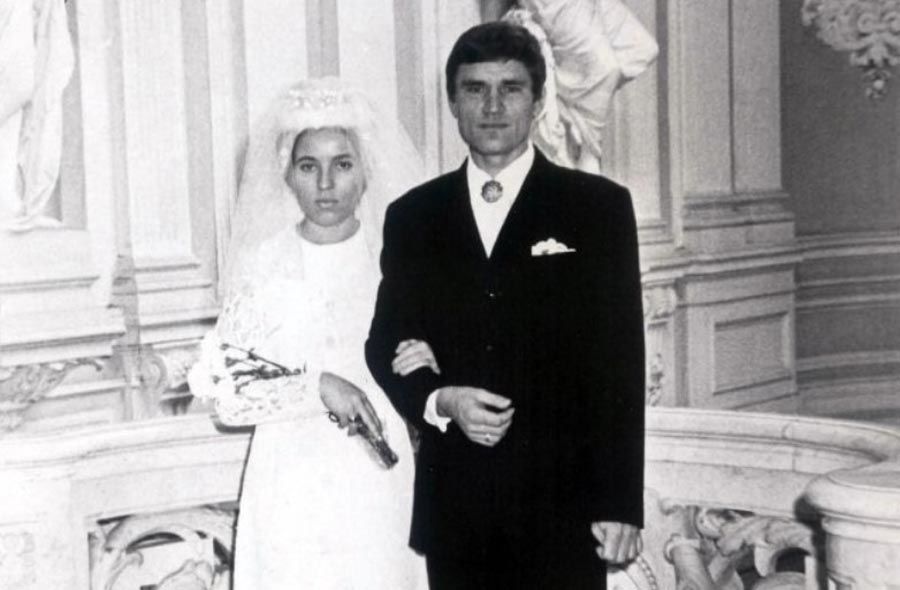
Soon his illness was aggravated by a tragic story. In the fall of 1999, the wife, then in the position of Deputy Prime Minister of the Government, was in a terrible car accident during a business trip to Penza - three people died, but the official herself received minor injuries. In the resulting turmoil, her husband was informed that Valentina had died, and Vladimir had a stroke, as a result of which, in addition to other problems, he was partially paralyzed, two St. Petersburg journalists of that time know, one of them heard about this from the wife of the then deputy director of the FSB of Russia Viktor Cherkesov, Natalya ×
. In 2018, Vladimir Matvienko died of cancer - before that, he had been dying for about six months in the St. Petersburg clinic of the Ministry of Emergency Situations, and his wife, who had moved to Moscow for several years for the post of chairman of the Federation Council, often visited him, remembers the doctor and political emigrant Peter Voskresensky, who worked at that time in this hospital ×
.
“We always avoided talking about two topics; we knew that she had two serious griefs,” recalls a correspondent for one of the St. Petersburg publications of the early 2000s. The first topic is a seriously ill husband. The second is the son ~~Sergei~~ , whom Matvienko gave birth to in 1973, at the very beginning of her Komsomol career. “He grew up without parents - his father was seriously ill, his mother was at regional committee banquets,” recalls a journalist who worked in Leningrad in the 80s.
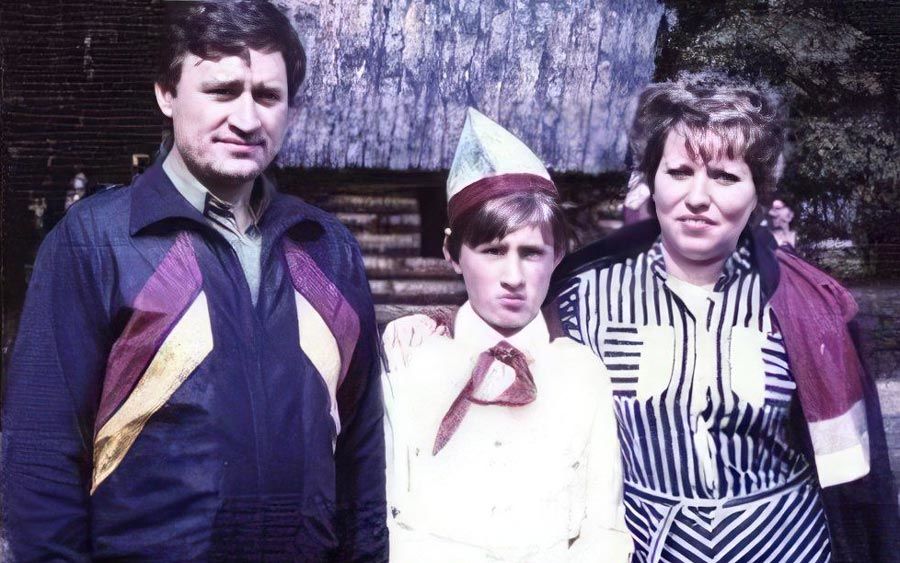
“Once at a government meeting, an adjutant approached her and said something in her ear,” a St. Petersburg journalist of those years remembers. “Later, Smolny employees told us in confidence: they allegedly reported to her that her son died from an overdose. She didn’t change her face and continued to lead the meeting.” The news then turned out to be false - apparently, an overdose actually occurred, but without a fatal outcome. But rumors about this spread so persistently that soon the governor had to go to a football match with his son in order to appear in front of television cameras.
Sergei became interested in drugs in his youth. “Before classes, he constantly offered me something - drugs blew his mind completely out, it was very noticeable in his behavior,” remembers Matvienko’s classmate at the St. Petersburg Academy of Culture. In the late 90s, when Matvienko Jr. was studying at this academy to become a manager, he was detained with a dose - he even briefly ended up in the Kresty isolation ward, but came out after his mother’s intervention, his classmate remembers ×
. And this was not the first time Matvienko’s son came into conflict with the law. In 1994, while his mother was working as a diplomat in Malta, Matvienko Jr. and a friend beat up a young man they knew on the street, extorting money, and later tried to take books, jewelry and household appliances from his apartment. The case materials were published in the media at the beginning of the 2000s; Korchagin also knows this story well ×
. The matter was so serious that Matvienko had to urgently go to St. Petersburg and solve the problem herself, but this was not enough - Primakov, then the director of the Foreign Intelligence Service, had to call the St. Petersburg law enforcement officers personally, Korchagin heard ×
. As a result, the case was stopped, and the official, tired of her son’s antics, sent him to study in London, his classmate remembers ×
.
But the official had no other heirs, so when it came to the opportunity to secretly enrich herself, it was Sergei who became the person on whom expensive assets fell. To begin with, Valentina Matvienko needed an old acquaintance - a former official, and then a successful banker, Alexander Savelyev, with whom she was briefly connected in the early 90s by a common business - a transport company
CJSC Komavtoservis, co-owned by Matvienko ×
. This man - probably at the request of his mother - began to help Sergei, first bought him an apartment next door to him in an elite building on Moskovsky Prospekt
, Korchagin knows and is confirmed by leaks about the real estate of Savelyev and Matvienko, studied by “Project” ×
, then took him to his St. Petersburg bank - gave him a small share and the position of information technology advisor. When Matvienko became governor in 2003, a significant share of city budget money began to pass through the bank. As if by magic, immediately after her election, the bank won the competition for servicing budget accounts. Sergei Matvienko immediately became vice-president of St. Petersburg.
But his career did not end there. All in the same 2003, Sergei registered the Empire holding, which, through fraud, took possession of numerous historical buildings in the city center. Following his mother’s eight-year reign in the northern capital, her son’s business assets were estimated at approximately a billion dollars.
Is Matvienko really a gifted businessman? Anyone can answer this question by simply watching Sergei’s interview with Oleg Tinkov in 2011. There, Matvienko Jr., who was clearly in an altered state of consciousness, rattled off economic terms the meaning of which he did not understand.
He would later say that he was “using a marketing gimmick” by posing as a heroin addict. But it’s hard to believe in this, since Sergei will continue to get into trouble - either he was caught with drugs in a nightclub, or he was kicked off a flight for rowdy behavior.
, these stories were told to the Project by three St. Petersburg reporters of those years who asked for anonymity ×
. The mother again dealt with the consequences. She even had to assign a spy to her adult son - the head of the administration of the Primorsky district of St. Petersburg ~~Andrei Kutepov~~ . He accompanied Sergei in clubs and travels and made sure that he did not get into trouble
, two St. Petersburg journalists who asked for anonymity know. This is confirmed by a significant number of joint flights between Kutepov and Sergei Matvienko, information about which was “leaked” ×
. “Nanny” Kutepov naturally became rich - his family received the old St. Petersburg cinemas “Khudozhestvenny” and “Neva”, as well as plots on the coast of the Gulf of Finland, without bidding and at a reduced price. Having moved to the Federation Council in 2011, Matvienko took him with her to Moscow, making him a senator.
Naturally, after the mother left St. Petersburg, her son’s business empire collapsed. Most of his companies are closed, he has only two profitable businesses left - but they bring in significant amounts, including from government contracts. This is the development company Megalit-Okhta Group LLC, in which Matvienko received a stake in 2022 - after which its profit increased multiple times, and the Parameter company, which is engaged in sewerage maintenance, its total portfolio of government orders for ten years is 3 billion rubles ×
.
Over the past decades, Matvienko Jr. preferred to invest his earnings in real estate. You could even say I was obsessed with it. Currently, he owns properties in Moscow and St. Petersburg worth a total of almost 12 billion rubles, not to mention numerous houses and apartments that he has sold so far - for example, a 380-meter apartment in a St. Petersburg building where Nobel laureate Pyotr Kapitsa once lived, or land in the village of Sviyazhsk in Tatarstan on an island in the middle of the Volga. But Sergei’s main center of interests has not been in Russia for a long time. Even in that same interview with Tinkov in 2011, the wealthy heir spoke about his plans for retirement: “Sitting in a rocking chair in Italy. I have a work permit signed by Berlusconi
- former Italian Prime Minister Silvio Berlusconi ×
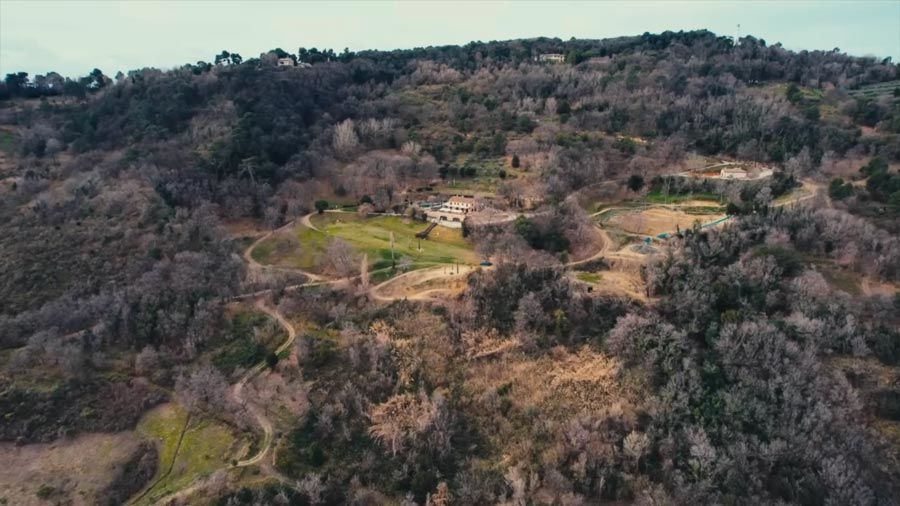
" This is exactly what happened, and long before 52-year-old Sergei Matvienko reached retirement age. He owns a three-story villa and 26 hectares of land underneath it in the Italian town of Pesaro on the Adriatic coast - it is there that, despite sanctions and the war with Ukraine approved by his mother, he and his family spend time
, Italian journalists learned ×
. He moved family assets to San Marino
. The Federation Council did not answer questions from the “Project” for Valentina Matvienko. Sergei Matvienko read the message of the “Project” correspondent and blocked him in the messenger ×
.
Secret wealth is another incentive for women’s careers in today’s Russia.
Rostourism is a government department, almost a ministry, which has long been responsible for the development of the entire tourism industry in Russia. Since the appointment of Zarina Doguzova to the post of head of Rostourism in 2019, a rare official among those with whom journalists spoke did not suggest that she was someone’s mistress.
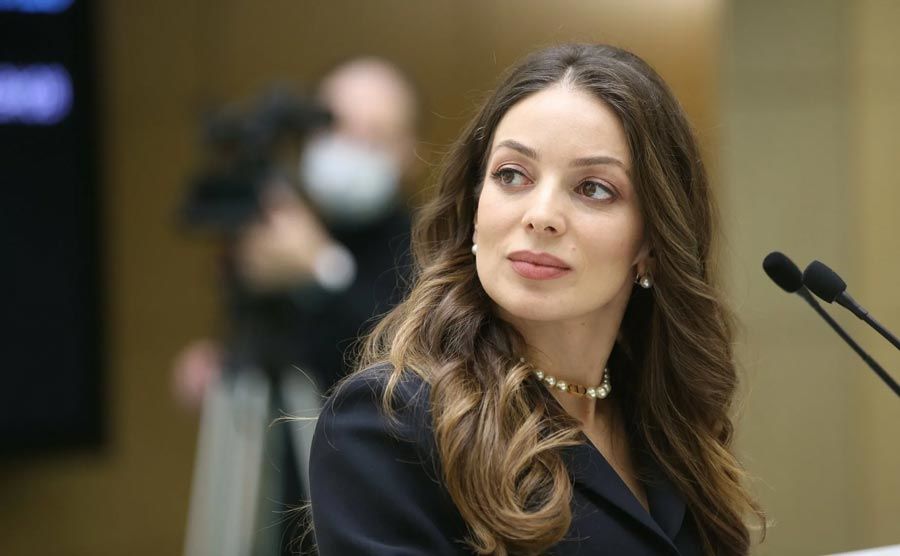
An unmarried, spectacular native of South Ossetia, by the age of 33, she had made an incredible career path - after studying at MGIMO, she ended up in the government press service, then moved to the presidential department for public relations, and then, having jumped several steps on the career ladder at once, she suddenly became the head of tourism in Russia.
In addition, Doguzova behaved provocatively from the point of view of most officials: she appeared in public in such expensive clothes and jewelry that the media and telegram channels competed, calculating the cost of her outfits. FBK collected a file with only some of the girl’s clothes, estimating her “outfits” at 30 million rubles.

The Anti-Corruption Foundation has calculated the cost of Doguzova’s outfits
It is important to note that by the standards of Russian officials, Doguzova does not lead the most luxurious lifestyle. The Project had at its disposal data from purchases in one of the most fashionable stores in the country - TSUM. Doguzova bought herself things there for only 3.7 million rubles. Other officials, deputies and their wives spent much more. We present to you the top spenders.
Who spent the most at TSUM
From 2017 to 2024
Zulay Kadyrova, sister of the head of Chechnya
219.4 million ₽
Elena Milskaya Wife of the head of the Russian Ministry of Emergency Situations
210 million ₽
Aishat Kadyrova, daughter of the head of Chechnya
176.5 million ₽
Fatima Khazueva Second wife of the head of Chechnya
150.5 million ₽
Bekhan Taimakhanov Deputy Chairman of the Government of Chechnya
119.1 million ₽
Umar Khapsirokov Brother of Senator Murat Khapsirokov
100.7 million ₽
Elena Likhach Wife (or ex-wife) of State Duma deputy and billionaire Andrei Skoch
97 million ₽
Zelimkhan Mutsoev State Duma Deputy
RUB 87.9 million
Alla Nalcha Wife of State Duma deputy Dmitry Sablin
67.6 million ₽
Marina Artemyeva Civil wife of Deputy Prime Minister Dmitry Patrushev
65.4 million ₽
Ilya Kolunov Son of State Duma deputy Sergei Kolunov
62.7 million ₽
Elena Kolunova Wife of State Duma deputy Sergei Kolunov
62.1 million ₽
Andrey Klishas Member of the Federation Council
60.6 million ₽
Elena Latysheva Sister of Senator Evgenia Uvarkina
59.1 million ₽
Tatyana Batalova Niece of State Duma deputy Alexei Tkachev
58.3 million ₽
Petimat Akhmadova Sister of Senator Mokhmad Akhmadov
57.7 million ₽
Вдобавок российское государство бесплатно выделило Догузовой квартиру для «нуждающихся» в элитном доме на Садовнической набережной стоимостью около 60 млн руб . Сейчас оценивается в 150 млн ×
. В общем, покровитель Догузовой был явно достаточно влиятельным человеком, чтобы не просто назначить красивую девушку на важный пост, но и игнорировать публичные скандалы.
Некоторые чиновники предположили тогда, что покровитель Догузовой — это замглавы администрации президента ~~Алексей Громов~~ , которого считают ценителем молодых женщин восточного типа. «Проект» может достоверно утверждать, что причина успеха Догузовой — вовсе не Громов. И дело вновь в семейных связях.
52-летний Игорь Ротенберг — старший сын Аркадия Ротенберга, ближайшего друга президента России, который добился многомиллиардного состояния исключительно благодаря знакомству с Путиным. Игорь родился в первой семье Аркадия, когда последнему было слегка за 20. В ту пору будущий миллиардер занимался борьбой, снимался статистом на «Ленфильме», и, вероятно, был вовлечен в мелкий криминальный промысел. Потом у Аркадия будет еще множество спутниц жизни и детей. Его сын Игорь, как и отец и только благодаря ему, стал преуспевающим членом общества: в раннем возрасте получил руководящую должность в Минимущества, в 31 год стал вице-президентом РЖД, неформальным куратором которой считается его родитель, а позже ушел в большой бизнес, связанный с государством (в частности, возглавил совет директоров компании «Газпром бурение»).
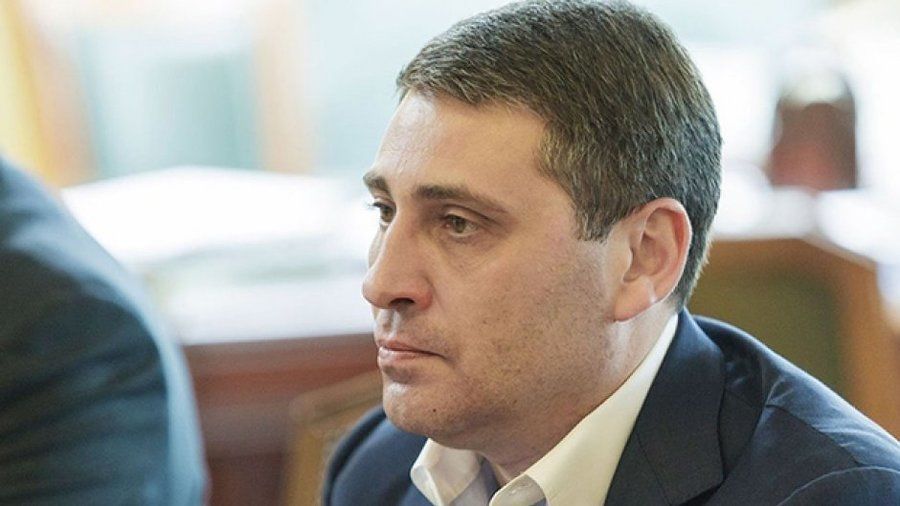
7 марта 2019 года Игорь сел на борт частного самолета, вылетавшего в Ниццу. Вместе с ним на борт взошла Зарина Догузова, ровно за месяц до того назначенная главой Ростуризма. Возможно, назначение требовалось отметить не на отечественном, а на европейском курорте. Поездки Догузовой и Ротенберга по заграничным достопримечательностям продолжались все три с половиной года, что Догузова по должности должна была развивать туризм внутри России . «Проект» насчитал в утекших данных о пересечении границы не менее 11 их совместных перелетов за границу ×
.
Совместные перелеты Догузовой и Ротенберга:
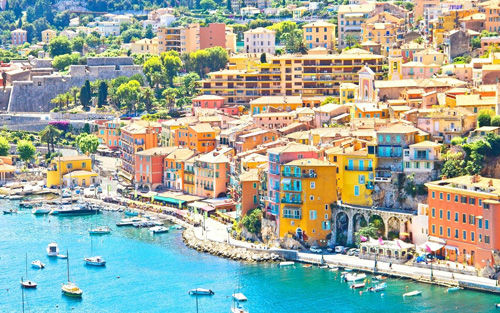 7–11 марта 2019
Ницца 🇫🇷 * 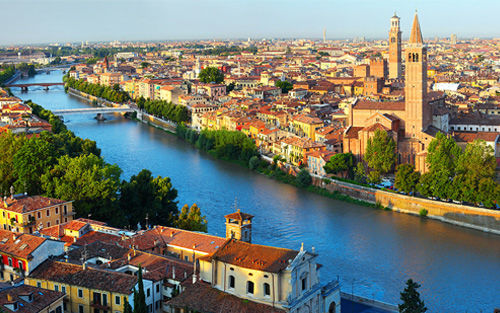 19–20 мая 2019
Верона 🇮🇹 * 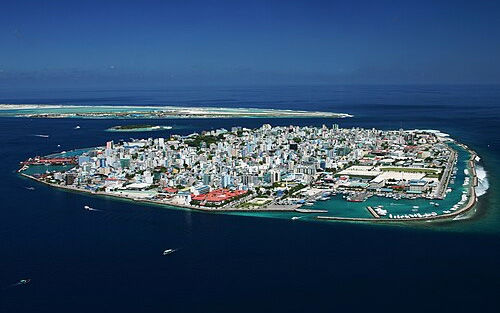 17 января 2020
Мале 🇲🇻 * 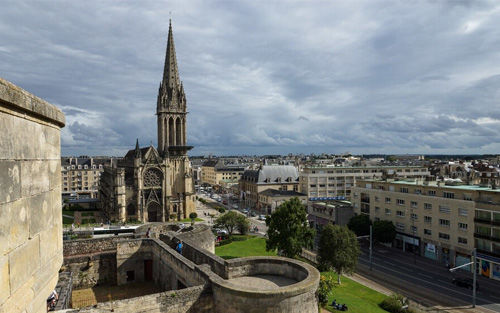 6–9 марта 2020
Кан / Девиль 🇫🇷 * 15 января 2021
Мале 🇲🇻 * 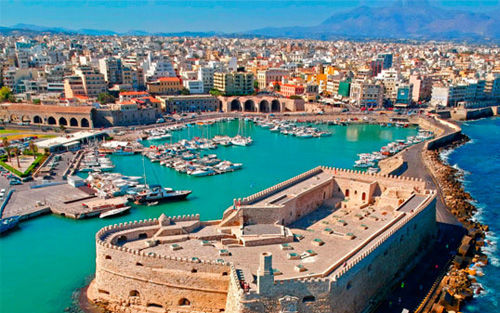 31 июля 2021
Ираклион 🇬🇷 * 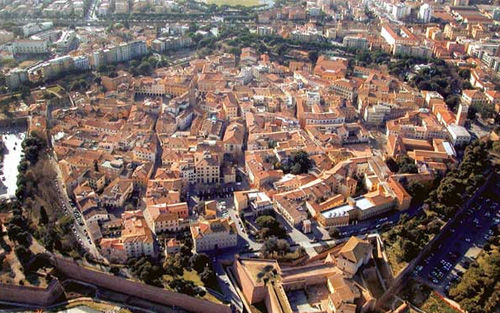 16–23 октября 2021
Гроссето 🇮🇹 * 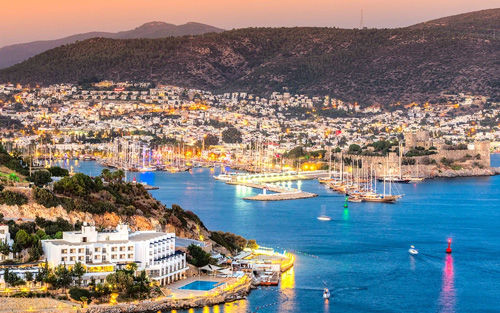 4–20 августа 2022
Бодрум 🇹🇷 * 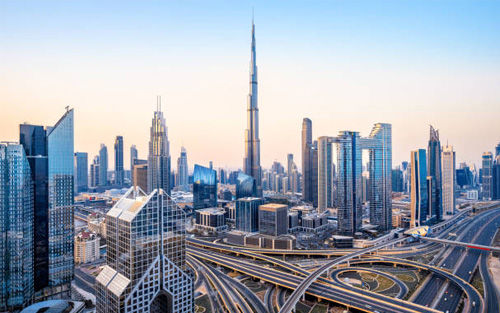 26 декабря 2022
Дубай 🇦🇪 * 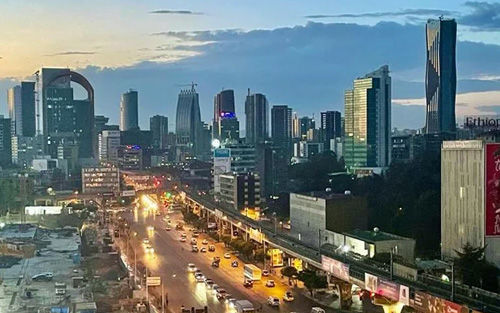 17 января 2023
Аддис-Абеба 🇪🇹 *  28 апреля 2023
Бангкок 🇹🇭
‹
›
В свободное от отношений с Ротенбергом время Догузова успевала записывать красивые видео о командировках по стране, но в остальном ее работа не выглядела эффективной и явно вызывала раздражение правительственного начальства
. По крайней мере, профильный вице-премьер Дмитрий Чернышенко на публичном совещании у Путина выступал против усиления ведомства Догузовой, о чем она сама просила. СМИ позже писали о конфликте между чиновниками ×
. Закончилось все тем, что Ростуризм в 2022 году просто ликвидировали. Девушку перевели на незначительный пост советника при ректорате МГИМО. Но если Догузова и горевала, то не слишком сильно — едва получив новый пост, бывший начальник российского туризма улетела со своим любовником в Дубай.
Пары в российской власти
В российской власти есть немало чиновничьих пар (есть даже троицы). Все они по-разному относятся к оформлению любовных отношений.
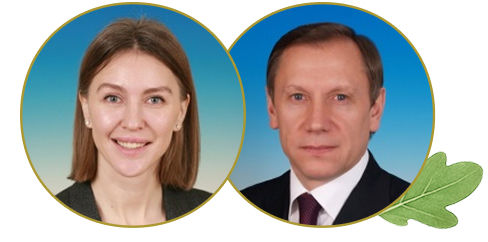
Депутаты Госдумы Алена Аршинова и Игорь Руденский
Бессменный депутат Госдумы с 1999 года, Руденский был женат, но в 2015 году супруга исчезла из деклараций. Примерно в то же время Руденский начал летать на отдых с молодой, на 23 года младше, единоросской Аленой Аршиновой. * 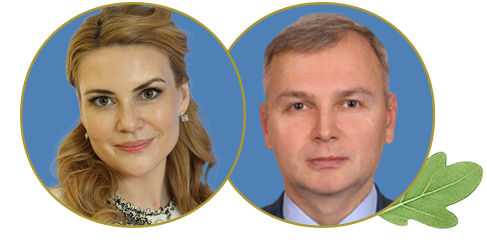
Сенатор от ЛНР Дарья Лантратова и замначальника управления внутренней политики Кремля Денис Степанюк
Кремлевский куратор парламента, Степанюк женат, но брак не мешал его отношениям с незамужней членом Совета Федерации Дарьей Лантратовой. До Степанюка она состояла в отношениях с другим важным кремлевским чиновником Александром Харичевым. * 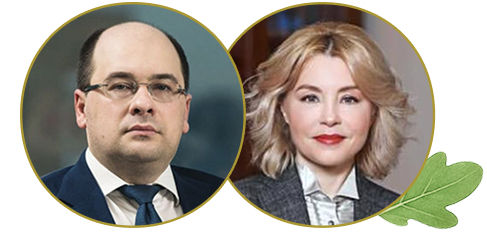
Председатель правления «Согаза» Антон Устинов и глава Росприроднадзора Светлана Радионова
Radionova made a career thanks to a secret relationship with former presidential adviser Ustinov, whom she probably knew from her student days. Since about 2016, they have been traveling together; Ustinov does not travel abroad with his official wife. * 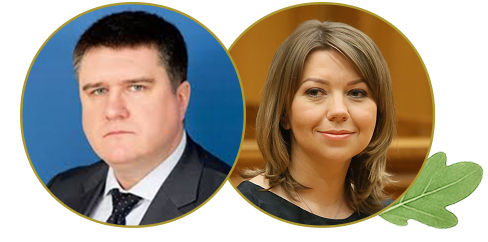
Депутат Госдумы Александр Борисов и глава выставки «Россия» Наталья Виртуозова
У пары есть дочь 2011 года рождения, они вместе с дочерью постоянно летают на отдых, но не оформляют отношения — Борисов даже не развелся со своей официальной женой. * 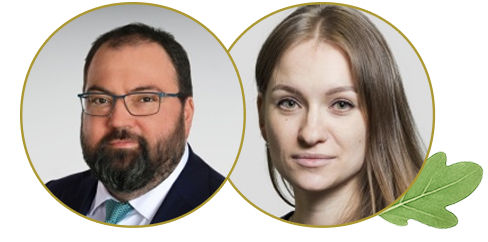
Министр цифрового развития Максут Шадаев и Александра Мельникова
Шадаев никогда не указывал мать своих детей в декларациях, а она, вероятно, является к тому же его прямой подчиненной — до 2019 года Мельникова работала в компании «Медиалогия», крупном господрядчике, а после этого, вероятно, работала в Минцифры. * 
Первый замминистра культуры Сергей Обрывалин, глава департамента Минтранса Светлана Петрова и гендиректор Бахрушинского музея Кристина Трубинова
Trubinova, new to the museum business, but very successfully moving up the career ladder in this area, has been “receiving bouquets” since 2016 and traveling abroad with Obryvalin, who also has a common-law wife, Svetlana Petrova - she works in the Ministry of Transport and in 2022 gave birth to Obryvalin’s daughter. * 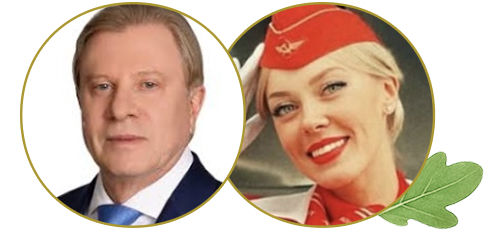
Вице-премьер Виталий Савельев и стюардесса Анастасия Дмитриева
Официально женатый Савельев, давний знакомый Путина и бывший глава «Аэрофлота», в последние годы летает на отдых со стюардессой именно этой авиакомпании Анастасией Дмитриевой, которую в телефонах записывают как «Настену Блонди Савельеву». * 
Вице-спикер Госдумы от «Новых людей» Владислав Даванков и его соратница по партии Дарья Романчева
Кандидат-спойлер Кремля на выборах завел тайный роман с сотрудницей государственной АНО «Россия — страна возможностей» (там раньше работал и сам Даванков) Дарьей Романчевой. Romancheva was included in the lists of “New People” for the 2021 elections, and in phone books she is recorded as “Davankov’s assistant,” but this is not the end of the story - they live together and travel abroad. * 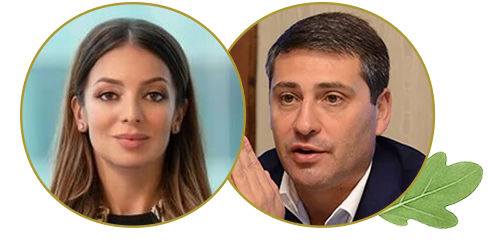
Бывшая глава Ростуризма Зарина Догузова и сын друга Путина, глава совета директоров «Газпром Бурение» Игорь Ротенберг
С 2019 года Ротенберг летает на отдых вместе с Догузовой — как раз тогда она получила пост главы Ростуризма, заставив всех гадать, кто же ее покровитель. * 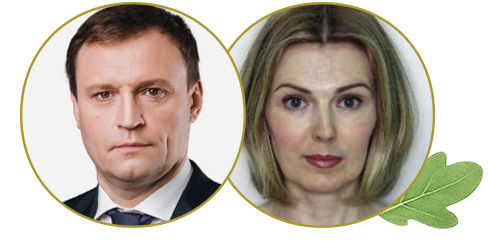
Депутат Госдумы Сергей Пахомов, бизнесвумен Юлия Сосина и бывший сенатор Ольга Забралова
Жена депутата-единороса Юлия Сосина владеет компаниями, получающими госконтракты, — при этом ее декларируемые доходы во много раз превышают прибыль этого бизнеса. Любовница Пахомова с 2015 года Ольга Забралова работала замгубернатора Московской области, когда он возглавлял администрацию Сергиева Посада, а потом была сенатором, оставив пост в 2024 году. * 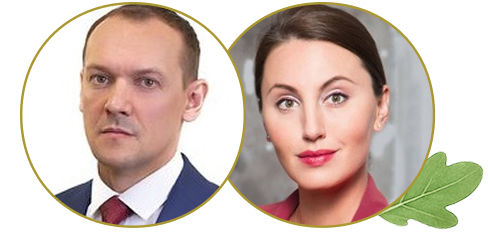
Глава Росреестра Олег Скуфинский и его бывшая заместительница Елена Мартынова
Скуфинский и Мартынова вместе летали за границу, а сотрудники Росреестра жаловались, что она получает самую высокую в ведомстве зарплату и угрожала «связями наверху» в случае неподчинения ее требованиям.
‹
›
В этой истории характерно кроме прочего то, что Догузова получила высокий пост, будучи всего лишь одной из близких Ротенбергу женщин. Со своей первой женой Алиной (в девичестве Киселевой
, известной тем, что она обставила семейный ресторан Ротенбергов в Москве — «Гусятникоff» ×
) он развелся еще в 2009 году. С тех пор он женат на Инне Ротенберг, с которой, правда, летает куда реже, чем с Догузовой — последний раз супруги путешествовали вместе в 2020 году. Еще одни отношения у Ротенберга случились не позднее 2023 года с девушкой по имени Владислава — она, судя по всему, эскортница, но летом 2024 года родила ему ребенка.
Другие представители элиты тоже не любят официально разводиться. Официальная жена главы МИД ~~Сергея Лаврова~~ уже много лет существует только как часть его декларации, из которой следует, что он живет вполне по средствам. А огромное количество роскошных активов записано на ~~Светлану Полякову~~ , любовницу, которая много лет живет с министром иностранных дел и летает с ним в командировки и на отдых.
Естественно, запись своих богатств — это всегда риск. Бывший глава Марий Эл Леонид Маркелов когда-то оформил на свою супругу Ирину и бизнес, и недвижимость. Но в 2012 году женщина внезапно исчезла, из чего СМИ сделали вывод о разводе супругов, но никаких деталей тогда не узнали. На самом деле за этим стояла история, достойная экранизации в жанре драмы и детектива одновременно.
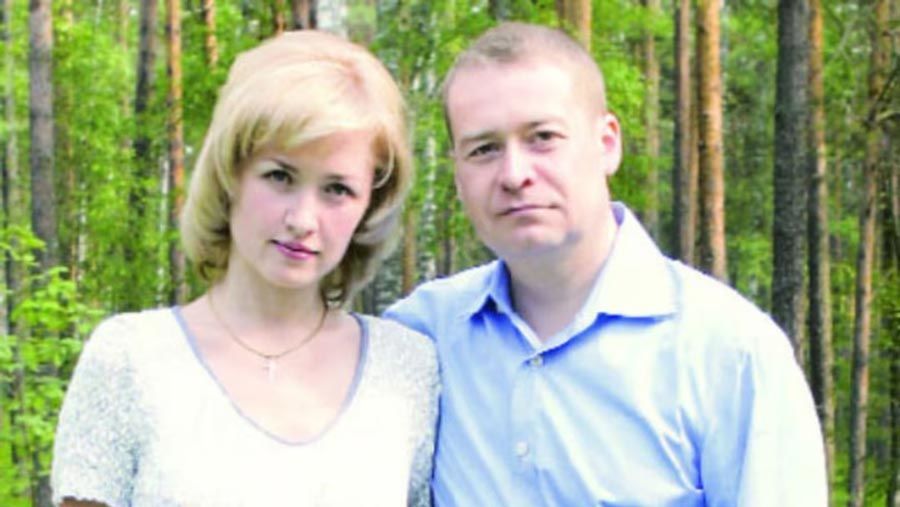
Ирина была не очень довольна мужем и пользовалась приложениями для знакомств. Там она познакомилась с человеком, реальное имя которого Шимон Хают, — это аферист, выдававший себя за богача, попавшего в неприятности, и под этим предлогом выманивавший деньги у своих поклонниц. Губернаторская жена влюбилась настолько, что продала часть записанного на нее вороватым мужем имущества и сбежала в Лондон. Естественно, получив деньги, мошенник исчез.
Ирина была не единственной его жертвой — их были десятки, так что в конце концов Хаюта поймали и посадили в тюрьму, правда, сначала всего на 15 месяцев, а в сентябре этого года задержали еще раз, на этот раз в Грузии. В итоге этот детектив и правда превратился в фильм — Netflix снял документальный фильм под названием Tinder Swindler. Маркеловы не стали его героями, а жаль, ведь их история имела достойное экранизации продолжение — главу Марий Эл посадили за коррупцию на 13 лет, причем показания на него кроме прочих дала и Ирина.