
Translated material
Not everyone is in the same boat
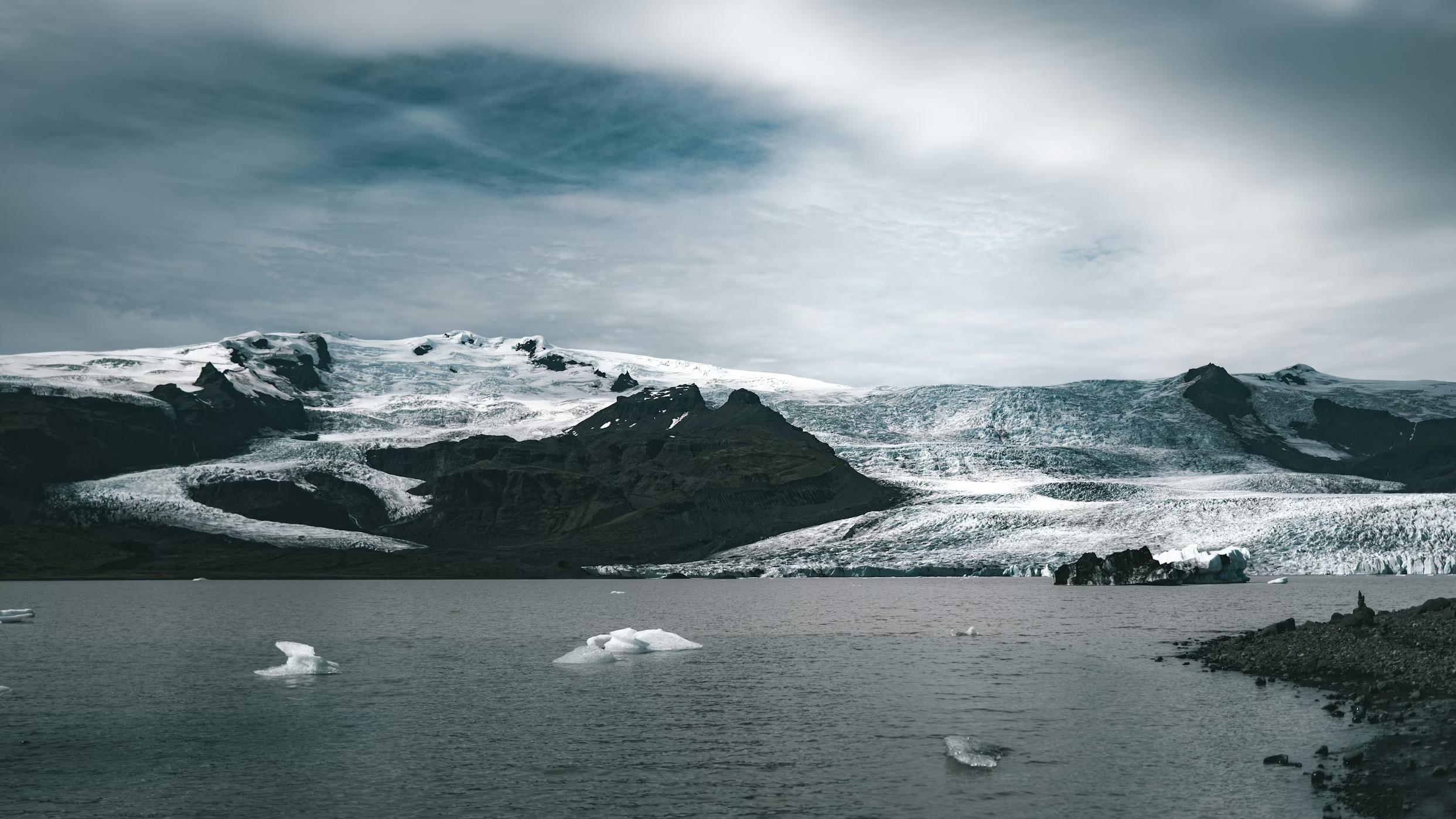
What interests does Russia have at COP-30?
Arctida's climate and ecology analyst is at the UN international climate conference in Belém. The organizers themselves consider this year’s conference, and it is already the 30th, a “turning point.”
In her column, she reflects on what the conference is for, whether it could influence Russia's actions, and why the Arctic isn't talked about at COP.
The UN Climate Change Conference focuses on vulnerable regions of the global south, leaving the Arctic behind. In turn, Russia also ignores climate risks in the Arctic, voluntarily abandoning actions aimed at truly reducing greenhouse gas emissions.
It will be an action-packed two weeks in the Brazilian Amazon as tens of thousands of people attend international climate talks. Delegations of the parties to the Paris Agreement participate in official negotiation processes and represent their countries at events in the conference pavilions. Journalists from all regions of the world record the events of the conference.
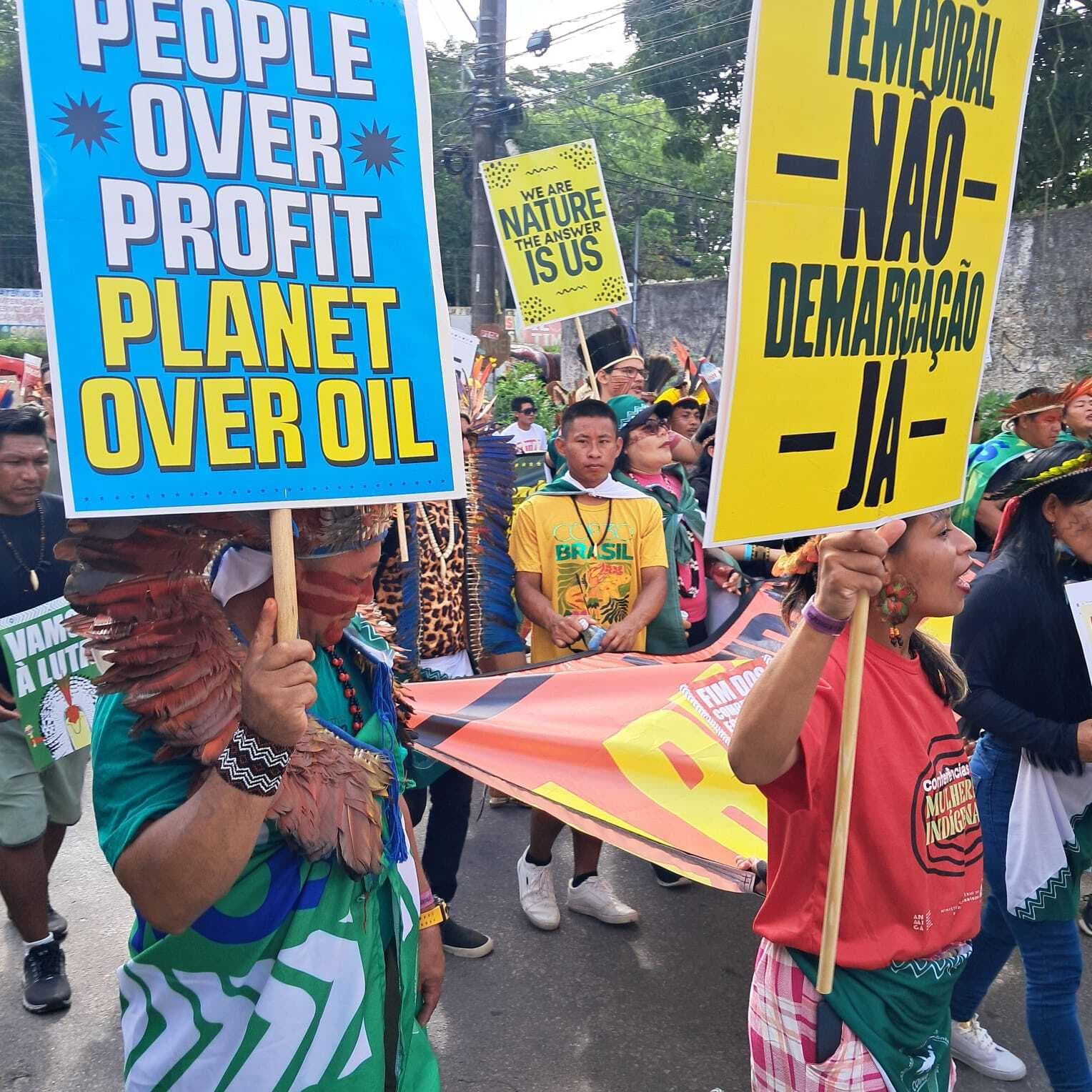
Civil society observers are turning their attention to the hottest issues - the critical lack of action to reduce fossil fuel production and burning, as well as the ongoing attempts by developed countries to shirk their historical responsibility for the climate crisis. Inequitable distribution of efforts in financing adaptation to the negative impacts of climate change, such as extreme weather events, also raises questions.
Civil society representatives also emphasize the need to listen to and include representatives of local communities and indigenous peoples in decision-making, and to pay particular attention to the most vulnerable countries, which are already suffering enormous losses from the consequences of the climate crisis.
It seems, out of habit, that Russia arrived in the last train of climate action at COP30. Russia ratified the Paris Agreement at the last minute - four years after its adoption at COP21. This year, ahead of COP30, Russia introduced a new target for reducing greenhouse gas emissions: to reduce emissions by 33-35% compared to 1990 levels .
In effect, this goal allows Russia to increase its emissions. In 1990, the country's annual CO2 emissions amounted to about 2.4 billion tons of greenhouse gas emissions in CO2 equivalent, taking into account absorption by forests. Due to the economic crisis, Russia's emissions fell sharply after 1990 and are still nowhere near the levels the country uses to set its climate goals. In 2023, Russia's emissions amounted to 911.1 million tons of CO₂ equivalent, taking into account absorption by forests - this is already 37.5% of the 1990 level.
It turns out that Russia, by increasing greenhouse emissions, has already “reduced” 62.5% of the 33–35% indicated in the updated goal.
Another "critical flaw" in the nation's climate policy is that the country has no plans to phase out the extraction, combustion and sale of fossil fuels and continues to promote natural gas and nuclear power as low-carbon solutions despite a number of contradictions.
Instead of real climate action, Russia continues to increase industrial development of the region, viewing the Arctic as a strategic resource base. The development of northern fields is one of the priorities of the Russian oil and gas industry. According to the Development Strategy of the Arctic Zone of the Russian Federation until 2035, new oil and gas provinces and deposits of hard-to-recover hydrocarbon reserves are going to be developed in the region - both of these areas are incompatible with keeping warming within 2 °C.
And in order to deliver fossil fuels to consumers, Russia wants to develop the Northern Sea Route. This is a key transport artery in the Arctic Ocean, where the bulk of cargo traffic consists of coal, oil, fossil gas and their products. An increase in human presence and industrial activity in the Arctic promises an increase in greenhouse gas emissions, environmental pollution and the risk of man-made accidents.
The situation in the Russian Arctic is complicated by the fact that after 2022, international scientific projects left both the country and the region, and independent organizations stopped working for various reasons. The actual cessation of intercountry cooperation and data exchange on the part of Russia significantly complicates international research work on analyzing and forecasting the climate situation in the Arctic. At the same time, the environmental and climate policy of the Russian Arctic itself is becoming more and more sovereign.
Without the need to rely on international regulations such as the EU's cross-border carbon tax, Russia is focusing on its own interests, continuing to promote the use of natural gas as an "alternative low-carbon" fuel, nuclear power plants as "carbon-free" energy, and hoping to balance emissions through absorption by forest ecosystems instead of actually reducing emissions. Hence the regular recalculations of the absorption capacity of ecosystems in the hope of achieving carbon neutrality in this way.
The international climate agenda often overlooks the Arctic as a climate-vulnerable region, since UNFCCC rules allow only countries to be classified as the most vulnerable.
Russia has been given the status of a country with an economy in transition - something between developing and developed. Therefore, on the one hand, it is not obliged to allocate funds to climate funds, and on the other hand, it cannot receive financial support aimed at projects for energy transition, adaptation and reduction of losses and damages.
There are 14 such countries in Annex 1 of the UNFCCC, all of them are countries of Eastern and Central Europe and the former USSR, which in 1990, when this classification was approved, were experiencing the collapse of the USSR and were just transitioning to a market economy.
Other Arctic countries, such as Norway, Sweden and Canada, are part of the group of developed countries and should contribute to climate funds to help developing countries. They themselves do not receive such assistance, since it is assumed that they have the means to develop and implement risk reduction and adaptation measures for the region.
Meanwhile, the Arctic is one of the most vulnerable regions of the planet in terms of climate risks; moreover, 85% of the territory of the Russian Arctic lies on permafrost.
Arctic temperatures are rising three to four times faster than the global average, increasing the risks of climate change.
The melting of permafrost, the destruction of urban, industrial, and transport infrastructure, the destruction of coastlines by storms, the degradation of ecosystems, heat waves and fires in natural areas are just some of the consequences of the climate crisis that the Arctic is already experiencing.
The bottom line is that at the level of global climate negotiations, Arctic territories and local communities are not only underrepresented, but are generally ignored, thus falling out of the dialogue and decision-making process. That's why it is critical for Arctic countries to work together to protect Arctic ecosystems by promoting measures to reduce greenhouse gas emissions, ensuring effective adaptation actions in the most vulnerable areas, and sharing scientific data to better predict climate risks and preserve the future of the Arctic.
In addition, it is important to include the Arctic on the international climate agenda as a vulnerable region. Without the joint efforts of the Arctic countries and the active inclusion of Russia in real climate action, the Arctic will remain on a melting ice floe, while other vulnerable regions sail in the same boat and fight together to preserve their territories.