
Translated material
Sochi - a city under a “roof”
Sochi is not only sanatoriums, the sea and the Olympic heritage. Sochi is also a mafia that has been intertwined with the official government for decades. From party functionaries of the Soviet era to “respected businessmen” and judges of our time. Here, as in a mirror, processes characteristic of the entire country are reflected. Today, organized crime has only changed the scenery. The mafia continues to live in the shadow of the state, remaining an integral part of it.
Story one. Party environment
In recent years, Krasnodar has been plagued by smog from the burning of rice straw; it was allowed to burn it in 2017. Rice growing in Kuban is a legacy of the distant past. Since the early seventies, the Krasnodar region was headed by Sergei Medunov. It was he who came up with the idea of growing rice in the Kuban, promising fabulous yields. In 1980, the region reported harvesting a million tons of rice. Medunov’s idea resulted in environmental and economic problems - the region’s climate and soils are not suitable for rice paddies. However, the head of the regional committee did not bear any responsibility for this.
Of course, Medunov’s time in power was remembered not only for his unsuccessful agricultural experiments. He was friends with General Secretary Leonid Brezhnev. Also, while leading Sochi for a decade, before being appointed head of the entire Kuban, he became known as a master of social receptions. He knew how to organize a vacation for distinguished guests on the Black Sea coast so that they would leave happy and return again. The guests' tables were laden with delicacies, champagne flowed like a river, and through such resort banquets, Medunov strengthened ties with the union leadership and acquired personal patrons.
The decline of the Soviet era was accompanied by corruption scandals and “party purges” carried out by the head of the KGB, Yuri Andropov. High-ranking officials were tried throughout the country, and one of the most high-profile cases unfolded in the south of Russia. In Gelendzhik, Bella Borodkina, the manager of canteens and restaurants, was convicted. She took huge bribes and was eventually sentenced to death. Borodkina was the only woman in the USSR sentenced to capital punishment for economic crimes and the third to be sentenced to death since 1960.
The first secretary of the Gelendzhik city committee of the CPSU, Nikolai Pogodin, completely disappeared after returning to Gelendzhik from Krasnodar after a conversation with Medunov. There are still several versions about what happened to Pogodin. The main ones: arrest was inevitable and he fled the country; he was killed and his body was hidden in an unknown place. One way or another, now in Gelendzhik only the square named after him in front of the Burevestnik cinema reminds of Pogodin.
The “purges” did not spare Sochi either. It is worth paying attention to the history of the Merzly family. Alexander Merzly was born and raised in Sochi. He studied poorly, but early on he realized that the main thing for a career is not knowledge, but the ability to please the powerful and stay close to power. While still at school, he began his political career: first he was a drummer, then a pioneer leader, then he became secretary of the Komsomol school committee. Later Mezly ended up in the army, where he served in the navy. But there he continued his party career, working in the Komsomol. After serving for a year, he was commissioned and returned to his hometown.
The head of the regional committee, Medunov, noticed the promising Komsomol member and began promoting him up the career ladder. At first, Merzly worked as an instructor for the district committee, then for the city committee, and after a while Medunov managed to promote him to the post of secretary of the city committee for ideology. To qualify for the position, Merzly barely received a diploma from the Rostov Civil Engineering Institute, and later graduated from the Higher Party School. All this was accompanied by the usual attributes of the life of the “golden youth”: drinking, trips to Gagra, boxes of champagne and crystal glasses broken for a bet.
Merzly married the cook of the Goluboy restaurant, a Kuban Cossack woman, Valentina. She turned out to be an ambitious and powerful woman. Behind her back they called her “Shakhine” and “Catherine II”. Valentina rose to the rank of head of the catering department at Glavkurorttorg, becoming a prominent and influential figure. Together, the couple formed a powerful tandem: he controlled the party apparatus and the security forces, she controlled trade and catering. Huge amounts of money passed through Valentina from deceiving vacationers and taking bribes. Medunov also used this money to hold his receptions.
However, in the early eighties, the Frost empire came to an end. Their patron Medunov lost his influence when the already frail Brezhnev finally turned into a caricature of a ruler with countless orders and an inability to speak clearly. Arrests began in Sochi - schemes related to trade and catering were revealed. Investigators proved that Valentina built a system of extortions, and Alexander covered it up. The court found them guilty: the spouses were sentenced to 15 years in prison with confiscation of property. Merzly left the colony seven years later. Valentina's criminal record, according to leaks, was expunged in 1992 - ten years later, although many claimed that she served her entire sentence. The couple never reunited: Merzly lived until 2013 and died in Moscow, but Valentina lived a much longer and more interesting life.
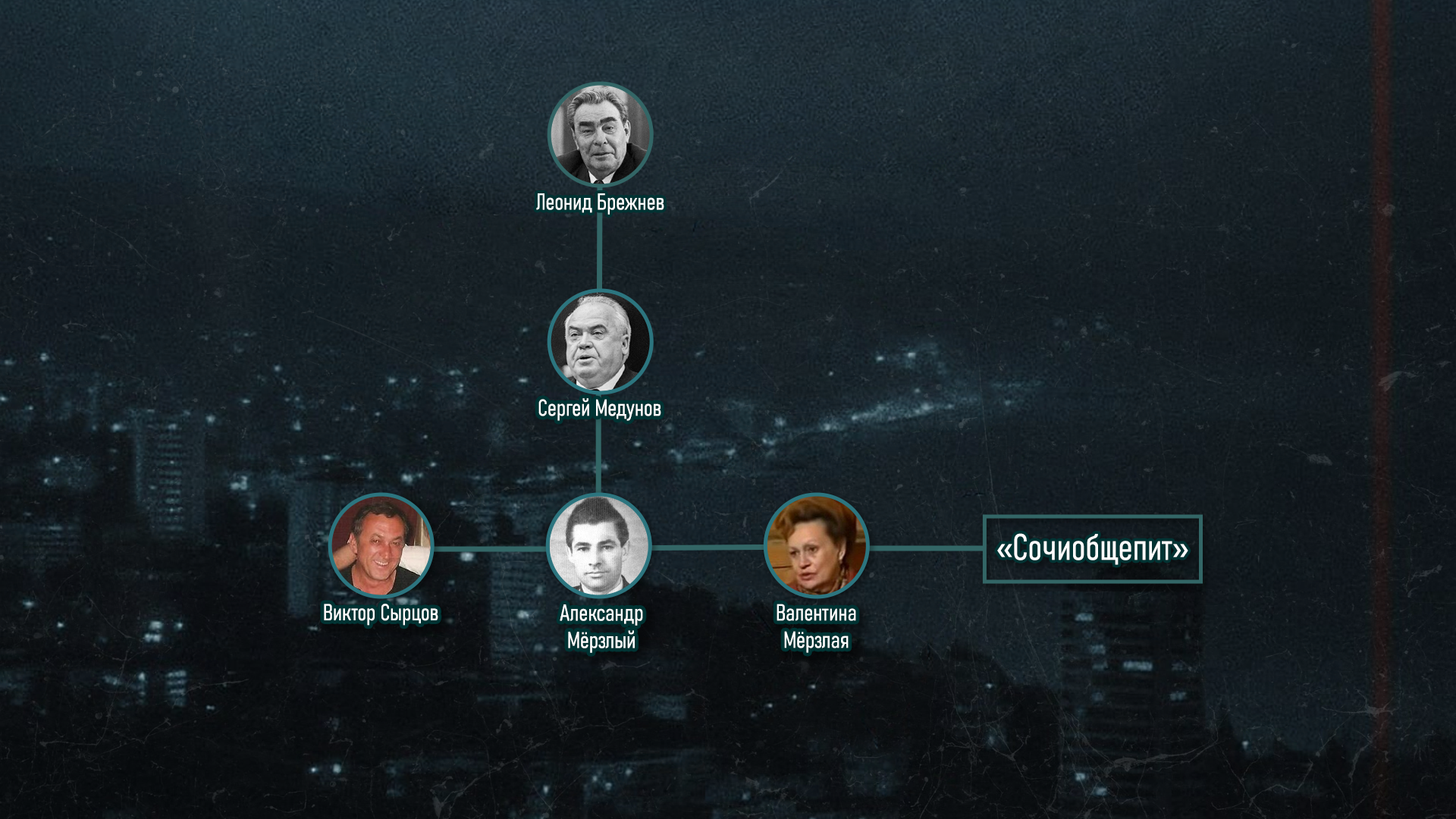
After her release, Merzlaya apparently took part in the privatization of the company where she worked in Soviet times and for which she received her prison sentence. At least in 2008, she was a co-owner of the Sochiobshepit joint-stock company, and in 2020, according to leaks, she received income from this company. She also worked as director of the Sochi company Demos. Before its liquidation in 2011, the company was engaged in meat processing and canning. Valentina still lives in the village of Verkhniy Yurt in the Khostinsky district of Sochi; she is now 85 years old.
The investigator of the Prosecutor General's Office for particularly important cases, Vladimir Kalinichenko, in one of his books quoted the defendant Merzlov: “We have accepted that the environment shapes a person. So what happens that I was shaped as a criminal by the party and Komsomol environment, because for almost 25 years I worked in a released party and Komsomol job? If comrade prosecutors want to present it this way, then I cannot agree with it.” Kalinichenko also writes that in January 1975, Merzly, having barely received a driver’s license (without passing an exam), hit a woman at a pedestrian crossing. She was treated for a long time after the accident, but she was also made to blame. The official himself was punished only seven years later.
In recent years, the name of Merzly has once again been mentioned in passing on the Internet: allegedly his personal driver, Viktor Syrtsov, worked for him. Whether he was involved in the “Krasnodar-Sochi case” is unknown. According to leaks, Syrtsov was tried in 1990 for failure to report a crime. Like his supposed boss, Syrtsov was probably shaped by the party environment. The figure of the probable driver is no less important for the further narrative than the story of the Merzly family.
The second story. The old mafia in the new century
At the beginning of the 21st century, due to uncontrolled construction on the Black Sea coast, beaches were washed away and the shores crumbled. The authorities shrugged their shoulders - there is no money in the budget for bank protection. Local businessmen preferred to evade paying taxes altogether, or paid mere pennies. Journalist Sergei Zolovkin raised this topic on the pages of Novaya Gazeta. As an example, one of the articles mentioned “the largest and most expensive attraction in the Sochi resort,” which is controlled by “two reputable businessmen with a harsh past.”
The article did not contain names or even the name of the establishment, but Zolovkin was contacted by one of the owners - the same alleged former driver of Merzly, Viktor Syrtsov. He reproached the journalist and the newspaper for “excessively frequent and completely unfair harassment of business people who bring maximum benefit to the resort.” The mysterious facility is the Mayak water park, which is run by “law-abiding citizens Syrtsov and Huseynov,” and not “reputable businessmen.” The establishment pays taxes regularly and in general, the owner of the water park said, during a vacation in Sochi, the daughters of President Putin visited there several times and were delighted.
Businessman Guseinov, nicknamed “Goose,” was born in Dagestan, and received his first sentence at the age of 17 for rape. Ten years later he was tried again, this time for theft. After being released from prison, he moved to Sochi, where he gained the trust of local gangsters and led the resort crime. In 1990, he took part in a shootout with visiting Arkhangelsk bandits. That evening, their leader, Nikolai Tremzin, better known as “Kolya Arkhangelsky,” was killed. In the fall of 1991, Huseynov was sentenced to four years for murder. After his release, his influence only increased.
Huseynov’s right hand was Viktor Syrtsov, nicknamed “Non-Russian”. Together Gus and Nerussky did business in Sochi. In the late nineties, they also organized one of the largest gatherings of thieves in Russian history. Among the 300 thieves who arrived at the resort was Aslan Usoyan, better known as Ded Hassan. The press called him “the king of the Russian mafia.” It was with Khasan that the names of Huseynov and Syrtsov were most often associated.
In December 2002, Nerussky unexpectedly went missing. Apparently, this happened in Germany. Almost 20 years later, a passer-by, walking near Lake Habichtsee in the German city of Paderborn, discovered a bone and reported it to the police. It turned out that it was a human hip bone. Later, investigators compared the DNA of the bone with the DNA of one of Nerussky’s relatives. This is how his identity was established, but it was apparently not possible to find out where he came from in Germany. The search for other parts of Syrtsov’s body with the participation of dogs and divers was also unsuccessful.
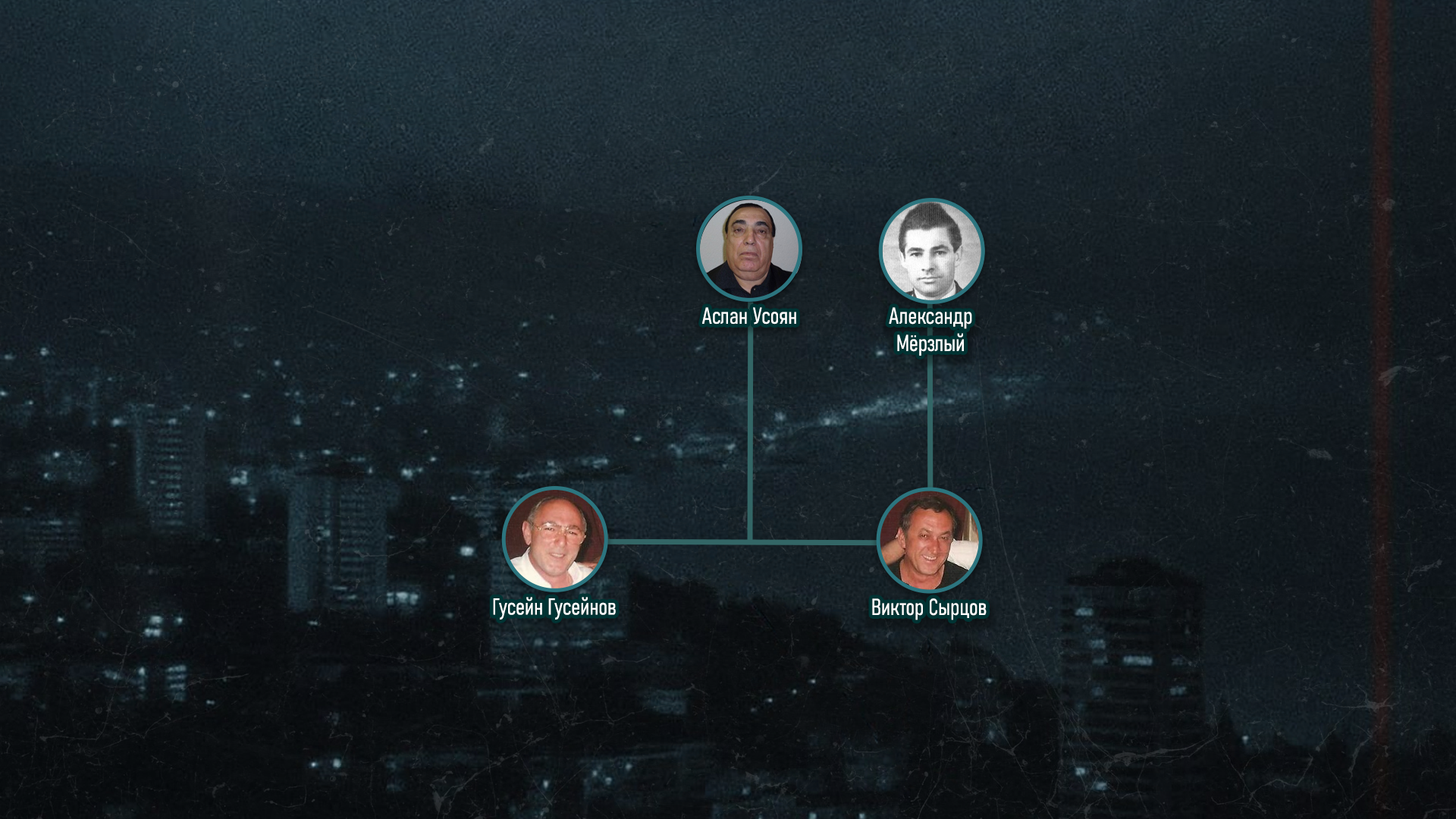
The interlocutor of “Protocol,” who is familiar with the families of Sochi bandits, says that Syrtsov’s disappearance marked the beginning of a long-term war between the Syrtsov and Huseynov clans.
Story three. Warpath
Taigib Taigibov began his career as an investigator in the city police department. Later he worked there as deputy chief and, at least in the late nineties, headed the police investigation department. Many years later he rose to the rank of Colonel of Justice. The press wrote that it was Taigibov who helped Guseinov take over the Mayak beach, where the aforementioned water park, the Malibu nightclub and the Fregat restaurant would later appear. He allegedly helped Gus get a “short sentence” in the case of the murder of the leader of an Arkhangelsk organized crime group. Whether this is true or not, the high-ranking police officer and the bandit were indeed connected.
Taigibov Sr. has a daughter, Liana. She married the son of a former Sochi superintendent and took his last name. Roman Huseynov inherited his father's empire after his death. However, he had to step away from direct business management. Huseynov Jr. left the country and was put on the international wanted list in 2012. Seven years later, Interfax wrote that Roman was detained and extradited to Russia, but this is not so. He is still on the wanted list of the Ministry of Internal Affairs. Huseynov Jr. was never convicted. He is suspected of contract murder.
The fact is that after the disappearance of Viktor Syrtsov, according to the source, his family decided that Huseynov Sr. had a hand in this. On the morning of April 4, 2003, when Gus and his guards left his house on Dmitrieva Street, two people stood in their way. The killers, armed with a Kalashnikov assault rifle and a Makarov pistol, opened fire on the windshield of the jeep. The attackers dropped their weapons on the spot and disappeared, and the surviving guards took the wounded Huseynov to the hospital. Doctors could not help him and the once most influential man in Sochi died at the age of 57 from numerous wounds. It seemed that, having lost their fathers, the families of Gus and Nerussky made peace. At least, nothing was known about new episodes of hostility in the coming years.
However, as the source says, the Huseynov family decided that Eduard Kagosyan, nicknamed “Karas,” Nerussky’s son-in-law, was involved in the murder, and took revenge on the alleged customer seven years later: in October 2010, Kagosyan was shot in the Aqua House cafe that he owned. By that time, he was part of Ded Hassan’s inner circle and was overseeing Sochi. Of the 20 bullets, three hit Karas, and he soon died in the same hospital where Huseynov had previously died. In March 2012, in the same cafe, Karas’s nephew, Timur Mamulia, was killed - he was a co-owner of Aqua House. Two killers arrived on scooters, entered the establishment and fired 12 bullets at him. Another six months later, Liana Syrtsova, Nerussky’s widow, was shot dead in the center of Sochi. Each time the criminals managed to escape.
According to a source familiar with the Syrtsov family, the relatives decided not to take revenge on the clan of their former partner in the usual manner: “They say that we ourselves still have children and this will never end, so let the cops deal with it. Well, the cops were busy.” In 2014, Pyotr Pinchuk was detained in Greece. By that time in Russia he had been charged in absentia with murder. Two years later, Pinchuk was extradited to Russia and began to be tried at the same time. In the same year, his accomplice, Sochi Chechen Denis Muradov, was also tried. In October 2020, a jury sentenced each of them to 20 years of maximum security for the murder of Karas and Mamulia; the mastermind was recognized as the escaped Roman Huseynov. The police are still looking for Salikh Hasanov, Roman’s cousin, for the murder of Liana Syrtsova.
Despite the criminal war that lasted almost the entire first decade of the 21st century, the heirs of the business empires of Gus and Nerussky retained their assets. The Huseynov family business in Sochi is now managed by business partners and relatives, including the wife of Roman Huseynov. Today she owns and manages seven companies, which include, for example, the Sochi-Magnolia hotel complex. This is a whole block of several hotels on the main street of the city - Kurortny Prospekt.
In addition to his daughter and youngest son, former police investigator Taigibov has another son, Ruslan. He followed in his father’s footsteps - he graduated from the Krasnodar Law Institute of the Ministry of Internal Affairs in 2000, and eight years later President Putin appointed him a judge of the Central District Court of Sochi. Later, the name of Taigibov Jr. was repeatedly mentioned in the press in the context of high-profile processes. In 2009, he refused to remove United Russia member Anatoly Pakhomov from the elections for violating the nomination procedure. That same year, Pakhomov won the elections and headed the resort for the next ten years. Opposition politician Boris Nemtsov, who was later killed, took second place in the elections.
In 2018, Ruslan Taigibov sent blogger Alexander Valov to pre-trial detention, who was later convicted of extorting 300 thousand rubles from State Duma deputy from the LDPR Yuri Napso. In 2025, a rape case was opened against Napso himself, but he fled the investigation in the United Arab Emirates.
Taigibov Jr. worked as a judge until 2023. Only then was he stripped of his robe for systematic illegal decisions: about two hundred dubious acts were revealed, many of which were overturned on appeal by other judges.
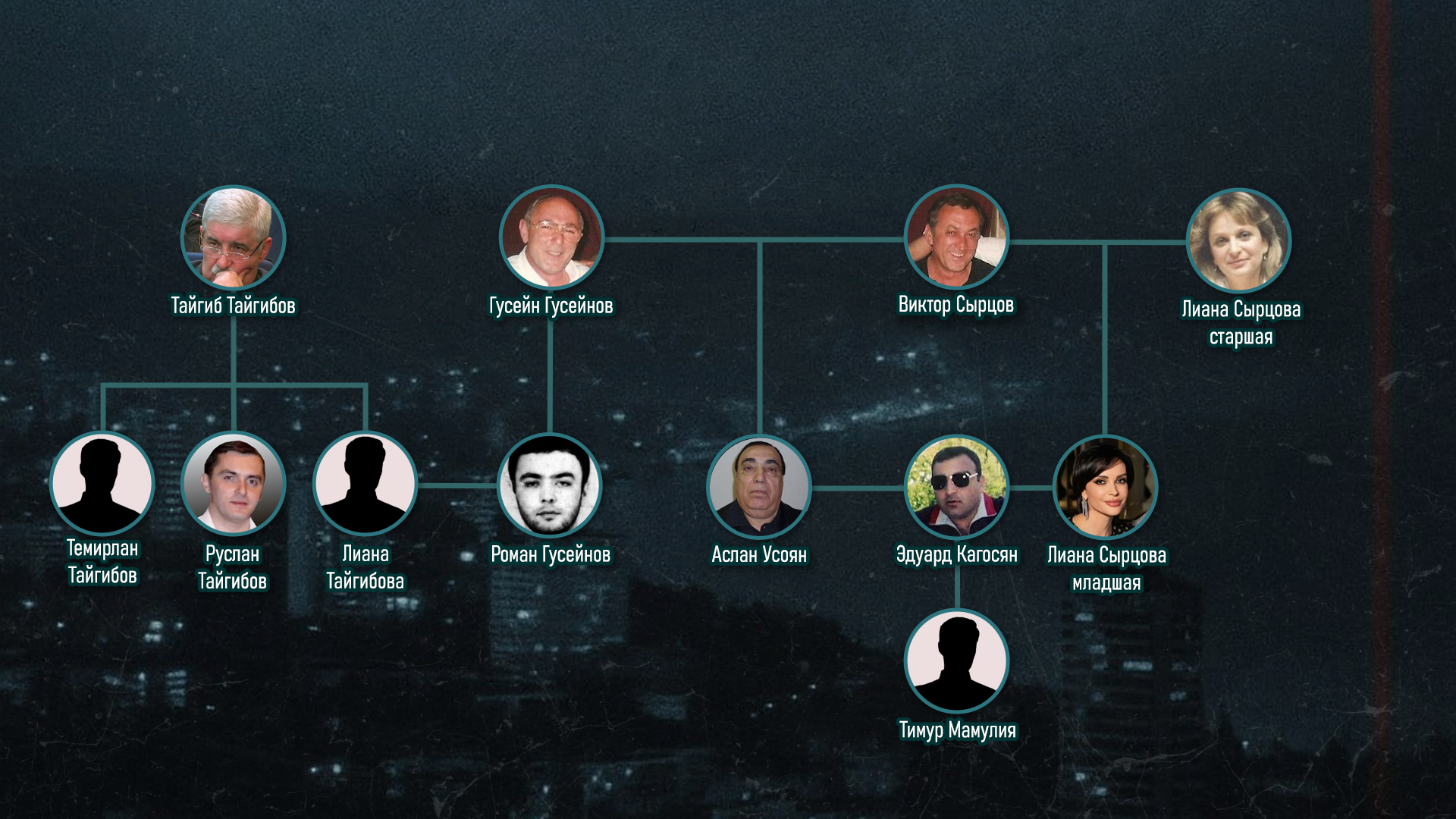
Taigib Taigibov’s youngest son, Temirlan, is engaged in business in Sochi. Now he owns and manages four companies and at least one of them, Southern Fuel Company, continues to make money from government contracts.
Story four. Important connections
While Gus and Nerussky were still alive, in the early 2000s, the construction of two apartment buildings began in Sochi between Pushkin Avenue and Deputatskaya Street, not far from the circus. According to rumors, the famous trainer Mstislav Zapashny, who then headed the Sochi circus, laid claim to this site. He supposedly wanted to build a dolphinarium there, but he was not destined to put this idea into practice. When Zapashny was returning home after a day of work, unknown persons attacked him and beat him with rebar. The famous circus performer was hospitalized in an unconscious state with head injuries, a severe concussion, and broken arms and shoulders. Zapashny himself was in no hurry to share his hypotheses with the police, but he denied the mercenary intent of the attackers - the money and expensive watch remained with him. Only the phone was missing, but it could have simply fallen out during the fight. A criminal case was opened and the suspect was even detained, but he turned out to have a cast-iron alibi. The attackers apparently were never found.
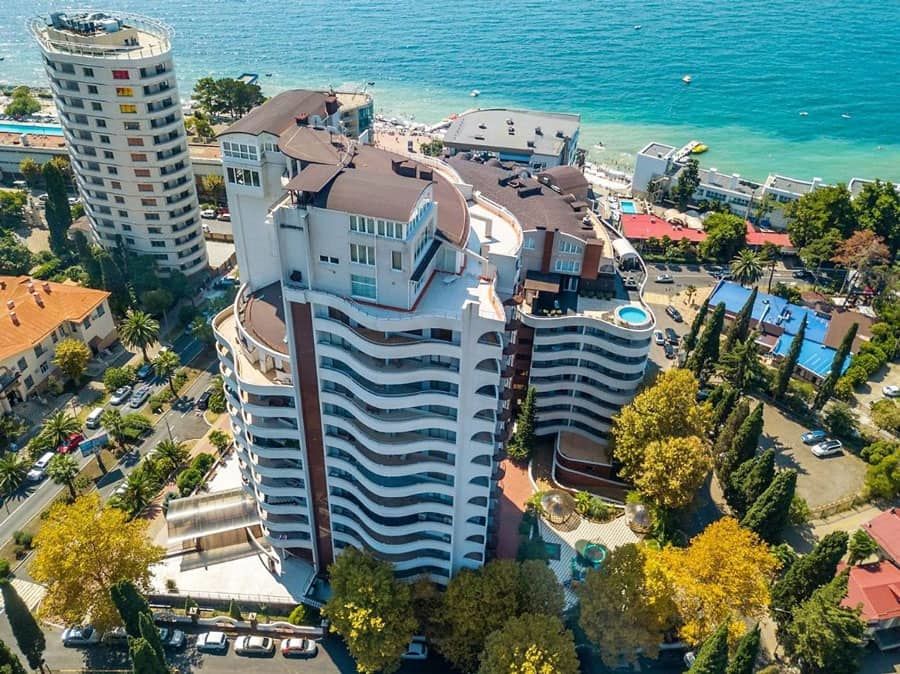
Gus and Nerussky had no formal connection with the construction on Deputatskaya. The houses were erected by the company of the then former Minister of Trade of the Moscow Region, “arms baron of Moscow” Mikhail Khubutia and his business partner Rafik Etumyan. The company received the site in the late nineties and, according to documents, was going to build a boarding house with 10 beds. But quite quickly the building grew first to five floors, then to nine, and then completely became a 60-apartment residential building with underground parking. In exchange for the land and a building permit, the city received a promise to update the equipment at the electrical substation - all this in the amount of almost three million rubles. Of the original 10% of the apartments, which the company was supposed to transfer to the city free of charge, not a trace remains in the new documents.
A similar story happened with the neighboring site. A 100-bed hotel was planned there, but the project also turned into a residential building. Construction proceeded quickly, the number of floors changed, and it is not known exactly how many apartments appeared in the end. All permits were issued personally by Mayor Leonid Mostov. The land lease was issued immediately until 2049. So, not sanatoriums and hotels, but luxury new buildings appeared on the Black Sea coast.
Construction was completed when the former “owners of the city” were no longer alive. Local newspapers wrote that these were the first apartment buildings in the city in close proximity to the sea, because previously construction there was prohibited due to its proximity to the sanitary zone of the Black Sea. It is needed to keep the beach accessible to the public, clean and not destroy the shore. The construction of an elite residential complex became a precedent; since then, residential high-rise buildings on the shore have been growing one after another.
This is the first elite residential complex in Sochi. Now it is called “Volna-Fregat” and prices for apartments here start from 60 million rubles. In 2007, the Homeowners Association “On Deputatskaya” was registered at the address of one of these houses. The original list of 72 co-founders includes Khubutia and Etumyan, who built these houses. There is also Liana Syrtsova Jr. in it. She is a widow and an orphan after the disappearance of her father, Nerussky, the murder of her husband, Karas, and her mother, Syrtsova Sr. Liana and her brother Anzor inherited their parents’ companies and still own and manage them.
The name of Liana Jr. was almost never mentioned in the press. However, she still found herself at the center of a public scandal. In 2024, the Prosecutor General's Office accused the former chairman of the Kuban Regional Court, Alexander Chernov, of illegal enrichment. Initially, the charges reported seven billion rubles, but later the amount increased to 13 billion. Chernov headed the regional court for 25 years, until 2019. Five years after his resignation, it suddenly became clear that all this time, through dummies, including relatives and colleagues in the judiciary, he had been buying real estate, owning companies and land plots. The assets were registered in the name of trusted persons, and he himself used them as his own. Separately, a story surfaced about the construction of an apartment building in Sochi near Kurortny Prospekt, in the area of the Slava Metreveli Stadium. Chernov himself invested money in the construction, and registered ownership through the court and dummies. The house was declared an unauthorized construction, and the damage to the city was estimated at 50 million rubles.
One of Chernov’s confidants was Liana Syrtsova Jr. In court, she explained that, at his request, she represented the interests of another denomination. However, when purchasing land, she only signed contracts, but did not determine the terms of the transactions and did not receive money under these contracts - everything was handled personally by Chernov, who was then still working as a judge. He also found two people who organized the construction. One of them was Syrtsova’s husband, Karas, who was alive at that time.
To avoid Chernov’s influence on decisions, the cases were transferred to the Moscow Regional Court, which ultimately decided to seize the property and pay compensation for the seven-story squatter building in Sochi.
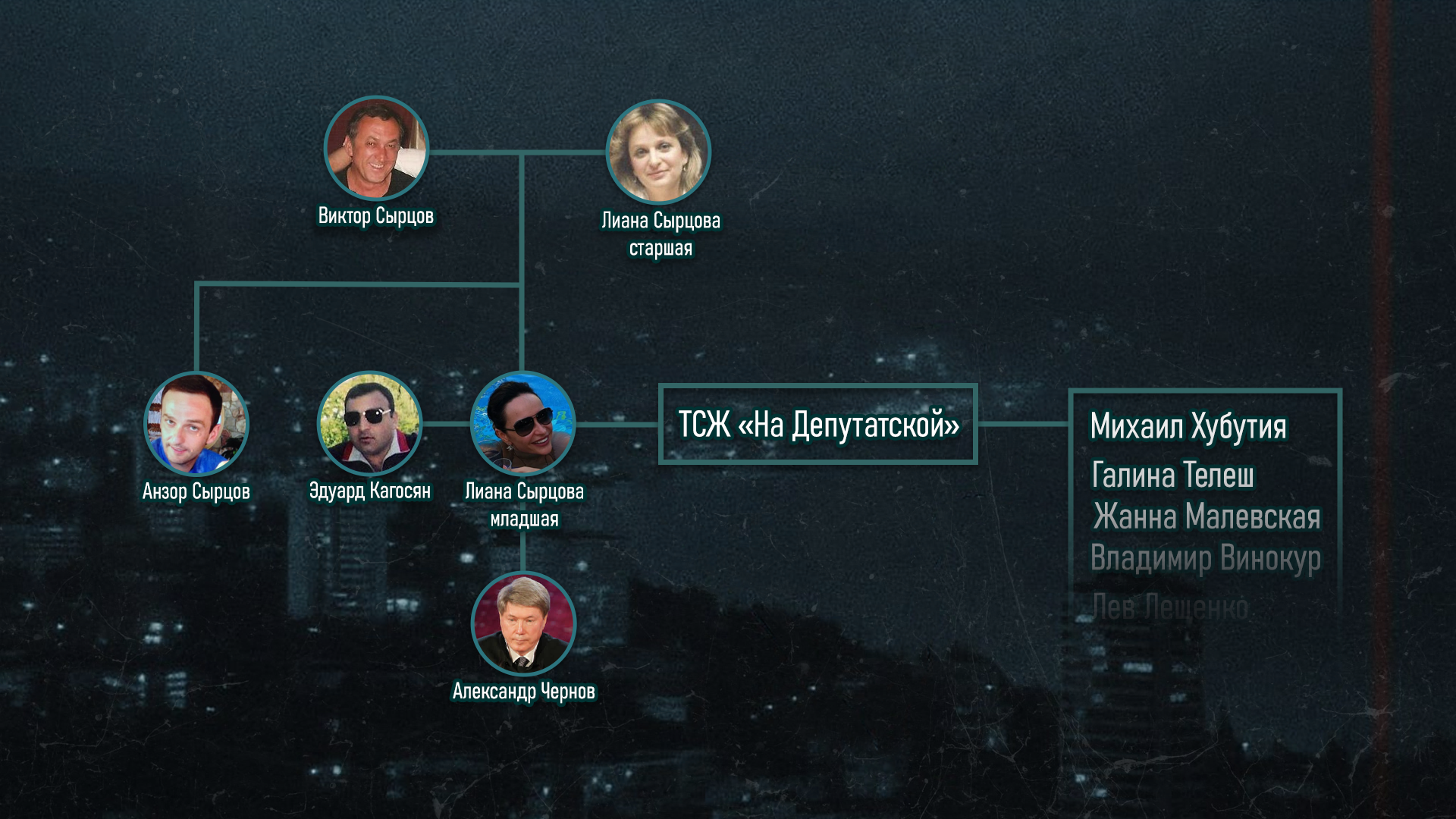
In the list of founders of the HOA “On Deputatskaya” other names are striking. Employees of state and state-affiliated companies, bandits, politicians, artists and football players, their wives and children - everyone was united by the list of founders of the HOA in Sochi.
Story five. Judge in law
Alexander Chernov was born in the Kuibyshev, now Samara, region. He began his career in Kazakhstan - from the mid-seventies he worked in the courts of the republic. He headed the district court in Petropavlovsk, worked in the regional court and by the early nineties rose to the position of First Deputy Minister of Justice of Kazakhstan. After the collapse of the USSR, he moved to Kuban, where he got a job as head of the justice department in the regional administration. In 1994, Chernov headed the Krasnodar regional court and worked in this position for the next 25 years.
One of the first high-profile scandals associated with Chernov was his lawsuit against Novaya Gazeta. In 2002, the publication published material about real estate fraud in Sochi and accompanied it with a certificate about the luxurious life of the chairman of the regional court - expensive cars, Swiss watches, a vacation in Rio with an official salary of $300. Chernov filed a lawsuit, and the Basmanny Court of Moscow recovered a record 30 million rubles (almost a million dollars) from the newspaper. The decision caused a stir. The story ended with the parties reaching a compromise in April 2002. Chernov asked the court to reduce the amount of the penalty, and the editors published a clarification.
The head of the regional court, meanwhile, set about arranging his own comfort. In the second half of the 2000s, construction began on a new regional court building in Krasnodar. It occupies half a block next to the Pushkin Library. On the roof there is a recreation area with bushes and a lawn.
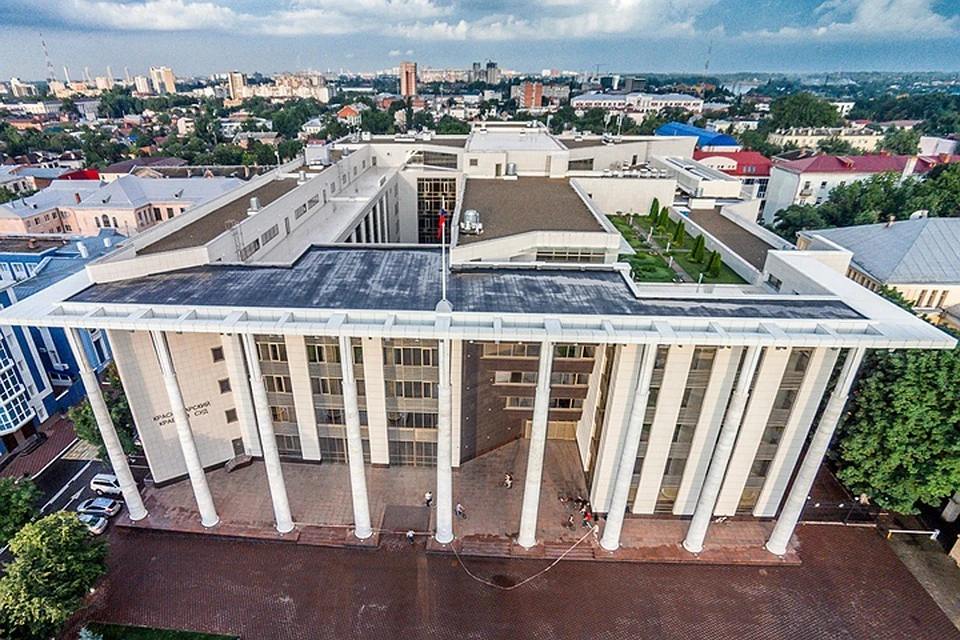
The facility was built by the Serbian company Putevi Užice, known for its participation in many landmark projects. For example, back in the nineties, the company reconstructed the Bocharov Ruchey residence in Sochi for the first President of Russia, Boris Yeltsin. The same company built the international airport and the building of the Russian International Olympic University in Sochi. However, the Serbian company gained the greatest fame from the construction of the residence of Patriarch Kirill near Gelendzhik and the Valdai residence of President Putin. In 2025, Putevi Užice found itself at the center of a major anti-corruption investigation in Serbia. Tax police conducted searches at the company's office, suspecting the company of money laundering through fictitious transactions. As a result of the inspection, a criminal complaint was filed against the general director of the company, and the case itself became part of a large-scale operation involving more than 20 companies and damage amounting to hundreds of millions of dinars.
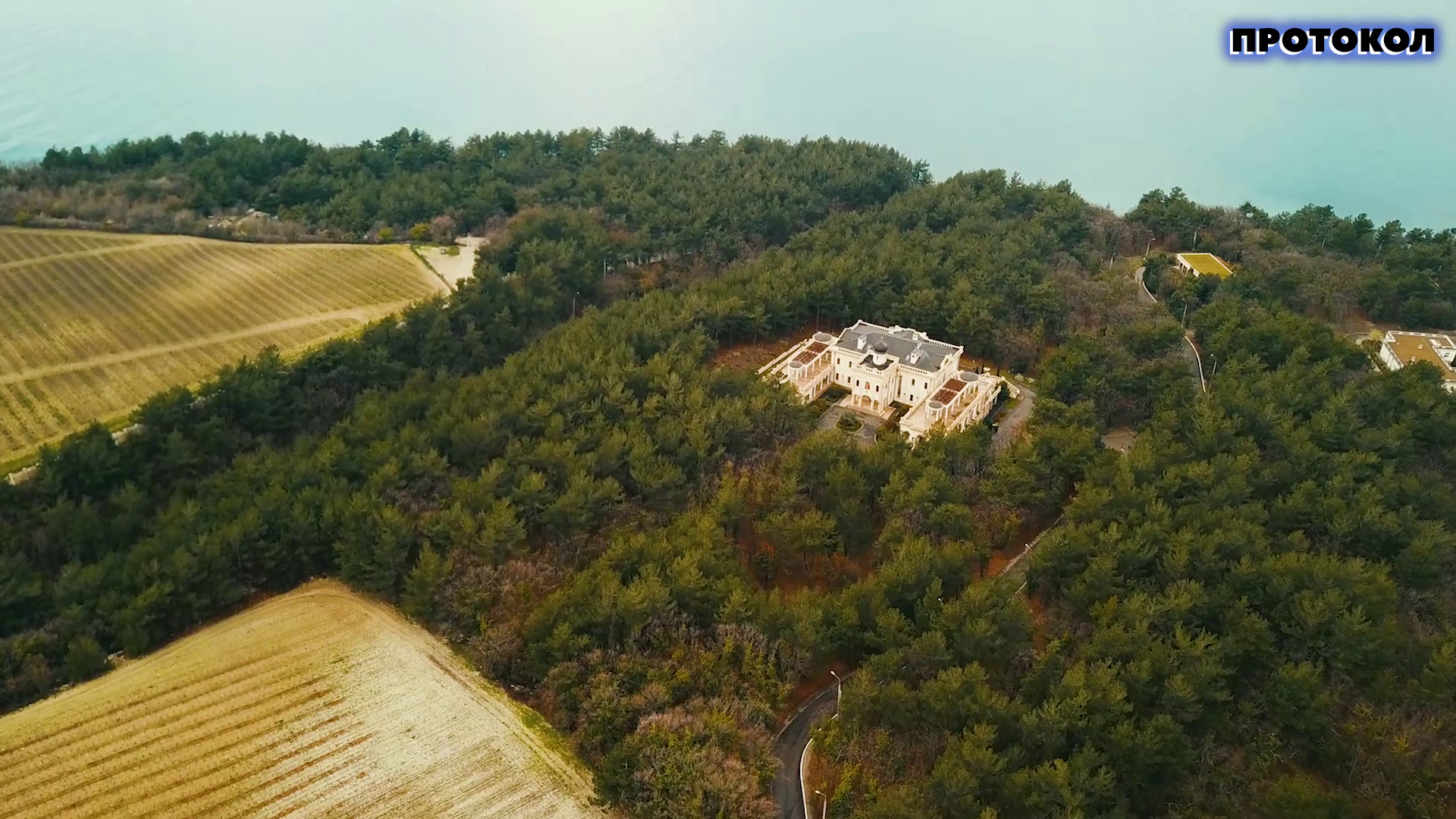
The regional court building was completed in 2010. Local lawyers later drew attention to patterns on the floor that are very reminiscent of the so-called “thieves' stars.” Whether it is criminal symbolism or simply a wind rose designed by Serbian architects is unknown for certain, but Judge Chernov, for whom this building was built, crossed paths with the world of thieves not only because of his official position. In addition to doing business with the Syrtsovs in Sochi, the chairman of the regional court also had business with other prominent wards of Grandfather Hassan in the Krasnodar Territory.
Chernov’s common-law wife, Svetlana Novikova, after breaking up in 2019, stated in court that he received dividends from the water park in Anapa. We are probably talking about the Golden Beach water park.
The name “Golden Beach” appeared back in the eighties - this was the name of the first cooperative restaurant created by entrepreneur Nikolai Ispiryan. Later the water park will be called the same, but by that time Ispiryan will no longer be alive. In March 1997, an unknown person climbed down from the roof using a rope, climbed into the apartment of Nikolai and Valentina Ispiryan and shot them with a machine gun. The couple died, their eldest son Arthur was wounded, and the youngest, David, survived. Ispiryan was a deputy of the Anapa City Duma and the creator of the Armenian center “Tsank”, which now bears his name.
However, it is unlikely that Ispiryan was executed for politics or activism. As the Segodnya newspaper noted, Ispiryan “adhered to the old thieves’ traditions” and controlled trade, restaurants, casinos and even the drug and pornography business of Anapa. After his murder, the “case” was taken over by his 23-year-old nephew, Sergei Zirinov. The thieves initially suspected him of stealing the common fund from the apartment of his murdered uncle, but with the support of his grandfather Hasan, the conflict was resolved, and Zirinov became the new overseer. Later, local Cossack Nikolai Nesterenko, in a personal conversation, will reproach the authority for seizing land, and Zirinov will answer: “If I hadn’t done this, others would have done it, it’s good that Grandfather Hasan helped.”
At the age of 28, Zirinov became a deputy of the Kuban Legislative Assembly from United Russia, was successfully re-elected twice more, but in 2013 he was arrested for the attempt on Nesterenko, and soon received 22 years of maximum security for murders and raider takeovers. Later, Nesterenko himself was sentenced to 6.5 years in prison for fraud.
However, Zirinov’s gangster business did not disappear. Throughout his time, he owned and managed 12 companies. Eight firms no longer operate, but half of them closed before the deputy was imprisoned. The four remaining companies are owned and managed by the Ispiryanov-Zirinov family: the orphans of the murdered Nikolai, his brother and sister - the mother of the bandit deputy, as well as his father-in-law. The Valentina company, which was founded by the murdered uncle of the deputy back in 1992, also operates. Kommersant wrote that the company was “budget-generating” for Anapa - its network included 11 catering establishments. “Valentina” was given to Ispiryan’s orphans when Zirinov was still free; the brothers were then 19 and 21 years old. Now the company is wholly owned by David Ispiryan.
The criminal connections of the former chairman of the Krasnodar regional court are not limited to this. After the brutal murder in the village of Kushchevskaya in 2010, on the program of propagandist Vladimir Solovyov, the leader of the LDPR, Vladimir Zhirinovsky, in his characteristic manner, accused Tkachev of patronizing crime. The odious politician shouted that 33 thieves’ authorities lived in Sochi. Tkachev replied that this was a lie, and there was not a single thief in law on the territory of Kuban. Then Zhirinovsky tried to give a specific example: “Are you meeting with Moldovan?..” But the governor ignored the question, continuing to talk about the fight against crime in the region, mixing general phrases with accusations of Zhirinovsky himself of criminal ties.
Of course, Tkachev knows who Moldovan is. This is the former general director of the Kuban football club, Alexander Moldovanov. The governor personally appointed him to this position. Moldovanov died in 2012, but throughout his life he managed to take over and manage 23 legal entities: football clubs, charitable foundations, pig breeding, transportation, a concrete construction plant, real estate, trade, gambling. On the Internet you can find a photo of him in the company of his grandfather Hasan, and he owned one of his companies together with the Samara crime boss, Mikhail Kudeley.
The co-owner of another Moldovan company, Orbita, which makes money from gambling and registered in St. Petersburg, was the Dolphin company from the village of Divnomorskoye in the vicinity of Gelendzhik. It still exists today. In 2020, the owners of the first Gelendzhik water park demolished their brainchild at the request of the city authorities, since the lease period for a large area near the sea came to an end, and the businessmen did not renew the contract. The land was rented by the same “Dolphin”. Among the owners of the company at the time of registration was Lyudmila Moldovanova, the wife of an authority football player. Anastasia Chernova, who now bears the surname Shepel and still works in the Arbitration Court of the Krasnodar Territory, was also a co-owner. She is the daughter of the ex-chairman of the Kuban regional court. The same list includes her current husband, Vladimir Shepel, who works as a judge in neighboring Adygea.
After the death of her husband, Lyudmila Moldovanova inherited part of his companies and now owns the company “Bylina” in the Gelendzhik sanatorium “Krasnaya Talka” together with Svetlana Zakaryanova. This is the wife of Bolat Zakaryanov, head of the Kremlin catering department and participant in the construction of “Putin’s palace” near Gelendzhik. In addition, the Moldovanov family owns a share in the Colosseum hunting reserve. Hunting also connects the Moldovanovs and the Zakaryanovs: in 2017, during a raid, Russian Guards detained Bolat Zakaryanov and Roman Moldovanov, the son of the late Moldovanov, for illegal hunting. The case was quickly hushed up, and all participants continued to work in the civil service.
In addition to putting pressure on Novaya Gazeta and doing business with thieves’ authorities, Chernov distinguished himself in the case of Krasnodar ecologists Suren Ghazaryan and Evgeny Vitishko. The activists were tried for damaging the fence of the dacha of Kuban Governor Alexander Tkachev in the Tuapse region. The fence was installed contrary to the law prohibiting the seizure of forests and seashores, but government agencies ignored the problem. Then inscriptions appeared on the fence, for which the activists were convicted. However, Tkachev and government agencies never recognized the existence of the illegal fence. Vitishko served in the Tambov colony for almost two years, and Gazaryan was forced to leave the country. In December 2013, the presidium of the regional court, under the personal chairmanship of Chernov, rejected the complaint against the activists’ sentence. Human rights activists regarded this decision as politically motivated and pleasing to the then governor.
Chernov also went down in history as a person who knows how to promote loyal personnel to important positions within the judicial system. One of Chernov’s protégés in the regional court was his deputy Elena Khakhaleva, also associated with crime. But she gained fame not thanks to her acquaintances with bandits, but after the luxurious wedding of her daughter in the summer of 2017. The celebration with the participation of pop stars was estimated at approximately two million dollars, which far exceeded the official income of the Khakhaleva family. This is how she received the nickname “golden judge” in the press. Chernov then spoke out in defense of his subordinate. He claimed that the judge's ex-husband had covered the costs and that a "provocative campaign" was being waged against her, aimed at undermining the authority of the judiciary. However, the scandal gained momentum and, as a result, the High Qualification Board of Judges agreed to bring Khakhaleva to justice and she was fired. In 2025, the former judge was detained in Azerbaijan at the request of Russia, where she was arrested in absentia on charges of particularly large-scale fraud. Chernov is connected with the golden judge not only by his place of work, but also by family ties. The granddaughter of the former head of the regional court is married to the son of a golden judge.
In addition to his judge daughter, son-in-law and Khakhaleva, the former head of the regional court also hired his illegitimate son from Svetlana Novikova, for whom he registered a share in the Anapa water park, into the civil service. At the age of 23, Vitaly Novikov became the youngest deputy of the Krasnodar City Duma, nominated on the United Russia list. In 2021, at a meeting of the City Duma, two deputies from the Communist Party of the Russian Federation, Alexander Safronov and Igor Azarov, were punished for not indicating old loan accounts in their declarations (the loans were repaid, but the accounts remained open). Deputies were deprived of the opportunity to hold positions in the city parliament until the end of their term. Safronov and Azarov said that this was just an excuse, and the real reason was their criticism of the authorities and the mayor. Deputy Novikov supported the punishment, saying: “I believe that this is a person [Igor Azarov - approx. ed. ] liberal views, not a statist, as I see it. Russia, I am sure, has always needed statists on this path.”
Chernov's son demonstrates his patriotism with or without reason. For example, during a twenty-minute interview with a local TV channel, he managed to use the adjective “great” in relation to Russia, the people and Putin as many as 11 times. Since 2022, Novikov has been a deputy of the Kuban Legislative Assembly. There he sits on the committee on military issues, public safety, education of pre-conscription youth and Cossack affairs.
Chernov himself had to show off his patriotism. When the question of confiscation of his assets arose in court, through his representative, the former head of the regional court declared his readiness to part with billions in order to help the state: “The lawyer of the main defendant expressed his readiness to transfer most of the disputed objects to the state due to the “difficult situation in the country,” Kommersant reported. At the same time, the lawyer asked to leave Chernov at least housing: “Two houses - in Krasnodar, the Moscow region, an apartment in the capital.” However, the claim of the Prosecutor General's Office was satisfied in full. The ex-chairman of the Krasnodar court lost almost all his property, including real estate registered in the name of relatives. The gesture of goodwill did not even help save the dacha.
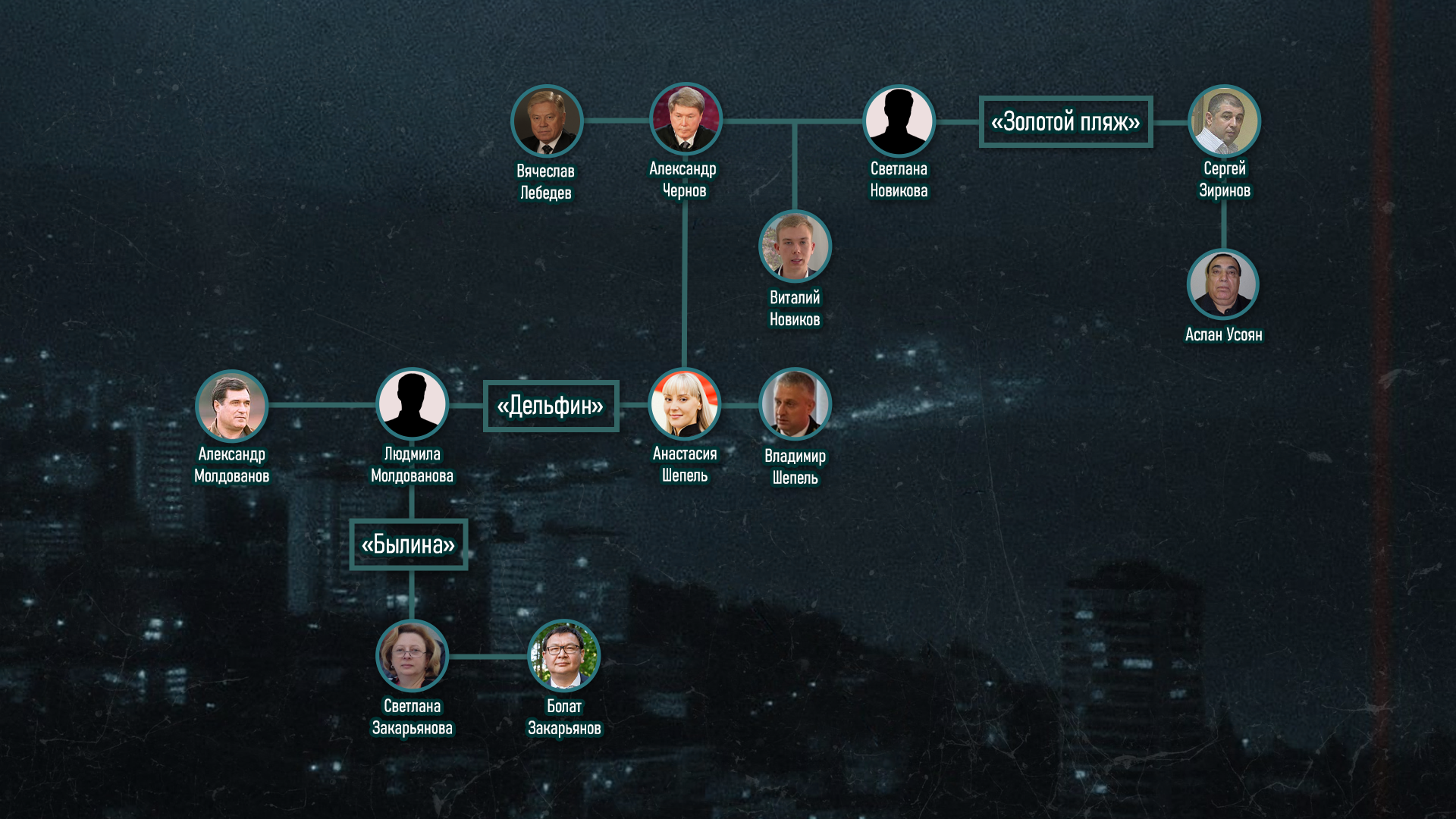
Chernov himself, of course, also had a patron. This was the Chairman of the Supreme Court Vyacheslav Lebedev - the publication “Project” called the Krasnodar judge part of the “Lebedev cohort”. Лебедев проработал в судах даже дольше своего протеже. Только «верхушку» он возглавлял 35 лет — еще с советских времен, а общий стаж работы судьей у Лебедева значительно больше. Сочинский экс-судья Новиков утверждал, что Чернов и Лебедев не просто коллеги, а близкие соратники, и показывал в суде фото, где они вместе катались на яхте. Также Новиков рассказывал, что якобы Лебедев летал к Зиринову на самолете, но помимо судьи на борт было загружено 300 тыс. долларов.
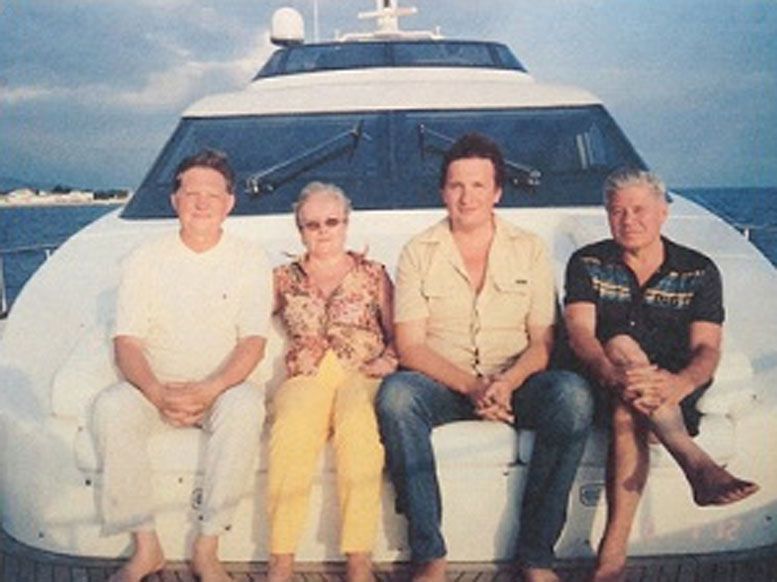
Эпопея Чернова очень напоминает историю семьи Мерзлых из Сочи восьмидесятых. Как и в том случае, после смерти основного гаранта коррупционной империи, она начала рассыпаться. Лебедев умер в феврале 2024 года и с этого момента мы наблюдаем за чередой уголовных дел против его вассалов. Мало того, большая часть из них плотно переплетены личными и бизнес-связями с бандитами из клана деда Хасана.
История шестая. Токсичный мститель
В сентябре 1999 года преступник облил 17-летнюю победительницу конкурса «Мисс-Сочи», Элеонору Кондратюк, смесью кислоты и масла. Он схватил девушку за волосы, запрокинул ей голову назад и вылил кислоту в рот, нос, глаза и на грудь. Из-за этого Элеонора ослепла, у нее были полностью сожжены ушные раковины, сильно поврежден пищевод, кожа на голове и ключице была обнажена до костей, а лицо до неузнаваемости деформировано. Нападение произошло во дворе школы, где училась девушка. Слепая и обезображенная, в состоянии шока, она забежала в школу. Учителя рассказывали, что узнать ее смогли только по голосу — иначе это было невозможно.
Журналист Сергей Золовкин выяснил имя исполнителя и даже сумел выманить его из соседней Абхазии. Садиста задержали и осудили. Заказчиком же оказался Рубен Григорян по кличке «Циклоп»: он не раз признавался в своих чувствах Кондратюк, но был отвергнут. Тогда бандит стал действовать решительно и своим бесчеловечным поступком шокировал как простых сочинцев, так и своих коллег по криминальному ремеслу. Например, в одной из публикаций Золовкин цитирует на тот момент еще живого «лидера местного криминалитета» Виктора Сырцова, с которым журналист встретился лично, чтобы обсудить покушение на девушку.
— Видишь, у меня сразу мурашки пошли. — Говорил бандит по кличке Нерусский. — Такого беспредела мы терпеть не будем. Вот этими самыми [руками] того, кто такое над девчушкой сотворил, придушить хочу! Те, кому надо, его уже приговорили. Если это Григоряна работа, ему тоже не жить.
Однако Циклоп жив и поныне, он уже вышел на свободу, отсидев одиннадцать лет строгого режима. Элеонора Кондратюк сейчас замужем, живет не в России и работает психологом. За последние 20 лет девушка перенесла более 200 операций, лечилась в Германии. Туда же чуть позже, и тоже вынужденно, переехал журналист Золовкин.
Его интерес к сочинскому криминалу и официальным властям курорта не мог остаться незамеченным, а ответ — ограничиться эмоциональными телефонными и личными беседами. Мартовским вечером 2002 года Золовкин и его супруга Эмма, которая тоже работала журналистом, вышли из автомобиля и направились к своему подъезду. Женщина услышала шум сзади, обернулась и закричала — к паре быстро приближался незнакомец, как ей показалось, с ножом в руке. Однако это был не нож, а пистолет с глушителем, из которого преступник несколько раз выстрелил в Золовкина. Журналисту повезло, одна из пуль только порвала брюки — киллер промахнулся. Золовкин, в молодости служивший в милиции Казахстана, достал газовый пистолет, а преступник, испугавшись оружия, обратился в бегство.
Как позже напишут Золовкин и его супруга Эмма в совместных мемуарах, киллер пытался убежать, но врезался в бампер милицейского УАЗика и выронил пистолет на капот патрульной машины. Тогда он был задержан сидящими внутри автомобиля автоматчиками. Нападавшим оказался 23-летний Артур Минасян. Прежде киллера-неудачника судили за попытку использования подложных документов при переходе границы, но он отделался условным сроком. Защищать в судах Минасяна стал тот же адвокат, что защищал бандита, изуродовавшего модель Элеонору Кондратюк.
На допросах Минасян назвал имя заказчика убийства Золовкина — Андрей Мумджян (настоящее имя Андроник). Но милиция заявила, что тот свою вину отрицает и доказательств нет — привлекать к ответственности его не стали. Золовкин же, уже из Германии, куда вскоре после покушения был вынужден уехать вместе с женой в целях безопасности, обратился к суду на страницах «Новой газеты»: «Прошу учесть в деле юного исполнителя, послужившего слепым орудием куда более злых и не установленных персонально сил, ВСЕ смягчающие обстоятельства. Лично я как потерпевший на максимально строгом наказании Минасяна не настаиваю». 19 сентября 2002 года суд в Краснодаре приговорил киллера к 10 годам строгого режима.
В мемуарах Золовкин удивляется тому, что предполагаемого заказчика Мумджяна отпустили: «…безработный Мумджян, раскатывающий на шикарном БМВ, имеющий особняк и самые тесные связи с уголовным “авторитетом” по кличке “Робсон”, при выдвижении его на роль посредника в организации убийства по найму дал самоотвоод. Причину признать уважительной. Содержание под стражей отменить!», — иронизирует журналист.
История седьмая. Робсон
Робсон — «погоняло» сочинского бизнесмена Рубена Татуляна. Сам он утверждает, что получил прозвище еще в детстве, когда профессионально занимался футболом. Все хотели быть «Пеле» или «Марадоной», а Татулян равнялся на капитана английской сборной Брайана Робсона. К тому же, имя Рубен созвучно фамилии Робсон — так прозвище и закрепилось. В юности спортсмен Татулян занялся транзитом краденых автомобилей через Абхазию, что обеспечило его знакомство с бандитскими кругами Черноморья.

К моменту, когда киллер-неудачник стрелял в журналиста Золовкина, за Татуляном уже закрепилась слава местного криминального авторитета. Сразу после покушения, утверждает Золовкин, он под охраной СОБРа отправился к Татуляну и спросил, зачем тот его «заказал». Робсон сказал, что никакого отношения к покушению не имеет. Спустя 22 года РБК со ссылкой на неназванный источник напишет, что расследуя дело Татуляна полиция установила связь его ОПГ с покушением на Золовкина. Почти до тех пор Робсон, в отличие от журналиста, будет спокойно жить в Сочи и развивать бизнес.
В конце девяностых Татулян вступил в партию «Единство», которая позже стала «Единой Россией». Робсон оставался ее членом последующие два десятка лет. В интервью блогеру Александру Валову в 2017 году Татулян так говорил об этом: «Я, наверное, один из первых, кто вступил в эту партию. Совершенно давно, когда этим занимался Александр Карелин. Так как мы друзья, решил его поддержать и сделать вот то, что мы сейчас делаем. Потому что он был одним из основателей, как вы помните. Входил в тройку». Действительно, в первую тройку избирательного блока «Единство» входили будущий министр обороны Сергей Шойгу, генерал-лейтенант милиции Александр Гуров и известный спортсмен, также связанный с криминалом, олимпийский чемпион Александр Карелин. Помощником последнего в Госдуме Робсон был многие годы. Журналисты также называли Татуляна спонсором правящей партии.
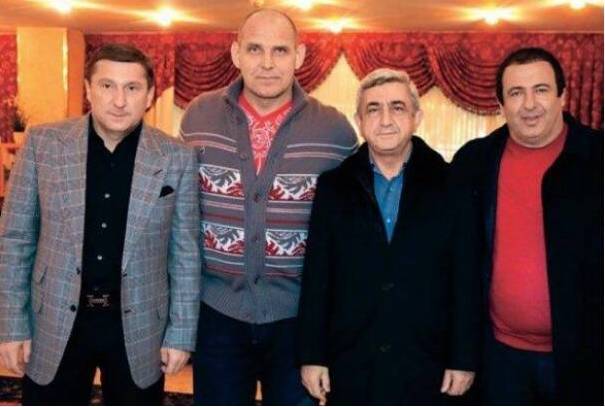
Карелин рассказывал, что незадолго до олимпийский игр в Сиднее в 2000 году он беседовал с Татуляном и тот сказал, что у него есть возможность построить центр единоборств в Сочи. Карелин якобы удивился: «Обычно что строят – казино, дополнительные гостиничные корпуса, а ты центр единоборств собрался, это же не совсем нормально в наше время». В ответ Татулян спросил, можно ли дать центру имя Карелина, если его удастся построить — и борец согласился. В 2005 году Робсон открыл на курорте спорткомплекс, который назвал в честь давнего друга. Помимо Татуляна, в церемонии открытия участвовал сам Карелин, другие олимпийские чемпионы и мэр Сочи.
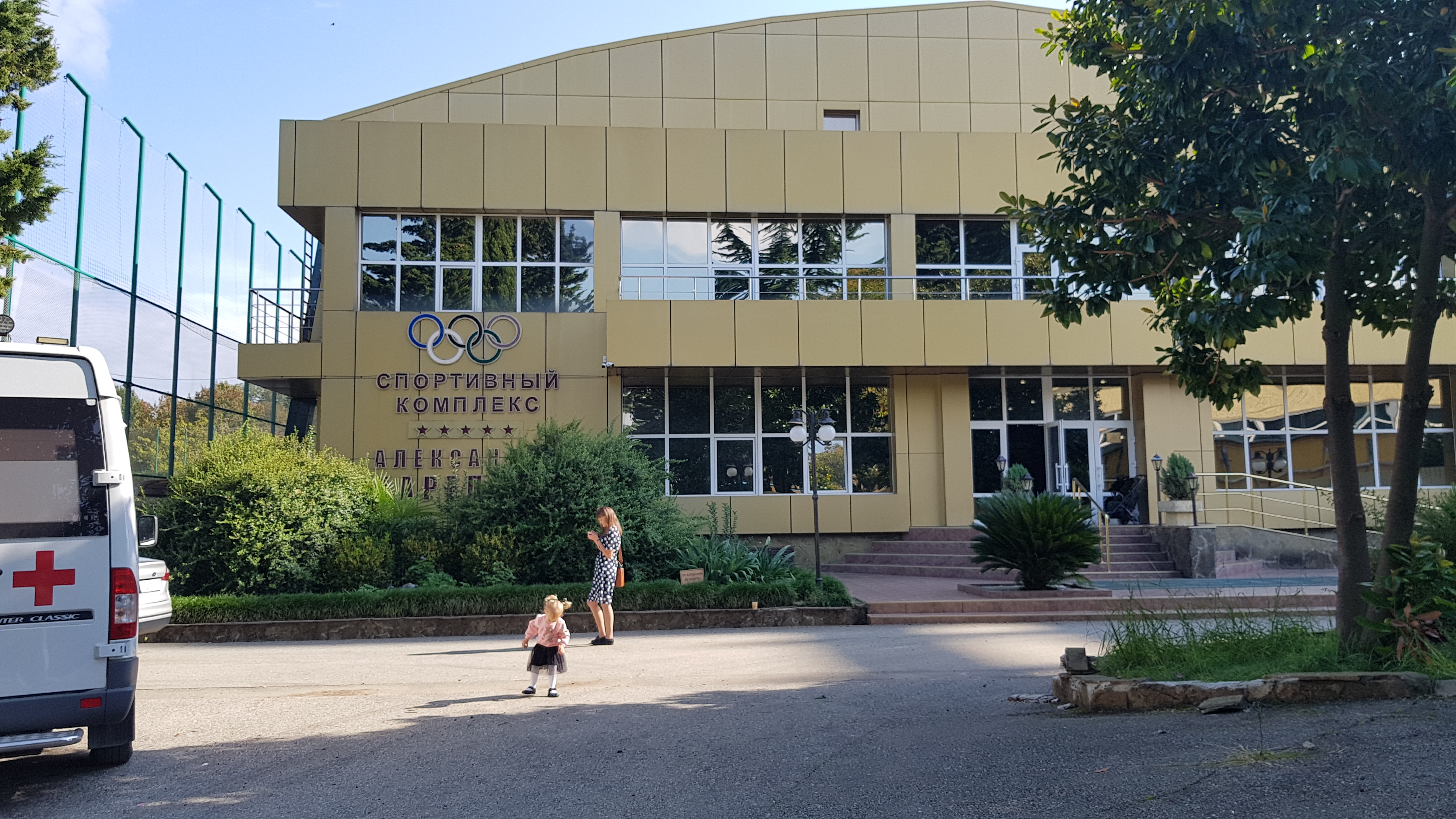
Однако видеть за поступком Татуляна исключительно альтруистические мотивы не стоит. К тому моменту Робсон владел сочинским пансионатом «Весна» (позже переименованный в Volna Resort & Spa) и строительством спортцентра он решал насущную проблему — обеспечение загрузки 15-этажного здания не только в курортный сезон, но и в межсезонье. Спустя год после открытия спорткомплекса имени Карелина Сочи был назван претендентом на проведение олимпийских игр, а в 2007 году единственные в России субтропики утвердили местом проведения зимней олимпиады-2014. Это окончательно решило проблему востребованности дорогой гостиницы на ближайшие годы. Ведь спорткомплекс стал базой для подготовки к международным соревнованиям, за что Татуляна отметил грамотой президент олимпийского комитета.
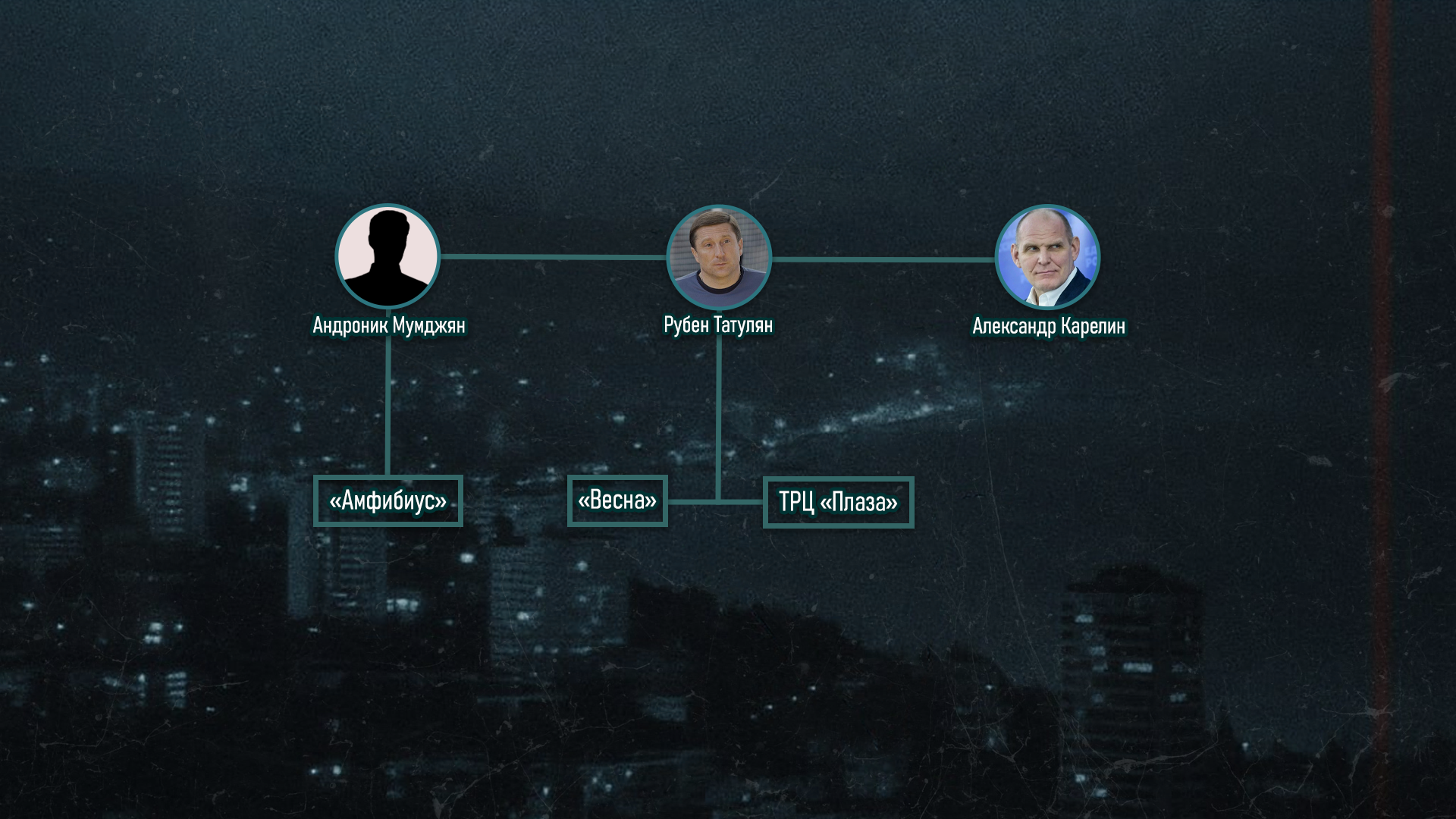
Практически под окнами пансионата «Весна» располагался аквапарк «Амфибиус», гендиректором которого работал бизнес-партнер Татуляна Андроник Мумджян. Тот самый, которого киллер, покушавшийся на Золовкина, назвал заказчиком преступления. Позже журналисты напишут, что по версии следствия свою ОПГ Татулян сколотил в 1998 году. Группировка промышляла вымогательством, воровством и убийствами, а в ее руководство входил, в том числе, Мумджян. В 2007 году гендиректором «Амфибиуса» стала мать Робсона — Алварт. Она руководила аквапарком следующие 14 лет.
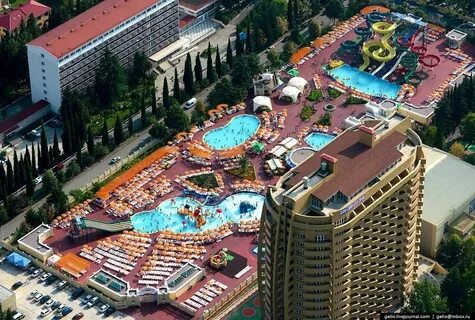
Во второй половине нулевых Татулян регулярно выступал в роли эксперта в прессе. Рассказывал о необходимости развития делового туризма в Сочи к олимпиаде и после нее, хвастался показателями заполненности гостиницы «Весна», а также утверждал, что профессиональный спорт в России может существовать только за счет поддержки государства. В 2013 году Робсон открыл первый современный торговый центр в Сочи — ТРЦ «Плаза», а спустя год Forbes писал о нем как об одном из крупнейших инвесторов в гостиничную недвижимость Сочи. Его компаниям принадлежало на тот момент около 70 тыс. квадратных метров коммерческих площадей, а выручка оценивалось в 850-900 млн руб. per year.
История восьмая. Чемпионы рэкета
Вечером 26 июня 2003 года компания приятелей решила отдохнуть в кафе «Розарий» на набережной в Сочи. Ближе к полуночи все разошлись и в заведении остались только двое. У них случился конфликт с охраной «Розария», так как посетители отказывались платить. Молодые люди работали в милиции и, вероятно, этот факт помог им беспрепятственно уйти из кафе. Однако вскоре милиционеров догнала группа людей из 10-12 человек, вооруженная бейсбольными битами. 24-летнего участкового Центрального района Сочи Аршака Кешишяна забили до смерти. Его тело нашли на следующее утро в лесу. Собутыльника участкового госпитализировали в тяжелом состоянии.
Спустя месяц были задержаны пятеро подозреваемых. Позже местная пресса стала писать про «несколько человек», которых проверяли на причастность к другим преступлениям, в числе которых тяжелые насильственные действия против личности. В итоге осудили только троих охранников «Розария».
Спустя три месяца после убийства Кешишяна, с дня села Пластунка (окраина Сочи), возвращался бывший замначальника сочинского УВД Нодарий Багишвили. По дороге его машину обстреляли из автомата и стали преследовать. Водитель бывшего замглавы курортной милиции попытался оторваться от погони, но не смог — ему удалось проехать меньше километра. Автомобиль пришлось бросить. Водителю удалось убежать, а вот Багишвили не повезло. Он отстреливался из наградного пистолета, но безуспешно. Нападавшие скрылись с места преступления, а прибывшая скорая не смогла реанимировать милиционера и он умер.
A criminal case was opened. Следствие сразу озвучило несколько версий, основная — месть родственников убитого Кешишяна. Дело в том, что кафе «Розарий», в котором отдыхал участковый накануне убийства, принадлежало сыну замначальника сочинской милиции. На следующий день допросили брата убитого участкового, Галуста Кешишяна. Тот сказал, что в момент расстрела был с друзьями на кладбище, где поминал погибшего брата. Алиби не подтвердилось и чуть позже Галуста задержали. Однако он проткнул руку ножницами во время допроса и скрылся по дороге в больницу. Задержать его удалось только в 2007 году. Двое других соучастников убийства — друзья Галуста, Артюн Кюлян и Армен Демурчан. Все преступники получили тюремные сроки от 13 до 16 лет.
В 2020 году Кюлян, Кешишян и еще один их знакомый сильно избили Григоряна-Циклопа, заказчика нападения на Элеонору Кондратюк. Судя по всему, освободившиеся бандиты поспорили о почетности статей, по которым их ранее судили. Циклоп в суде утверждал, что целью избиения было вымогательство. Окончательного решения по этому делу нет до сих пор.
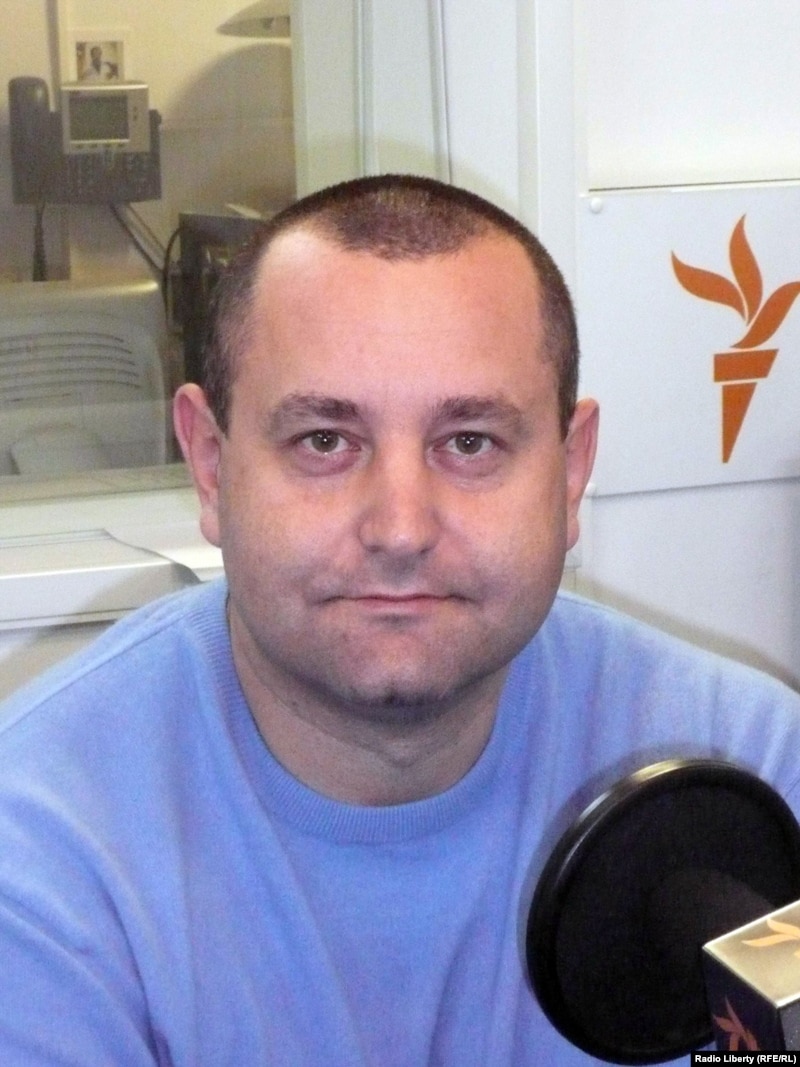
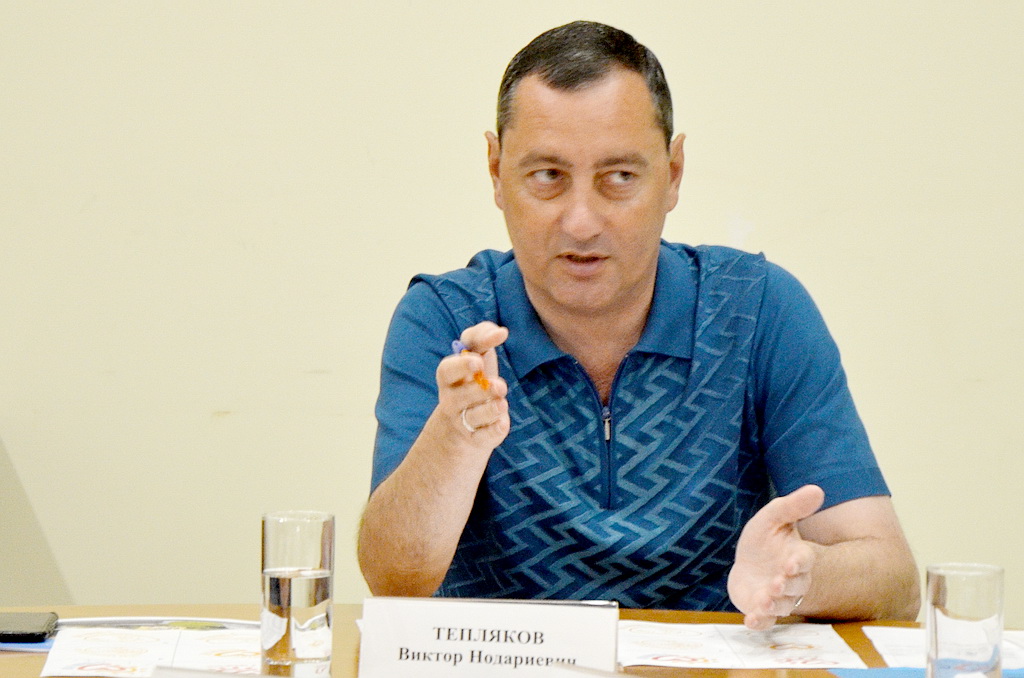
Фамилия Багишвили еще долго упоминалась в прессе, но в какой-то момент дети убитого милиционера предпочли ее сменить. Оба сына взяли фамилию матери — Теплякова. Младший, Евгений, вскоре после смерти отца стал депутатом Госдумы от ЛДПР и работал там два созыва, до 2011 года. Старший, Виктор, с 2012 года работает депутатом от «Единой России» в Заксобрании Краснодарского края и параллельно ведет бизнес. Именно ему принадлежало кафе «Розарий», в котором участковый Кешишян конфликтовал с охранниками.
Своим основным местом работы Виктор Тепляков называет компанию «Морской скат», которая занимается недвижимостью. С 2011 года он не работает там гендиректором, но до сих пор является совладельцем фирмы. Вторая половина «Морского ската» принадлежит супруге депутата Госдумы от «Единой России» Дмитрия Ламейкина.
Особую славу Теплякову принесла подготовка к сочинской олимпиаде-2014. Город тогда возглавлял Анатолий Пахомов. В беседах с местным правозащитником мэр подчеркивал «сложное прошлое» Теплякова, который тогда был замом Пахомова в «Единой России». Активисты собирались провести правозащитный митинг в Сочи, а мэр отговаривал их, угрожая подбросом наркотиков и избиением. В том числе Пахомов упоминал некую «дерзкую молодежь» под началом своего зама Теплякова, которая в случае чего «вырубит» всех участников митинга. Сам Тепляков, присутствовавший на некоторых из таких встреч с активистами, тоже слова не выбирал. Например, предлагал повесить правозащитника Михаила Винюкова: «Мутил, мутил и повесился. What? Кто-то повесил», — рассуждал единоросс. Разговоры были записаны на диктофон и опубликованы в интернете.
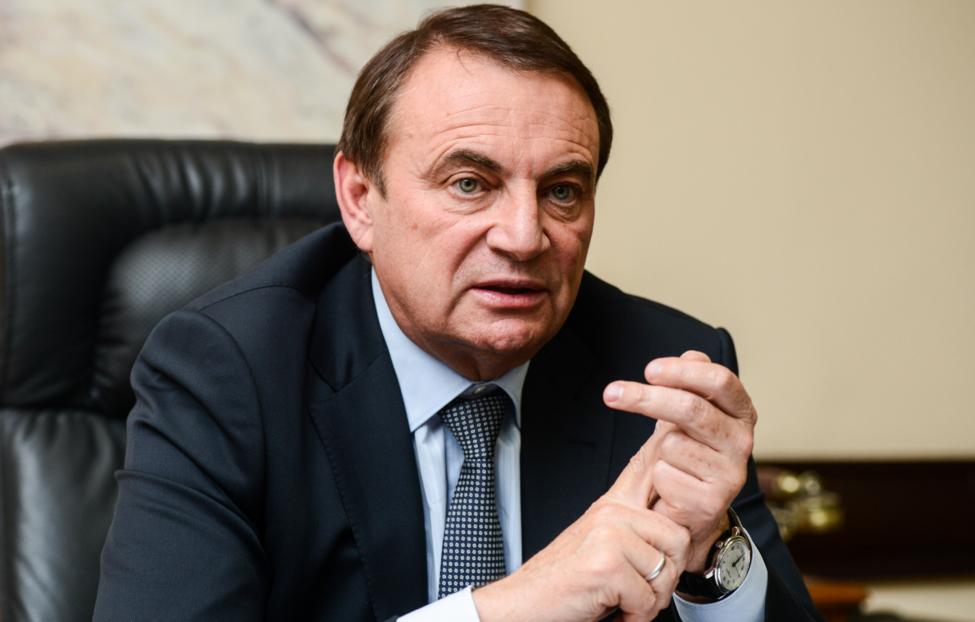
В октябре 2010 года двое неизвестных избили Винюкова. По словам активиста, бандиты караулили у офиса, куда он возвращался после похода в магазин. Один из нападавших достал из-под куртки полуметровую кувалду и стал бить активиста по голове. В этот момент появился еще один нападавший. Винюкова госпитализировали с сотрясением мозга и закрытой черепно-мозговой травмой. Уголовное дело возбудили только спустя месяц и вскоре оно было приостановлено, потому что установить личности преступников не удалось. Тогда Винюков пожаловался в Следственный комитет и Генпрокуратуру, связав нападение со своей деятельностью и угрозами сочинских чиновников. Но и это результатов не принесло — преступников так и не поймали.
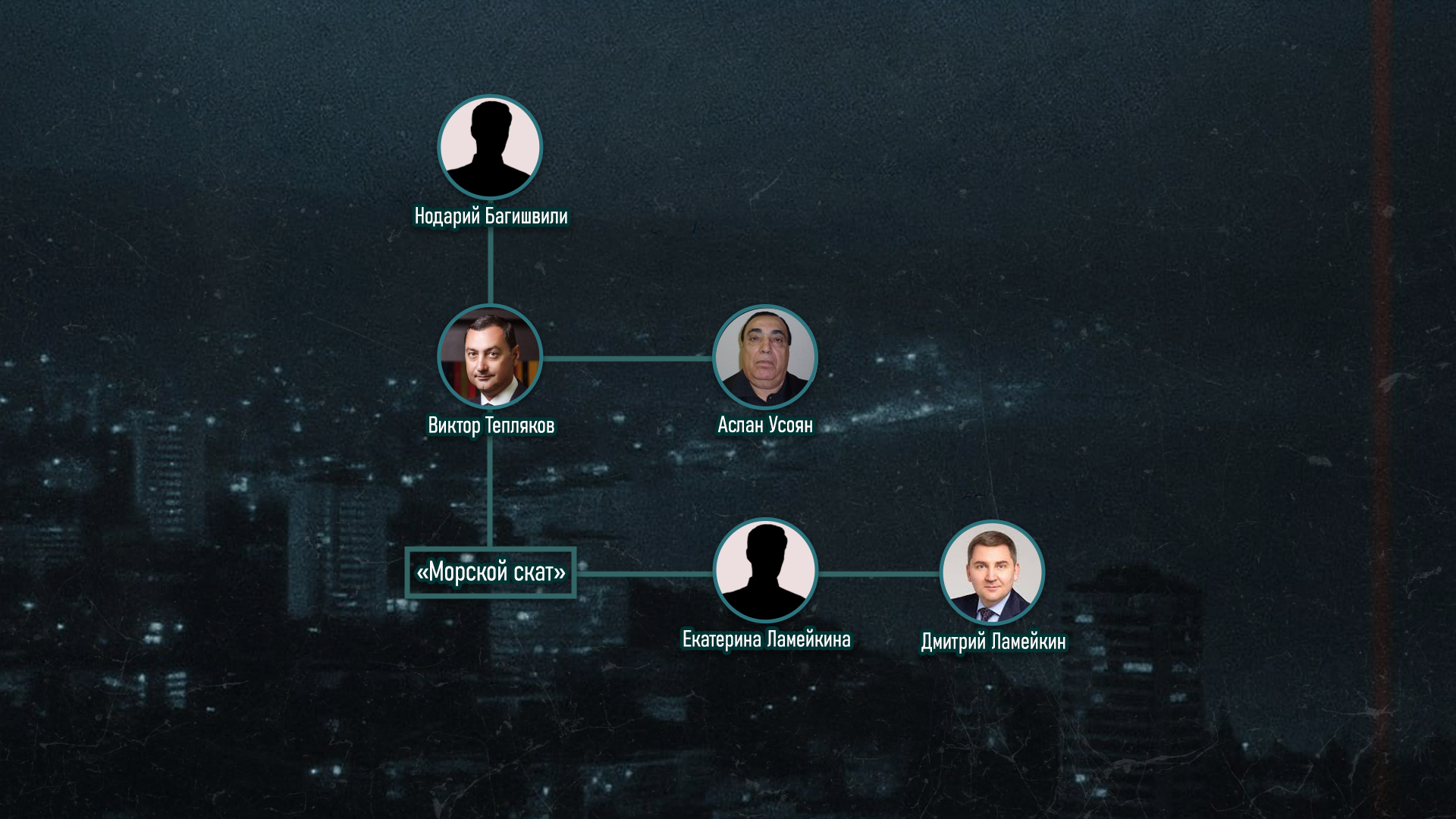
Телеграм-каналы до сих пор присваивают Теплякову связь с почившим Дедом Хасаном и приверженность традиционным бандитским методам решения проблем. Сам он отрицает даже знакомство с «криминальным королем». Отпирается Тепляков и от обвинений в заработке на олимпийских стройках. Зато спонсор партии, от которой депутатствует Тепляков, его земляк Робсон — на олимпийских играх обогатился точно.
Шантаж и денежные разборки с «хасановскими» сопровождали все этапы строительства элитного коттеджного поселка «Таврический» (ныне находится на федеральной территории Сириус недалеко от Сочи). Тендер на строительство выиграл московский бизнесмен Валерий Морозов, но вскоре ему пришлось эмигрировать из-за угроз. Оказавшись в Великобритании он рассказал журналистам: конкуренты — люди Деда Хасана, подкупили полицию и избили директора по строительству его фирмы прямо в офисе, а чиновники требовали взятки и мучали строителей постоянными проверками. В то же время Робсон обивал пороги чиновников, требуя передать госконтракт ему. «Пилить» государственные деньги, по воспоминаниям Морозова, получалось благодаря тому, что компании бандитов продолжали вести отчетность на бумаге и не пользовались автоматизированными программами, как это делали в других фирмах.
История девятая. Бизнес и связи Робсона
Параллельно бизнесу Татулян продолжал водить дружбу с бандитами и непосредственно участвовать в делах криминального клана Деда Хасана. Например, по информации журналиста Сергея Канева, после покушения на «короля русской мафии» в сентябре 2010 года, Робсон на личном автомобиле вывозил 73-летнего «дедушку» в Абхазию. Спустя семь лет в интервью Татулян трижды ушел от ответа на прямой вопрос, был ли он знаком с Дедом Хасаном утверждая, что «знаком с сотней тысяч людей», так как приезжая на отдых в Сочи, они останавливались у него в отеле. Однако в честном ответе не было большой необходимости — в интернете есть сразу несколько фотографий, изображающих Робсона в компании с Хасаном и другими криминальными авторитетами явно не в декорациях сочинского отеля.
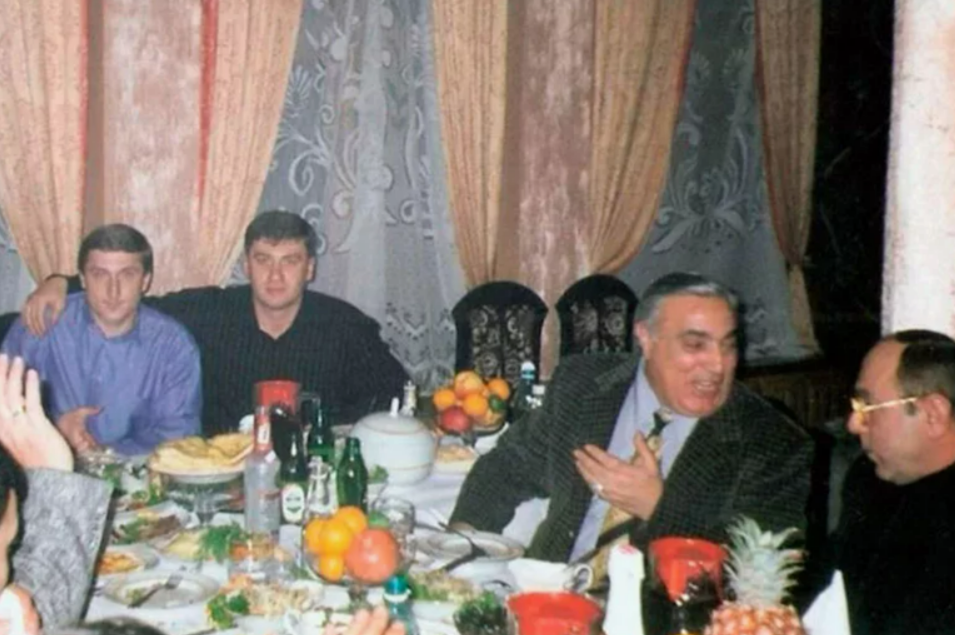
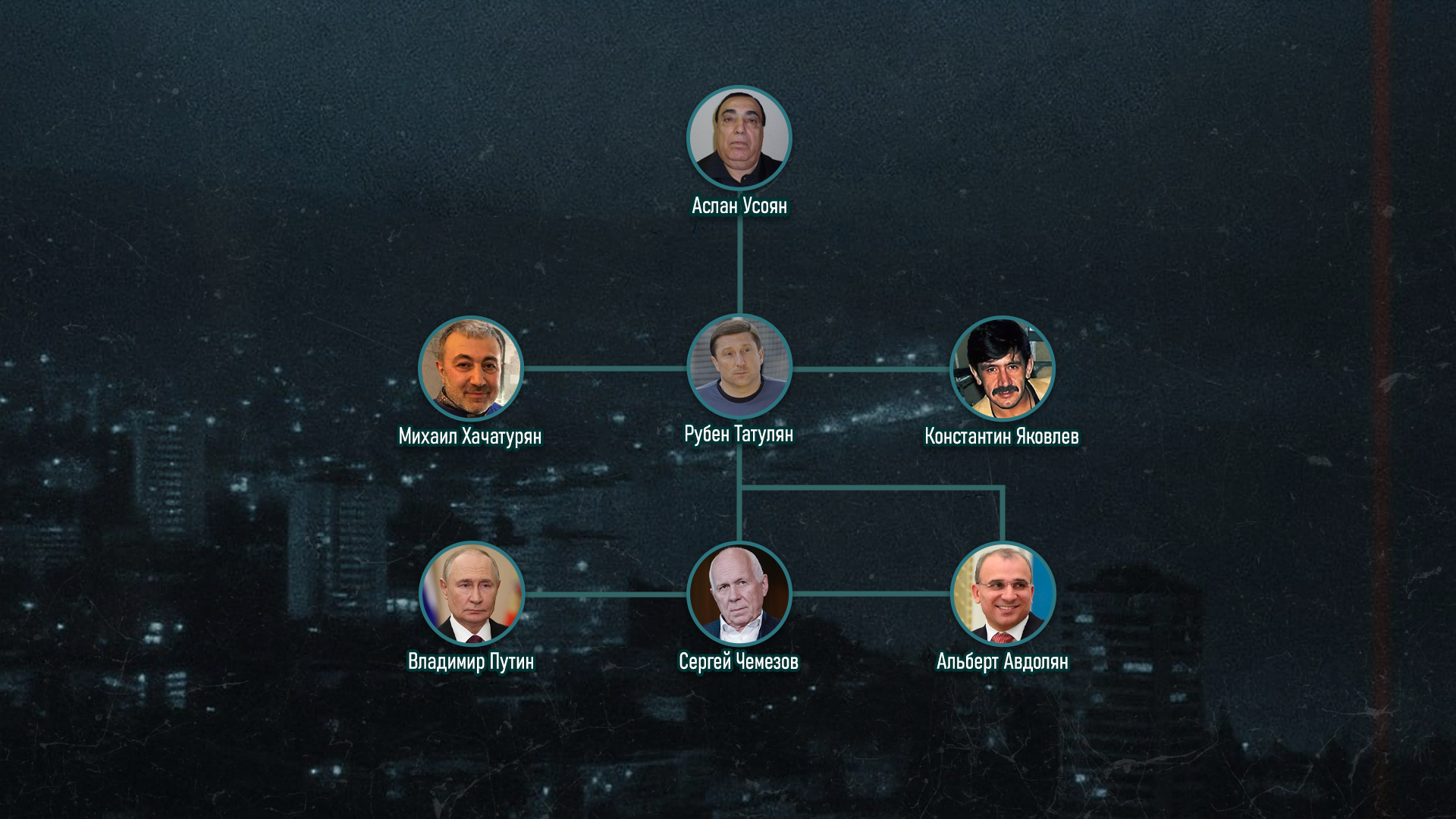
Также существует фотография с убитым в 2003 году питерским вором Константином Яковлевым, более известным как Костя Могила. Кроме того, Татулян засветился на общей фотографии с Михаилом Хачатуряном, которого в 2018 году убили родные дочери из-за многолетнего домашнего и сексуализированного насилия. Бывшая жена насильника рассказывала журналистам, что Хачатурян занимался тем, что «грел сидельцев в тюрьмах»: «Покупал машинами вещи, еду, сигареты — и развозил, куда скажут. За это имел свой процент. Кстати, героин, который вроде как нашли в его машине, мог тоже предназначаться для заключённых».
В 2017 году Татулян попал в американский санкционный список. Минфин США добавил туда Робсона из-за того, что с 2010 года он оказывал юридическую и финансовую поддержку ворам в законе, а также был смотрящим за Сочи. Сам он говорил, что ему безразлична Америка, так как это страна без культуры, «состоящая из бургеров, белой майки и джинсов»: «Мне не интересно, какие санкции ввели против меня Соединенные Штаты Америки. Я не вижу вообще эту страну ни в своем будущем, ни в настоящем, ни в каком. Единственная страна, которая мне интересна, которую я уважаю и буду уважать — это Россия. До мозга костей буду ее уважать».
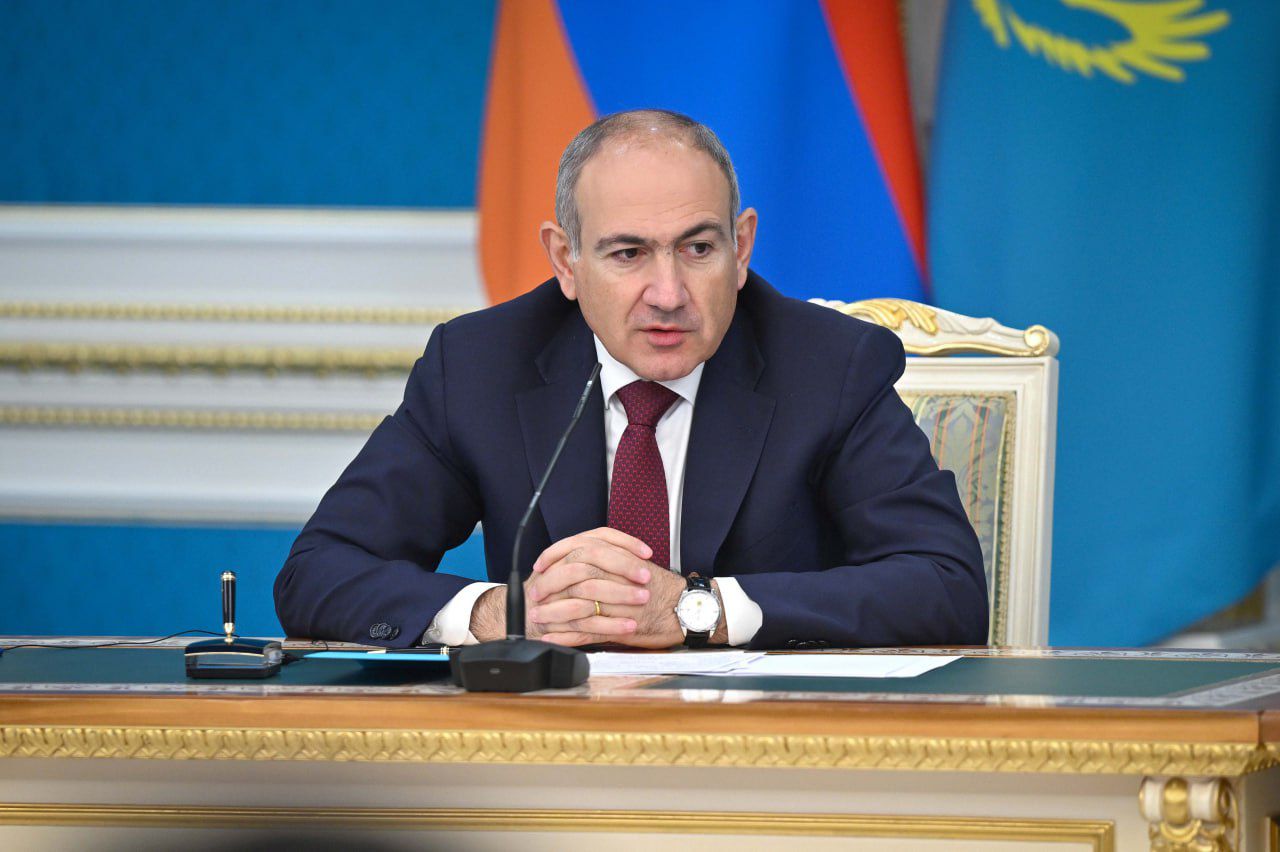
Помимо российского, у Татуляна есть и гражданство Армении, а в 2010-х годах он получил дипломатический паспорт этой страны. Официально бандита оформили как советника или представителя по особым поручениям. Это выяснилось весной 2017 года, когда в Чехии полиция накрыла воровскую сходку, в которой участвовал Татулян. Правоохранителям пришлось отпустить Робсона, так как у него был дипломатический иммунитет. Этот случай вызвал скандал. Армянские журналисты направили запрос в МИД Армении, требуя объяснить, на каком основании бизнесмену из Сочи выдан такой документ. Официальный ответ гласил, что дипломатический паспорт Татуляну дали «за активную работу, направленную на экономическое развитие страны и привлечение инвестиций».
После революции в Армении в 2018 году новый премьер Никол Пашинян инициировал отзыв многих дипломатических паспортов, выданных при прежнем режиме. Под эту кампанию попал и Робсон — его армянский диппаспорт был аннулирован решением МИД. Но уже спустя два года Татулян, благодаря своей дружбе с только что вступившим в должность президента Абхазии Асланом Бжания, обзавелся гражданством и диппаспортом непризнанной республики.
На автомобиле с дипломатическими номерами Абхазии Робсон как минимум однажды путешествовал совместно с Сергеем Чемезовым, давним другом, сослуживцем по КГБ президента Владимира Путина и главой госкорпорации «Ростех». По данным утечек о пересечении границы, на такой машине Татулян и Чемезов вместе проходили абхазскую границу в августе 2020 года. Но больше Робсон предпочитал компанию бизнес-партнера главы «Ростеха» Альберта Авдоляна и его жены. В разных составах Татулян и супруги Авдоляны летали в Армению, Францию и Объединенные Арабские Эмираты. Вместе они пересекали границу минимум 10 раз с 2015 по 2021 годы.
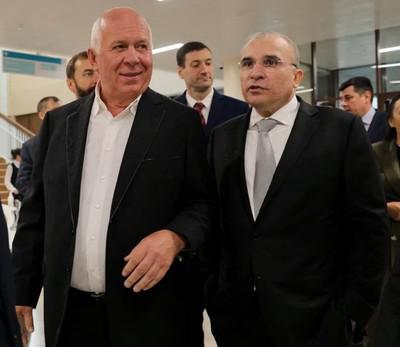
В 2022 году наличие у Робсона диппаспорта Абхазии вызвало громкий скандал в республике. Оппозиционное «Абхазское народное движение» потребовало от прокуратуры проверить законность выдачи тысяч диппаспортов гражданам других стран, среди которых упоминался и Татулян. Сочинский смотрящий в ответ публично оскорбил лидера оппозиции Адгура Ардзинба, назвав его двуликим и слабохарактерным. Робсон заявил, что «готов пожертвовать этому человеку шампунь Head&Shoulders — все знают, от чего он помогает». Также Робсон говорил, что его предки «проливали кровь за свободу Абхазии», а сам он 30 лет помогает республике — ремонтирует школы, детсады и дороги.
История десятая. Крах Робсона
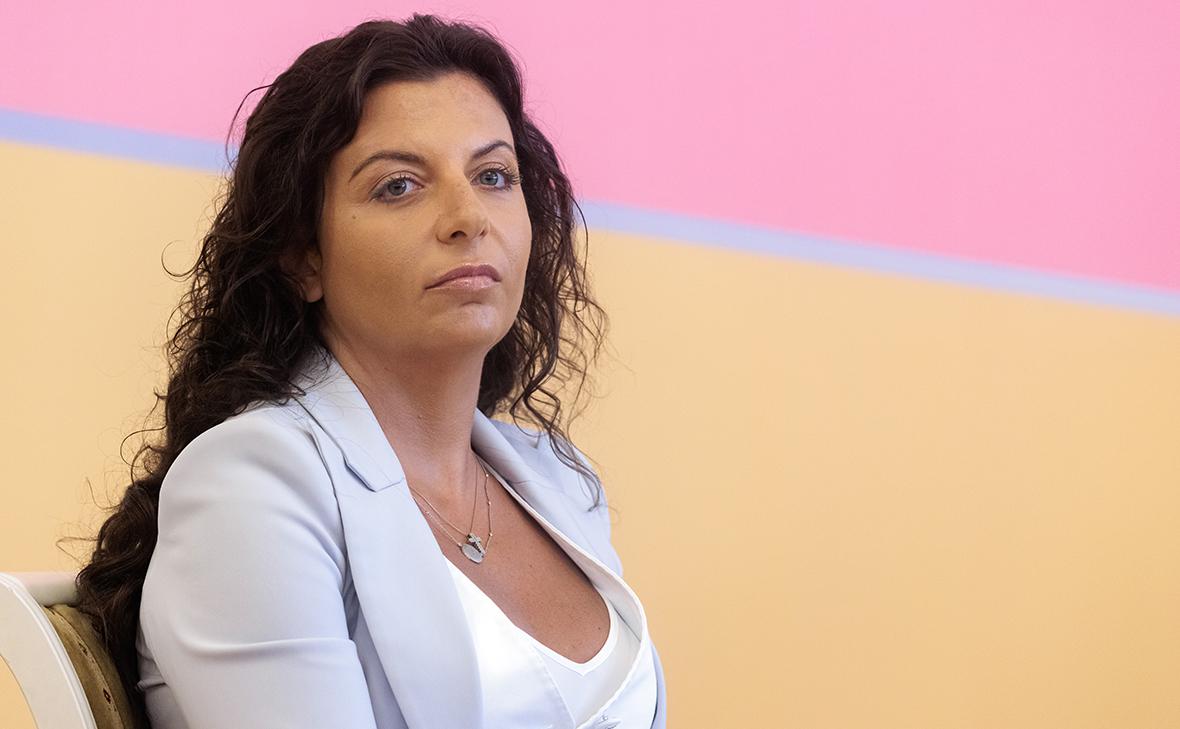
В сентябре 2022 года Татулян поддержал российское вторжение в Украину. Об этом написала глава Russia Today Маргарита Симоньян. Робсон решил поучаствовать во флешмобе, который придумала пропагандистка и заявил, что будет ежемесячно переводить по 25 тысяч рублей 50 семьям мобилизованных в Сочи. По сообщениям самой Симоньян, в флешмобе помимо Татуляна решились поучаствовать бывший губернатор Кубани Александр Ткачев и Роман Ротенберг — первый вице-президент Федерации хоккея России, сын давнего друга Владимира Путина Бориса Ротенберга.
Однако поддержка войны, как и некогда «воспитание партийной средой» Мерзлого, не спасла Робсона от преследований в России. Вслед за своими американскими коллегами за бизнесмена взялась и российская полиция. Осенью 2022 года у Татуляна прошли обыски и МВД объявило его в розыск. Робсона заподозрили в крупном мошенничестве при строительстве торговых центров и жилых комплексов. Сам он к тому моменту уехал из России.
Летом 2024 года суд отобрал у Татуляна в пользу государства ключевые объекты недвижимости. Иск об изъятии подал замгенпрокурора Анатолий Разинкин, и суд удовлетворил требования, признав ряд построек незаконными. В перечень отошедшего государству имущества вошли апарт-отель Volna Resort & Spa, несколько гостиничных корпусов, ресторан «Весна», пляж, спорткомплекс, бассейн и другие строения. Оценочная стоимость всех этих активов — около 30 млрд руб.
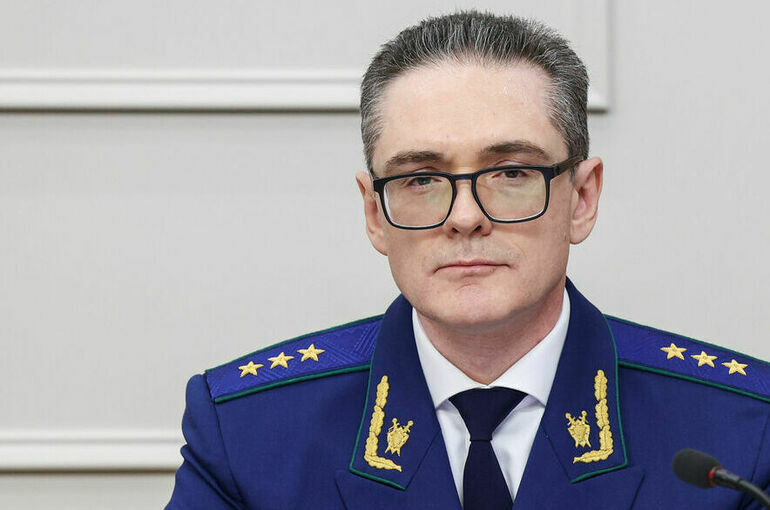
Осенью 2024 года репрессии продолжились. Было возбуждено уголовное дело об организации преступного сообщества. Следствие официально заявило, что располагает материалами о создании Татуляном устойчивой банды, занимавшейся тяжкими преступлениями. Сам Татулян, по версии МВД и ФСБ, распределял роли между участниками, оставаясь лидером банды. За длительный период (более 20 лет) это сообщество совершило целый ряд громких преступлений от вымогательств и мошенничеств до угроз убийством и организации заказных расправ.
Удары обрушились не только на самого Робсона, но и на его близких. Сестру Татуляна, Анжелу Селюкову, которая была депутатом Горсобрания Сочи, в сентябре 2024 года досрочно лишили полномочий «в связи с утратой доверия». Проверка прокуратуры выявила, что она предоставила недостоверные сведения о доходах и имуществе. В том числе, сестра бандита не указала получение девяти млн долл. от продажи акций отеля Volna Resort & Spa в 2020-2021 годах, а также занизила на 5,5 млн руб. доход от продажи автомобиля Bentley. В апреле 2025 года силовики по подозрению в мошенничестве с землей задержали дядю Робсона, Эдуарда Каладжяна.
Conclusion
История семьи Мерзлых и других фигур ясно показывают, что организованная преступность в России возникла задолго до девяностых. Ее фундамент был заложен еще в советскую эпоху, когда партийные связи, коррупция и теневые схемы переплелись с самой системой власти. Чиновники и силовики одновременно играли роли управленцев и покровителей, а сама «среда» формировала из людей участников преступных схем. Только та часть истории сочинского криминала, о которой мы рассказали в этом фильме насчитывает минимум 45 лет. Это около полувека непрерывной родственной и корпоративной преемственности.
С распадом СССР мафиозные структуры не исчезли, а органично перешли в новую эпоху. Бандиты девяностых превратились в «респектабельных бизнесменов» и укрепили позиции через союз с силовиками и чиновниками, а их дети и жены получили в наследство не только капитал, но и связи. Аквапарки, гостиницы, судейские мантии и госконтракты стали фасадом, за которым продолжают работать старые преступные практики. Так возникла «наследственная мафия», где власть, суды, бизнес и криминал оказались частью одной системы.
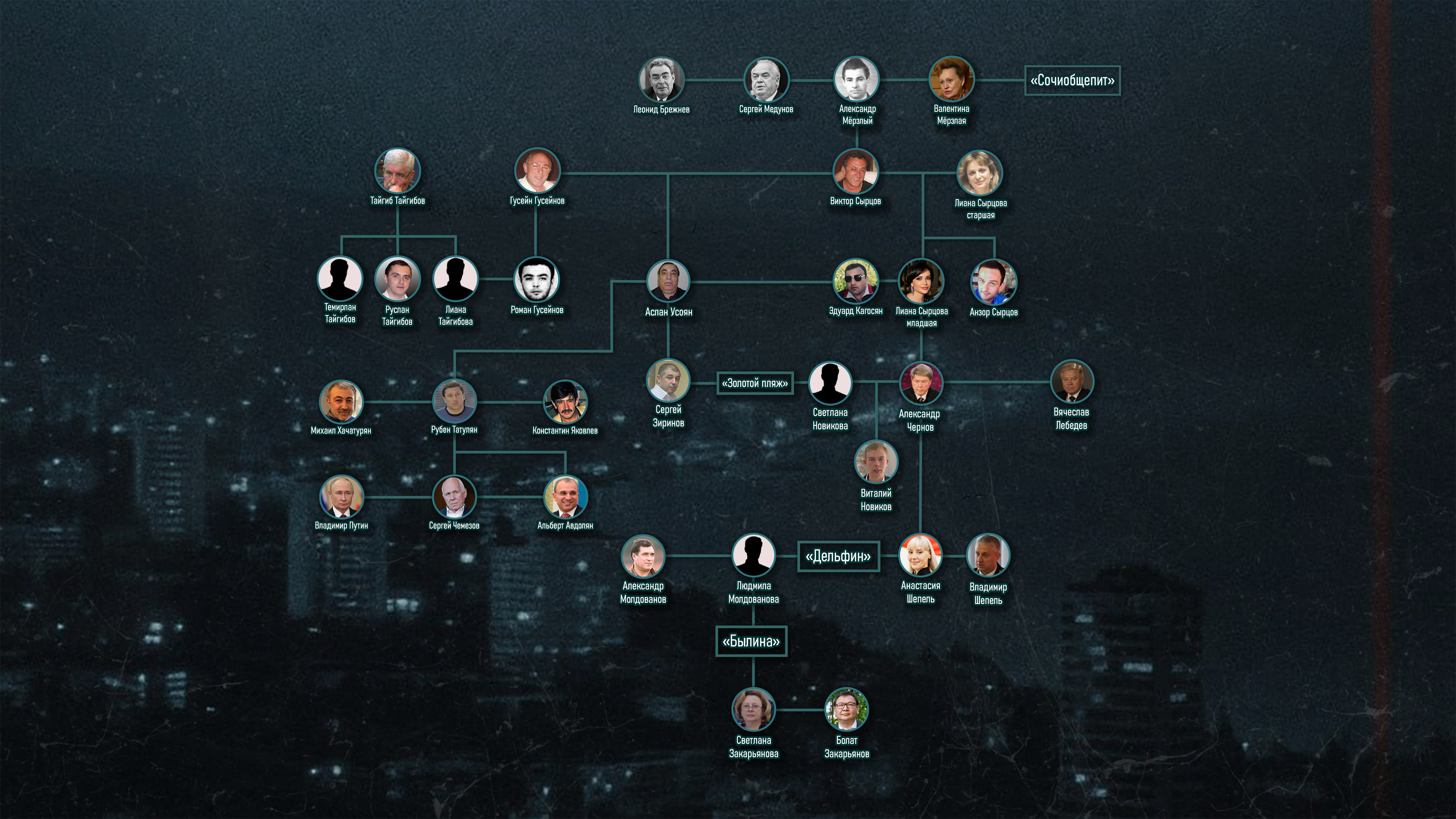
Эту сращенность особенно наглядно показывает история строительства первых элитных жилых комплексов в Сочи. Благодаря нарушениям и содействию чиновников на берегу Черного моря выросли дома, где в числе владельцев и учредителей оказались одновременно бандиты, артисты и родственники высокопоставленных политиков. Еще наглядней слияние демонстрирует Александр Чернов — глава кубанского крайсуда, который четверть века обеспечивал судебное прикрытие системе и сам оказался замешан в многомиллиардном незаконном обогащении. Его доверенным лицом выступала Лиана Сырцова-младшая, наследница криминальной династии, через которую оформлялись сделки по недвижимости. Сын Чернова, депутат Виталий Новиков, к слову, указывал телефон Лианы-младшей при открытии одного из своих банковских счетов. Судебная власть оказалась встроена в ту же криминально-чиновничью сеть, что и бизнес.
Но сочинская преступность — это не только деньги и контроль над бизнесом. Нападение на 17-летнюю Элеонору Кондратюк стало примером того, как личная страсть бандита превратилась в акт насилия, потрясший даже криминальную среду. Еще важнее то, что любые попытки вскрыть эту систему, встречали прямое сопротивление, вплоть до заказных покушений. Исполнителей находили, но настоящие заказчики оставались на свободе благодаря связям.
Криминальные авторитеты смогли легализовать свое влияние, превратившись в «уважаемых бизнесменов» и спонсоров власти. Робсон, начав с криминала — транзита угнанных машин и связей с бандитами, — встроился в систему: вступил в «Единую Россию», стал помощником олимпийского чемпиона и депутата Карелина, открывал спорткомплексы и отели, получал грамоты и инвестиционные преференции. За фасадом успеха, тем не менее, оставались его мафиозные контакты и участие в делах клана Деда Хасана.
Но даже самые влиятельные и «уважаемые» бандиты в России рано или поздно становятся жертвами той самой системы, частью которой они были десятилетиями. Робсон, владелец многомиллиардной империи и приверженец власти, в итоге пал под ее ударами. Его не спасла связь с другом Путина и поддержка войны в Украине. У бандита отобрали имущество, возбудили уголовные дела и ударили по всей семье.
Все эти истории, от советских экспериментов Медунова до краха Робсона и разоблачений Чернова, показывают одно и то же: организованная преступность в России не возникла в девяностые, как утверждает официальная пропаганда и, тем более, не пропала в начале нулевых. Она уходит корнями в советскую номенклатуру, десятилетиями жила в симбиозе с властью и по сей день остается ее неотъемлемой частью. Мафия здесь никогда не была альтернативой государству — она всегда была его тенью, продолжением и отражением.