
Translated material
War
One thousand three hundred eighty-four day. Zelensky meets with leaders of Germany, France and Great Britain
Since February 24, 2022, Meduza has been broadcasting live about the Russian-Ukrainian war. We publish your letters in our daily materials because we are sure that we need to continue talking about the war. Share with us the thoughts you have about the war. What feelings are you experiencing? How does war affect you, your life, the lives of your loved ones and your attitude towards the world? The feedback form is at the end of this article. A review of the previous day can be read here .
World
Zelensky meets with the leaders of the “European trio”
President of Ukraine Vladimir Zelensky today in London meets with the leaders of European countries who are most actively trying to participate in a peace settlement - German Chancellor Friedrich Merz, French President Emmanuel Macron and British Prime Minister Keir Starmer.
Macron’s office noted that this will be the first meeting in the “troika plus Ukraine” format at the level of state leaders. This format is intended to develop a consolidated European-Ukrainian position and “harmonize the discussion with the Americans.”
After this meeting, it is expected to hold negotiations “in a broader European context” and then with US President Donald Trump.
Trump said the day before that he was “disappointed” that Zelensky had not yet familiarized himself with the new parameters of the peace proposal, which special envoy Steve Witkoff and the US president’s son-in-law Jared Kushner discussed with the Ukrainian delegation in Florida from December 4 to 6.
RBC-Ukraine sources explained this delay due to fears of information leakage. According to the agency’s interlocutors, it was decided that the head of the Ukrainian delegation, Rustem Umerov, should tell Zelensky about the results of the negotiations only during a personal meeting. This should happen today (it is unclear whether before or after negotiations between the Ukrainian President and European leaders).
The RBC-Ukraine source also noted that one of the most difficult issues is still the issue of territories. Umerov did not comment on the progress of the negotiations, only noting that the first priority was to obtain complete information from the United States about the meeting between Witkoff and Kushner with Russian President Vladimir Putin in Moscow.
Insurance of ships that transport cargo in the Black Sea has risen sharply
The cost of insuring ships shipping in the Black Sea has almost tripled over the past month amid Ukrainian drone attacks on tankers, the Financial Times writes .
If at the beginning of November war risk insurance amounted to 0.25-0.3% of the cost of the vessel, then at the beginning of December - from 0.5% to 0.75%.
As market participants said, tariffs for tankers directly connected to Russia have increased the most. The market fears that not only “shadow fleet” tankers, but also vessels engaged in legal trade may become targets for Ukrainian attacks in the future.
Tariffs have also increased for ships that carry out transportation near the coasts of Ukraine, Georgia and Turkey. Analysts believe that Ukraine's attacks could prompt the Russian Federation to retaliate against ships exporting Ukrainian grain and ammonia.
At the end of November, Ukraine attacked the Kairos and Virat tankers, which are under sanctions and part of the “shadow fleet” exporting Russian oil, with attack drones. This incident attracted widespread attention because it occurred directly off the coast of Turkey - so far, Ukraine has attacked ships only off the Russian coast.
A few days later, Vladimir Putin commented on the incident - he called the attacks “piracy” and threatened to “expand the range of attacks” on Ukrainian ports and the ships located in them, and in the future to “cut off Ukraine from the sea.”
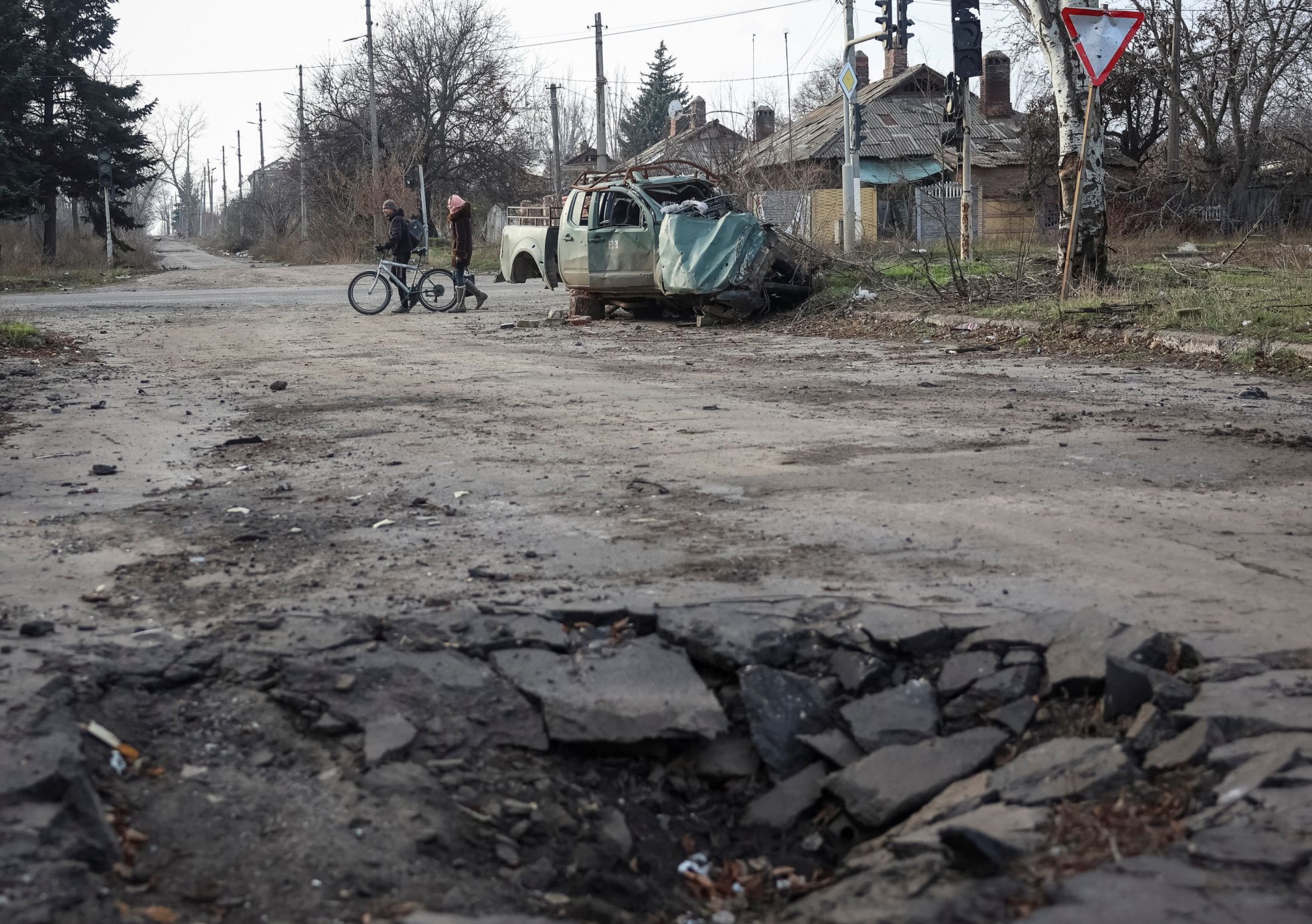
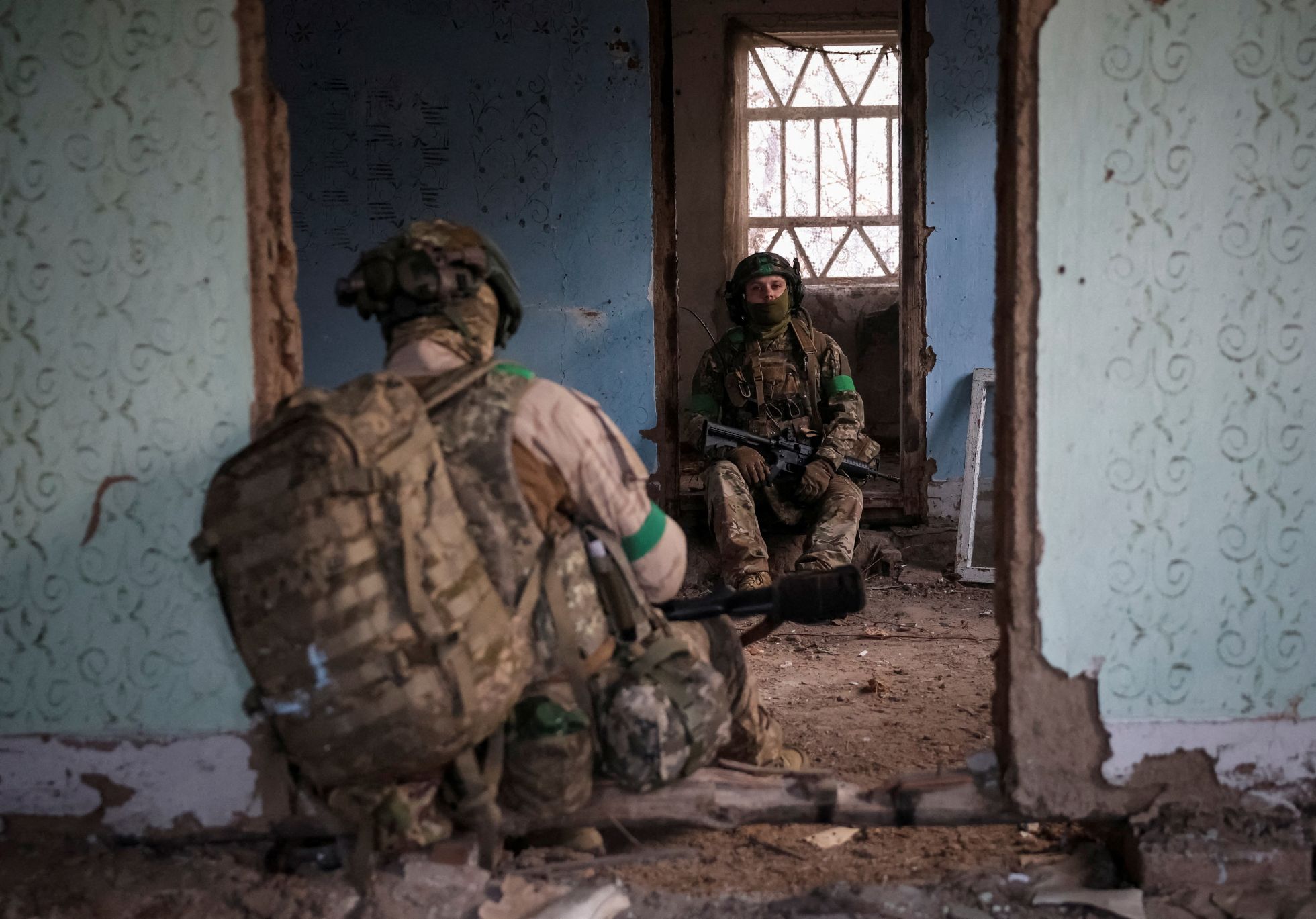
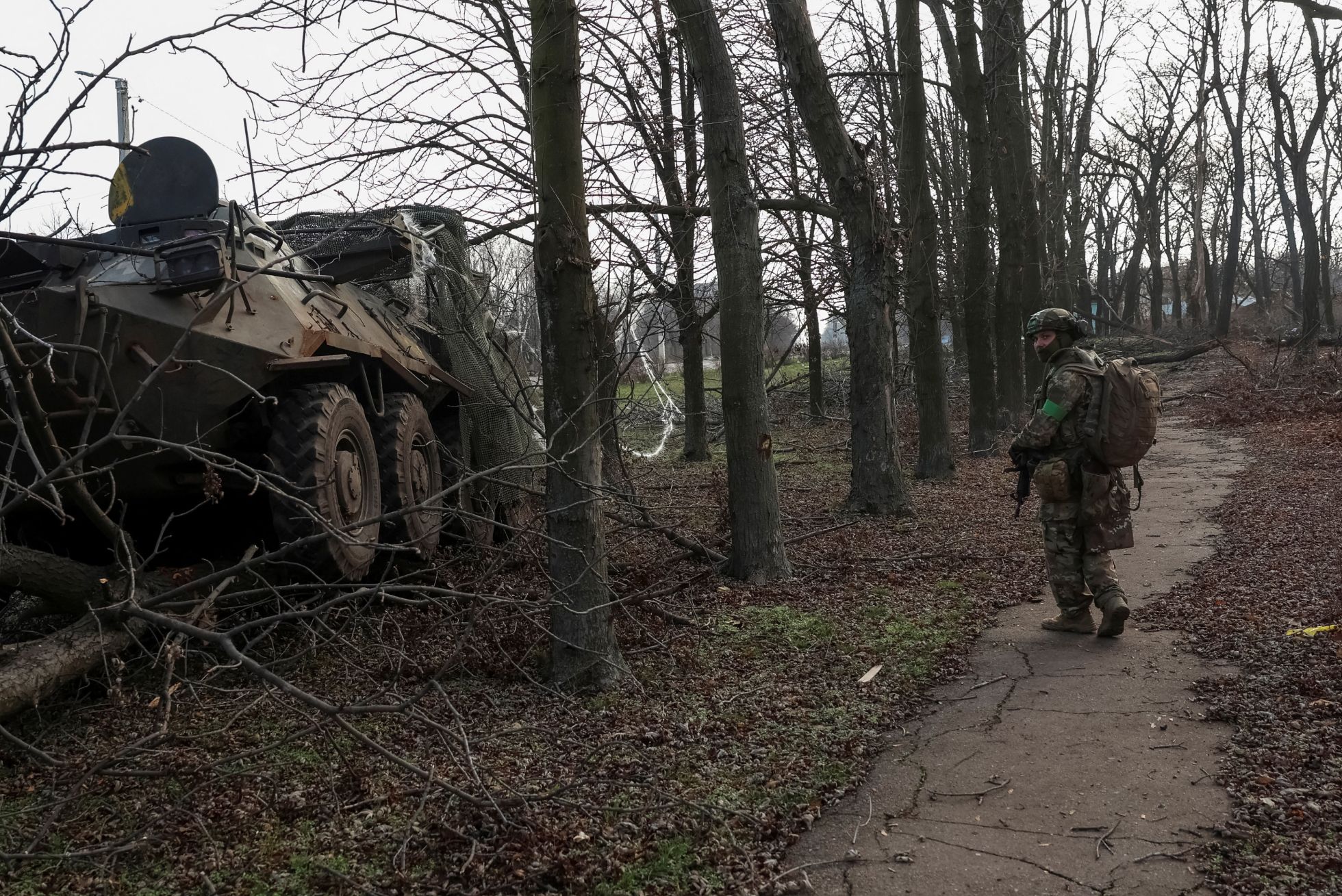
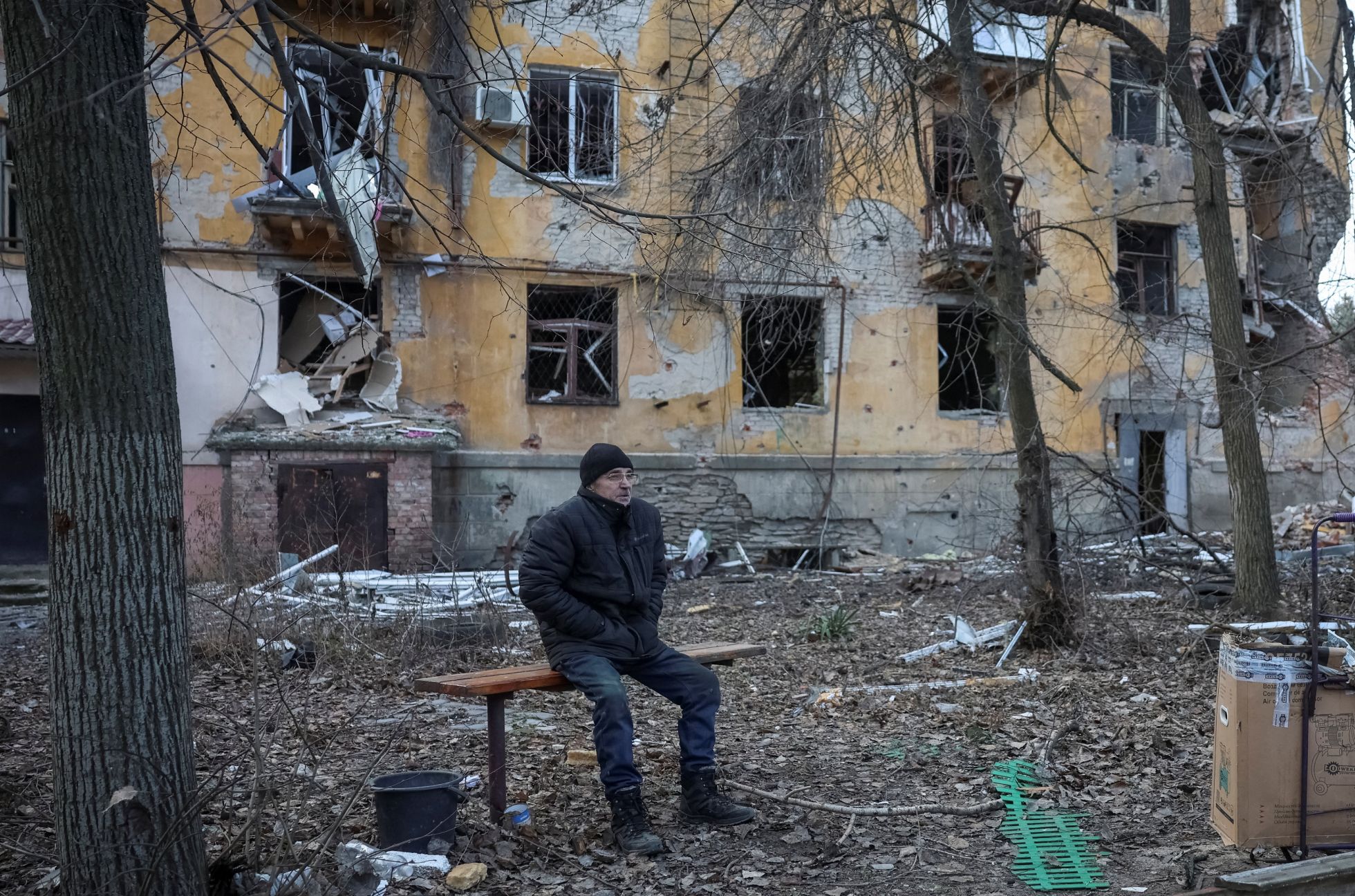
War in photographs. Konstantinovka
Konstantinovka is an important logistics hub in the Donetsk region and part of the “belt of fortresses” built by Ukraine in the part of the region under its control. The Russian military has been trying to capture the city for several weeks; in recent days, fighting has been taking place directly within the city.
In Konstantinovka, civilians are still under constant shelling (as of November 17, their number was estimated at 4,800 people), and due to the ongoing fighting, their evacuation is extremely difficult. This is what the city looks like now.
War through the eyes of Meduza readers
How we choose letters
Meduza's readers live in different countries and have different attitudes towards the war. We publish your letters to see this event through your eyes. Our editors try to present all points of view, even if they do not coincide with the editorial position. However, in accordance with the Meduza code, we do not publish messages that contain “hate speech,” justify the murder of civilians, or express direct support for an aggressive war.
Ostap (EU, formerly Nikolaev) . [AFU Commander-in-Chief Alexander] Syrsky made a statement that giving up territories is unacceptable, for the type we fight is not to give them up. Allegedly, the soldiers on the front line are also against it. They want to fight. Well, ok, then let those who want to fight! And leave the rest alone, stop busification, cancel the conscription, only let those who want to “not give up” go to the front! It will be interesting to find out how many people will then remain in the active army...
The Russians, it seems, really want to fight - there is no conscription, they volunteer. Yes, for money. And/or for an idea from TV. And the majority of Ukrainians, I am sure, no longer want either for money, or for an idea, or for territory... They want peace. So give them peace!
Share your thoughts about the war
"Jellyfish"