
Translated material
Thirty years and three degrees
We summarize COP30 and tell you why the world is still not ready for active climate action
Organizers of the COP30 anniversary climate conference in Belém promised a “moment of truth” and “realization of action.” The negotiations were expected to be an example of successful international cooperation, but instead of a breakthrough, they turned out to be yet another reminder: the world is still far from global collective action to mitigate the climate crisis. Meanwhile, the most vulnerable regions of the planet are already suffering from its consequences: island and coastal countries and the Arctic. Arctida looks at what happened at COP30, what decisions countries were able to make, and why Russia’s position on climate is dangerous.
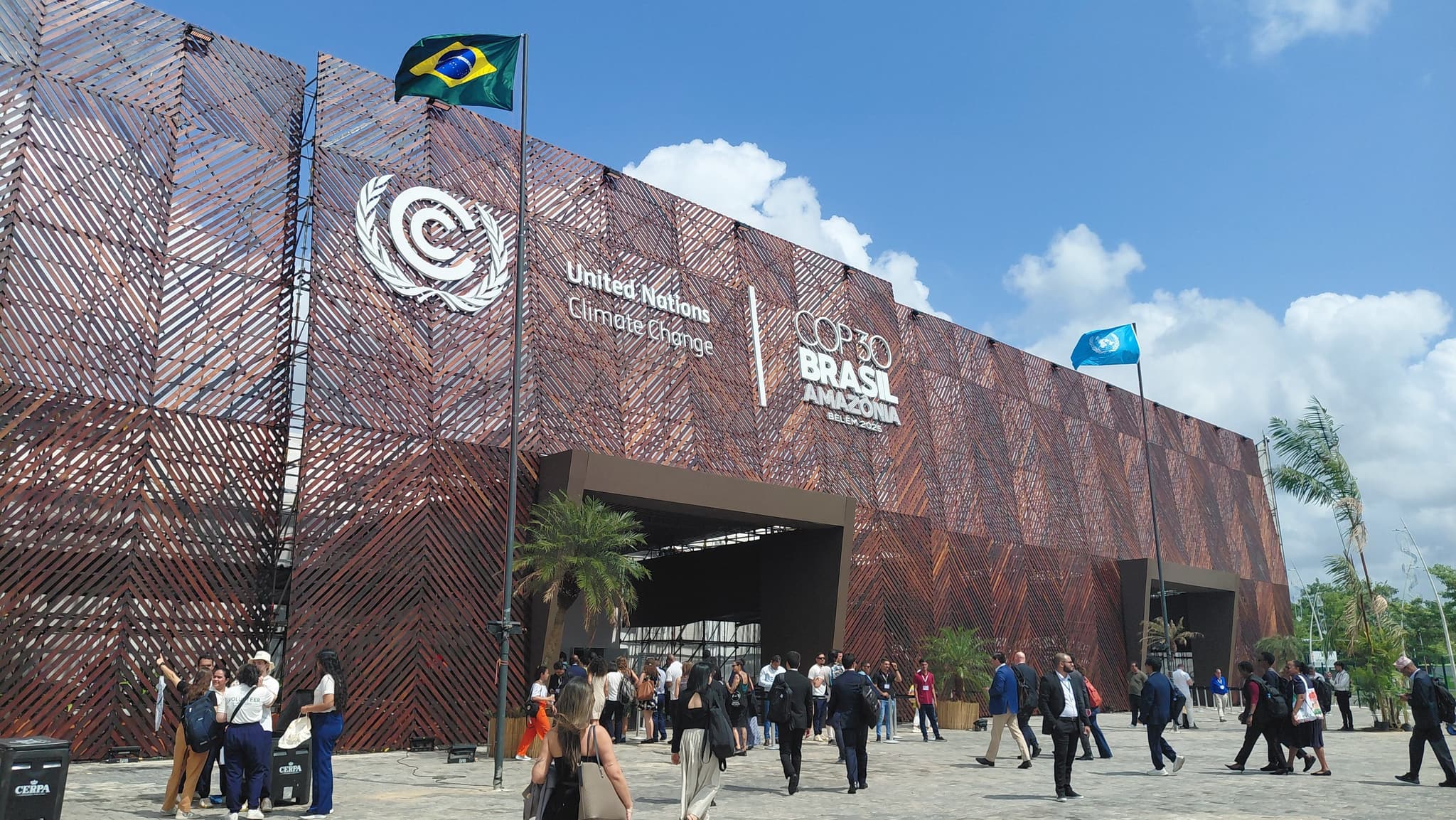
COP30 in Belém took place against the backdrop of two significant anniversaries in the history of global climate policy. In 1995, the first Conference of the Parties to the United Nations Framework Convention on Climate Change (UNFCCC COP) was held in Berlin, and in 2015, countries adopted the Paris Agreement, an international treaty that set the parties the goal of limiting the rise in global temperature to 2 °C above pre-industrial levels. At the same time, countries had to make every effort to keep this growth at 1.5 °C. As of 2025, the Paris Agreement has been ratified by 195 parties - 194 countries and the European Union; Russia joined this list in 2019, three years after signing.
One way to achieve the goal of the Paris Agreement is through Nationally Determined Contributions (NDCs). These are plans laid down by the parties to the agreement as part of the state climate policy, which should include measures to reduce greenhouse gas emissions and actions to adapt to the consequences of climate change. Countries must update their NDCs every five years and report to the UNFCCC. Based on the updated plans, it is possible to draw conclusions about how far countries have progressed in the fight against the climate crisis, and to predict trajectories of global temperature growth depending on the announced measures.
The COP30 conference was the third round of updating NDCs. By the end of the negotiations, 119 countries had submitted new plans, and their analysis showed that the world was still far from meeting the goals of the Paris Agreement. Even assuming countries fully implement their NDC promises, the current track of global average temperature growth indicates that we are closer to 3°C (2.5–3°C) . However, countries do not bear legal responsibility for failure to achieve stated goals. All agreements within the framework of the Paris Agreement are of a purely framework nature. Therefore, in fact, nothing prevents countries from limiting themselves to making loud statements about climate ambitions.
Temperature increases beyond 2°C above pre-industrial levels by the end of the century will lead to catastrophic consequences for humans and ecosystems. Vulnerable regions will be hit first and especially hard - and not only island and coastal regions and states of the Global South, but also the Arctic, which is already suffering from the climate crisis, experiencing a fourfold increase in temperature compared to the global average.
Global Mutirão: what differences are hidden behind the compromise agreement
One of the results of the negotiations at the conference was a common document combining the formal agreements of COP30 and issues that were not included on the official agenda. Such documents are also called Cover Decision; they combine the overall results of the climate conference and are adopted by consensus of all parties to the negotiations at the final meeting. Mutirão means "collective action aimed at achieving a common goal." The title of the document reflects the expectations placed on the outcome of the negotiations, but even here it was not easy for the parties to find a common language.
The text of the agreement recognizes climate change as a common problem for all humanity, emphasizing the need to comprehensively address interconnected global crises - climate change, biodiversity loss and land and ocean degradation - in the context of achieving sustainable development. In addition, the agreement calls for developed countries to triple funding for climate change adaptation by 2035.
At first glance, this may seem like an achievement, but there are also pitfalls. The agreement makes no mention of roadmaps to divest from fossil fuels and combat deforestation, which were present in the first draft text released at the beginning of the second week of negotiations. There is also no mention of the need to phase out fossil fuels: this language disappeared from the text at the initiative of a number of countries, the list of which was never published.
It is clear that even if the parties to the Paris Agreement are ready to talk about reducing greenhouse gas emissions and the importance of combating the climate crisis, many of them are not ready to document specific steps that directly affect their industry and economy.
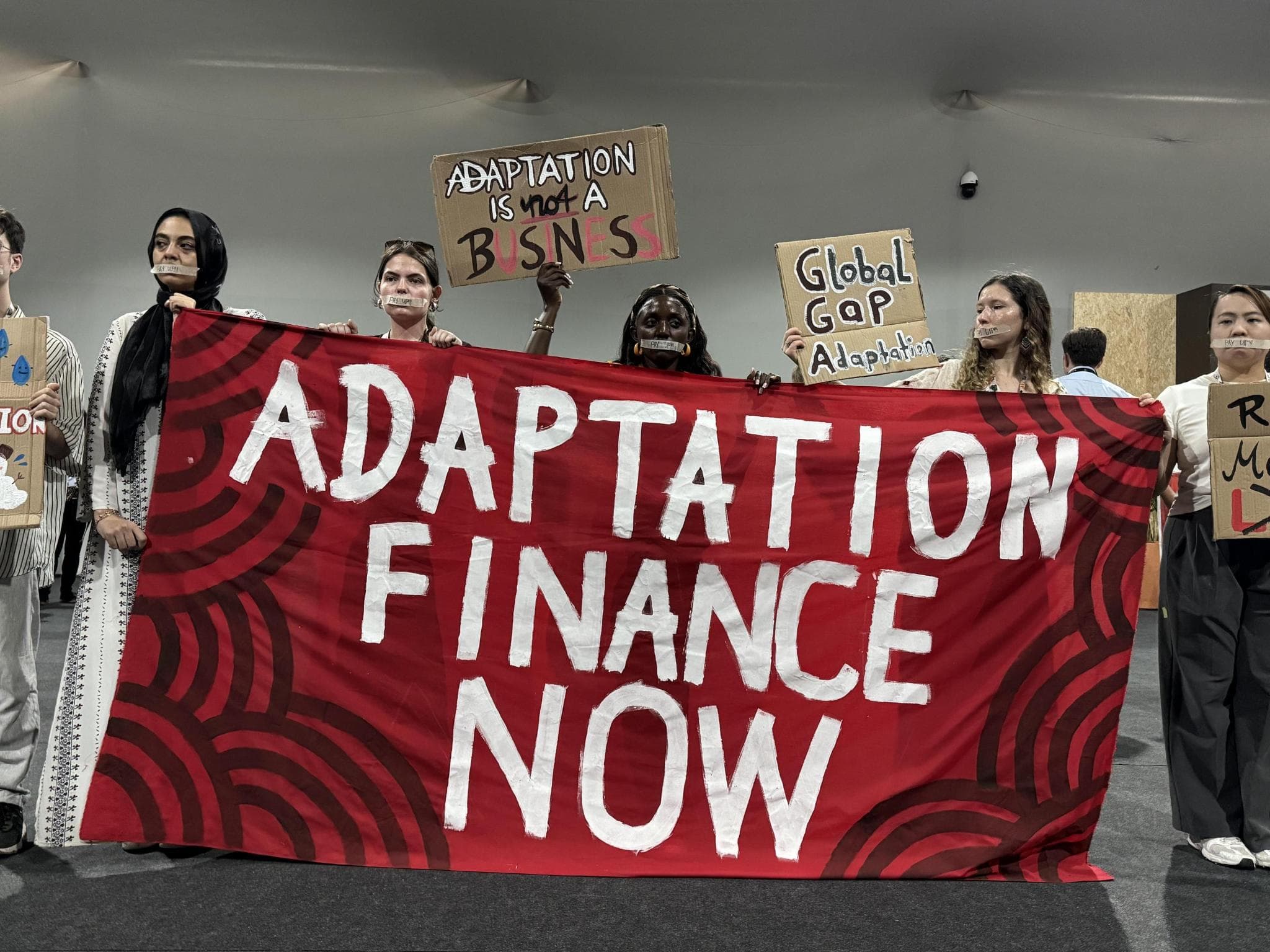
The goal of strengthening adaptation financing has also generated considerable controversy. The most vulnerable developing countries were unhappy that the goal of tripling finances was moved to 2035: in the original draft it was supposed to achieve the same indicators 5 years earlier. In 10 years, they expect to face even more devastating impacts from the climate crisis, and for many, urgent support is needed now.
Developed countries, in particular the UK and EU countries, responded by insisting on more cautious language, unwilling to take on additional financial commitments to support developing and most vulnerable countries.
More information about developed, developing and transition countries:
BAM!
Achieving Civil Society at COP30
The work program for a just transition, or Belem Action Mechanism (BAM), was one of the most significant results of the conference. The mechanism appeared on the official negotiating agenda largely thanks to the coordinated work of public organizations - a real mutirão.
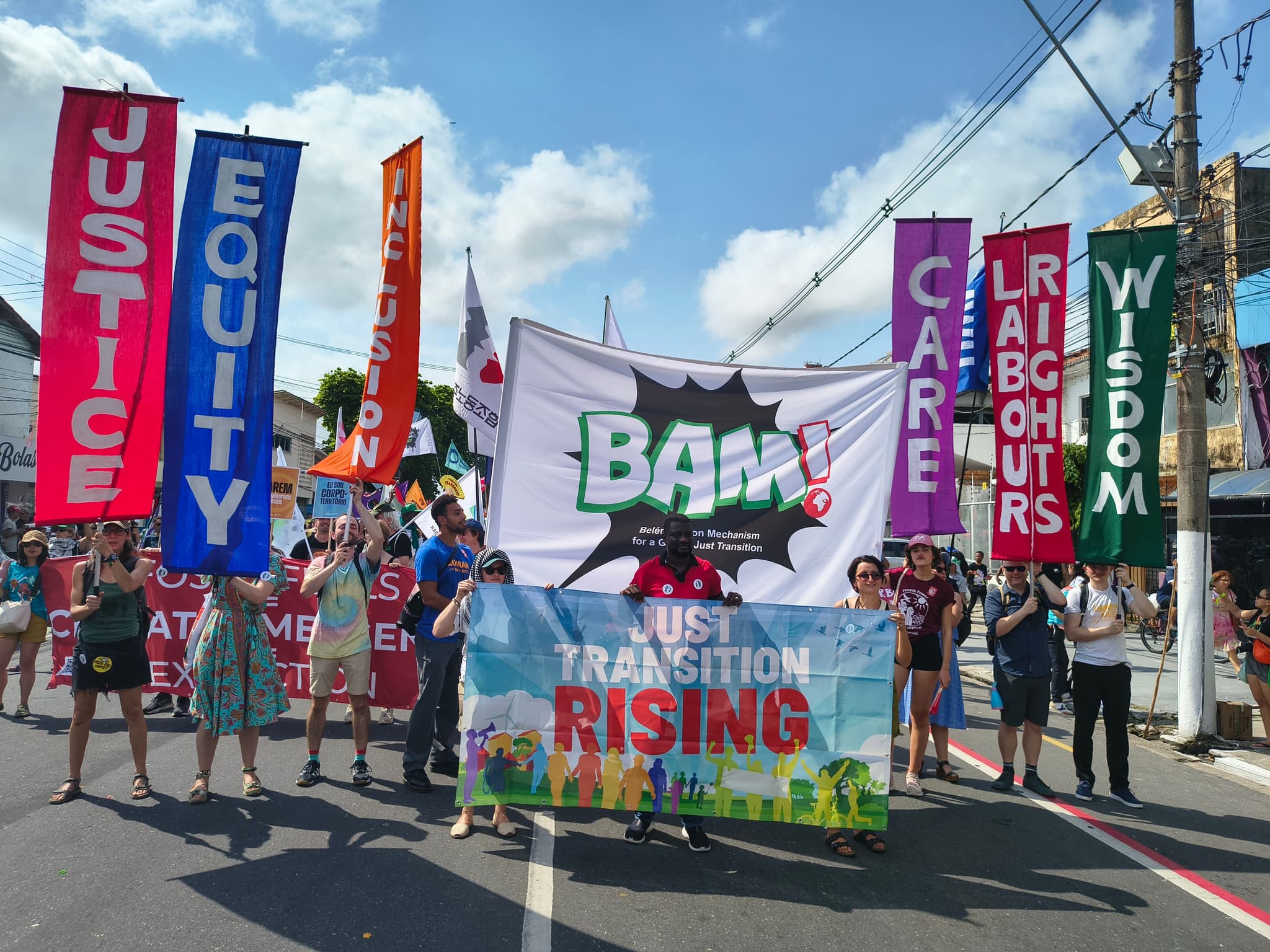
On the eve of the negotiations, NGOs agreed on their positions and prepared a demand for the conference - to adopt a new instrument in Belém, which should ensure the multilateral implementation of the global just transition process, taking into account the interests of people and environmental conservation.
“This mechanism should contribute to a just transition away from fossil fuels, transforming agriculture and food systems, promoting sustainable industrial processes, ensuring equitable use of renewable energy sources and universal access to energy, and ensuring sustainable management of ecosystems and natural resources, including equitable mineral supply chains.”
The general open letter , as well as individual positions of public organizations, combined with actions during the conference, brought a result: the mechanism was adopted, albeit in a very softened version - without mentioning the connection between the goal of limiting the increase in average global temperature, a just transition and the abandonment of fossil fuels. Also missing from the final text was language about the risks associated with the extraction of critical minerals .
Despite this, the creation of BAM is an important moment in the global climate dialogue. This mechanism involves a wide range of sectors and participants in the process, thanks to which for the first time the importance of workers in industries, people in vulnerable situations, indigenous peoples, farmers, migrants and other groups is recognized. How successful this instrument will be depends on whether it is implemented on the principles of equality, with the participation of civil society and without the influence of corporate lobbies. Otherwise, the mechanism risks becoming symbolic rather than transformative. Its detailed discussion and operationalization will continue at the next Conference of the Parties at COP31 in Turkey.
Assessing adaptation to the climate crisis: a difficult trade-off that has been in the works for many years
The most anticipated practical outcome of the Belém negotiations was the agreement on indicators for assessing adaptation measures within the framework of the Global Adaptation Goal.
More than 3.5 billion people live in areas exposed to the negative consequences of the climate crisis: floods, typhoons, extreme temperatures and other phenomena that threaten human life and the sustainability of local ecosystems.
The need to adapt to the consequences of climate change has been talked about for a long time: this was emphasized at the UN Convention in 1992. Active work on adaptation began much later. The agreement on the Global Goal was adopted in Paris in 2015, but the discussion of indicators for assessing a country's adaptation actions was first started only in Belém.
Preparation for the negotiations took two years. Experts compiled a list of approximately 10,000 potential indicators and then narrowed it down to 100 items to be discussed at the conference.
It was not easy to agree on a single list of indicators. Thus, developing countries, including the African Group, have rightly argued that implementing adaptation measures according to the existing wide list of indicators will require significant financial resources from them, which they simply do not have. Such disputes only highlight the imbalance of climate finance and the critical lack of support for developing countries - an issue that resurfaces every year during the negotiation process from different angles.
Lack of support is not the only obstacle that has stood in the way of the indicators' adoption. The difficulty was that the consequences of climate change for each region or country are individual. States and communities understand their adaptation needs differently. Therefore, during the subsequent assessment, it will be important to take into account the characteristics and problems of each of the parties.
Despite difficult negotiations, the countries managed to agree on a set of indicators with which in the future it will be possible to quantitatively and qualitatively assess the effectiveness of actions to adapt to the climate crisis. They cover the following areas:
- provision of water for domestic and economic needs;
- food security and agriculture;
- healthcare and health risks;
- ecosystems and biodiversity;
- settlements and infrastructure;
- well-being and poverty alleviation;
- knowledge and cultural heritage;
- assessing impacts, vulnerabilities and risks;
- as well as a number of indicators related to planning, implementation; monitoring and assessment of adaptation parameters.
Countries can select indicators that suit their climate risks and needs. However, the choice should not affect their receipt of financial support under the Global Goal.
Russia's position: policy of minimum obligations
Compared to previous conferences, the Russian delegation at COP30 was less active. This year, the country did not have a separate pavilion in which daily events organized by business and representatives of government departments would take place. The delegation even refused the traditional official event, at which Russia usually explicitly expresses its position on the climate crisis, decarbonization and international cooperation.
Russia’s current position in this regard can be judged by the speech of the Foreign Ministry’s special representative on climate issues, Sergei Kononuchenko, at the beginning of the second week of the conference. Kononuchenko noted that Russia recognizes the importance of combating climate change and joint international cooperation. However, he stressed that shifting the main focus to actions to reduce greenhouse gas emissions is a “dangerous distortion” and called for greater emphasis on adaptation measures.
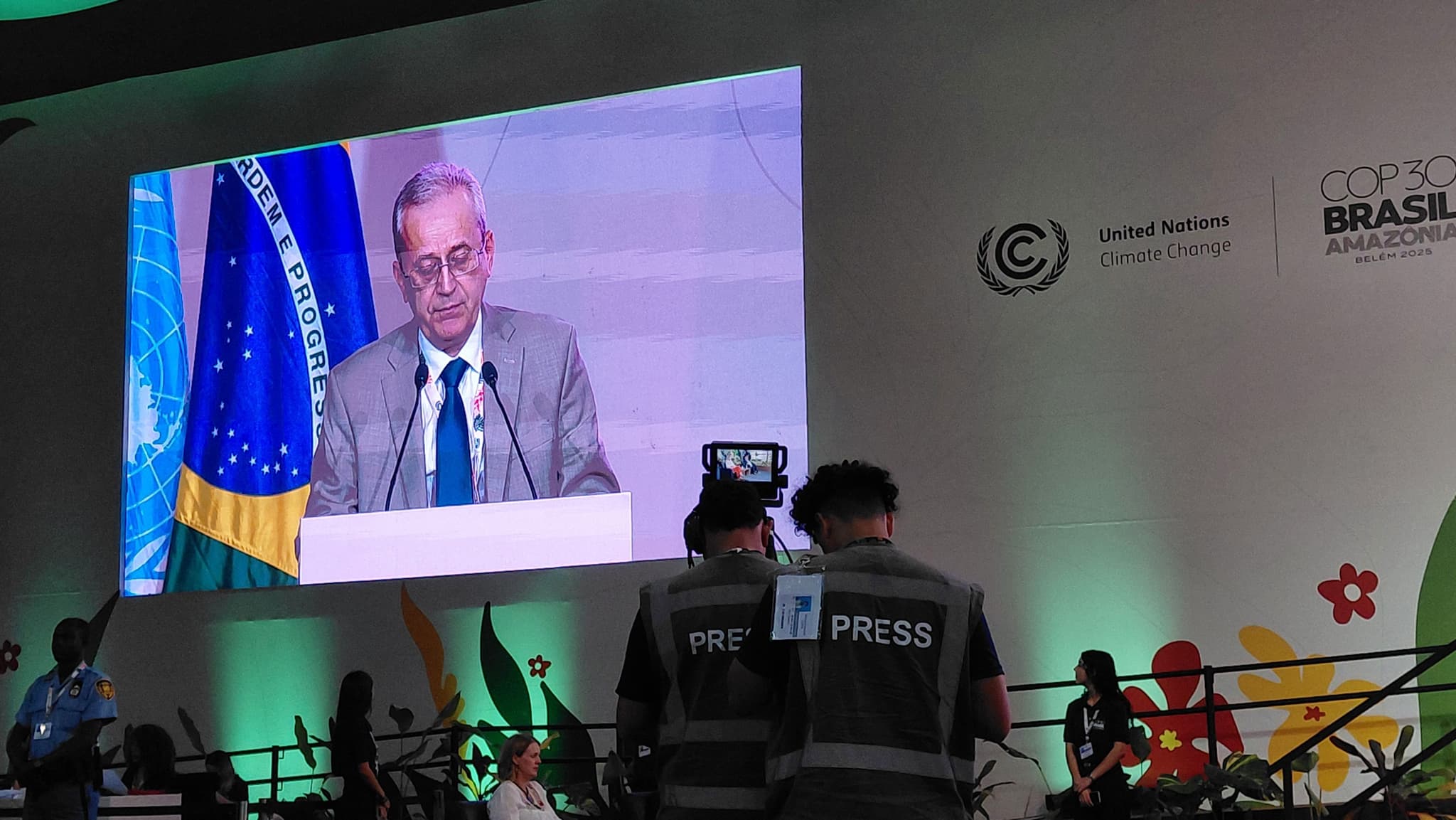
At the same time, in the framework of agreeing on indicators for assessing adaptation measures, Russia adhered to the “less is better” position, proposing to adopt only the minimum necessary indicators and postpone further discussions until next year.
Russia masterfully manages to turn terms upside down, even at the international level. For example, speaking about a just transition, Kononuchenko gave the term a special, convenient for Russia, explanation:
“Fair means taking into account national conditions, starting positions and capabilities of each country.”
That is, the focus of justice has shifted from taking into account the interests of vulnerable groups, indigenous peoples, local residents, workers and, in general, the interests of citizens to the immediate benefits for the state. It can be assumed that by “starting conditions ” the special representative of the Ministry of Foreign Affairs meant the Russian economy, which is deeply tied to the production and sale of fossil fuels. And Kononuchenko’s next statement confirms this.
“Calls for accelerated shock decarbonization not only threaten economic and energy security, but also deepen global inequalities,” he said.
Kononuchenko’s statement at COP30 fits into Russia’s long-term position at climate conferences. However, now Russia’s reluctance to actively engage in the fight against the climate crisis is becoming increasingly clear. This is indicated by the insistent proposals not to introduce new mechanisms and obligations for the parties to the agreement, and the refusal to perceive the reduction of greenhouse gas emissions as a priority action.
Among other things, Russia insists on using the term “low-carbon economy,” citing its reluctance to move away from fossil fuels, while actively promoting the concept of “technology neutrality” in an attempt to shift the focus from renewable energy sources to natural gas and nuclear power. Russia insists that it is not so important which technologies a country chooses to use, as long as the total balance is achieved between emissions and absorption of carbon dioxide. However, this approach only leads away from the real solution to the climate crisis.
Russia's position is logical, given that the country puts its industrial interests above environmental conservation. An example of this is the intensive industrialization of the Arctic, despite the melting of permafrost and other significant climate risks in the region.
Russia is not the only country taking a rather blocking position in climate negotiations. In an alliance with other producing countries such as Saudi Arabia, parties to the agreement have consistently opposed the inclusion of any reference to fossil fuels in official documents, attempting to maintain the energy status quo.
Russia's position raises serious concerns, to say the least. Even the NDCs submitted by the country this year imply an increase in greenhouse gas emissions instead of a decrease. Against the backdrop of growing climate risks and the inevitable restructuring of the global economy in the future, what is happening looks ominous.
By refusing to cut emissions and stalling progress on international agreements, Russia stands to gain nothing but short-term financial gain by continuing to develop its fossil fuel industry. In the future, this position could lead to tragic consequences both for the economy and for the people of Russia. The desire to increase greenhouse gas emissions will only worsen the consequences of the climate crisis. Already vulnerable regions, such as the Arctic, will especially suffer from this.
Unless Russia changes its approach and actively begins to reduce greenhouse gas emissions in practice and implement adaptation measures, people and ecosystems will suffer first. In addition, greenhouse gases generated by Russia will worsen climate change throughout the planet. This is the distributed historical responsibility that Russia is trying to avoid by playing with “low-carbon” terms, but which will not be avoided if nothing changes in the near future.
Cover photo: Unsplash