
Translated material
Why did he talk about torture?
Yekaterinburg human rights activist Alexei Sokolov was accused of treason. We show why
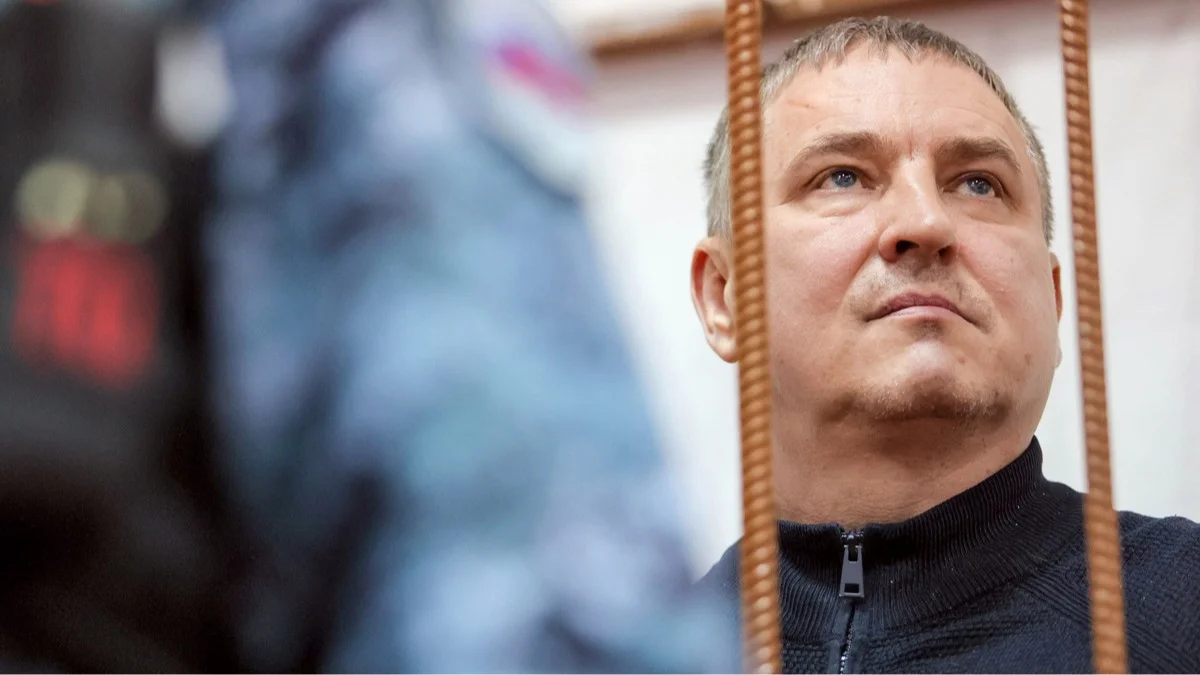
Alexey Sokolov during a court hearing, Yekaterinburg, December 18, 2025. Photo: Marina Moldavskaya / Kommersant / Vida Press
On December 18, 2025, human rights activist Alexei Sokolov, arrested the day before in Yekaterinburg, was charged under Article 275 of the Criminal Code of the Russian Federation - high treason. Two days earlier, on December 16, he and his associates Roman Kachanov and Larisa Zakharova were searched, after which all three were deprived of their liberty. Sokolov - under the article of treason, his associates - for organizing the activities of an “undesirable” organization. This comes amid a sharp increase in the number of criminal cases of treason in Russia - an article that was used relatively rarely in the past. In 2021, there is no official data on sentences under Article 275 of the Criminal Code of the Russian Federation, or their number is not actually recorded in judicial statistics; in 2022 there were 16 such sentences, in 2023 - already 39, but in 2024 145 people were convicted under this article. This is almost four times more than the previous year and the highest in modern history according to available judicial statistics.
HELP "NEW-EUROPE"
Who is Alexey SokolovAlexey Sokolov (born May 24, 1973) is a Russian human rights activist from Yekaterinburg, known for his work protecting the rights of prisoners and monitoring conditions in prisons. His public activities are primarily related to recording and publishing cases of torture, ill-treatment and human rights violations in the FSIN system.
In his youth, Alexey Sokolov was convicted in a criminal case and served his sentence in prison. During his stay in the colony, he faced difficult conditions of detention and after his release he became involved in human rights activities.
Since the mid-2000s, Sokolov has become publicly known. In 2005, he founded the human rights organization “Legal Basis”, which was engaged in providing assistance to prisoners and their relatives, preparing complaints and appeals, as well as collecting information about violations in colonies and pre-trial detention centers.
IK-2 of Yekaterinburg: pedagogical torture
In 2006, in the correctional colony IK-2 in Yekaterinburg, a conflict occurred between prisoners, as a result of which two of them died. During this period, Yekaterinburg human rights activists, including Alexey Sokolov, were already systematically collecting evidence, video materials and documents about the use of violence in the institution. They got their hands on authentic footage of beatings and torture of prisoners, and also became aware of the facts of the use of prisoner “asset” from among the most cruel convicts, who, under the guise of the so-called “Section of Discipline and Order,” following the orders of the colony staff, beat their own cellmates in order to force testimony or confession.
The beatings were recorded on video by the employees themselves and then demonstrated to other prisoners “for pedagogical purposes” (the know-how of the then head of IK-2, Sergei Vetoshkin, who had a doctorate in pedagogical sciences). Under him, the PFRSI (premises functioning as a pre-trial detention center) on the territory of IK-2 gained an unfavorable reputation as a “press hut” far beyond the borders of the Sverdlovsk region.
Human rights activists initiated one prosecutorial investigation after another, but in vain - until people died. A big scandal broke out, as a result of which Vetoshkin was fired, and the FFRSI was closed supposedly “for repairs.”
In 2007, following these events, Sokolov posted on YouTube the film “Torture Factory, or Pedagogical Experience” (now deleted), in which he recorded and summarized the collected materials and immortalized Sergei Vetoshkin as the creator of a special, “pedagogical” model of violence. The release of the film caused a wide public and media response; footage from it was broadcast by Russian and foreign media and became one of the most famous public evidence of institutionalized violence in correctional institutions of the Sverdlovsk region. When Sergei Vetoshkin was dismissed, the reasons related to the existence of the torture system were not directly stated in the official wording of the dismissal. Therefore, after leaving the Federal Penitentiary Service, Vetoshkin set out to train a replacement worthy of himself, getting a job as a teacher at the Russian State Vocational Pedagogical University.
Kopeysk: investigation into the deaths of prisoners
In 2008, a federal law was adopted on public control over ensuring human rights in places of forced detention. Alexey Sokolov was elected a member of the Public Monitoring Commission for the Sverdlovsk Region. As soon as he began his new duties, he immediately became involved in another conflict with the leadership of the FSIN.
In May 2008, a serious incident occurred in correctional colony No. 1 in the city of Kopeisk, Chelyabinsk region: several prisoners died in the colony. The administration of the institution refused to accept responsibility and stated that the death was the result of an “attack by prisoners on staff” or other “natural causes.”
Human rights activists, including Alexey Sokolov, went to the site and recorded traces of violence on the bodies of the dead in the morgue. These materials were made public and caused a wide public outcry. After publications and checks, the official version was revised, and criminal cases were initiated against the colony employees.
Prosecution and sentencing
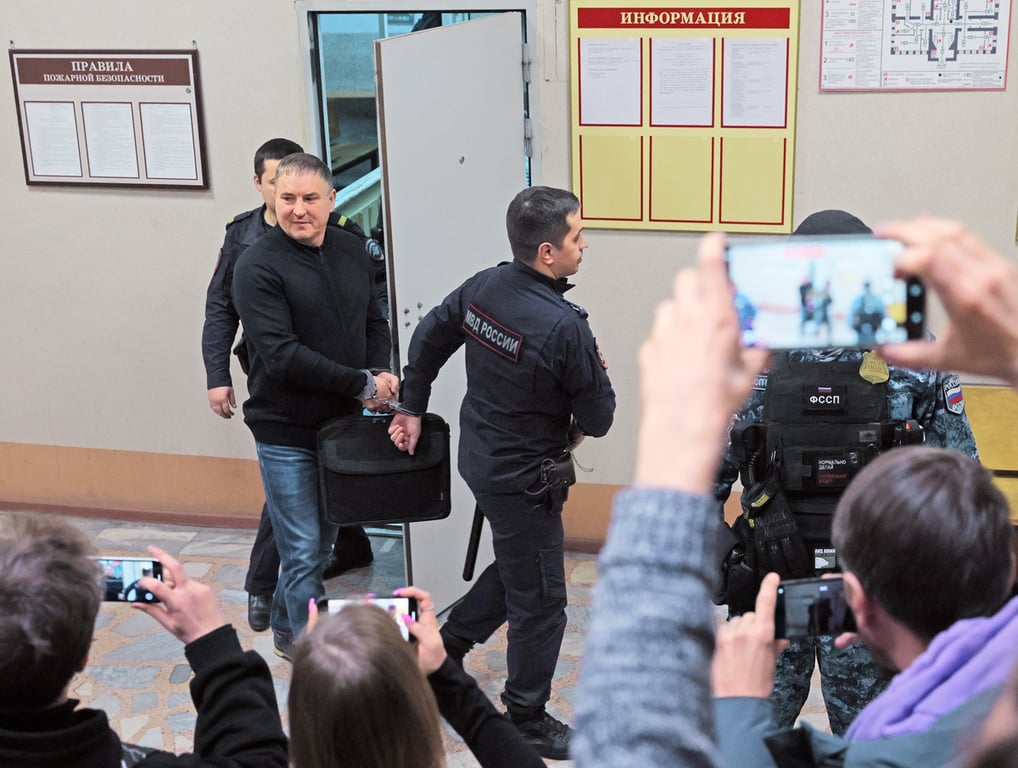
The high-profile investigation was highly appreciated by the leadership of the Federal Penitentiary Service: soon after this, a criminal case was very quickly initiated against Alexey Sokolov. The basis for the accusation was the testimony of former convicts, who in 2009 suddenly “remembered” a crime allegedly committed by Sokolov back in 2004. Alexey was accused of theft and robbery. In 2010, the court passed a verdict, sentencing Sokolov to 5 years in prison. The Memorial Human Rights Center recognized him as a political prisoner, noting that the criminal prosecution was reprisal for his activities in protecting the rights of prisoners.
Human rights activist in prison
As Alexey later said, in the colony he continued to behave as a human rights activist: he argued with the administration, including even the most senior employees, wrote complaints for fellow inmates, and sought repairs to the gym. One day, General Shaeshnikov of the Federal Penitentiary Service of the Krasnoyarsk Territory visited their detachment with some kind of routine check. Sokolov, too, had the audacity to approach him directly with another idea - the telephone station from which the prisoners called their loved ones was not heated and required repairs. The general listened to him, and a few days later the old telephone office was actually demolished and a new one was installed, with a large number of payphones. It seems that the appeal to the general was the last straw:
They suddenly decided to release Sokolov on parole - until he forced the administration to fix something else. As a result, instead of five years, Sokolov served 3 years and 2 months in prison.
While Sokolov was in prison, his case continued to live: on May 27, 2011, a month before his release, eight employees of the correctional colony IK-1 in the city of Kopeisk were sentenced to real terms of imprisonment for exceeding official authority by using violence against prisoners. The court recognized that beatings and ill-treatment took place in the correctional facility, which had previously become the subject of inspections and public outcry.
Freedom
Alexey was released on July 27, 2011 and immediately started working. He continued to record and publicly highlight cases of torture and ill-treatment in correctional institutions in the Sverdlovsk region. The materials collected by him and other human rights activists were used for many years in journalistic investigations, complaints and public campaigns and eventually formed the basis of another criminal case against the next head of IK-2 in Yekaterinburg. Unfortunately, the change in leadership did not automatically lead to the eradication of systemic violence.
In 2017, in Yekaterinburg, a new verdict was handed down in the case of torture in this colony: the former deputy head Mikhail Belousov, who held a leadership position after the departure of Sergei Vetoshkin, was sentenced to 6 years and 6 months in prison for organizing violence against prisoners. The court also found guilty the prisoners whom the administration involved in beatings and putting pressure on other convicts. Sokolov provided documented evidence of the crime in this case as well.
At the same time, he challenged his prison sentence in the European Court of Human Rights. In 2017, the ECHR recognized that in the Sokolov case there were violations of a number of articles of the European Convention on Human Rights, and awarded Alexey compensation in the amount of 10,000 euros. Sokolov planned to use the money to obtain a legal education. In February 2022, he actually graduated from the Ural State Law University and received a law degree, which he publicly announced on his Facebook page.
In 2015, the Legal Basis association he headed was included by the Russian Ministry of Justice in the register of foreign agents. He filed a lawsuit and in 2019 achieved exclusion from the register.
The Case of the Letter F
In 2024, the name of Alexei Sokolov again came into the spotlight after the publication of a video recording made at a sensitive facility of the Federal Penitentiary Service and distributed by independent media. The footage shows several colony officers and special forces in balaclavas searching a prisoner: they undress him, throw him on the floor and forcefully shave him. At the end of the recording, the man is completely shaved and remains naked. The video was filmed without sound, however, according to human rights activists, it recorded the fact of humiliation of human dignity.
Almost immediately after the recording was distributed, security forces came to search Sokolov himself. He was charged under Part 1 of Art. 282.4 of the Criminal Code of the Russian Federation - for “repeated demonstration of extremist symbols.” The reason was formally the publication of links on Facebook in the telegram channel “Human Rights Defenders of the Urals,” since the Meta corporation was already included in the register of extremist organizations, and the letter F, which served as its logo, automatically became a prohibited “extremist symbol.” However, the prosecution materials directly indicated what the security forces actually did not like: these publications, according to investigators, formed a negative attitude towards the activities of the FSIN and undermined its authority.
Because of this accusation, Sokolov was forced to remove from the Internet both his website “Human Rights Defenders of the Urals” and the YouTube channel of the same name, along with his sensational film “Torture Factory.”
On July 5, 2024, Sokolov was detained and placed in custody. While in pretrial detention on the Facebook logo case, Sokolov behaved the same way as during the previous term: he did not lose heart, constantly challenged the conditions of detention, wrote complaints and sought changes not only for himself, but also for others, and communicated with journalists at every opportunity. As a result of his appeals, for example, certain restrictions were relaxed - in particular, sugar was allowed to be transferred to pre-trial detention center No. 1, which for some reason had previously been prohibited.
At the beginning of January 2025, Sokolov was released on his own recognizance. Friends joked that the pre-trial detention center employees were “tired” of his continuous complaints, demands and requests and therefore were in a hurry to get rid of him.
Denunciation, arrests and charges of treason
On October 21, 2025, by court decision, Alexey Sokolov’s NGO “Legal Basis Association” was liquidated . He intended to challenge the liquidation in court, but did not have time yet. Meanwhile, the trial over the Facebook logo has dragged on. The next hearing was supposed to take place on December 10, but the judge postponed it to January 2026.
In November 2025, Ekaterina Ipatova-Saprykina, the author of a pro-government telegram channel, filed a denunciation to the Chairman of the Investigative Committee of the Russian Federation, Alexander Bastrykin, against the Ural human rights activists Alexei Sokolov, Larisa Zakharova and Roman Kachanov, in which the trips of the Ural human rights activists to colonies, publications about torture and assistance to prisoners were called activities “damaging the reputation of the Federal Penitentiary Service” and associated with “undesirable foreign structures.” Zakharova and Kachanov were Sokolov’s associates for many years and together with him participated in human rights activities.
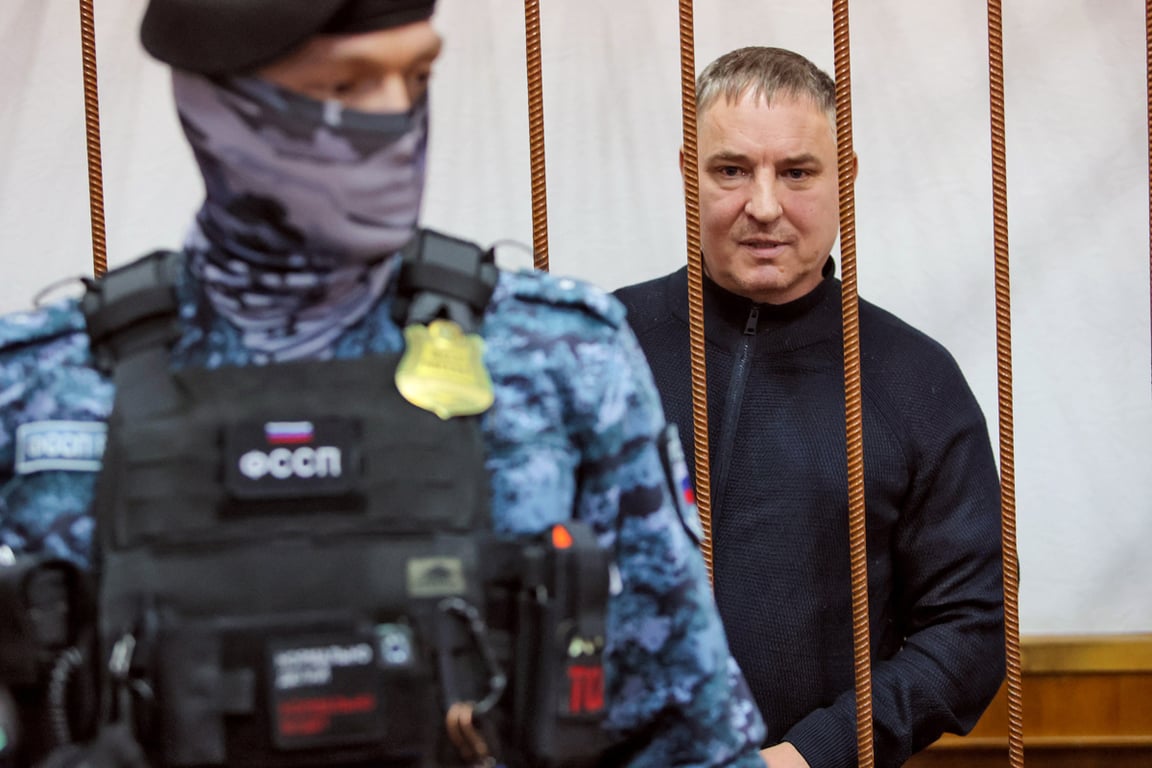
On December 16, 2025, security forces conducted searches of all three. On December 17, 2025, the Leninsky District Court of Yekaterinburg chose preventive measures for Larisa Zakharova and Roman Kachanov. Both were sentenced to arrest until February 16. They are charged with organizing the activities of an undesirable organization (Part 1 or Part 2 of Article 284.1 of the Criminal Code of the Russian Federation), which carries a penalty of up to six years in prison.
On December 16, 2025, a separate criminal case was opened against Alexey Sokolov under Article 275 of the Criminal Code of the Russian Federation (high treason); As sources told Novaya-Europa and the same was confirmed in court, the investigation is being conducted by the FSB.
Just like his associates, Alexey was arrested by a judge for a period of two months. According to Article 275 of the Criminal Code of the Russian Federation, he faces imprisonment for a term of 12 to 20 years or life.
Sokolov's position and current status
During the break, Alexey managed to tell reporters that he was accused of talking about human rights violations “including to foreign organizations.” “In fact, I was collecting information in order to contact the torture committee,” he clarified. Sokolov suggested that his colleagues were probably taken “hostage” to suppress their human rights activities.
“Do you admit guilt or not?” - the journalists asked him. "No. I was engaged in legal activities, which are provided for by the Constitution of the Russian Federation, federal laws and the UN Charter,” Alexey answered.
The court in Yekaterinburg chose a preventive measure for Alexey Sokolov, also in the form of detention until mid-February 2026. Human rights activists emphasize that it was Sokolov’s many years of work documenting torture in IK-2 that became one of the reasons for his protracted conflict with the regional structures of the FSIN and subsequent pressure on him.