
Translated material
"Living list of enemies of the people." What awaits “foreign agents” in 2026
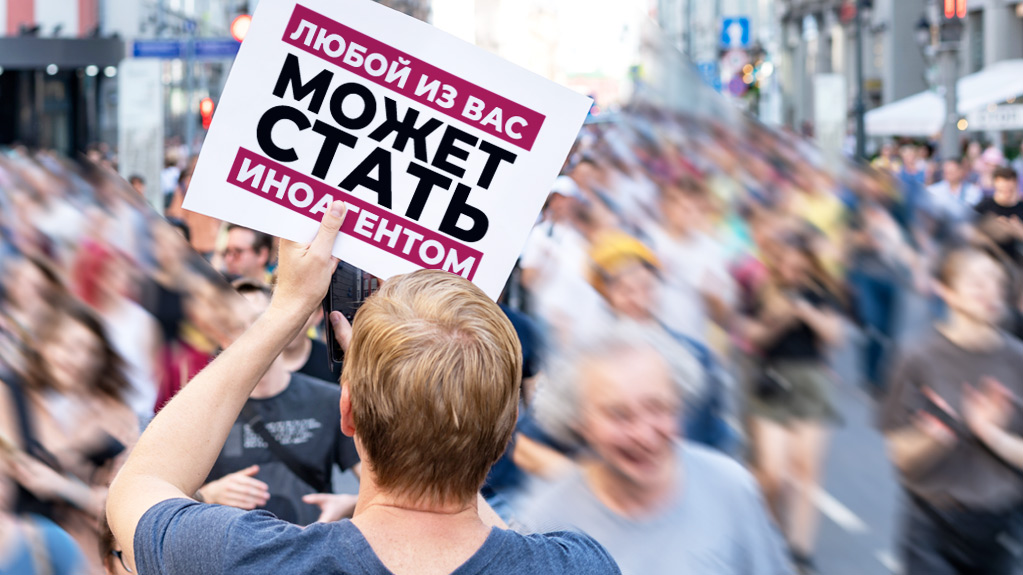
In 2025, 214 people were recognized as “foreign agents” in Russia, which is 51 (an increase of more than 30 percent) more than a year earlier. The situation of Russian citizens recognized by the Ministry of Justice as “foreign agents” worsened with each new law. A new punitive package has already been planned for 2026: “foreign agents” who left the country may be left without consular services, remote servicing in Russian banks and the ability to manage their money and property in Russia.
In 2025, the Russian authorities expanded the grounds on which citizens can be recognized as foreign agents, foreign agent organizations were prohibited from carrying out educational activities, and tightened criminal liability for violations of the duties of a foreign agent.
Director Alexander Sokurov tried to talk to President Putin about the constant tightening of “foreign agency” legislation at a meeting of the Human Rights Council held in December
“In my opinion, this is a wrong decision [assigning foreign agent status to citizens of the country], this is a decision that humiliates a person, a citizen, and does not allow him to develop and continue to exist,” Sokurov told Putin. To which he responded in his usual manner: “We didn’t come up with this, it was done in the USA in the 40s of the last century. We didn’t come up with this idea; there, violating this law can lead to imprisonment, but we don’t have that. In fact, we have one most important thing - show your sources of funding. Well, what's so scary here? It seems to me that there is nothing particularly scary here.”
When commenting on Russian laws on foreign agents, Putin constantly refers to the American experience. But in fact, the status of a “foreign agent” in Russia and the United States has fundamental differences: in the United States (under the FARA law) it is primarily registration for the transparency of the activities of lobbyists of foreign governments, while in Russia this status is applied to civil society (media, NGOs, individuals), which entails stigmatization and an obvious loss of rights.
“Can I leave the house?”
Veronica D. (not her real name) was identified as a “foreign agent” in 2025. Pro-government telegram channels prepared her for her status in advance - she has been fighting with local authorities all year over a number of city problems.
“They wrote every day: get ready, get ready.” So, thanks to them, they increased my armor,” says Veronica.
She learned about her new status from a federal journalist friend who called. And then, he says, a “wave of friendly participation” hit: friends, acquaintances, relatives wrote, called, came in person to support and sympathize. She was immediately found by a human rights organization that helps foreign agents, and she was included in one of the foreign agent chats.
“I felt so proud – what kind of people are there besides me.” Wow, wow! I used to only watch them in videos on YouTube, but now a person can answer me in a chat, and I still can’t get used to it,” the journalist laughs.
By 2025, the infrastructure for supporting foreign agents has been debugged to the point of automation, and every newcomer is provided with consultations 24/7. And then it hit Veronica:
– I had a moment when it really hit me. When suddenly it became scary to leave the house, absurd thoughts appeared: what can I do? Can I do this? Can I leave the house? Can I spend money? Can I use cards? No matter how I approach this with optimism and humor, this is a really difficult status. It is considered one of the most severe forms of state persecution of its citizens. So it became scary, although I’m not a fearful person at all. I wouldn't be a journalist if I was afraid. I believe that fear exists where there is no information. The more information, the less your fear. If you cannot get rid of fear, then you need to drive it into some kind of framework: this is scary, this is not.
She is a freelancer, which means the employer will not have to pay 30% personal income tax for her. Before being included in the register, Veronica administered the city telegram channel, but now she has transferred it to other people. She is going to strictly fulfill all the duties of a foreign agent, and even puts the “THIS MESSAGE...” sign in parent chats and on marketplaces, leaving reviews for purchases. Now she is more worried not even about herself, but about her husband.
- Of course, my husband may have problems. When looking for a new job, usually in large companies the security service checks. For example, he was refused a job at one company because I’m a journalist – somehow this made people tense,” says Veronica. – They can refuse without explaining the reasons. And he works in a field where he has to change places frequently.
Veronica encountered almost no negative reactions regarding inclusion in the registry. But one story left an unpleasant aftertaste.
– I have a friend, I went with him to play a quiz, with their team. And then he says to me: Vika, how can I help you? I say: you know, I need a distraction, call me to the nearest quiz. And I see that he tensed up. And he says: listen, what if the organizers don’t want to? “I mean, why?” - “You’re a foreign agent. What if you can’t participate in public events?” I found him a special link, it says, no, I can participate in public events. He says: well, you will pay for participation, it turns out that you will finance. I say: no, this is not financing. “How will you be in group photos?” - “Well, I won’t be in the general photos, okay.” Then he called the organizers. The organizers tell him: we don’t care. Then he called the team members, and the team members said: no, we are against it. There was a man who “works with factories,” and so he was afraid that these factories would not want to work with him, because they would find out that I played a quiz with him, says Veronica
She doesn’t want to leave the country: “I’m a city journalist. Take this away from me, and who am I then? Her goal is to continue to write about local issues, to help people who are protesting against the cutting down of trees or the demolition of their houses. These are ordinary townspeople, often not opposition-minded, but on the contrary, many voted for Putin - and even they do not understand why she is called a “foreign agent.”
“And I explain to them that this is precisely why I was recognized: so that I would not defend them at home, so that I would not fight for their rights.” And they are very angry. I see my mission as showing people that no matter what status they put on me, I am still for them. I’m still a human rights journalist, I’m still a city journalist who will help and protect,” says Veronica.
"Political Revenge"
When the status of an “individual – foreign agent” appeared in Russian legislation at the end of 2020, the first victims of the innovation perceived it rather as a strong inconvenience, which they could still somehow live with while remaining in Russia. Absurd reporting, a long disclaimer under each text, but no complete ban on the profession, no deprivation of income, no loss of civil rights, no automatic criminal liability for non-compliance with ridiculous rules. “It seems to me that there is nothing particularly scary here,” Vladimir Putin commented on this innovation at the time.
Five years later, a foreign agent in Russia is a person who has almost completely lost his rights.
In December 2024, a law was adopted on special ruble accounts for “foreign agents”: all income from Russia - royalties, royalties, rent, property transactions - should be credited not to a regular account, but to a separate one, access to which is closed until the status is removed. The law came into force on March 1, 2025.
In the spring of 2025, the grounds for recognition as a “foreign agent” were finally blurred. Foreign financing has ceased to be mandatory, even formally. The law included vague language about “foreign influence,” “organizational and methodological assistance,” and interaction with “undesirable” structures.
By the fall, prohibitions on the profession were legalized. On September 1, a ban on any educational and outreach activities came into force: lectures, courses, participation in private educational projects (foreign agents could no longer work with children, and now with adults too). It was not about budgetary institutions, but about the principle as such - a foreign agent should not explain, teach or comment.
At the same time, a scheme was established in which one administrative violation is enough to trigger criminal prosecution. Now a single formal violation is enough to make you a criminal.
Finally, in November, an increased personal income tax of 30% was introduced for “foreign agents” and they were deprived of tax benefits and deductions. Foreign agents also cannot apply for state and municipal support. In particular, in the Pskov region, the governor banned the issuance of subsidies to foreign agents for growing potatoes.
But that's not all. State Duma Speaker Vyacheslav Volodin has already stated in his telegram channel that foreign agents should not receive pensions: “Let them first respond according to their deserts, and then the pension may not be needed. Because in places, it’s clear what kind, where you need to work, they feed you for free.”
In addition to legislative restrictions, reinsurance by counterparties has become the norm - “no matter what happens.” Bookstores are removing books from foreign agent writers from their shelves or wrapping them in paper, and libraries are no longer lending them to readers. Radio stations and clubs are afraid to play songs by musicians recognized as foreign agents (and this is a significant part of modern popular music).
The year 2025 ends with a promising bill “On temporary restrictive measures against persons located outside the Russian Federation and evading punishment.” It was introduced by Vasily Piskarev, State Duma deputy from United Russia, chairman of the Committee on Security and Anti-Corruption.
If the bill is adopted, the state will have the right to block accounts and property without court, prohibit transactions, powers of attorney, electronic signatures and will actually deprive a person of legal subjectivity. Those on the list will be denied the right to register individual entrepreneurs, take out loans, as well as a number of consular services. Piskarev also proposes limiting the right to drive a car - a strange restriction, given that we are talking about emigrants (apparently, consulates and embassies will no longer confirm the presence of a valid driver’s license in those countries where such a certificate is required). The list of “enemies” will be replenished personally by the Prosecutor General or his deputy.
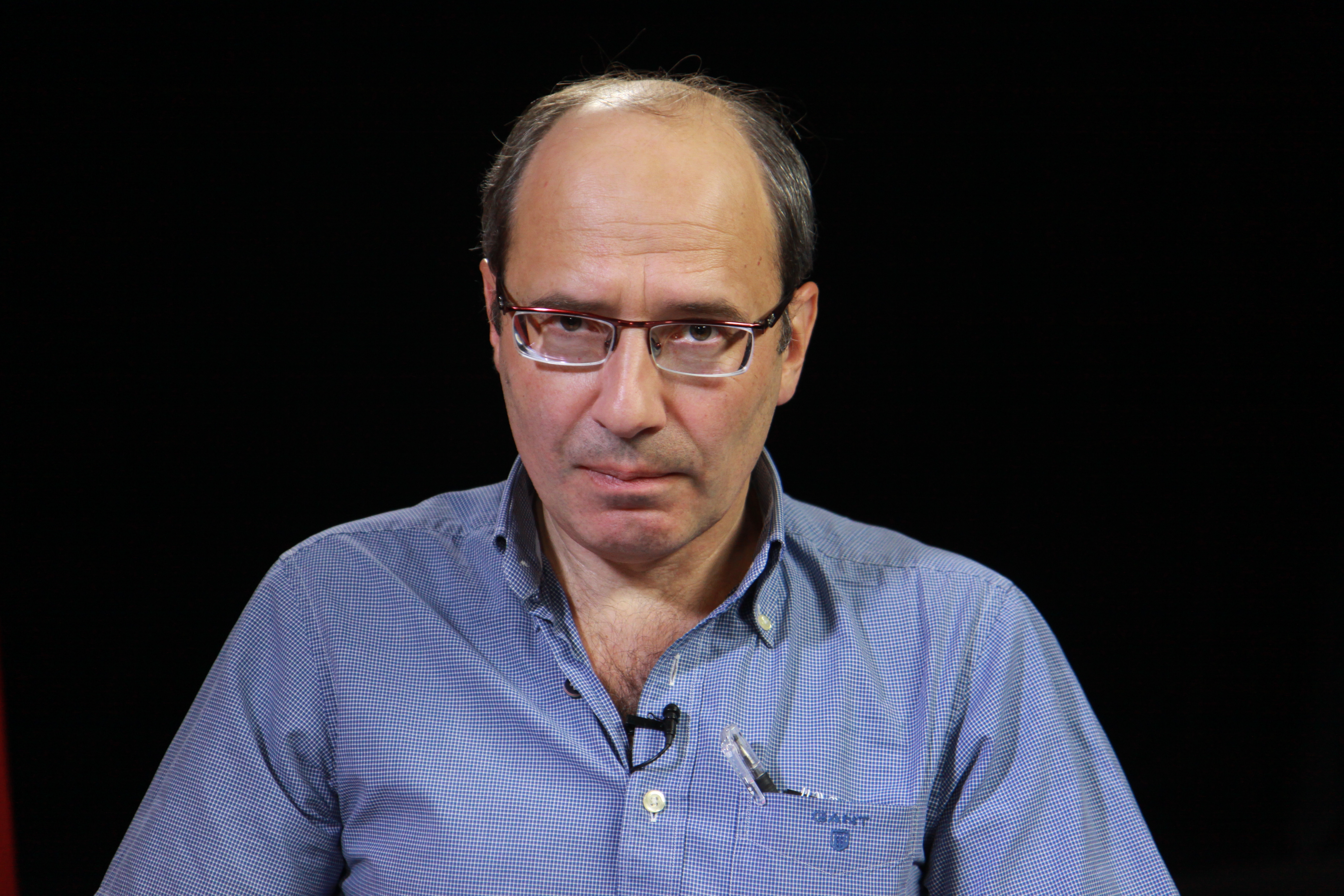
“This is the deprivation of civil rights of an entire layer of people,” says Ilya Shablinsky , Doctor of Law, member of the Moscow Helsinki Group, foreign agent. – The authorities will say that we are talking about an insignificant number of citizens, and that this is a consequence of the criminal prosecution of these individuals. According to the theory of criminal law, there are basic criminal penalties and additional ones. Let's say, 5 years of imprisonment, and then 5 years of ban on administering websites or holding a certain position. But what citizens who are arbitrarily included in the register of foreign agents are deprived of does not apply to any additional punishments. There are no such additional penalties in the Criminal Code. This is the whim of a small group of people in power. The meaning of these restrictions is political revenge on those who criticize the regime. The main thing is that people are deprived of civil rights after the state has proclaimed that these same civil rights, it, the state, will primarily protect. That this is his most important task! The Constitution states that the protection of human rights and freedoms is the raison d'être of the state.
If the bill “On Temporary Restrictive Measures...” is adopted, foreign agents and other emigrants who fall under the criteria of the list will have fewer civil rights than prisoners in Russian prisons, Shablinsky believes. Convicts have the right to execute transactions by proxy and manage their money and property remotely.
– In theory, the Constitutional Court should have the last word, but it has turned into a pocket weapon of the dictatorship. These are just a handful of intimidated people who are afraid for their own skin,” says Shablinsky. – Therefore, we are forced to make these assessments ourselves. But, in my opinion, this is completely obvious. The state has no right to restrict a person’s civil rights.
"That's the red line"
Analysts assess the risks of “foreign agents” according to the coordinate system: they left or stayed, a public person or not. The safest position is for those who have left and are not looming in plain sight. The highest risks are for those who are in Russia and continue to speak out publicly. A striking example is Yabloko member Lev Shlosberg, who has already received a sentence for non-compliance with foreign agency legislation (Part 2 of Article 330.1 of the Criminal Code of the Russian Federation), and in addition - two more criminal cases for discrediting the army (Part 1 of Article 280.3 of the Criminal Code of the Russian Federation) and for military fakes (Part 2 of Article 207.3 of the Criminal Code of the Russian Federation). The Pskov politician diligently observed all restrictions and strictly filtered his words, but is now in pre-trial detention center No. 1 in Pskov.
The main risk of foreign agents in Russia is physical access to them by Russian law enforcement agencies. After amendments to the law, a single violation is enough to become a defendant in a criminal case. In addition, it is in Russia that they have to earn a living, bearing a stigma that frightens many. Several “foreign agents” who remained in the country told Okn about the difficulties in finding work, while prohibiting them from indicating not only their names, but also their region of residence. But someone else is ready to talk about their problems openly.
“Foreign agent” Yulia Galyamina , a former municipal deputy and teacher, is not used to complaining about life.
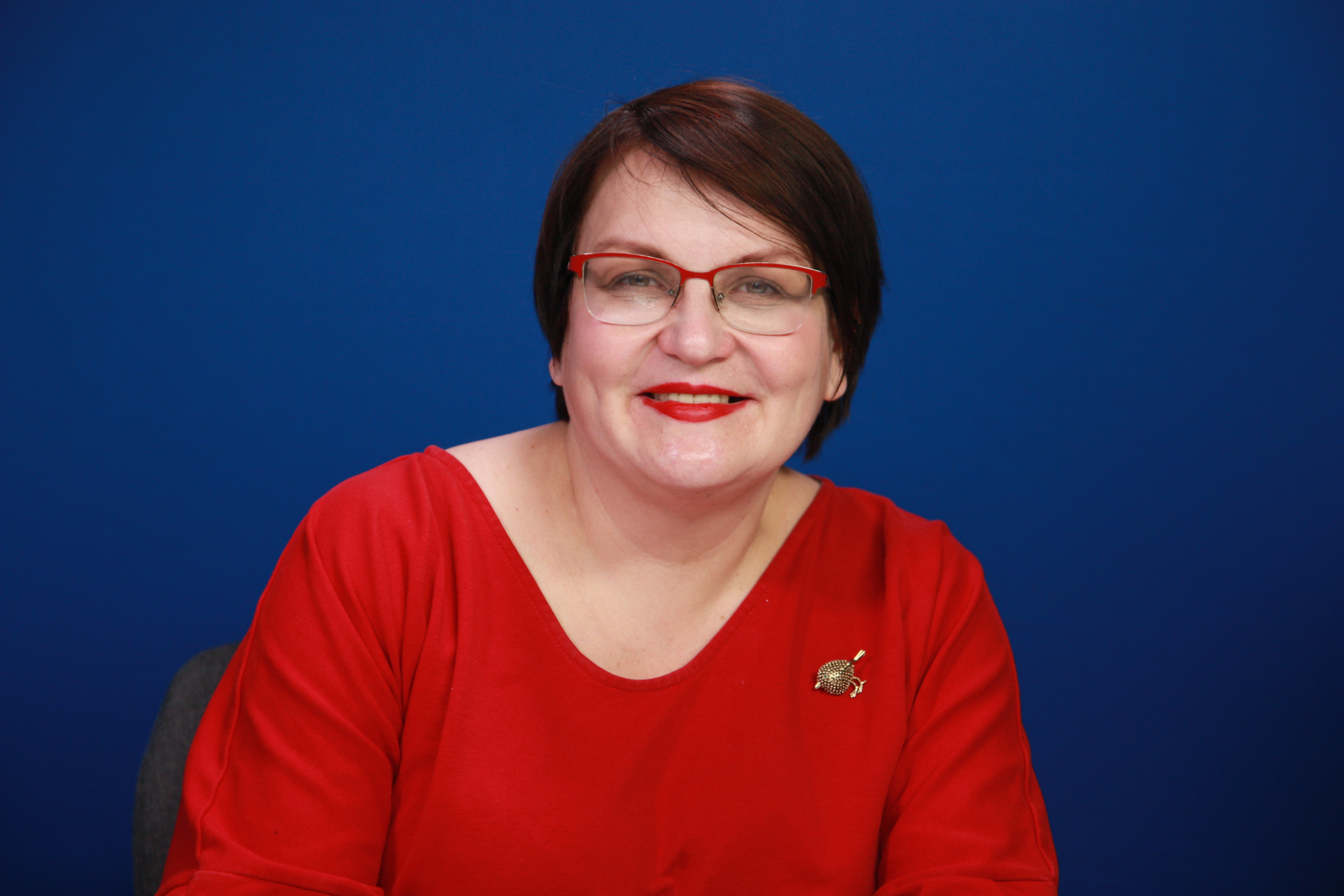
“As it was, so it is,” she assesses the results of 2025. – I have no royalties, no official work, no accounts, no real estate, nothing. None of this concerns me. I got rid of everything a long time ago. The only thing that concerns is that lectures cannot be given publicly. Everyone started to get a little tense when you come to their event. Therefore, you can only come anonymously. But it is possible. You come anonymously and sit there, asking a question anonymously. You speak anonymously.
She tries to depend on the state as little as possible, and is not very afraid of the prospects of a criminal case under a foreign agency article - “foreign agency cases are so-so easy.” Moreover, “if there was a desire, the article would be found,” Galyamina notes philosophically.
– The main thing is not to expose yourself strategically. This has nothing to do with laws,” says Yulia. – There is no need to cross red lines, which immediately cause repression: do not splash saliva in public and do not be too media. If you don’t stop, you go ahead, then you sit down. Like Lev Markovich (Schlosberg - “Window”). And you don’t have to participate in elections either, in any way. This is the red line.
Those “foreign agents” who cannot be physically reached, the state tries to reach through their income. But so far the law on special accounts has affected only a few, or at most dozens of popular authors who actually received large royalties and royalties to Russian accounts.
Writer Viktor Shenderovich left the country a couple of months before the war - in January 2022, when a libel case was brought against him at the suit of Yevgeny Prigozhin. Shortly before that, he became a “foreign agent” - the Ministry of Justice included him in the register on December 30, 2021. The law on special accounts, which came into force on March 1, 2025, did not affect it in any way.
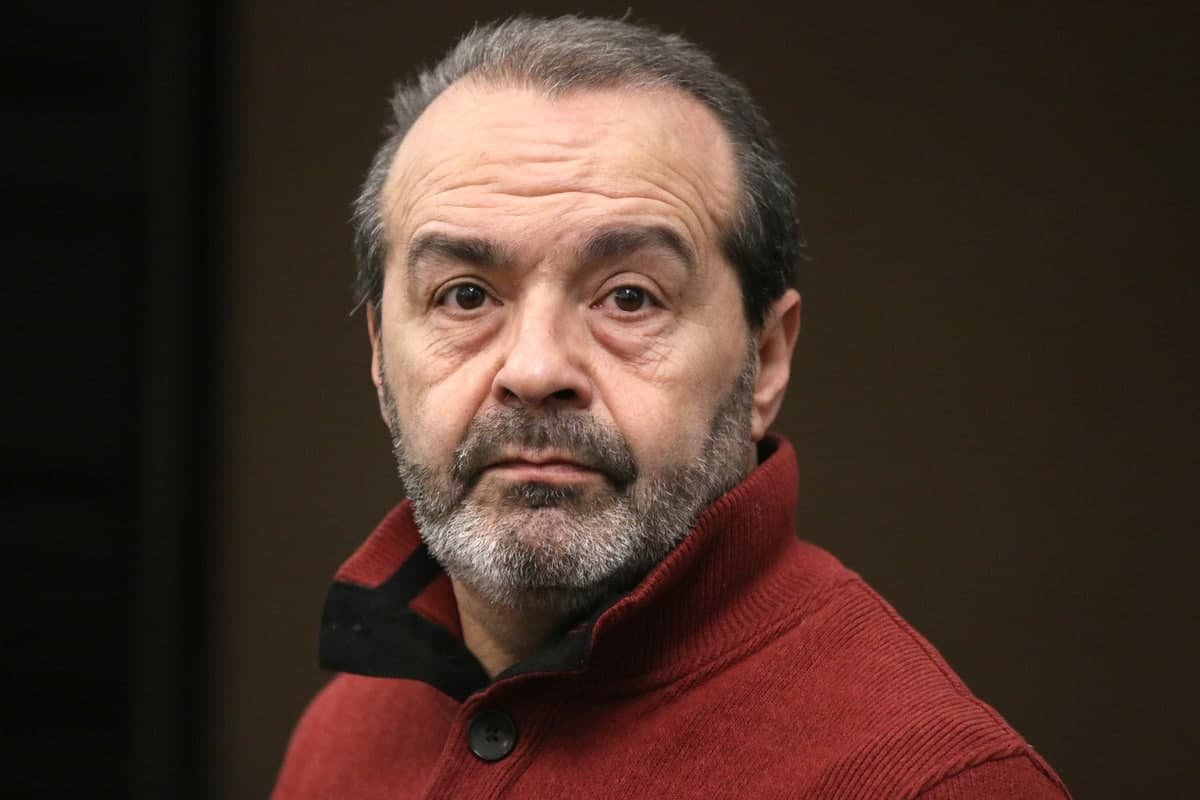
“All my book income ended long before the foreign agency,” says Shenderovich. – Maybe some kind of kopeck came into my Sber account - just a kopeck, because I’m not Akunin. I didn’t have any losses simply because I had no income for a long time. My books have not been put on trays for many years. They stood somewhere in stores - at the letter “Sh”, between Sholokhov and Shakespeare - but only a person who came purposefully could find them. They couldn't be seen. And this was the case for several years before the foreign agency. And after the foreign agency, my latest book, published by the publishing house “Vremya” (“Among the Hyenas and Other Stories” - “Window”) , stores stopped taking them at all. My earnings in Russia are a cut-off piece. First, concerts and performances disappeared, then tours began to be cancelled. Television, radio - all this ended a long time ago.
Likewise, he stopped receiving income from theatrical productions of his works. After discussions in the State Duma, plays by “foreign agents” are actually banned from showing within the country.
“The only thing I sometimes received was some 300 rubles for “The Village of Gadyukino,” when it was shown on Channel One or Channel Two, performed by Khazanov, without mentioning the author or with a caption so fast that it was impossible to read,” Shenderovich laughs. – I proceed from the fact that my financial affairs with my homeland are over for a long time. I do not analyze the practice of applying foreign agency legislation: everything has gone so far that these details seem like sweet nostalgia. Before the war, this could still be a concern. But when we are dealing with war and mass murder, it seems strange to seriously discuss how rights are still being violated.
"Powerless anger and poison"
The bill “On temporary restrictive measures...” is intended to complicate the lives of “foreign agents” who have just left. И не только им, но и сотням эмигрантов, которым выписаны административные штрафы или вынесены уголовные приговоры. Но, несмотря на длинный перечень страшных ограничений, говорить про «гражданскую казнь» все равно излишне, подчеркивает юрист, специализирующийся на работе с репрессивным политическим законодательством и сам признанный иноагентом (он попросил «Окно» не указывать его имя).
– Если кто-то оценивает это как трагедию, то это значит, что власти добиваются своей цели. Потому что именно задача эмоционального террора является основной, – уверен юрист. – Особенно это касается тех, кто уехал. Если посмотреть с точки зрения уехавших иноагенов, то эти «пыщ-пыщ-усилия» со стороны Пискарева и иже с ним, это все бессильная злоба и яд, который они пытаются вокруг себя распространять. Но они не дотягиваются. Если у меня возникнут проблемы с правоохранительными органами в любой стране пребывания, последнее, о чем я подумаю, это: позовите мне российского консула. Да в гробу я вас всех видал! То же самое с вашими Госуслугами, которые спамят какую-то эсвэошную хренотень. У меня этого всего нет и мне этого не надо. И чем больше уехавших иноагентов это наконец осознает, тем будет им легче, проще и тем бессильнее будет та злоба, которая из Госдумы исходит.
По прогнозам юриста, список Минюста будет продолжать пополняться – по расписанию, каждую пятницу. И туда будут попадать все более и более случайные люди, просто потому что «это механика репрессий в России». Каждый новый фигурант перечня – как «совковая лопата каменного угля, брошенного в эту топку», формулирует юрист.
– Время от времени они будут туда включать представителей разных сообществ. По мере того, как, по их ощущению, снижается влияние либеральных сил, растет влияние разных других. И мы увидим в реестре всяких правых, неонацистов, зетников, каких-нибудь даже бывших ветеранов «СВО», которые внезапно возомнят себя значимыми публичными персонами, – говорит юрист. – Это будет обязательно. Потому что это живой список врагов народа, который точно показывает температуру на сегодняшний момент: «Вот сейчас мы боремся с этими». Если экологи с правозащитниками и оппозиционные политики с либеральными журналистами плюс-минус закончились, то теперь пойдут на тех, кто остается.
Иноагентское законодательство постоянно меняется и развивается – в зависимости от политической ситуации.
– С одной стороны, перманентные попытки властей что-то ужесточать – это следствие ужесточения внутренней политики, необходимо поддерживать атмосферу страха и все время посылать новые импульсы. Потому что общество ко всему адаптируется. Условные тысячи «иностранных агентов» (включая участников юрлиц-иноагентов) – это отдельное комьюнити, которое обладает особенно высоким уровнем образования, интеллекта, адаптивности, навыков, связей и прочего. То есть мы очень быстро и интенсивно подстраиваемся под изменяющиеся условия и, если бы нас сейчас вернуть в ограничении пятилетней давности, то мы бы почувствовали себя очень расслабленно, а тогда это казалось очень жестким, – говорит юрист. – С другой стороны, есть внешнеполитические обстоятельства, которые серьезно детерминируют нашу действительность. Подпишут мирное соглашение, закончатся военные действия, неизбежно пойдут какие-то последствия. Необязательно будет реабилитация, амнистия, отмена законов. Нет, наверное, этого не будет. Но будут другие события и вещи, которые будут либо менять фокус, либо смещать акценты, либо заставлять ведомства, в том числе правоохранительное, заниматься чем-то другим. Это политический процесс. К нему так и нужно относиться. И нужно, прежде всего, максимально обезопасить себя, потому что ты не можешь одновременно и страдать, и быть сторонним наблюдателем. А лучше быть сторонним наблюдателем и смотреть на этот процесс, чем страдать.