
Translated material
Vera Alentova died
Today everyone will remember her breakthrough role in “Moscow Doesn’t Believe in Tears.” But what other films with the actress should not be forgotten?
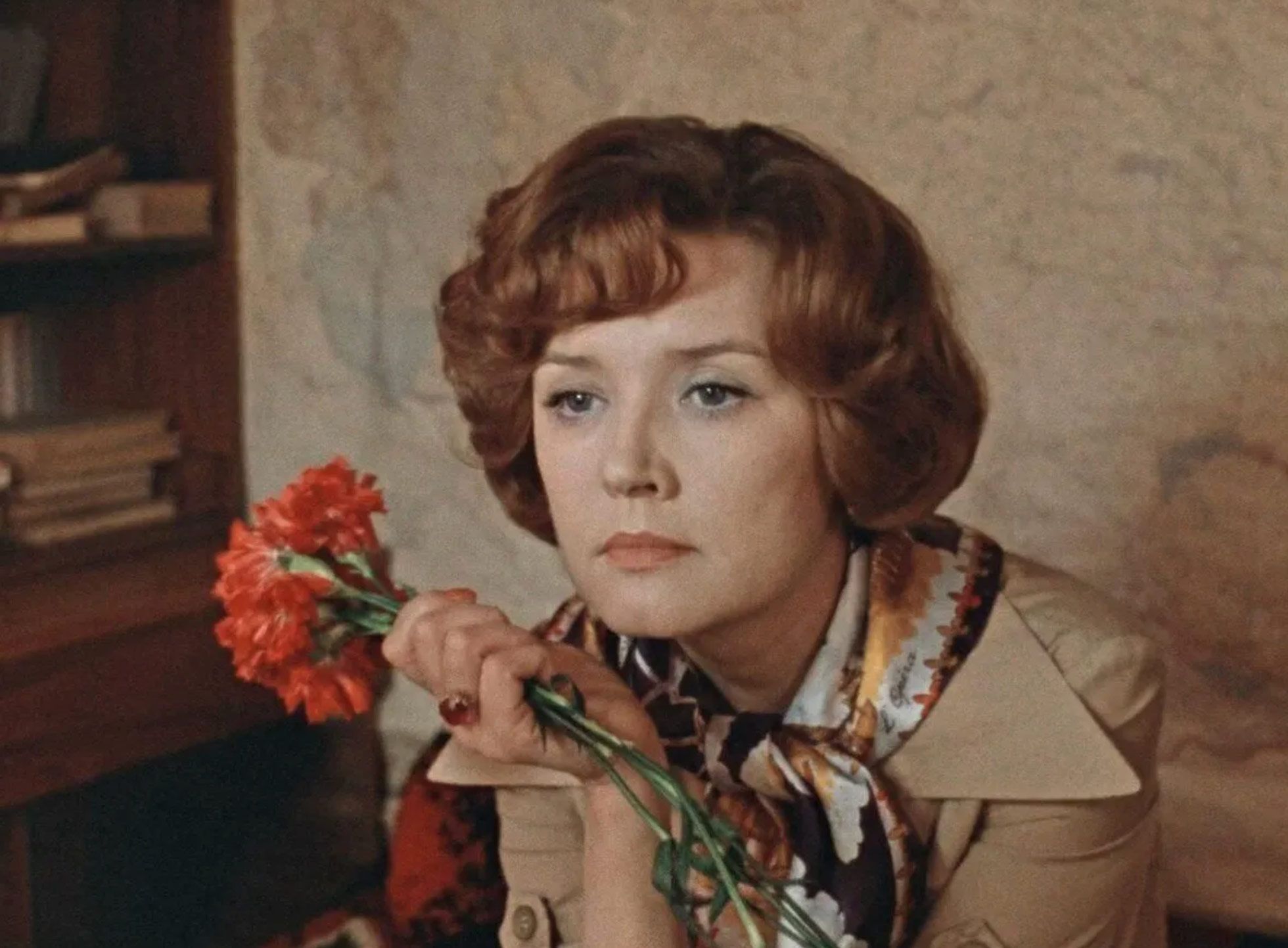
Actress Vera Alentova died on December 25, she was 83 years old. TASS reported that she felt ill at the farewell to actor Anatoly Lobotsky (he died on December 20) - the actress was handed over to emergency doctors on a stretcher. The Pushkin Theater, where the actress served for 60 years, confirmed what happened: “A great tragedy happened.” The most popular film in which Vera Alentova played the main role is “Moscow Doesn’t Believe in Tears,” directed by Vladimir Menshov, her husband. The creative tandem did not at all expect such a success of the film, but in 1981 it even received an Oscar for best foreign language film. But besides the role of Katerina Tikhomirova, the actress’s filmography includes many other memorable works: “Tomorrow There Was War” (1987), “Shirley Myrli” (1995), “Envy of the Gods” (2000). Film critic Anton Dolin tells more about the actress’s creative path.
It is unfair to call Vera Alentova, with her extensive filmography, a more than eventful long theatrical career - at the Pushkin Theater from 1965 until her last days - and undeniable people's love, “an actress of one role.” But the image of Katerina turned out to be too strong - one of the three heroines (and by the end the main, most important heroine) of the fateful and, apparently , timeless box office hit “Moscow Doesn’t Believe in Tears.” All the same, for millions of spectators, Alentova will remain a hard-working, purposeful, ambitious heroine in the Thaw capital, whose complex biography and brilliant career in the finale were crowned with well-deserved happiness in her personal life.
No matter how much current researchers debunk the toxicity of the relationship between Katerina—a director and a deputy (feminists were not in favor back then)—with the drinking mechanic Gosha, who is also an ideal man, it is impossible to erase this archetype from the mass consciousness.
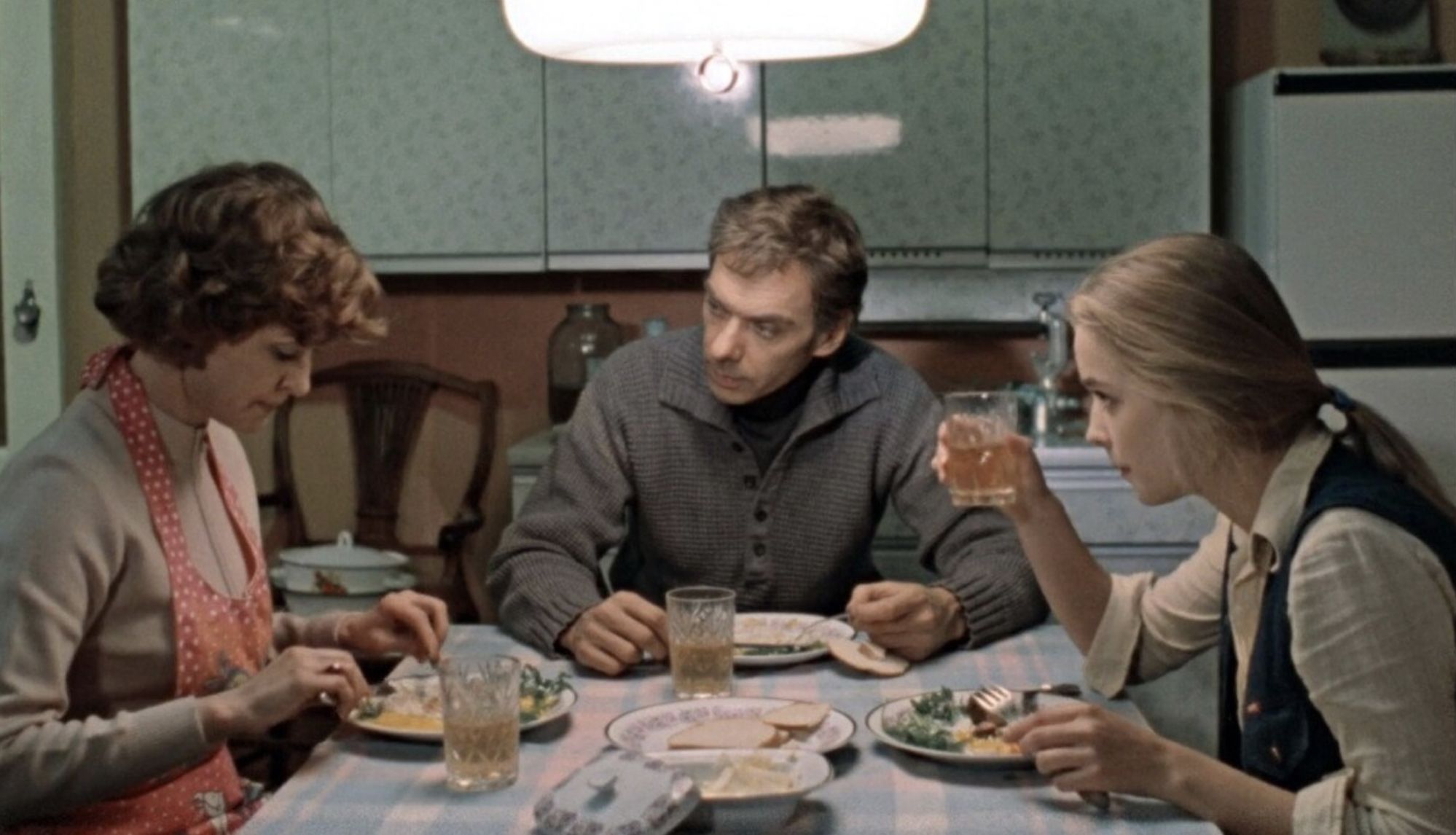
But for some reason it is also impossible to repeat it, to cover it up with something, to seriously rethink it. Suffice it to recall the dismal reception by critics and the public of the recent serial remake “Moscow Doesn’t Believe in Tears.” Alentova and Batalov were one of a kind. At the same time, Batalov managed to play a dozen more roles, for which his special gift and courageous charm were remembered; Alentova, apparently, is Katerina forever.
But, according to rumors, she did not want to act in this film - her husband and director of the film, Vladimir Menshov, himself filled with doubts about the melodramatic script by Valentin Chernykh, persuaded her (Irina Kupchenko, Anastasia Vertinskaya and Margarita Terekhova had already refused the role of Katerina by that time). And then, when “Moscow Doesn’t Believe in Tears” brought the country an Oscar, Menshov and Alentova at first thought it was an April Fool’s joke and didn’t believe it. It is now crystal clear that in type and genre this film is a typical Hollywood success story with a clear romantic dominant. No one else in the USSR, either before or since, was able to write or do anything like this.
Alentova’s own marriage was completely different from that of her legendary heroine. Their relationship with Menshov began when she was still studying at the Moscow Art Theater School and got married as a sophomore. It was a real community - until the last years, when the two of them headed the acting and directing workshop at VGIK. And if the incredible success of “Moscow Doesn’t Believe in Tears” came as a surprise to both (certainly neither the director nor the actress planned to turn such a picture into their “calling card”), then at least two films shot in the post-Soviet period can today be interpreted as unique and extremely touching declarations of love.
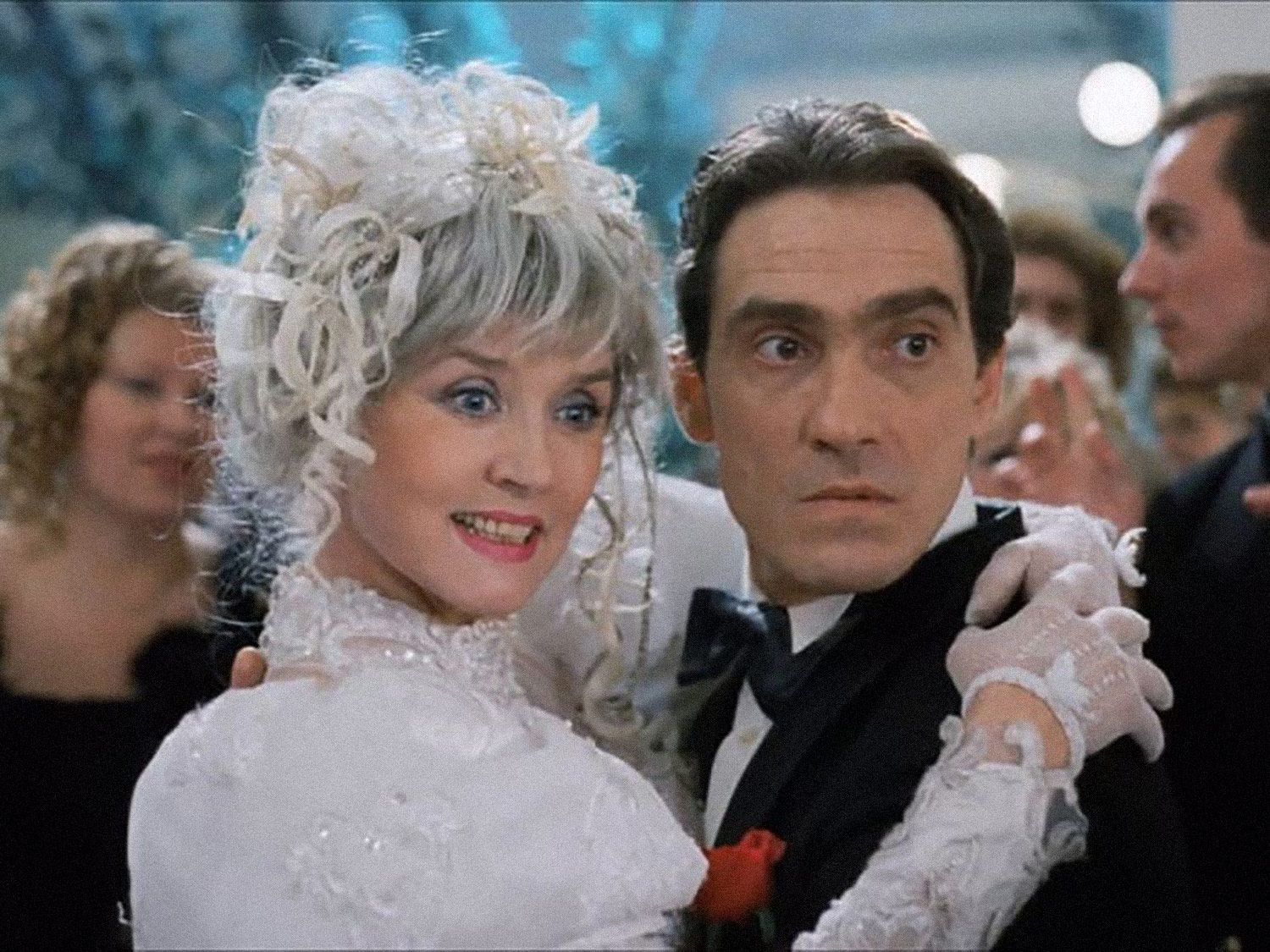
“Shirley Myrley” at the height of the “dashing 1990s” (for cinema, truly chaotic and extremely complex) became a unique epic about the paradoxes of changing times, which immediately gained cult status and at the same time accusations of bad taste. Alentova, together with Valery Garkalin, stood up for the honor of the Russian acting school - she played seven roles in the film simultaneously, changed roles like gloves and was able to catch up with the great Inna Churikova, another superstar of this bizarre film.
Menshov and Alentova entered the new millennium with “Envy of the Gods,” an extremely original and bold film for its time. The second melodrama in the tandem’s joint career, this film analyzed the legacy of the stagnant USSR and quite boldly refuted the joked maxim “there is no sex in the Soviet Union.” A small but memorable role was played by Gerard Depardieu. An openly acknowledged source of inspiration was Bertolucci's Last Tango in Paris.
58-year-old Alentova played Sonya, the editor of the Vremya program living in a prosperous marriage, who fell in love with a French translator. Perhaps, even today, not every actress dares to do such work.
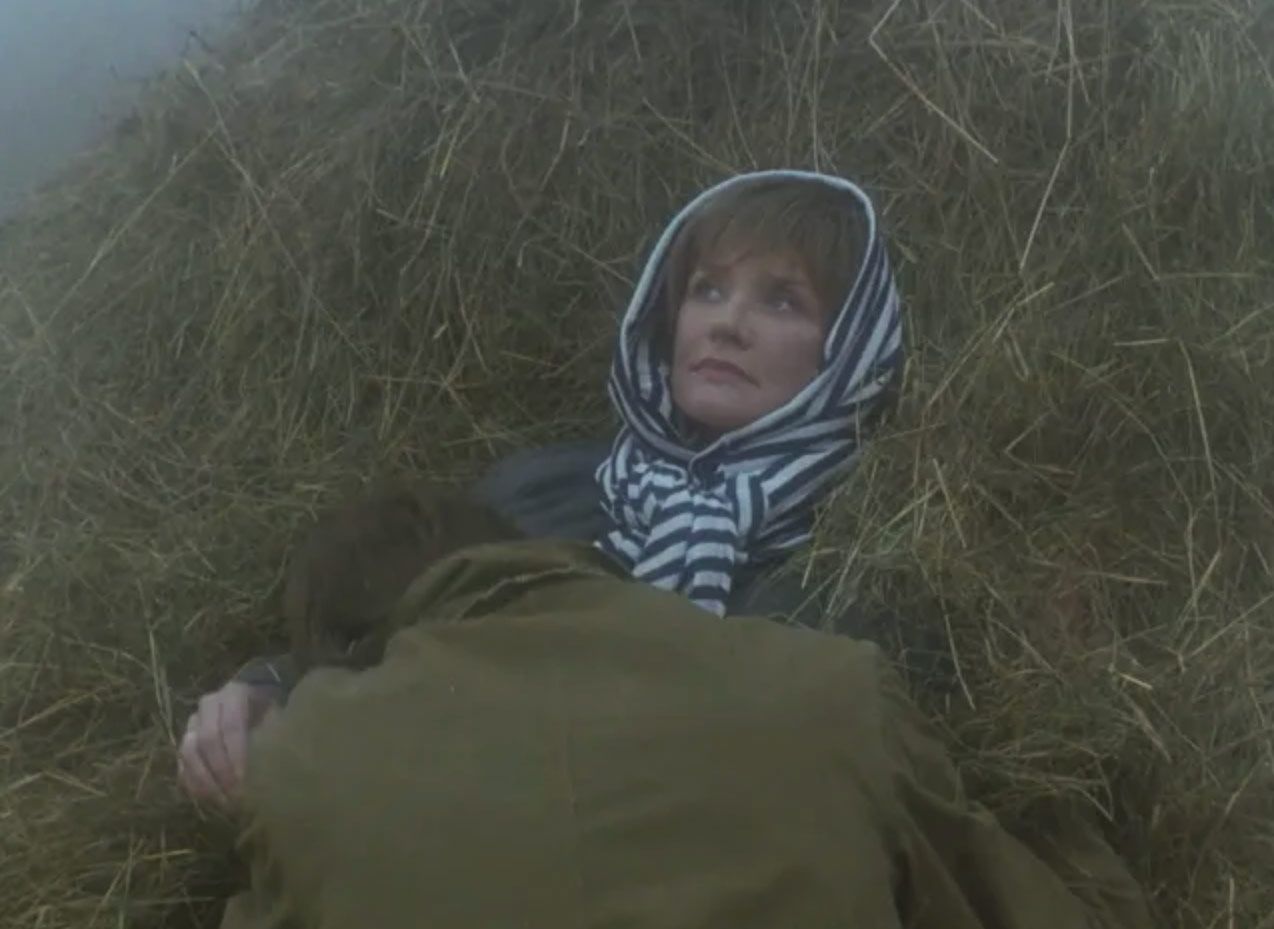
Of Alentova’s film roles in films by other directors—there weren’t too many notable ones—it’s worth mentioning at least Yuri Kara’s tragic film Tomorrow There Was War (1987), where the actress played the heartless head teacher Valendra, the personification of the Soviet system. It is also important to note the relatively recent, offensively underrated “Sunday” (2019) by Svetlana Proskurina.
And the last film role was Ishtar Borisovna in “Empire V” based on Pelevin’s novel of the same name. The film turned out to be weak, but its director Viktor Ginzburg caught something absolutely precisely: for the viewer, Vera Alentova truly was and remains a goddess.
Anton Dolin