
Translated material
"From shit and sticks"
About a thousand Russians cannot move into their new apartments, which they bought as shareholders. The market leader, the developer Samolet, delays issuing keys for almost a year and is in no hurry to correct shortcomings in already completed housing. Buyers complain about disgusting renovations: roofs are leaking in apartments, there is mold, and workers living right on the construction site allegedly leave their feces there. Shareholders are confident that the reason for the delays is the moratorium, which was introduced as market support. “The best developer on the market” promised to fix everything by December 31, but clients don’t believe it. New Year's resolution - in the material "Cold" .
Hundreds of families cannot get into their apartments due to the failure of the developer Samolet to meet deadlines. Their houses have leaking roofs, mold and human feces. 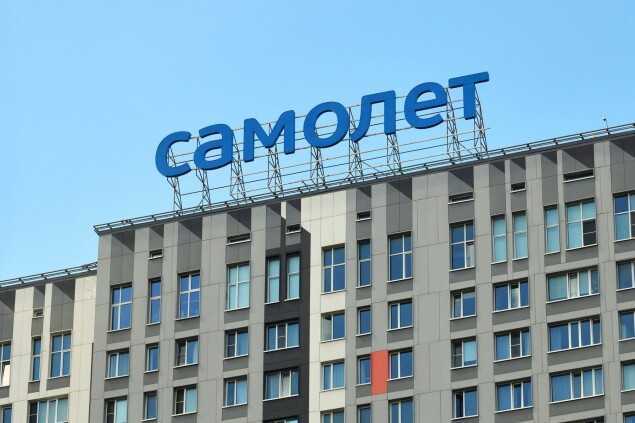
In the first year of the program, the mortgage market showed its highest level since 2009: 1.7 million loans totaling 4.3 trillion rubles. Then these numbers almost only grew: 1.9 million loans worth 5.7 trillion rubles in 2021 , 1.3 million loans worth 4.9 trillion rubles at the end of 2022 , two million for a record 7.8 trillion rubles in 2023 , when the rate was increased to 8%, and finally, a decrease to 1.3 million loans worth 4.9 trillion rubles in the results of 2024 .
The sharp reduction in 2024 is due to the end of the preferential mortgage program, after which sales of housing in new buildings fell by half. In 2025, this trend continued : at the end of 11 months of 2025, Russian banks issued approximately 21% fewer loans than in the same period last year, totaling 3.58 trillion rubles. The decline in demand is forcing developers to gradually reduce the volume of new housing commissioned, which is why company revenues in the first three quarters of 2025 decreased by 6.7% and sales by 18%.

A striking example is the market leader Samolet Group of Companies. At the end of 2024, the company's net profit fell 3.2 times compared to 2023. Further, the trend is even worse: if for the first half of 2024 net profit amounted to 4.7 billion rubles, then for the first half of 2025 - only 1.8 billion. According to published data, it is clear that the company’s sales are falling both in monetary terms and in the number of contracts or square meters. The only indicator that is growing is the average price per square meter.
Despite this, starting in 2024, Samolet began to experience significant problems, which resulted in delays in the commissioning of housing. According to Nash.Dom.RF, in 2024, Samolet built 22% of houses late. In November 2025, this figure was 46% (130 of 282 houses under construction). This caused widespread discontent among people who bought apartments from the developer. The almost forgotten problem of defrauded shareholders has returned to the information space - that is, those who bought apartments before the property was commissioned.
What is shared construction? Shared construction is a scheme in which future apartment owners finance the construction of a house in advance. They enter into an equity participation agreement (EPA) and contribute money before the housing is put into operation, often at the project or foundation stage. This allowed people to save money on buying an apartment, but at the same time it was quite risky, since due to bankruptcies of developers it was almost impossible to get their money back.
Since July 1, 2019, a system of escrow accounts has been in effect in Russia - it was introduced in order to reduce the risks of clients to zero in the event of bankruptcy or financial problems of the developer. Money for the purchased property is stored in a special escrow account until the developer delivers the square meters stated in the contract. Until this moment, the company cannot access these accounts, and if the deadline was missed, clients had the right to receive financial compensation directly or by proving the fact of delay in court.
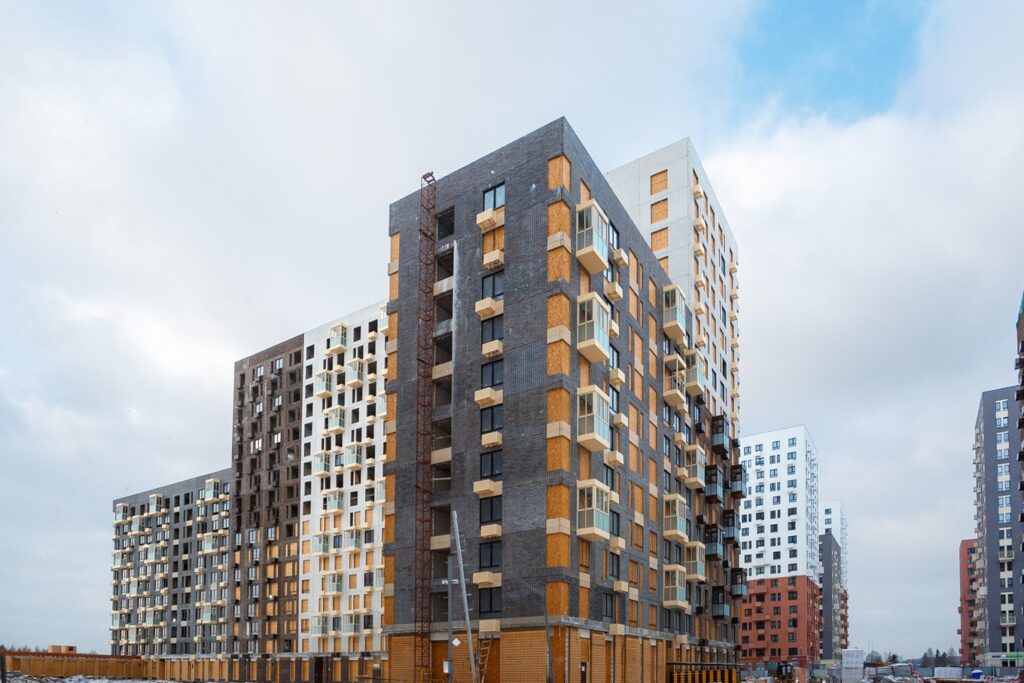
Against the backdrop of problems in the construction market caused by the war with Ukraine, tightening migration policies and the abandonment of the preferential mortgage program, the Russian authorities introduced a moratorium on collecting fines from developers for missing project delivery deadlines. It was assumed that this would make life easier for construction companies, which would be able to reduce costs amid numerous problems. But for the Russians, this decision only made life more difficult, since the moratorium actually deprived them of the opportunity to put pressure on developers, for whom failure to meet deadlines now threatened nothing.
The moratorium was first introduced during the pandemic in 2020, then it was renewed on March 29, 2022 due to the invasion of Ukraine, the rules were in force until the summer of 2023. It was introduced for the third time in March 2024, and in June 2025 the government extended it until December 31. All this time, construction companies remained virtually unpunished for delays and problems with the commissioning of housing. Only in December 2025, Vladimir Putin brought some clarity to the prospects of the Russians, demanding that the moratorium not be extended.
"Shit to the ceiling"
Problems with delivery deadlines for Samolet Group appeared in the spring of 2024. Then the media reported that thousands of shareholders of the Gorki Park and Coastal Park residential complexes near Moscow began to complain about delays in issuing keys. Now the apartments in these residential complexes have been rented out, but many residents wrote that they were dissatisfied with the quality of the houses and renovations.
Another example is the residential complex “Novoe Kolpino” and the residential complex “Kurortny Kvartal” in St. Petersburg. In August 2025, Samolet’s clients succeeded in initiating a criminal case for fraud, and searches were even carried out in one of the construction company’s offices. However, the very next day, the prosecutor's office closed the cases, not finding any corpus delicti: the contractual obligations for the transfer of apartments were allegedly fulfilled by more than 90%.
As of December, almost all buyers of apartments in the New Kolpino residential complex received keys. The rest are promised to be occupied by the end of the year. At the same time, in reviews of the “Resort Quarter” residential complex, people continue to write that the completion date is still being postponed indefinitely.
In Moscow, real estate buyers faced similar problems in several residential complexes at once - Pyatnitskie Luga , Alkhimovo and Ostafyevo .
The Pyatnitskie Luga residential complex is being built in Khimki, near Moscow. It is located 10 kilometers from the nearest metro station “Pyatnitskoye Shosse”. The complex has four residential buildings with more than 900 apartments in each. Three of them have now officially been put into operation (all with a delay ). Several thousand people must live here.
In April 2025, shareholders of the residential complex reported that they should have received the keys to their apartments in September 2024, but they were not given anything. On June 15, 2025, the initiative group of the residential complex published an open video message in which they stated that they did not even know how long the settlement had been delayed. According to them , three thousand families “were left without their homes,” and the quality of the apartments delivered raised many questions.
“The people who work and live there do not observe basic hygiene measures. Our toilets are dirty, our rooms are dirty,” said Andrey, a member of the initiative group of the residential complex.
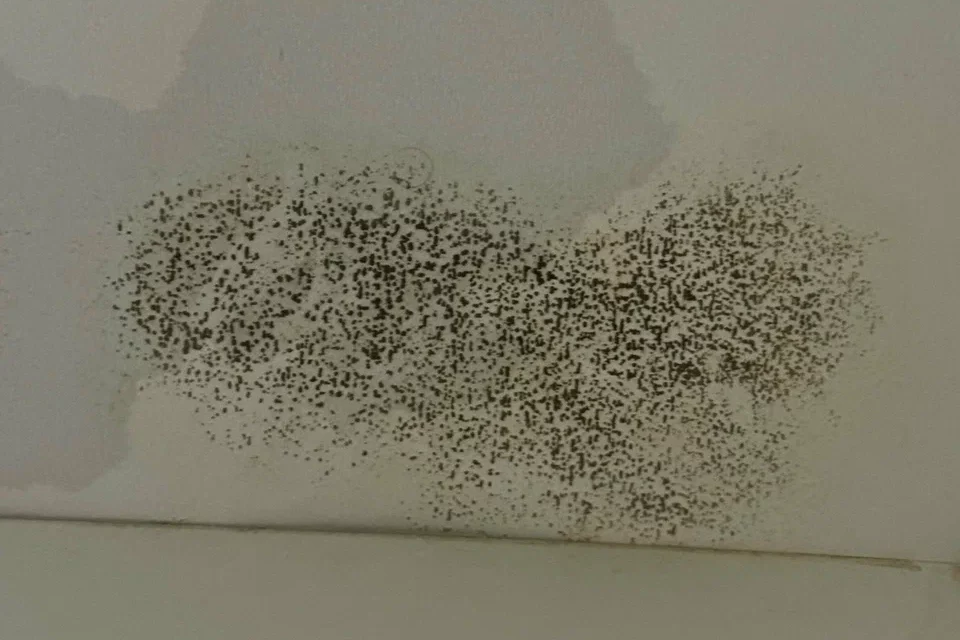
According to him, shareholders “repeatedly informed the developer that there was mold.” “We were assured that she would be taken out. But she still appears. And it’s generally unrealistic to live with mold, because it’s a threat to people’s lives and health,” he added .
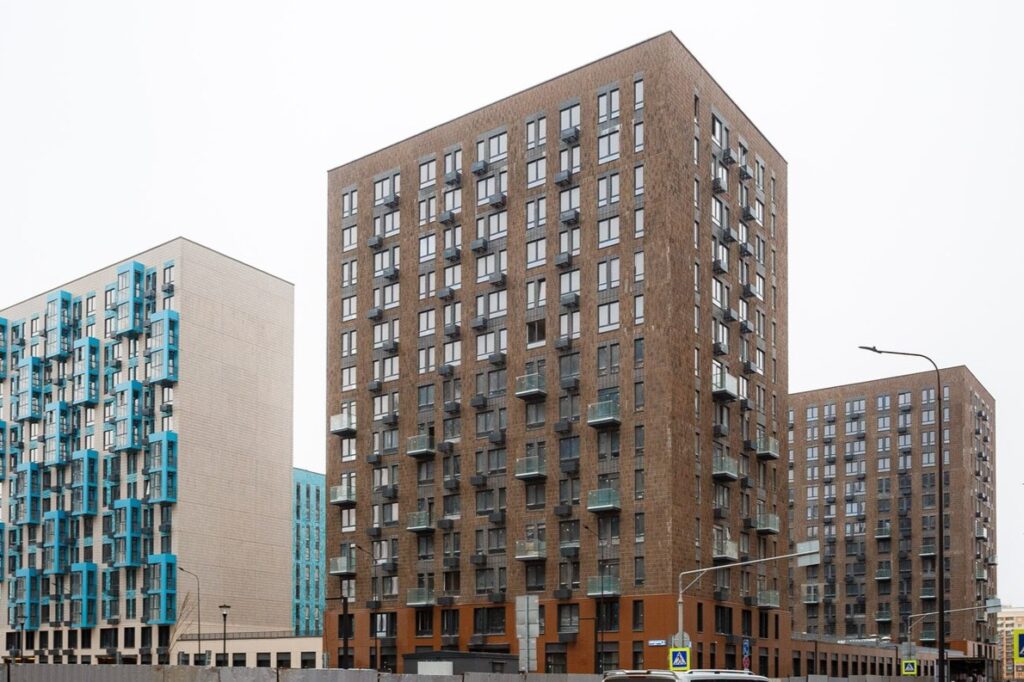
Shareholders of the residential complex "Ostafyevo" and residential complex "Alkhimovo" are still experiencing similar problems. Both complexes are located in New Moscow near Podolsk. In the first complex, 2,300 apartments are planned in six residential buildings, in the second - 5,820 in 17 buildings. In March 2025, buyers of apartments in the Ostafyevo residential complex began to express dissatisfaction with the delay in issuing keys and even went out to protest.
In addition, they were concerned that the developer was allegedly withdrawing money from escrow accounts. According to them, Samolet commissions only one section in each building and thanks to this receives a Statement of Compliance (AOC) for the entire building.
The leader of the initiative group of the Residential Complex, 36-year-old Lyudmila Kolosova (last name changed at the woman’s request) , told Kholod that she had to lead the initiative group because “there was no one else,” but so far this has not brought any results. Kolosova’s eldest daughter has a disability: the girl needs a separate, fully equipped room for her. However, due to the fact that Samolet is delaying the issuance of keys, all this time Kolosova and her family continue to live in a rented one-room apartment.
“When you enter an apartment, and the walls are concrete, there are building materials, piles of shit that you can’t breathe, everything inside sinks. And the roof is leaking, there is dampness and mold, because in mid-November heating has not yet been supplied to the house, which should be completed in a month and a half,” she told Kholod.
Kolosova explains the decision to take out a mortgage for an apartment from Samolet by the good reputation of the developer: among her friends there were those who bought an apartment from the company and were satisfied. In addition, this was the only suitable option with a ready-made renovation on the “move in and live” principle. She believes the company was "number one in the market" back then, so she and her husband took out a 29-year family mortgage.
What is a family mortgage? A family mortgage is a preferential mortgage program in Russia that allows families with children under six years of age, as well as families raising a minor child with a disability, to receive a loan at an interest rate of up to 6% per annum. The down payment under the program must be at least 20% of the cost of the apartment.
Basically, a family mortgage is taken out to purchase housing in a new building from a developer or to purchase or build a private house with a plot of land. There are also options with secondary housing, but they are less popular because they operate only in cities where little housing is being built. In the spring of 2024, the preferential state program was extended until 2030.
“They tell us: have children, take out a family mortgage, but in the end we are dealing with unscrupulous developers who throw some kind of tests at us,” Kolosova said.
According to her, shareholders “injure themselves and their children” because they lose money on renting housing until they are given their own apartments. Lyudmila Kolosova’s housing was supposed to be completed in February 2025, but Samolet postponed the deadline by 10 months. Then the shareholders did not sign the notice, hoping that the moratorium on collecting fines from developers for late delivery of houses would not be extended. In this case, they planned to demand that Samolet pay a penalty for the delay.
According to Kolosova, it was the moratorium that, for the most part, caused the delay in housing delivery - developers “became disgusted with fulfilling their obligations,” and “they had the opportunity to save on materials.”
However, despite the fact that, according to Samolet, Kolosova will have to receive the keys at the end of December 2025, she does not believe that this will happen, since at the end of November the walls were still in concrete and, according to her, no work had been carried out.
“We see how everything is built from shit and sticks. And I even doubt that we can just live in this apartment,” she noted.
According to Kolosova, at meetings , project manager Alexey Demin and construction director Maxim Stolyarov either did not answer uncomfortable questions or changed the topic. They commented on videos of roof leaks with the words that “it’s no longer leaking, everything has been fixed there, be calm.”
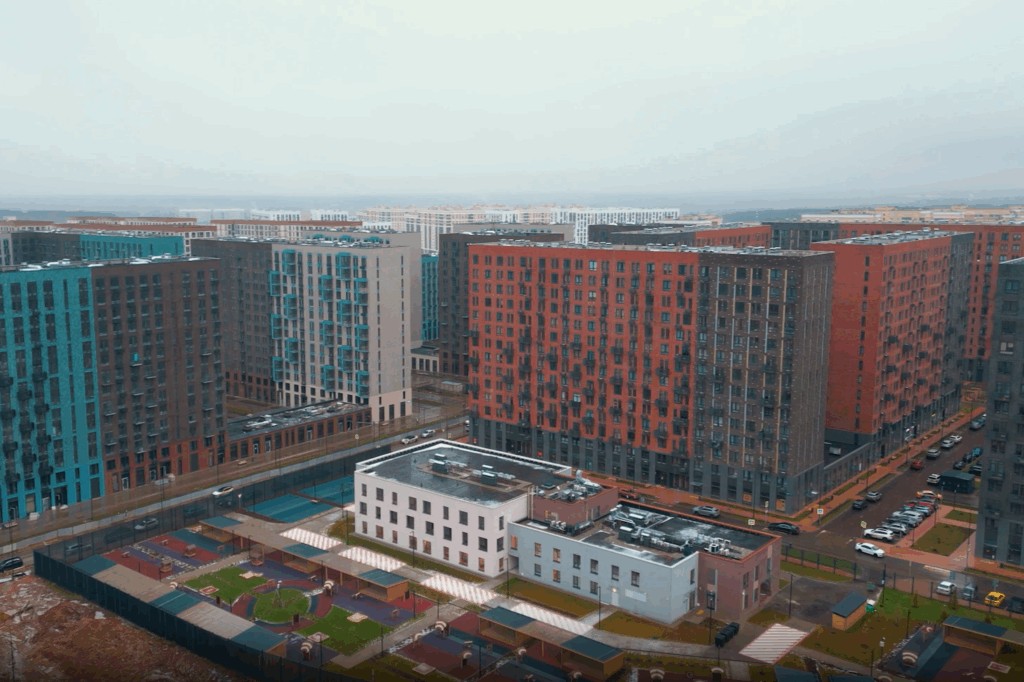
According to another shareholder of the Ostafyevo residential complex, 30-year-old Olesya Vlasova (last name changed at the woman’s request) , in the residential complex’s chat, representatives of Samolet stated that heating had already been supplied to the apartments, although, according to the shareholder, “there is not even electrical wiring on the upper floors.” In addition, elevators have not yet been installed in the building (Kholod was unable to obtain independent confirmation of these facts).
Vlasova became one of Samolet’s clients after she and her husband started thinking about buying a new, more spacious home with a family mortgage in 2023—the couple had a child. Due to the imminent delivery of the apartment - February 2025 - the choice fell on the Ostafyevo residential complex.
Vlasova had heard only good reviews about the Samolet developer both on the Internet and from friends, so she had no doubts. “Samolet is a fairly well-known construction company, on everyone’s lips. We didn’t even have any conversations in our family that something might go wrong,” Vlasova noted.
However, in October 2024, they were sent a notification that the delivery of the new building was postponed by 10 months - until December 30, 2025. Then, according to Vlasova, an initiative group of shareholders began to enter the house every month and take pictures of the condition of the apartments. “Construction has stopped since the summer of 2025,” said the shareholder. “And still nothing has resumed.” According to the photographs and videos, nothing has changed.” According to Vlasova, workers from a contractor company live in building 17, who are supposedly paid a thousand rubles a month, but they do nothing.
“You can understand people, everyone wants to eat, but they are shitting right here in our apartments. There are bottles of urine there. Nobody cleans anything. There’s crap right up to the ceiling,” Vlasova described the state of the apartments.
She also said that she wrote to the Presidential Commissioner for Children's Rights, because due to the postponement, her child was left without his own room. A few months later, Olesya was told that they would conduct “systematic and timely prosecutorial supervision.”
Endless promises
Over the past six months, shareholders of the Ostafyevo residential complex have held meetings with representatives of the developer three times - on July 10, August 21 and October 9. At them, according to Kolosova, shareholders were assured that all work would be completed with high quality and on time. And in response to complaints about the quality of repairs, representatives claimed that everything had already been fixed. “Each time they deceived us in order to calm us down,” Kolosova said.
At the moment, shareholders of the Ostafyevo residential complex have appealed to the district prosecutor's office, the Investigative Committee of Russia (ICR), the Russian government apparatus and Mosgorstroy. However, according to Kolosova, mostly “unsubscribes” came from these departments.
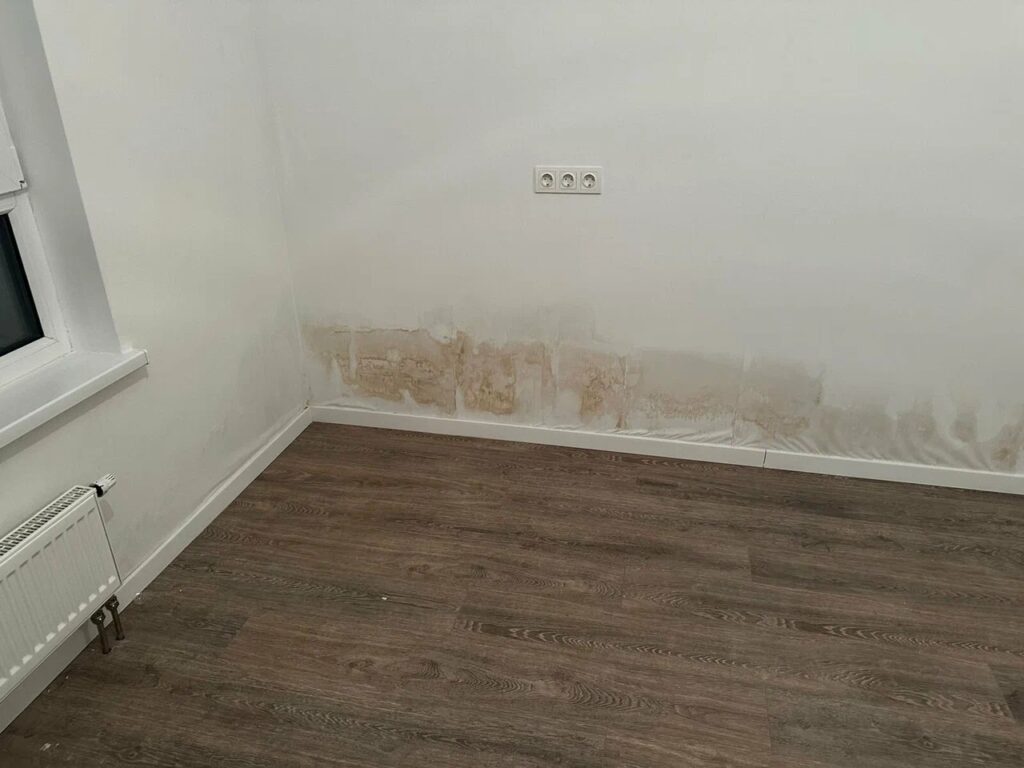
At the beginning of October 2025, the Investigative Committee informed the shareholder of the Ostafyevo residential complex, Lyudmila Kolosova, that it had added her appeal to the already initiated criminal case under Part 4 of Art. 159 of the Criminal Code of the Russian Federation (fraud resulting in the deprivation of a citizen’s right to residential premises) under similar circumstances. According to her, there are no accused or victims in the case, and the examination was carried out not at the construction site, but in the accounting department of Samolet. “The case was opened for show, as a distraction. Then it will be safely closed,” Kolosova suggested.
In conversations with clients, Samolet adheres to reassuring tactics. The company promised to issue keys to buyers of housing in building 2.2 of the Pyatnitskie Luga residential complex in the summer by December 31, 2025; similar deadlines were given to buyers of apartments in other Moscow residential complexes. The company justifies the missed deadlines with “objective difficulties.”
“Unfortunately, in recent months the industry has faced objective difficulties: labor shortages, interruptions in the supply of materials. In some sections of Pyatnitsky Meadows we were also forced to replace imported elevators with domestic analogues. These factors influenced the progress of construction, but we are actively working to resolve all emerging issues,” said a representative of Samolet Group of Companies.
Mosgosstroynadzor told Kholod that in 2025 the department repeatedly conducted working groups and inspections at the Ostafyevo and Alkhimovo residential complexes. According to the developer, the postponement of the commissioning of Ostafyevo is explained by a lack of staff, the need to replace some construction equipment and delays in its deliveries. The final inspection, carried out in November, also showed that work on the site has not yet been completed - a report with comments has been sent to the shareholders.
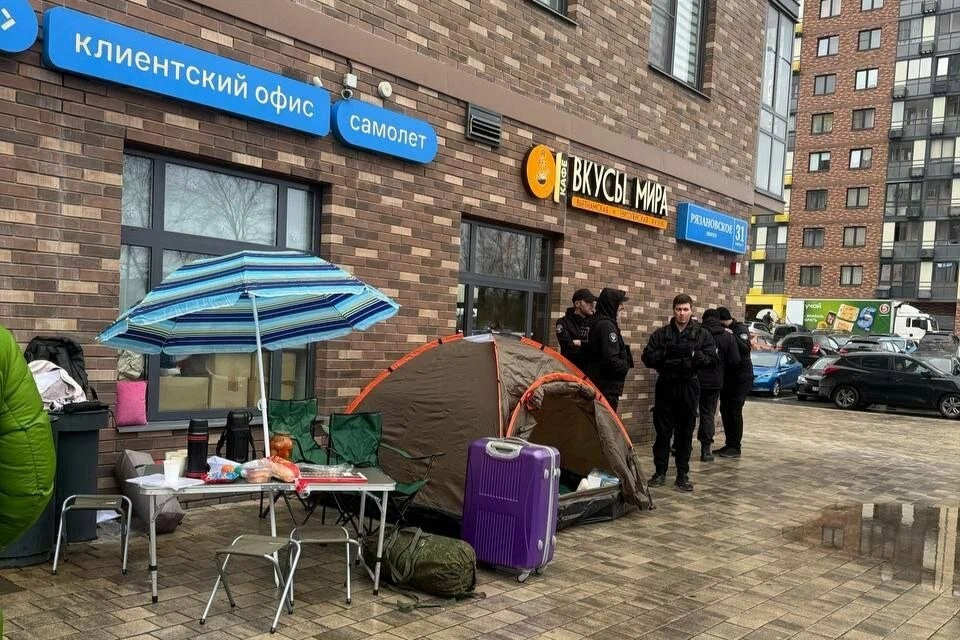
In the Alhimovo residential complex, the change in the timing for issuing keys is also due to a shortage of workers. At the same time, Mosgosstroynadzor emphasizes that the construction of buildings 9–16 has already been completed, and all buildings have successfully passed the final inspections. The shareholder of the Alhimovo residential complex told Kholod that the dynamics with their buildings are visible and the delivery of housing is planned for December 2025. However, the initiative group of this residential complex refused to give any more detailed comments. Shareholders of the Pyatnitskie Luga residential complex did not respond to Kholod’s messages.
Mosgosstroynadzor said that in case of systematic violations, administrative measures, including warnings, may be applied to developers. Citizens themselves have the right to go to court. “Kholod” also sent a request to the Ministry of Construction and Housing and Communal Services of the Russian Federation, but the department did not respond to it.
In mid-December 2025, a few weeks before the official deadline for housing in building 17 of the Ostafyevo residential complex, the developer’s chatbot wrote to shareholders that the planned date for issuing keys to apartments in this building and section of the house was apparently being postponed again, and the new date was now April 30, 2026. In the same chat, Kholod was told that “opening for occupancy is planned for March-April 2026.” The operators did not name the reason for the delay. There has not yet been any official notification to shareholders about the next postponement. The developer Samolet did not respond to Kholod’s request.
Author: Daria Morozova
Photo: Alamy