Translated material
"Fear and Loathing in Max." How Russians could not be transferred to the “national messenger”
Officials consider the project to transfer the population to Max a “failure”
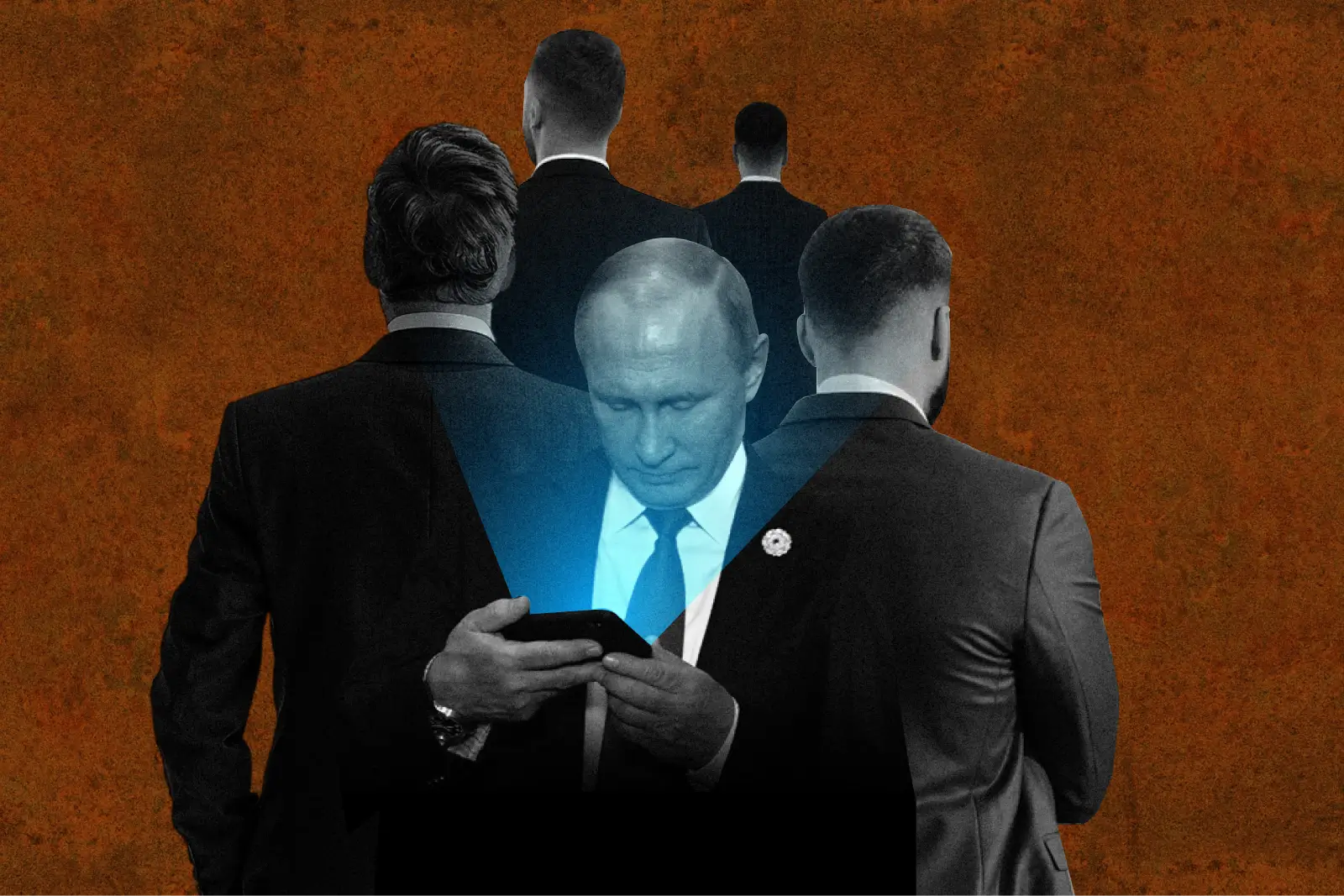
The second half of 2025 was marked by Max. Only in June, Vladimir Putin signed a law on the creation of a “national messenger,” and already on December 17, its creators reported 75 million users. Max seemed to be absolutely everywhere. It was advertised over loudspeakers and in cartoons , and the media and celebrities talked about the advantages of the new messenger. In official documents, Max is called a “multifunctional information exchange service.” According to the authorities, it should cover all areas of Russians’ lives: from school grades and house chats to making an appointment at the MFC, calling a doctor and confirming identity for purchases and benefits. But these plans are being implemented with difficulty - despite government support and the blocking of alternatives. They don’t want to switch to Max for personal communication, they don’t read the channels there, and even the Kremlin recognizes the project to introduce the messenger as a failure. How the “national product” was imposed on the Russians and why it could not replace the “enemy” WhatsApp and Telegram - in the “Layout” material.
In order not to miss new texts from “Layout”, subscribe to our telegram channel
In mid-December, the creators of Max published a 6-second video : a generated man and woman looking at the same phone and smiling unnaturally. The picture is enlarged and blurred, and the inscription spreads across the entire screen: “75 million users in Max.” This is twice as much as at the end of August, when the messenger was just beginning to be implemented in various areas of life. This number also included foreign users - since the beginning of November, calls and messages in Max have become available in nine CIS countries. The average daily coverage of Max in December, according to the creators’ report, was 45 million people. It is comparable to the coverage of other instant messengers in August - 55.8 million WhatsApp and 68 million Telegram. At the same time, the figures for Max were several times smaller - only 7 million unique users per day.
Vverstka’s source in the Kremlin’s internal political bloc is in no hurry to celebrate success: the implementation of the Max implementation project is “assessed by management as a failure.” “We know how to report numbers ourselves; the [Max] project managers have excellent numbers. But in reality, it was not possible to make the messenger the main means of communication even among civil servants and public sector employees. Someone will be responsible for this,” he explained. He did not specify the names of possible persons responsible, since the project is led by “too respected people” i .
According to the source, the Russians do not want to transfer informal communication to Mach - and this is the main failure of the project. Another interlocutor of “Vestka”, close to the AP, notes that now the messenger is almost impossible to use as “a platform for analytics, political work, for example, election campaigns.”
“The number of registered people is growing, but there is still not enough of the same house chats in which people actually communicate. This is not where people go to read Telegram channels. [Max] is perceived as a fairly formalized tool, not as a messenger for communication and leisure,” he sums up. The source admits that sooner or later Max will become truly popular, but for now its start “looks more like a RuTube failure than a successful startup.”
Eternal "beta": your account is now in Max
The beta version of Max was launched in March 2025 by VK’s subsidiary, OOO Communication Platform. It was founded in September 2024, when VK was already planning to develop a single “ national messenger ”.
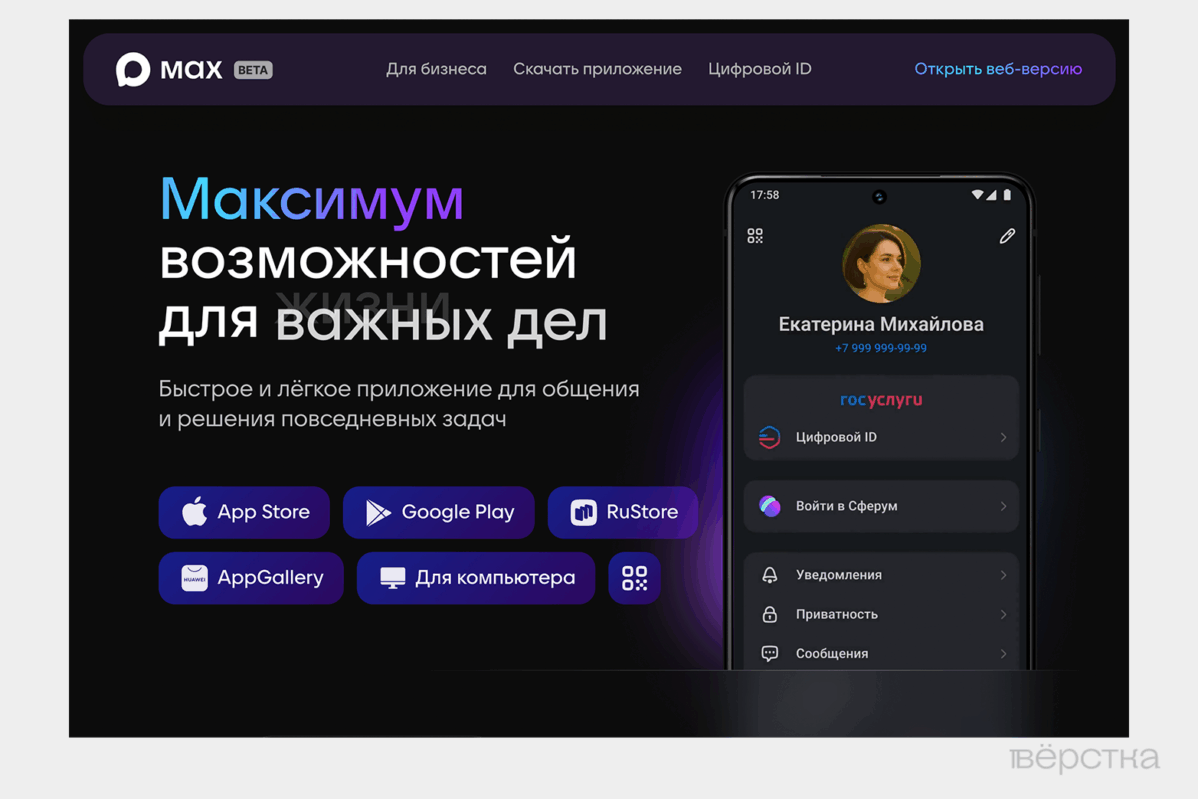
At the initial stage, in Max it was possible to text, call, send voice messages and files up to four gigabytes, and later video “circles” appeared there. The Sberbank GigaChat neural network was integrated into the messenger - although it recommended the resources of “foreign agents” and did not give a clear answer as to “whose Donbass is.”
From September 1, Max became mandatory for pre-installation on new devices in Russia. After the integration of the Sferum i educational platform, it began to be promoted in educational institutions. The mobile electronic signature “Gosklyuch” and “Digital ID” were also connected to MAX - the ability to confirm identity through a connection with State Services - and money transfers through the fast payment system (SBP).
What else can you do through Max?
Expand ↓A one-time code for logging into “State Services” could also be received in Max instead of SMS. In December, the “log in by phone number” option was completely removed from the mobile version of Gosuslugs - if you set up two-factor authentication in a special application, you can only log in through the national messenger. Next, Gosuslugi began to massively block accounts for 72 hours, supposedly for “user safety.” It became possible to restore access only through Max or in person at the service center. Sending documents from “Gosuslug” to “Gosklyuch” for signature also became available only through a chat bot in Max.
Recently, access to documents from the Gosuslugi portal appeared in the messenger: passport, policy, SNILS, INN. We also launched a special “Family Protection” mode - it allows you to configure privacy settings for other users (by design, children and the elderly) and limit the content they can view. By the end of the year, bank notifications should begin to arrive through Max.
In addition, Max has created a special platform for developers. Through it you can create chat bots and connect mini-applications. According to the official VK report, the business is integrating its services into the messenger: from selling goods and accepting payments to booking travel and customer support.
Max doesn’t just look like a mini-MFC in a phone - there are chatbots for recording in the MFC in every region, including “new territories,” Vorstka discovered. For example, at the MFC of the Zaporozhye region you can sign up for a specific day and time to receive a “certificate of participation in the SVO” and other documents.
However, from the user’s point of view, the application still lacks many functions, a developer involved in modifications to the messenger tells Vorstka. The "official launch" of the MAX was planned for the fall. However, at the time of publication, the “Beta” icon is still displayed on the service’s website. This means that the service is not ready for a full release; the functionality is not fully implemented. “But the work is underway: at least they simulate the activity perfectly,” comments the mod developer. He suggests that in the future there may appear, for example. transcribing voice messages.
New functions can also be indicated by disabled toggle switches in the developer menu; they cannot be turned on because the code for them has not yet been written. In the current version of the messenger, “Vorstka” has counted 20 changes that may be implemented in the future. For example, “Analytics” or “Changing the order of call icons in chat.”
The item “Allow logging of sensitive information” deserves special attention. When this toggle switch becomes active, traces of some actions may begin to be stored in the system. But it is not yet possible to say unambiguously how this will be implemented and what information will end up in the logs, another developer explained to Vorstka.
The application is already actively collecting information about the user : interaction events (clicks, purchases, actions in the application), personal data (age, contacts, identifiers, interface language), installation sources and deep links i .
Why is MAX dangerous?
Expand ↓For the activity tracker to work, the messenger requires almost all key permissions: access to the camera, microphone, geolocation, contacts, files, accounts, notifications, APK installation and screen capture.
Application services ensure continuous data collection even when the screen is off and in the background. Even draft messages and materials deleted before sending can be stored on servers.
At the same time, RKS Global experts were unable to identify cases of unauthorized application access to the camera, location, microphone, notifications, contacts, photos and videos.
Any Russian applications, including Max, can record where the user is approximately located. This means that security forces, using the System of Operational Investigative Activities (SORM), which all telecom operators are required to install, can also obtain this information.
Postcards, calls to loved ones and the governor's channel: now in Max
According to a November Russian Field survey, 68% of respondents do not use the Max messenger at all, and of those who did register there, only 4% of respondents read channels in Max. By comparison, 73% of average daily Telegram users read at least one channel. Another 3% use Max to access services. The most popular purposes are calling relatives and friends (18% of all respondents), as well as correspondence with them (13%). 15% of respondents call each other for work and study, 7% correspond.
Any user cannot simply create a channel in Max. But in September, Mach allowed bloggers with an audience of 10 thousand subscribers on other social networks and an “A+” mark from Roskomnadzor to open channels there . In mid-December, according to official bloggers, companies and government organizations created more than 122 thousand channels. For automated migration of channels and chats to “national messenger” they even created a special service - Pereydinamaks.rf .
To track the popularity of channels, three services appeared at once: maxstat.io , maxstat.net and listmax.ru . They differ slightly in the time of data update and the number of channels in the database, however, in all ratings in the top five are the official reports “Kremlin. News" (1.5 million subscribers) i , a channel with news inside Max itself (854 thousand) - for example, that New Year stickers appeared there i , the channel of Z‑blogger Yuri Podolyaka (664 thousand), RIA Novosti (393 thousand), the page of propagandist Vladimir Solovyov (369 thousand). In general, there are quite a few popular channels in the messenger - only 30 channels of which have more than 100 thousand i subscribers.
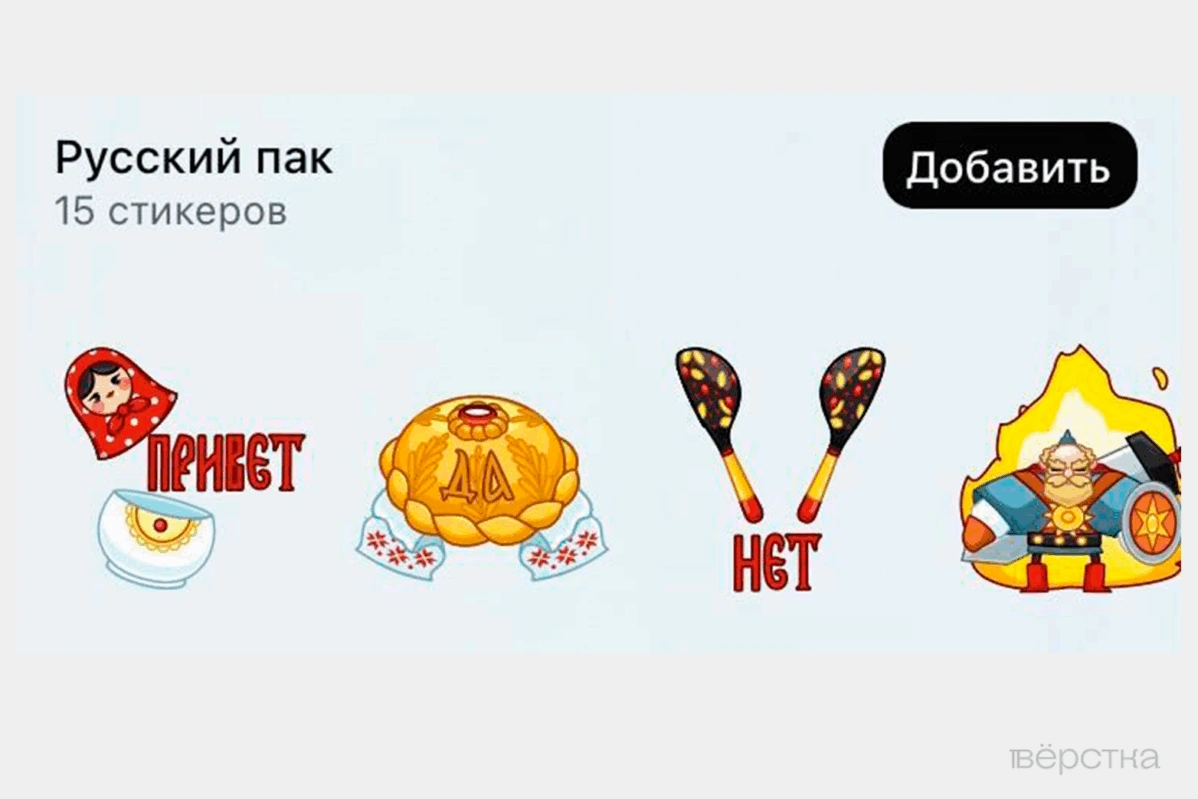
The fastest-growing channels over the past month, according to the maxstat.io service, were not political or news. Six of the eight leaders are channels with postcards: the developers probably understand that they are moving to Max from WhatsApp, where this genre is popular, and also offer branded postcards from the application itself.
The number of views in “national messenger” is difficult to estimate: it is not shown on publications. But there are reactions there - however, only positive ones, no “thumbs down” or “pooping”. Like subscribers, reactions in Max can be increased . Comments in channels are also not displayed yet. Digital Director of the iTrend agency Asya Shabalina noted that without open statistics on coverage and transfers, businesses “cannot seriously consider” advertising in National Messenger channels. And the forced transfer of the audience to the platform, in her opinion, makes audience engagement low.
Officials are forced to create channels in Max and maintain them - this is monitored by the ANO “Dialogue Regions” i . The organization created a motivational rating. It estimates the number of subscribers in the official channels of each subject, taking into account the population of these regions. The first time the results were posted on the Max channel “State Publications - The Best” was in mid-November. Then the Astrakhan region (13 thousand subscribers) took first place, followed by the Chukotka Autonomous Okrug (1.5 thousand) and Moscow (38 thousand). In last place was the Chechen Republic (67 subscribers), and in second to last place was Ingushetia (79 subscribers).
The organization also reported in September that not all governors had registered with Max. After this, the head of Tatarstan Rustam Minnikhanov and the acting head of the Sverdlovsk region Denis Pasler nevertheless started their own channels and regularly publish posts there. The only governor whose page in the “national messenger” could not be found by “Verstka” is the head of the Volgograd region Andrei Bocharov.
“Bocharov is in a special position: heroic background and political successes in the region. Therefore, he can afford not to register with Max and not maintain a telegram channel, but not even to carry out obligations like “Direct Lines”. He doesn’t want to, and he doesn’t do it,” a political strategist who worked with the Volgograd region told Vorstka. A PR man who worked with Bocharov in one election says that once on the “straight line” the governor “cursed and there was a big scandal.” “This is not his,” concludes the interlocutor of “Vestka”.
Despite the demands of the AP , other officials also refused to conduct public activities at Max . And out of 89 regional branches of United Russia, only five have opened channels in the “national messenger”.
“Formally, governors carry out instructions to join one or another social network without problems, with limited exceptions. But few are actually involved. For example, Belgorod Gladkov often writes in his “cart”, and now in Max, himself. Writes down circles. Kaluzhsky Shapsha does not write posts, but reads them personally. But the majority delegated this work to the press services,” an interlocutor at the Dialog Autonomous Non-Profit Organization told VERSTKA. Often, in the “national messenger”, governors simply duplicate official information from Telegram or VKontakte, and, as a rule, no more than several thousand users are subscribed to their pages.
Coercion and sabotage: Max is now in education
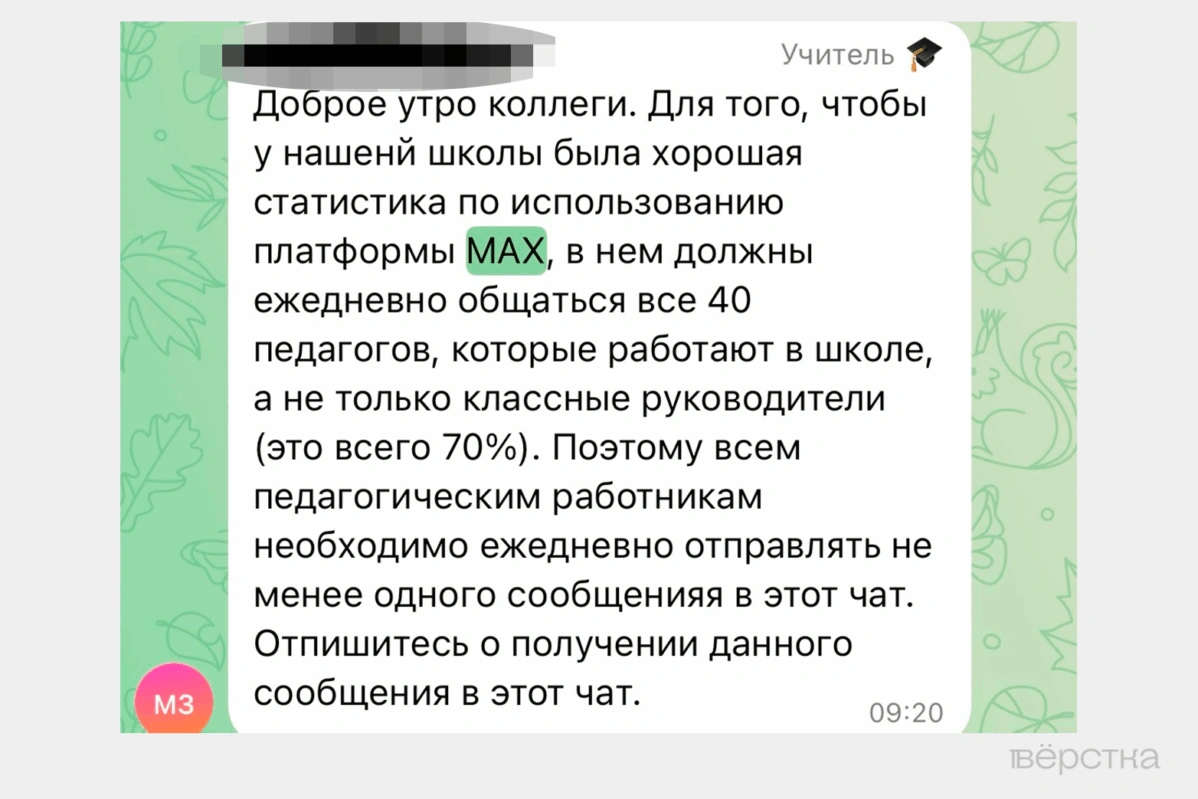
“Good morning, colleagues. In order for our school to have good statistics on the use of MAX, all 40 teachers who work at the school, and not just the class teachers, must communicate in it daily. Therefore, all teaching staff must send at least one message to this chat.”
“Dear colleagues! Join the school channel MAX. We created a channel at the request of the Moscow Region"
“Colleagues, I am waiting for 40+ in this chat, meaning that you have seen a message about daily communication in max.”
Such messages were received from the Telegram administration by a school teacher who spoke anonymously with Vorstka. Next, according to her, all groups in the usual messenger were deleted.
At the end of August, the Ministry of Digital Development published clarifications on the implementation of Max and Spherum in educational institutions. It says that their use “is completely voluntary”, and mandatory registration in Sferum “is not provided for by the legislation of the Russian Federation” i .
However, teachers are required to install Max and communicate with parents and students through Spherum. “Layout” found on the websites of departments and individual institutions “road maps” for the implementation of services in the Krasnoyarsk Territory, Leningrad Region, Kirov, Sverdlovsk Region, Ingushetia and Tatarstan. All documents required a transition from 75 to 100% of educational communication in Max by the end of the year. “Vorstka” noticed similar requirements in the orders of the Ministry of Education of Yakutia and the Perm Territory (available to the editors).
Threats of expulsion and mass mailings: how else are they forced to use Max in educational institutions
Expand ↓Sometimes documents on Mach installation requirements are not published, but school teachers and administrators receive direct instructions from above. For example, as subscribers of “Angry Chuvashia” reported, a mailing was carried out in Cheboksary schools with a demand to achieve 100% migration of students and parents to Max, place posters in classrooms about its “advantages” and publish at least four posts a month on this topic.
Students are also threatened for not installing Max. “Vorstka” found in the order of the Mari El College of Commerce and Technology information about expulsion for refusing Max and “taking discussions to third-party chats, instructing other students to ignore official chats, creating alternative “pseudo-official” chats, refusing to receive information through created official chats.” The media reported that expulsion had already been threatened at the Omsk College of Professional Technologies, and residents and graduate students of the Center for Cardiovascular Surgery named after. Bakulev was promised not to issue diplomas without registration.
In the Krasnoyarsk Territory, according to the “road map,” they were supposed to carry out “motivating events” for teachers (which ones are not specified), and also include a training module on the use of Sferum in advanced training courses. The Minister of Education and Science of Buryatia Valery Pozdnyakov took motivation into his own hands. He called on all teachers to transfer all parent and school chats to Max from Telegram and “be vigilant” because “a massive attack on our children has been recorded there.”
Sometimes they move from reasoning and arguments to threats. One of the teachers told Vorstka that at his school everyone is required to write 10 messages a week in the messenger. “Those who don’t write are persistently reminded. There were threats that there would be sanctions - cuts in incentive payments, etc.,” he says.
As in the case of officials, there is also a motivational rating for educational institutions - this is indicated, for example, by the news that in October the Astrakhan region took 1st place in the Southern Federal District and 22nd in Russia in the use of Sferum. In early December, the platform reported 15 million users.
Even before the advent of the “national messenger,” statistics on connections to the educational service were also kept for municipal districts or schools in individual regions. “When there was Sferum, there was a formality,” recalls a teacher from St. Petersburg in a conversation with Vorstka. “They sent stickers there to create activity.”
Such statistics are still being kept - “Vorstka” discovered data on the use of “Sferum” in Yakutia at the end of July. The numbers were disappointing: None of the districts achieved the target of 25% or more of students and teachers active in schools. In colleges, 6 of 44 districts met goals for active students and 5 of 44 for teachers.
In November, anthropologist Alexandra Arkhipova published data from the Moscow Department of Education on the connection of capital schools to Max. It turned out that everywhere, except for six schools, less than 20% joined the messenger. In general, 7% of Moscow schoolchildren, 20% of parents and 62% of school employees have connected to Max.
“Layout” found statistics on connected educational institutions in the Samara and Vladimir regions. Judging by these data, from 70 to 100% of schools, kindergartens and colleges have formally switched to Max. However, in the Samara region, in a third of schools not a single student was registered, and in 70% of educational institutions not even the director was registered. Some of the registered teachers did not leave even three messages in Max chats in a week and did not make calls there. In the Vladimir region there are more registrations, but the number of active teachers is often less than just the number of registrations among teachers.
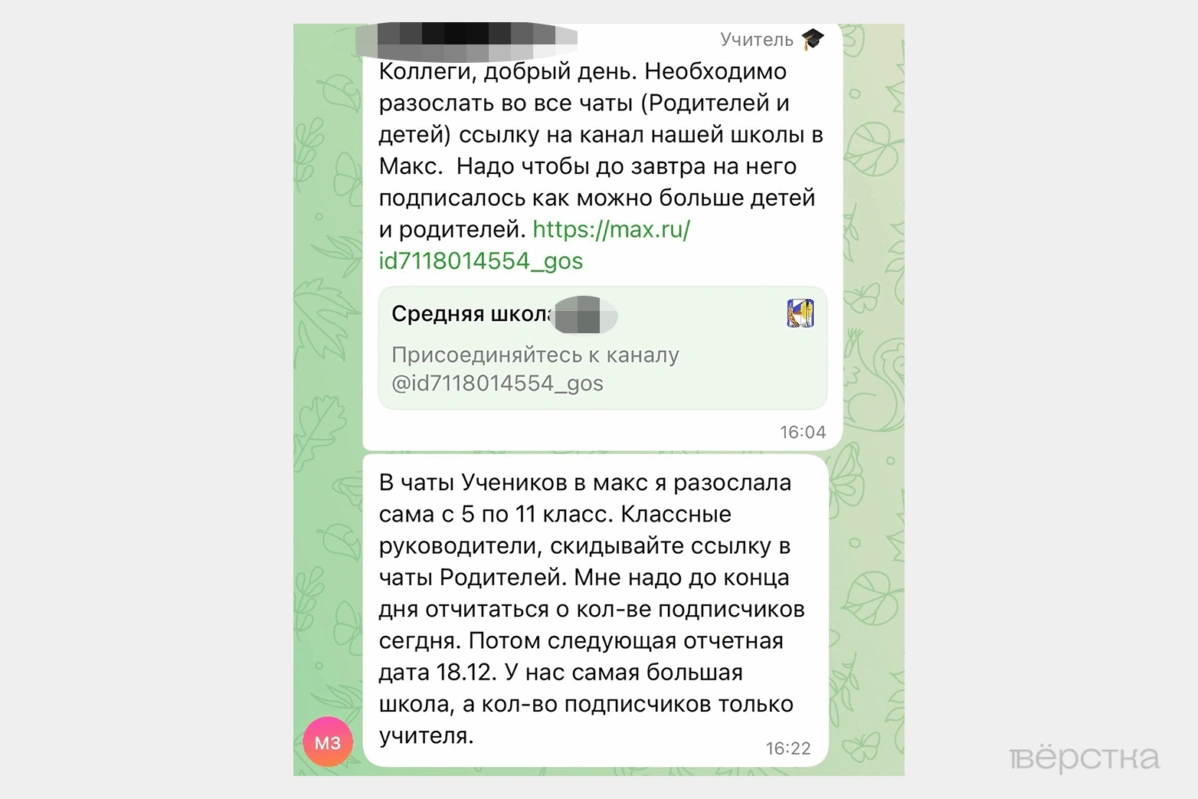
Some teachers deliberately sabotage the connection to the “national messenger”. A teacher from the Voronezh region told Vorstka that she refused to switch to Mach, then the director told her to write an explanatory note. “I asked for a document (order or instruction) on the basis of which I should write an explanatory note. She shrugged it off and didn’t raise the issue again,” the teacher shared.
“They started talking about Max at teacher councils, then they put up a Google table: do I have it, how many parents and children have it,” says a teacher from the Moscow region. — I am not filling out this table. My phone can't install Max and I don't want it to. So tired: WhatsApp was replaced with Telegram, then in Sferum (I only have it at work, I don’t even go there), now Max. If I have a work smartphone, I’ll have a Max, but only at my workplace, I won’t take it home!” Both teachers communicate with colleagues and parents in person or by phone.
A teacher from St. Petersburg installed Max on his work computer: “the administration specifically asked,” but opened the application only three times. “If you need to move work issues there, no problem. But I will only use it during working hours. From a work computer. There is no and never will be a chat with students in Max, since I need the opportunity to write to them “around the clock.” With parents on WhatsApp for now, with students on Telegram. The chats were created there a long time ago and there is no point in changing them,” he says.
Some teachers interviewed by Vorstka still have to communicate in Max. “If I, as a representative of a government agency, communicate with parents in other instant messengers, this is a violation of the law,” says a Moscow kindergarten teacher, referring to the federal law passed in 2025 prohibiting government employees from using foreign software. The teacher adds that this concerns official information, and she answers parents’ questions “wherever they write.”
A music school teacher from Moscow says that they have not yet been forced to install Max, but communication with students was transferred there due to WhatsApp blocking. Now it is difficult to send photos of sheet music, video and audio files.
Doctors, house chats, shelling notifications: everything is now in Max
The State Duma adopted the first law officially establishing the mandatory nature of Max on December 16. According to the document, management companies, housing and communal services organizations and garbage collection operators must interact with residents of apartment buildings only through the “national messenger” - in house chats created there. Deputy Vladimir Koshelev i explained that the changes “will increase the level of communication between residents and management organizations.” A month before this, he assured that house chats in Max would not be created forcibly.
By the time the law was adopted, the Ministry of Construction had already reported on the creation of more than 500 thousand “sovereign” house chats throughout Russia - and in total there should be about a million of them. However, as in the case of school chats, brownies are also created “from above.”
An employee of a company in the housing and communal services sector told how this happened in one of the cities of the Moscow region: “Representatives of the Ministry of Cleanliness i from the [city] administration simply wrote an SMS to the director of the management company that they themselves created house chats for each house. They said you need to attract at least 26 people to each chat. The management company made QR codes for each entrance so that residents could add themselves, or go themselves and campaign for them to come into their house in Max.” According to Vorstka’s interlocutor, so far “no one is really being added to Mach” - there are 10-15 people in the chats per house, and half of them are representatives of the management company.
In a November KP.RU survey, 57% of people said that they were not a member of any house chats. The publication Zelenograd.ru conducted a survey the day after the adoption of the law on the transfer of communications to Max. Of the 1,840 voters, only 17% answered that they have an active chat, 20% do not go there or go there out of necessity, 52% do not know about the existence of chats. One of the voters explains to Vorstka that he saw a QR code leading to the Max entrance chat in the elevator. However, he believes that the introduction of a new messenger is “useless”, since for now residents continue to use WhatsApp and Telegram.
“Even the administration itself doesn’t know how all this will be controlled and why it was all done,” says Vorstka’s interlocutor from a housing and communal services company. According to her, activity in these chats is not yet monitored in any way. For requests from residents in the Moscow region, other communication channels are maintained: the Unified Dispatch Center, the Dobrodel digital platform. Applications are monitored and ratings are maintained between management companies and by city, the employee notes.
A few days after the law on house chats, the State Duma approved a proposal to consolidate the right to confirm age in Max instead of a passport. Now this option is available when purchasing alcohol, cigarettes and energy drinks in many stores, including Perekrestok, Pyaterochka, Lenta, Monetka and VkusVill.
Like other state employees, doctors in different regions began to be transferred to the “national messenger”. “They are asking convincingly,” a doctor from the Sverdlovsk region tells Vorstka. “They can simply restrict access to an important chat on WhatsApp and say: “Go to Max.” It seems like there is a choice, but it’s like there isn’t.”
A doctor from Moscow says that for now the severity of the requirements depends on the management of the medical institution. For example, their department head explains in a WhatsApp chat that “life is gradually pushing us all towards Max” and “we’ll have to do it sooner or later,” “better earlier.” However, he is “not held in high esteem by many” and is “often ignored.” In response to his suggestion in the chat, doctors suggest “solving issues as they come” and voting “for the cart.”
The innovations also apply to patients. “Chatbot Denis in Max is a luxurious maximum. Use the medicine of the Moscow region, even in the elevator, even in the underground parking lot,”says the neural network woman in the video of the Ministry of Health of the Moscow Region. Services for making appointments with a doctor were also transferred in Novosibirsk and St. Petersburg , in Yamal a new chat bot was created for this, and in some regions this is possible through bots of the MFC and the Ministry of Health - or the creation of such bots is planned in the near future i .
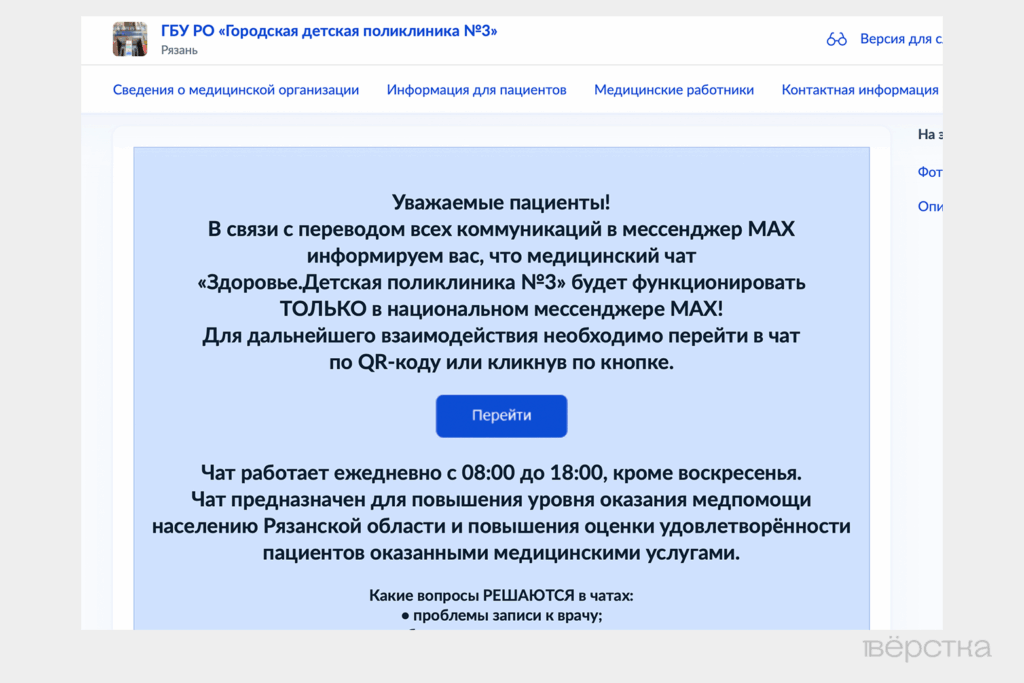
As a rule, Max creates an additional channel for communication with patients. However, some medical institutions are reporting that medical chats will now only be available in Max. “Layout” found such advertisements on the websites of Children’s Clinic No. 3 of Ryazan and the Saraevsk District Hospital of the Ryazan Region. In Barnaul, you can now call a doctor at home from clinic No. 14 and hospital No. 10 only through the “national messenger” or by phone; in children's hospital No. 8 of Yekaterinburg, the same two options are available for making an appointment with a doctor.
This is far from the only area where Max has penetrated. It is proposed to be used to confirm the status of a large family , when going to the library and, as stated in the media, while studying in driving schools .
But the area in which the lives of Russians literally depend on the work of Max is notification of drone attacks. Back in September, such messages were transferred from Telegram to the “national messenger” by the head of the Pskov region, Mikhail Vedernikov. In November, the governor of the Belgorod region, Vyacheslav Gladkov, began duplicating messages in Max. Max is included in the i whitelists and should not be blocked when the Internet is turned off, but in this mode the application does not send push notifications. To find out about a UAV attack, you need to keep the application open at all times. At the end of November, residents of the Belgorod region complained in the comments to Gladkov’s post that even in this mode, Max did not always work in the region.
Icon replacement, technical error: how the Russians pretend that they are now in Max
Some Russians agree to install Max under pressure or to gain access to important services, but choose what they consider "safer" versions. For example, one of the teachers with whom Vorstka spoke installed “national messenger” via an Android emulator on a desktop computer at school. From the outside it looks as if he is sitting in Max using a tablet - it seems to the teacher that this way there will be no questions for him from the management. However, he does not want to install the application on his phone.
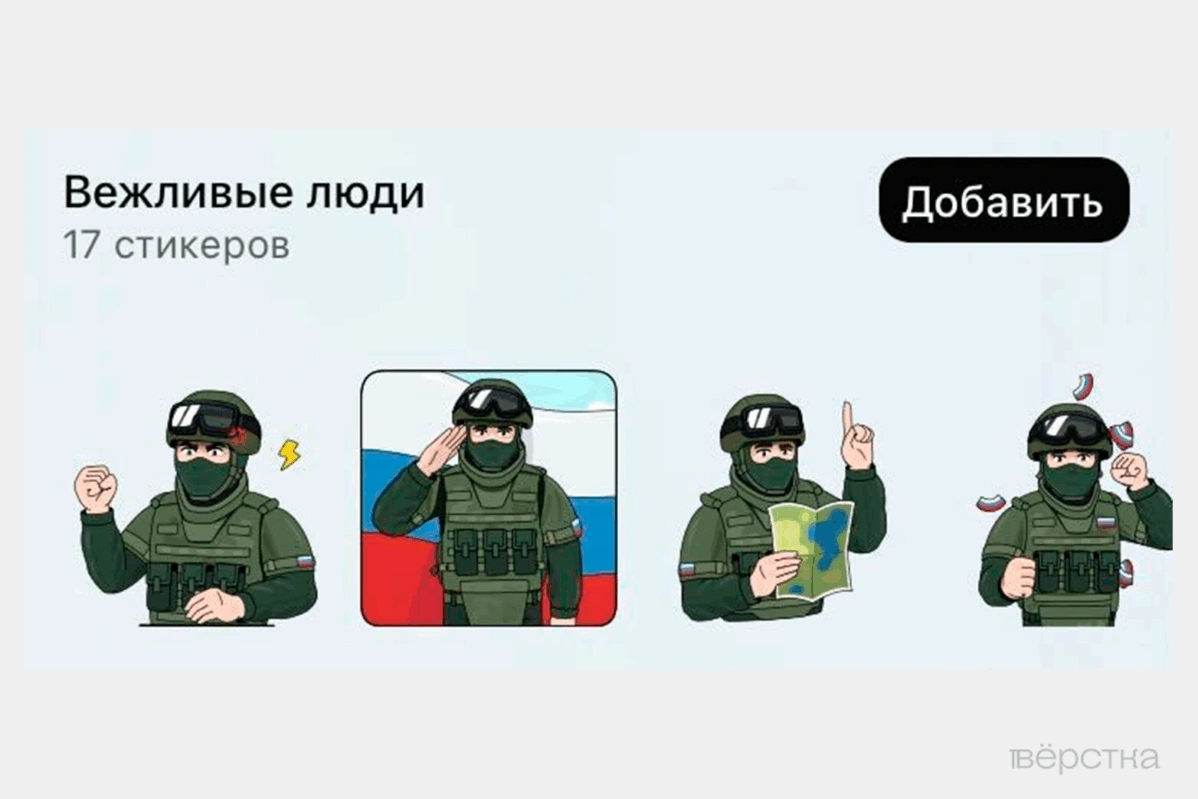
Since the launch of the “national messenger”, modifications have begun to appear - modified versions that should limit the messenger’s access to phone data. “Layout” talked about three main fashions popular among Russians: reMax, WhiteMax and “Green Max” . They offer to disable invasive permissions, activity and background activity trackers, and block device fingerprinting and network requests. The mods have been downloaded by tens of thousands of users and are especially popular among young people aged 15–25.
At the end of September, the Komet client was launched - it also helps to disable tracking and personal data collection functions and allows you to set up anonymization. A day after the release, Max began to massively block users who downloaded Komet, about 700 accounts were affected. However, in December, the client developer noted in a conversation with Vorstka that the blocking began “by mistake” because “some technical issues were slightly incorrectly configured”; now there are no such problems.
To report to teachers about the Max installation, some students install a “blank” Black Screen application and change its icon to the Max icon. If the teacher doesn’t calm down so easily and asks to open the application, they came up with another life hack - download a special application that shows that Max is installed, but cannot open due to an error. Videos on how to use such services are distributed through TikTok.
Universal domination or the end of the experiment: is there a future in Max
The “national messenger” has big plans for 2026. In Tatarstan, according to the “road map”, they want to transfer payment for parking, meals in schools and kindergartens to Max. Customer service for business forums, a digital ID for students and the whole AK BARS bank await you if you switch to the messenger. In the Arkhangelsk region, they plan to create chatbots in Max about the operation of transport and the availability of medicines in pharmacies, and also transfer the “Our Pomorie” application there for appeals to regional authorities.
Whether all these plans and those that have not been publicly released will come to fruition depends on the will of officials analyzing the success of the Max. The possibility of completely blocking alternatives and the creation of other Russian messengers depends on their decisions. At the beginning of December, the developers announced the launch of Lightning. Its developers are the companies Red Soft (Russia) i and Passion (China). It is focused on “the development of international interaction, primarily with China.” In it, like in Max, it will be possible to communicate and make payments.
In the meantime, the officials themselves are in no hurry to leave Telegram . “For now, the decision is this: we leave Telegram, but we continue to scare it in every possible way and drag [the messenger] into cooperation,” an interlocutor close to the internal political bloc of the presidential administration told VERSTKA. The interlocutor noted that plans for the activities of Telegram “networks” working in the interests of the Kremlin are preserved and continue to be discussed for 2026. He adds that social networks are also “statements by politicians for an external audience.” There are problems with installing Max abroad, and Western social networks heavily filter Russian content. “It turned out to be more useful to have your own platform in the form of Telegram than to block it,” he sums up.
Cover: Dmitry Osinnikov
You can support “Layout” from any country in the world - it is still safe and very important. We really need your support now
How to help us