
Translated material
From the bazaar to the fight against the regime
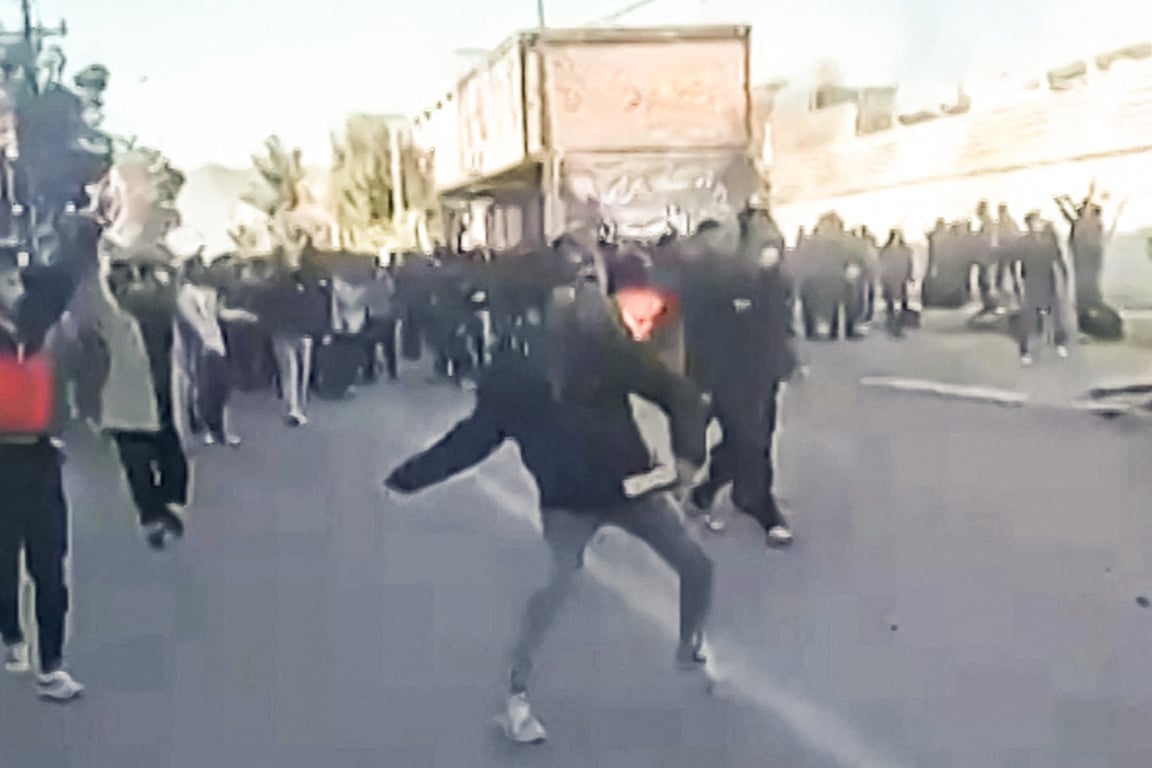
People across Iran have been protesting for a week over the economic crisis. At the protests they chant “Death to the dictator”
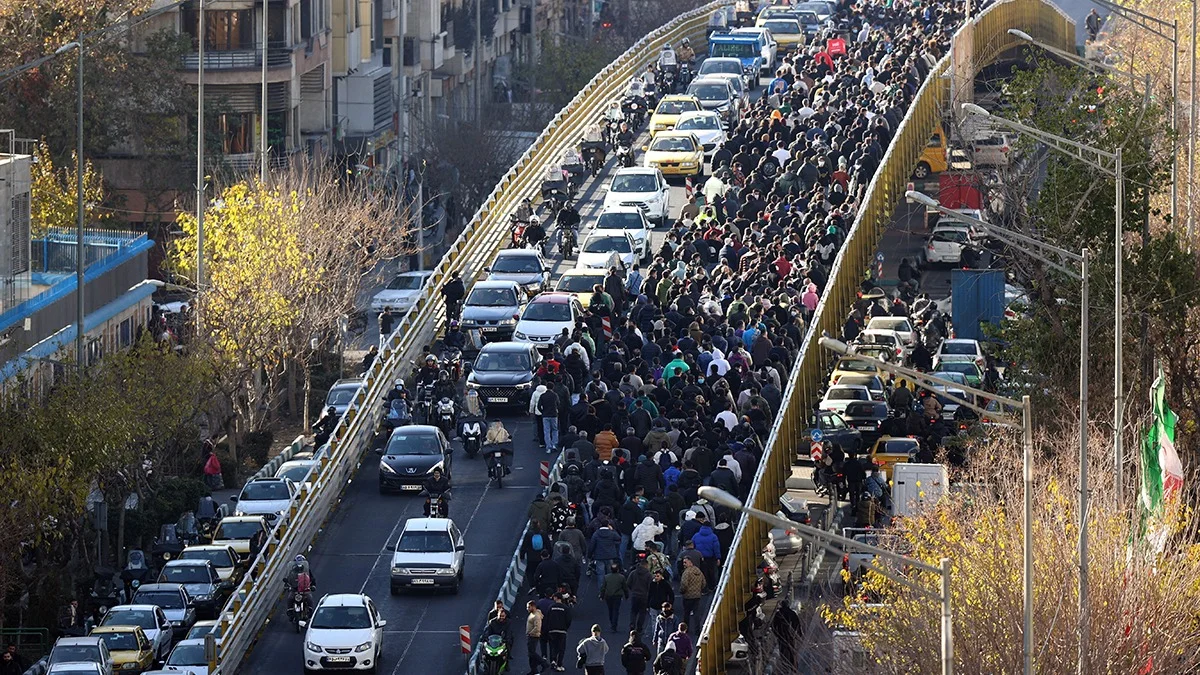
Protests in Tehran, Iran, December 29, 2025. Photo: EPA
Since the end of December 2025, large-scale protests have been going on in many cities of Iran. The demonstrations in the country, which has been under sanctions for more than 40 years, broke out after a sharp drop in the value of the national currency and the onset of another financial crisis.
The protesters not only oppose the rising cost of living, but also call for the overthrow of the ruling system and Supreme Leader Ali Khamenei. As Iran International, an opposition resource to the Iranian government, notes, for the first time in five decades, slogans in support of the return of the Pahlavi monarchy began to appear frequently in the public space. Read more about the protests in Iran and what they will develop into in the article by Novaya Gazeta Europe.
More than a hundred arrested, the first victims
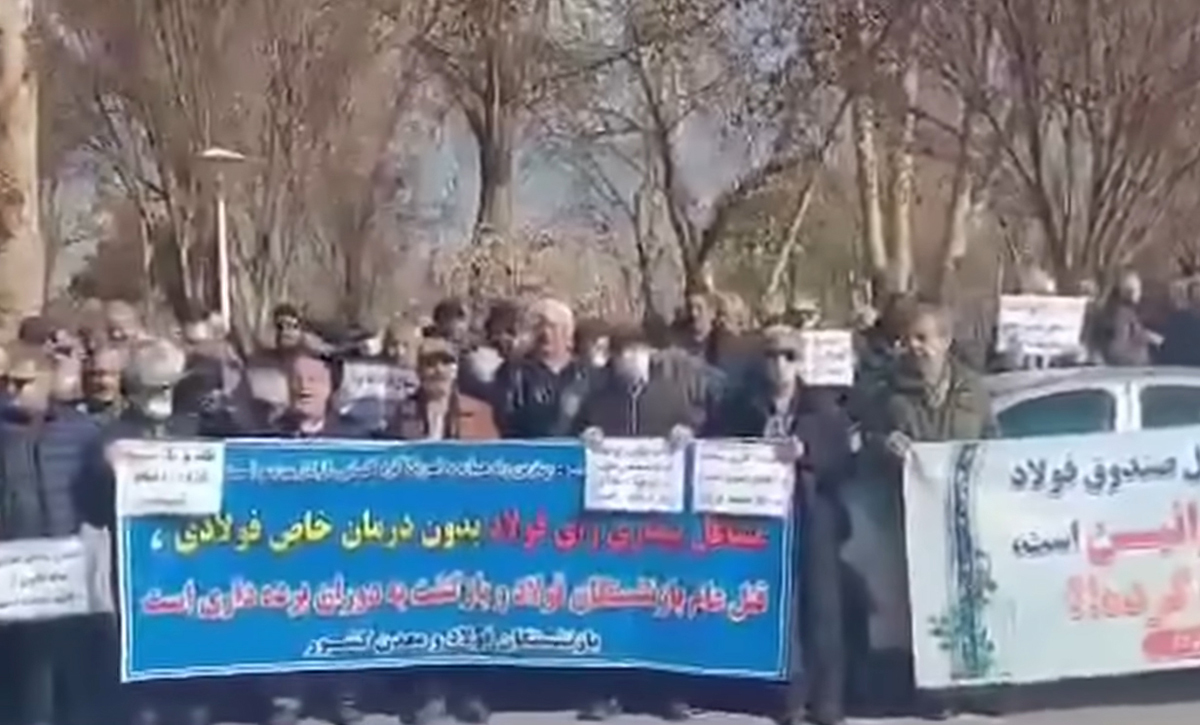
Protests against economic chaos began on December 28, with a strike by entrepreneurs in Tehran. They closed stores en masse in markets and shopping centers, speaking at street protests about price hikes and inevitable bankruptcies.
University students soon joined the traders, and the demonstrations quickly became political and spread throughout the country. In total, protests have taken place in at least 113 locations in 46 Iranian cities over the past week.
The protests were the largest in Iran since 2022, when crowds demonstrated following the death of 22-year-old Mahsa Amini , who was detained for wearing the hijab “incorrectly.” The media note that security forces act more harshly in small towns and more cautiously in megacities, but casualties and mass arrests have already been recorded.
In some places, demonstrations escalated into clashes with security forces. In several cities, including Nurabad in Lurestan and Hamadan in western Iran, state security forces used live ammunition against demonstrators, according to Iran International.
The Associated Press, citing Iranian authorities and human rights activists, reports that at least ten people died during the protests. The publication notes that some of the deaths occurred during clashes between protesters and security forces in different regions of the country amid the use of force to disperse demonstrations.
Kurdish human rights group Hengaw said late Friday it had identified 133 people arrested, 77 more than the day before. The Iranian human rights organization Human Rights Activists in Iran (HRANA), which analyzes videos from protests in different cities, also reports detentions and violence against protesting citizens. In particular, 15 women were taken to Evin prison in Tehran, known for holding Iranian political prisoners. Among the detainees are 16-year-old teenagers who were arrested in the cities of Gachsaran and Yasuj and taken to an unknown place.
Iranian state television reported the arrests of individuals accused of manufacturing Molotov cocktails and homemade pistols, Reuters noted. Thus, Iran International writes that over six days of protests, at least 44 people are known to have been wounded as a result of firing with live ammunition or pneumatic weapons by Iranian security forces.
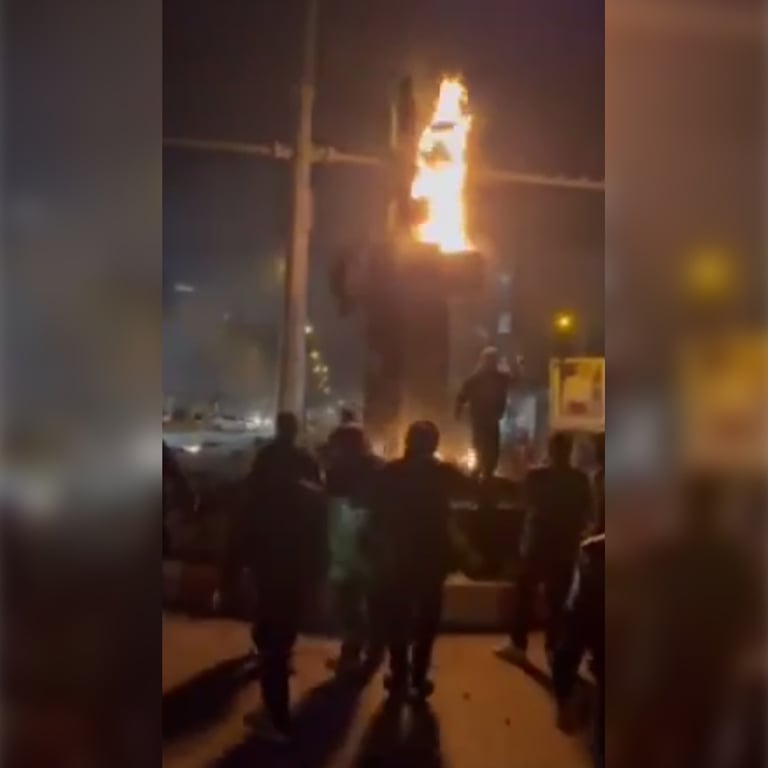
Protests continue on January 3, with protesters taking to the streets in some cities, opposition slogans appearing on walls in Tehran, and merchants in the capital calling for a protest on Sunday. The traders said in a statement that the planned action is part of what they call a "nationwide movement for freedom, justice and dignity." They called for their actions to continue with the public until their goals are achieved.
Iran International notes that authorities have taken a different tack in the current protests: state media have covered the unrest, the government has taken a conciliatory stance, and the internet has remained largely accessible. Even state television hosts have repeatedly said in recent days that “protesters have every right to protest against rising prices.” In 2019, demonstrations against rising gasoline prices in Iran escalated into anti-government protests.
The Institute for the Study of War draws attention to the fact that
The relatively soft tone of government officials towards the protests is not entirely unusual, given that the Iranian regime has historically been somewhat more tolerant of protests.
caused by economic reasons, compared to protests caused by socio-cultural issues, such as the 2022–2023 protest movement after the death of Mahsa Amini. Then, according to Iran Human Rights, by September 15, 2023 alone, 551 people had been killed during protests.
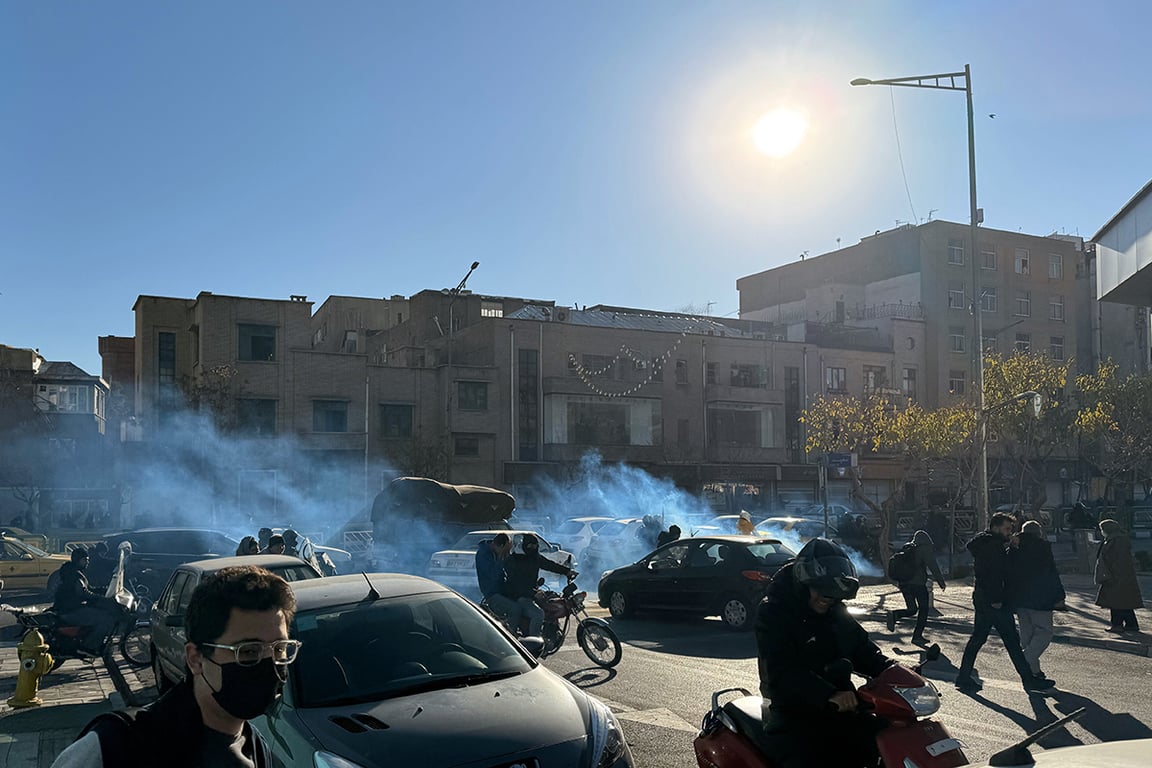
Economic crisis
A new wave of protests arose after a sharp rise in exchange rates and instability in markets. The economy has become extremely unstable for both ordinary citizens and entrepreneurs, HRANA notes .
The Iranian rial has lost about half its value against the dollar in 2025, and official inflation reached 42.5% in December, Reuters writes . Now 1 dollar is worth about 1.4 million rials. The stock market experienced significant capital outflows and a fall in key indices. According to analysts, these processes indicate a massive withdrawal of capital into more reliable assets - primarily foreign currency and gold - and reflect a decrease in public confidence in the ongoing economic policy. The immediate consequences were the closure or partial shutdown of retail outlets, the inability of small businesses to continue operating, and the expansion of protests and strikes in cities across the country.
“Despite my mother's concerns, I joined the protests on Wednesday. We are still executed and arrested. That's why
Now people are thinking: if they keep killing us even when we don’t take to the streets to protest, then why the hell are we waiting for the right moment?”
— a 19-year-old computer science student from Tehran told The Guardian anonymously.
Another 20-year-old university student involved in the protests told British journalists how his dormitory was raided on New Year's Eve by plainclothes police and members of the Basij, a volunteer paramilitary force. They began interrogating and beating the students, trying to find out who was leading the protests. Since then, many classes have been moved online.
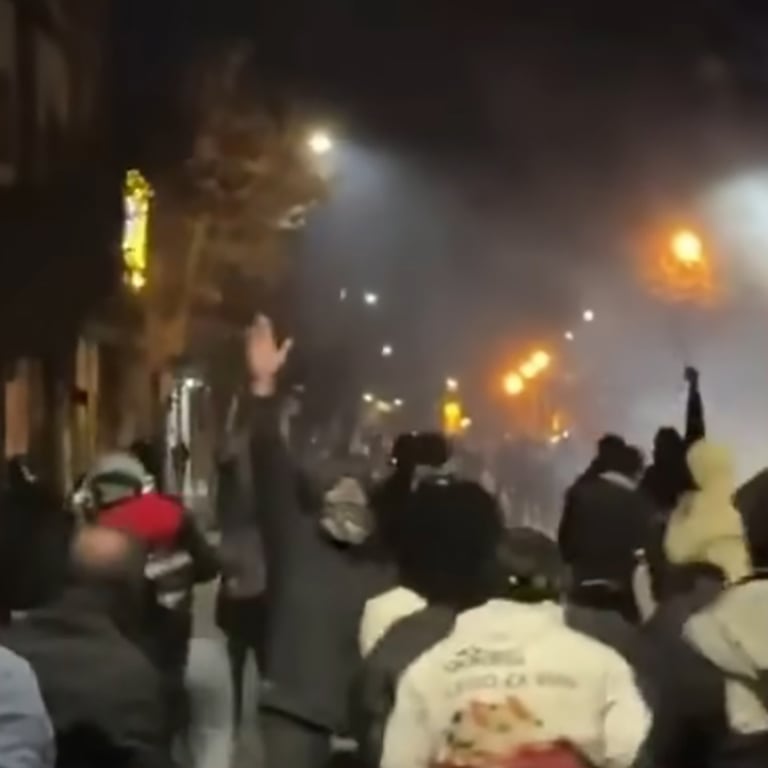
“Participating in these protests could ruin our future, but we realized that we have no future under this regime, so why be cowardly and hide now?”
- said the young man, who asked not to use his name.
The United Students Telegram channel published a video of students chanting “Death to the dictator.”
The National Committee of Iranian Resistance reports slogans such as "Death to the Dictator" and "Death to Khamenei" not only in Tehran, but also in other provinces such as Alborz, Bakhtiari and Shiraz.
The last empress of Iran, Farah Pahlavi, published a post on Instagram supporting the protesters:
“Today I see you becoming stronger than ever. I see young people, men and women from every corner of this great land, standing up and speaking with one voice that can no longer be ignored. Your courage, strength and resilience fill my heart with pride. You are not alone, and your voice for freedom and justice is heard beyond the borders of Iran. Oppression and oppression will not last forever.”
Pahlavi expressed confidence that "this time will be remembered as a turning point when the Iranian people will reclaim their future" and called on the security forces to join the people.
Trump supported the protesters and threatened Iran with a readiness to intervene
US President Donald Trump, amid mass protests in Iran, publicly expressed his readiness to intervene in the situation if the Tehran authorities begin to brutally suppress peaceful demonstrations. He posted a message on his social network Truth Social, where he said that the United States is “on alert” and will be able to “come to the aid” of protesters if Iranian security forces shoot at or kill them. At the same time, Trump did not specify what specific actions the United States could take.
Iran sharply condemned Trump's statement and called it an attempt to interfere in the country's internal affairs. In an official letter, Iranian officials accused the United States of making “irresponsible, provocative and unlawful threats” and promoting violence and instability. Iran demanded that the UN condemn such statements and stressed that it would vigorously defend its sovereignty and security, recalling that the United States bears responsibility for the consequences of such threats.
According to Iranian authorities, statements about “support for the Iranian people” come from representatives of a state that has “a long and well-documented history of military interventions, regime change operations and the unlawful use of force around the world.” The document states that such actions have repeatedly been carried out in violation of international law and the UN Charter and have led to massive civilian casualties, the destruction of states, humanitarian crises, and the emergence and strengthening of extremist and terrorist groups.
“Moreover, the Iranian people have felt the true consequences of the United States' stated concern for their well-being for decades.
US history demonstrates a consistent pattern of intervention and coercion carried out under the pretext of “supporting the Iranian people.”
- says the letter that Iran sent to the UN Security Council.
Iranian Supreme Leader Ali Khamenei said the Iranian people saw "the real state of affairs in the United States of America during the 12-day war between Israel and the United States" when the US army joined Israel and attacked nuclear facilities. Khamenei argues that sellers are among the most loyal segments of the population to the authorities. In his opinion, the rise in foreign exchange rates and its instability are “the work of the enemy” and officials are trying to correct the situation.
“That’s why they protested against this issue in the bazaars, and rightly so. The important thing is that a number of provoked enemy mercenaries are hiding behind (the screen) and chanting anti-Islamic and anti-Iranian slogans. Protests are appropriate, but protests are different from riots. We talk to the protesters, but talking to the rioters is useless. The rioters need to be put in their place!” - he said.
Iran's reformist President Masoud Pezeshkian said he had instructed authorities to listen to the "legitimate demands" of protesters and that he was committed to dialogue with protest leaders.
What could protests lead to?
According to The Economist, a new wave of protests was only a matter of time: Iran met the end of 2025 in a state of deep crisis - against the backdrop of the war with Israel in June, the collapse of the economy, environmental problems and virtual paralysis of governance.
The Economist believes that President Masoud Pezeshkian is practically deprived of the opportunity to carry out real reforms, and Supreme Leader Ali Khamenei is not ready to make concessions that could lead the country out of the crisis. At the same time, the opposition remains fragmented and has no leaders, which reduces the chances of the protests to succeed.
The publication highlights two factors of uncertainty: a possible escalation from Israel and threats of intervention from the United States after statements by Donald Trump. It is they, according to The Economist, that can change the course of events and the reaction of the Iranian regime.