
Translated material
Old foundation from stained glass to urinal
Old foundation from stained glass to a urinal. We spoke with the author of the project for the restoration of pre-revolutionary apartments
In St. Petersburg, communities of lovers of authentic antique interiors, Metlakh tiles, stoves and household items have long existed. Moscow architect Nelly De is also involved in the restoration of apartments in St. Petersburg apartment buildings and popularizes this trend on her blog on Instagram.
“Paper” talked with Nellie about the differences in the old fund of St. Petersburg, the most unusual apartments and objects, and the scale of destruction of the historical environment.
About the project
— Tell us about yourself - who are you and what do you do?
— I am a practicing professional architect, photographer, restorer, art critic, member of the Union of Artists of Russia, author of exhibitions. I write books - the book “Interiors and Life of Tenement Houses” is being prepared for publication. I also design and build: you can order a consultation on restoration, the restoration itself, and a complete design project for any room or interior.
I have acted and am filming in various TV shows and podcasts: before it was all sorts of “Housing Issues” and “Repair School”, and now – TV shows and podcasts about apartment buildings.
In 2020, friends advised me to transform my passion for the old building, pre-revolutionary houses and apartments into something more active and broadcast it to the general public. So I started writing a blog about historical architecture , “My Paradki” . Then I was offered to give lectures and teach, pass on experience. So I have been giving lectures in Moscow and St. Petersburg for three years now. This year we also launched a course of lectures about the old building so that listeners could gain a comprehensive understanding of what it is, what the interiors were like before the revolution, what they were made of and how to preserve and restore them.
We teach everyone the simplest types of restoration work. We have workshops on restoration and clearing. We are fighting common fears that the old foundation is rotten, will fall apart on its own, and that it is cheaper to demolish it than to restore it.
— How did you become interested in the old fund?
— Since childhood, I have absorbed the beauty of the old foundation. My dad is a native Muscovite with a rich pedigree, and all my ancestors lived in the center of Moscow. Since childhood, my dad took me through apartment buildings and labyrinths of entrances: you enter from the street, and you come out from the yard; if you walk through the yard, you will find yourself on another street, and, as dad said, no one will find you. This is how we played hide and seek.
In my childhood and student years, ancient interiors were inseparable from the general environment - they were natural, we existed in them and the surrounding antiquity did not bother anyone: no one said that it was something wretched, ugly or perishable.
In the 90s and 00s, the situation began to change and has now reached peak proportions: during major renovations of houses and entrances, pre-revolutionary Metlakh tiles are replaced with cheap porcelain tiles, and figured windows in the Art Nouveau style and stained glass windows are replaced with terrible and cheap plastic.
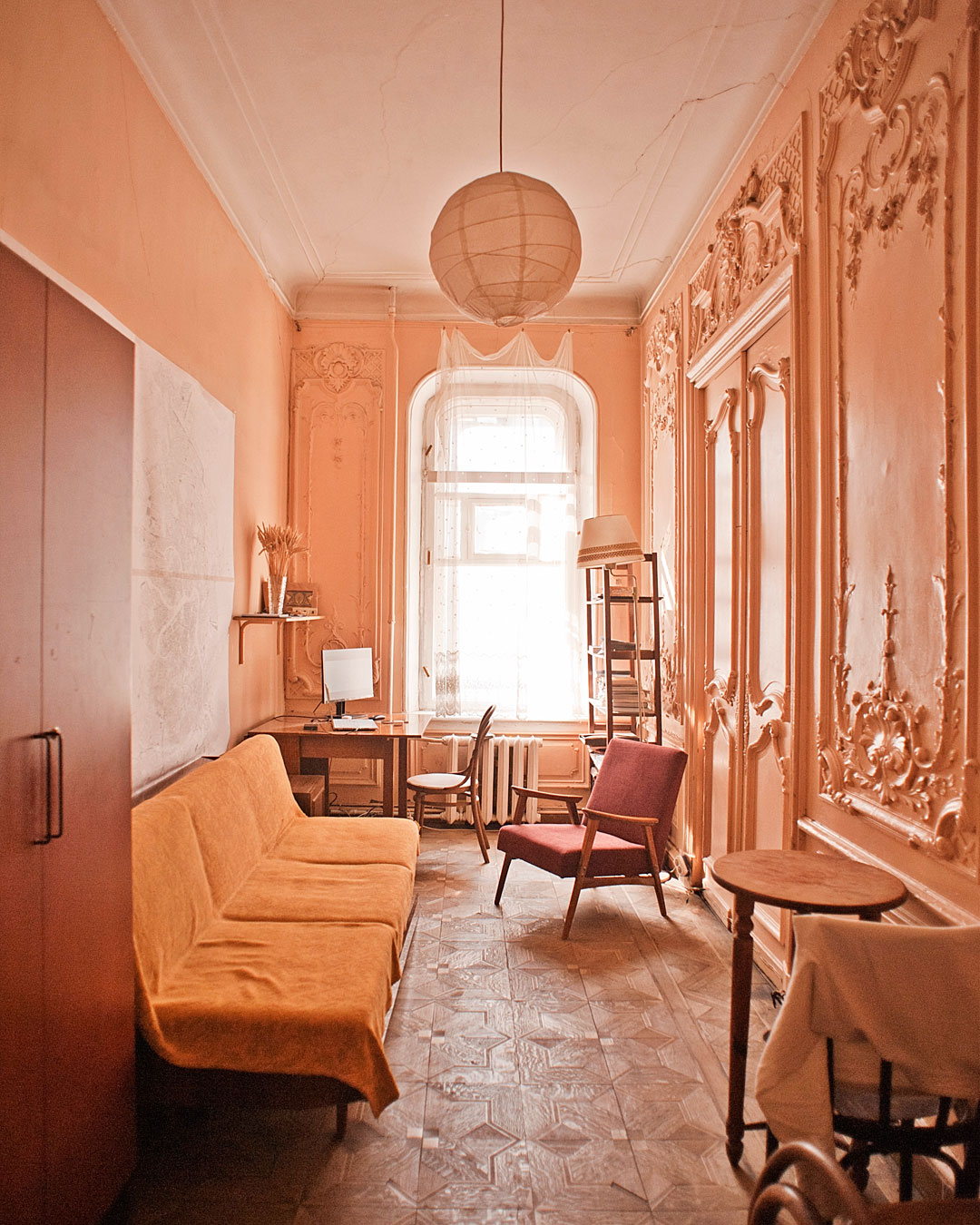
It's important for me to at least try to save as much as possible and preserve the authentic, and also teach someone how to do it.
If earlier we considered this environment an integral and ordinary part of our life, now the same Metlakh tiles cause a wow effect: “Hurray, something has been preserved here!” Such artifacts and parts of interiors turn into rarities, into animals on the verge of extinction. And we are defenders of Red Book species and subspecies.
About the work process
— What does the process of restoring a thing consist of?
— When working with the interior, we certainly move from the general to the specific and are engaged in the restoration of individual objects, because they will find their rightful place in the historical environment.
This is how we engage in object rescue - for example, when we come across an apartment with historical decoration that is about to be dismantled, we try to negotiate with the builders so that some things are not thrown away.
We usually don’t look for individual items for restoration—they come on their own. There are many local historians who search for such things - they sort out attics and abandoned buildings. In one apartment, where the old decoration was being dismantled, we were given a samovar plug from the stove box: such a thing may seem completely unnecessary and a waste item to the builders, but it is a very nice little thing from Tsarist times.
Sometimes you need to specifically find something specific for a project - for example, original hinges for installing doors. We look for all this on the Internet, at flea markets, at vintage fairs.
As a rule, things come to us dirty, wrinkled and have no value for the owners. And we clean them, wash them, coat them with varnish or other protective coating. Thank God these things don't end up in the trash.
Ventilation grilles and vents are often given as gifts. First, they need to be soaked in special solutions or gels of the “anti-rust” type, then varnished or blued. They also give us window handles - recently a varnished pre-revolutionary handle of a very unusual and modern shape came into my collection . At first we thought that it was Soviet, but it turned out that such an advanced thing was made at the Strekopytova production facility in Tula.
We don’t have restoration for restoration’s sake, or art for art’s sake. I restore some things just for myself and my own collection, but most often things are restored for specific projects in order to take their place. We try to ensure that things do not lie hidden - like in museums, for example. If a pre-revolutionary refrigerator is being restored, we can demonstrate how it was used before the revolution.
We are not a museum, we do not yet have cooperation with museums so that they can order some items from us. All our restoration activities are exclusively utilitarian, so that the thing serves its purpose and continues to live its life.
— How do you determine the value of a thing?
— They send me photos of things for initial evaluation almost every day, and experience, observation and a number of pre-revolutionary catalogs are simply important here. An item may be cheap, but for us it will be valuable only because it is pre-revolutionary. Things like the plug for a samovar are valuable to us in themselves because they have been preserved.
It is not always possible to name the exact year of an item - it is clear that this is the end of the 19th - beginning of the 20th century. Sometimes plumbing items have a stamp with the batch number and year of production - for example, we bought an antique sink from the Mur and Merliz trading house , which bears the year of production 1898.
You can identify an item in a catalog by its appearance, but it is also important to study the history of the house in which the items are located. In Moscow, the construction boom of apartment buildings occurred at the turn of the 19th-20th centuries, and in St. Petersburg they began to be actively built already in the middle of the 19th century, and the boom occurred in the years after the abolition of serfdom.
In St. Petersburg there were and are houses that were rebuilt from private houses into apartments: the interiors of previous buildings were preserved on the first and second floors, and the decoration of such premises may date back to the first half - mid-19th century.
- In your blog you showed a pre-revolutionary women's urinal - tell us about it.
— Preserved pre-revolutionary plumbing is the greatest value. This urinal is an extremely rare find. In the Russian Empire, toilet models were divided into ladies' and men's - this was a purely Russian feature: in English catalogs, urinals were not divided by gender. Urinals with an elongated front part were intended for use by ladies, and completely round ones - for men.
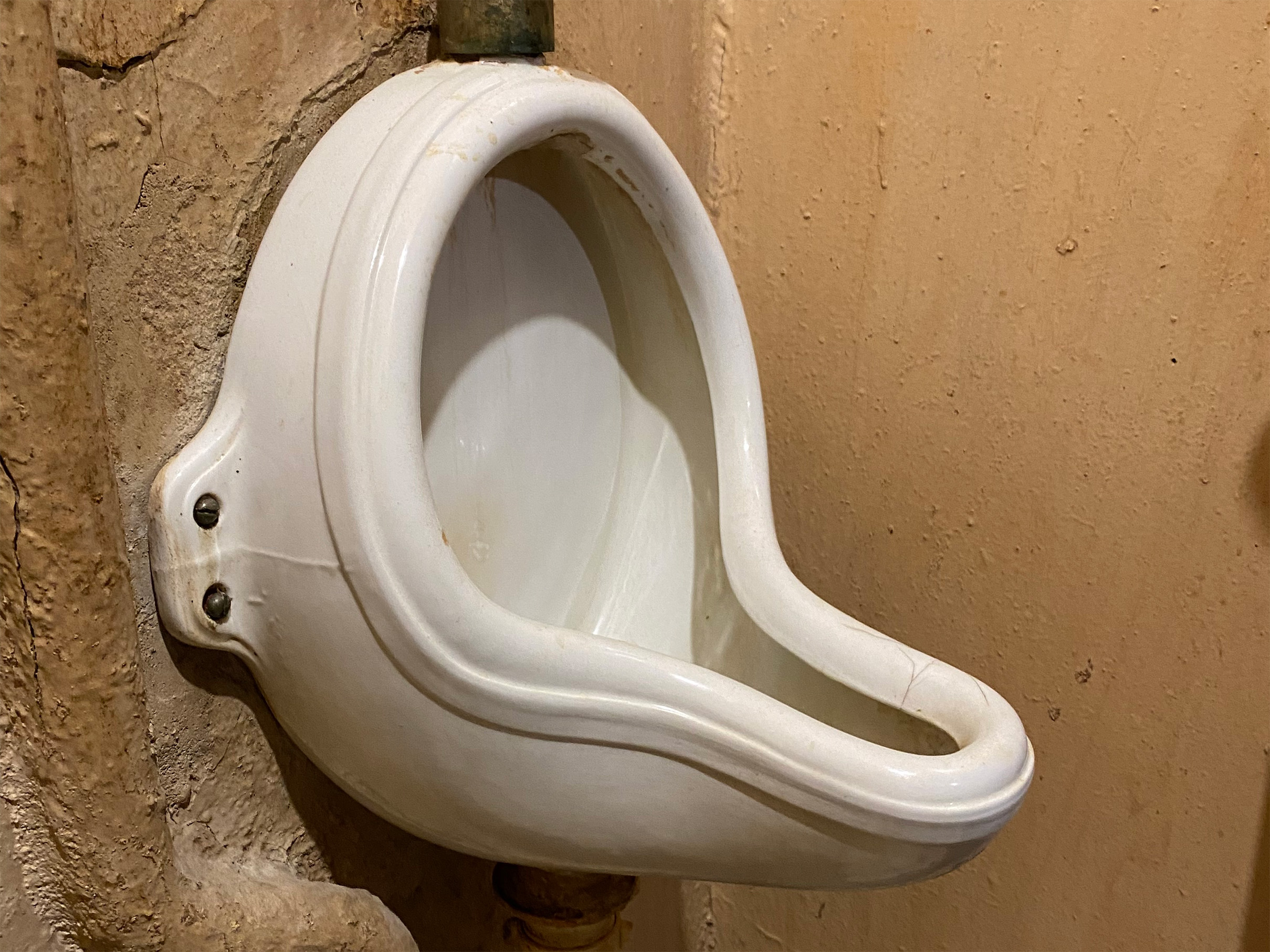
It was found in a trash heap and stuff like this is usually not even sold. Some copies are kept in museums, and only occasionally do you come across those that are still functioning in the communal apartments of the old building of St. Petersburg.
— Which discoveries surprise you the most?
“Of course, what is most striking is not individual preserved objects, but entire apartments—“time capsules.” If the interior 100% reflects the integrity that was laid down before the revolution, this is a unique case.
The year 2025 was rich in such finds. In St. Petersburg, we found large manorial apartments - for example, in the Baranovskaya apartment building on Petrogradka there is a completely unique time machine hidden: you go up to an ancient pre-revolutionary door, unlock it with the same hundred-year-old key and lock and find yourself in a completely different space and dimension - the entrance hall is completely decorated with wood, furnished with antique furniture and the furnishings have been completely preserved from pre-revolutionary times.
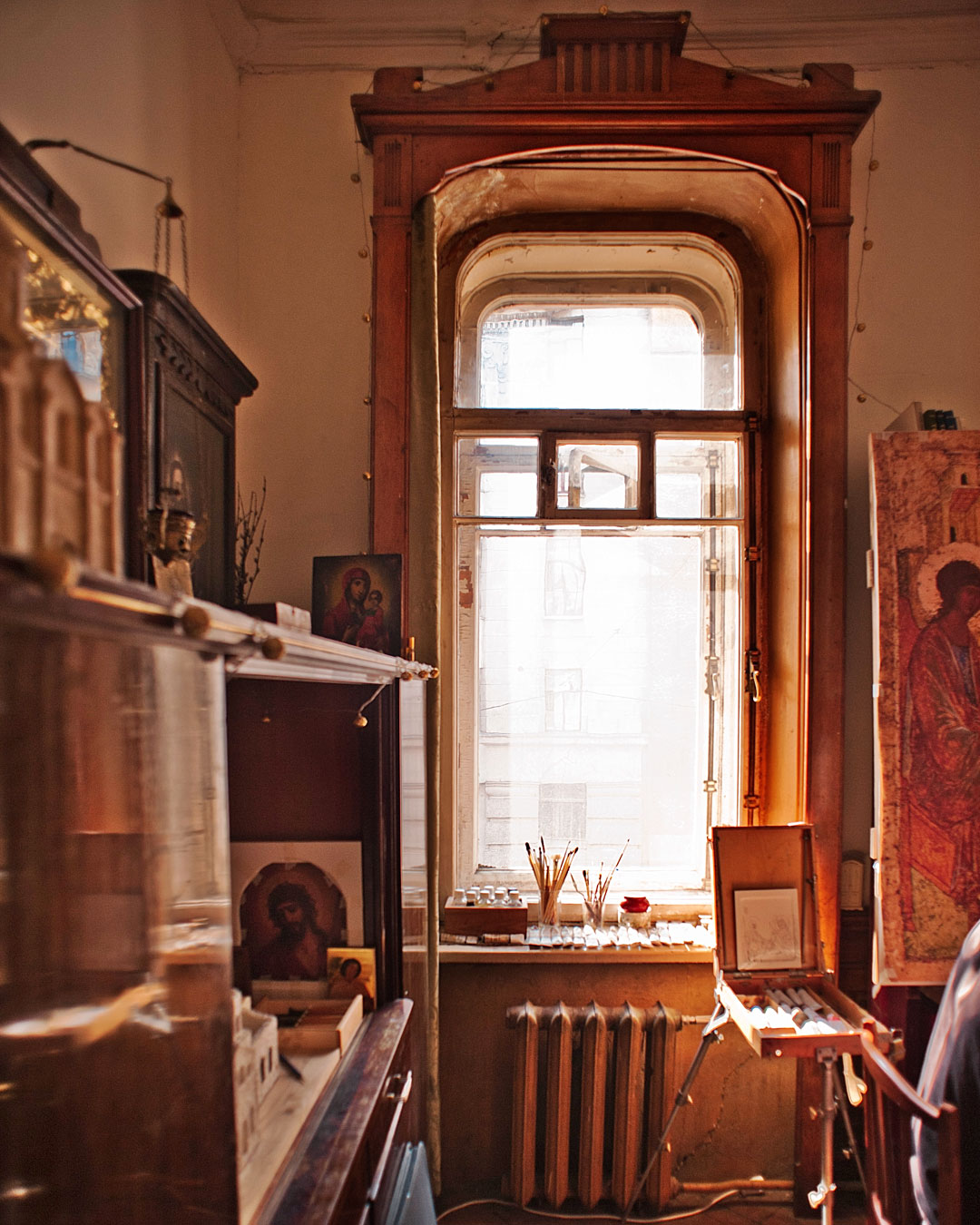
On the walls hang pre-revolutionary shelves, on which inserts of royal glass with a pattern have been preserved; the walls are covered with pre-revolutionary linkrust - this is the highest quality roll wallpaper that was invented in England in 1877. They were called wall linoleum; it was a complex coating made from a mixture of wood flour with linseed oil, wax, rosin, chalk and special additives. Such a thick mass was applied to paper, rolled between rollers with a pattern, due to which a reprinted relief appeared on the surface. Over time, the linkrust becomes stronger and woodier and, unlike paper wallpaper, it is almost impossible to tear it off.
This apartment has a front room separated by an elegant partition with revolutionary stained glass, each room has amazing stucco on the ceilings and walls, the living room is decorated in the neo-Rococo style - it is literally a palace of beauty. There are such rarities as pre-revolutionary electric machines, and a room, the former boudoir of the hostess, with completely original decoration: wall panels, windows, doors and an authentic dressing table cabinet. It has a secret: you open the front flap, and there is a secret compartment.
This communal apartment is very lucky - caring people live there, who are in one way or another connected with the old fund. The residents carefully restored many items in the apartment - for example, the kitchen cabinet was cleared of old paint.
— What are the main difficulties that arise during your work?
— Restoration of plumbing fixtures is one of the most difficult areas. There are very few specialists, and not everyone understands the difference between museum restoration and restoration for subsequent use.
For example, when we found a sink from 1898, it had many chips and through cracks. First, we turned to a restorer who specialized in museum restoration: she covered the sink with a polished varnish - it gave a shine and a perfect condition in appearance, but it would come off immediately after use. We had to have it restored again: the varnish was removed and the surface was treated with other compounds. With this restoration, the surface of the sink was no longer ideal, but it could be used.
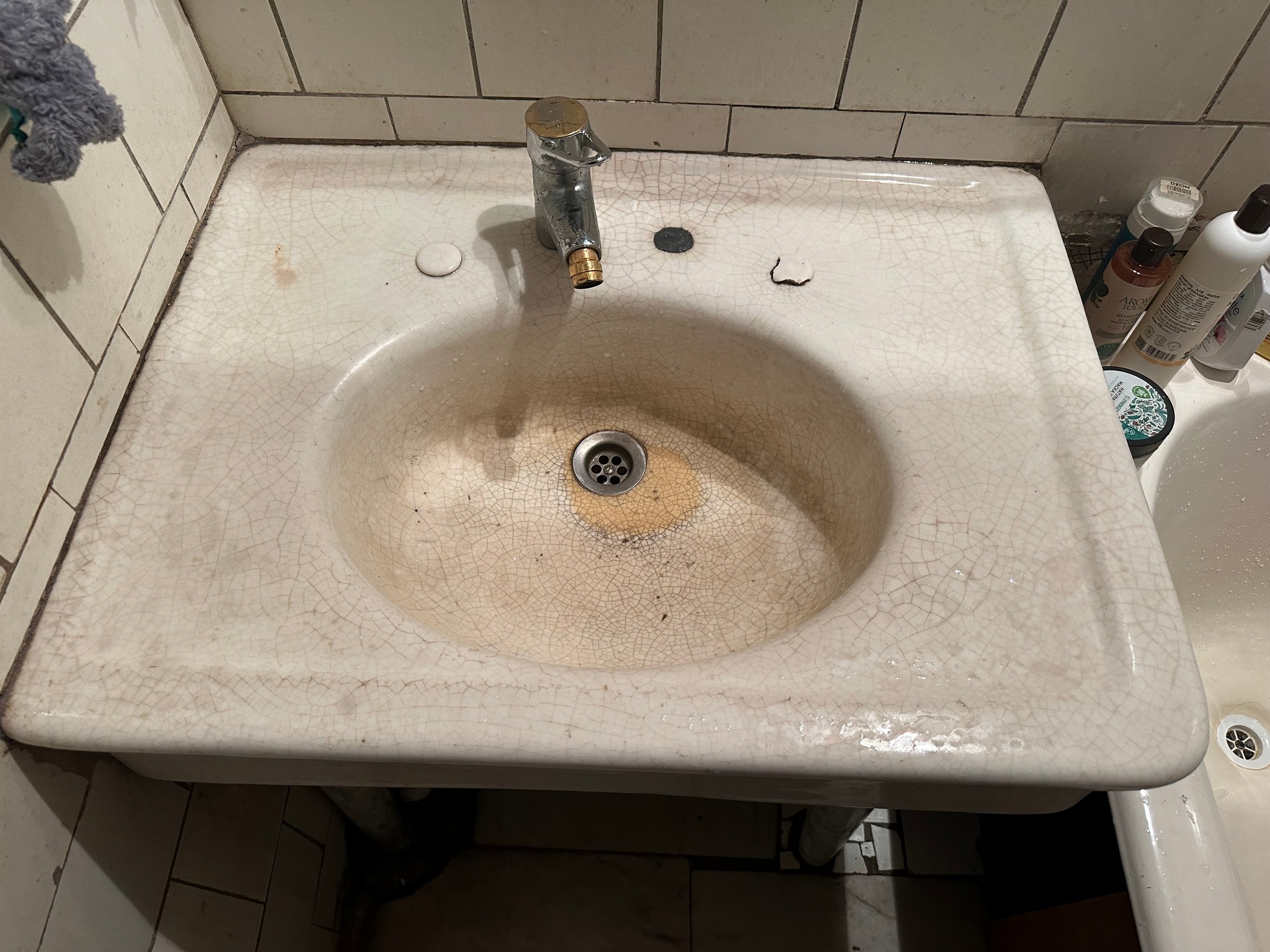
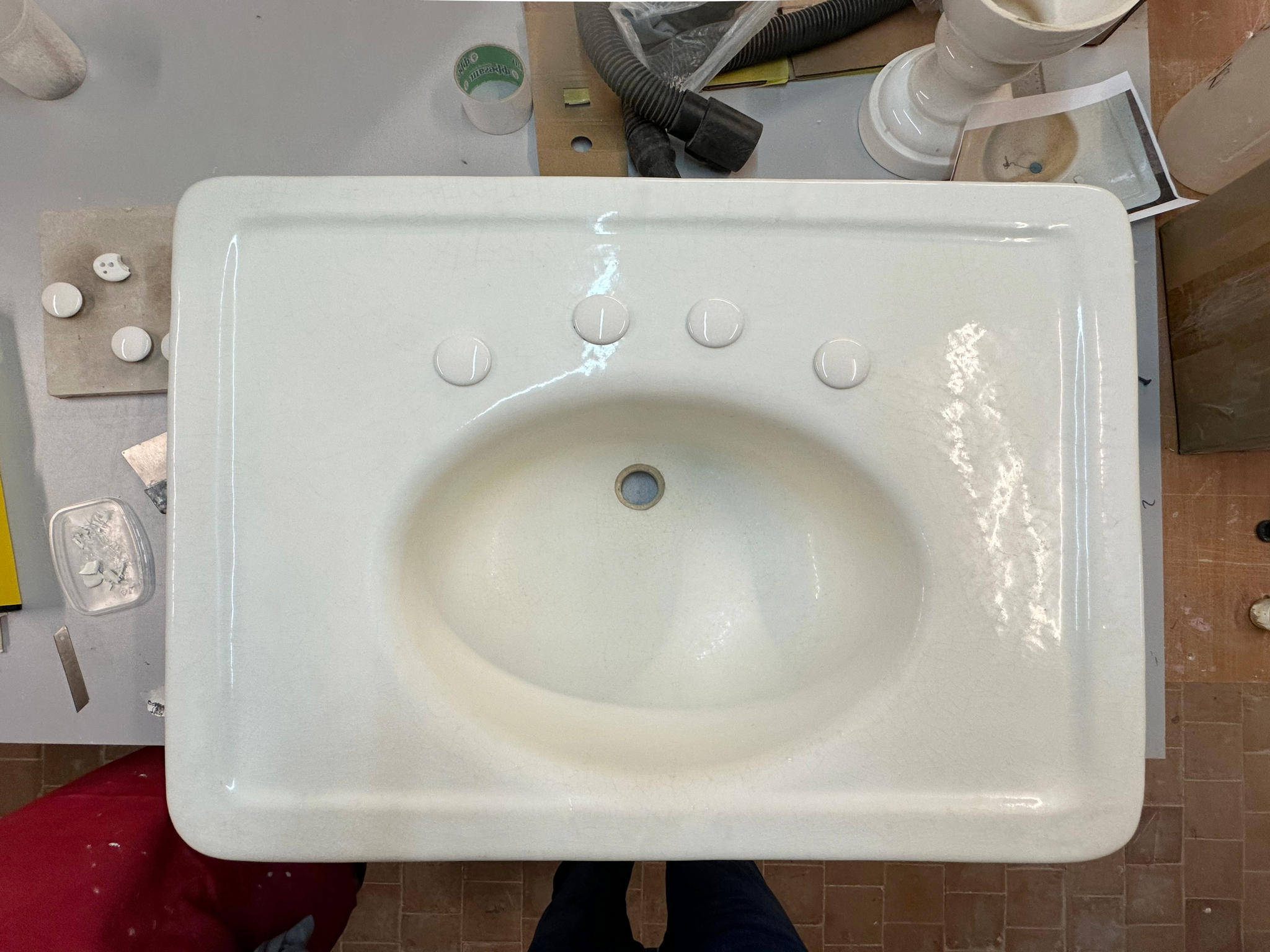
In addition to sinks, bathtubs are also restored - they are not only cast iron and enameled, but also earthenware, with thick walls. In Moscow they do not undertake the restoration of large plumbing items - they are restored only in St. Petersburg.
About the St. Petersburg old fund
— What are the main features of the St. Petersburg old fund?
— In St. Petersburg, the level of preservation and diversity of the old stock is much higher than in Moscow and other Russian cities. This is the most important and still living value. Due to the fact that in Soviet times many apartments were communal apartments, they still remain time capsules - they have not been touched by the hand of private renovation. In St. Petersburg, fragments of an authentic traditional interior reach us - beautiful stucco molding, carpentry, windows, doors, panels, floors, mosaic parquet, panel parquet, Metlakh tiles, cement tiles, wall coverings, linkcrust, paintings, papier-mâché decor, pre-revolutionary plumbing, electrics and stoves. Producing something like this now costs a lot of money.
Stoves are an important and distinctive feature of the St. Petersburg old building. In Moscow, the construction boom occurred at a time when progressive central heating was already in full use. In St. Petersburg, stove heating was in great demand for a long time and was used as an economical alternative to central heating. A huge number of stoves have been preserved here, both in the front rooms and in the apartments.
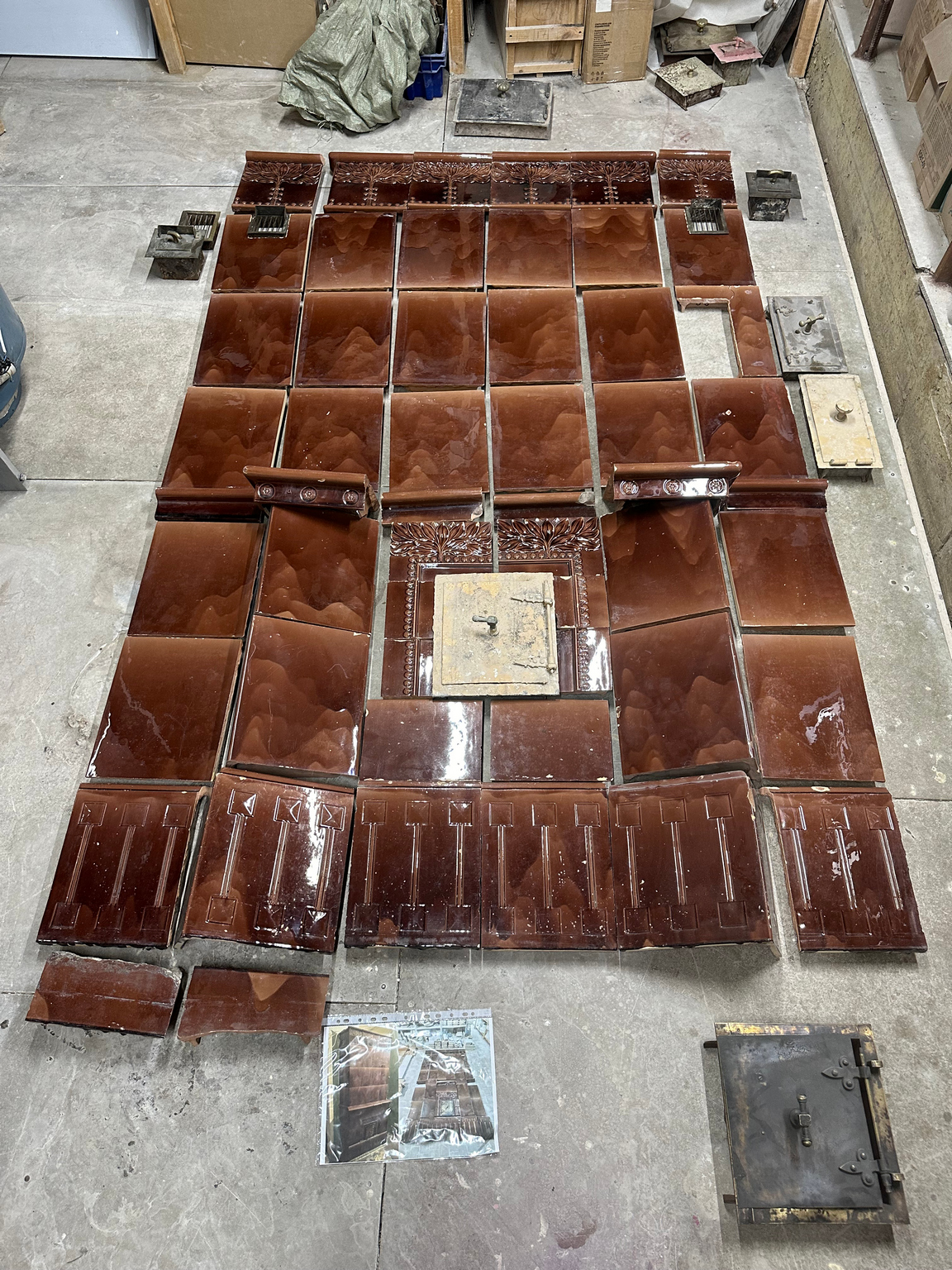
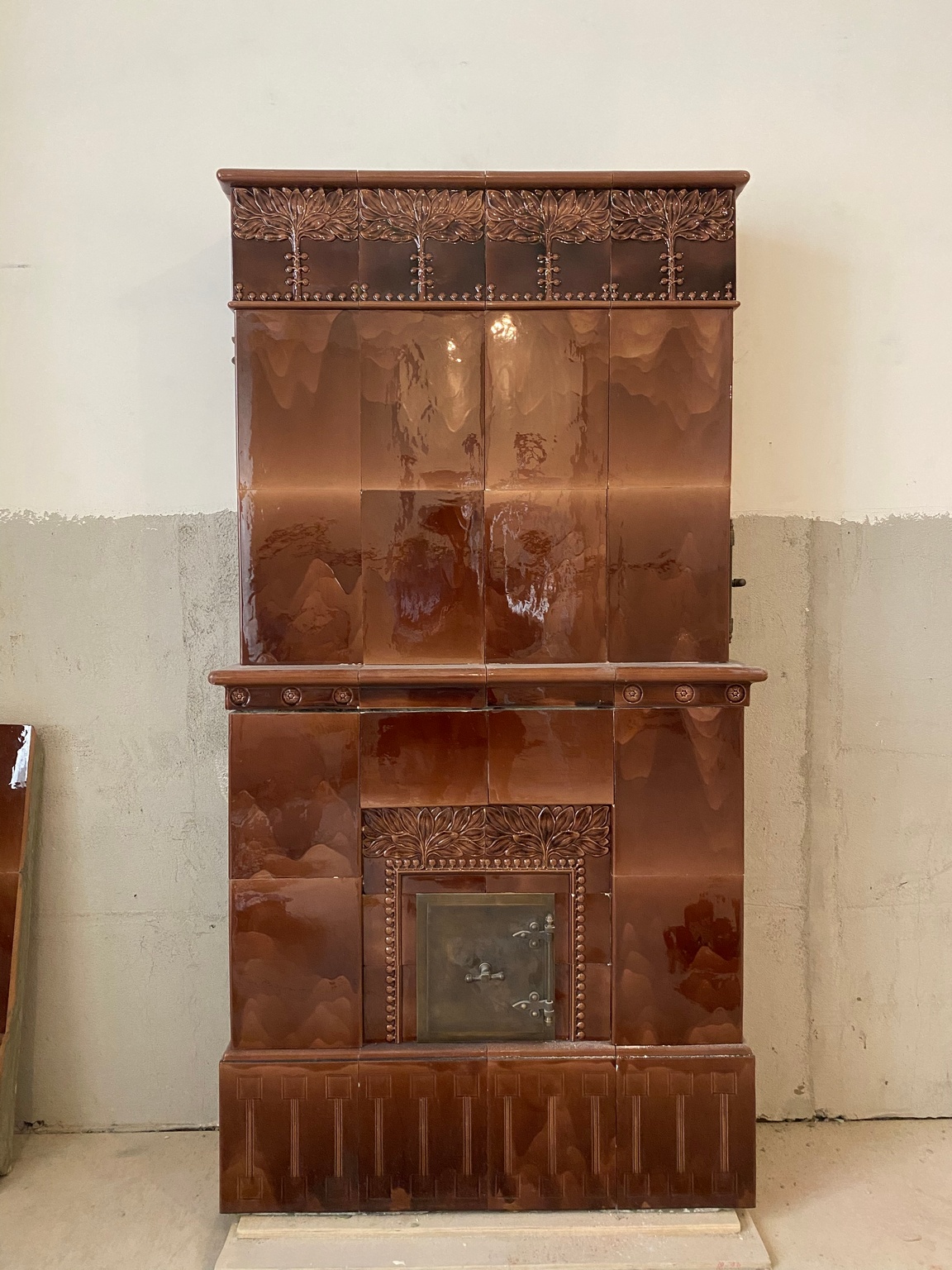
Many such stoves are now being demolished: when people buy an apartment, they are not always ready to keep them, and many, since Soviet times, consider this simply a waste of space. People constantly ask me: “Save the stove.” I even see advertisements “I’ll give the stove away for free for dismantling.” Dismantling such a stove is a rather labor-intensive process that requires knowledge and skills so as not to damage the tiles.
Another difference between St. Petersburg is the stained glass windows. Stained glass art is very developed here: in Moscow, for example, the approach to the interior was more utilitarian, and stained glass windows create a certain romantic mood; they cannot be ignored thanks to the color, composition and refraction of light that they create.
And another distinctive feature of St. Petersburg is the huge variability in the patterns of Metlakh floor tiles. It is made from special high-quality clay with the addition of rare earth metals. This entire mixture was pressed under high pressure and baked at high temperatures, which resulted in a very highly durable tile: it was not afraid of acids, abrasion, or low or high temperatures. The tile itself was amazingly beautiful - factories created a huge number of designs.
— What is the St. Petersburg old fund suffering most from now?
“Every week, beautiful old interiors are demolished, and we receive calls for help - neighbors are trying to save, build something, at least for free. Every time it’s a mystery to me: why buy an apartment with such a level of interior preservation and then demolish everything? Buy an apartment where nothing has survived, and do any European-quality renovation there.
First of all, the old building is suffering from dismantling: this applies to both private apartments and public premises - front doors. Doors, windows and floor coverings are the first to go into the trash.
Stained glass windows in the front doors are being destroyed because the windows are being replaced with plastic ones, and there is nowhere to put the stained glass windows. There is a workaround technology when one sash of the old window is left with a piece of stained glass, and a plastic double-glazed window is placed behind it. But the truly correct practice is complete restoration. In my opinion, the destruction of stained glass windows should be prohibited by law, because we are catastrophically losing history.
Metlakh tiles are disappearing, stucco molding is being knocked off the ceilings and walls. A restorer we know told us how he recently looked into an old apartment where dismantling was going on and asked permission to remove the stucco plaster ceiling rosettes - this is a difficult type of work, and anyone can make sure that the rosette does not break during removal. He was refused, and everything went to waste. Not everyone understands the value of an old wooden wall with shingles covered with lime plaster - the walls are demolished and plasterboard, foam block and other modern materials are installed instead.
About preserving the old fund
— Why are people so afraid of the old fund?
“I think about this a lot and try to find the answer.” First of all, we are now brought up in a consumer society. Everything old needs to be broken and replaced with a new one: the phone doesn’t work - we buy a new one, the shoes are torn - we throw it away, we buy new ones.
— Is preserving old things justified in a practical sense?
— In the apartment of the tenement building, the entire household interior was arranged very intelligently and is based on simple principles. For example, we can now compare pre-revolutionary double-leaf wooden windows with modern double-glazed windows. The main advantage of pre-revolutionary windows is that, thanks to the double sash, an air gap is formed between them. This gives good thermal insulation and sound insulation. In this regard, they are in no way inferior to double-glazed windows. Thanks to competent restoration, all unnecessary cracks and small blow-outs disappear.
When using a modern double-glazed window, a tightness is created in the room: when the window is closed, there is no access to fresh air, but the pre-revolutionary window was a breathable product thanks to micro-slits, which always allowed fresh air in micro doses to flow inside. The pre-revolutionary ventilation system in the apartment also worked on the slot principle: due to the micro-slit influx of fresh air, there was an outflow and constant circulation of air. As soon as a double-glazed window is installed in the old building, the ventilation immediately stops working. The old windows had vents, and they could be fixed to the minimum and most comfortable opening distance. A double-glazed window does not allow this.
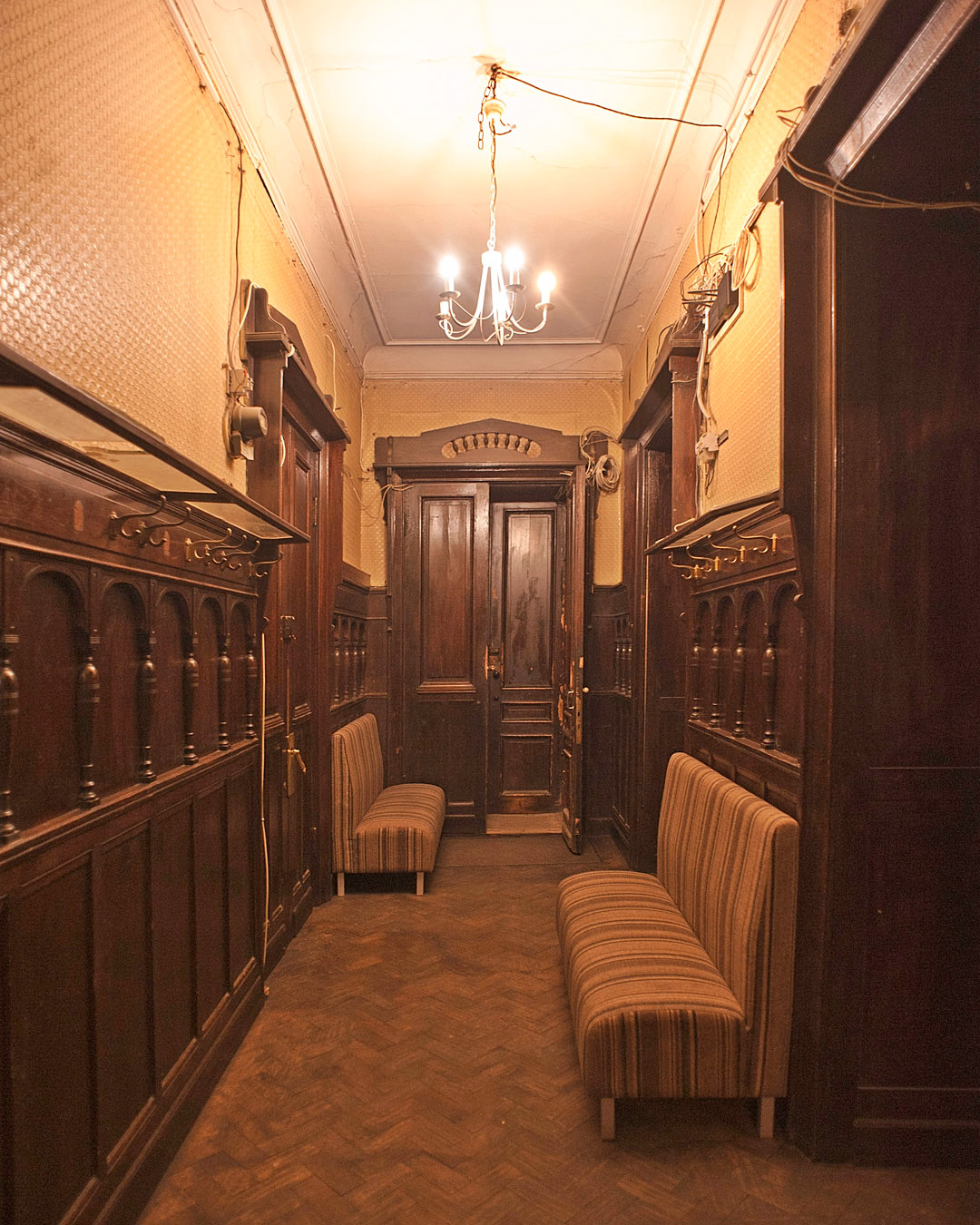
Traditional finishing is more environmentally friendly: wooden ceilings, walls made of natural materials and solid parquet floors.
Wooden walls are something of a bogeyman with which they scare potential buyers of the old building: “What a nightmare, the walls and ceilings are wooden.” In fact, there is no need to be afraid of wooden walls - they are absolutely dry, durable, and soundproof. But they are simply demolished because the builders say so.
The best way to preserve old stock is to explain the value to people and inspire them to want to save it themselves. Restoring original finishes and restoring objects is a very exciting business. Restoration is not always expensive and difficult, and not only specialized professionals can do it. There are a lot of restoration works that a person, even without experience, can handle on his own.
One of my clients purchased a beautiful historical apartment on Fontanka in order to restore everything that had been preserved. He himself opened the sewn doors in the apartment, he himself cleaned the canvases and trim, the walls from paint and plans to preserve the original plaster.
— What are your plans?
— I really want to find like-minded people to develop educational work - we have plans for comprehensive training in the restoration and reconstruction of the old building. And I also want to find sponsors who are willing to invest in saving the old fund. Because if we don’t save, then everyone else will destroy. It is important for us to show as many finished renovated apartments as possible in order to motivate people.
It is not necessary to have a specialized education to be interested in the old fund. Completely different people come to me: designers, architects, realtors, guides, tour guides and simply those who want to develop in this topic. It affects us all in one way or another: just for some practically, and for others at the level of soul and culture.
There really are a lot of old apartments for sale. There are caring people who buy them and invest in restoration. But you can consider antiques not only as an object of art, abstracted from life. First of all, pre-revolutionary interiors and things are something that our children and grandchildren can use.
Let's find out what's really going on
Make a payment in favor of the editorial office of Bumaga
What else to read:
- How residents of the “front block” are fighting against the destruction of historical windows . Previously, they partially restored them.
- How neighbors from Sementsov defend stained glass windows in their houses . They have already saved one - and now they are fighting for other addresses and drawing a comic book.