Translated material
Seven new books about St. Petersburg
Seven new books about St. Petersburg. Ancient baths, tiled stoves and cinema during the siege
At the end of 2025, several notable books about St. Petersburg were published at once - from a monograph about the architect Zazersky and blockade film distribution to reprints of classic local history texts, for example, about city baths. “Paper” has collected a selection of new products that tell different stories about the past and space of the city.
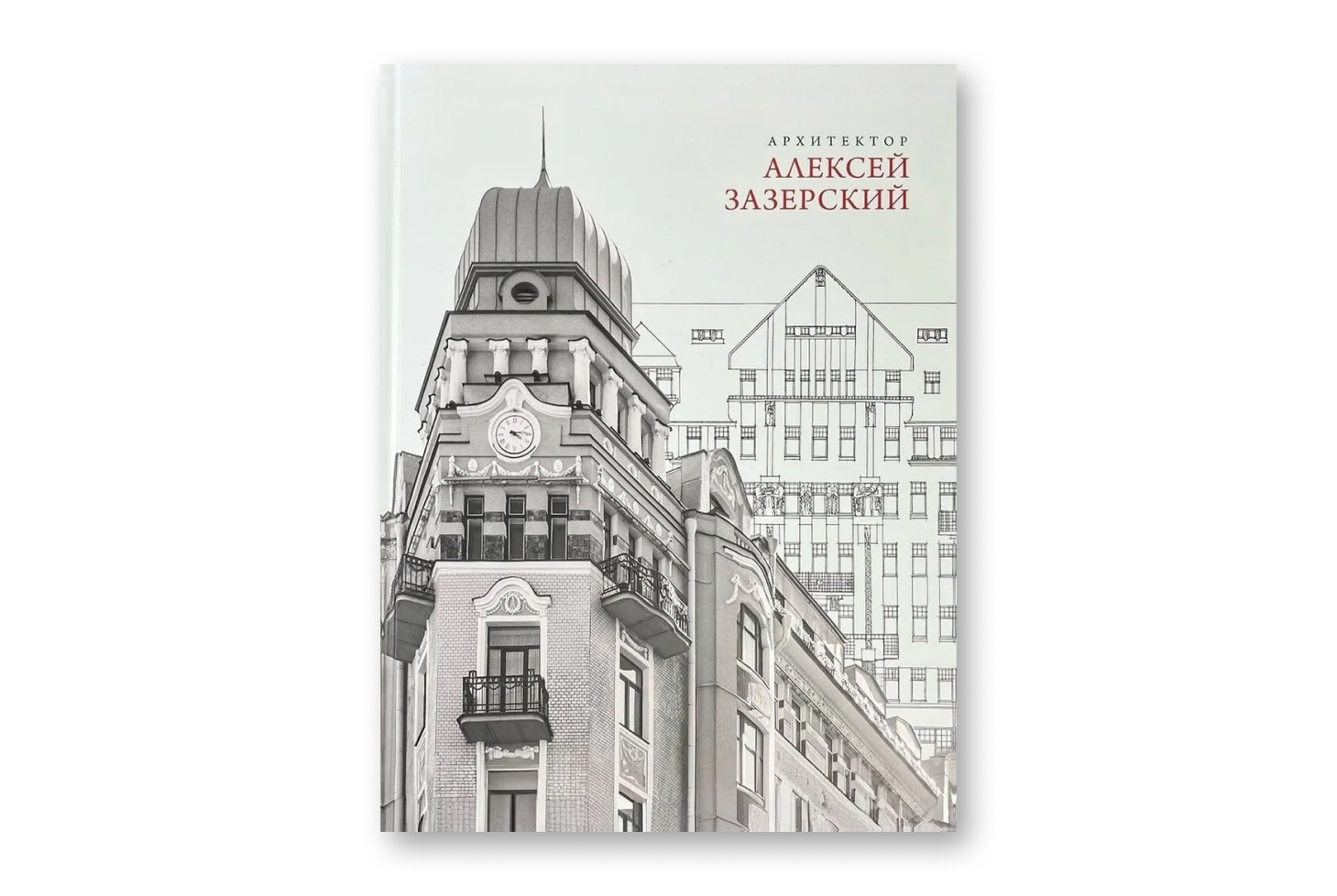
"Architect Alexey Zazersky"
Alexander Chepel
"Propylaea", 2025
A monograph about Alexei Zazersky, one of the most ambitiously thinking St. Petersburg architects of the early 20th century, the author of the Palevsky housing estate and the long-suffering Basevich House , and the developer of the city tram infrastructure. Here is the biography and history of the architect’s family, and previously unpublished archival drawings, documents, photographs - in more than 500 illustrations.
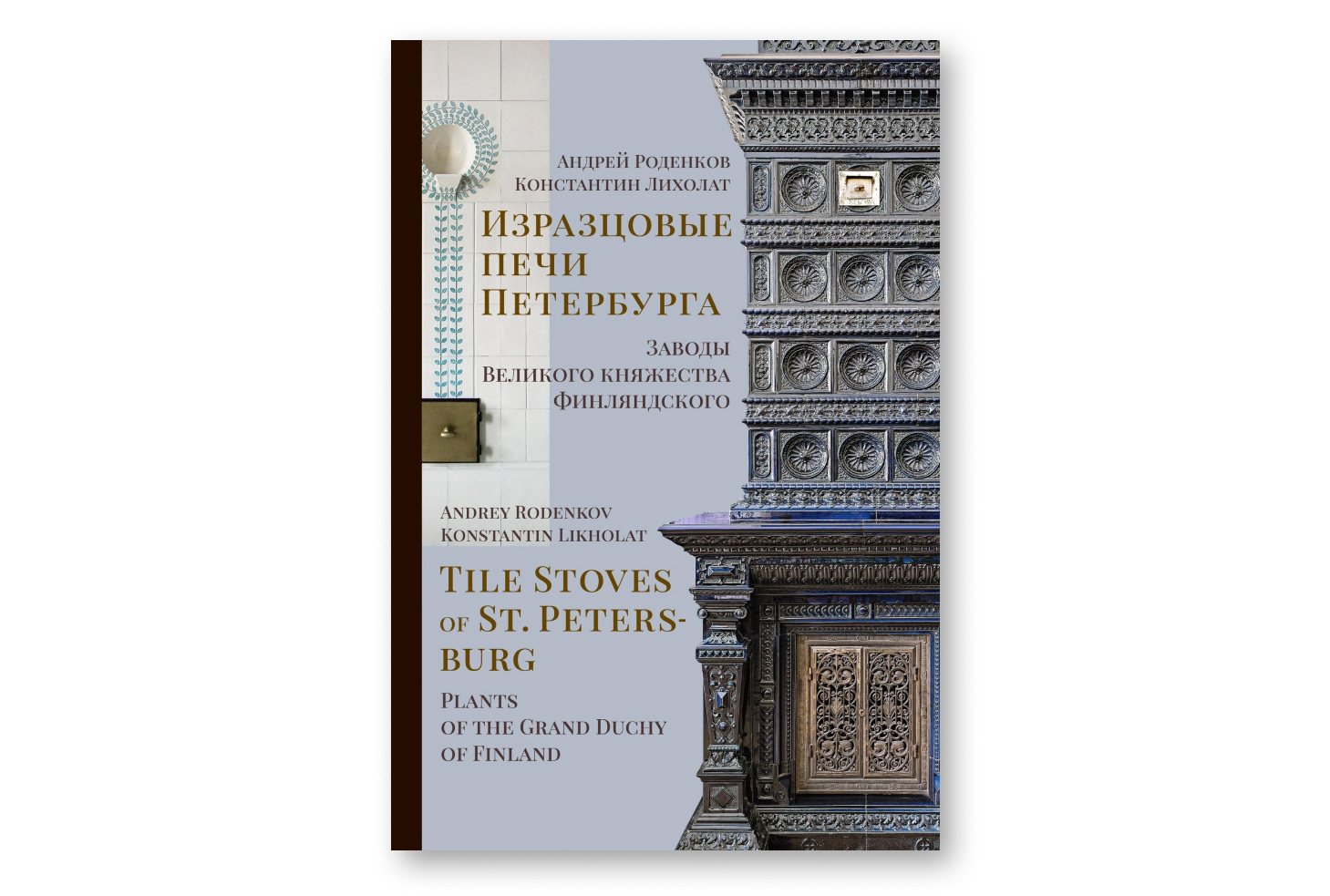
“Tile stoves of St. Petersburg. Factories of the Grand Duchy of Finland"
Konstantin Likholat, Andrey Rodenkov
“Kuchkovo Field Muzeon”, 2025
The publication is dedicated to tiled stoves and fireplaces, created at the turn of the 19th and 20th centuries and preserved in St. Petersburg to this day. It tells both about the projects of St. Petersburg architects and about changes in the taste preferences of city residents. The stoves in the photographs are scrupulously attributed, accompanied by an indication of the cladding manufacturer and the authors of the projects. The book is also notable for the fact that the Russian-language text is duplicated in English.
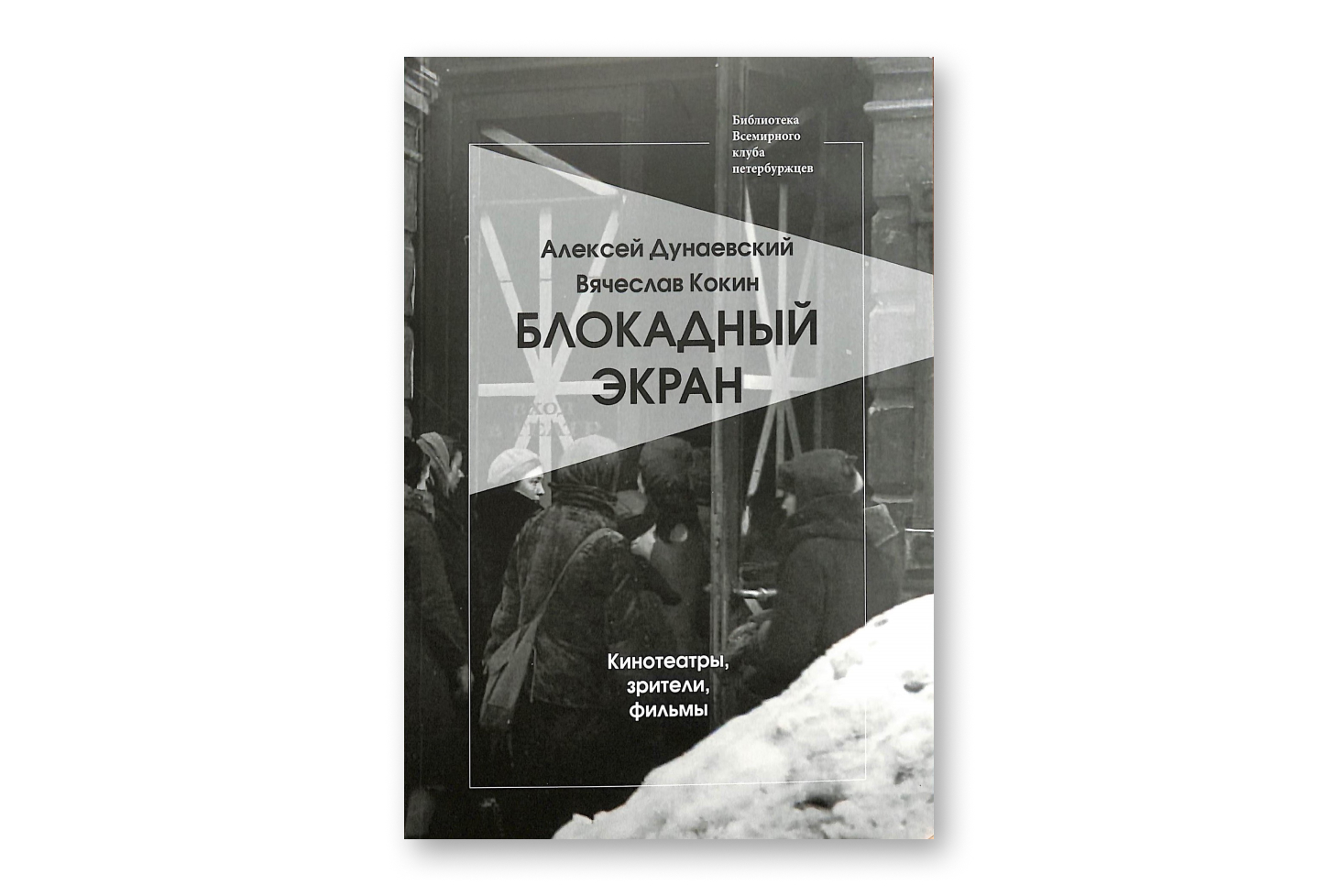
“The blockade screen: cinemas, spectators, films”
Alexey Dunaevsky, Vyacheslav Kokin
“Own Publishing House”, 2025
This is a study of film exhibitions in besieged Leningrad, based on archival documents, newspaper publications, diary entries and posters. The authors talk about the work of cinemas, repertoire, musical accompaniment and other aspects of the cultural life of the besieged city. Particular attention is paid to the screening of foreign films, the delivery of films from the mainland, the sale of tickets and the fight against profiteering.
"Old Petersburg"
Georgy Lukomsky
"Kolo", 2025
Critic and architectural historian Georgy Lukomsky at the beginning of the 20th century actively fought for the preservation of ancient monuments, collaborating with various societies and museums. “Old Petersburg” is an essay in which the author combines art historical analysis with personal experiences, nostalgia for the fading beauty of the city and disappeared buildings. The reissue preserves the graphics and photographs that illustrated the book more than a hundred years ago.

"Historical Guide to the Sands"
Victoria Konyshkova
"Kolo", 2025
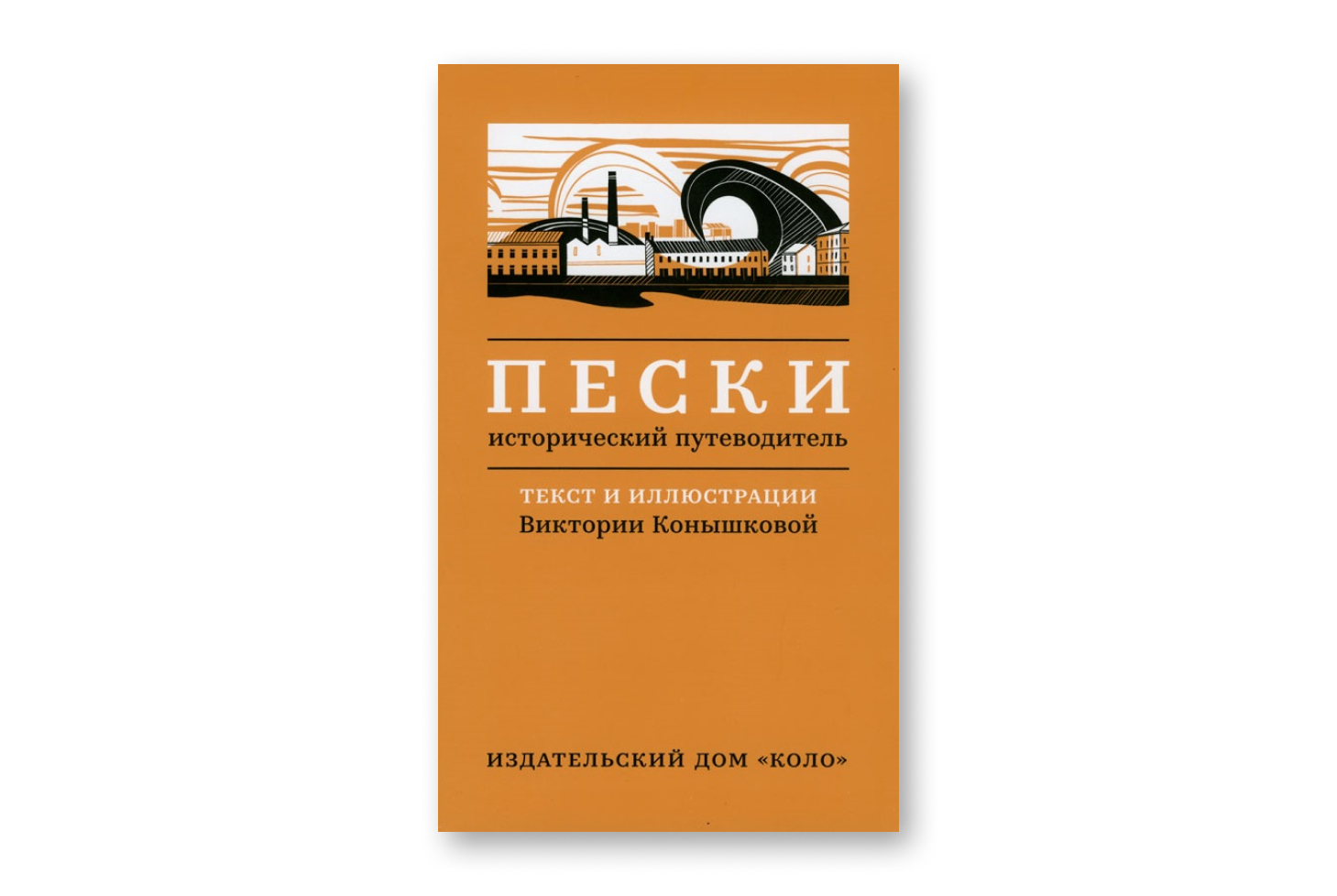
Peski is a quiet historical area within the approximate boundaries of Nevsky and Ligovsky Prospekts and Moiseenko Street, almost entirely consisting of pre-revolutionary apartment buildings. Victoria Konyshkova, artist and creator of the architectural blog attentiview , compiled and illustrated the guide and reflected in it the past and present of the native streets where she herself grew up.
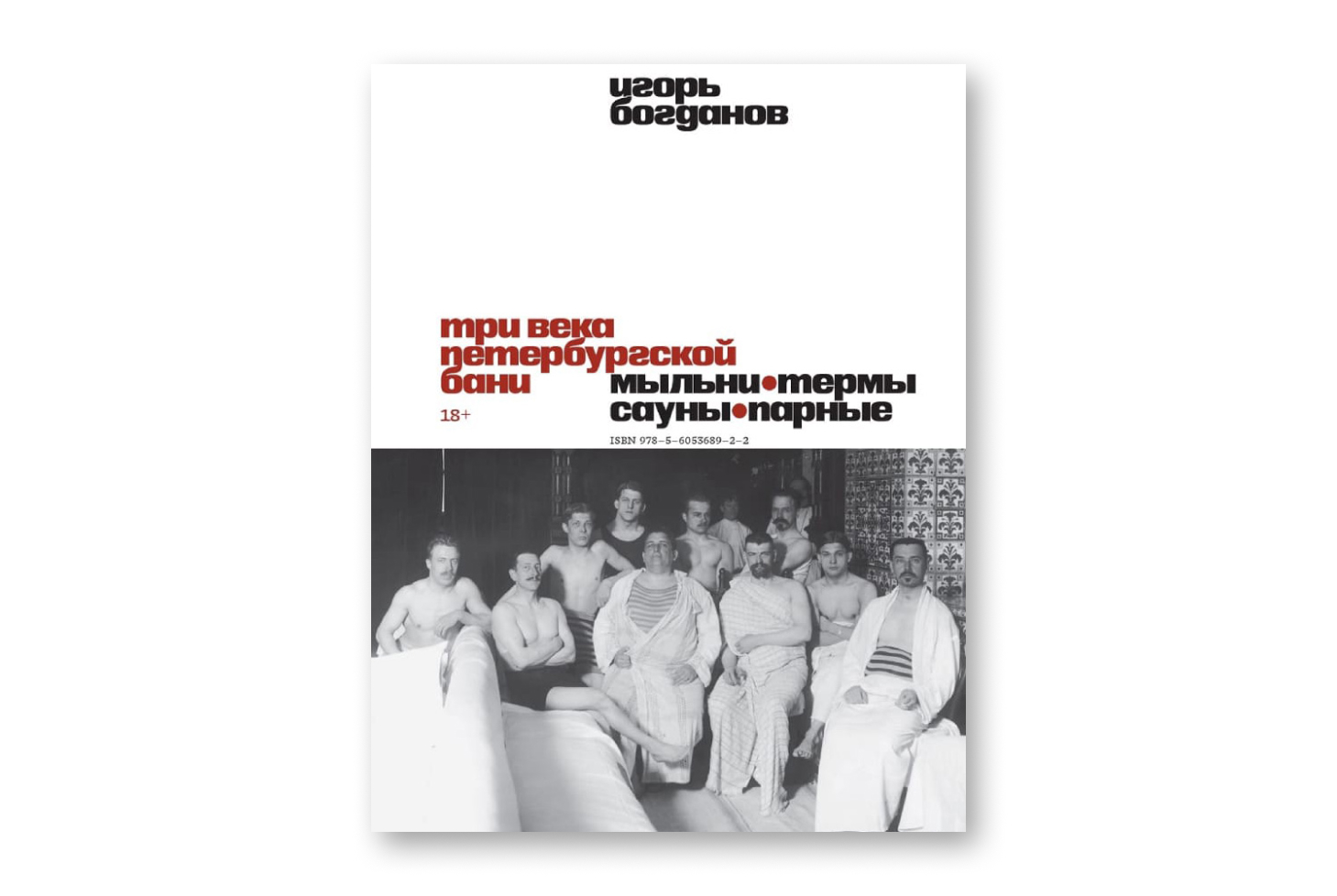
“Three centuries of the St. Petersburg bathhouse. Soap baths, thermal baths, saunas, steam rooms"
Igor Bogdanov
"Academics", 2025
“Subscription Editions” and “Academy” continue to republish the best local history books about St. Petersburg. This time - about the bathhouse as an important element of urban culture and architecture for three centuries. A special place is occupied by the history of specific bathhouse establishments, their owners and visitors, as well as a description of traditions. The text describes ancient techniques of steaming, washing and massage. The publication is accompanied by archival illustrations and modern photographs of buildings.
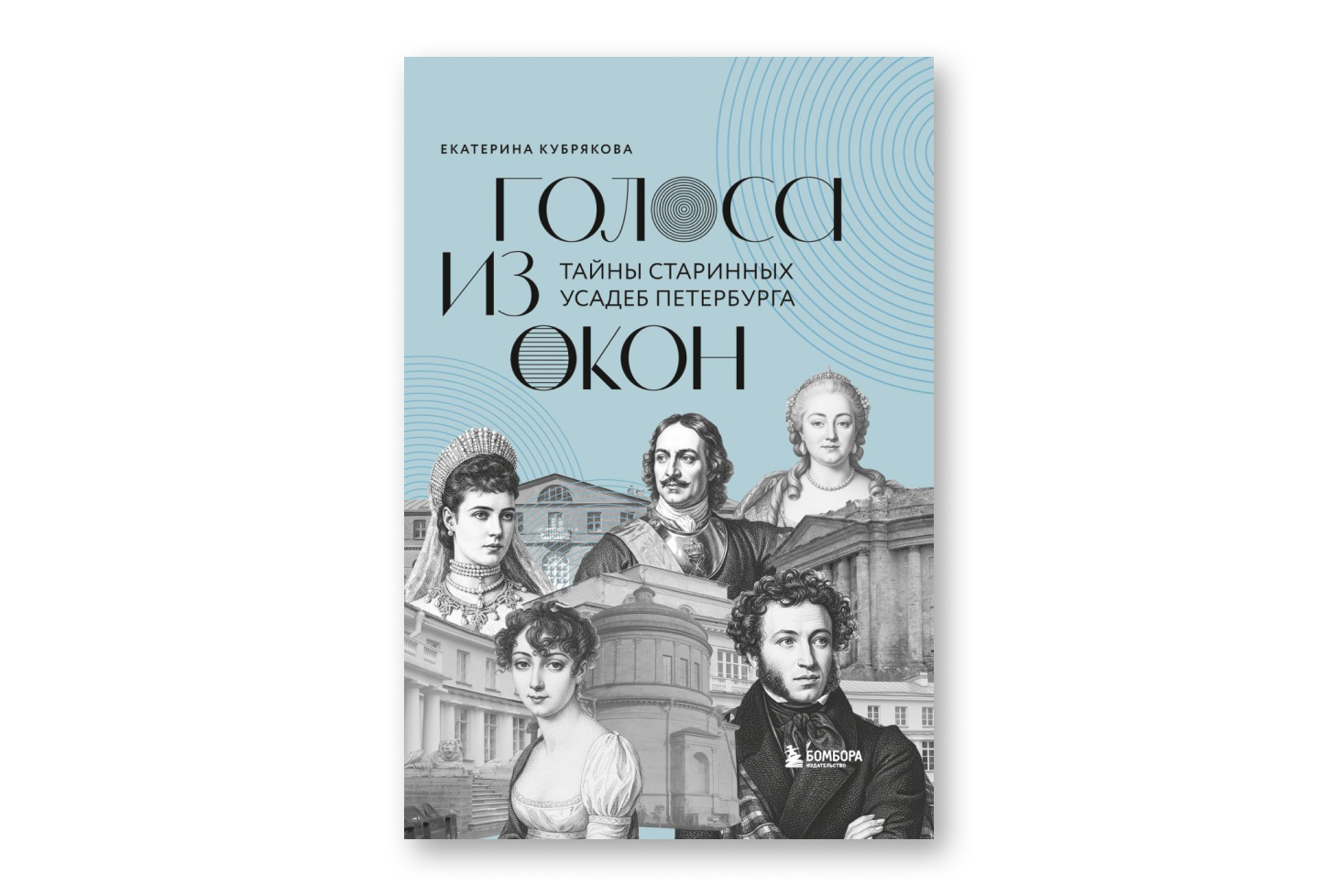
“Voices from the windows: secrets of the ancient estates of St. Petersburg”
Ekaterina Kubryakova
"Bombora", 2025
The book continues the “Voices from Windows” series, dedicated to the history of St. Petersburg, told through the destinies of people and places. This time the author turns to ancient estates - the artist Repin’s workshop, the Priyutino estate, Elagin Island and other places outside the city center. The text is accompanied not only by photographs of architectural monuments, but also by engravings and museum portraits.