
Translated material
War
One thousand four hundred and eighteenth day. In Kyiv, more than a thousand houses are left without heat in the cold. Energy workers talk about “the most difficult situation in the entire winter”
Since February 24, 2022, Meduza has been broadcasting live about the Russian-Ukrainian war. We publish your letters every day because we are sure that we need to continue talking about the war. Share with us your thoughts about the war. What feelings are you experiencing? How does war affect your life and your attitude towards the world? If you have a story related to the war, tell it . The feedback form is at the end of this article. You can read the previous day's review here .
Ukraine
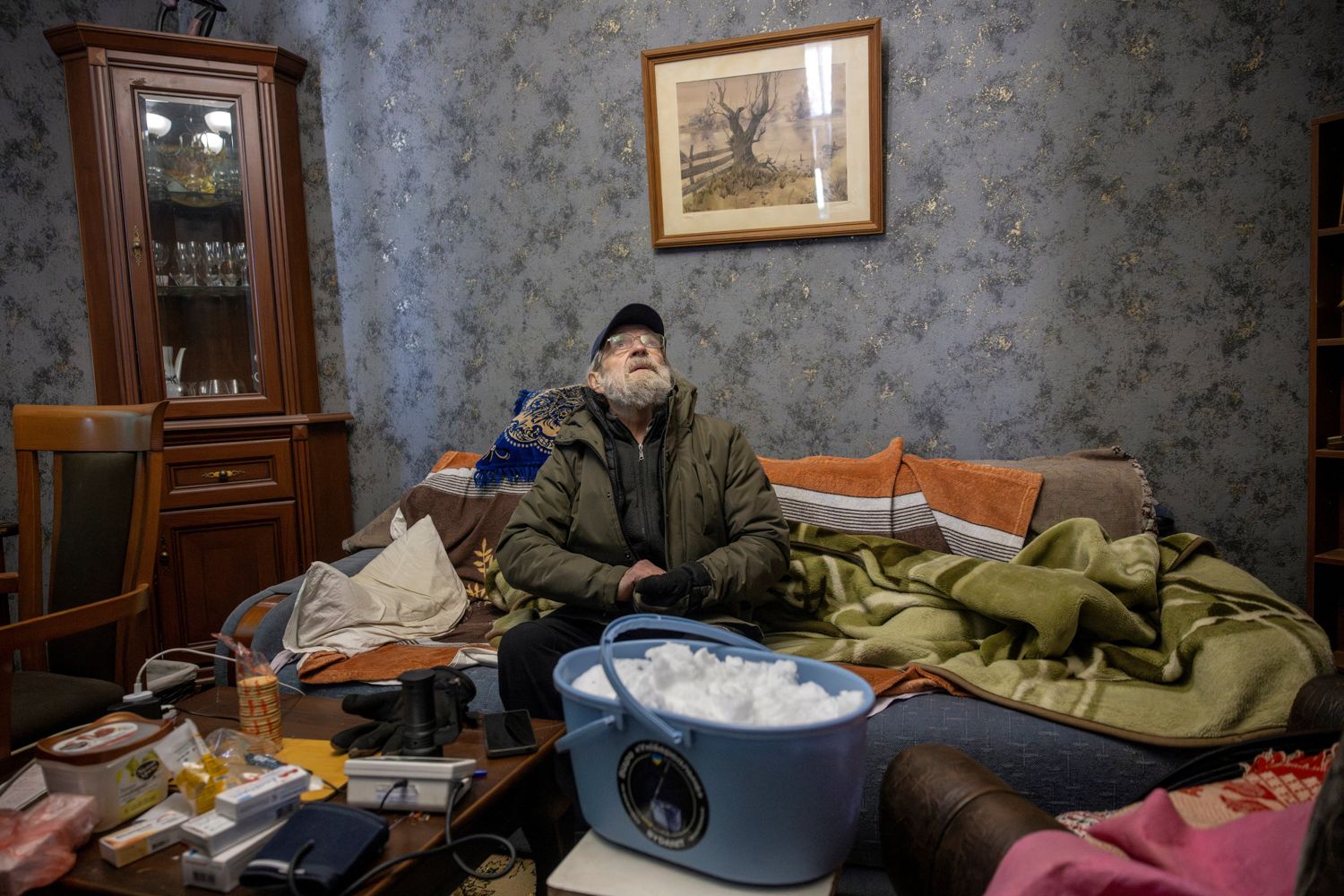
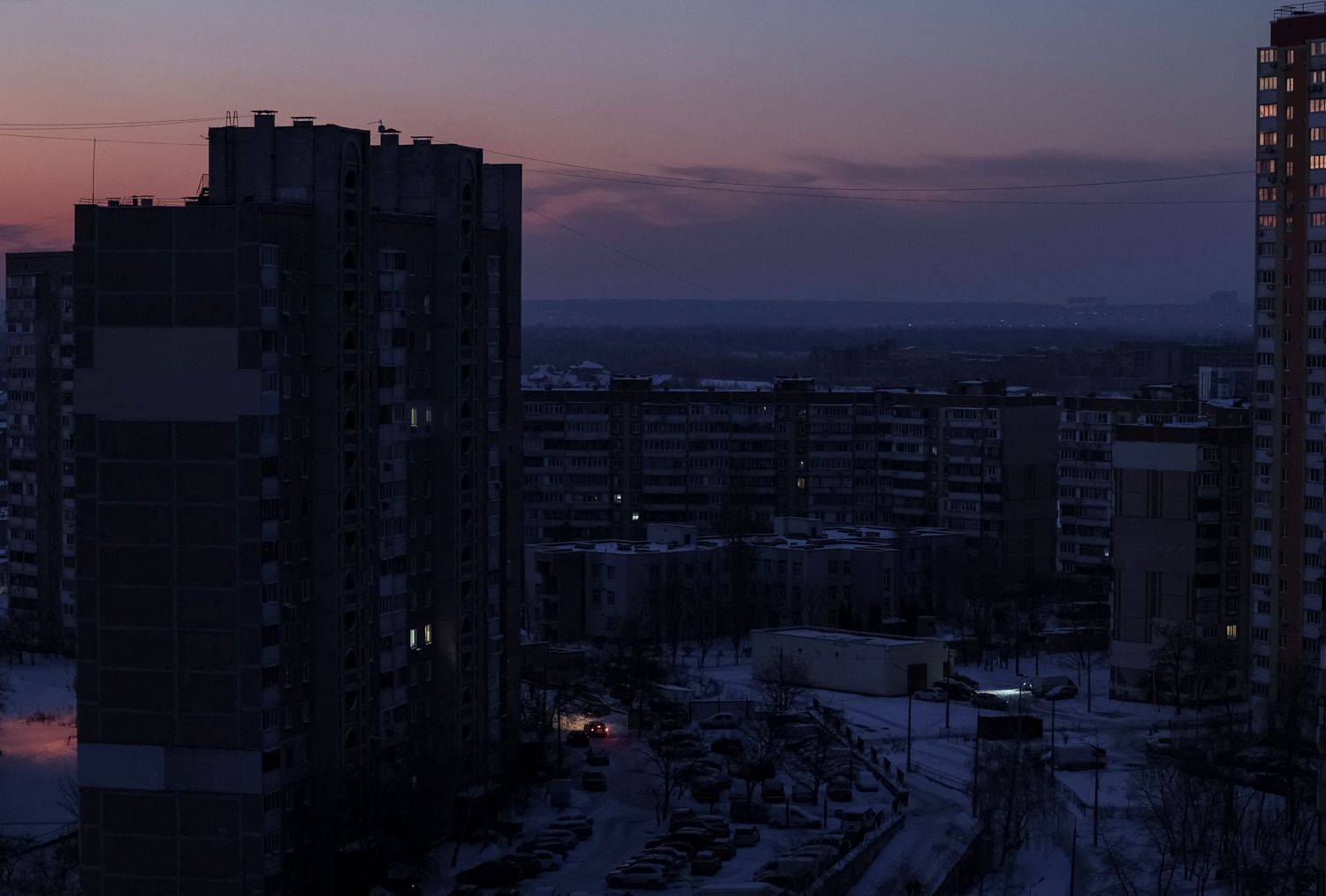
Residents of Kyiv are still left without heat and light. The situation is aggravated by the onset of cold weather
According to the mayor of Kiev Vitaliy Klitschko, by Sunday, January 11, more than a thousand houses in Kiev remain without heat. Two days ago, after a large-scale attack by the Russian army, almost half of the apartment buildings in the Ukrainian capital remained without heat supply - about six thousand. Now the air temperature in Kyiv during the day is about minus 10–12 degrees. At night it drops to 16–18 degrees below zero.
Prime Minister of Ukraine Yulia Sviridenko writes that the heat supply system has been launched, and full heat supply is expected during the day. However, the situation with electricity in the capital, according to her, remains more complex: the right bank of Kyiv is almost completely transferred to the planned outage schedules, while emergency outages remain on the left bank. “The power grids are significantly damaged, and due to low temperatures, people are using electric heaters more actively,” Sviridenko explained. She added that it will take time to significantly improve the situation in Kyiv - the government expects this to be done by Thursday, January 15. Sviridenko called the latest Russian attack on the energy infrastructure of Ukraine one of the largest attacks during the entire war.
The Ukrainian energy company DTEK called the current situation with electricity “the most difficult in the entire winter,” explaining that in the Dnieper and the region the problems began after attacks on high-voltage infrastructure, and the attack on Kiev occurred during the period of the most severe cold weather - when the load on the energy system is the highest. In addition, in the Kyiv region, serious damage to networks due to bad weather was added to the consequences of the attack, DTEK noted.
In the Kiev region, according to the head of the regional military administration Nikolai Lukashuk, by Sunday the power engineers were able to restore power supplies to more than 370 thousand families. However, the work is significantly complicated by weather conditions: frost, ice, icing of electrical networks and fallen trees force repair teams to get to the damage, often on foot. About 30 thousand families in populated areas of the region remain without power supply.
Vladimir Zelensky also reported on the continuing difficult situation in many regions of the country after Russian attacks on critical infrastructure. According to him, within a week Russia launched almost 1,100 attack drones, more than 890 guided bombs and more than 50 missiles of various types, including Oreshnik, toward Ukraine. “And they specifically waited for frosty weather to make things worse for our people. This is conscious, cynical Russian terror,” Zelensky added.
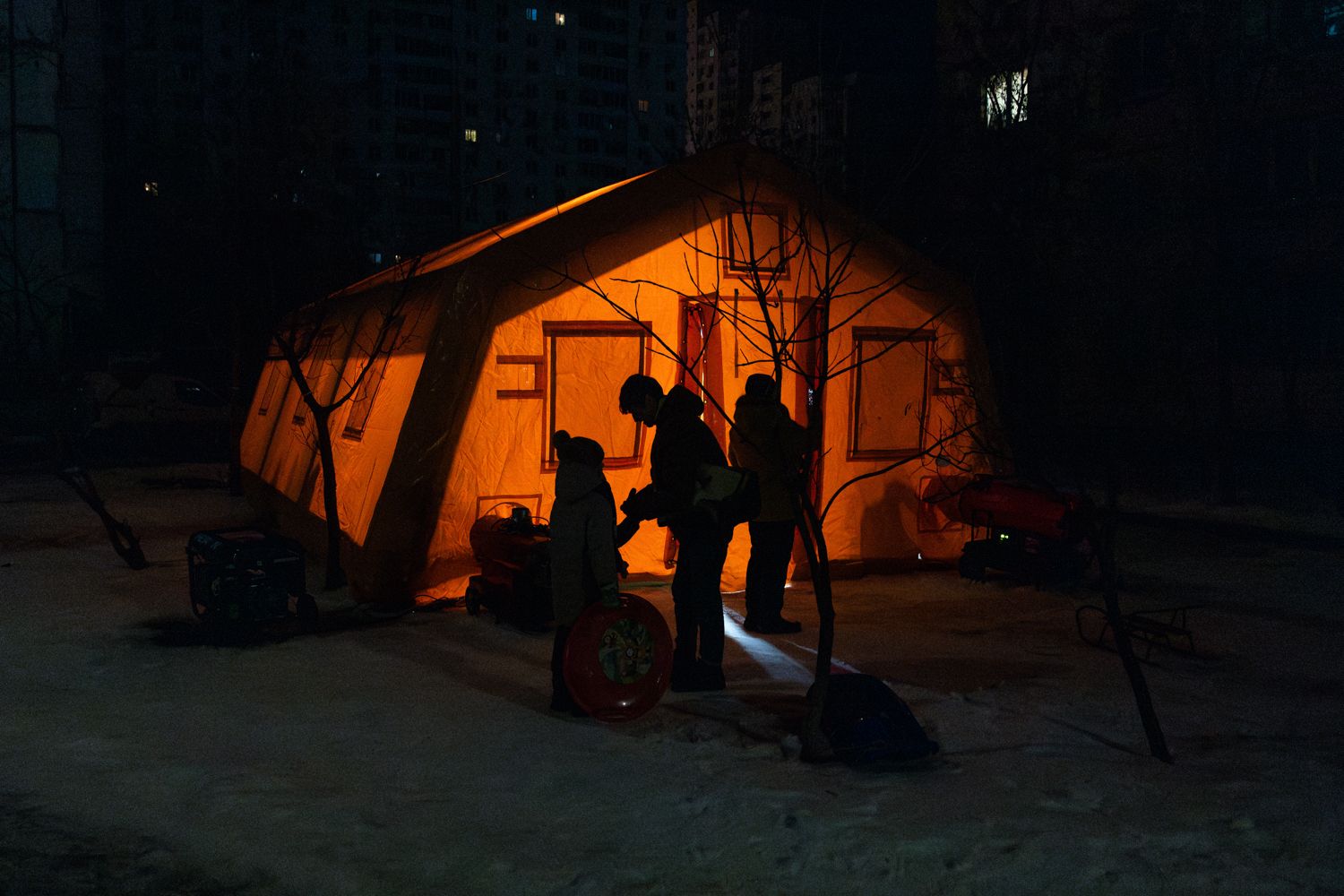
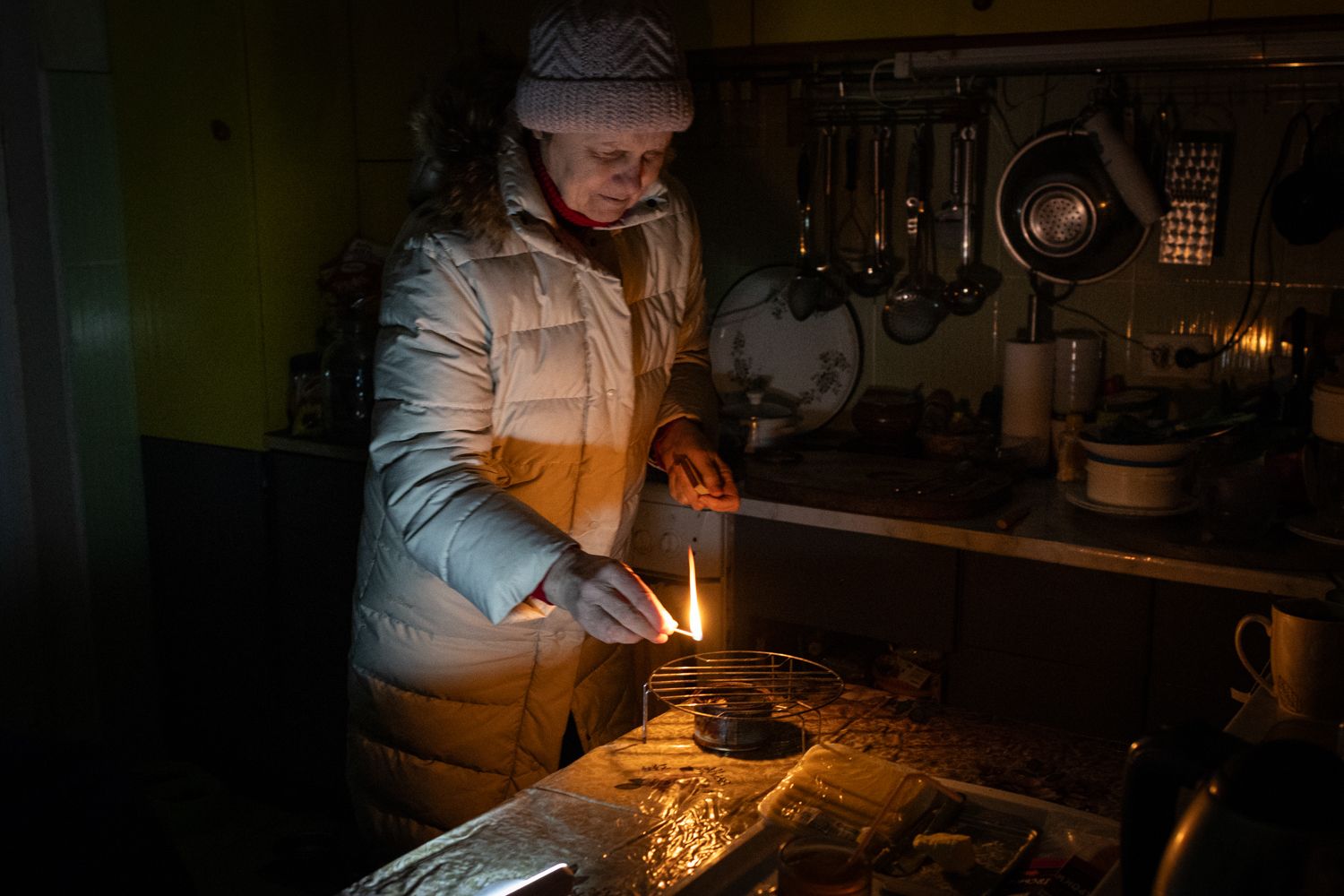
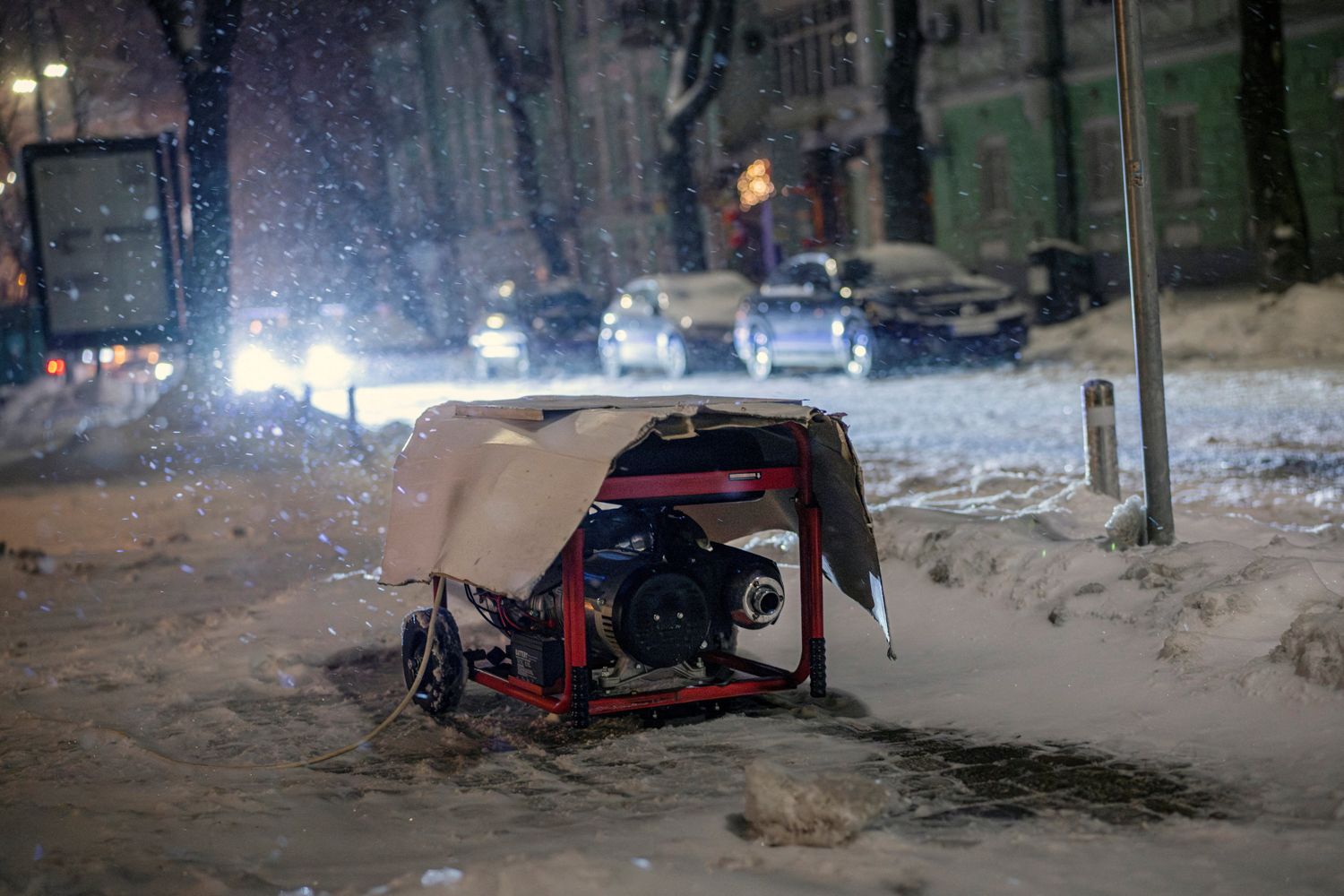
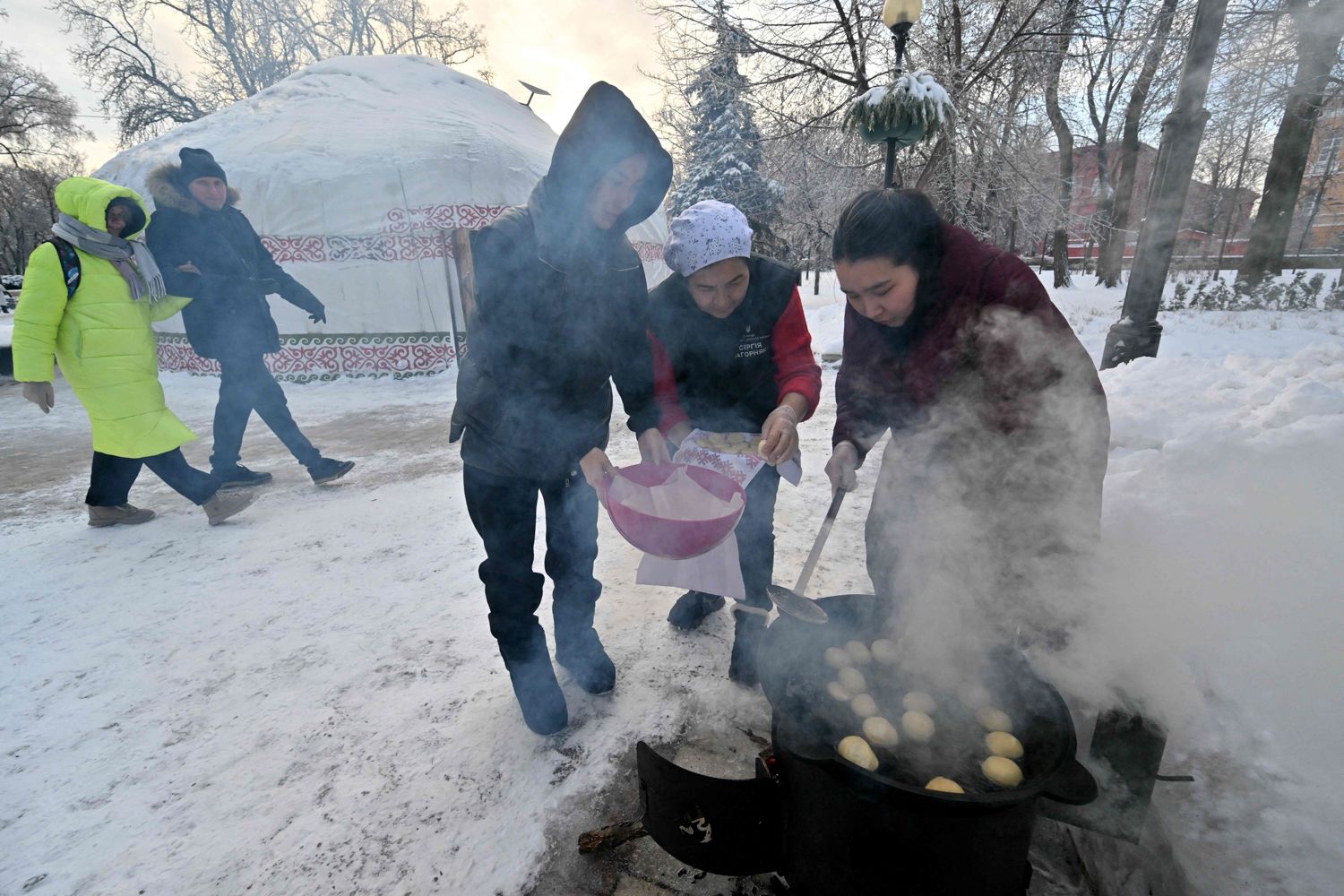
War in photographs. Kyiv without heat, light and water
War through the eyes of Meduza readers
How we choose letters
Meduza's readers live in different countries and have different attitudes towards the war. We publish your letters to see this event through your eyes. Our editors try to present all points of view, even if they do not coincide with the editorial position. However, in accordance with the Meduza code, we do not publish messages that contain “hate speech,” justify the murder of civilians, or express direct support for an aggressive war.
Slava (Saratov region) . After the start of the war, my younger brother ended up in the Yunarmiya. The parents don’t see anything wrong with this, they support SVO, and my attempts to explain to them that the child has no place in the Yunarmiya were unsuccessful.
Now I am very afraid for my brother and for all the children who had the fate of being part of this pseudo-patriotic movement, and even against the backdrop of war. Twice a year in his class, children are forced to write letters to the front, weave camouflage nets several times, learn war songs, collect tin cans for trench candles, and “talking about important things” is a completely separate topic. It is terrible to watch how the state rapes the psyche of children, every day quietly injecting the poison of propaganda into them drop by drop, trying to cultivate in them a love of war and devotion to the state. Seeing all this, I want to scream in despair. I don’t have the opportunity to take my brother away from there, but whenever possible I try to protect him from everything related to the war in everyday life, filling his life with typical childhood joys, but I realize that no matter how hard I try, being in the Yunarmiya will still affect him and his worldview. The only question is how dire the consequences will be, and I must try to at least minimize them.
When talking to him, I try to convey in half-hints that the war and everything that is happening around is “wrong,” “abnormal,” “unhelpful,” and so on. But I can't tell him the whole truth. On the one hand, I don’t want to frighten and shock him with the horrors of war, but on the other hand, if I’m being completely honest, he might accidentally blurt out something at school, and then problems might start, and my parents might severely limit our communication if they find out about “such” conversations […].
At the same time, I understand that it is much harder for children in Ukraine, their childhood was taken away from them, and for some, their life, and I have no right to demand anything from them and their parents. I am ashamed that my country is at war, and I cannot even change the position of my parents, but I can preserve everything human in myself and try to preserve it in my brother. It may be a drop in the bucket, but it’s definitely better than resignation and despair.
I would also like to say thank you to everyone who has maintained sanity over the past four years, resisted dehumanization and did not allow evil into their souls. The realization that such people still exist does not allow us to lose our footing. The future of Russia and Ukraine depends on such people.