
Translated material
Ideal "Family"
28 children were brought to a secluded house in the forest when they were very young. They lived to a strict schedule, which mainly consisted of yoga and classes. For the slightest offense they were beaten and deprived of food, and in adolescence they were put on drugs, but no one had any idea what was happening to them. One day, two pupils decided to run away - this is how they learned that they had lived their whole lives in a lie. Who was the woman whom they considered the mother - in the material "Cold" .
28 children grew up in the same house in the forest and believed that they were siblings. But over time, a terrible truth was revealed 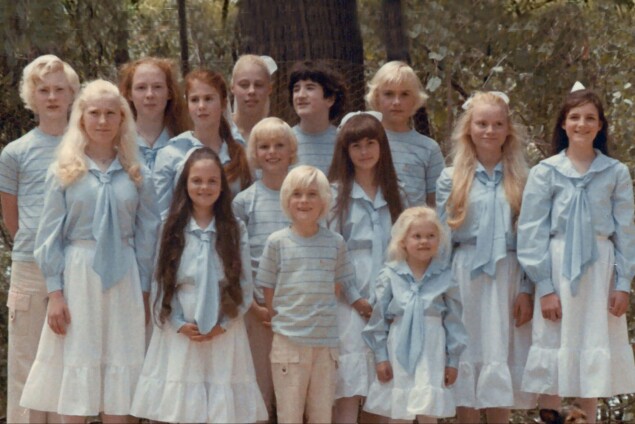
However, as Sarah said years later, the children got it for more than just that. They were beaten with a belt if, for example, they did not make their beds well, soiled their clothes, wrote in sloppy handwriting, or spoke when they were not supposed to. In addition, they were often deprived of food as punishment, so Sarah's younger sister Cassandra weighed as much as a six-year-old at age 12.
One of the children's main joys was meeting their mother - her name was Anne. She did not live with them and was on the road all the time - sometimes she could be absent for months.
After Sarah came of age, it became clear that Anne was not her own mother, and that she, like many of her “brothers” and “sisters,” was taken away from her parents by deception. Sarah later learned that her birth mother was drugged with tranquilizers during childbirth and forced to give up her life. The doctor, midwife and social worker who participated in such operations were members of the Family sect, which was created by Anne Hamilton-Byrne. They all believed that she was a goddess and considered it an honor to help her get children.
Give up your old life
The woman, who was considered a goddess, was born in 1921 in the small Australian town of Sein. Her name then was Evelyn Edwards. She was the eldest of seven children. According to the authors of the book "Family: The Shocking True Story of an Infamous Cult", Evelyn's mother called herself a medium and claimed to be able to talk to the dead, and was later diagnosed with schizophrenia . Evelyn spent part of her childhood in an orphanage. The girl was overweight, so her classmates teased her.
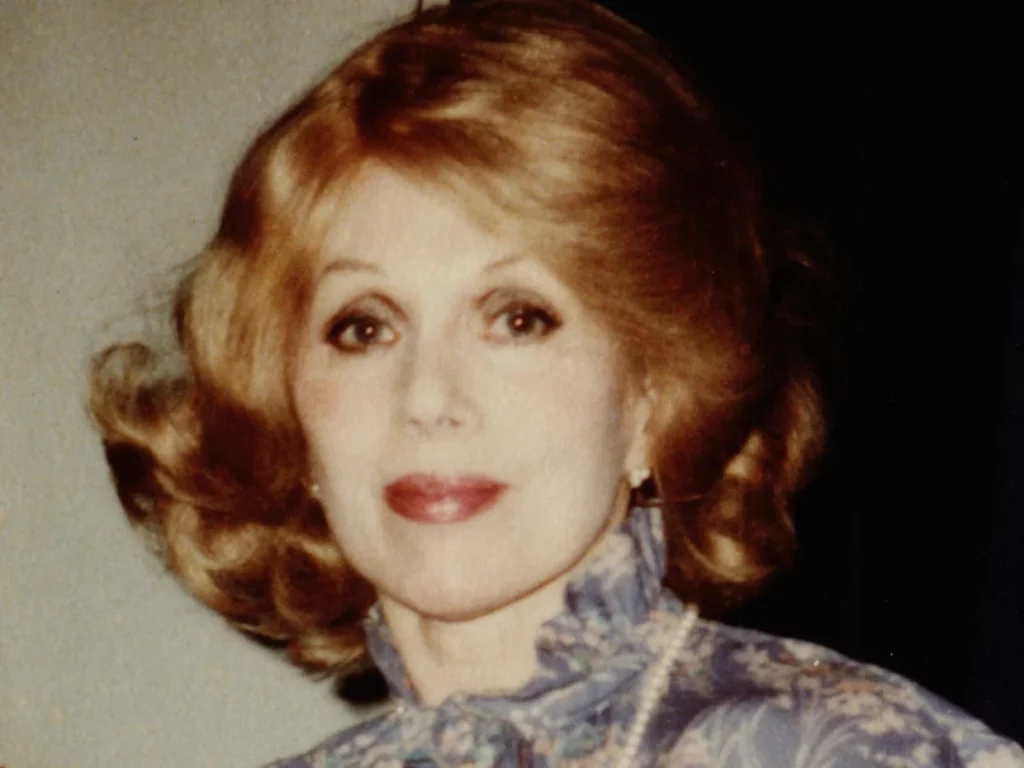
At the age of 20, Evelyn married military man Lionel Harris, and two years later they had a daughter. Harris served briefly in the army, but left out of fear for his wife's mental state. The doctor who saw Evelyn described her as depressed and emotionally distant from her daughter.
Lionel got a job as a car salesman and the family moved to Sydney. When Evelyn was 33 years old, he died in a car accident. After that, her life changed dramatically: she had plastic surgery, changed her name to Anne Hamilton, and began taking public speaking lessons. She also delved into yoga, which was just beginning to become popular in Australia at the time.
While taking LSD, he began to have visions in which Anne appeared to him as Jesus Christ. In the late 1950s, Anne began teaching yoga in Melbourne and Geelong. Her students were mostly middle-aged women. She told her followers that she had once been a famous opera singer and that she had a diploma in psychiatry and a pilot's license. “She knew that if she could get them to leave their husbands, their families would disown them—and she would have them for life. They had nowhere to go,” Ann’s student Barbara Kibbey said years later. Therefore, Hamilton encouraged her students to abandon their former lives.
Mysterious stranger
In December 1962, a stranger came to the home of 61-year-old University of Melbourne physicist Raynor Johnson. “A young woman of about 30–35 years old, of medium or slender build, blonde with a fair complexion, clear gray sparkling eyes and a quiet, attractive voice, approached me,” he described her. In fact, at that time she was over 40 years old, but due to numerous facelifts she looked younger.
Entering Johnson's office, the woman asked him: “Are you going to India soon?” The professor was surprised: he and his wife were really preparing to go to a conference and on vacation. Then she warned him that his wife would become very ill in India and they would have to return to Melbourne earlier.
And so it happened: Johnson's wife developed acute dysentery and had to return home. At that time, Johnson was studying Eastern mysticism and religion, and, as he later said, the meeting with Anne Hamilton, who predicted his future, turned out to be fateful for him.
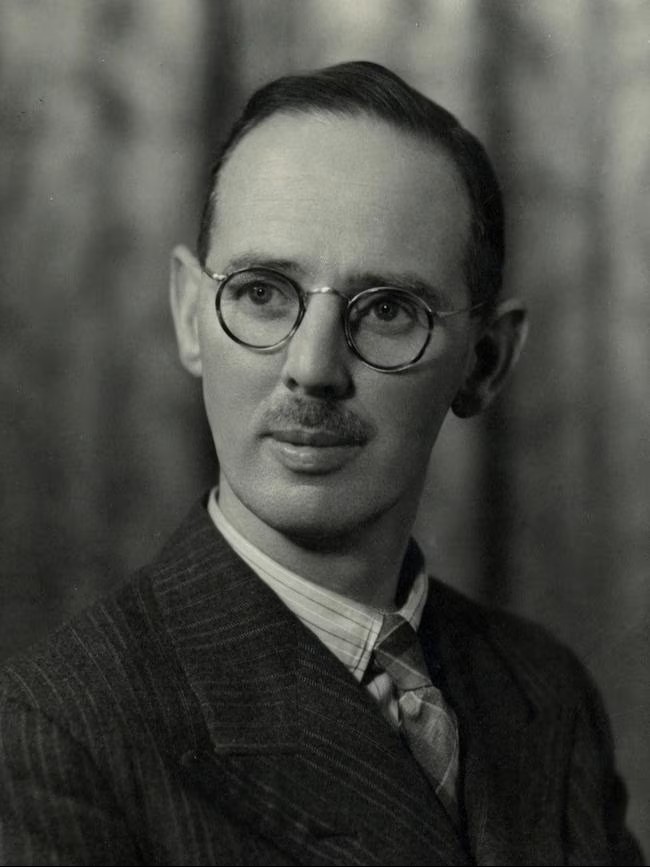
After returning from his trip, he began spending a lot of time with Hamilton. Soon other like-minded people began to appear who, like Johnson, believed in her gift. This is how the “Family” sect was born . It was also called the "Brotherhood", or the "Great White Brotherhood of Initiates and Masters".
"Christ spoke through her"
In the mid-1960s, according to the authors of the book about the Family, who had access to police materials, Johnson introduced his friend, psychiatrist Howard Whitaker, to Ann. Whitaker, he later told police, was confused about his religious beliefs at the time, and Johnson convinced him that Ann would help with it.
Whitaker soon began to play an important role in The Family. Through him, Hamilton obtained LSD - at that time in Australia, doctors had the right to use this drug for therapeutic purposes.
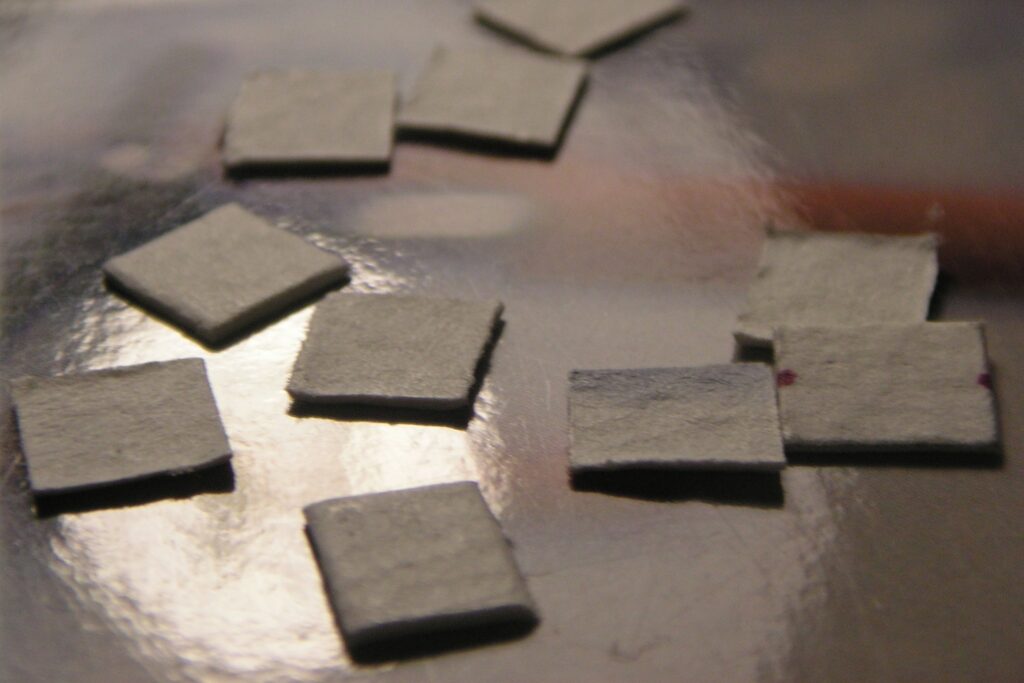
According to Johnson, Anne supposedly had her own guru: an Indian yogi who, she claimed, believed that drugs were “a divine gift for a person imprisoned in the physical world” and their use was a form of initiation. Hamilton provided psychotropic substances to Johnson, his wife and daughter. Under the influence of hallucinogenic drugs, he believed that Hamilton was a goddess.
While taking LSD or hallucinogenic mushrooms, Johnson began to have visions in which Anne appeared to him as Jesus Christ. She said that she was supposed to die, but decided to stay on Earth because people needed her help.
“I will never forget the look on Ann’s face—the strength and challenge in her eyes as Christ spoke through her. I feel that this was the most important experience of my life,” he wrote in his diary. It later turned out that Hamilton deliberately acted out such scenes in front of people who had taken the drug.
Soon, Johnson and other cult members began regularly taking drugs and kneeling before Hamilton. She once told Johnson that the world would end in 1983 and that he should not tell him about her visions, as it could kill her. “The forces of evil were always looking for ways to disrupt her work. The plan was for her to operate under the radar,” Johnson wrote. Anne said that when the apocalypse begins, only she and her followers will survive.
Temple with throne
According to some sources, Hamilton had about 150–200 followers, according to others , their number could reach up to 500. All of them donated most of their income to the community. With this money, Ann bought expensive real estate in the UK and the USA.
Hamilton's religion was based on a mixture of Hinduism, Buddhism and Christianity. She convinced followers that suffering increases a person's chances of salvation and atonement for sins. Hamilton paid a lot of attention to meditation and talked about karma and asceticism.
The sect believed that hell was cold, so, for example, they placed paper in the freezer with the name of the person they wanted to take revenge on. Hamilton also stuck pins into wax dolls to make people sick.
The group members had no right to privacy - everything had to be told to Hamilton. She could interfere in the family relationships of her followers, for example, forcing them to get divorced or get married. Emotions were considered a weakness in the community, but could be shown during confession or a drug session.
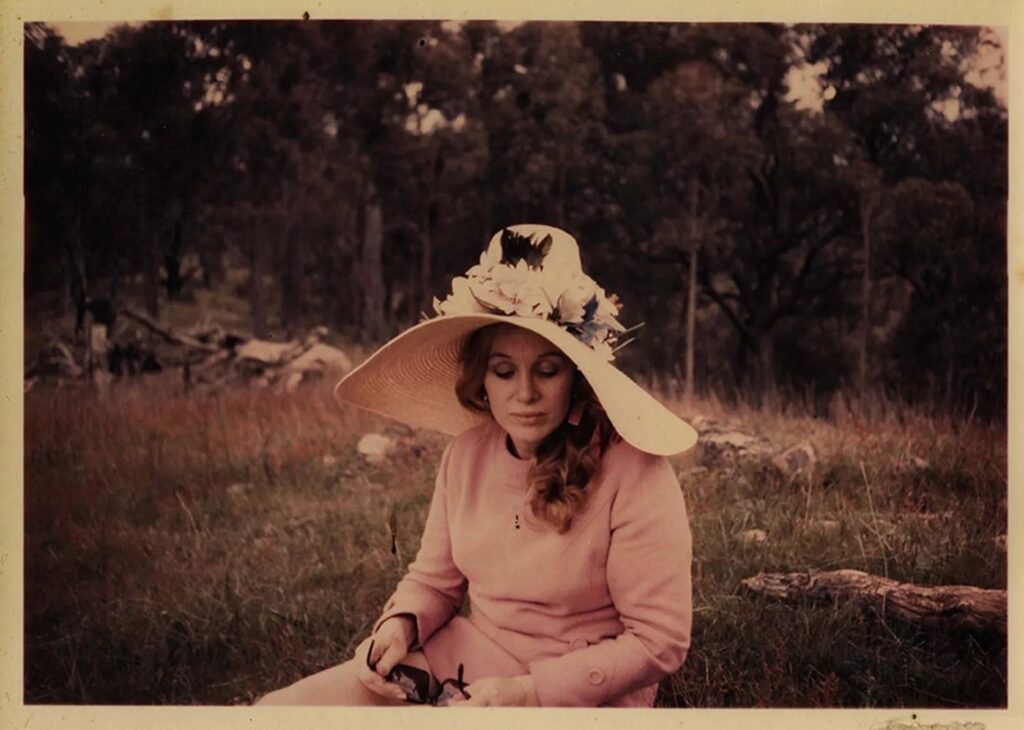
According to the authors of the book about “The Family,” Hamilton persuaded her followers to move closer to her home in the suburbs of Melbourne. There, opposite Raynor Johnson's Ferny Creek home , Anne founded the Santiniketan Lodge Temple ("abode of peace") in honor of a Hindu ashram. This is where the cult members gathered.
Hamilton's followers came to the temple every Thursday and sometimes on Sundays . In the center of the building was Anne's chair, from which she usually made speeches. The hall could accommodate a couple of hundred people, there were rows of chairs, the passages between which led to her “throne” and the altar. On the days when Anne was away, members of the sect listened to recordings of her performances. In another room, she met with followers from her inner circle and conducted meditations and LSD sessions with them.
Anne's 28 children
Hamilton had another house - near Lake Eildon, 120 kilometers from Melbourne. This estate in the “Family” was called Aptop or Kai Lama - it was supposed to become a kind of monastery. In the early 1970s, children began to be brought there. At first there were seven children aged about three years old. A few years later there were already 14 children living in the house.
In 1978, Anne married Englishman William Byrne and took the surname Hamilton-Byrne. Later, 14 more children appeared in the house. As a result, a total of 28 of them lived there. Most of them were adopted by Anne's followers and handed over to her using forged documents, and some were relatives of sect members. As journalists wrote , people considered it an honor to give a child to be raised by Ann, who was revered as a deity.
Ann and Bill did not live in Uptop, but only came there occasionally to visit. They were on the road all the time and could live for months in the UK or the USA. The children were cared for by a group of women called "aunts." They were followers of Anne and even considered themselves her friends. Most of them worked as nurses and spent two weeks in the hospital and two in Uptop. The women donated their salaries to Anne and tried to curry favor with her by cruelly punishing their children.

Sarah Moore was one of the first to appear in Uptop. In 1995, she wrote a book about her life called "Invisible, Unheard, Unknown." In it, Sarah said that all the children who lived there were sure that they were siblings.
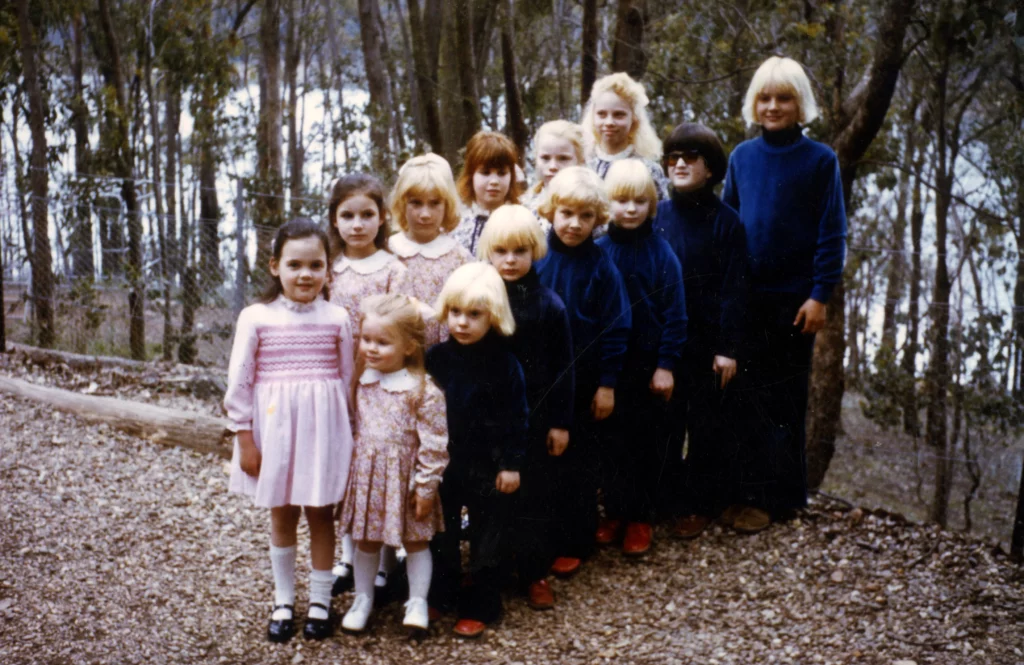
It was common practice to dye children's hair white—some had it bleached every week. According to the authors of the book about “Family,” the children’s clothes were also the same: girls wore checkered sundresses or dark skirts with shirts, boys wore checkered trousers, ruffled shirts or turtlenecks. All children were given blue velor yoga suits and red shoes. Clothes were passed down from older children to younger ones.
Schedule by minute
Sarah remembered that there was no electricity or water in the house for a long time. Until the 1980s, when they got electricity, the children never watched TV, and the aunties carried water into the house in buckets and washed things by hand. They always curtained the windows, so the room was dark.
bathed in a basin of ice water for wetting the bed or soiling her diaper. The aunties had complete control over the children. Getting up was at six in the morning, and in the summer - at five. First, the aunties woke up the children and checked to see if anyone had wet the beds during the night. Children were forbidden to get up at night, but despite this, if someone’s bed was wet, as punishment they were “taken by the ear to the bathroom” and beaten with a belt, and then placed in a cold shower in their pajamas, even in winter. Sarah wrote that she woke up every morning to “children’s screams.”
The children took showers every two days according to a schedule: some in the morning, some in the evening. They were forbidden to wash for more than three minutes, touch themselves in intimate places and open their eyes so as not to see their naked body. In the summer, when there was little water, the aunties filled one bathtub in which all the children washed. By the time it was the last ones' turn, the water was already dark.

Half an hour after waking up, the children had an hour of hatha yoga. After yoga, the children listened to a recording of Ann's sermons, chanted mantras and meditated. Before breakfast, they could go outside for a while and do exercises.
The children rarely went outside the yard, so, according to Sarah, they knew every stone, plant and “bend of the bark on the tree” in the area around the house. To leave the territory, special permission from the aunts was needed, otherwise severe punishment would follow. The yard was fenced with barbed wire.
“More than the fences, what held us back was the fear of what awaited us in the outside world. We didn’t think about escaping because we didn’t know where to run,” Sarah wrote.
At half past eight in the morning there was breakfast, and after that the children went to get ready for lessons. The first classes began at nine. Usually it was spelling - if they made mistakes or wrote slowly, they were hit on the hands with a ruler. “Sometimes they took me out in front of the class, made me bend over an oil heater, pulled down my pants and whipped me with a meter ruler. Of course, I’ve always been a good student,” Sarah wrote. In addition, children were taught arithmetic, the basics of French and German, geography, chemistry and physics.
Hid from strangers
Aunties and invited teachers - members of the sect - could only teach what they themselves knew. Because of this, children never studied many disciplines or studied them superficially.
The Aptop school was officially registered by the state government only in 1984. Until this time, the authorities believed that the children went to schools in Melbourne, so whenever strangers came to the house, the children were hidden.
During recess, children often played outside, but if they began to get seriously interested in something, they were forbidden to play with it. For example, football was canceled as “unfeminine” and too dangerous for windows. On the street it was not allowed to talk, fight, lift sticks or stones, play in the dirt, throw balls and toys, and children of different sexes were not allowed to play together.
At 16:00, classes ended and the children went to clean their rooms and wash their clothes. Every day the aunts checked how neatly the beds were made, whether the carpet was cleaned, whether there was dust on the shelves and whether things in the closet were hung by color.
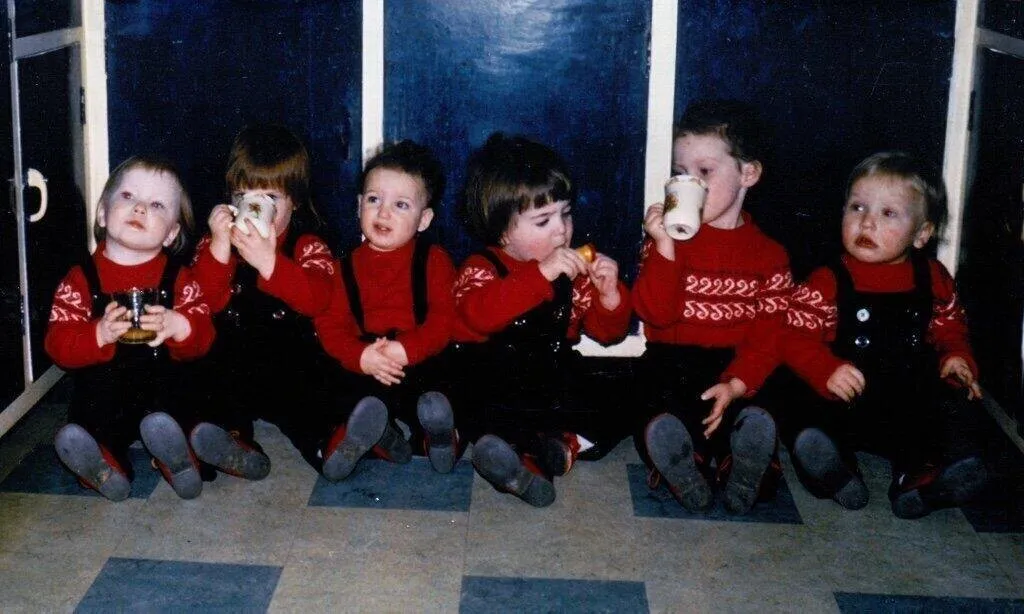
After cleaning there was meditation and tea with snacks. In the evening, the children read spiritual scriptures and discussed them, after which the younger ones were sent to bed, and the older ones remained to do their homework. At 21:00 there was curfew and the lights were turned off. For any noise or unnecessary movement at night, children could be deprived of food the next day.
On weekends we got up at seven in the morning, but the children still studied and did yoga. Sometimes Ann and Bill came to visit them. “Every day was the same and completely predictable. Everything changed only when Anne was home or when we left Uptop on one of our rare trips abroad,” Sarah said .
Forced to watch others being beaten
When Hamilton-Byrne spent weekends with her children, the daily routine changed. Usually such days were devoted to spiritual practices, meditation, prayers and the study of religious books. However, often the meetings ended with the children being punished, as the aunts might complain about their misdeeds or Anne herself would fly into a rage due to violations of discipline. “Anne’s religion actually encouraged child abuse,” Sarah explained years later.
Children were beaten, deprived of food, publicly humiliated, forced to watch others being beaten, and if someone looked away, he was beaten too. To do this, the aunties used any available means: wooden boards with nails, bamboo sticks, whips and even boots.
Anne believed that children had sexual intercourse with each other and masturbated in the shower. Children were punished for soiling their clothes, not closing doors, playing piano pieces in the wrong order, taking too long to put on their shoes, saying forbidden words (such as the word "hate"), not making the bed correctly, or looking at one of the aunts with "stupid impudence." Sarah told how the little girl Madeleine, who by then was still walking poorly, was beaten with a belt and bathed in a basin of ice water for wetting the bed or soiling her diaper.
As Sarah recalled, the children quickly learned that they needed to not stand out or attract attention so as not to be beaten. “The fear of punishment was so great that many were ready to do anything to avoid it,” she wrote. The aunties tried to force the children to spy and talk about each other's misdeeds.
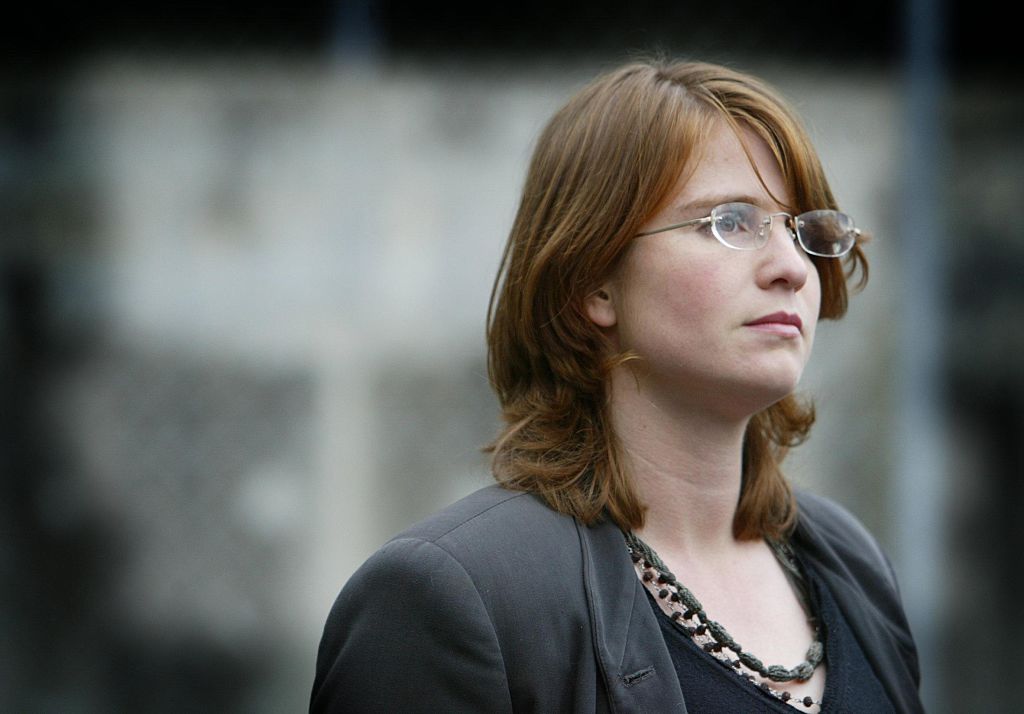
According to Sarah, because the children were used to constant violence, it seemed wrong to them when it was not there. Over time, they began to hurt themselves. Sarah often intentionally burned herself, scratched herself until she bled, and pierced her hands with pins or scissors. “When it hurt, we felt better. Perhaps it was because the only form of human contact we knew was beatings,” she wrote.
As a child, Sarah even thought about suicide. Later she found out that other children were thinking about this too.
They ate grass and rummaged through garbage dumps
The children's diet was meager and mostly vegetarian. Breakfast always consisted of three fruits for girls and four for boys. Usually these were apples, oranges, bananas and pears. Since they were purchased in bulk, the fruits were rotten.
The food was often tasteless or even spoiled. There were a lot of mice in the house, so the children found mouse droppings in the muesli. The aunties did not pay attention to this and told us to just pick it out. According to Sarah, they only refused to eat once, when their cat Annabelle relieved herself in a pot of porridge. The next day, the food was not thrown away, but heated up and served to the children. Because of the smell, they could not eat it, so the aunt gave them bran. Otherwise, the children, as Sarah recalled, were not picky eaters.
From an early age they could not be fed for days as a punishment. This caused them to vomit frequently and feel weak. “We were starving, and that was Anne’s policy,” she wrote.
Due to hunger, children ate crumbs from under tables, cat and dog food, dry bread and seeds from bird feeders, and even rummaged through trash cans. According to Sarah, there were rumors that some of the children even ate their own feces. “I ate leaves and grass just to somehow fill my stomach. All edible plants and flowers were dealt with very quickly,” writes Sarah.
The aunties locked the food cupboards and the refrigerator, and sometimes kept watch in the kitchen to prevent children from getting into it. According to Sarah, they even examined the children's vomit to see if they had stolen food. If the aunties found something, the children were punished even more severely.
The pupils were so thin that, as Sarah said, they looked like “concentration camp victims.” Hamilton-Byrne forced adult members of the sect to go on diets, but, according to Sarah, she never adhered to them.
Children were often weighed, and if they seemed fat to the aunties, they were not given food. Because of this, many children, especially girls, vomited before being weighed. As girls developed breasts, Anne called them fat, ugly, or “sex monsters.”
“I even thought about cutting off my breasts, but the thought that there would be blood stopped me. I prayed at night for God to deliver me from the breast,” Sarah said.
In Uptop, the topic of sex was taboo. Children were often accused of being homosexual or of "wiggling their hips" in the presence of men. Even though the children knew nothing about sex, Hamilton-Byrne said they had sex with each other and masturbated in the shower.
When Sarah got her period, she thought she had cut her leg. When it became clear that there was no wound, one of the aunts gave her pads, saying that Sarah was disgusting to her. “There was a disgust for everything connected with sex or sexuality,” Sarah told reporters. Meanwhile, in her sermons, Hamilton-Byrne said that sex is “one of the greatest forces of the universe.”
I was fed LSD for three days
Hamilton-Byrne considered herself a healer and “prescribed” huge doses of dietary supplements and vitamins for children. As Sarah wrote, sometimes they were given tranquilizers. If one of the children fell ill, he was not cared for or treated. Often, aunties, on the contrary, punished people for feeling unwell. One boy had asthma, so he often woke up his aunts with his cough - for this they kicked him out into the street all night or doused him with cold water.
the youngest girl was 12 years old and weighed only 20 kilograms. When children reached 14 years of age, they had to undergo an initiation ceremony like the rest of the cult members. During the ritual, they were given drugs, supposedly to cleanse their souls. However, they were given to children at an earlier age. For example, one of the former students told reporters years later that he took LSD when he was about eight years old.
As Sarah recalled, before the initiation she was not allowed to sleep for several days. On the day of the “initiation”, she was in the UK with Anne: she fed the girl, drew her a bath and put her in the guest bedroom.
After taking drugs, Sarah began to hallucinate, but she tried to maintain control over herself. “I tried to challenge Ann’s authority: I didn’t want to make a fool of myself like the others who screamed and cried and acted crazy while on the drug,” Sarah recalled.

A few hours later, Anne came in, told Sarah that she had “not behaved well enough,” and gave her more LSD. Then Sarah stopped understanding where she was and how much time had passed. It seemed to her that Anne had come to her several times, telling her that she should repent of her selfishness and the fact that she supposedly wanted to be “raped when she went out.”
Sarah was given LSD several more times. “It’s hard to explain how much my first experience affected me, but I know that since then I’ve never been the same. I realized that life will never be good or exciting, but only struggle and a series of disappointments,” Sarah wrote.
Family in the photo and thoughts about escaping
The adult members of the Family sect had no idea that children were being mistreated in Aptop. “They certainly received an excellent education. They looked good, were impeccably dressed, very clean and neat, and very well mannered,” one of Ann’s followers, Seed Savage, later recalled in a conversation with reporters.
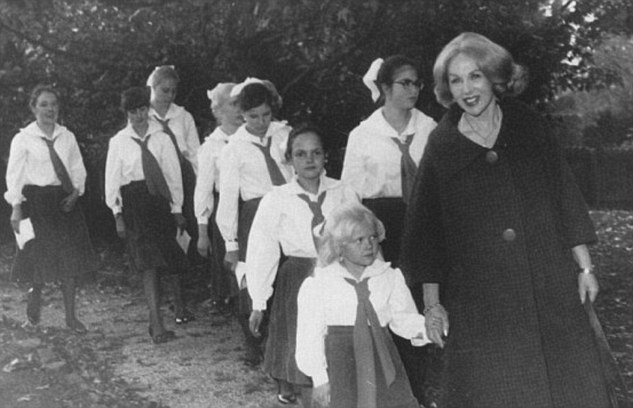
From the outside it seemed that an idyll reigned in the house. Children often appeared in home photos and videos: in one frame, for example, the girls hugged Ann and Bill in beautiful dresses with Easter eggs. “We were all lined up by age and photographed... It was Anne’s fantasy of perfect children lined up in a row,” Sarah said.
In the late 1970s, residents of neighboring houses began to suspect that something fishy was going on in Ann Hamilton-Byrne's house. Then the police began to visit Aptop, but found nothing because the children were hidden in the underground.
In 1985, Anne relaxed her control over the older girls and sent teenagers Sarah, Leanne and Anuri to dance school. Sarah and Leanne even convinced Anne to let them go with their new dance friends for a few days. During this time, they went to McDonald's, watched TV and rode the bus to the mall without adults. Then they realized that their life in Aptop was somehow strange, and they thought about escaping.
Searches, charges and patrons
One day, Leanne ran out of the yard and turned to neighbors for help. They called the police, but this led to nothing. After some time, Sarah invited her friend and her mother to visit. This angered Anne so much that she kicked her out of the house, saying, “You are no longer our daughter. Go away and die in a ditch." A police officer soon told Sarah that Hamilton-Byrne was not her mother and did not give birth to all the other children.
Then the police were already seriously involved in Anne Hamilton-Byrne. Sarah and Leanne told investigators about their lives in the Family. On August 14, 1987, at six in the morning, police burst into Uptop. In the house they found drugs, including LSD, and many children. Some of them huddled in a corner and began to cry - they were calmed down by Sarah and Leanne, who helped the police.
The children were taken to shelters for delinquent or abused children. They were in poor physical and psychological condition - all were experiencing post-traumatic stress.
The youngest girl, Cassandra, was 12 years old, weighed only 20 kilograms and was shorter than 120 centimeters. “She looked like a four- or five-year-old girl,” Sarah recalled. During the year at the shelter, Cassandra grew 11 centimeters.

“I had the opportunity to wash dishes - it was exciting and wonderful, the opportunity to go buy food whenever I wanted, the opportunity to learn to ride a bicycle,” one of the former students, who was then taken from the sect, described his feelings years later in a conversation with journalists.
I just loved children
At that moment, Ann and Bill were in the United States, from where they decided not to return. The sect leader accused Australian police of “religious persecution” and denied all charges. Members gradually began to leave the sect, and some aunties renounced Anne.
In 1989, as a result of an investigation, the aunties were accused of illegally receiving government benefits for sickness, disability and old age pensions. According to one source , all but one were sentenced to short prison terms. According to others , even those short terms were reduced.
Investigators, studying the case, came to the conclusion that in documents (for example, on the adoption of children), the names of doctors, nurses and lawyers were repeated. In addition, they realized that the police had already been interested in the sect before, but did nothing. According to investigators, Hamilton-Byrne may have had patrons who helped her hide the crimes.
It is still unknown why Anne needed children. Over time, former students began to doubt that it was only a matter of ideology. Some of them had multiple birth certificates, passports and even citizenships. Sarah even suggested that the same appearance and multiple documents were necessary in order to freely transport children across borders and, if necessary, “replace” the identities in the documents.
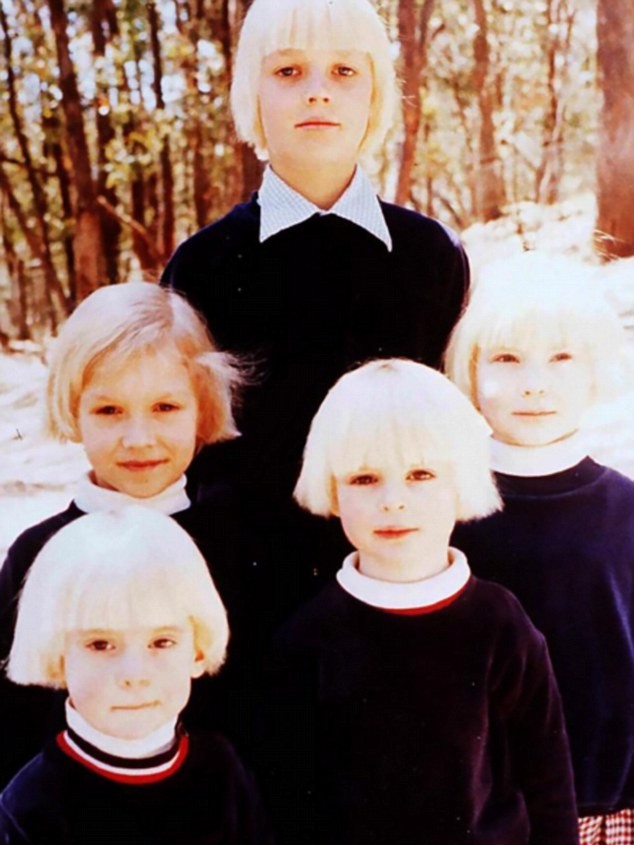
“Perhaps even for sale abroad. I'm sure there is a demand somewhere in the world for little blond children with no traceable identities,” Sarah suggested . Hamilton-Byrne herself constantly repeated that she created such a large family simply because she “ loves children.”
"I don't feel like a monster"
On June 4, 1993, Anne Hamilton-Byrne and her husband Bill were arrested at their home in New York State, USA. Two months later they were extradited to Australia and taken into custody. However, in court they were released on bail of 25 thousand Australian dollars each - their lawyers insisted that the defendants were innocent.
In 1994, Ann, 72, and Bill, 71, pleaded guilty to making false statements. For this they were fined 5,000 Australian dollars (3,450 US dollars) . They managed to avoid prison sentences for forging documents claiming that the three children were their own.

When sentencing, the judge took into account the age of the spouses, their state of health and the time already spent in an American prison. Due to legal difficulties in extraditing people from other countries, investigators were unable to bring other charges against Hamilton-Byrne, according to former detective Lex de Man.
The children from the “Family” were dissatisfied with the condescending attitude towards Ann. Bill died in 2001, and in 2004 Anne was admitted to a home for elderly people with dementia. According to the authors of the book about “Family,” her biological daughter lived in another country and did not communicate with her mother. In 2009, Hamilton-Byrne was interviewed and again denied all allegations.
“You know very well what they can invent. We were all children. I don’t have anything to say because I don’t feel like a monster,” Anne said .
As they grew older, Hamilton-Byrne's "children" began filing lawsuits demanding compensation. In 1995, Sarah estimated that Anne owned real estate worth at least $ 113 million.
During this time, many of those who grew up in the sect received an education and started their own families, but some of them were unable to cope with what happened to them in childhood. Sarah became a doctor, but for a long time she tried to commit suicide. One of these attempts resulted in her leg being amputated at the shin level. She died in 2016 - the exact cause of death is unknown.
Sarah's funeral, which was held in Buddhist style, was attended not only by the people with whom she grew up in the sect, but also by Anne's supporters. One of them, during the ceremony, accused Sarah of lying and spoke of Anne's divine origin. Hamilton-Byrne herself died in 2019 at the age of 97.
Photo: Church Street Films/CBS
Author: Daria Morozova