Translated material
Will the protests in Iran turn into a revolution? Let's figure out what's going on
Participants in the largest protests in decades call for the overthrow of the ayatollahs' regime
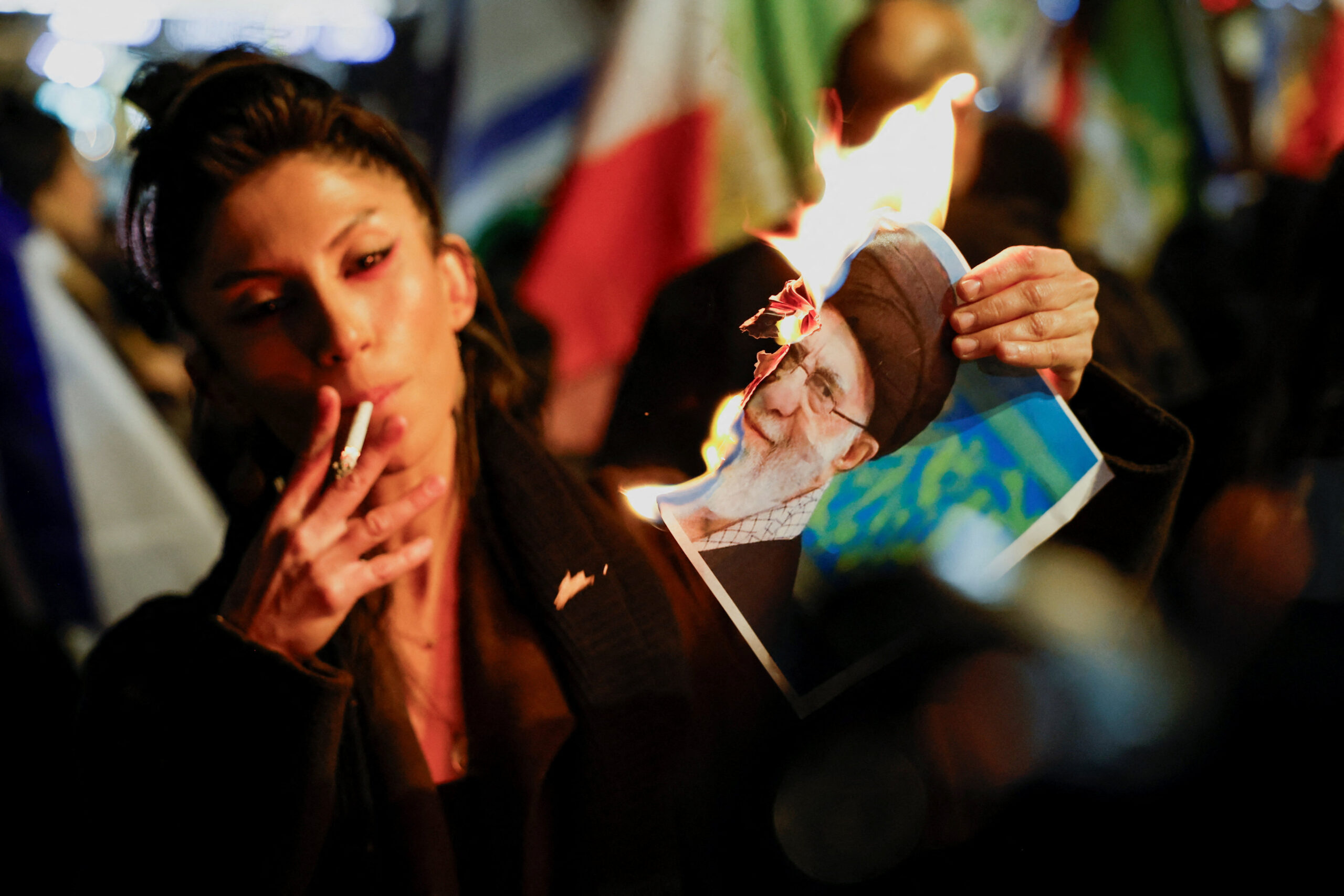
The largest protests in decades are taking place in Iran. Participants who took to the streets after the depreciation of the national currency i called for the overthrow of the ayatollahs' regime. Protesters set fire to administrative buildings and clash with police. The Internet is turned off in the country, firearms are used to suppress protests, and executions of participants are reported.
By mid-January the situation around Iran had worsened. Thus, on January 14, Iran notified a ban on civilian flights over its territory, and the United States and Great Britain began to withdraw some personnel from their bases in the Middle East in the event of an exchange of attacks that could be more widespread than the attacks on Iran’s nuclear infrastructure last year, when Iran responded by threatening to close the Strait of Hormuz .
“Layout” tells whether the protest wave can turn into a full-fledged revolution and what chances the protesters have of achieving the fall of the regime.
In order not to miss new texts from “Layout”, subscribe to our telegram channel
Why did the protests start in Iran?
Mass protests in Iran began on December 28, among mobile phone dealers in central Tehran. The protesters protested against the collapse of the national currency, the rial. Dealers of other goods joined them; they began to close shops, declaring that it was not profitable for them to trade.
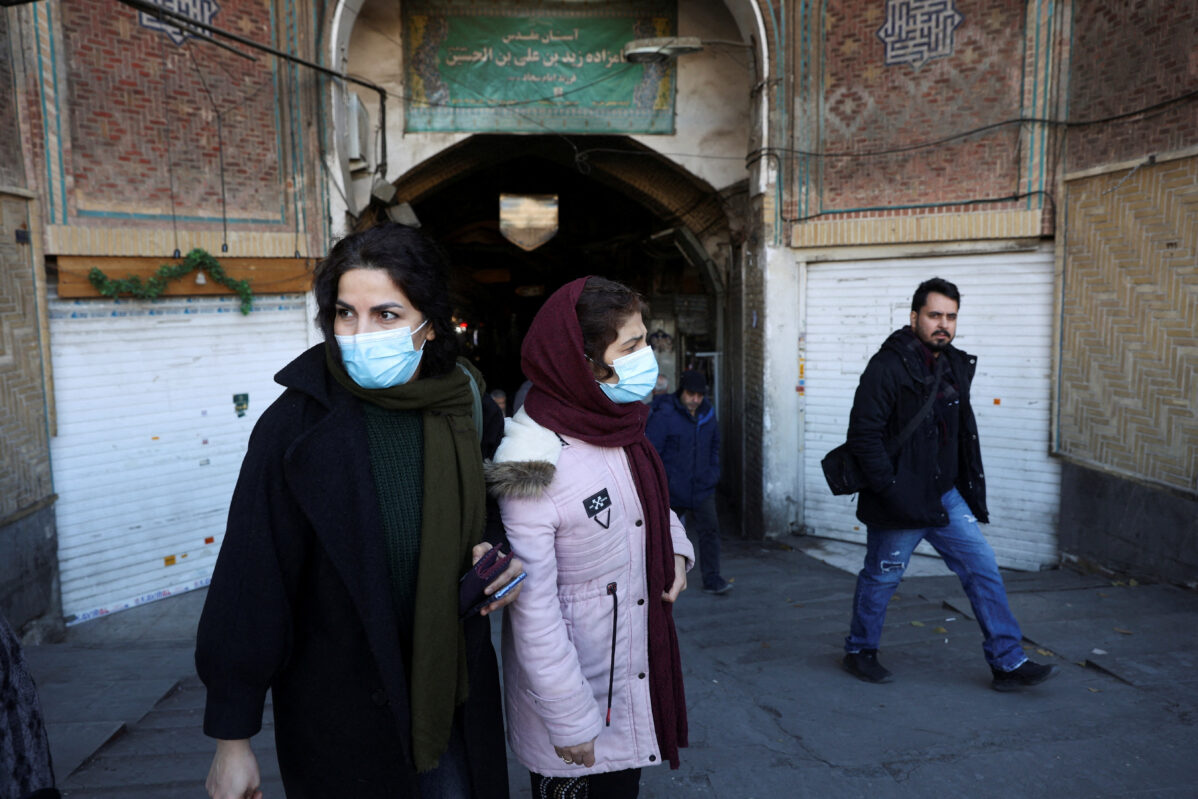
The next day, sellers from the Grand Bazaar, a huge covered market in Tehran that controls much of the country's trade, joined the protests. By the evening of December 29, the unrest spread to other cities, and by December 30 - to the entire country.
Initially, the protesters demanded the stabilization of the currency exchange rate, a reduction in inflation and prices for essential goods, government intervention in the economic situation and the resignation of the head of the Central Bank, Mohammad Farzin. Soon the slogans became political - and sharply anti-government. Authorities began dispersing participants using tear gas as early as December 29.
Are Iranian protesters really calling for the restoration of the monarchy?
Footage from Tehran on December 30 showed anti-regime students chanting “rest in peace Shah Reza,” a reference to the founder of the dynasty that was overthrown in the 1979 Islamic Revolution who died in 1944. His grandson, Shahzade Reza Pahlavi, who lives in the United States, called on Iranians to join the protests on the evenings of January 8 and 9.
That same evening, many demonstrators in Tehran began chanting pro-monarchy slogans, Radio Farda reported , and now not a single evening of protest is complete without them. At the same time, at foreign rallies of Iranians in support of their compatriots, peopleprotested against monarchism.
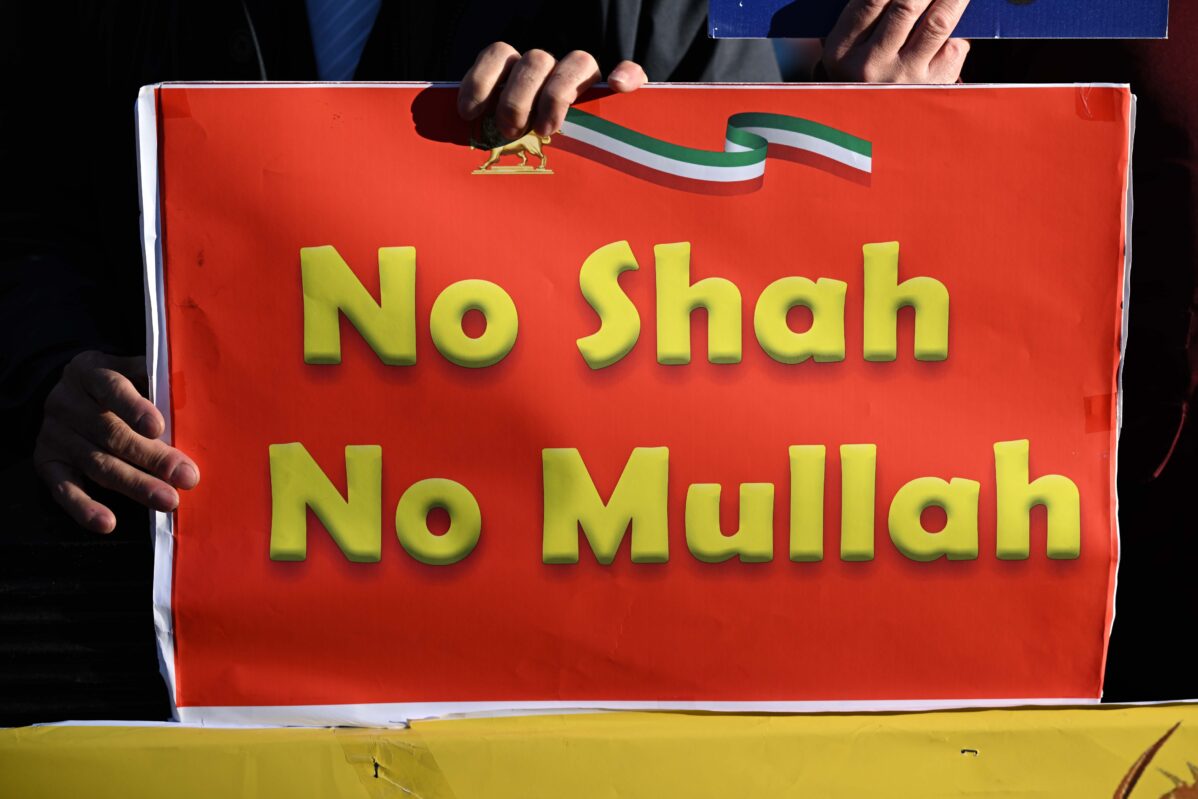
Political scientists disagree on how much the participants really strive for the return of the Shah, but note that monarchist slogans unite people who oppose the basis of Iran's system, the Islamic Republic.
Since the 1979 revolution, Iran has been ruled by the Islamist regime of ayatollahs - Shiite theologians who have the authority to interpret matters of Islamic law. The head of state is the Supreme Leader of the country, who controls the legislative, executive and judicial powers, and is the Supreme Commander-in-Chief.
According to the constitution, the Supreme Leader is equal before the law with other citizens and is elected, but in reality his power is unlimited. Since 1989, the position has been held by 86-year-old Ali Khamenei - from the point of view of an outside observer, his power differs little from the monarchical one.
What are the Iranian authorities trying to do to stabilize the situation?
After mass clashes between protesters and police on the night of January 9, Khamenei addressed the nation in which he stated that some of the people who took to the streets were organized from outside the country and were committed to acts of sabotage in order to “delight the American president in the hope of his intervention.”
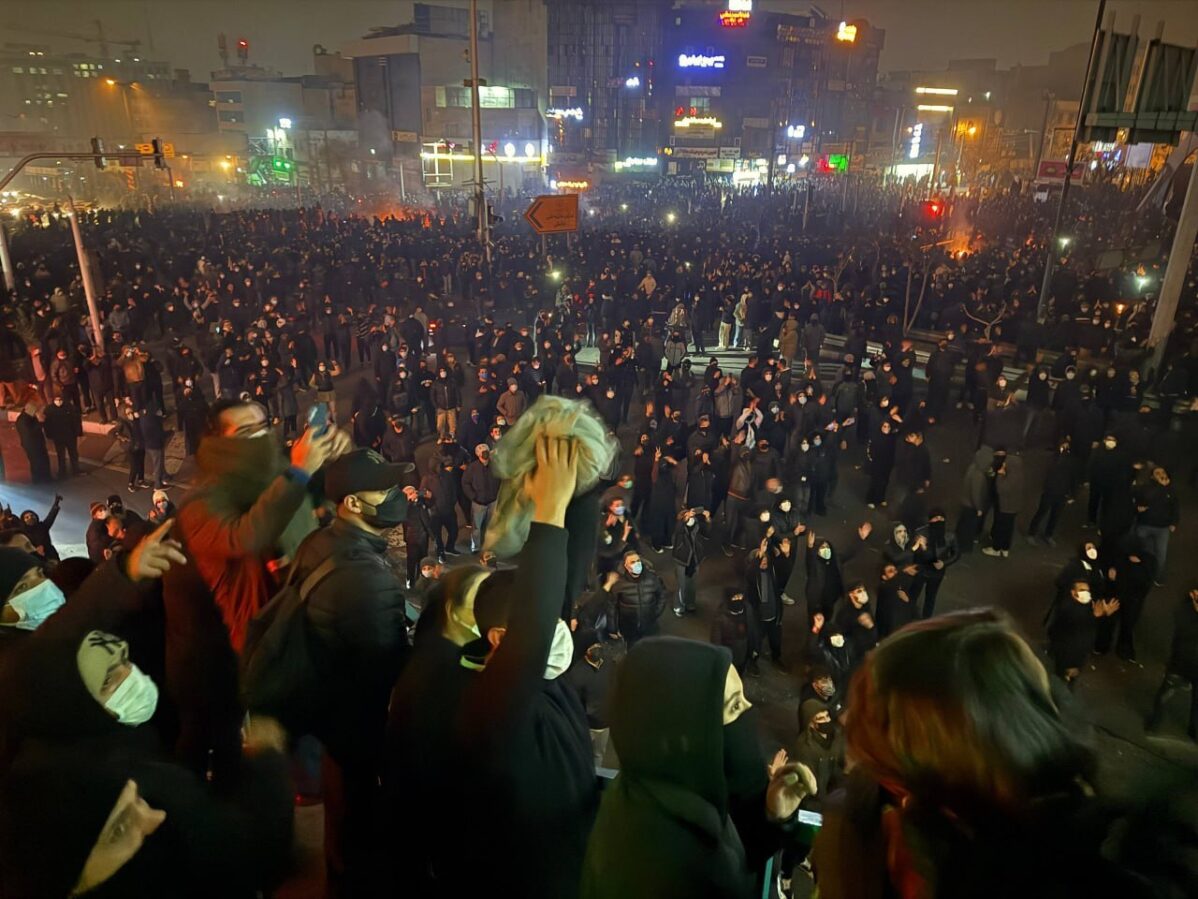
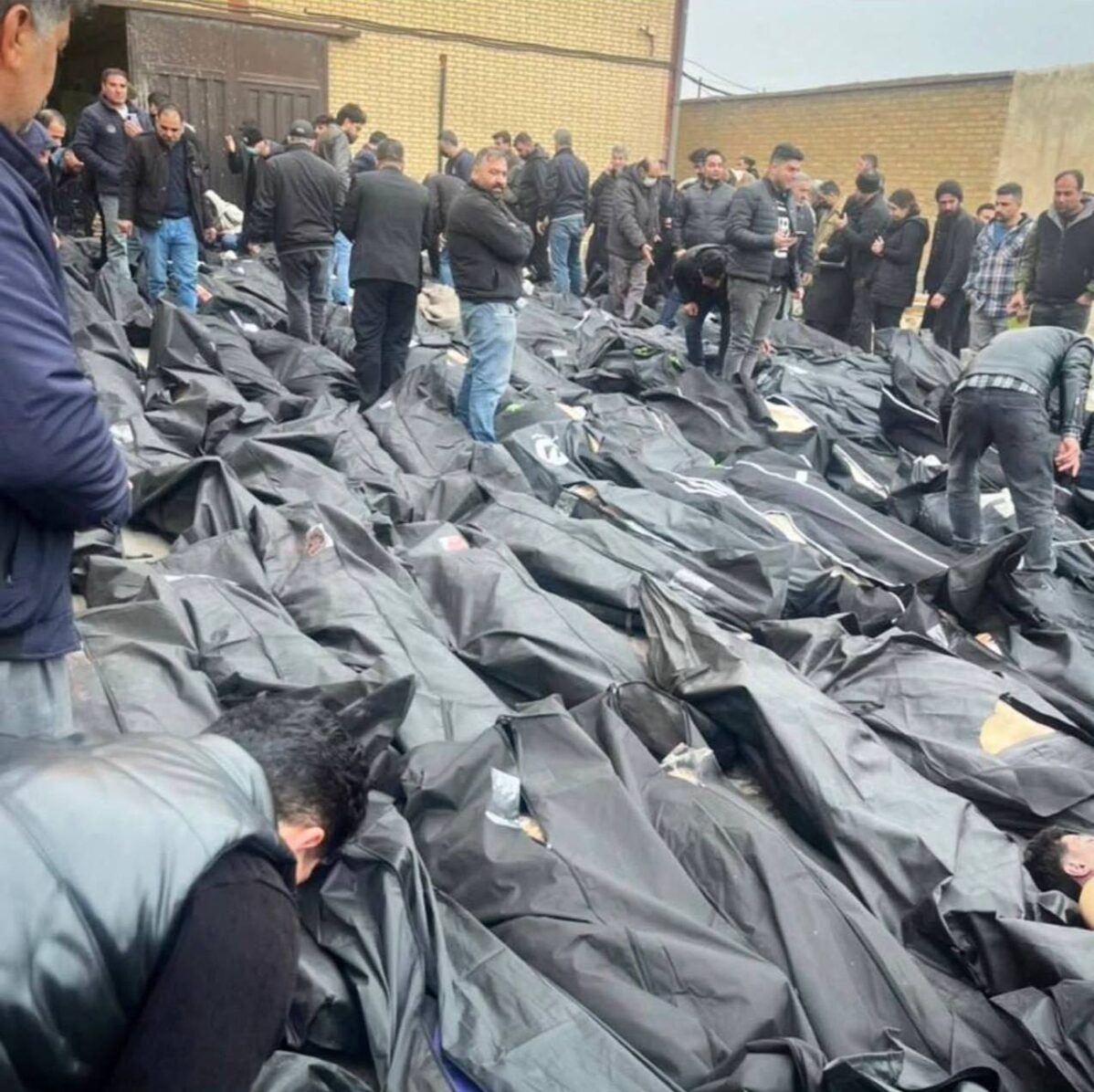
On the same day, the Internet and mobile communications were completely cut off in the country. According to Iran Wire, the government even managed to jam Starlink terminals brought into the country. Since the end of December, security forces began opening fire on protesters with firearms, and on the night of January 9, shooting became widespread. As of the evening of January 13, the death toll was estimated by various sources from several hundred to several thousand. Thus, the Iran human rights organization reports at least 3.4 thousand dead, while the Iran international publicationwrites about at least 12 thousand dead.
Photos of the dead were evendistributed by Proteheran sources (be careful, the images in the link may seem shocking to you).
Mass arrests of demonstrators are taking place across the country. Participants in the clashes are accused of “corruption on earth” and “war against God.” These crimes can be punishable by exile, amputation of the right arm and left leg, and death, the latter being the most common punishment.
At the same time, President Masoud Pezeshkian accepted the resignation of the head of the Central Bank of Iran, Mohammad Farzin. At the beginning of January, residents of the country were given money to purchase basic goods - in the amount of about $7 per month. Pezeshkian promised the population reform of subsidies, stabilization of markets and negotiated with traders from the bazaars, recognizing their right to peaceful protest.
Can the US strike the Ayatollahs' regime during protests?
And most likely they will. On January 9, Pahlavi directly called on US President Donald Trump to “be ready to intervene in the situation.” On January 13, Trump said on his Truth Social account that Iranian patriots should continue to protest and “take over government institutions.” “HELP IS ON THE WAY,” he wrote. However, a day later, Trump said that he knew from reliable sources that there were no plans to execute protesters.
According to The New York Times, the United States is considering the possibility of launching “preemptive” strikes on Iran, targeting Islamic Revolutionary Guard Corps bases, paramilitary Basij volunteers, missile and nuclear facilities. At the same time, the material says, Iran makes it clear that it is ready for negotiations, and its messages through intermediaries are much softer than public rhetoric.
At the same time, Washington announced the introduction of 25 percent tariffs against countries trading with Tehran. But Iran’s largest partner is China - and the White House, according to the NYT, is afraid of spoiling relations with Beijing against the backdrop of a recently reached truce in the trade war.
Will the Ayatollah's regime resist the protests?
The protests in Iran are the largest in modern history and are taking place at a time of maximum weakening of the ayatollah's regime, which has suffered a number of defeats on the foreign policy front and is unable, at least now, to control the economic situation.
American sociologist Jack Goldstone identifies five conditions for a successful revolution: a fiscal crisis, a split among elites, a broad opposition coalition, a unifying narrative, and a favorable international environment. In an article for The Atlantic, he and Iranian scholar Karim Sajjadpour argue that for the first time since 1979, Iran meets almost all of these criteria.
In addition to high inflation, the depreciation of the rial and the defeat on the foreign policy front, the authors note that there is a common agenda for the protest, uniting different classes, ethnic minorities, women and workers, and now having a symbolic figure - Shahzadeh Pahlavi. Almost all of Iran 's former presidents, and the country's elections until recently were competitive, have been removed or are under arrest. The bazaar traders, who had previously been the mainstay of the regime, became the opposition. The regime has narrowed to a “party of one”—Khamenei. Technocrats in the government have been forced out by loyalists, making it difficult to correct the situation.
The only thing that is still missing for a complete collapse is the transition of the security forces to the side of the street, the authors say. They call the Islamic Republic a “zombie regime”: legitimacy, ideology and economics are dead, only violence remains.
Photo: Rally in support of protests in Iran in the Israeli city of Holon. A woman lights a cigarette from a set fire to a portrait of Ayatollah Khamenei. REUTERS/Ammar Awad
You can support “Layout” from any country in the world - it is still safe and very important. We really need your support now
How to help us