
Translated material
Neutral Bomb
A party has been founded in Georgia, the goal of which is to declare the country a neutral state, not a member of either NATO or the EU

Photo: David Mdzinarishvili / TASS
A party has been founded in Georgia, the main and only programmatic goal of which is to achieve the declaration of the Caucasian country as a neutral state, which, in essence, means refusal to join NATO and the EU.
The United Neutral Georgia (UNG) party enjoys the obvious favor of the ruling Georgian Dream (GM) party, which, however, is in no hurry to initiate appropriate changes to the Constitution, fearing an explosion of discontent and the strengthening of the pro-European protest movement that has been going on in the country for more than a year.
Neutrality as “the future of the nation”
During the presentation of the new party at the first congress, its leader Vato Shakarashvili called neutrality the future of Georgia. “If we want to maintain peace and stability in our country, achieve an economic breakthrough and ensure the well-being of citizens, this requires neutrality,” postulated Mr. Shakarashvili, immediately justifying the need to declare neutrality “with everything that happens around Ukraine.”
At the same time, he referred to the fact that the draft ceasefire agreements in Ukraine include the thesis about Kyiv’s refusal to join NATO. “Against this background, the dogmatic provisions of the Georgian Constitution on the integration of our country into Euro-Atlantic structures look even more absurd,” said the party leader, referring to Article 78 of the country’s Basic Law, which states: “All state institutions are obliged to do everything possible for Georgia to join NATO and the EU.”
The charter documents of the new party state that its goal is “to protect national and traditional values,” to acquire and maintain “the internationally recognized status of a neutral state,” and to focus on “national interests in interaction with other states and international organizations.”
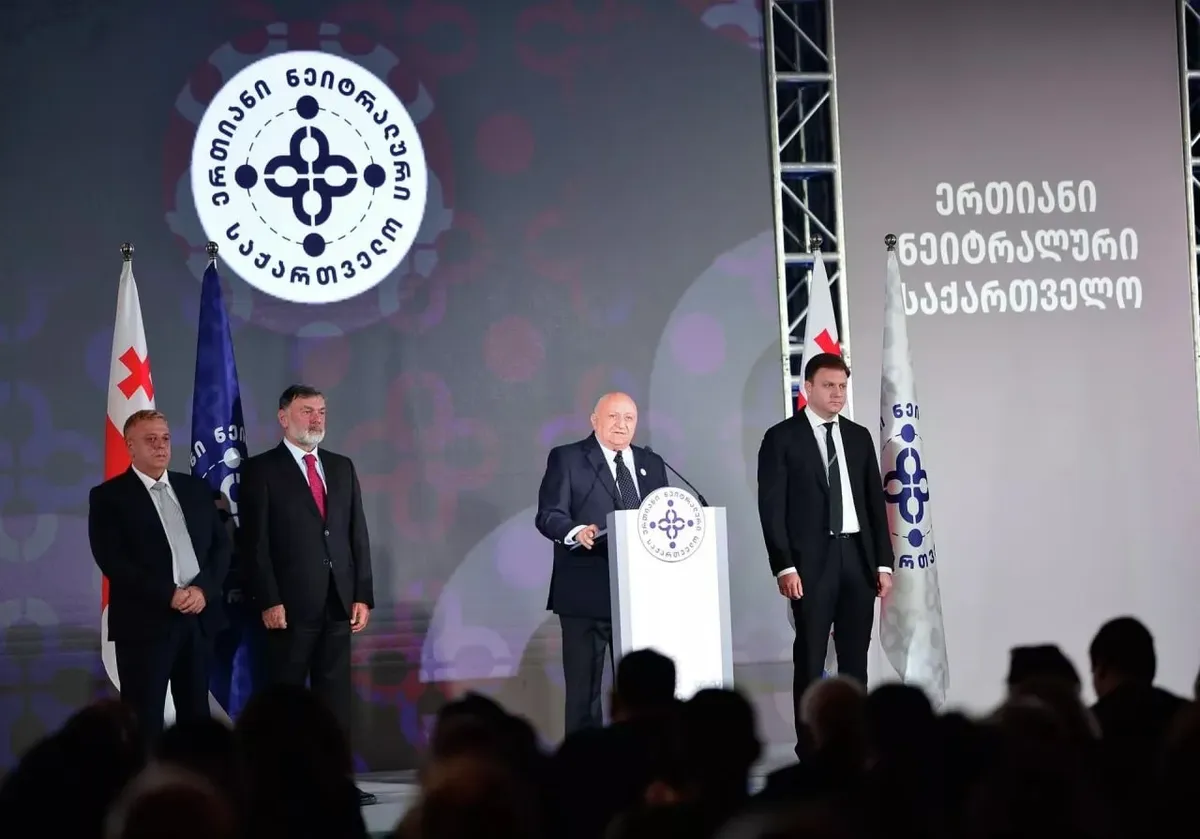
At the congress it was said that declaring Georgia a neutral state would “bring closer the restoration of the territorial integrity of the state,” that is, the return of Abkhazia and South Ossetia to the fold of a united Georgia, although the independence of the former Georgian autonomies was recognized by Moscow back in August 2008. That is why the term “united” appears in the name of the new party.
The United Neutral Georgia party is already registered with the Ministry of Justice. But in accordance with the law, about 200 more parties are registered with the Georgian Ministry of Justice. Why did the founding of this particular party attract such close attention?
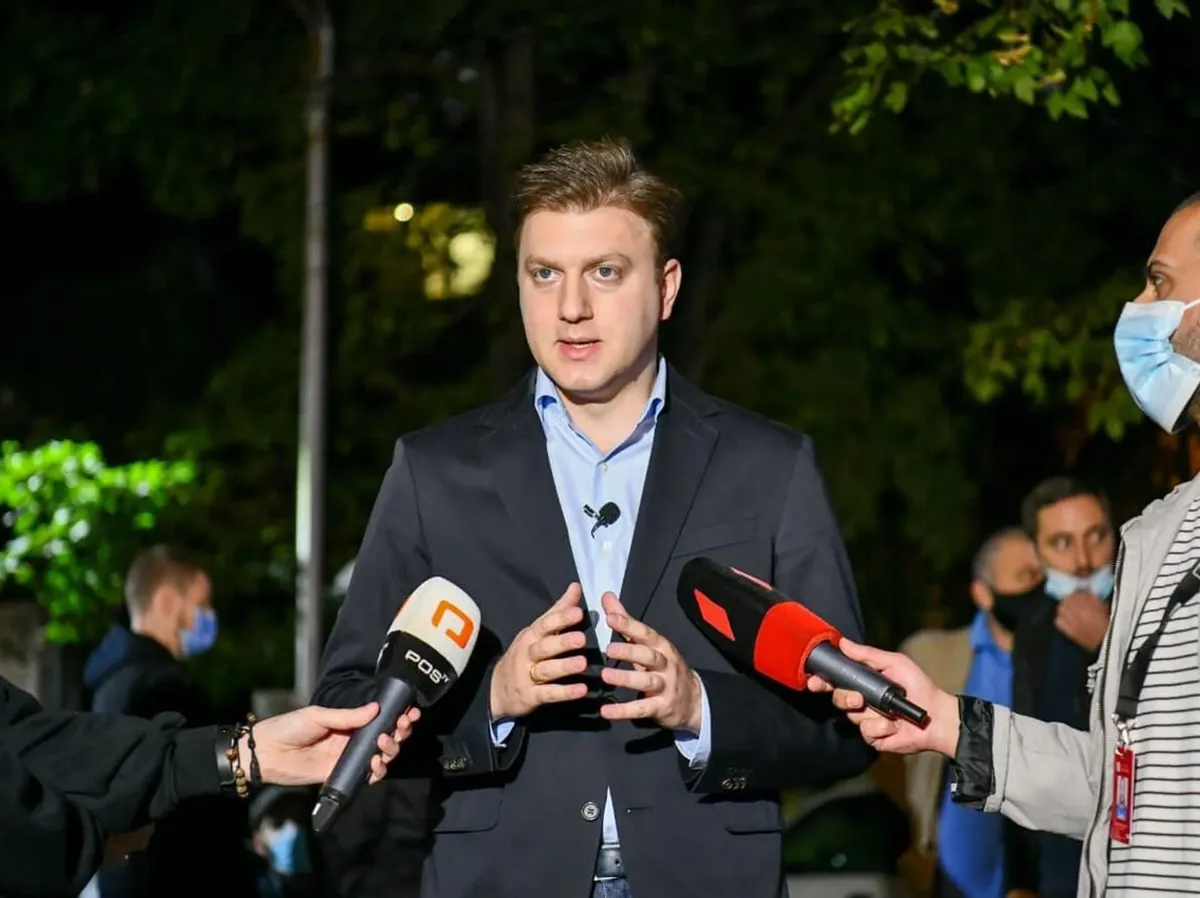
Many call the ENG a companion party and even a satellite party of the ruling Georgian Dream party, pointing to a number of significant symptoms indicating a close connection between the two political forces: firstly, the initiators of the creation of a party advocating the neutrality of Georgia, Vato Shakarashvili, Bidzina Giorgobiani and Levan Nikoleishvili, in the recent past were considered the most active participants in the “inner political circle” of the founder and Honorary Chairman of the GM Bidzina Ivanishvili. At the same time, Levan Nikoleishvili is the former chief of the General Staff of the Georgian Armed Forces, who still enjoys influence and authority in the generals and military circles. All of them were often invited as speakers on government television channels, and the Imedi television company, which is the main media resource of the authorities, even broadcast live from the first congress of “neutrals,” which, by definition, could not be an accident.
In addition, shortly before the founding of the ENG, the parliament introduced an amendment to the legislation, according to which a referendum on any issue in Georgia can now be held not throughout the country, including Abkhazia and South Ossetia, but only in the territory controlled by official Tbilisi.
Thus,
If the authorities, at the instigation of an “ally party,” decide to hold a referendum on removing Article 78 from the Constitution and declaring Georgia’s neutrality, the vote may well take place only in the territory under their control.
And contrary to the previous version of the law, such a referendum will also be considered completely legal, and its decision will be binding on all branches of government, which, according to the still valid constitutional article, were obliged to “do everything for Georgia’s accession to NATO and the EU.”
Take refuge in neutrality from “European violence”?
It is important to take into account that the political maneuver with the possible declaration of Georgia’s neutrality is being carried out against the backdrop of increasing anti-Western, anti-European rhetoric by the leaders of the GM.
For example, speaking about the pro-European protests that have been ongoing in the country since November 2024, Parliament Speaker Shalva Papuashvili accused the EU of encouraging violence. “Where there is violence, there the EU banner flies; where there is hatred, there the EU banner flies,” the speaker said without mincing words.
According to him, the European Union is provoking a public split in Georgia on many issues. Including, for example, on the question of when exactly the Nativity of Christ should be celebrated: January 7, as celebrated by the Georgian and Russian Orthodox Churches, or December 25, as most European countries? Or again: when to celebrate Victory Day over fascism: May 8, as in the EU, or May 9, as in Russia?
Georgian leaders demonstratively came to Victory Park in the center of Tbilisi on May 9. While the opposition celebrated Europe Day the day before. “300,000 Georgians died in that war to free Europe from fascism, but they didn’t even congratulate us,” Papuashvili was indignant, summing up: “Today the European Union is engaged in the harmful practice of introducing hatred and division in Georgia.”
Similar statements are often made by other leaders of the country, which is still considered a candidate for EU membership and enjoys the benefit of a visa-free regime with the European Union. Prime Minister Irakli Kobakhidze also made harsh statements “against Brussels.”
The contribution of the head of government to promoting the idea of “neutral Georgia” turned out to be even greater and significant: in December, the Georgian prime minister took part in an international forum on the occasion of the 30th anniversary of the neutral status of Turkmenistan. The crowning achievement of the Georgian representative’s participation in this event was a joint photo shoot, during which he was photographed with Vladimir Putin for the first time since 2008.
And although the Georgian authorities have not yet directly spoken about the “exemplary” nature of Turkmen neutrality for them, the visit to the Ashgabat forum itself was perceived as a clear and clear message in favor of a radical change in the 30-year course towards the country’s accession to NATO and the EU.
The outer contour of Georgian “neutrality”
It cannot be said that the “new course” arose out of nowhere or that the only thing that prevails in it is the fight against the pro-European opposition. As David Avalishvili, an expert at the Nation.ge analytical resource, noted in a conversation with the author of the article, “an important role is played by general instability and uncertainty in the Euro-Atlantic space: the situation around Greenland, perceived as a crisis in NATO and the EU, as well as inconsistency on both sides of the Atlantic on the modality of ending the war in Ukraine.”
Novaya’s interlocutor is confident that in these conditions the GM is “looking for its own special, new niche, which can ensure both the preservation of power and the ability to maneuver between different centers of power in a world and region that has become too turbulent.”
Before the war in Ukraine and the current contradictions between Washington, on the one hand, and the European capitals, on the other, GM leaders not only did not advocate neutrality, but themselves initiated the inclusion of Article 78 in the Basic Law of the country.
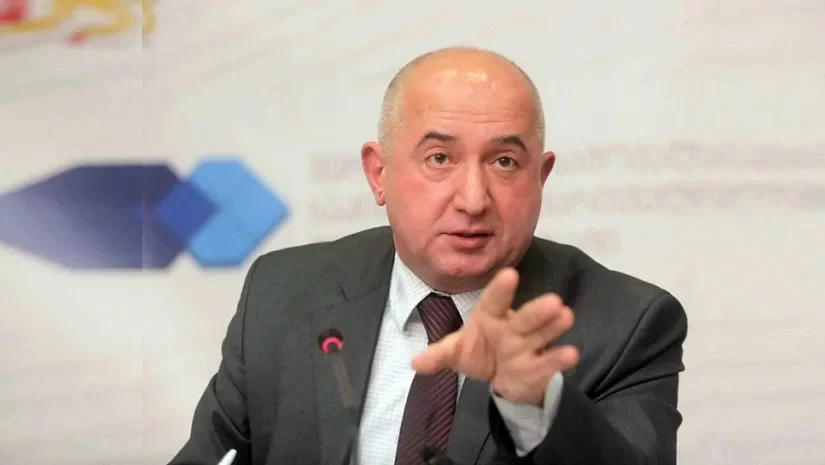
As for the prospect of restoring the territorial integrity of Georgia by declaring neutrality, Tbilisi believes that such a possibility is equal to “absolute zero”, since Moscow “will not refuse to recognize the independence of Abkhazia and South Ossetia” and will not, for the sake of “neutral Georgia,” risk its relations with the North Caucasian elites related to the Abkhazians and South Ossetians, “closely connected with the elites on the southern side of the Main Caucasus ridge." Former Georgian State Minister for Reconciliation and Civil Equality Paata Zakareishvili told Novaya Gazeta.
Another interesting question: who needs “neutral Georgia” at all and how realistic is Georgian neutrality in the complex “landscape” of the South Caucasus, where geopolitical forces operate in many different directions, including the Russian Federation, Turkey and Iran?
All three regional powers constantly call on Tbilisi to join the “3+3” format (Russia, Turkey, Iran, Armenia, Azerbaijan, Georgia), which inherently excludes the “neutrality” of one of the participants.
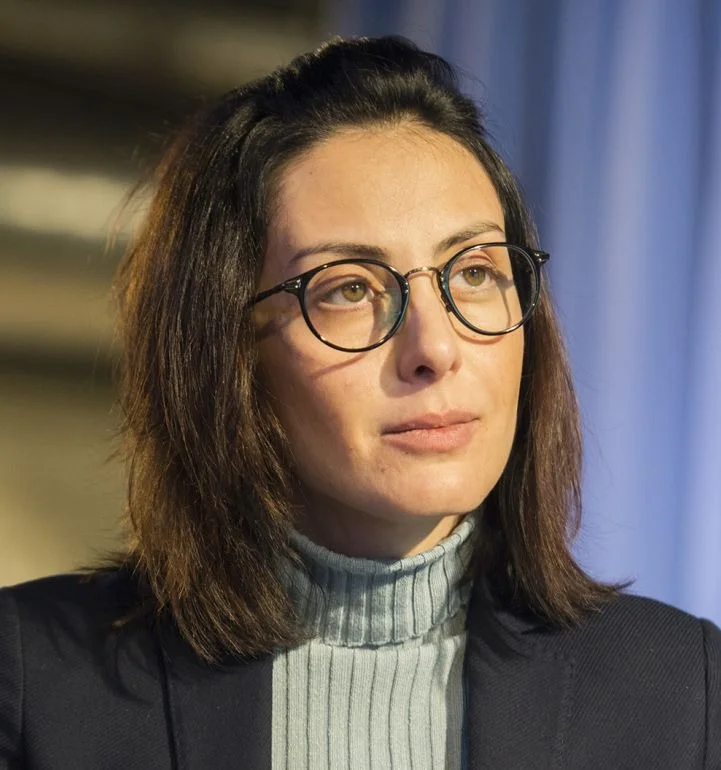
Also based on this reality, one of the leaders of Mikheil Saakashvili’s United National Movement (UNM) party, Khatia Dekanoidze, who formerly held the post of head of the National Police of Ukraine, stated in an interview with Novaya Gazeta that “the neutrality of Georgia” is “a completely Putin project that the ruling Ivanishvili party is trying to implement in our country” in order to tear Georgia away from the Euro-Atlantic space, “thus guaranteeing neutrality, but refusal to join NATO and the EU.” Thus,
“neutrality” is just a “password for Moscow” for a Caucasian country to change its foreign policy course, while Georgia’s real neutrality in the Caucasus is impossible due to the lack of consensus among influential geopolitical players.
As skeptics note, “at one time, Switzerland became a neutral state not because the Swiss themselves wanted it, but thanks to a consensus among themselves and an agreement on this matter between the then European superpowers surrounding the small country.”