
Translated material
Do you remember and fight?
Who in Europe needs actions in memory of Markelov and Baburova
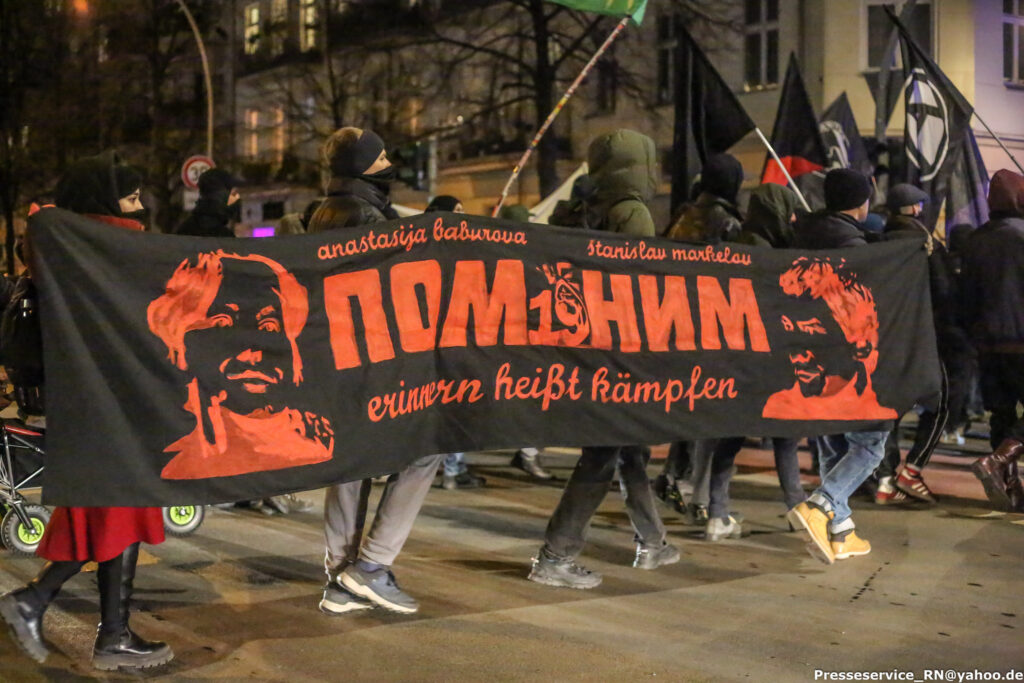
Actions in memory of the murdered anti-fascists Stanislav Markelov and Anastasia Baburova have been taking place for 17 years. From the day they were killed by the Nazis in the center of Moscow. In different cities of Russia, despite the violence and the abundance of garbage, antifa organized spontaneous memorials on January 19 or took risks by standing up with posters. But by 2026, commemorative events have gone beyond Russia and are being held by activists driven out of the country in different parts of the world. Antifa, anarchs and leftists who participated in European protests told No Future why “ remembering means fighting ” and how it works in exile.
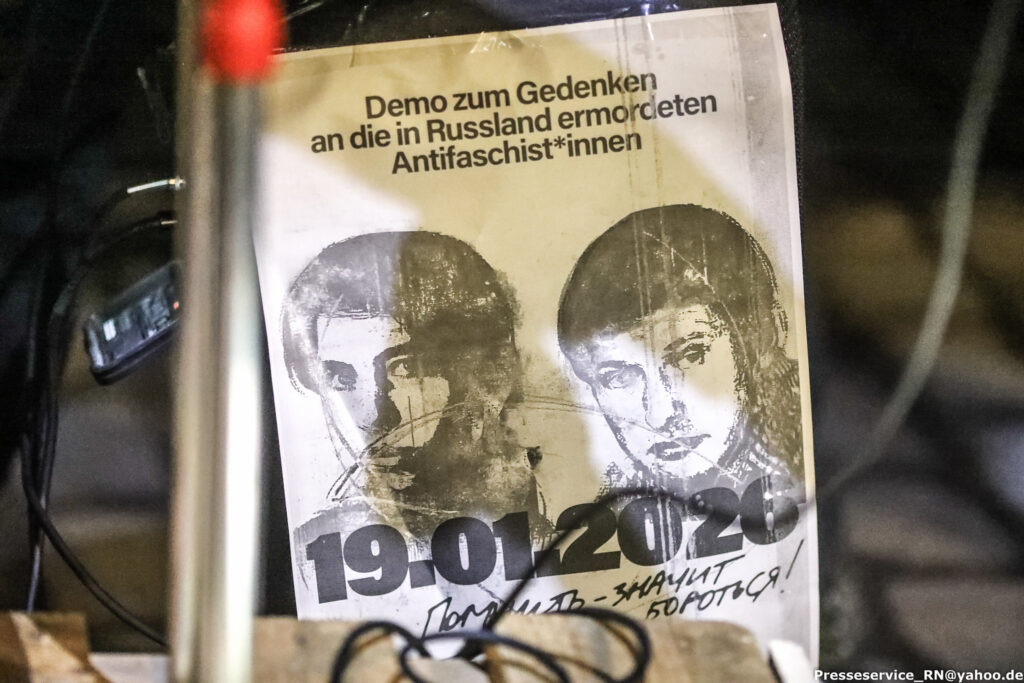
Supporter of the “January 19 Committee” and co-organizer of the action in Berlin
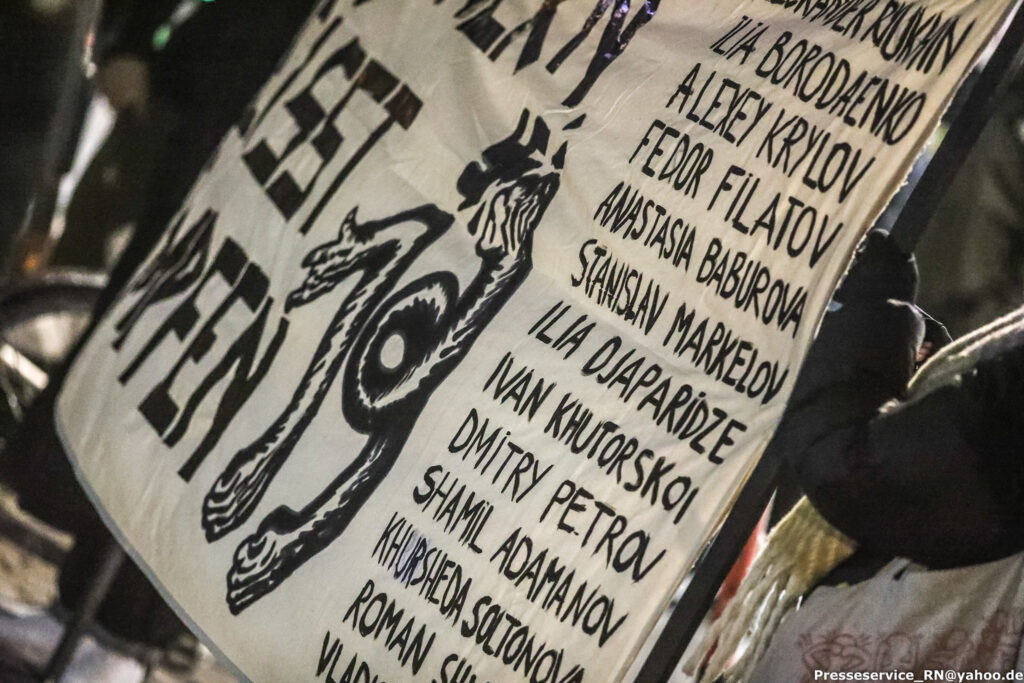
The action on January 19 went well, despite the cold weather in Berlin and it was a weekday. About 100 people came. The main idea was to honor the memory of our fallen comrades. For many here, this is a personal experience. These people were part of our common anti-fascist movement, and it is important not to forget their names and the values for which they died. Together with our German comrades, we shouted chants in Russian and German. I liked the speech written by a Turkish comrade, but since he was ill, our man read it. Representatives of German antifa groups, as well as the feminist anti-war association, expressed solidarity with us. This confirms that anti-fascism is an international movement, a struggle that unites us. Of course, this action is also a response to what is happening in Russia. There is now a new round of ultra-right violence, new nationalist associations are being created, not only subcultural, but also formalized systems with infrastructure and influence. The representation of right-wing forces in the public sphere has become stronger. Therefore, such actions are both a signal and a way not to give up.
Member of a Turkish anarchist collective
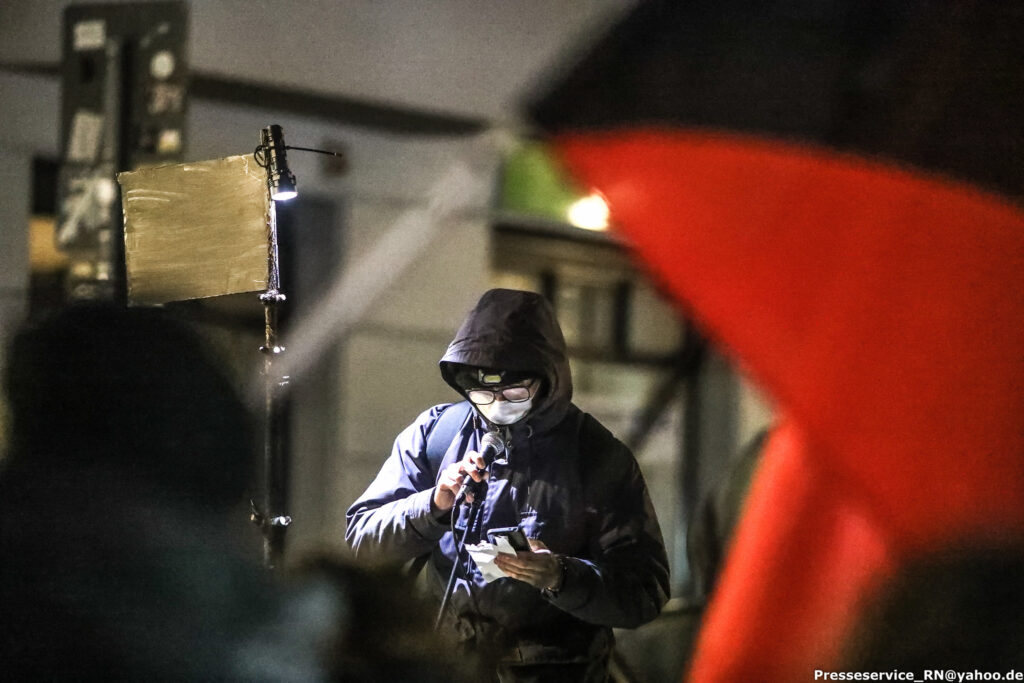
Part of the speech is given, the full one will be available to the Committee on January 19 later
For revolutionaries and anti-fascists, being oppressed, persecuted, imprisoned, tortured and physically attacked, injured, disabled, separated from loved ones and lost lives did not start yesterday and will not end tomorrow. <…> Anti-fascists Stanislav Markelov and Anastasia Baburova, killed in Russia; anarchists and socialist revolutionaries, anti-fascist comrades Ali Kitapci, Alper Sapan, Vatan Budak, Yunus Emre Sen, Hatice Ezgi Sadet and many others killed in Turkey. Fascist gangs are waiting for us at our workplaces, in front of our houses, at the entrances to universities. In Hanau, in Solingen, in Sonnenblumen Haus, in Greece, in Chile and everywhere. All murders, massacres and attacks; even though the media, bosses and the state try to take them out of their political context and present them as attacks by fanatics, we know that fascism is defended and fueled by the bourgeoisie and those in power and used in accordance with their political and economic interests.
Anonymous participant of the “January 19 Committee” of the first composition
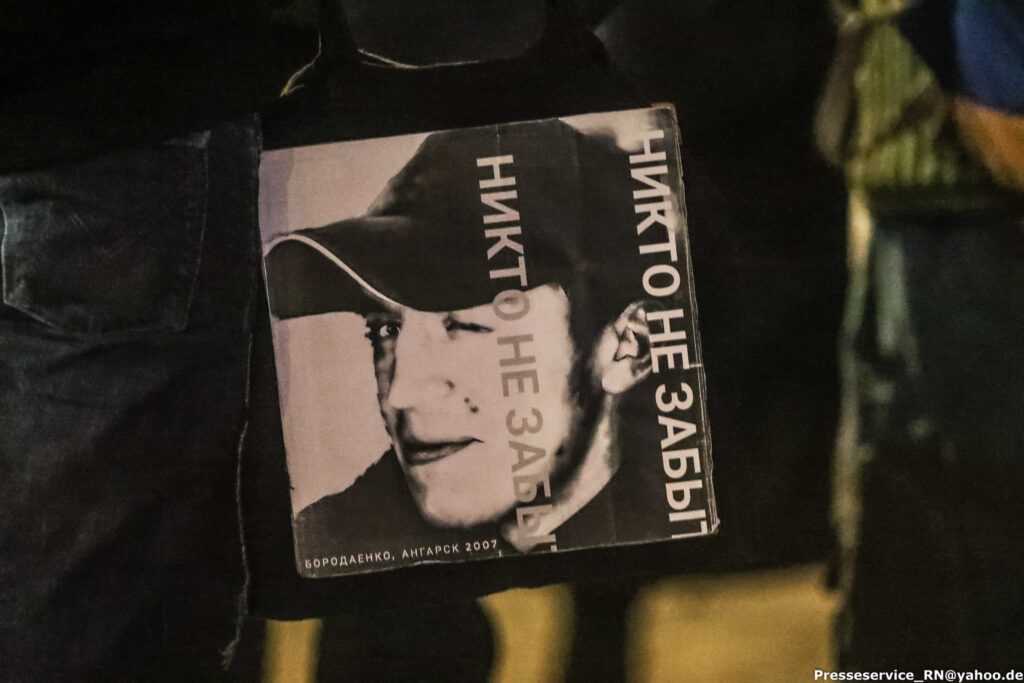
I keep the memory of January 19 because it is part of my past. I remember Stas and Nastya, and I remember myself at that time, what I was doing, what came of it. They help me not to forget who I am. This is our common history, if we talk about the anti-fascist movement as a whole. These are our heroes, and the memory of them unites and mobilizes. This is not a unique situation in our country; it happens in all countries where there are victims of police or Nazi terror. For us they are heroes. Stas went about his business despite numerous threats and he was not afraid. He himself was a threat. Nastya didn’t have much time, she was just starting her journey as an anti-fascist, but she is a heroine because she died in a battle with an armed militant, whom she tried to stop after shooting at Markelov and was mortally wounded herself. Their death influenced Russian society - there were many publications in the media, and many learned for the first time that neo-Nazis exist in Russia. Stas and Nastya, no matter how it sounds, proved by their example that fascism kills. They will always be with me. I tell others about them to show that neo-Nazism is always nearby, and it is closer than it seems. As long as we remember, the struggle continues.
Daniil, participant of the action in Hamburg
It is necessary to remember the comrades who died in the fight against the Nazis and the authorities that covered them up. The point is to preserve the memory and continuity of the struggle. What does it mean to struggle if you don't remember? It is impossible to fight without remembering the victims of the revolutionary struggle, fascism, and repression. Without seeing the roots of evil, it is impossible to fight evil. Without seeing how Russian fascism strengthened, it is impossible to fight it now. By depriving ourselves of hindsight, we deprive ourselves of perspective. Therefore, such actions are necessary. No matter how marginalized they may seem now, preserving the memory of their comrades, their struggle and sacrifice, the crimes of the regime and Nazi terrorists is also part of the struggle. And this is a signal to our comrades in Russia that we remember. We think together. We are on the same side of the barricades, no matter what borders and front lines separate us now.
Alexander Voronkov, participant and co-organizer of the action from the “Post-Soviet Left”
We take a broader view of this event. For us, this is not only a memory, it is a struggle. The slogan is “to remember is to fight.” It is necessary to support those who remain in Russia: political prisoners, people who are under pressure, who continue to resist. It is important for us to stay connected with them and provide support. It is important to convey the real picture, because there are so-called Putinfersteers who are trying to find something good to oppose NATO to Russia. We believe that people simply do not know what is happening in Russia, and it is important to say that from a leftist point of view, the Russian regime cannot be an ally or a lesser evil. We see that activists are being killed, tortured, and imprisoned for long periods of time. Ufa Marxists were imprisoned for more than 20 years - this is unprecedented. Therefore, it is important to show solidarity, not forget where we come from, and remain people of our views. The task is not only to honor the memory, but to ensure that such cases do not happen again. It's a long job.
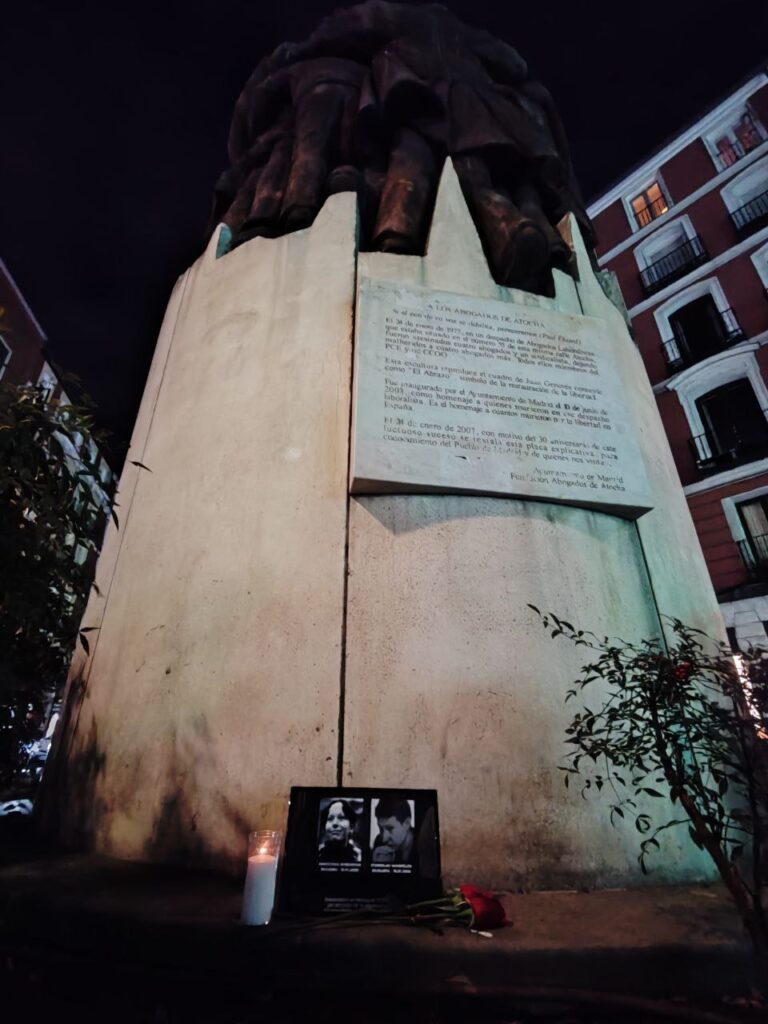
Nikita, Madrid media “Ruins of the Kremlin” and co-organizer of the memorial event
On January 19 in Madrid we laid flowers in memory of Markelov and Baburova. The site was a monument to the Atocha lawyers killed by the far right in 1977. We chose it not by chance: both tragedies remind us that fascist violence becomes possible where the authorities justify or ignore hatred. This is how we express solidarity with those who continue to fight. But this is rather a personal action - it is important for us to remember ourselves about those who died. Regarding the Madrid antifa, they are only interested in the local agenda. It’s as if they don’t even talk about other countries.
Grif, co-organizer of the event in Serbia
The event on January 19 attracted 20–25 people. It was dedicated to the history and practice of the anti-fascist movement in Europe and the USA: the origins of fascism, forms of resistance and the mistakes of anti-fascists. The relevance of the topic is related to the right-wing shift in the world, the erosion of international law and the growth of the radical right, including the emergence of armed groups. Particular attention was paid to what experience of struggle is applicable today: the protection of democratic spaces, streets and vulnerable groups. After the event, there was a discussion about the mechanisms of right-wing radicalization and ways to counter them, without imposing a rigid definition of fascism - the emphasis was on historical processes and the practice of resistance. In conclusion, the experience of Stanislav Markelov and Anastasia Baburova was discussed as an example of broad, non-confessional anti-fascism, uniting various left-wing and liberal forces. It was emphasized that anti-fascism is not an ideology, but a struggle for a radical renewal of democracy and resistance to inhuman right-wing tendencies.
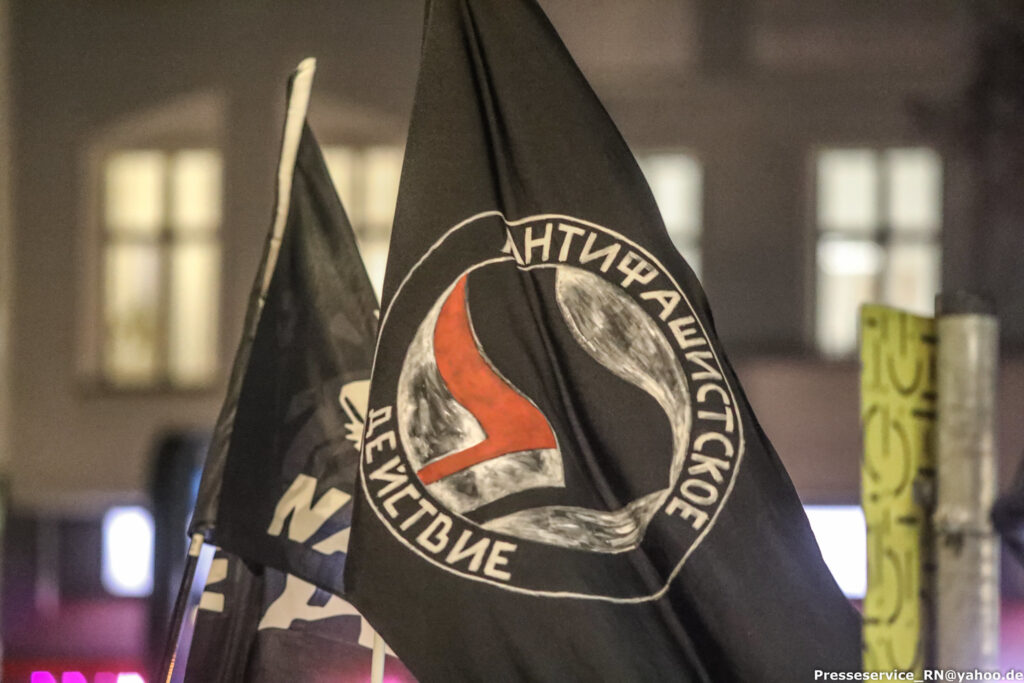
Ilya Matveev, political scientist and speaker at the rally in Belgrade
The value of the January 19 stock is huge and growing. They are important for ourselves, but also for formulating a clear anti-fascist position in the Russian environment as a whole. The failure of the liberal opposition to disassociate itself from the neo-Nazis from the RDK shows that anti-fascism must be promoted by the left pole. This is not just a tribute. This is a pressing and extremely important political task. Now this is a point of assembly and support, but for emigration it is also a way to establish connections with anti-fascists from other countries. So there are prospects for growth.

XXX
UPD: 01/24/26, at the request of comrades from the “January 19 Committee”, the word “Participant” was replaced with “Supporter”, notes were added that the speech of the Turkish comrade is given only partially, and the full version will be available later from K19 themselves.
XXX
To publish materials more often, we need your donations. We will spend them on fees for authors, photographers and illustrators. Below are opportunities to donate any amount for the future No future.
You can give us some money or sign up for a regular donation in rubles
You can donate currency to us through our Patreon