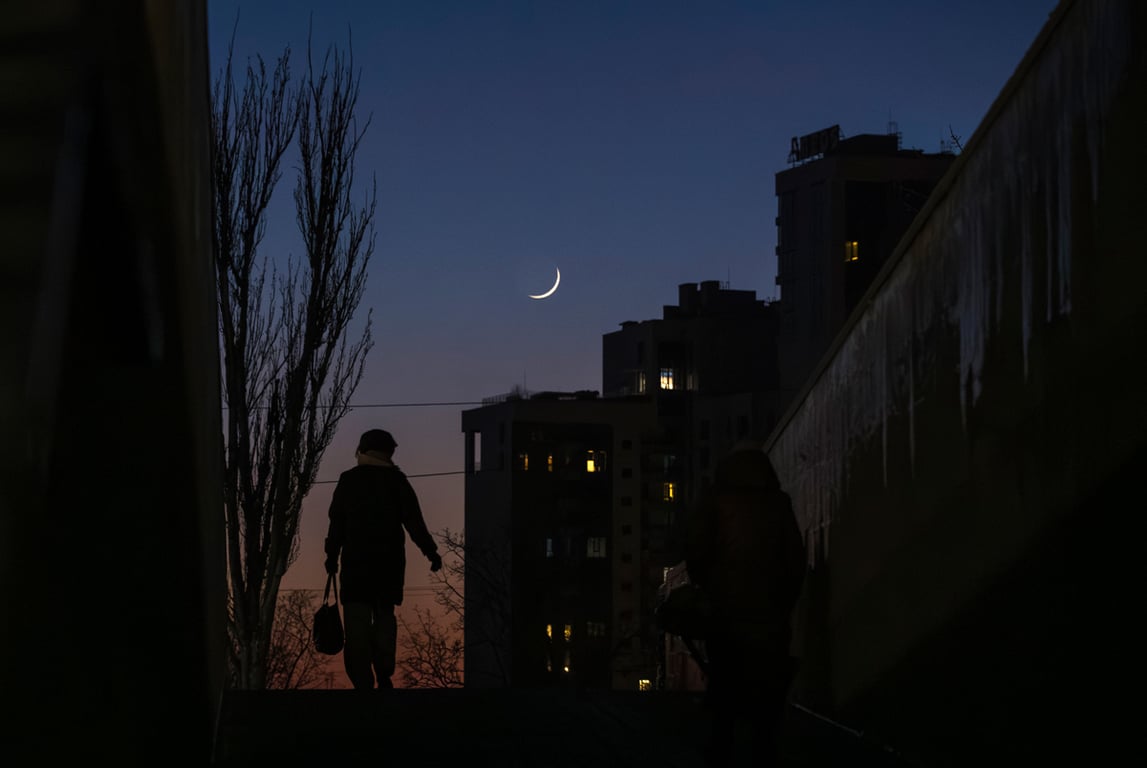
Russian strikes have turned winter in Kyiv into a direct threat to everyday life
How the Ukrainian capital survives severe frosts. Photo gallery
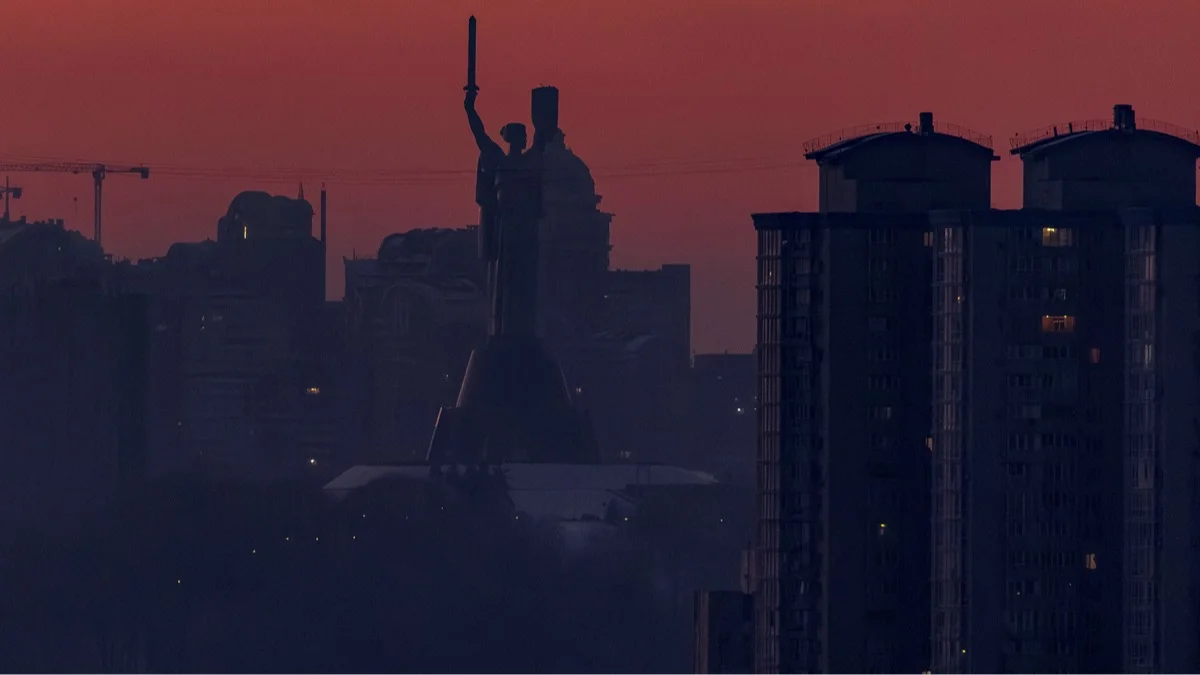
Residential buildings during power outages and frost after Russian strikes on civilian infrastructure, Kyiv, Ukraine, January 19, 2026. Photo: Vladyslav Sodel / Reuters / Scanpix / LETA
Against the background of abnormal frosts, when the thermometer drops below –18°C, the Ukrainian capital is struggling with the consequences of large-scale damage to the energy infrastructure. More than a million residents of the capital remain without electricity, thousands of apartment buildings are without heating. Rescuers are deploying “islands of heat”, trying to soften the harshest winter of the war for the townspeople. How Kyiv survives the winter without heat and light - in the “New Europe” photo gallery.
On the evening of January 20, Vladimir Zelensky, following the results of the energy selector, called the situation in Kiev the most difficult : more than 1 million consumers without electricity, more than 4,000 apartment buildings without heating. Ukrainian information resources also reported an estimate that almost 60% of the city remains without power supply as of the morning of January 21, 2026.
Against this background, rescuers are deploying “islands of heat”: the Kiev Department of the DSNS reports the operation of mobile anti-violence points, where you can come to warm up and recharge your devices. And the frosts continue to persist: international agencies record a drop in temperature in Kiev to approximately −18°C, which makes the lack of heat and light especially noticeable .
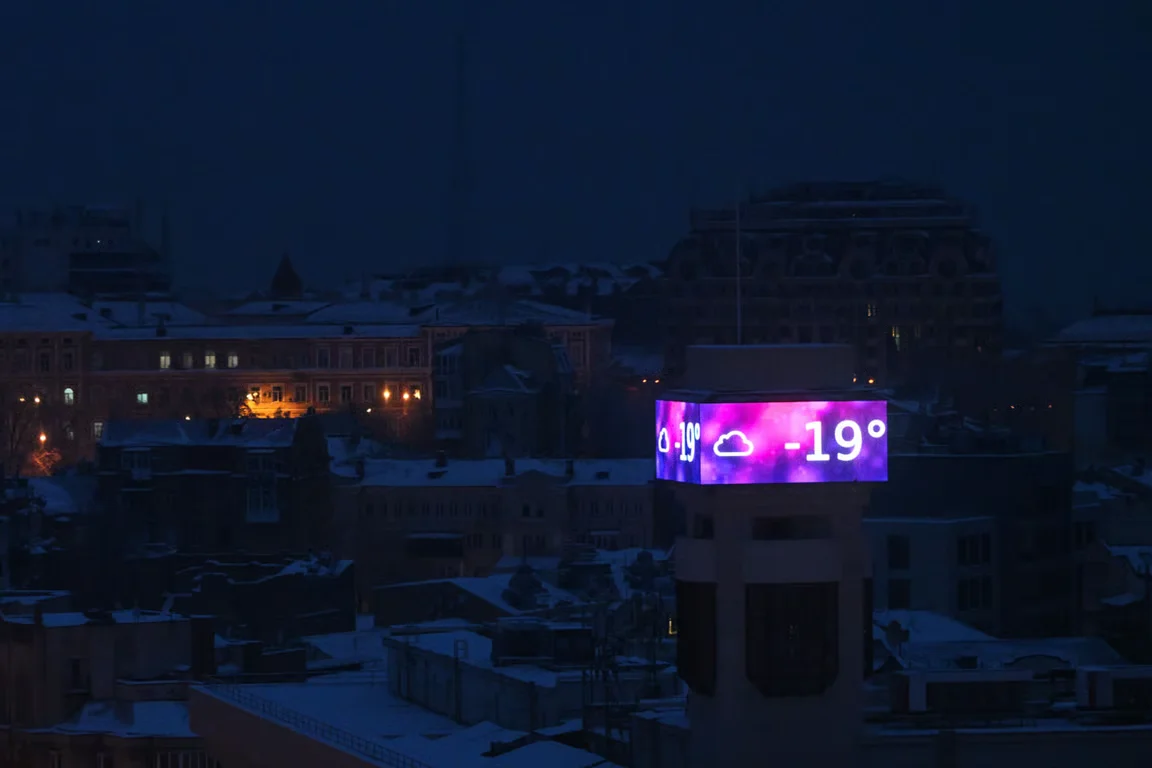
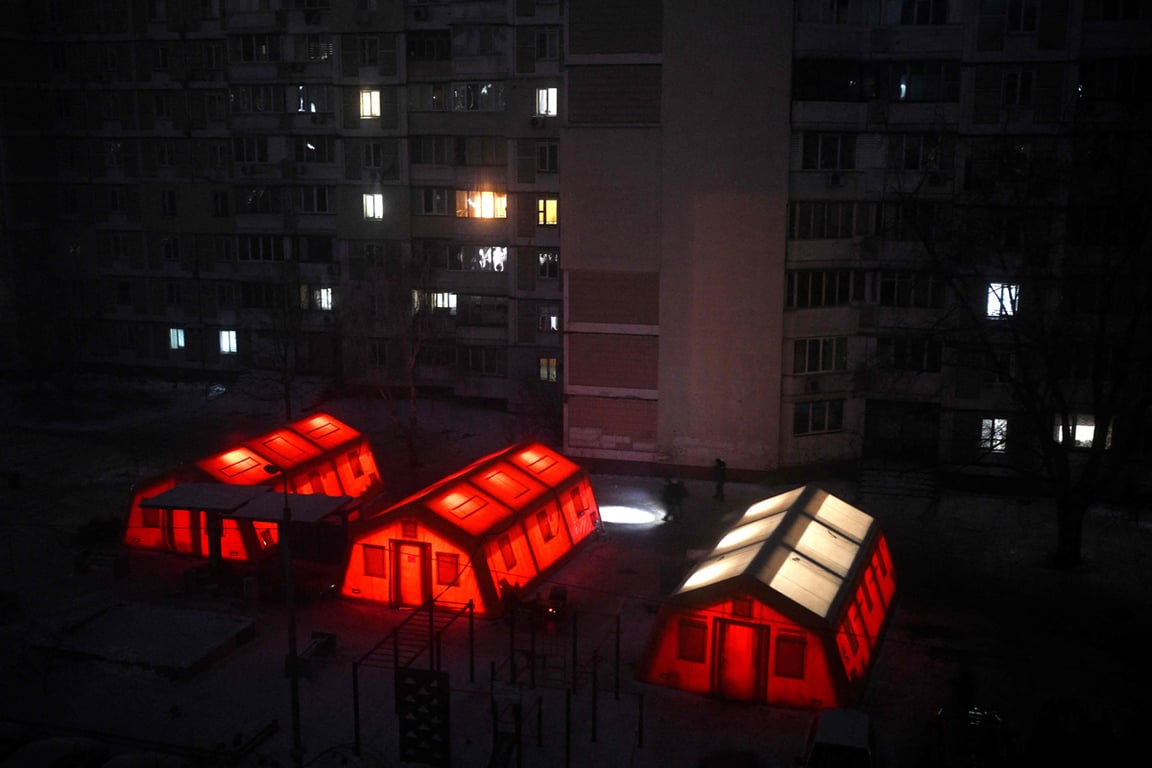
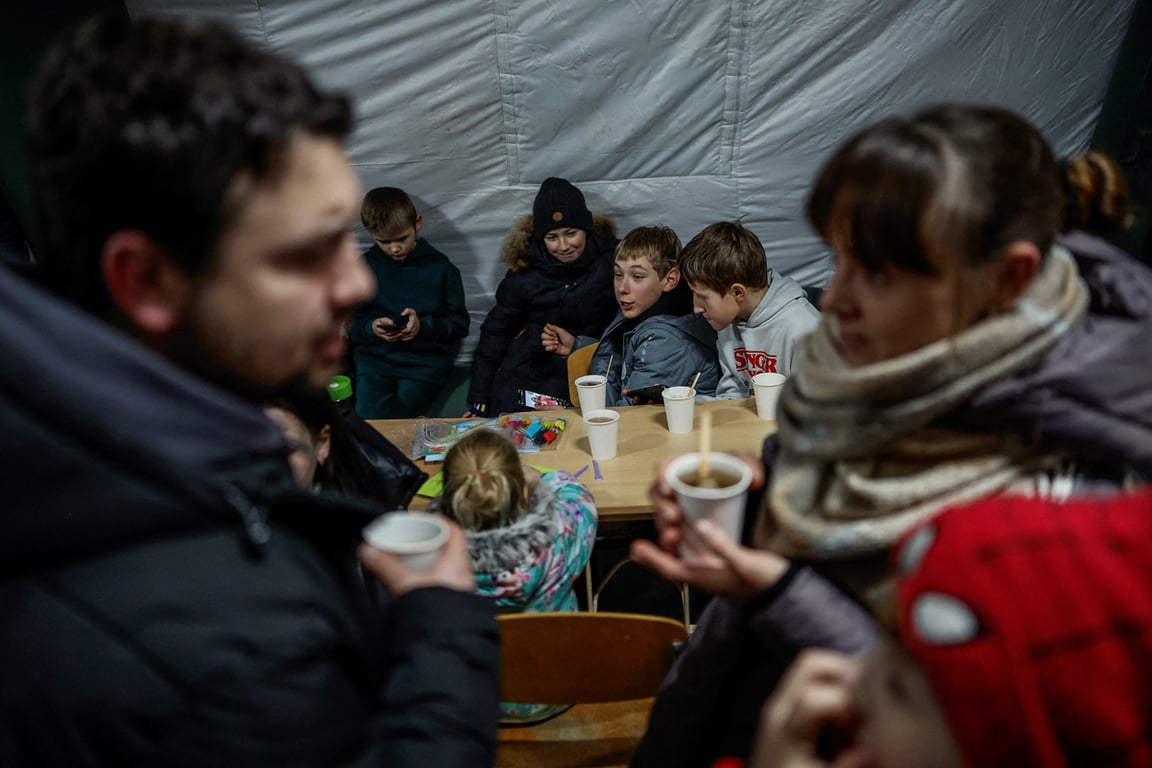
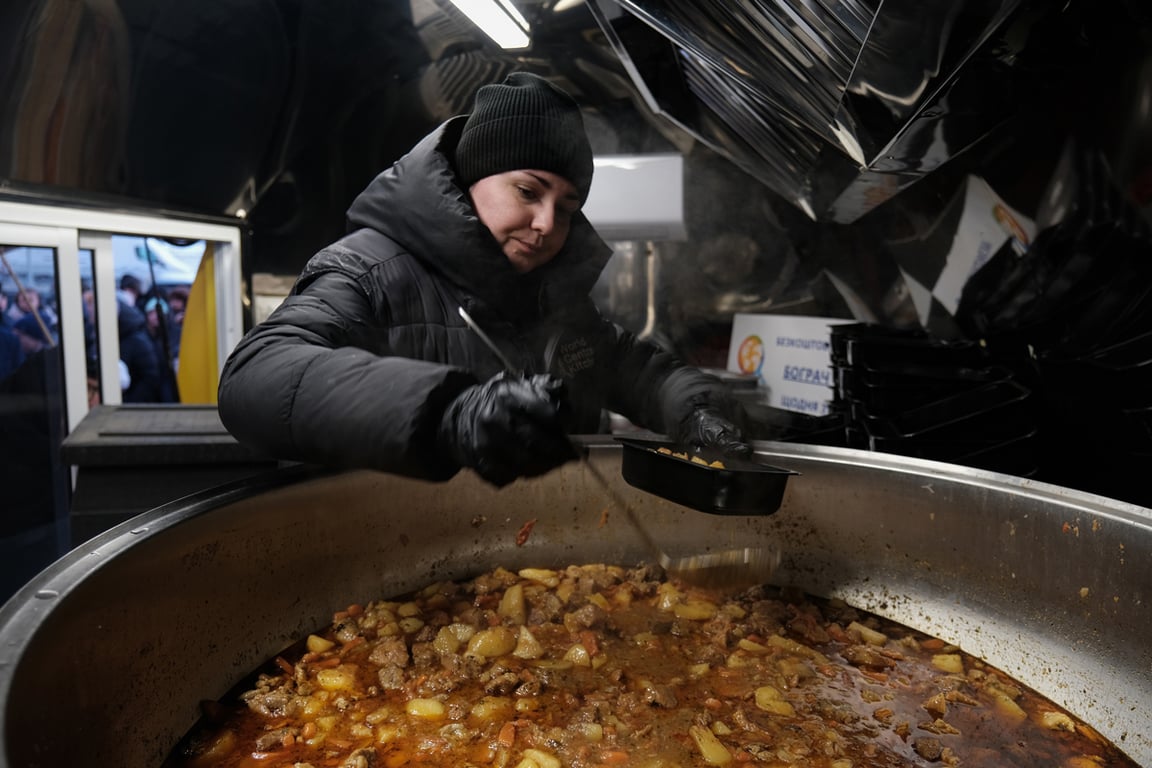
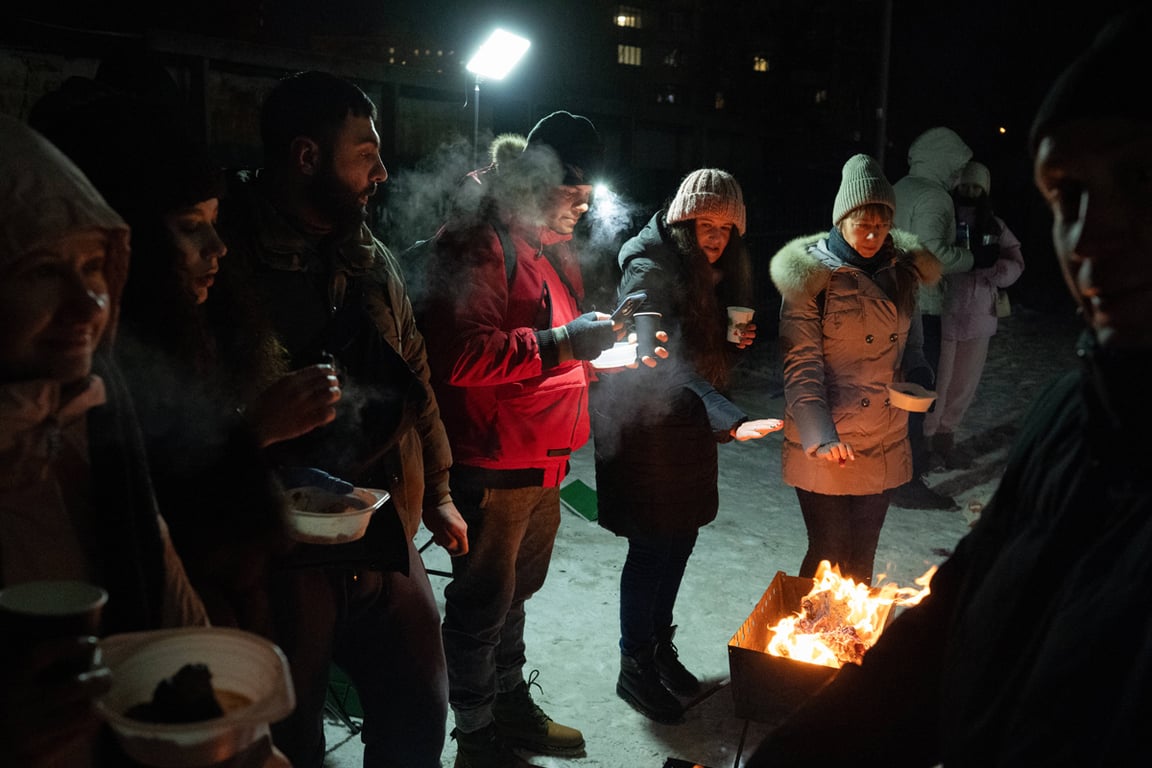
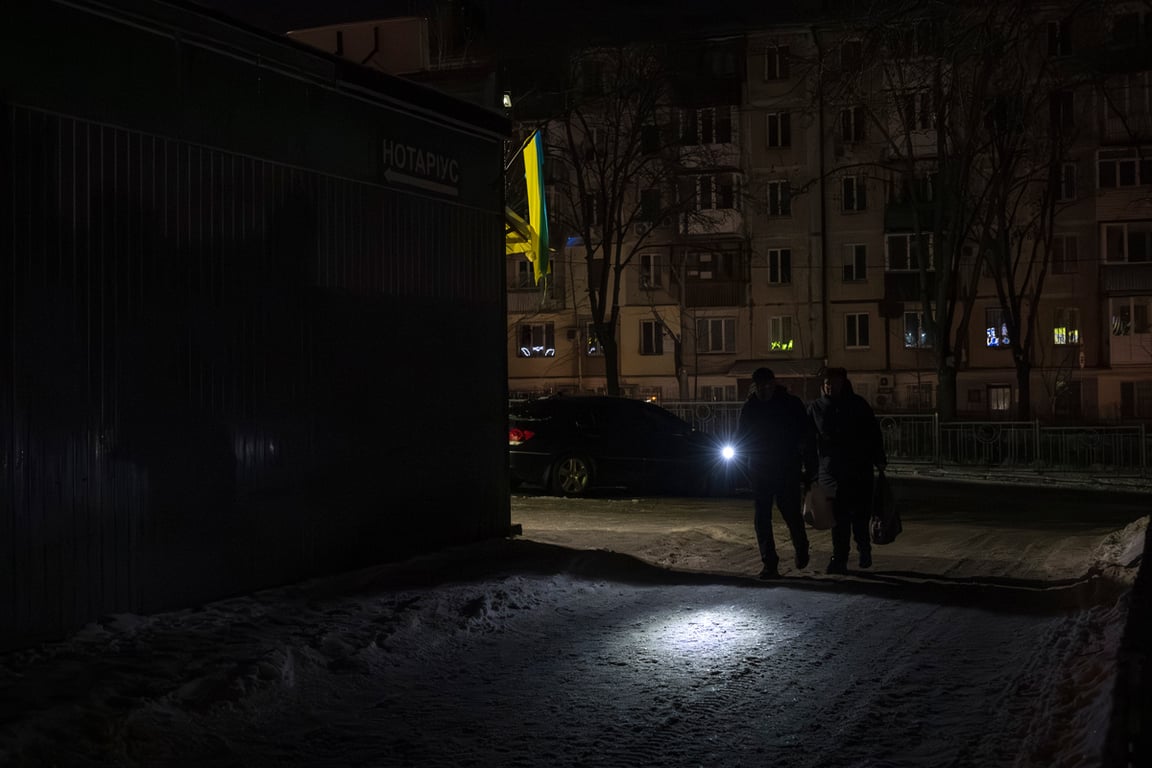
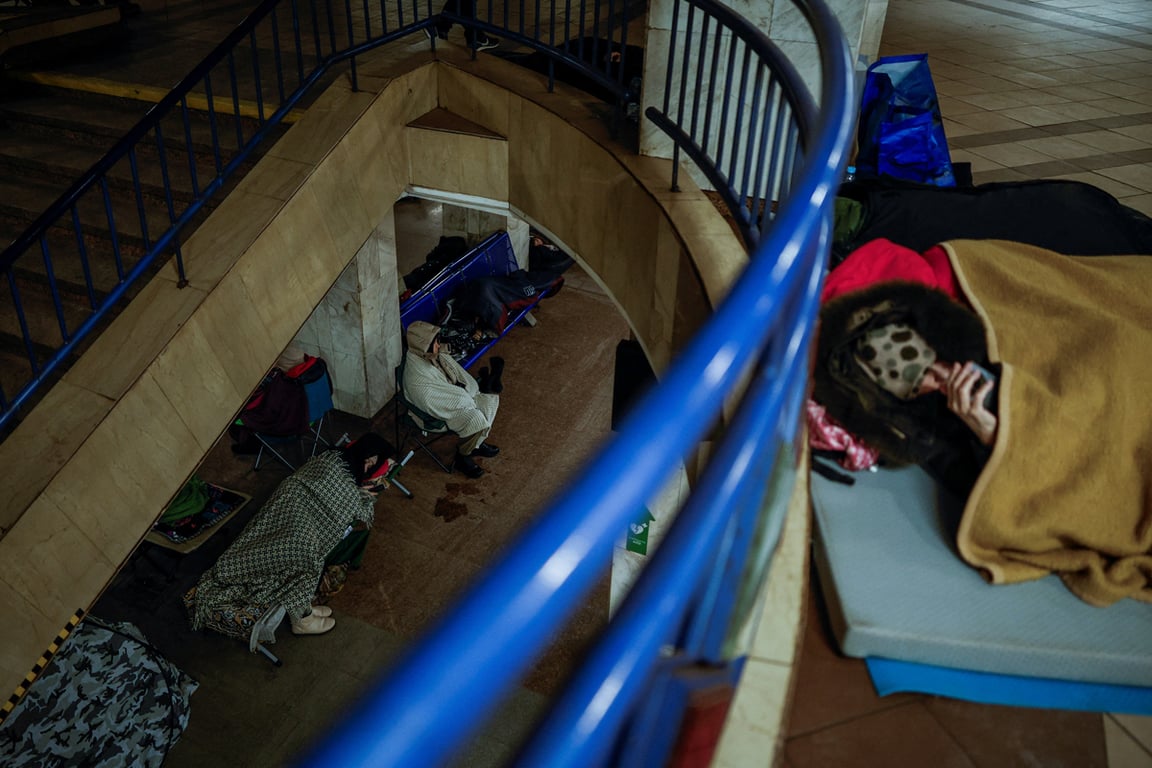
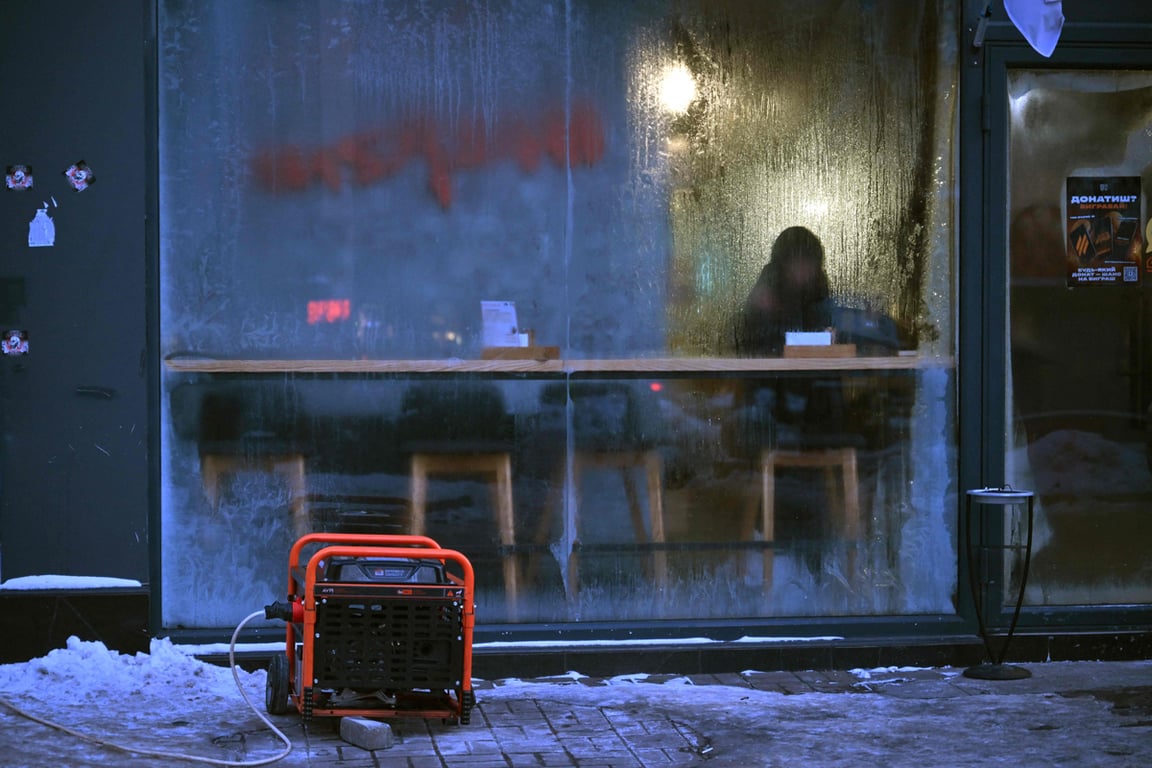
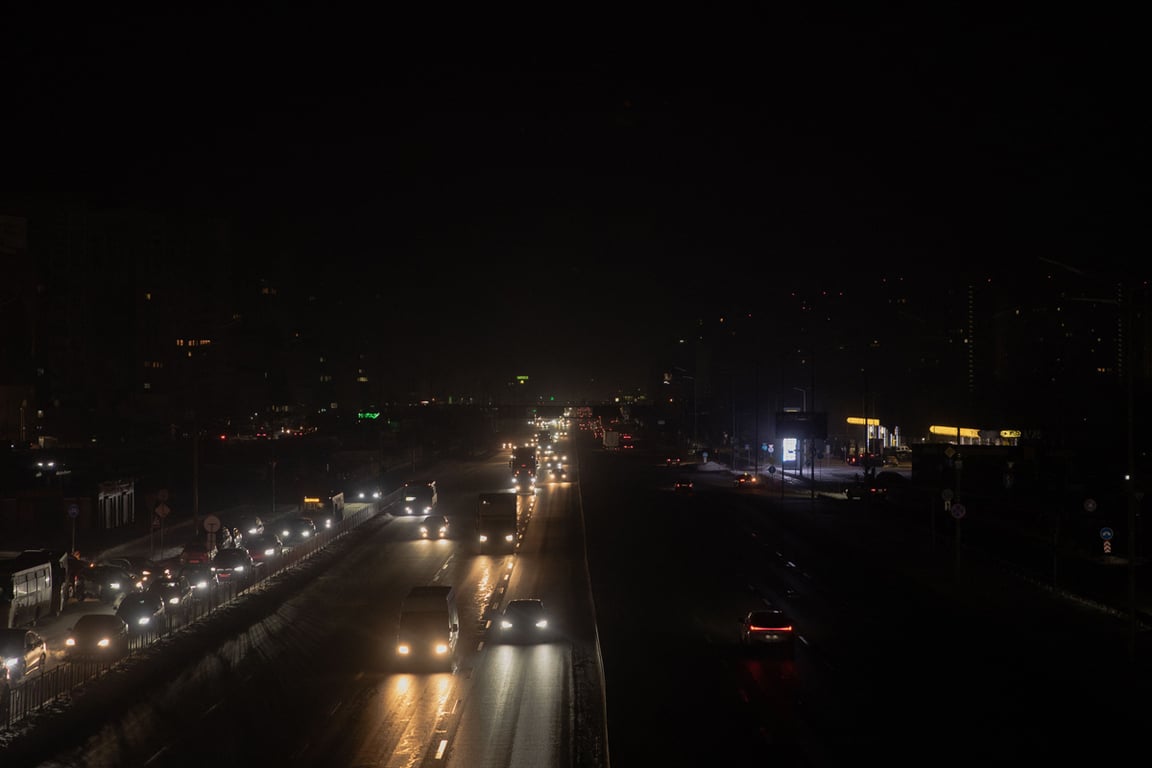
A large screen on a building in the center of Kyiv shows the temperature, Ukraine, January 15, 2026. According to forecasts for January 21, 2026, the temperature at night drops to minus 11 degrees. Photo: Sergei Gapon / AFP / Scanpix / LETA Local residents with flashlights walk past heated tents set up in the courtyard of a residential building amid power outages, Kyiv, Ukraine, January 19, 2026. Photo: Sergei Gapon / AFP / Scanpix / LETA Residents rest inside a tent during a power outage, Kyiv, Ukraine, January 20, 2026. Photo: Alina Smutko / Reuters / Scanpix / LETA An employee of the charity World Central Kitchen distributes hot food to residents of a residential area amid power and heating outages, Kyiv, Ukraine, January 17, 2026. Photo: Maria Senovilla/EPA Residents of an apartment building in the Poznyaki district cook food on barbecues in the yard by the light of flashlights during long power outages and heating interruptions, Kyiv, Ukraine, January 18, 2026. Photo: Danylo Antoniuk / Ukrinform / Sipa / Scanpix / LETA People walk with flashlights in the dark during a power outage, Kyiv, Ukraine, January 20, 2026. Photo: Maxym Marusenko / EPA People take shelter in a metro station during another Russian strike on the city, Kyiv, Ukraine, January 20, 2026. Photo: Alina Smutko / Reuters / Scanpix / LETA An electric generator near a restaurant during a blackout in the center of Kyiv, Ukraine, January 18, 2026. Photo: Sergei Supinsky / AFP / Scanpix / LETA Cars drive along an unlit Kyiv avenue during a power outage, Ukraine, January 20, 2026. Photo: Roman Pilipey / AFP / Scanpix / LETA People walk in the dark in the city center, Kyiv, Ukraine, January 20, 2026. Photo: Maxym Marusenko / EPA