
Translated material
Lights out for tourists
What secrets of Bulgarian beaches ruined director Yuri Butusov

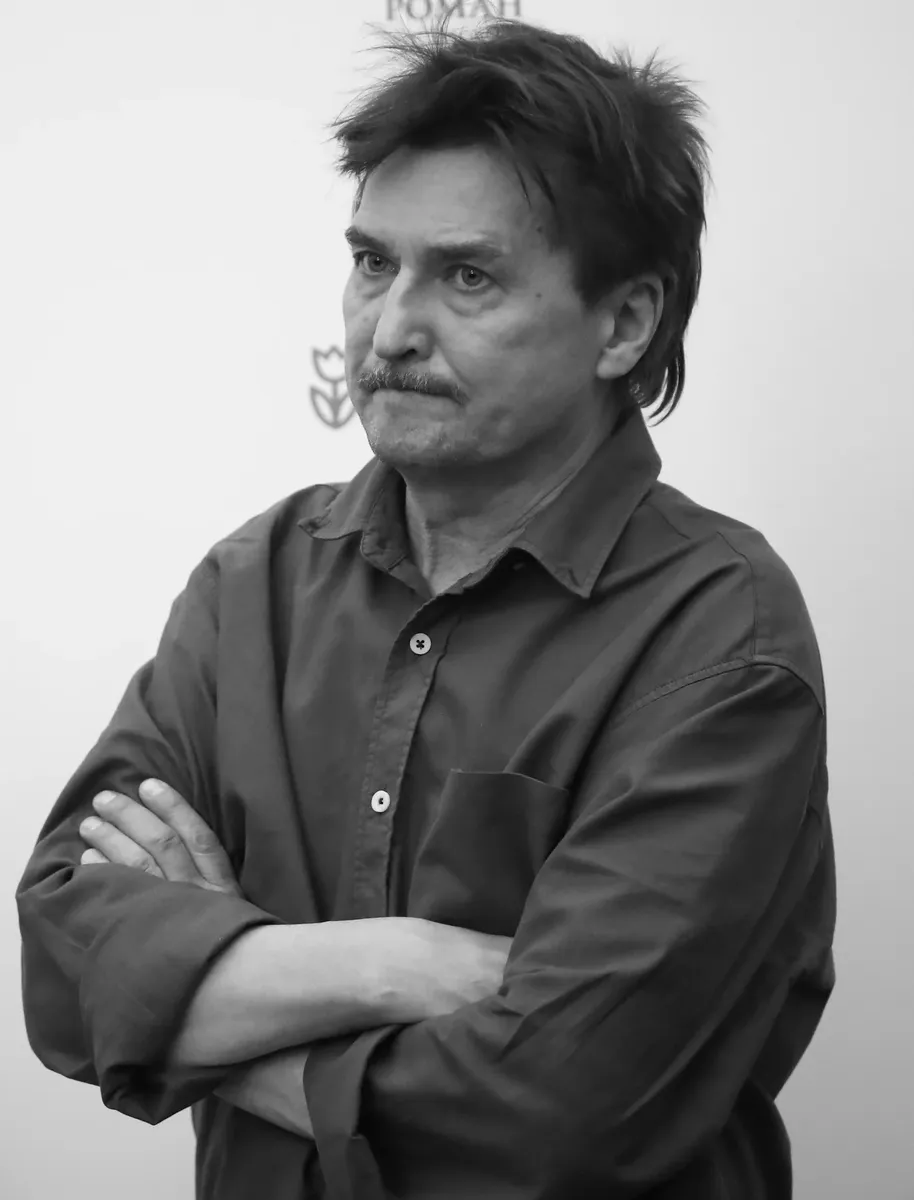
Photo: bulgar-rus.ru
(18+) THIS MATERIAL (INFORMATION) IS PRODUCED, DISTRIBUTED AND (OR) SENT BY FOREIGN AGENT ANDREY SERGEEVICH KALITIN OR CONCERNES THE ACTIVITIES OF FOREIGN AGENT ANDREY SERGEEVICH KALITIN.
Yuri Butusov, an outstanding Russian theater director, died on August 9, 2025 in the Bulgarian resort of Sozopol while vacationing with his family. The official chronicle of the incident is skimpy on details. Yuri went into the water for just a couple of minutes, the sea seemed quite calm - there were no waves, the strength of the internal current was impossible to see and evaluate. At low tide, a wave carried him out to sea. It was almost impossible to cope with the strong current.
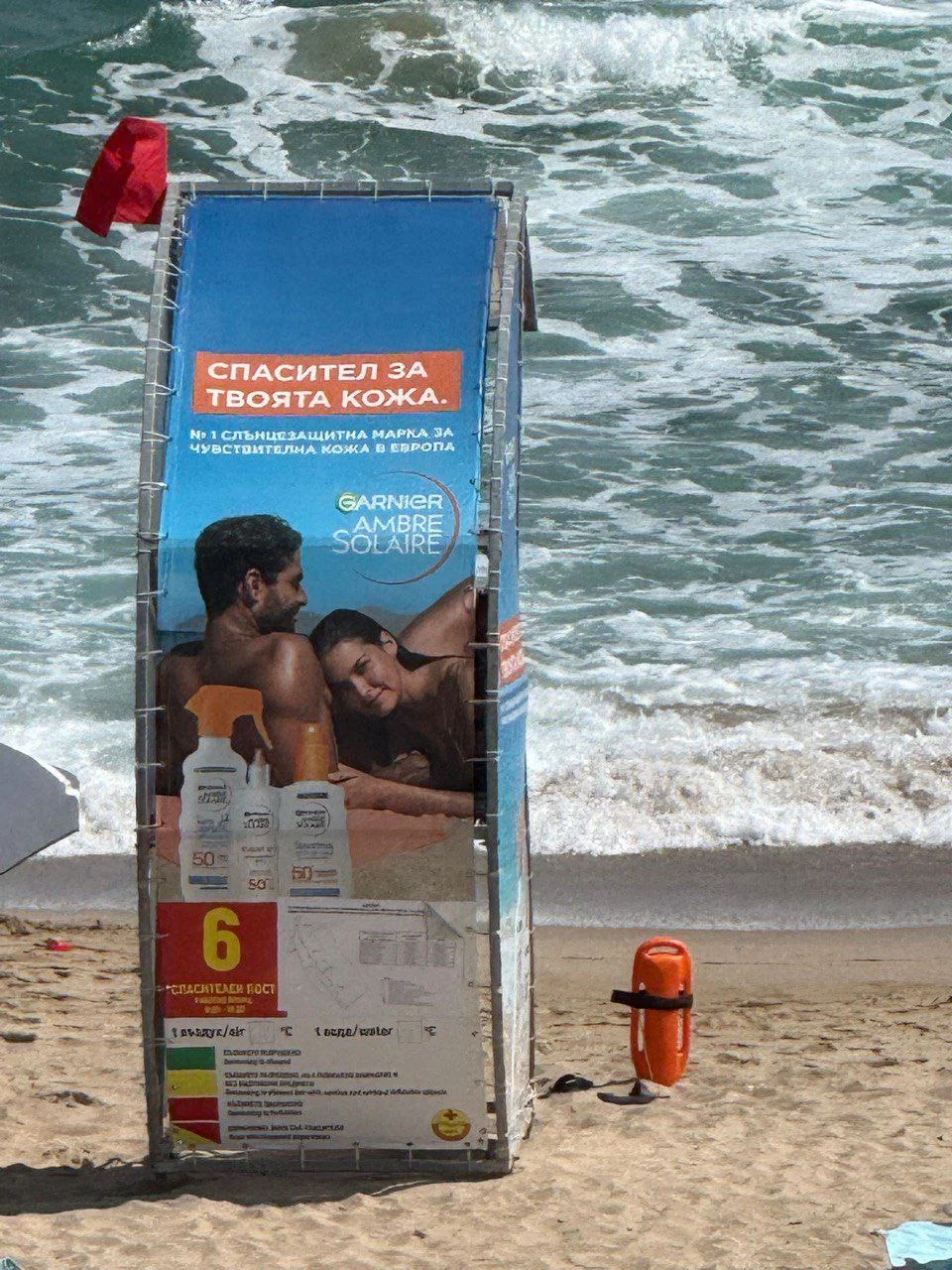
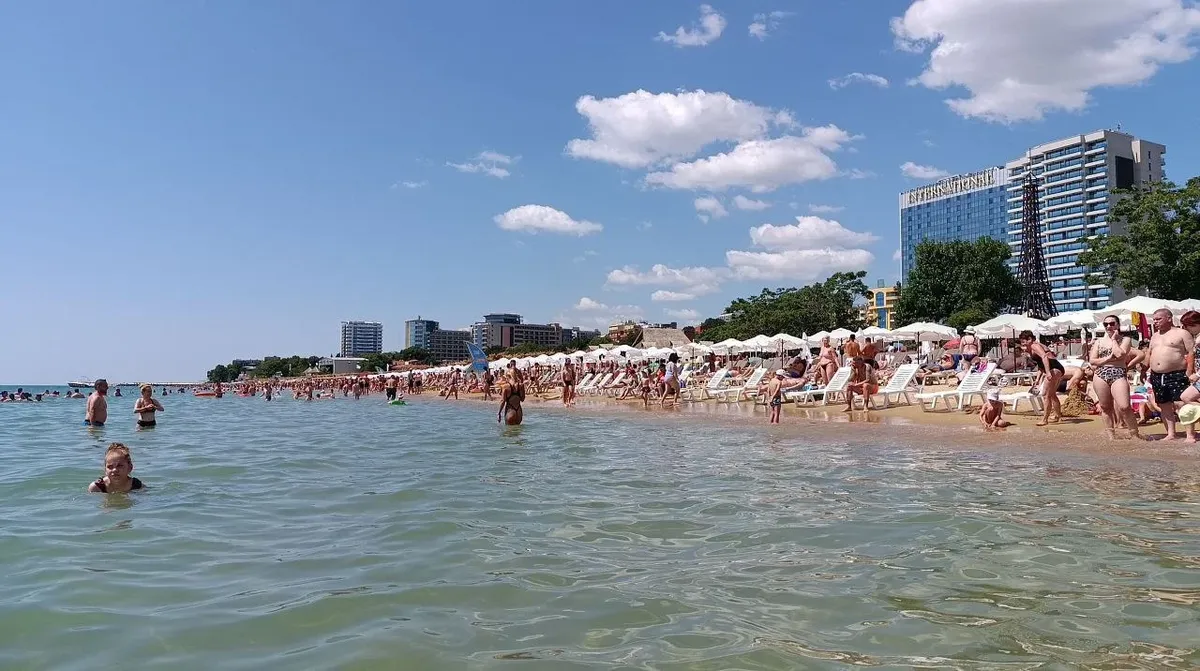
I’m watching a short video sent to Novaya Gazeta by Maria Butusova, the widow of the director beloved by the entire editorial board. Summer beach, sun, hundreds of vacationers, children. And treacherous waves rolling onto the sandy shore. Only after the tragedy, a red flag appeared on one of the central beaches of Harmanite in Sozopol, warning of danger, but there are still no information messages about strong currents. On the lifeguard tower there is an advertisement for sunscreen: “Take care of your skin.” Dozens of people die in these places every year. The reason is the “dead wave” phenomenon.
This phenomenon even has a special term - rip current (“reverse” or “rip current”). Small-looking waves smoothly roll onto the shore, but due to the intersection of winds and internal sea currents at low tide, they suddenly acquire incredible strength and with great speed carry everything that is in the water deep into the sea. The flow speed reaches 3 m/s, width - up to 50 m, length - about 200 meters.
Rip current is dangerous even for experienced swimmers and professional athletes. Resisting this flow in the water is pointless and dangerous: the wave going out to sea is so strong that it simply swallows the swimmer. Panic or fighting the current leads to rapid exhaustion within 25-30 seconds. If you don't know anything about rip current, and local authorities and rescuers haven't warned you, your seaside holiday could turn into a nightmare. Yuri Butusov and his family did not know about the deadly current. The wave caught Yuri when he was only 10 meters from the shore.
Billions of euros on the sand and life for the price of a sun lounger
Every year at the beginning of summer, the Bulgarian Ministry of Tourism cheerfully reports that it is “fully prepared” for the season. Officials in suits cut ribbons, concessionaires level the sand, and lifeguards set up freshly painted towers. But this pastoral picture lasts until the first serious storm.
As the sea begins to turn, a treacherous rip current reveals the industry's biggest lie: safety exists only on paper. Many Bulgarian beaches have long become a death trap.
Imagine a typical picture: Cote d'Azur, mirror-like surface of water, silence. Ideal day for swimming. But there is a red flag hanging on the tower. Vacationers, not seeing meter-high waves, just laugh at the “reinsurers” and go into the water. After five minutes, the calm water turns into a conveyor belt, carrying a person into the open sea. And it is at this moment that it turns out that there is no one to save him. Either the post is already empty because the clock hand has passed six in the evening, or there is a man sitting on the tower whose enthusiasm is equal to the amount of his meager salary. The scant data, which local authorities prefer not to share with the press, suggests that over the past 10 years more than 400 tourists have drowned in Bulgarian resorts. In 2024 - at least 86 people, in 2025 - at least 20, and there is still no exact data. On average, 40–45 deaths are recorded on Bulgarian beaches annually.
The tourism industry in Bulgaria provides the country with about 10–12% of GDP. In August 2025, 2.2 million tourists from all over the world came to Bulgaria. Monthly income from their placement in the Burgas region, which includes Sozopol, alone amounts to about 50 million euros. For Sozopol this is a lot of money, for the sake of which any mortality statistics will be hidden. In a country where the tourism sector generates several billion euros of net profit annually, human life is valued at less than the cost of renting a sun lounger.
“The rescue of drowning people is the work of the drowning people themselves”
The first problem of the local industry is the regulation of security services. In Bulgaria the sea officially “closes” at 18.00. At this moment, the rescuers fold their flags and go home. The most tragic incidents occur precisely during the “golden hour” before sunset, when hundreds of tourists are left face to face with the sea.
The second problem is the pitfall of the legal language “wild beaches.” The authorities have found an ingenious way to save on security: first, huge sections of the coast are declared “unprotected.” Then they stick a rusty “No Swimming” sign into the sand, which magically absolves the state of any responsibility for human lives. Instead of using part of the tax revenue to organize mobile rescue posts in popular “wild” areas (such as Irakli or Karadere), officials simply turn a blind eye to them. Were you warned that swimming is prohibited? So, you are the answer.
The third problem is personnel shortage. With an industry turnover of billions, the salary of a rescuer fluctuates around 750–1000 euros. For this money, professionals do not want to risk their lives and bear criminal liability. As a result, either first-year students whose qualifications have not been confirmed by anyone, or retirees who are physically unable to swim 50 meters in a storm and carry out full resuscitation, end up on the towers.
The fourth problem is the lack of necessary information. With all the technological possibilities of communication, the state leaves the tourist in a vacuum.
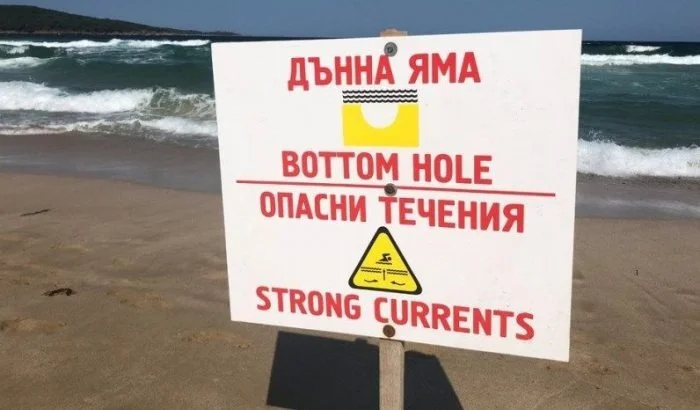
On the beach you will see hundreds of billboards advertising local wine, casinos and expensive real estate. But you are unlikely to find at least one modern stand that clearly explains what Rip current is and how you can survive.
In Bulgaria, there is an unspoken “pact of silence”: neither at the airport upon arrival, nor at the hotel reception, nor even more so on the beach itself, not a word will be said to you about the real mortal threats of a seaside holiday. The tourism industry is terrified of ruining the glossy image of a “safe paradise” by hiding the terrible numbers of human deaths. At many beaches, safety rules are scrawled in small print on faded old advertising signs. The most important words are bashfully hidden behind an advertisement for sunscreen. As a result, the tourist is well aware of the menu in the beach bar and the cost of renting a sun lounger, but remains completely unarmed in the face of the elements, which do not forgive ignorance. This is not just a service omission on the part of the authorities - it is a conscious risk of other people’s lives for the sake of increasing the “tourist flow”.
19th century in the service of rescue
We live in the era of high-tech drones, AI and Big Data are used everywhere in the world, and on Bulgarian beaches the main means of rescue remain a whistle and a colored rag on a stick. The country still does not have an automatic monitoring system for rip currents. While in the USA or Australia the sea is monitored by drones and laser sensors that record the movement of water masses, in Bulgaria the Rip current force is determined “by eye”. Why do tourists in the USA receive SMS alerts about strong winds or thunderstorms through the BG-ALERT system (a system for alerting citizens to mobile devices in the event of natural disasters and accidents), while tourists in Bulgaria are not even aware of the critical level of “rip current” on the beach?
Maria Butusova recalls that on the day the family checked into the hotel, the local manager showed them the pool and warned them where it was shallow and where it began to be deep. The hotel manager is responsible for his own “relaxation area”. But the sea is common; it has no owner. And no one warns anyone about anything. This was the case on August 9, when everything happened.
“When the police arrived at the beach, the first thing they asked me was whether we had drunk alcohol before swimming? It was as if they wanted to immediately place the blame on the dead. When I asked the police what was happening to the sea, they shrugged their shoulders - it happens. Yura did not like to swim and never sailed far from the shore. If there had been even a drop of information about the dangerous current, he simply would not have gone into the water.”
"It happens"
Bulgaria traditionally claims to be the “European maritime pearl”, but in terms of water safety it lags catastrophically behind world standards. At Palm Cove Beach in Queensland, Australia or Santa Monica Beach in Los Angeles, rescue patrols on jet skis constantly drift along the shore 24/7. The level of security on Dubai's most prestigious beaches is so high that you might think that the heads of the entire G-7 or NATO are in the water right now. Every meter of the seashore is under video surveillance; special programs monitor and analyze the behavior of swimmers. In all major tourist sea capitals of the world, volunteer and government programs have long existed to train rescuers and doctors.
Compared to such examples, the Bulgarian model looks like an attempt to put out a forest fire with a glass of water. When the country's annual tourism income exceeds 7 billion euros, references to "lack of funds" sound like a mockery of common sense and of tourists who drown 10-20 meters from the shore. These are not “accidents,” but the result of systemic government negligence.
According to official reports from the Water Rescue Service of the Bulgarian Red Cross, in 2025, rescuers accomplished the feat of pulling 3,800 people from the water. But this huge figure is not a reason for the authorities to be proud, but evidence of the chaos on the beaches. These thousands of people were brought to the brink of death due to a lack of information and red flags on the beaches. Instead of acknowledging the systemic failure of security, Bulgarian officials have chosen the most convenient tactic: blaming the victim.
The state washes its hands of the tragedy, blaming the “lack of discipline” of the victims. And local authorities try not to notice most of the tragedies at all. There is simply no public reporting system for emergency situations in Bulgaria. And it's very convenient.
Director Yuri Butusov is an incredibly famous and popular person; all media in Bulgaria and abroad wrote about his death on August 9, 2025. But how many people know that two days before, on August 7, 2025, a 22-year-old student from Uzbekistan drowned on the beach in Sozopol? He tried to save a girl who was being carried out to sea by a “reverse current” and got stuck in the rocks. For 9 hours, it was not rescuers who searched for his body, but friends, who eventually found him, but could no longer save him. Special services arrived at the scene too late.
As long as the authorities see tourists only as walking wallets, and lifeguards as cheap seasonal force, Bulgarian beaches will continue to remain not a place of recreation, but a zone of mortal risk. But government services will try to hide this fact from you. “It happens,” they will say.
Andrey Kalitin*, Krasimir Vranski