
Translated material
War
One thousand four hundred thirty-second day. Moscow proposes to share the energy of the Zaporozhye nuclear power plant between Russia and Ukraine. In Belgorod - a missile strike on energy facilities, but the extent of the damage is unclear
Since February 24, 2022, Meduza has been broadcasting live about the Russian-Ukrainian war. We publish your letters every day because we are sure that we need to continue talking about the war. Share with us your thoughts about the war. What feelings are you experiencing? How does war affect your life and your attitude towards the world? If you have a story related to the war, tell it . The feedback form is at the end of this article. A review of the previous day can be read here .
World
Negotiations between Ukraine, Russia and the United States took place in Abu Dhabi. In Kyiv and Washington they were called “constructive.” Moscow has not yet spoken
In Abu Dhabi on January 24, two-day negotiations between the delegations of the United States, Ukraine and Russia ended. The Ukrainian side - in particular, the country's President Vladimir Zelensky - called the meeting “constructive.” According to Zelensky, “possible parameters for ending the war” were discussed at the trilateral negotiations. He separately noted that there is “awareness of the need for American monitoring” of this process.
On the US side, the negotiations were assessed by Trump's special envoy Steve Witkoff, who was present at them, and called them “very constructive.” He also confirmed that the parties had reached an agreement to continue the dialogue next week in Abu Dhabi. According to sources from Axios and Politico , the new meeting will take place on Sunday, February 1.
The Russian side did not make official statements following the negotiations, but, as TASS writes, citing a source, “it cannot be said that the trilateral meeting on Ukraine in Abu Dhabi passed without results, there are some.” On January 25, Kremlin press secretary Dmitry Peskov said in an interview with Russia-1 TV channel correspondent Pavel Zarubin that “it is very important to implement” the “formula for resolving territorial issues” that was developed in Anchorage at the meeting between Trump and Putin in August 2025. “Once this happens, it will be possible to ensure rapid progress,” Peskov added.
Axios writes that all controversial issues were discussed at the negotiations: Donbass, management of the Zaporozhye nuclear power plant and the necessary steps to de-escalate on both sides. According to Ukrainian officials, American mediators held joint meetings with Russian and Ukrainian delegations, and there were also direct meetings between Russians and Ukrainians without Americans present in the room. “Everything was discussed. No one was excluded from the discussion on either side,” says the publication’s interlocutor. At the end of the second day of negotiations, the three teams ate lunch together. “At one point, everyone almost looked like friends. I felt a sense of hope,” a US source told Axios.
According to one of Axios’ interlocutors, the parties are “very close to a meeting between Putin and Zelensky.” He added that if more progress is made at the next trilateral talks, this could lead to a meeting of the parties in Moscow or Kyiv. “We believe that such meetings should take place before the leaders meet. We think it’s not far off,” he said.
According to Politico, much of the negotiations focused on the economy, as well as the issue of control over the Zaporozhye nuclear power plant, occupied by Russian troops. An agreement has not been reached, but Moscow is promoting the idea that Ukraine and Russia would share the electricity generated by the plant, sources tell Politico.
The publication's interlocutor also notes that one of the issues under discussion remains security guarantees for Ukraine - and, according to him, the most important will be the American part. Commenting on the commitment of Kyiv's European allies, who are willing to station troops in Ukraine after the end of the war, an American official said: “The efforts of the 'coalition of the willing' are nice. They have a couple of helicopters, a couple of squads of troops and a couple of guarantees here and there, but if you talk to the Ukrainians, it's the American security guarantees that really matter."
The day after the talks, Vladimir Zelensky (who turns 48 today) went to Vilnius, where he met with Lithuanian President Gitanas Nauseda, Polish President Karol Nawrocki and Belarusian opposition leader Svetlana Tikhanovskaya. This meeting became part of the events dedicated to the anniversary of the uprising of 1863–1864 and dedicated to the memory of the Belarusian national hero Kastus Kalinouski.
Russia
Belgorod suffered the “most massive” attack, the governor said. There were no casualties. Energy facilities damaged, but extent unclear
On the night of January 25, Belgorod was hit by what the regional governor, Vyacheslav Gladkov, called “the most massive.” According to him, the city was allegedly attacked by HIMARS missiles. He later clarified that 24 rounds of ammunition were fired into the city.
According to preliminary data, there were no casualties during the shelling, but there was damage to energy facilities, Gladkov said. In addition, as a result of the shelling, a utility building caught fire, and falling debris caused a fire in one of the city's courtyards. According to the “Ashes” telegram channel, fragments of downed missiles were burning in one of the courtyards on Gubkin Street.
Later, Gladkov reported that he had visited all the landing sites, restoration work was being carried out everywhere, but he could not give more complete information, because this would “arm the enemy.” Noting the work of Russian air defense, he added: “Enormous damage could have been caused [to the energy sector], but it was not allowed to happen.” The Russian Ministry of Defense in its report for January 25 states that air defense forces shot down 31 rockets of the HIMARS multiple launch rocket system during the day. The department does not provide any other details.
The local telegram channel “Ashes” claims that one of the targets of the missile strike was the Belgorod Thermal Power Plant. After this, heating was lost in some areas of Belgorod and Stroitel (a city near Belgorod - Meduza's note) , but the extent of damage due to the impact is unclear. Belgorod Mayor Valentin Demidov said that after the shelling, the pumps that provided heat to several houses on Kharkovskaya Mountain stopped.
Ukraine
Kyiv continues to restore heat supply after another Russian attack, but more than 1,600 houses remain without heat
In Kyiv, after a Russian attack on the night of January 24 - right during trilateral peace talks in Abu Dhabi - 1,676 high-rise buildings out of the initially damaged six thousand remain without heat, said the mayor of the Ukrainian capital Vitaliy Klitschko. According to him, overnight utilities and energy workers resumed the supply of coolant to more than 1,600 houses and continue to work.
Vladimir Zelensky said that over the past week, Russia launched more than 1,700 attack drones, more than 1,380 guided bombs and 69 missiles of various types into Ukraine. “The main targets that Russia is hitting now are our energy sector, critical infrastructure, residential buildings,” Zelensky wrote , adding that Ukraine continues to work with America and Europe to ensure the country’s air defense.
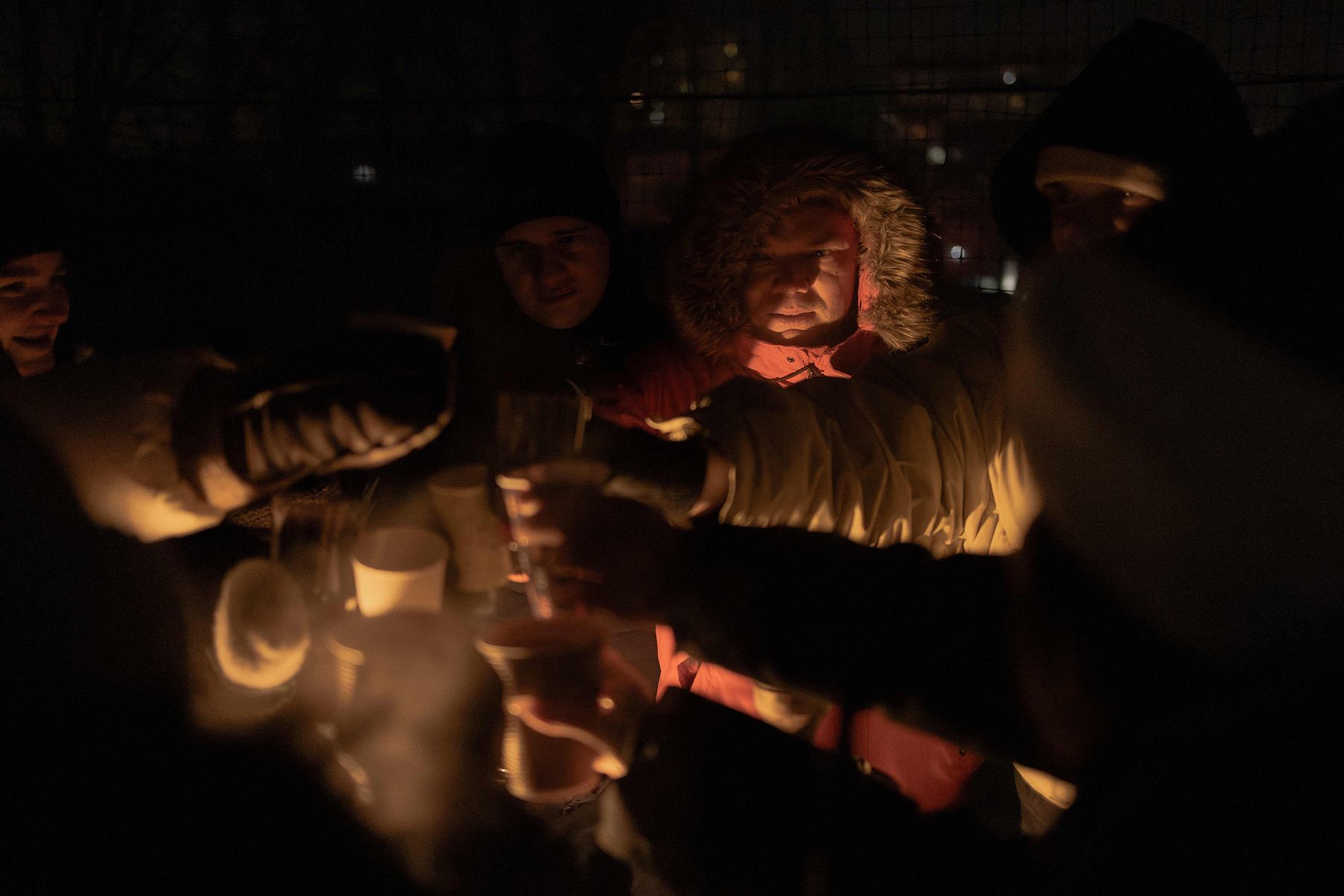
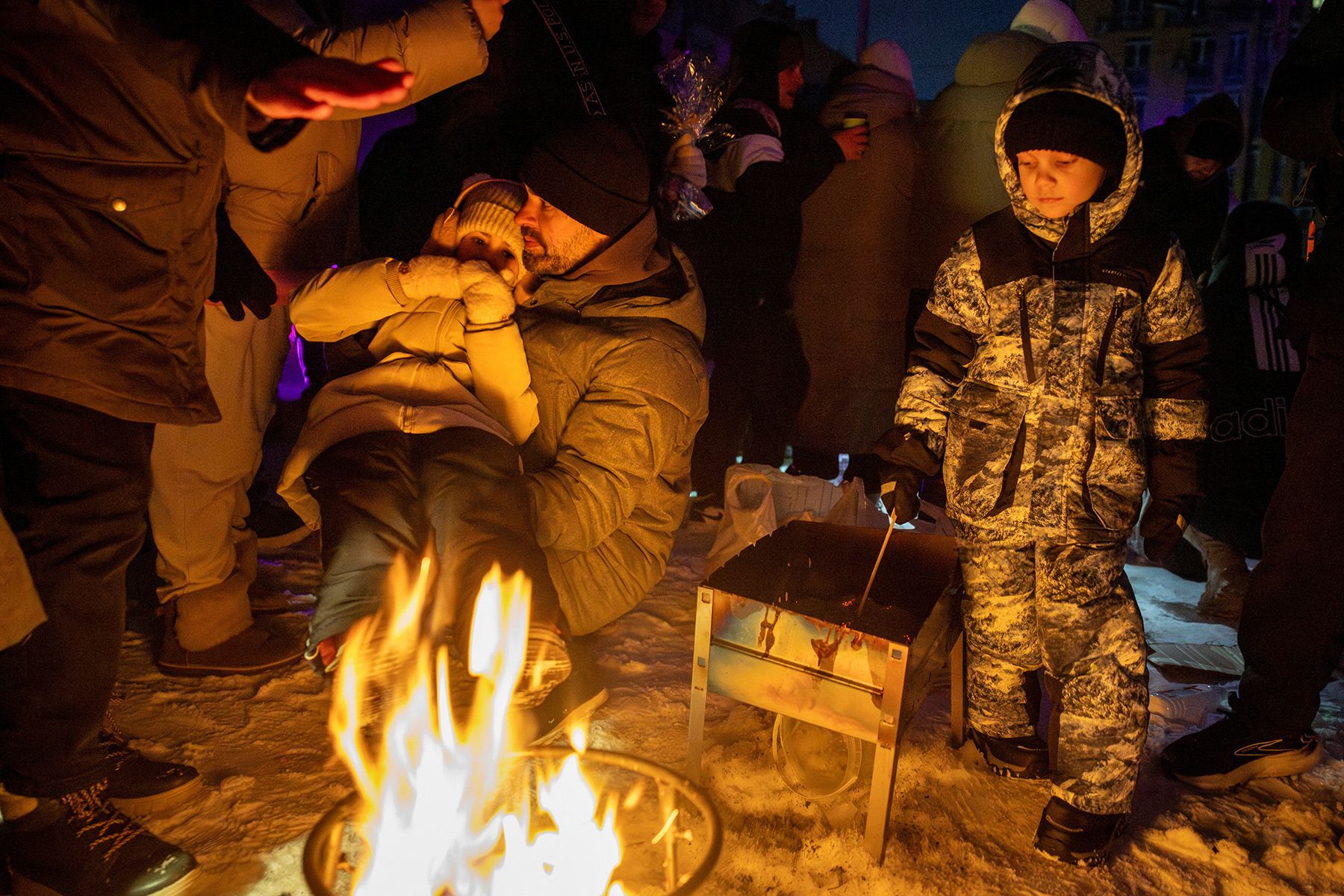
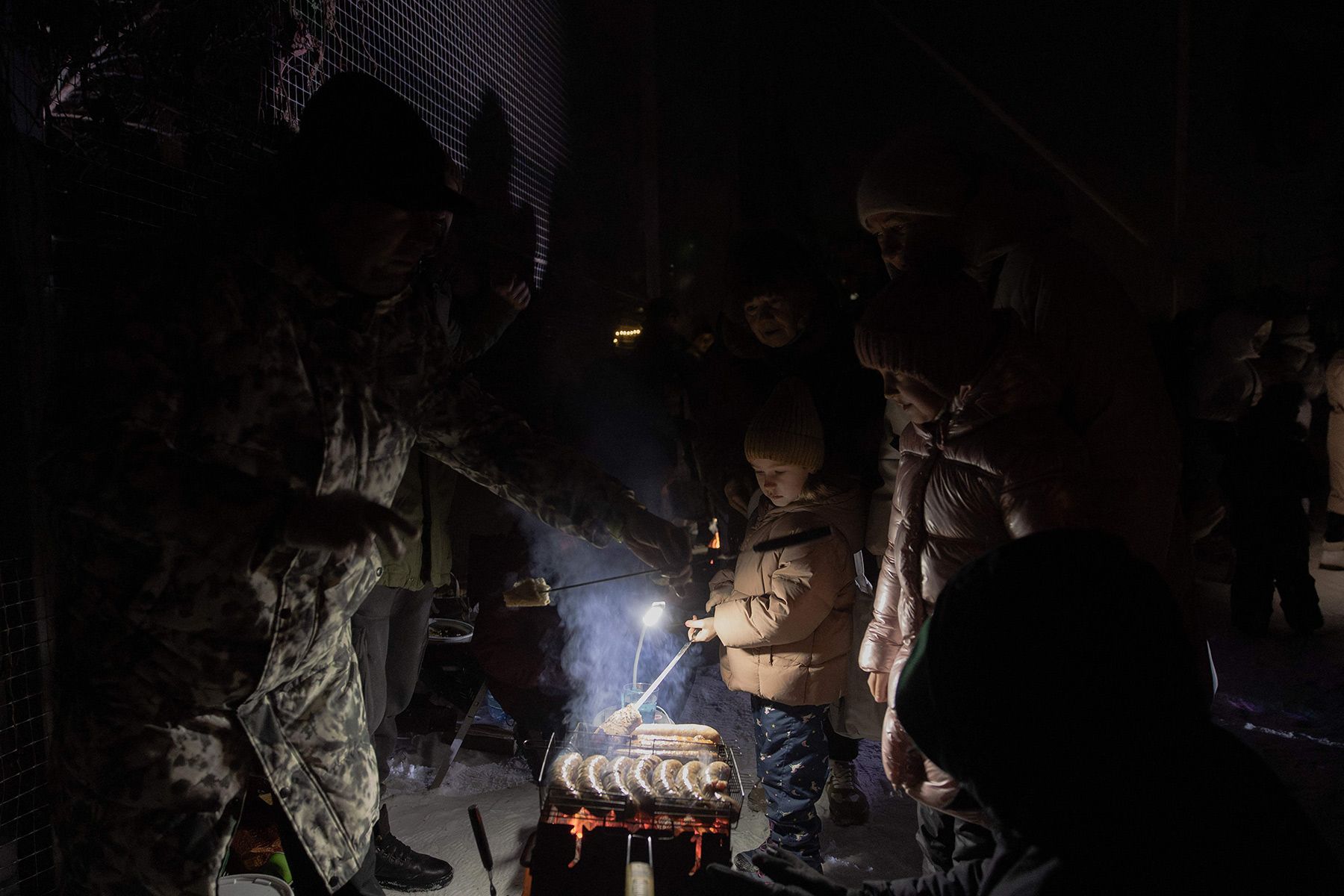
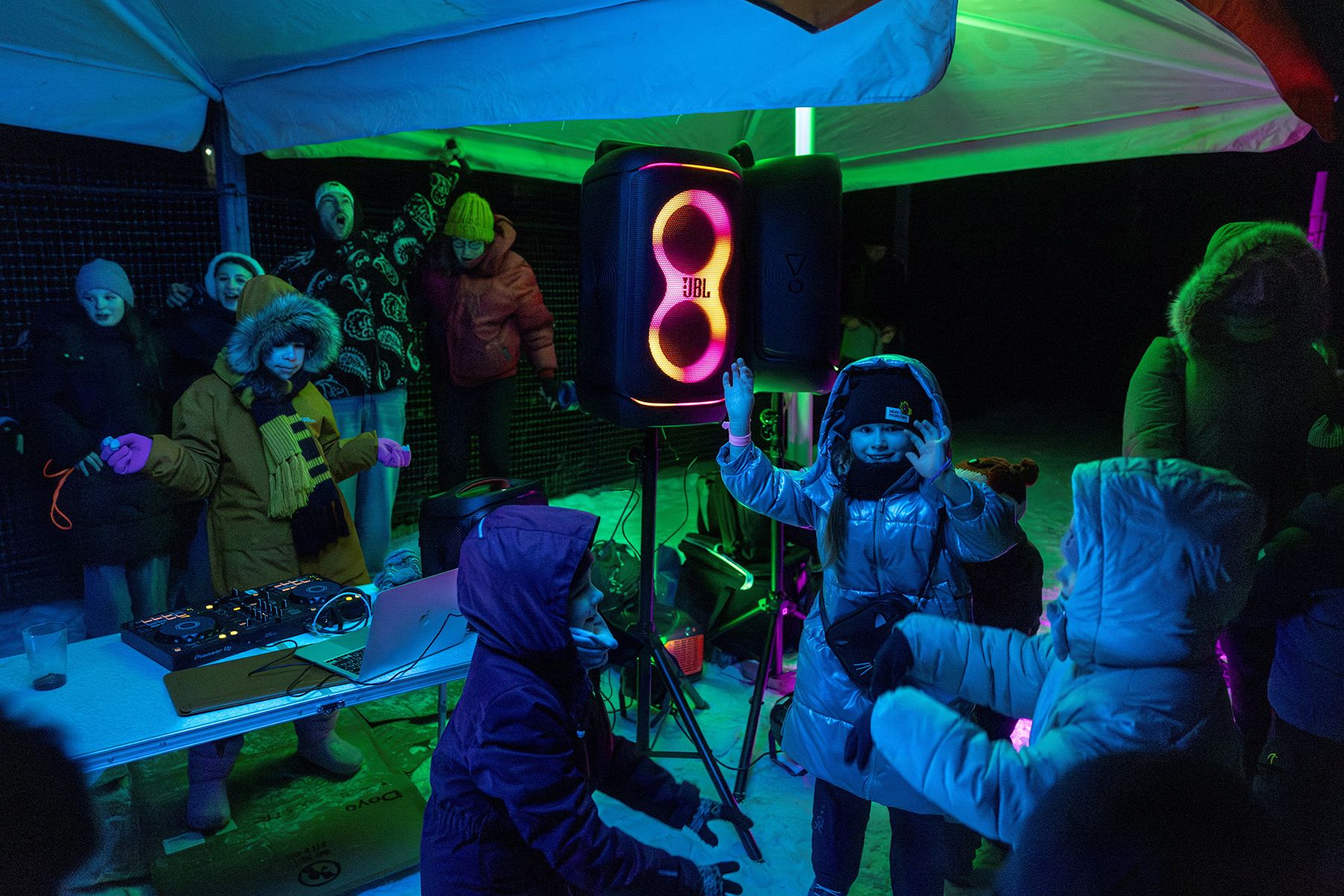
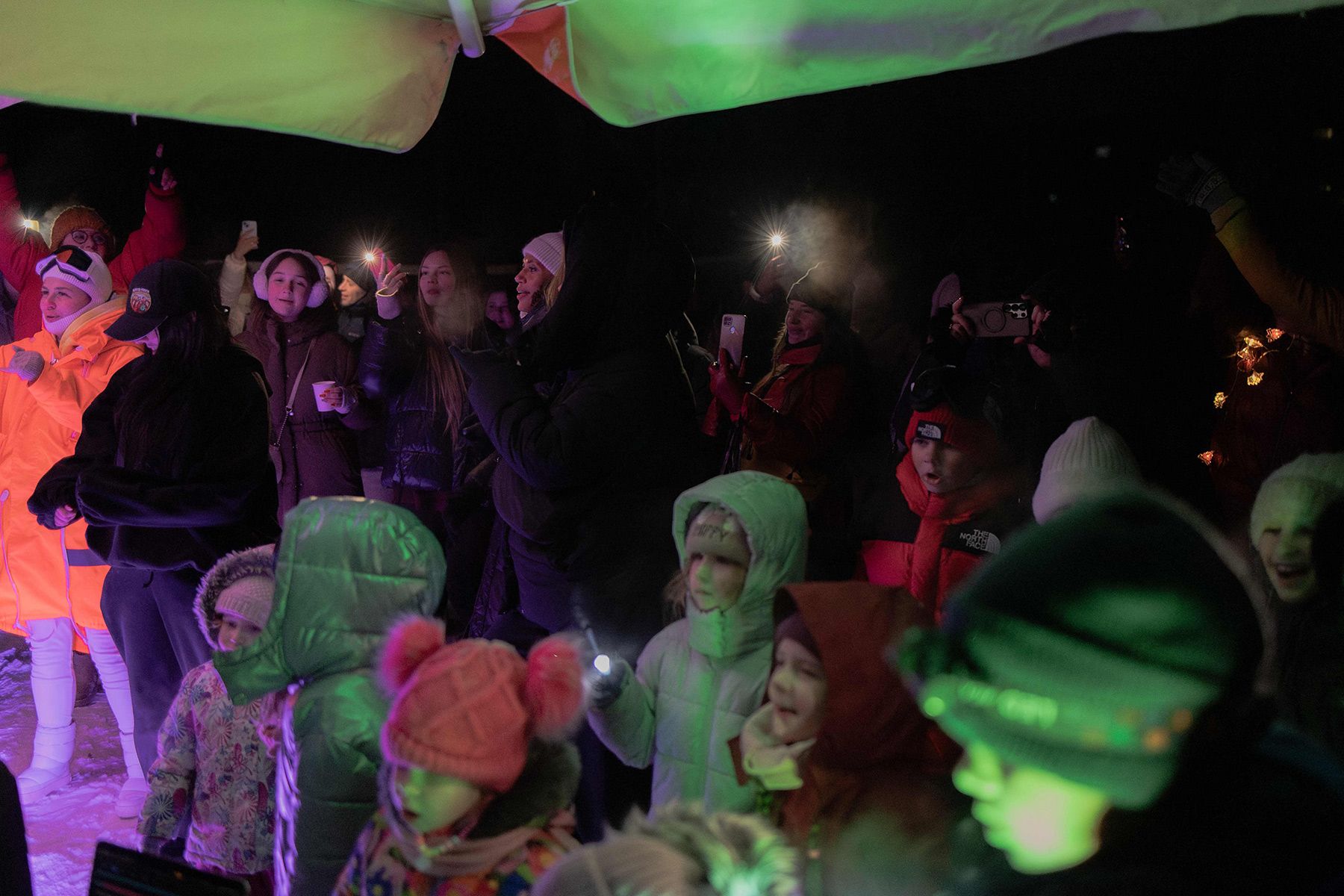
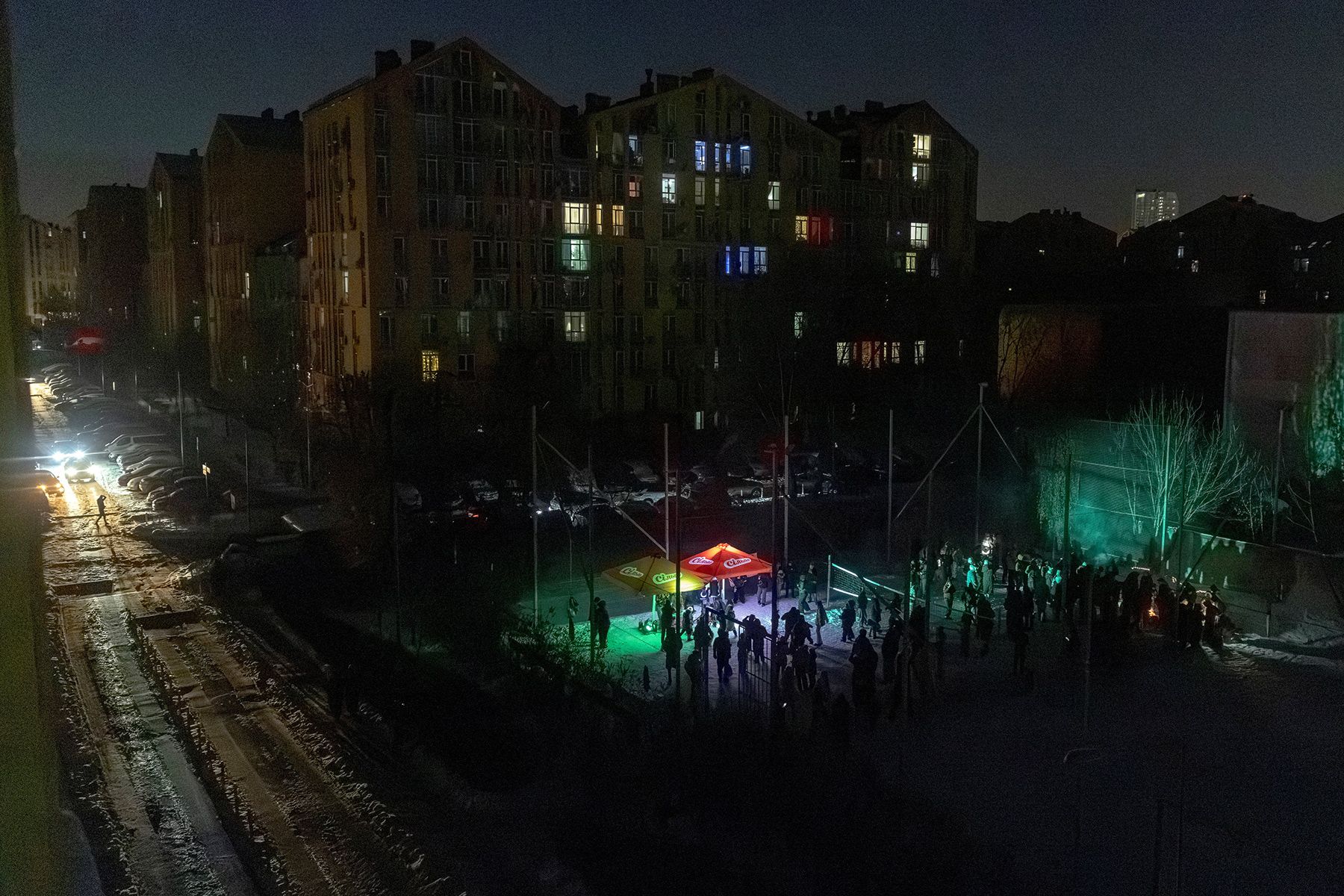
War in photographs. Kyiv without heat and light - but with parties in the courtyards
War through the eyes of Meduza readers
How we choose letters
Meduza's readers live in different countries and have different attitudes towards the war. We publish your letters to see this event through your eyes. Our editors try to present all points of view, even if they do not coincide with the editorial position. However, in accordance with the Meduza code, we do not publish messages that contain “hate speech,” justify the murder of civilians, or express direct support for an aggressive war.
Elena (Kramatorsk → Belaya Tserkov) . We packed up and left in 2022 immediately after the attack on the station, we moved in with my husband’s parents, they gave us shelter. My husband died in 2023 somewhere near Ugledar, the body was given to us and allowed to be buried only at the beginning of 2025. His father died three months before, the ambulance did not have time to get to him, there were two teams of paramedics working for the whole city, they had no people at all. In total, I lost: my hometown, my home, my husband, my father-in-law and the hope that someday everything will be normal.
With all my soul I resist the idea that I need to give something to the Russians, but deep down I understand: it’s time to cut it off and forget, to move on with my life. I want to raise children not so that they will be mobilized when they grow up, and not so that they will leave me for Poland or the Czech Republic, because they will not be mobilized there. My last years, when I still had strength and energy, fell on this nightmare, and they were completely lost. I'm tired. I'm ready to accept literally anything just to get this over with. I'm tired of it.