
Translated material
War
One thousand four hundred and thirty-fourth day. France is blocking the purchase of Storm Shadow missiles for Ukraine. Almost half of Kharkov is without electricity
Since February 24, 2022, Meduza has been broadcasting live about the Russian-Ukrainian war. We publish your letters every day because we are sure that we need to continue talking about the war. Share with us your thoughts about the war. What feelings are you experiencing? How does war affect your life and your attitude towards the world? If you have a story related to the war, tell it . The feedback form is at the end of this article. A review of the previous day can be read here .
World
Disputes over Ukraine's use of a 90 billion euro loan have intensified in the European Union, The Telegraph writes . The decision to allocate this loan was made at the EU summit in mid-December. This is an interest-free loan guaranteed by the EU budget, which Kyiv will have to repay after the end of the war only if it receives reparations from Russia.
In mid-January, the European Commission announced that the money would be allocated for the period 2026-2027. One third will go to budget support for Kyiv, and two thirds - 60 billion euros - for military needs. At the same time, Brussels outlined a key requirement: in defense procurement, priority should be given to weapons produced in the European Union or in Ukraine itself.
At the same time, Ukraine estimates the cost of military equipment needed by the country from outside the EU at 24 billion euros this year alone. First of all, these are American Patriot complexes, as well as long-range Storm Shadow missiles, which are produced by Great Britain.
In this regard, 11 EU countries have proposed relaxing existing rules so that Kyiv can use European money to buy British weapons. A four-level system of spending funds is implied: if the necessary weapons cannot be obtained at the first two levels (EU and Ukraine), then purchases are allowed at the third level - from the EU’s closest partners, such as the UK or Canada. At the fourth level is the USA.
However, this initiative was sharply opposed by France, which, as The Telegraph notes, is leading the EU's efforts to ensure strategic autonomy from its allies - primarily from the US, but also from the UK. Paris insists that the money given to Ukraine should primarily serve the development of the EU defense industry, and not satisfy the defense needs of Kyiv.
This approach, the publication writes, has caused criticism within the EU, as it could limit Ukraine’s ability to resist Russian air attacks. France's position is opposed by the Baltic countries, Eastern Europe, Scandinavia, as well as the Netherlands. No final decision has been made yet.
Ukraine
Russian troops launched a massive attack on the Kharkov region late last night.
Due to the attack, as reported by the head of the region Oleg Sinegubov, about 80% of Kharkov and the region were left without electricity, which in turn caused interruptions in water and heating. In the Kharkov metro, two of the three lines stopped working. Chuguev, the fourth largest city in the Kharkov region, was completely left without electricity for a while.
The power outage occurred against the backdrop of severe frosts - at night in Kharkov it was about minus 15 degrees Celsius. Warming is expected over the next three days, with daytime temperatures exceeding zero degrees, but severe frosts will return by the weekend.
Restoration work continued throughout the night. As of this morning, about 40% of Kharkov's energy consumers remained without power supply, said the mayor of the city, Igor Terekhov.
This is at least the second major Russian attack in a week on critical infrastructure in the Kharkiv region, leading to large-scale power outages in the region. On January 20, as a result of shelling, as Sinegubov reported, 1.1 million people were temporarily left without electricity.
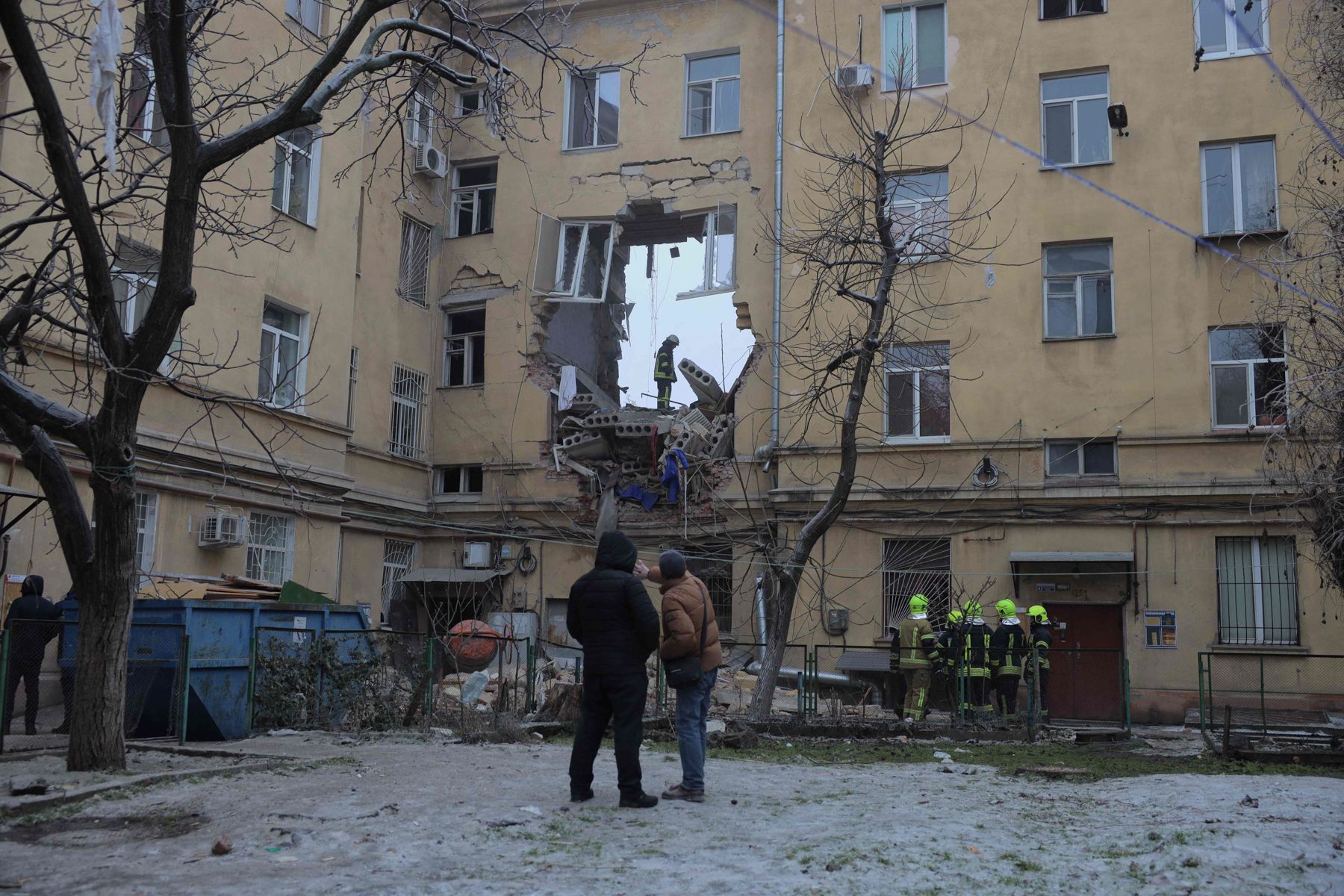
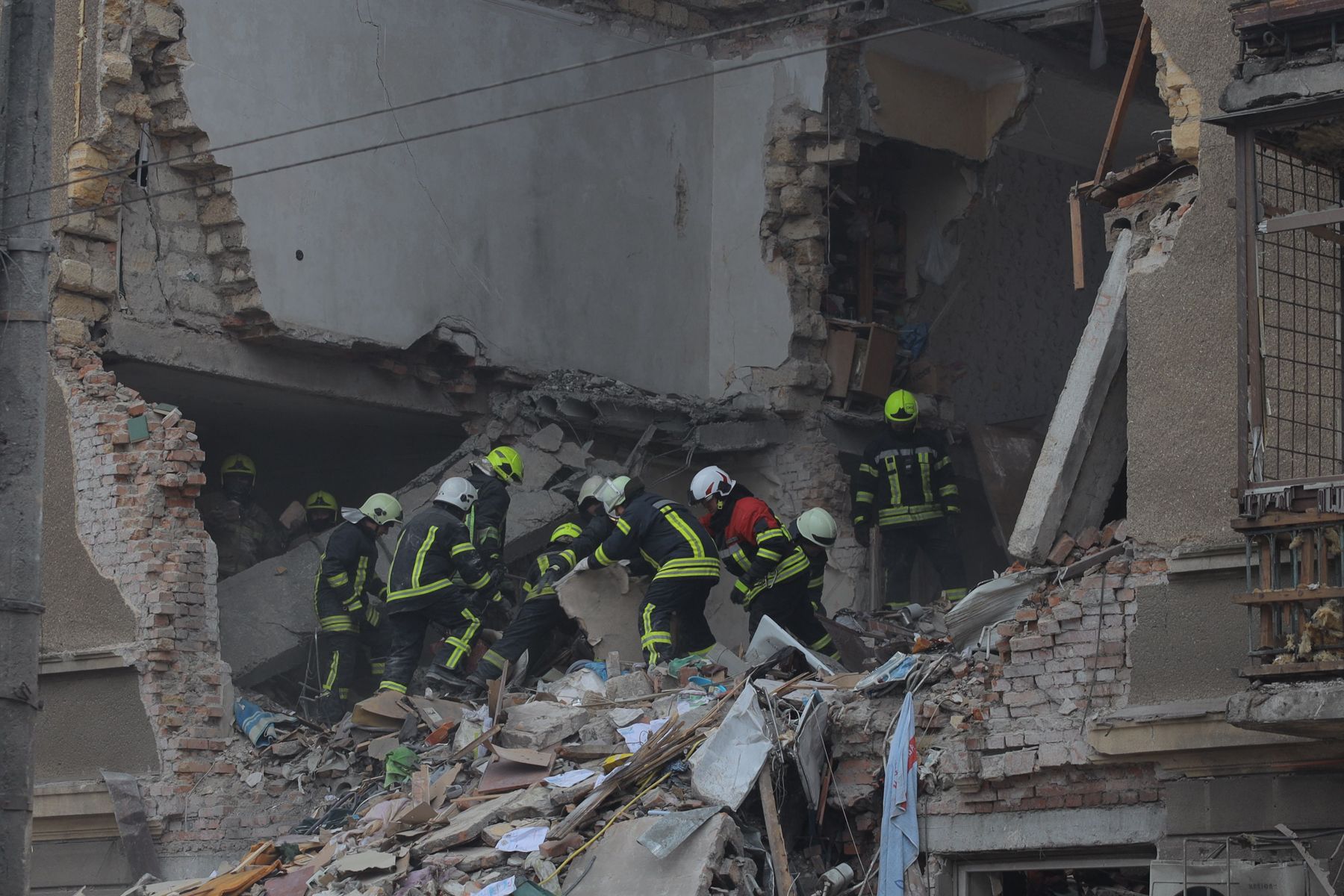
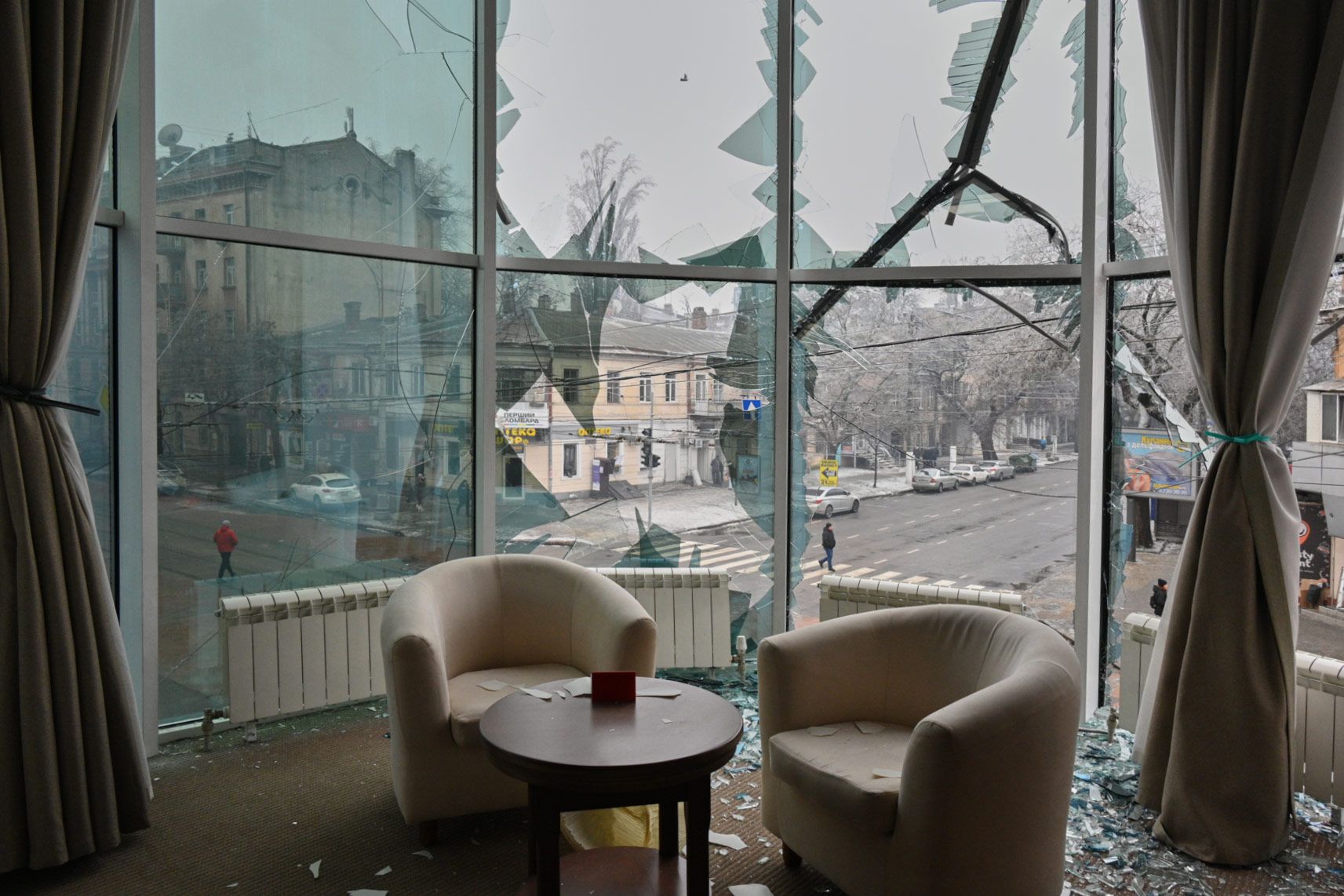
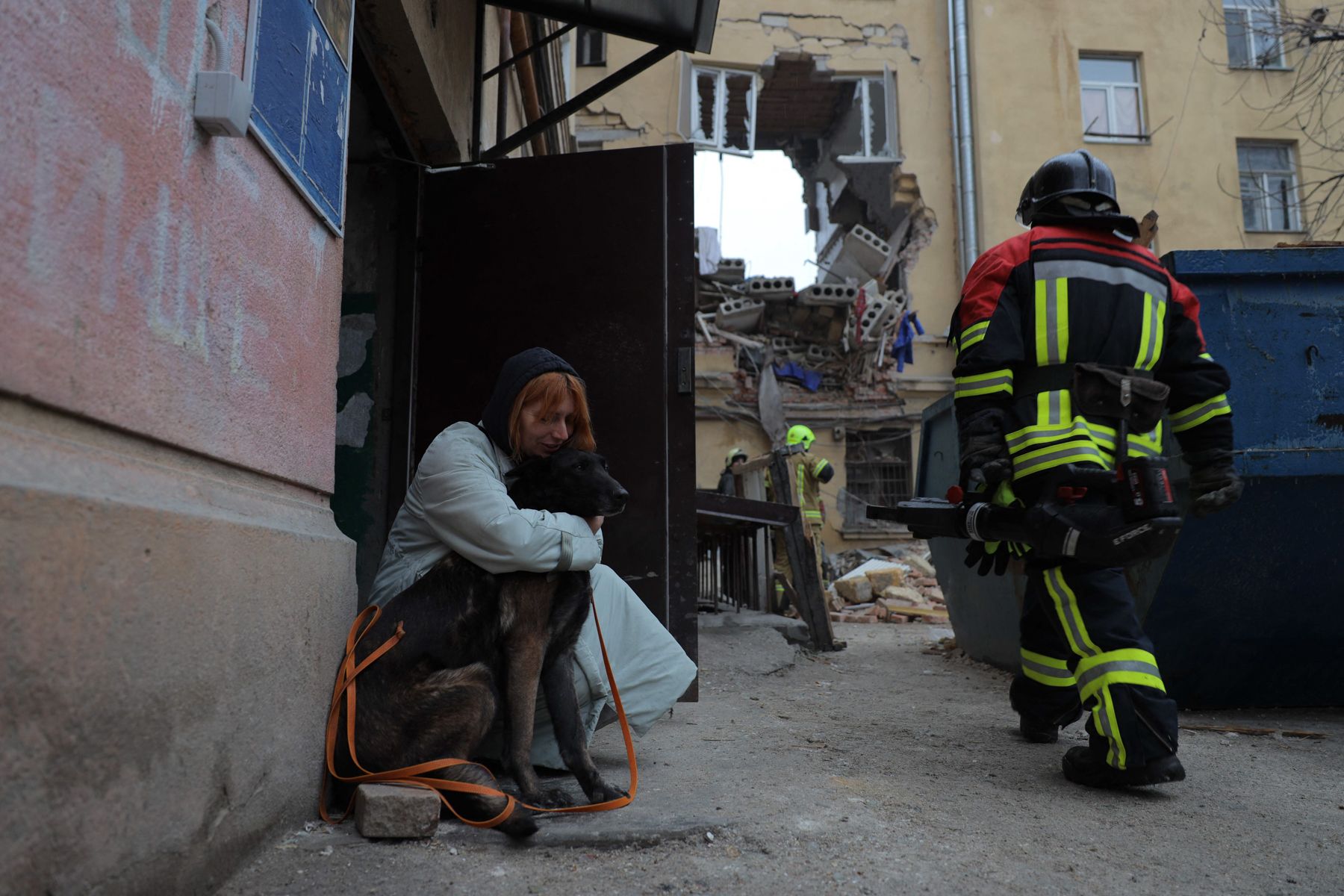
War in photographs. Odessa
At night, Russian drones launched a massive attack on Odessa. As a result of the attack, said the head of the city military administration, Sergei Lysak, two people were killed and 67 people sought help. Several dozen buildings were damaged, as well as a critical energy infrastructure facility.
War through the eyes of Meduza readers
How we choose letters
Meduza's readers live in different countries and have different attitudes towards the war. We publish your letters to see this event through your eyes. Our editors try to present all points of view, even if they do not coincide with the editorial position. However, in accordance with the Meduza code, we do not publish messages that contain “hate speech,” justify the murder of civilians, or express direct support for an aggressive war.
Nikolay (Poltava) . Everyone writes that they are tired of the war and want it to end as quickly as possible, but polls say something completely different . This causes a certain dissonance with what is happening in reality. But in reality, everyone delicately misses one point on which (in my opinion) a high percentage of those who support the continuation of the war rests - payments for the dead.
My brother died in the war, and his wife, unable to bear the loss, committed suicide. My wife’s brother also died (he had no children). Now I support my children and my brother’s children.
It’s difficult, you say, but I will say that with a payment of 15 million hryvnia (300 thousand euros), although it is divided into equal parts over several years, my life is not so bad - especially against the backdrop of the start of receiving second payments for my wife’s brother (there the payment period has been increased even more and stretched over seven years). So, the fear of losing these payments due to the cessation of the war puts me in the category of those who want to continue it for at least another couple of years.
Some will say that the Russians might kill me or my family, but, to be honest, this is far from true. The death of a close relative gave me the opportunity not only to receive a reprieve from mobilization until the end of the war, but also the opportunity to freely cross the Ukrainian border. Yes, it’s difficult now, because the family has become large, everyone needs to be gathered and organized, seated and entertained all the way, but all these difficulties are dust against the background of the size of monthly payments and my mobility.
For some reason, this obvious fact (cash payments) is discounted and people talk about fatigue. I'm not tired.
Share your thoughts about the war
"Jellyfish"