
Translated material
I moved to Brazil and am very happy
Svetlana Chekhova (last name changed at the request of the heroine) is 31 years old. In 2022, she and her future husband moved to Georgia, and two years later she became pregnant. Then they decided to fly to Brazil in order to gain the right to local citizenship after the birth of the child. Chekhova told Kholod how much life costs in Rio de Janeiro, is it true that it is a very dangerous city, how they were received in the country and why they like it so much.
It’s inexpensive and beautiful here, and in a year I’ll be able to apply for citizenship because I gave birth to my daughter here 
I was born in Novocherkassk, a city in the Rostov region, then lived in Rostov. There, in 2020, I met my future husband Vitaly. Everything was going great for us, but a year later the doctors suddenly found me with Hodgkin’s lymphoma (a malignantdisease of the lymphatic system. - Note by “Cold”) . I was diagnosed with stage four and immediately prescribed treatment. Less than a year later I went into remission . Soon after this, mobilization began, and Vitaly and I decided to leave for Georgia to protect me from bad news and unnecessary worries after the illness.
In December, we moved with our two cats to the coastal town of Kobuleti. There was delicious food, sea and lots of activities organized by expats. In Russia, I studied to become an eyebrow and eyelash specialist and started working in the beauty field in a new place, and underwent the necessary examinations from Georgian doctors. Soon Vitaly and I got married.
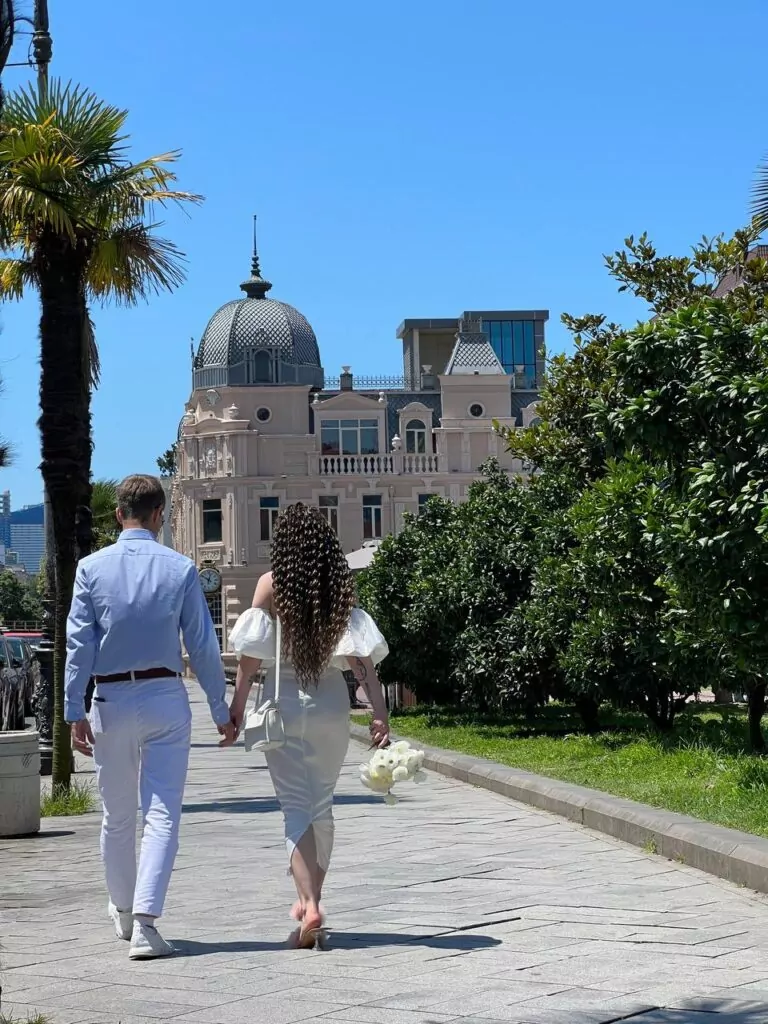
In the fall of 2024, a pro-Russian party won the parliamentary elections in Georgia, and we again thought about moving. I already understood then that living in Georgia is like being with a guy who will never marry you: getting a residence permit is not difficult, but citizenship is almost impossible. Even ethnic Georgians who were born and raised, for example, in Moscow, do not always cope with exams. However, by that time we had already fallen deeply in love with Georgia, and we were sad to think about leaving.
In February 2025, I found out that I was pregnant. Then we decided that we would move to a country where the child would receive citizenship at birth. Our friends got legalized in Argentina , and we also began to consider this option, but by that time the procedure had become more complicated .
Then we thought about Brazil, where they also give citizenship by birth: there a newborn receives documents almost immediately. We put an apostille on the marriage certificate, made police clearance certificates and a document stating that I changed my last name. The most difficult thing was to prepare the cats: we gave them all the vaccinations, but then we had to organize a quarantine for them for three months.
1000 dollars for an apartment
When I was six months pregnant, we flew from Georgia to Brazil. We had two transfers, the flight took about 30 hours - it was very difficult. On August 21, 2025, we landed in Rio de Janeiro. Russians do not need a visa to enter Brazil. You can stay here for three months, and then extend your stay for another three months at the migration service.
We rented an apartment for a month, but it turned out to be unsuccessful. Because of this, the first impressions of the new country were bad. However, we went to the ocean, to the center, walked a lot and talked with the locals - this helped us adapt.
We needed to find an apartment for a long term, but without a residence permit it was difficult. Many landlords ask for a deposit several months in advance and a guarantee from a real estate company. The latter was impossible to do - our income certificates did not suit them, and no one wanted to take on such responsibility. And the owners refused to deposit cash.
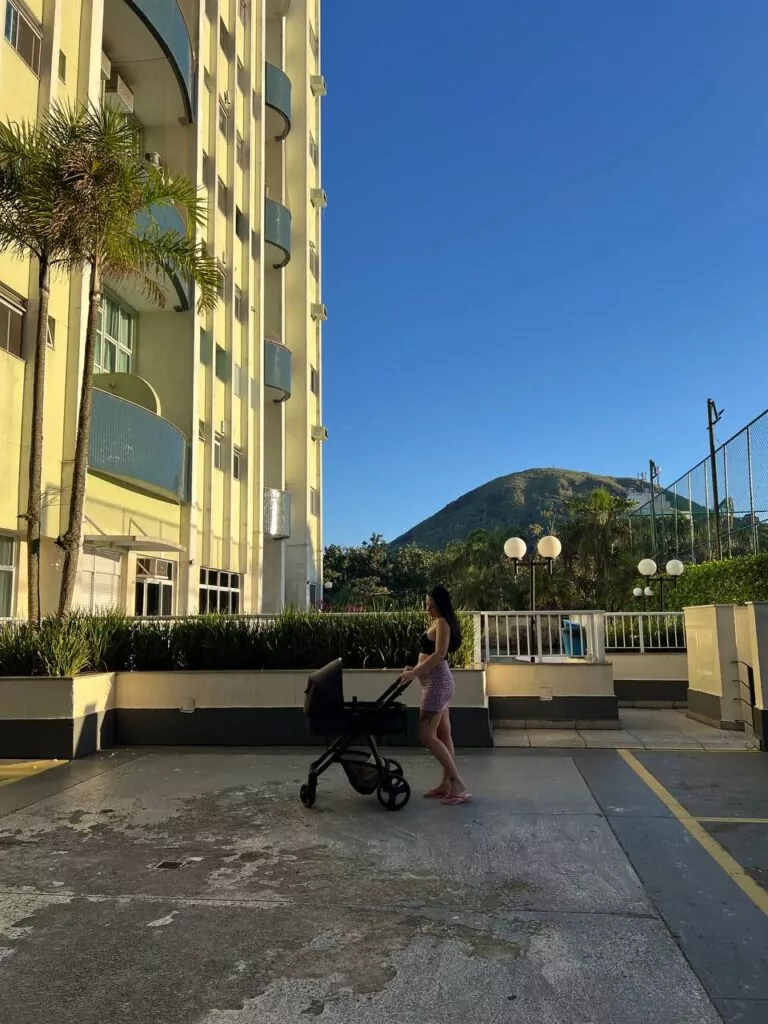
As a result, we found an apartment in the residential area of Recreio, where mostly locals live. I feel safer here because crime in Rio is more associated with tourist areas.
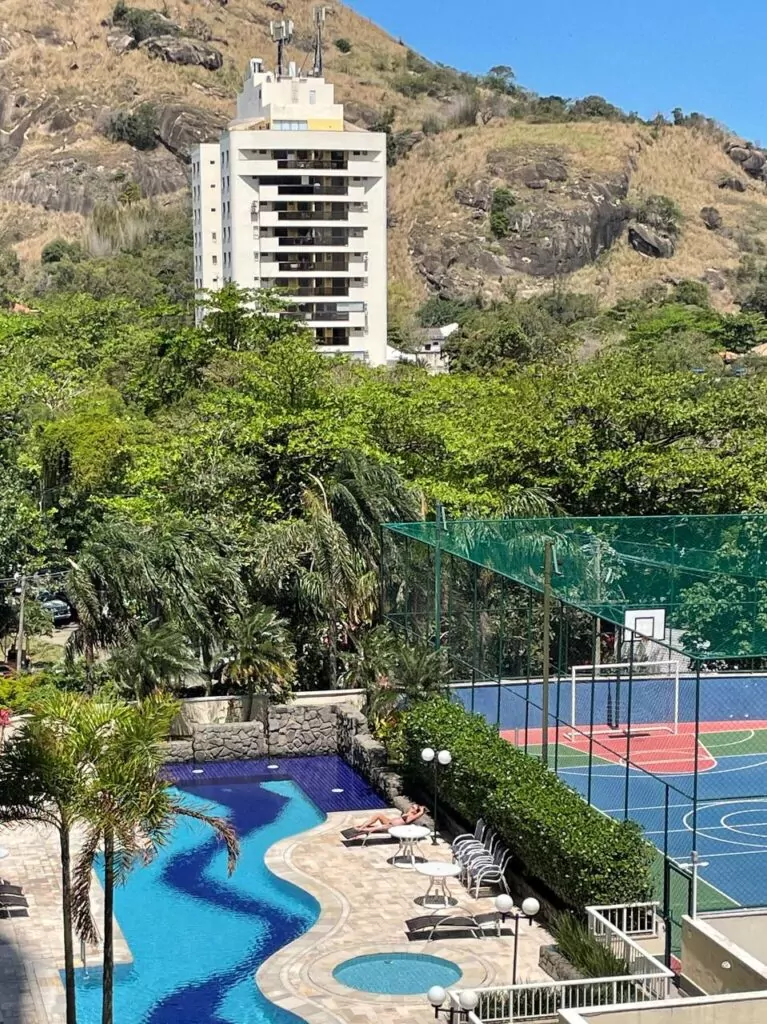
Grandparents were also included in the birth certificate, so now they have a lifelong right to a residence permit. The territory of the residential complex in which we live is protected. There is a swimming pool, a gym, a children's and playroom, a banquet hall and even a barbecue area. We pay up to $1,000 in rent, utilities and property taxes. For that price in Batumi you could only rent a two-room apartment in an ordinary house without infrastructure.
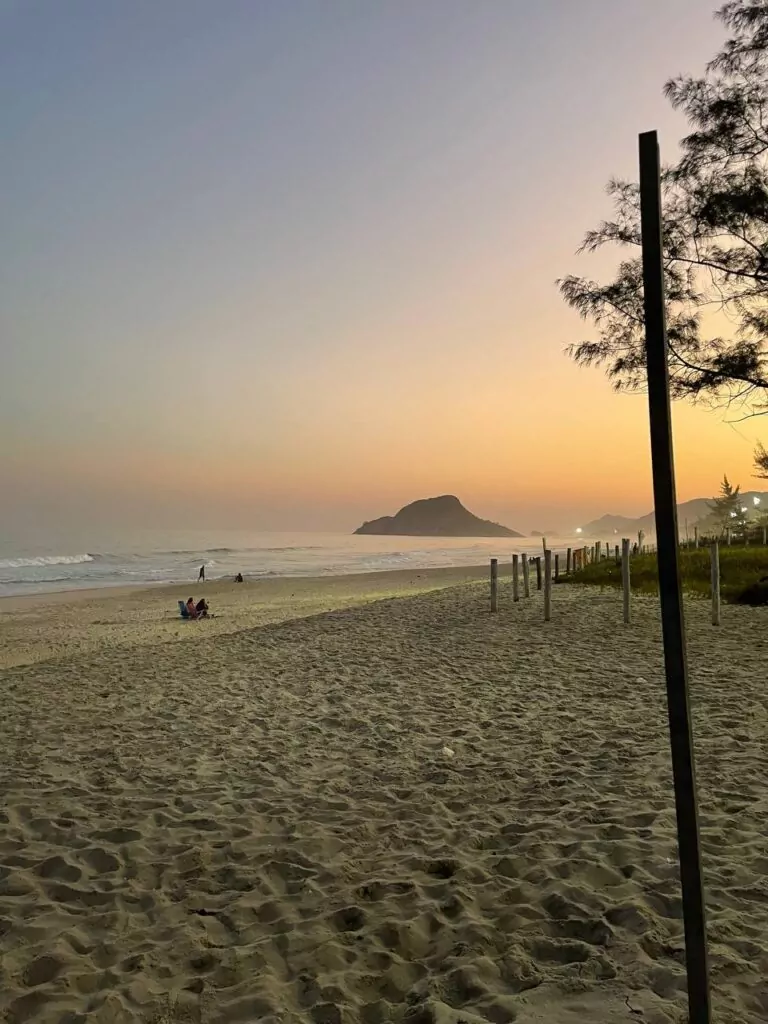
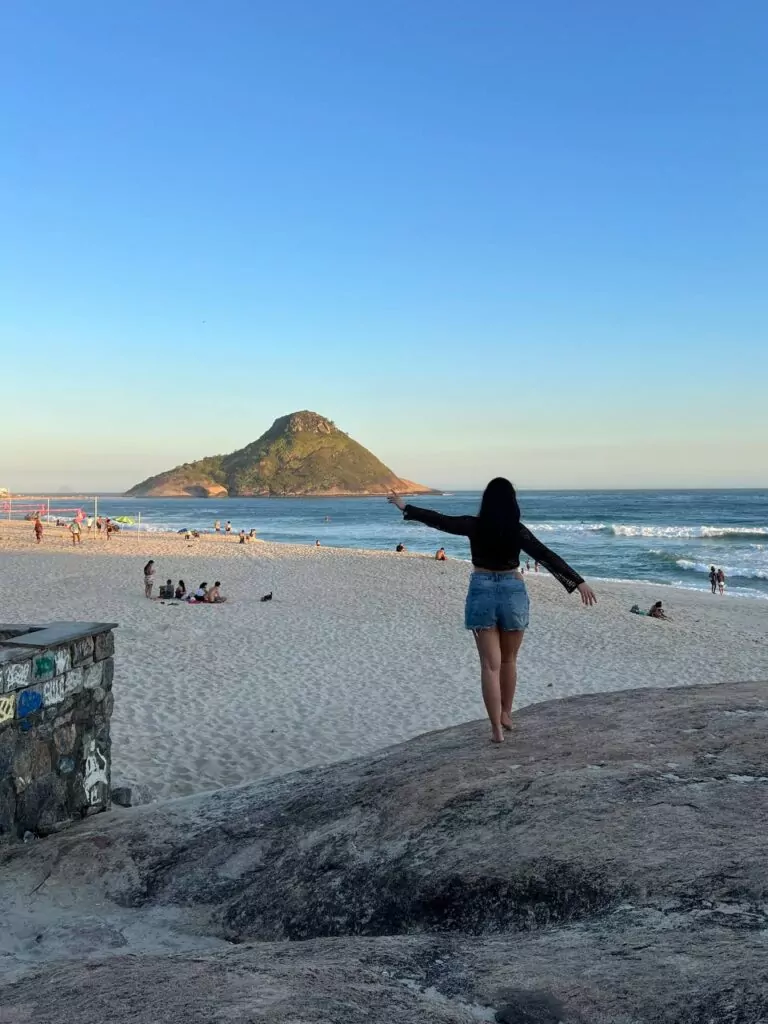
Next to our residential complex there is a small shopping center that has everything you need - clothes and groceries. In addition, the ocean is within walking distance from the house, and we often go for walks there. The TV series " Clone " was filmed on this beach. The only negative is that it takes us about an hour to get to the center by car or about two by public transport.
Dear doctors and medicines strictly according to prescription
Almost immediately after moving, we began planning the birth. Here, as in Russia, there is a system of free medical insurance, including for tourists. Therefore, we registered at a regular district clinic at our place of residence. For comparison, we went to an appointment both there and at a private clinic and realized that there was no point in giving birth in a paid maternity hospital. We would only pay for more comfortable accommodation in a single room, but the quality of medicine and the approach of the doctors here are the same.
In addition, I learned that in Brazil they practice more natural childbirth without any interventions or manipulations that speed up the process. This format suited me, since after my illness I was not even recommended epidural anesthesia.
It seems to me that local medicine is on the same level as Russian medicine. Only here they are much stricter about examinations and medications. To undergo any tests, you must get a referral, and antibiotics can only be purchased with a prescription. This is done to prevent people from self-medicating.
When registering me at the hospital, they had to check all the data very carefully so that they did not make mistakes in the database - Russian names are difficult for them. After all the formalities, my husband and I were assigned to a ward where there was another couple.
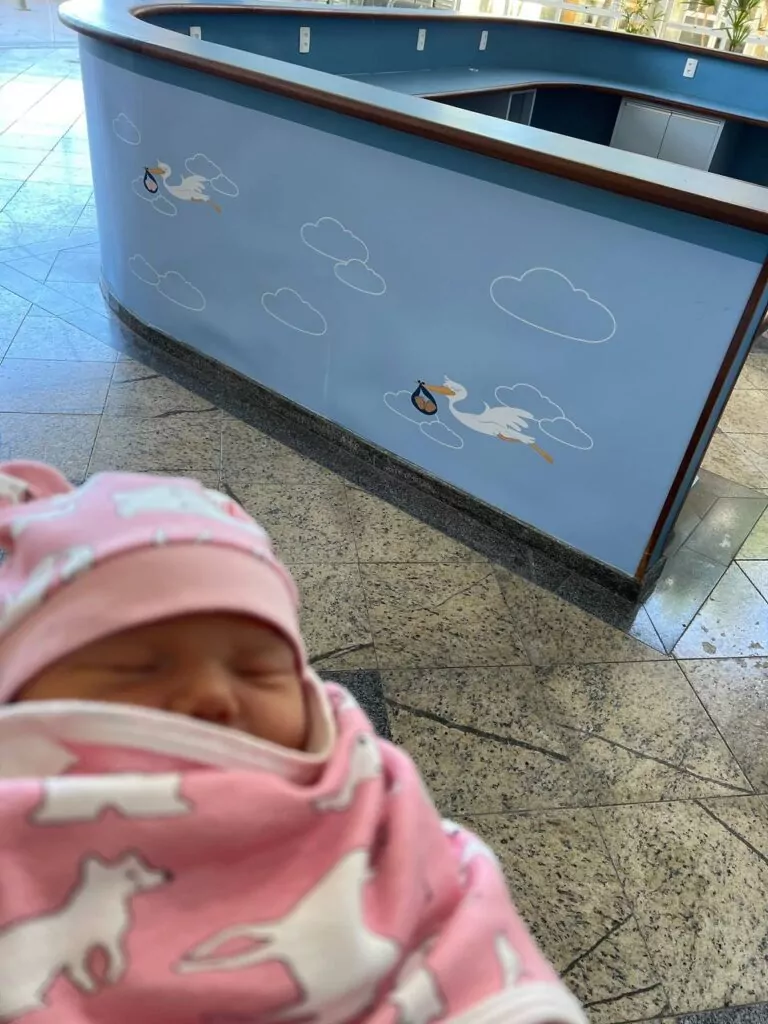
In Brazil, a woman must always have an accompanying person (friend, mother, spouse) during childbirth. My husband was even given a place to sleep on a folding chair. After checking into the room, a nutritionist immediately came to me and asked if I had allergies or dietary restrictions. The hospital had delicious food: rice, beans, stew, buns, cocoa, coffee.
When labor began, my husband and I were sent to the delivery room, and 16 hours later our daughter was born. The doctors and midwives were incredibly nice and overall I really enjoyed my experience at the hospital.
After some time, the daughter received a birth certificate, and she automatically became a Brazilian citizen. Not only my husband and I were included in it, but even our parents, that is, grandparents. Therefore, now they also have a lifelong right to a residence permit in Brazil.
The next step is to get a passport for your daughter. So far we have only booked appointments for February, as there were no places available before that. Next, after our daughter, we will receive a residence permit and a year after that we will be able to apply for citizenship. To do this, you will need to pass the Portuguese languageexam at level A2. Moreover, during this period it will be possible to safely leave Brazil.
However, Brazil also has a bureaucracy, and here you can wait a long time for your appointment and documents. When we finally get a residence permit, we will be able to open a bank account. However, I can’t say that it’s somehow difficult for us to live without this: our Georgian cards work here.
Crocodiles near the house
The climate in Brazil cannot be compared with anything: in August, when it was winter here, the temperature reached at least +19 °C. Local residents wore down jackets because it was cold for them. Now it’s summer here, and we are very hot: the temperature does not drop below +25 °C even at night. The apartment has air conditioning 24/7, and we try to go out less often because the child overheats a lot.
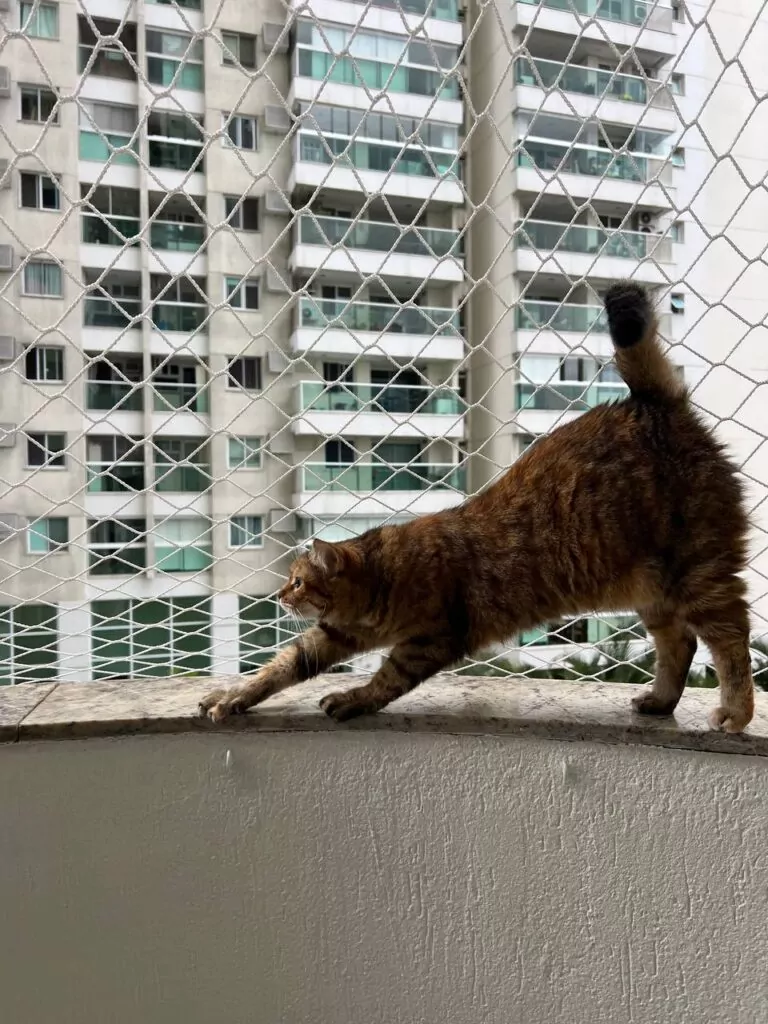
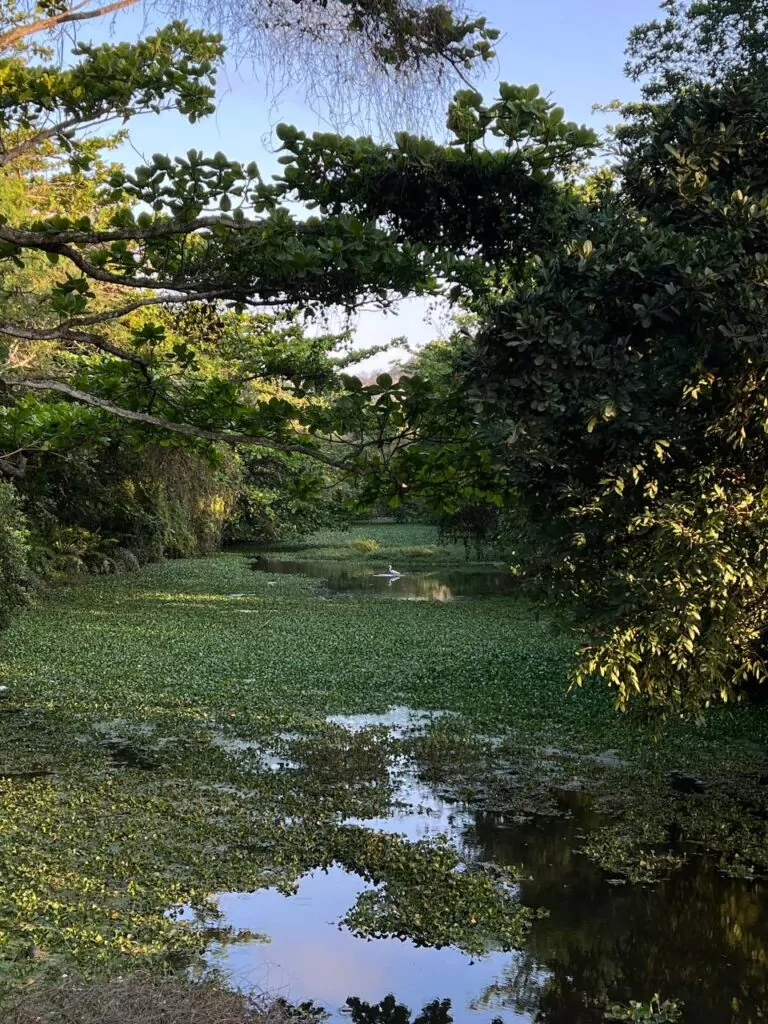
The city has quite a diverse flora and fauna, for example, herons, capybaras and monkeys live in our area. Wicker mesh is often hung on the windows to prevent monkeys from entering the apartment. Once we found a canal under one house with caimans (crocodiles. - Kholoda’s note) . We were so impressed that we went there every day to check how they were doing. Unlike Georgia, there are no stray dogs here: they treat pets very kindly, they even carry their dogs in strollers.
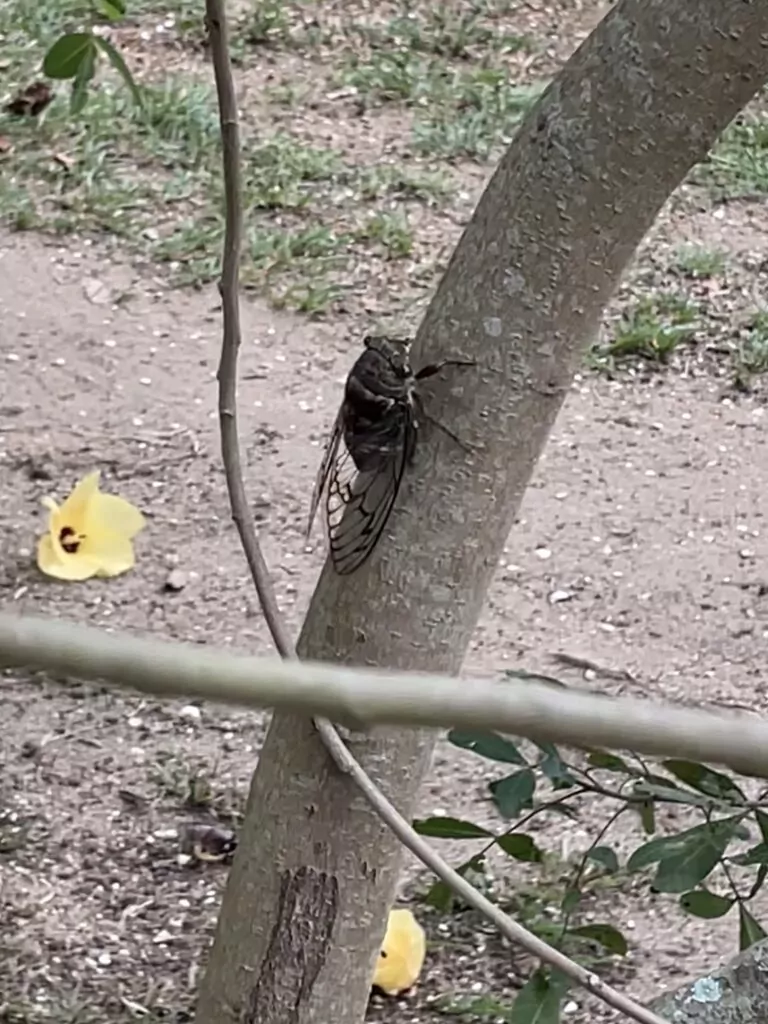
However, geckos often run around in apartments, and huge insects fly onto balconies. One day I saw a giant cicada on the loggia and was terribly scared. But what really annoys me about Brazil is the mosquitoes. They are everywhere, especially in the evenings.
Rio seems like a very green city - there are palm trees everywhere. But we haven’t had time to get to know it well yet: if we go to the center, it’s usually only on business - to the consulate or the migration police, so we haven’t even gotten to the Statue of Christ the Redeemer yet.
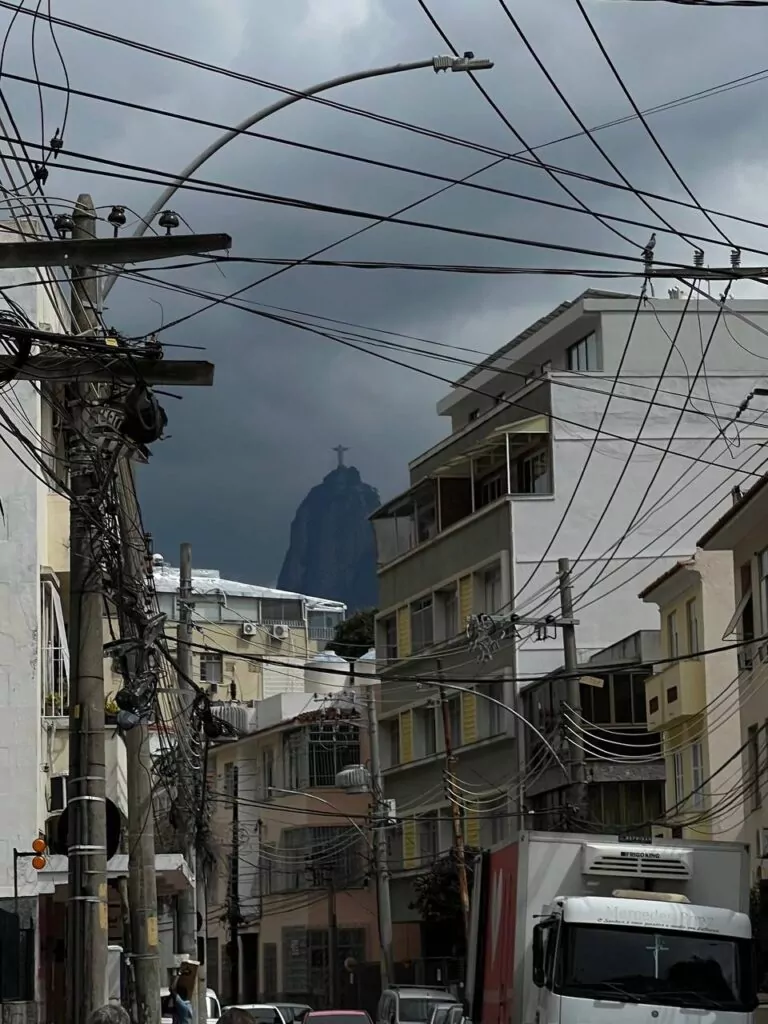
Brazil is famous for its favelas - these are slums where houses are built very chaotically and often illegally. When we moved here, we knew that crime rates were high in these areas. I would like to go on a tour of the favela because it has incredible views of the city and the ocean. I doubt that anyone will touch me there if I don’t get involved in drug cartel disputes . But in general we just try not to go out at night, and we haven’t had any problems anywhere.
Inexpensive, convenient and tasty
I like public transport: the bus from home to the metro runs on a dedicated line, so everything is fast. But we still take a taxi because it is relatively inexpensive. For an hour-long trip to the center during off-peak hours, you can pay about $14. Drivers on the roads drive calmly, which is especially striking after Georgia.
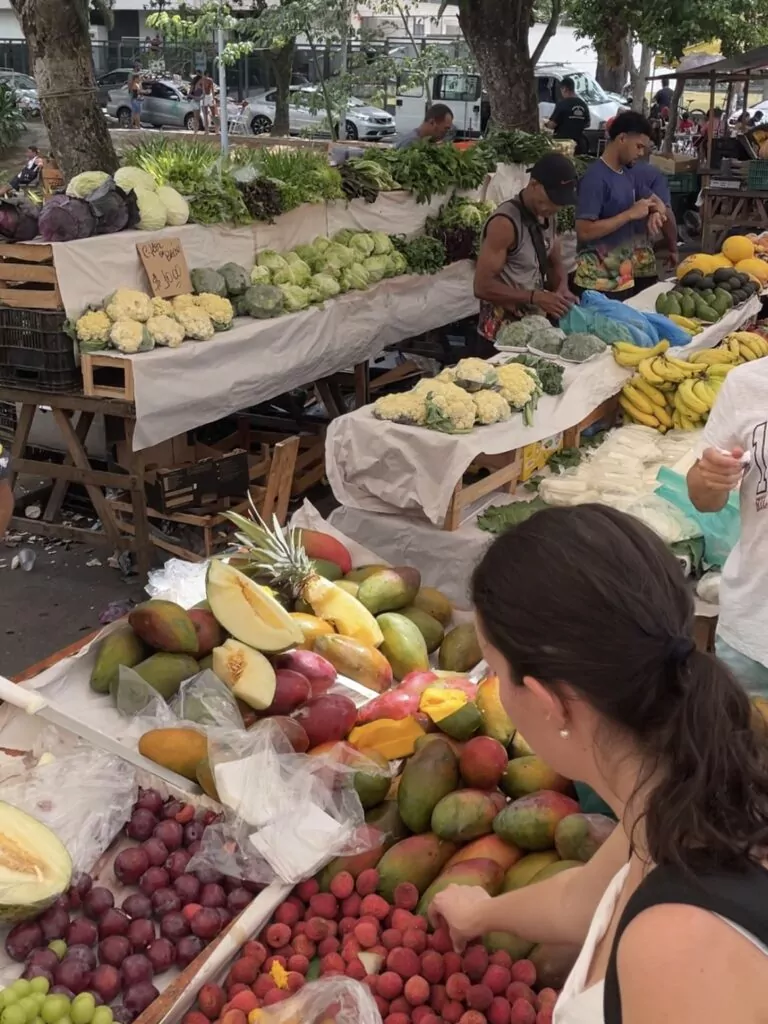
Delivery is well developed in Rio. Here you can order groceries, ready-made food, and goods from marketplaces. There is an excellent selection of products: a lot of fish, seafood, meat, fruits and vegetables. Moreover, they cost us much less than in Georgia. We often go to the weekend fair in the park: vegetables and fruits there are even cheaper than in the store. We rarely go to restaurants, but they didn’t seem very expensive to us either.
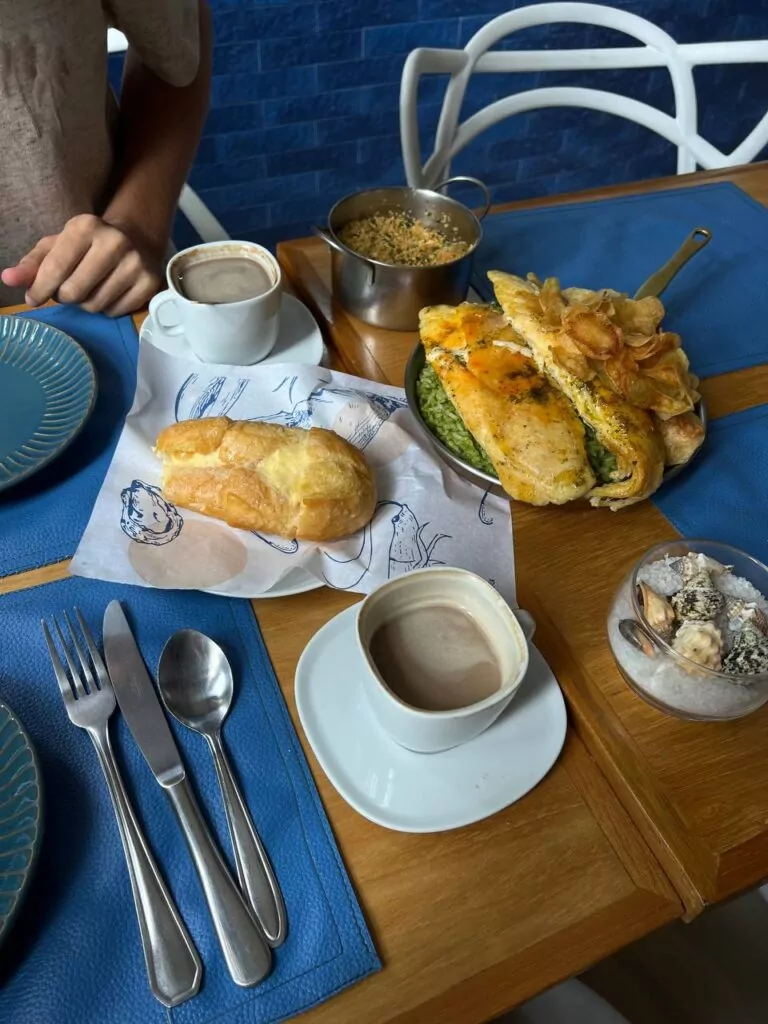
Little has changed in our diet, except that we began to eat more vegetables and fruits. I often cook familiar dishes: borscht and dumplings. Among the local dishes, we were very surprised by “farofa” - this is flour fried in oil, to which bananas are sometimes added. It is eaten with absolutely everything as a side dish, mixed with rice and beans, and sprinkled on meat.
In general, people in Brazil love meat very much. A popular dish is churrasco (one might say shish kebab). In addition, at fairs we often buy cochinha - this is a ball of chopped chicken and cream cheese breaded. Very fatty, but tasty. There is something similar with shrimp, fish and just cheese. There are also very sweet desserts here - even I, who have a sweet tooth, find it difficult to eat them because my cheekbones cramp. It's no surprise that there are dentists on every corner.
"How are you"
The main advantage of Brazil for me is its friendly and helpful people. They are interested in migrants, always smiling, asking how you are doing. My husband and I seem strange compared to them, because we are not used to communicating with strangers this way. Here, even when you make an appointment with a doctor online, you also ask “how are you doing” - this is a kind of etiquette. In addition, they seem to treat people more humanely here. For example, stores have cash registers for pensioners, pregnant women and people with disabilities.
In Brazil they speak a local version of Portuguese, which neither my husband nor I, unfortunately, know yet. However, everyone understands this. For many, it is quite normal to communicate through a translator, and I have never seen anyone roll their eyes at our lack of knowledge of the language.
We are trying to learn Portuguese. I study on the Duolingo app and I really like it: it contains vocabulary that can be used in everyday life. But the Brazilians in Rio have their own dialect - they are very “shocking”, much like in Rostov, so it is not always clear what exactly they are talking about.
Many people here speak English, so in general we didn’t have any problems with communication. Vitaly works as an English teacher. I have not yet resumed work in the beauty industry, as I am taking care of my daughter, but I am already seeing requests for such services.
The Russian-speaking community here is not as huge as in Georgia. From time to time the guys organize some kind of meetings, but so far we have not had the opportunity to go. Often on the street people will come up and say “hi” - this is also a good way to meet someone. My husband and I also started communicating with a Brazilian couple when we were in the maternity hospital, and even went for a walk with them.
We really want to travel around Brazil, but it’s difficult with a small child. For us, parenthood turned out to be a test of strength, because we are in a foreign country without knowledge of the language and relatives who could help. I hope that sooner or later our family and friends will still be able to reach us.
We've been here for five months now and I don't think we've adapted. In Georgia this was easier because of the language and proximity to Russia. But when we receive citizenship, more than 160 countries will be open to us. In the future, maybe we will want to live somewhere else. For example, in India, China, South Korea or even Australia.
Photo: Getty Images
Author: Daria Morozova