
Translated material
“The Oligarch and the Art Dealer” - a documentary series about billionaire Dmitry Rybolovlev and art seller Yves Bouvier was shown at Sundance.
If Ocean's 11 were real
The Sundance Film Festival is in Utah for the last time in history (it's moving to Colorado next year). There, the pilot episode of the documentary series “The Oligarch and the Art Dealer” premiered, about the rift between Russian billionaire Dmitry Rybolovlev and Yves Bouvier, who bought art for him. The dealer sold paintings to Rybolovlev at inflated prices and earned one billion dollars from these transactions - the businessman sued him in Singapore, Hong Kong, New York, Monaco and Geneva. But the dealer claims he was misunderstood and the oligarch needlessly destroyed his reputation. Film critic Elena Smolina tells more about the first episode of the project.
What is this? We remind you
Former owner of Uralkali, one of the richest businessmen in Russia and owner of the Monaco football club, Dmitry Rybolovlev, is the owner of an impressive art collection among Russian entrepreneurs.
In 2015, it became known that Rybolovlev’s art dealer Yves Bouvier was selling him paintings at a price other than what they were worth, inflating the cost by tens of millions of dollars. Bouvier was also suspected of selling stolen goods - at least that’s what Pablo Picasso’s heirs said.
Ultimately, Rybolovlev accused Bouvier of inflating the value of 38 works of art, including paintings by Leonardo da Vinci, Mark Rothko, Pablo Picasso and Paul Gauguin. Over the course of ten years, the businessman paid two billion dollars for the works of art.
In 2021, the Geneva prosecutor's office decided to close the case based on Rybolovlev's statement against Bouvier.
In addition to Bouvier himself, Rybolovlev, in particular, accused the Sotheby's auction house of colluding with the dealer. The subject of the dispute was a deal in 2013, when Bouvier sold Rybolovlev the painting “Salvator Mundi,” attributed to Leonardo da Vinci, for $127.5 million. Bouvier himself, according to court documents, bought the painting from Sotheby's for $83 million the day before he sold it to Rybolovlev. In 2024, a jury in New York sided with Sotheby's and rejected the billionaire's claim.
Rybolovlev sold “Savior of the World” at Christie’s in 2017 for $450.3 million, which then became a record auction price for an object of art.
The businessman himself was also accused of corruption and influence trading in 2018 - he allegedly tried to influence the court in order to prosecute Bouvier. He was questioned and charged in a Monaco court, but was subsequently released from custody.
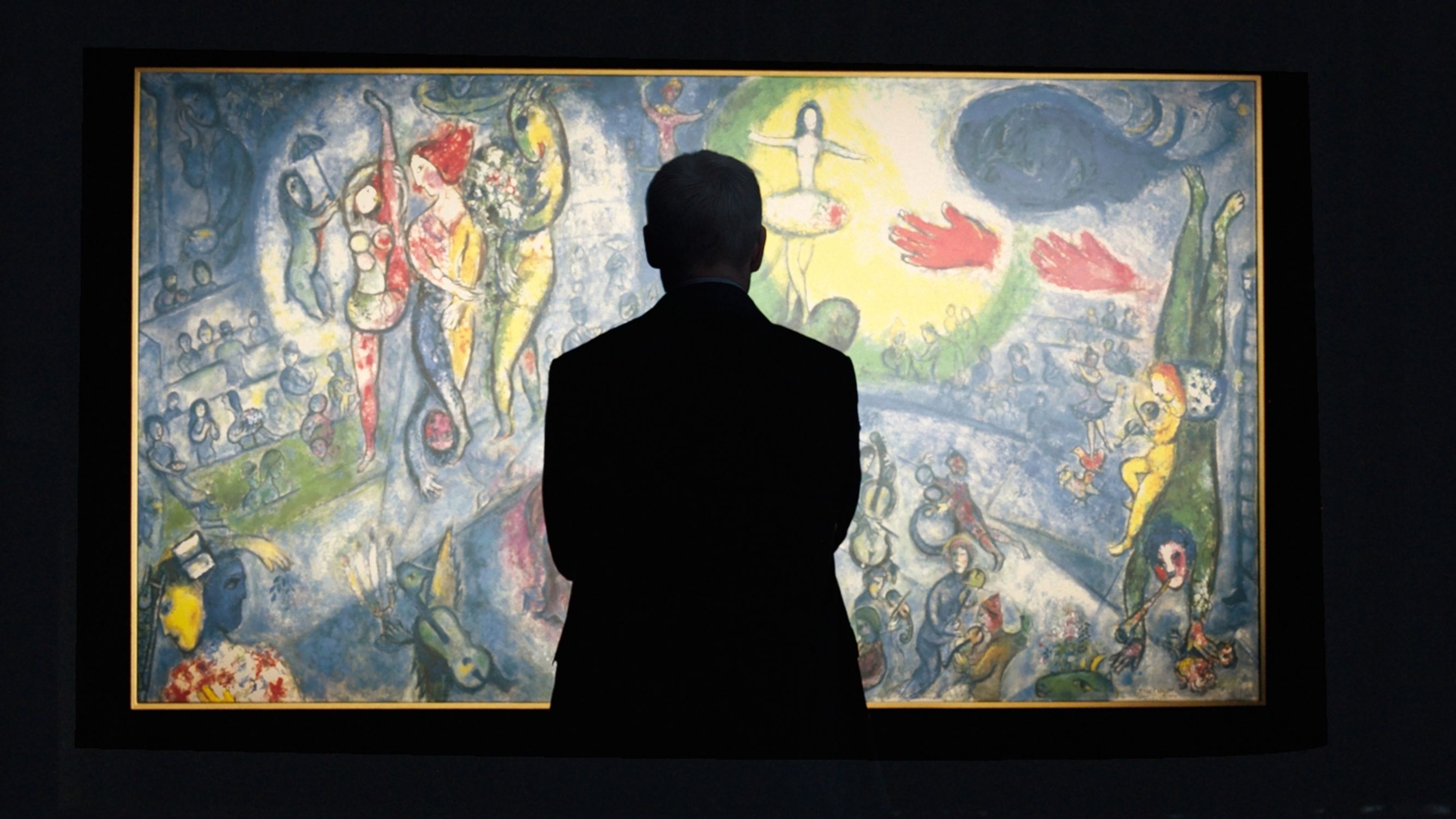
The first thing we see in the pilot of Danish Andreas Dalsgard's exciting documentary art investigation is the back of the main character, art dealer Yves Bouvier, looking at a Mark Rothko painting.
The figure of Bouvier, like the rest of the interior, is immersed in twilight. Warm directional light snatches out of the darkness only Rothko's magical color stripes. Later in the film, Bouvier will explain how important it is to show the painting correctly to the client: how high to hang it, how to light it, where the client should stand. And if, when seeing the paintings of Chagall, Van Gogh or Klimt, that same sparkle appears in the eyes of a potential buyer, the art dealer will understand: now the price does not matter.
“This painting doesn’t really have a price,” Bouvier says several times about Gustav Klimt’s beautiful “Water Snakes II.” Words that would sound not only fair, but also touching, if someone else said them. But in the case of Bouvier, this means something slightly different: at the Sotheby’s auction, the dealer bought a Klimt painting for 126 million dollars, and then sold it to Dmitry Rybolovlev for 183. In this context, the difference in price, of course, really looks like a relative category.
_-_1904.jpeg)
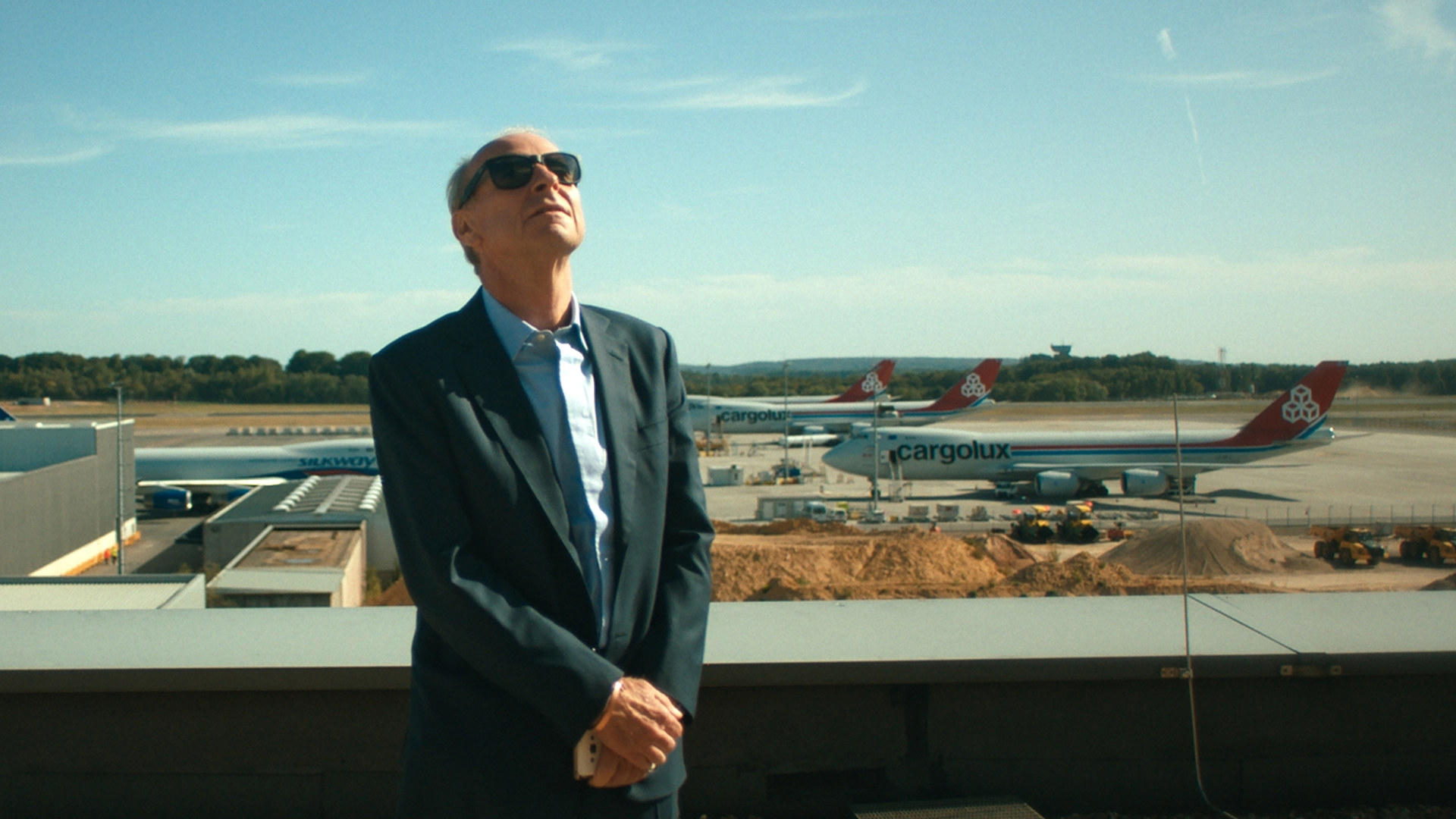
Over the course of 10 years, Bouvier sold Rybolovlev works of art worth two billion dollars. But it was precisely after Klimt that these business relationships ended: Bouvier presented Rybolovlev with a Sotheby’s certificate valuing the painting at 180 million, but then Austrian newspapers wrote that the painting was sold at auction for about 120. The oligarch’s trust was lost (Rybolovlev also sued the auction house, but lost).
Rybolovlev’s side claims that Bouvier secretly worked for a commission (2% of each closed transaction), but the client did not know about the huge markup: four million dollars for Van Gogh, 25.9 for Monet, nine for Picasso. In the series, Bouvier says: “He knew that I was an art dealer, not an agent,” and even goes further: “It is he who should go to prison or the Gulag, not me.”
The first episode of the project tells how it all began. In 2002, Rybolovlev bought the painting “The Great Circus” by Marc Chagall. At the Geneva Freeport - a legendary vault that experts in the film call the world's most impressive museum, which may well contain stolen goods - the billionaire discovered that his new Chagall did not have a certificate of authenticity. The owner of the storage facility, Swiss Yves Bouvier, volunteered to help. And indeed, he soon obtained a certificate from the previous owner of the canvas.
Rybolovlev was impressed by Bouvier’s connections in the art world (as it turned out later, Bouvier knew the owner Chagall through one of his companies). Since then, the owner of the famous warehouse has become a cosmically successful art dealer - until a dispute with an entrepreneur tarnished his reputation.
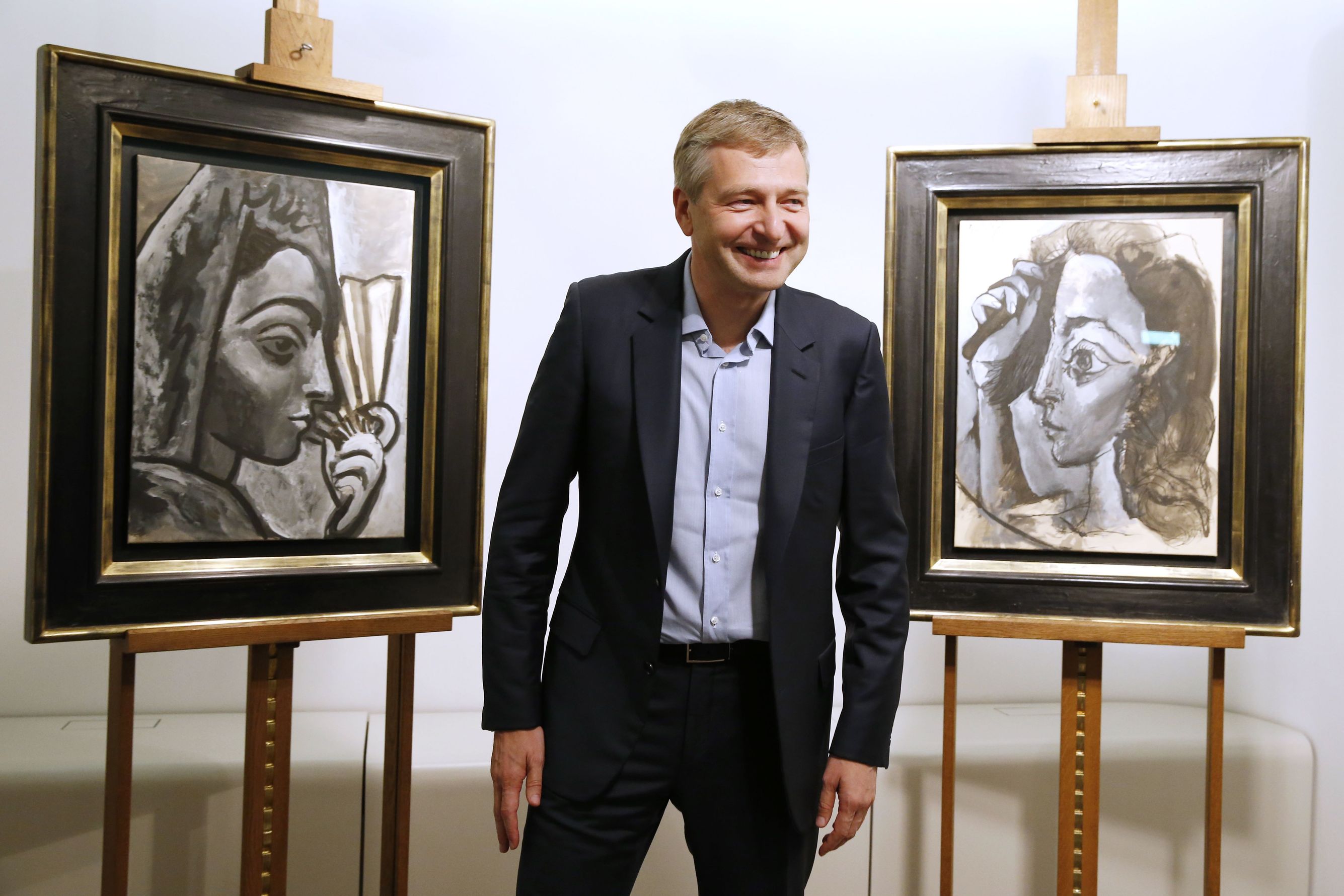
Rybolovlev, who rarely appears in public, did not participate in the filming - his side of the story is represented by a lawyer and a financial director. But Dalsgård’s project contains a surprising amount of Bouvier himself—this is a major directorial success and an absolutely mesmerizing spectacle. The dealer does not show all his cards, but still tells enough for us to understand that this is a character suitable for Maupassant or Thomas Mann. Such a hero would definitely be included in the literary canon of texts about swindlers, opportunists and other swindlers. Perhaps this is why Dalsgard's series in some places resembles both Donna Tartt's The Goldfinch and Steven Soderbergh's Ocean's Eleven.
But the director goes further and shows a world unknown to us, in which money appears by itself, as if it were carved with the hoof of the Golden Antelope. For example, one of the characters, the wife of a dentist who treated Rybolovlev’s wife, received a commission of $100 million from Bouvier simply because she introduced the dealer to the businessman’s family.
In the series, writer Oliver Bullough, author of the book “Land of Money: The Secret History of the Crooks and Kleptocrats Who Rule the World,” who also lived in Russia, talks about this parallel reality - the world of offshores, freeports, schemes, commissions. Dalsgard's series touches on the history of our country tangentially, but still suggests the following idea: in the 1990s and 2000s, Russia was a rare place where the border between two worlds - simple and luxurious - was permeable. In the "Land of Money" someone could quickly become an oligarch - and turn someone into the most scandalous art dealer in the world.
Elena Smolina