
Translated material
"Pretrial Detention Center No. 1. The best place to stay"
Lev Shlosberg* - about people in prison

Photo: Andrey Bratko / Kommersant
18+. THIS MATERIAL (INFORMATION) IS PRODUCED, DISTRIBUTED AND (OR) SENT BY FOREIGN AGENT SHLOSBERG LEV MARKOVITCH OR CONCERNES THE ACTIVITIES OF FOREIGN AGENT SHLOSBERG LEV MARKOVITCH.
All people in prison - both prisoners and staff - are deprived of their freedom. Including freedom to communicate with people at will. If you ask every person in prison with whom he would like to communicate in life, then, most likely, no one - not a single prisoner, not a single employee - would choose those with whom he is forced to be close around the clock.
A prison is a dormitory for people who meet involuntarily. They cannot avoid communicating with each other - without being family and friends, never striving to meet each other and spend the time of their lives next to each other. Prison is unfreedom for everyone who enters its territory. Anyone who crosses the prison border ends up in unfreedom.
People in prison are wary and suspicious of each other. A person in prison is unknown, incomprehensible to another person in prison and therefore a source of danger. No one knows each other until they meet in prison, and the first meetings do not clarify anything.
Prison brings people together against their will, without any connection with their past and future. Prison is only a continuous present, the duration of which can vary depending on the circumstances.
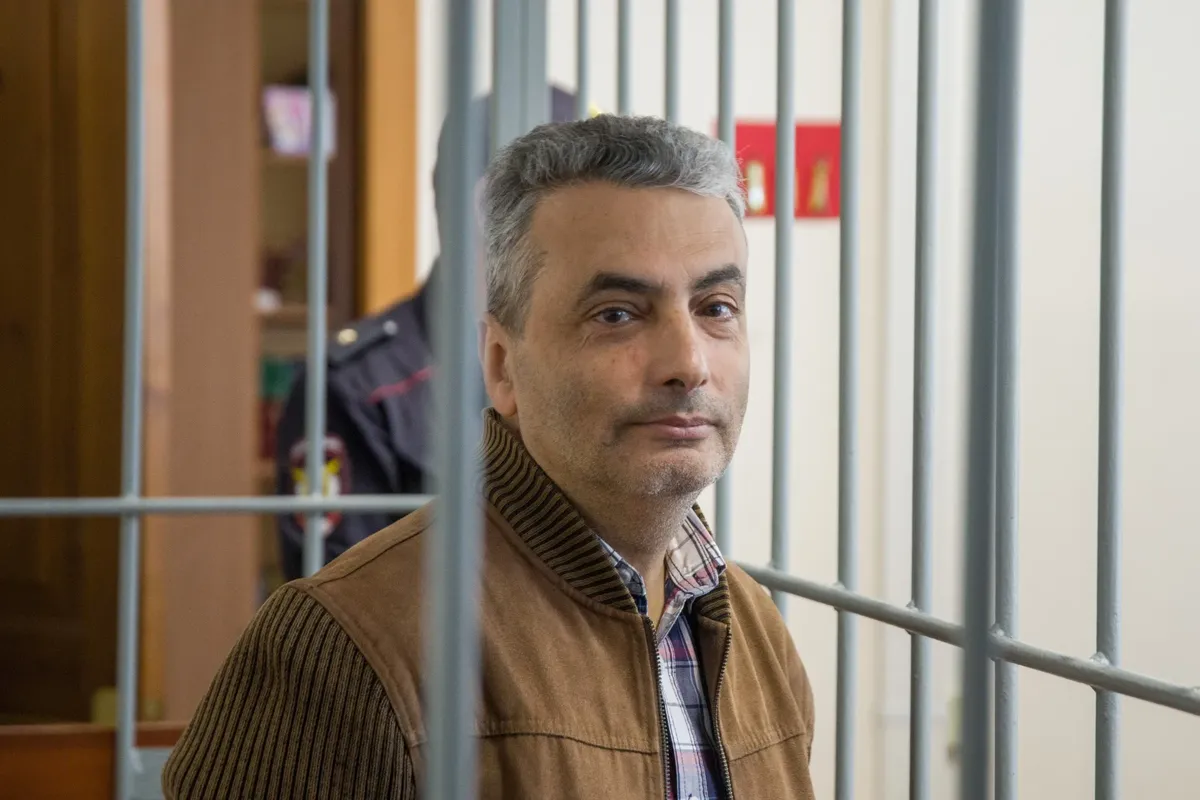
At the same time, prison pushes people towards each other. People in prison cannot avoid communication - prisoners and employees are bound by rules, routines, and the need to perform mandatory actions that no one - neither prisoner nor employee - can perform alone, only together. Every step of a person imprisoned is accompanied by a person working in the prison. People are connected by one chain without being bound by one goal.
From the first minute of meeting they look at each other. They look at faces. They look into the eyes. They are trying to understand who is in front of them, what to expect from this person, what to fear, what troubles he can bring. The staff look at the prisoners. The prisoners look at the staff.
A man imprisoned is trying to understand who is now surrounding him. This is the look of hostility. Here is a look of curiosity, even interest. Here's a look of irritation. That's an evil look. Here - indifferent. Here's a look of sympathy. You can't hide your eyes, your eyes always speak.
The very first way to understand how a person in prison perceives you is to smile at him. A smile is my signal of goodwill: “I am human. I'm not dangerous. Don't be afraid of me."
People in prison, as a rule, do not smile. To receive even a shadow of a smile in response means to receive a response signal: “I am also a human being. I see that you are human. Don't be afraid of me."
Sooner or later (usually sooner) people in prison start talking to each other. So, according to the rules, everyone should say hello, but they don’t particularly monitor this, except in cases of mandatory presentation of prisoners to the authorities of the pre-trial detention center and to the authorities supervising the pre-trial detention center when the latter enters the cell.
But if you find yourself part of a prison dormitory, you must decide for yourself who you are in this dormitory, where you are placed against your will - are you a cell number, one unit of a prisoner, or are you here, in prison, first and foremost a person. And if you are a person, you begin to communicate, build relationships with people whose tasks are to guard and control you, every step you take.
Communication in prison is initially strictly functional. Morning and evening checks. Distribution of food through the “feeding trough” in the cell door and return of dishes. Going out for a walk and returning from a walk. Exit to the bathhouse and return from the bathhouse. The searches here are routine. Going out on a meeting with a lawyer or investigative actions and returning back. Receiving letters and sending them your own. Submission of applications and receipt of receipt of court documents, transfers and purchases in the store.
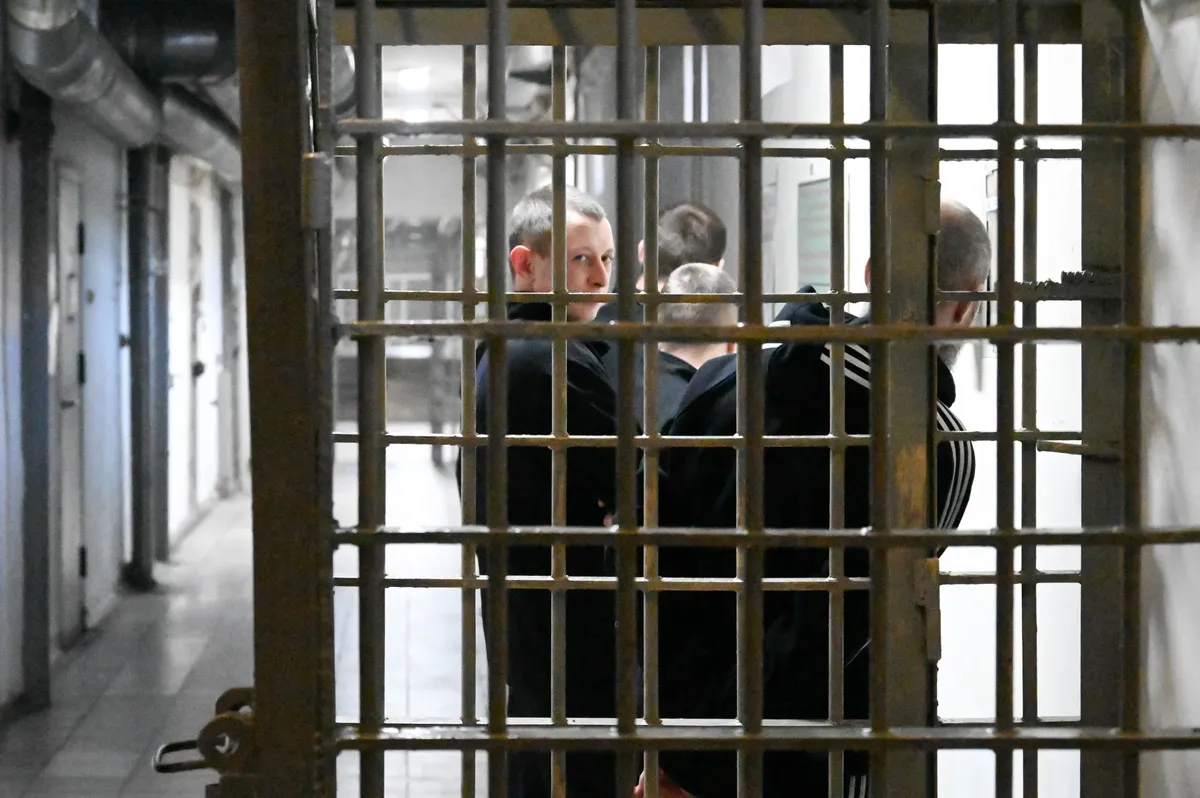
Each such action is a contact between person and person. You can say “good afternoon”, or not. You can say “thank you” and even “thank you very much”, or you don’t have to say it. You can say that there was something pleasant in the food, you don't have to say. You can wish Happy New Year, or not. You can say goodnight at the evening check, or you can not. In a word, you can show that you see people as people, or you don’t have to show it. It's your personal choice.
Sooner or later you will find out the names of the people who work in the prison. Chiefs - from the list on the wall of the cell. You hear someone's name in the roll call between employees. You ask someone yourself on occasion. And there is an opportunity to say: “Good morning, Victor.” “Thank you very much, Alexey.” And hear in response: “Good health.” “How are you doing?” - “I'm fine, thank you.”
The greatest risk facing people in prison is the risk of dehumanization. If you don’t see a person in front of you, you drown out the humanity in yourself. And you deprive yourself of humanity in return.
Humanizing relationships between people in prison is, first of all, preserving the human in oneself, preserving oneself in a human state. You can’t get angry, you can’t hate people, you can’t dehumanize. Preserving humanity in prison means preserving dignity: both in prisoners and in prison staff. Maintaining dignity gives people respect for each other.
One of the signs of humanity is a sense of humor. In fact, there are few reasons for jokes in prison; the place itself is not funny. But, as they say in the classics, there is always a place for humor in life.
Employees discuss a complimentary review of a pre-trial detention center by a public figure recently released from prison. The officer listens to the conversation of his colleagues and says: “Recommendation from TripAdvisor: Detention Center No. 1. The best place in Pskov to stay.” Positively, some of these guys have a sense of humor. This means they have not become dehumanized.
A prison in an unfree society is a symbolic place. Alexander Isaevich Solzhenitsyn called the country surrounding him the Great Zone. The larger contained the smaller.
Relations between people bound by involuntary commitment are in fact permeated by an instinctive desire for personal freedom, which for many people in prison - both prisoners and employees - remains unaccountable, deeply internal, muffled. But alive, real, tangible.
In a country stricken by inequality and acute disagreement between some people and others, which has not yet found a civilized outlet to the civil world, the search for understanding between people who are in unfreedom can be an important experience.
The experience of preserving humanity in prison can lead society away from the abyss of civil war, when, destroying the world of unfreedom, people will not be able to avoid the temptation of hatred, will not stop in the face of violence, will lose the humanity in themselves, will not see people as people.
The temptation of hatred can destroy future freedom. People who have been through prison and who remain in prison as human beings are able to endure, grow, and preserve freedom for all.
Pskov Prison Castle