
Translated material
War
One thousand four hundred and forty first day. Russia dealt the most powerful blow to Ukraine's energy system since the beginning of the year. Zelensky said this will affect the negotiations, which are due to continue tomorrow
Since February 24, 2022, Meduza has been broadcasting live about the Russian-Ukrainian war. We publish your letters every day because we are sure that we need to continue talking about the war. Share with us your thoughts about the war. What feelings are you experiencing? How does war affect your life and your attitude towards the world? If you have a story related to the war, tell it . The feedback form is at the end of this article. A review of the previous day can be read here .
Ukraine
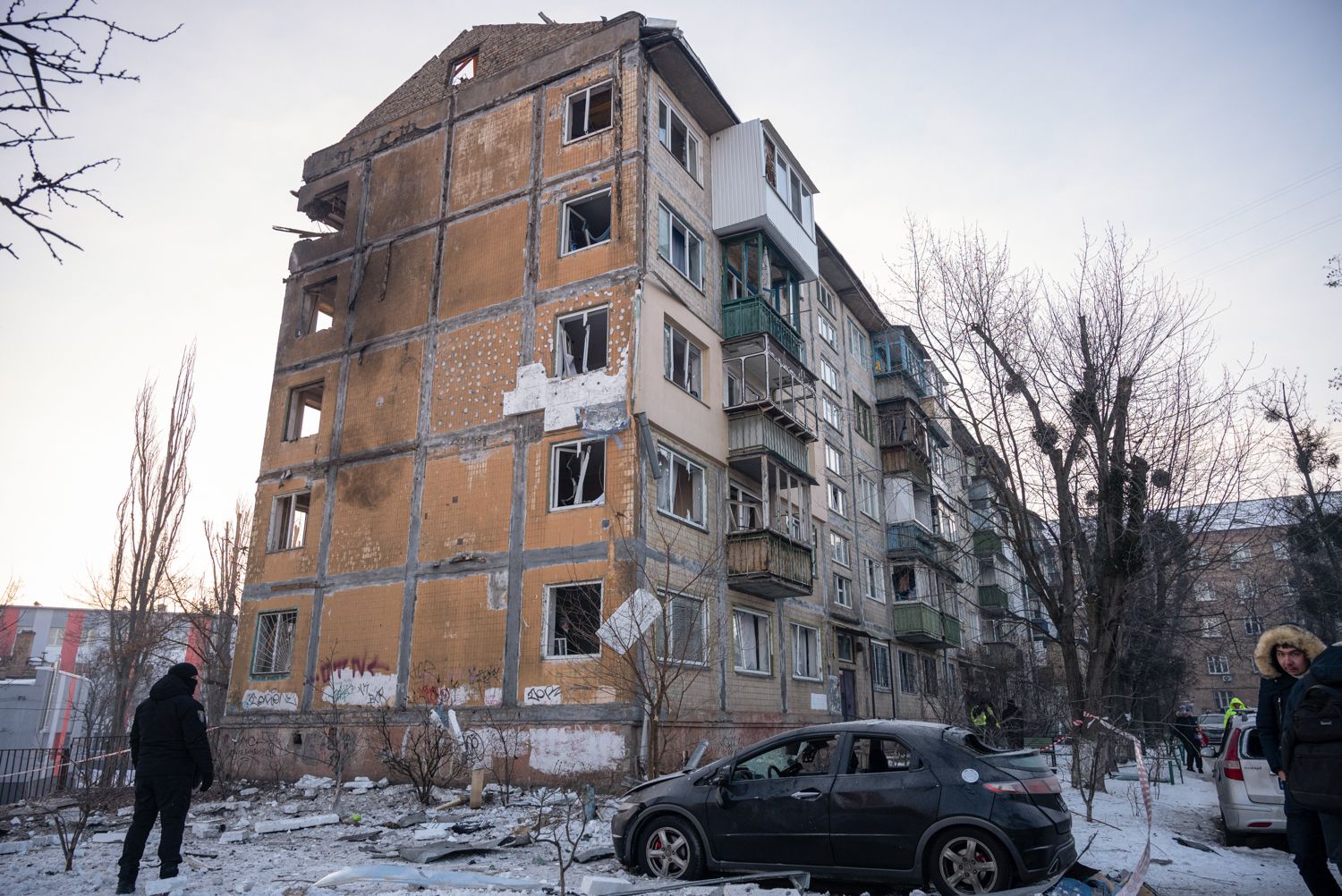
The Russian military attacked Ukrainian cities overnight using missiles and drones. The main target of the attack, Ukrainian authorities reported, was critical infrastructure, in particular energy facilities. The main directions of attacks were Kiev, Kharkov, Odessa, Dnepropetrovsk and Vinnytsia regions, said Ukrainian Armed Forces spokesman Yuriy Ignat.
He noted that Russia used “very, very much ballistics,” launching more than 70 missiles that fly on a ballistic trajectory. Such missiles are more difficult to shoot down than cruise missiles or drones.
The Ukrainian energy holding DTEK called the attack on the energy infrastructure the most powerful since the beginning of the year. “The blows hit thermal power plants and thermal power plants that operated in heating mode in Kyiv, Kharkov and Dnieper. In particular, thermal power plants were badly damaged,” the company noted.
In Kyiv, emergency blackouts were introduced due to the attack. Darnytskyi and Dniprovsky districts were mostly left without heat, said the head of the city, Vitaliy Klitschko. As of morning, 1,170 multi-storey residential buildings remained without heat supply throughout the city.
The new Russian attack occurred against the backdrop of increasing frosts in Ukraine: in Kyiv that night the temperature dropped to almost minus 20 degrees. Such frosts are expected to last at least until mid-week.
For several days, the Russian military refrained from massive attacks on the Ukrainian energy sector. As stated by the press secretary of the Russian President Dmitry Peskov, Vladimir Putin made this decision at the request of US President Donald Trump.
Last week, Peskov said that attacks on energy facilities would stop until February 1, but in the end, the actual “energy truce” lasted a day longer - on February 2, as Ukrainian President Vladimir Zelensky confirmed , no targeted large-scale attacks on energy facilities were recorded.
The “energy truce,” as Peskov emphasized, was announced to create “favorable conditions for negotiations in Abu Dhabi,” a new round of which was initially scheduled for February 1, and later postponed to February 4-5.
After today's strike, Zelensky said that the work of Ukrainian negotiators would be adjusted “accordingly.” He didn't specify what exactly he meant. “Every such blow from Russia confirms that the attitude in Moscow has not changed: they also count on war and the destruction of Ukraine and do not take diplomacy seriously,” the Ukrainian president said.
Zelensky also noted that the “week-long” cessation of strikes actually lasted only four days. “On the night of today, the Russians, in our opinion, broke their promise. That is, either Russia believes that there are four days in a week instead of seven, or they are betting on war. We believe that this Russian strike does violate what the American side agreed upon, and there must be consequences,” he said.
World
NATO Secretary General Mark Rutte spoke today at a meeting of the Verkhovna Rada in Kyiv. In his speech, he stated that immediately after the end of the war and the conclusion of a peace agreement, foreign military personnel would be brought into Ukraine.
“Once a peace agreement is reached, there will be military forces, aircraft in the air and support at sea from those in NATO who have agreed,” he said .
Rutte noted that a “coalition of the willing” had made progress on security guarantees for Ukraine in January, but did not reveal any new details about the content of those guarantees.
The Financial Times, citing sources, wrote that Ukraine, following consultations in December and January, agreed with the United States and Europe on a “coordinated military response” if Russia violates the ceasefire after the end of the war.
According to the publication, at the first stage, only the Ukrainian army will take “response actions” within 24 hours, and Russia will receive a demand from its allies through diplomatic channels to stop violating the peace agreement.
If this does not help, a second phase will begin, which involves the use of “coalition of the willing” forces (FT does not specify whether they will engage in direct combat with the Russian army). If the Russian attack continues, then within 72 hours a coordinated military response will follow with the participation of the United States.
The publication notes that ensuring a ceasefire is a critical point of the agreement. The Minsk agreements, concluded in 2014-2015 and ending the active phase of the conflict in Donbass at that time, did not provide for a mandate for retaliatory measures in case of their violation - the OSCE mission only recorded the relevant facts without taking any action. Because of this, the parties could virtually violate the ceasefire with impunity.
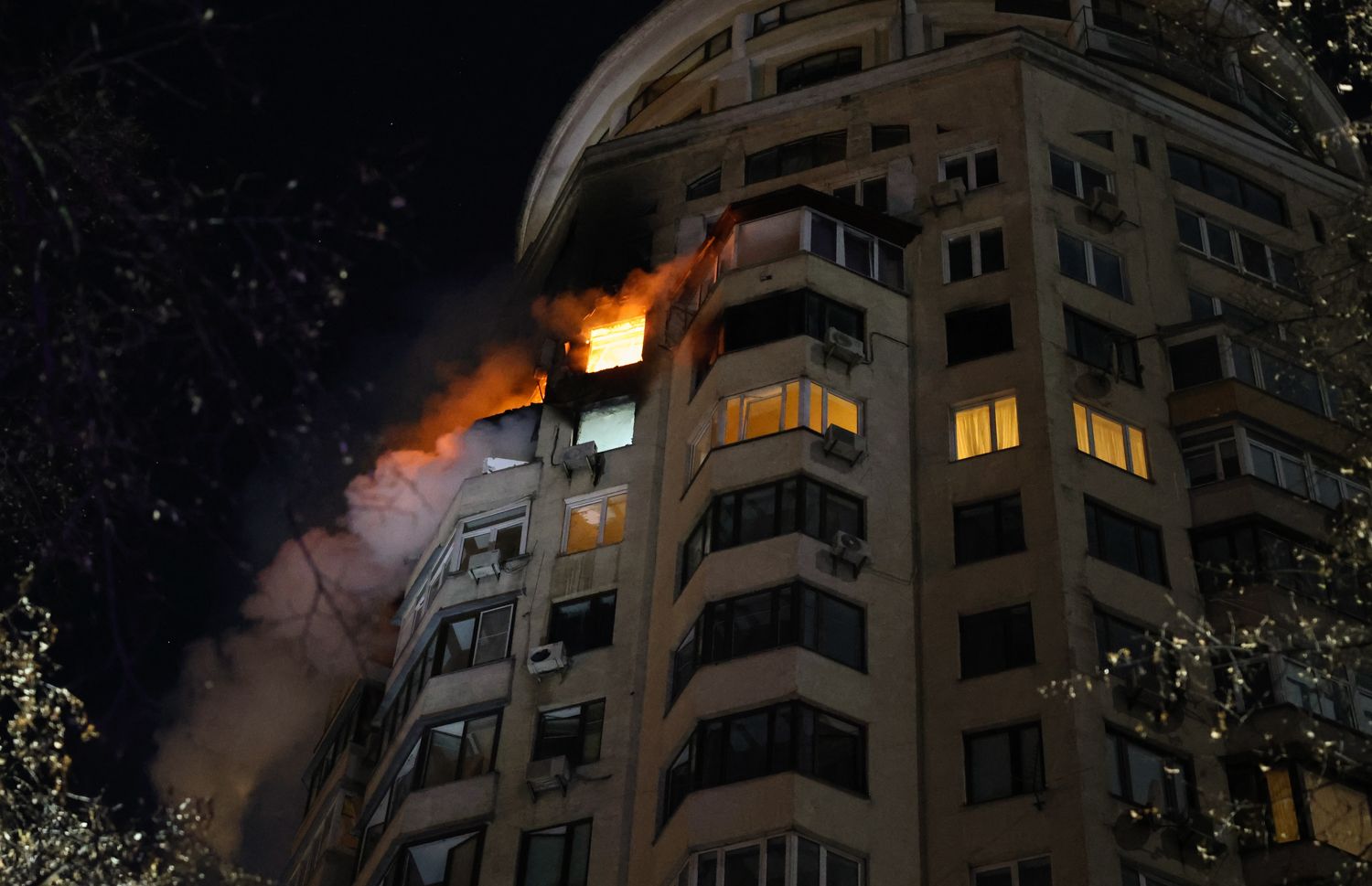
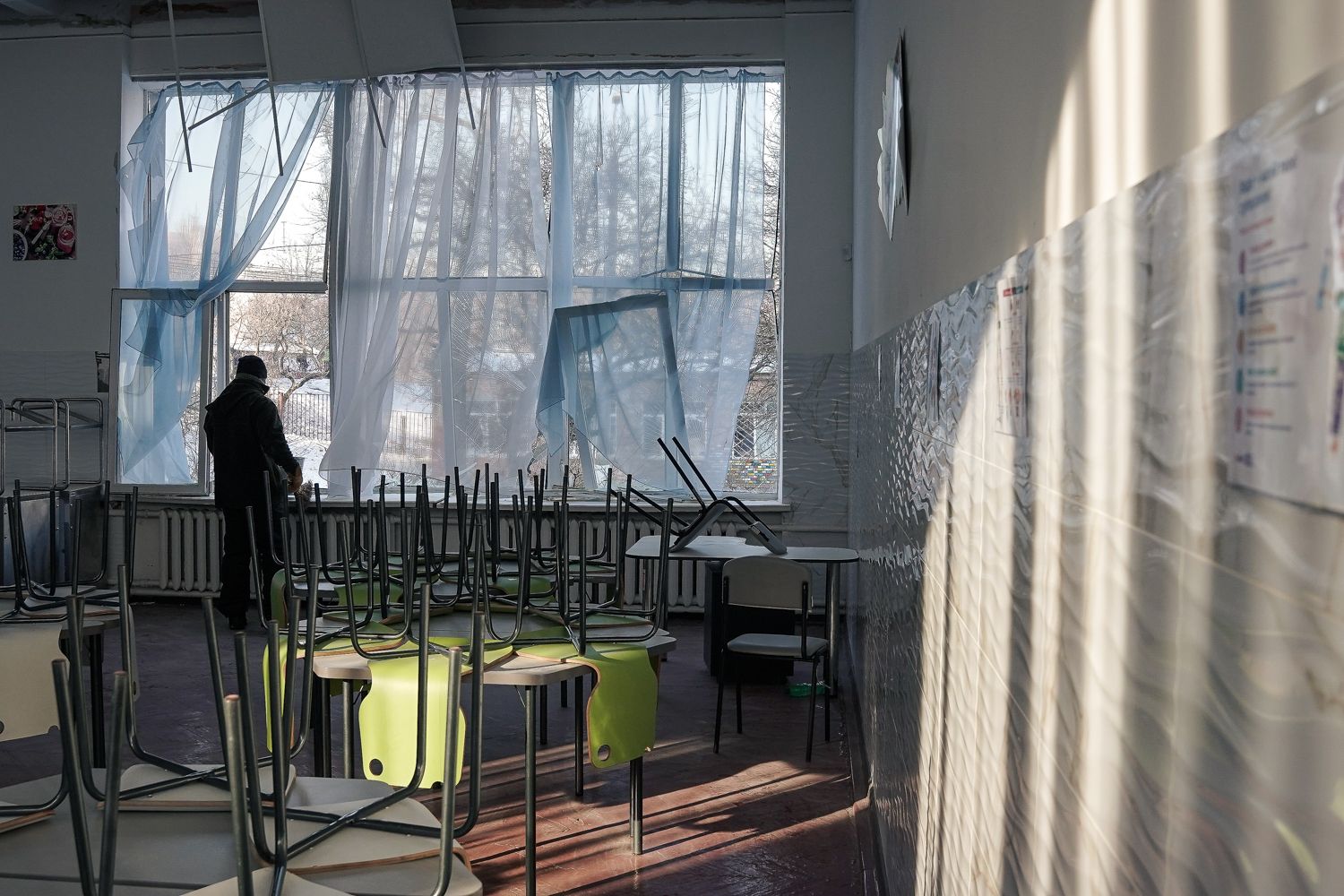
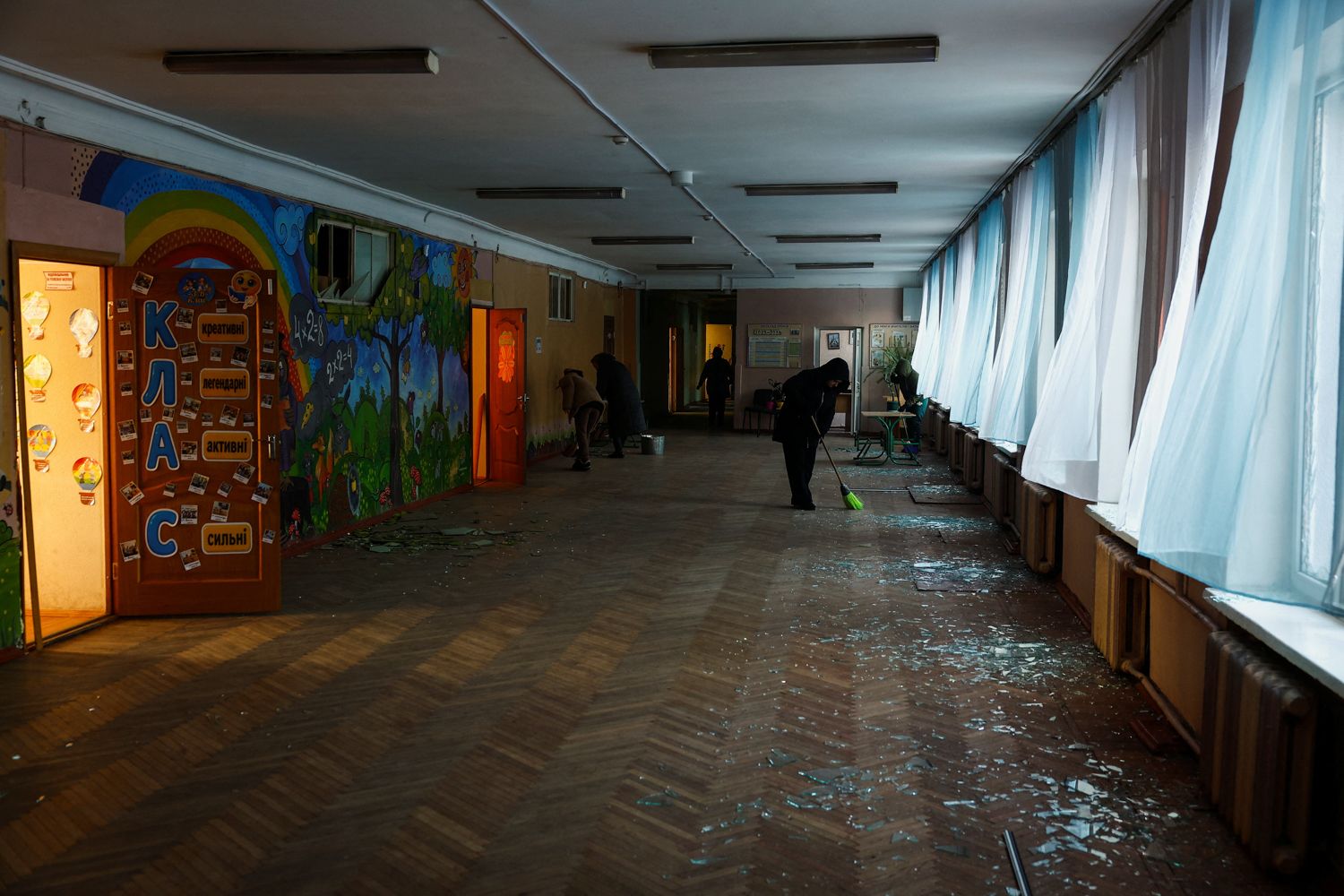
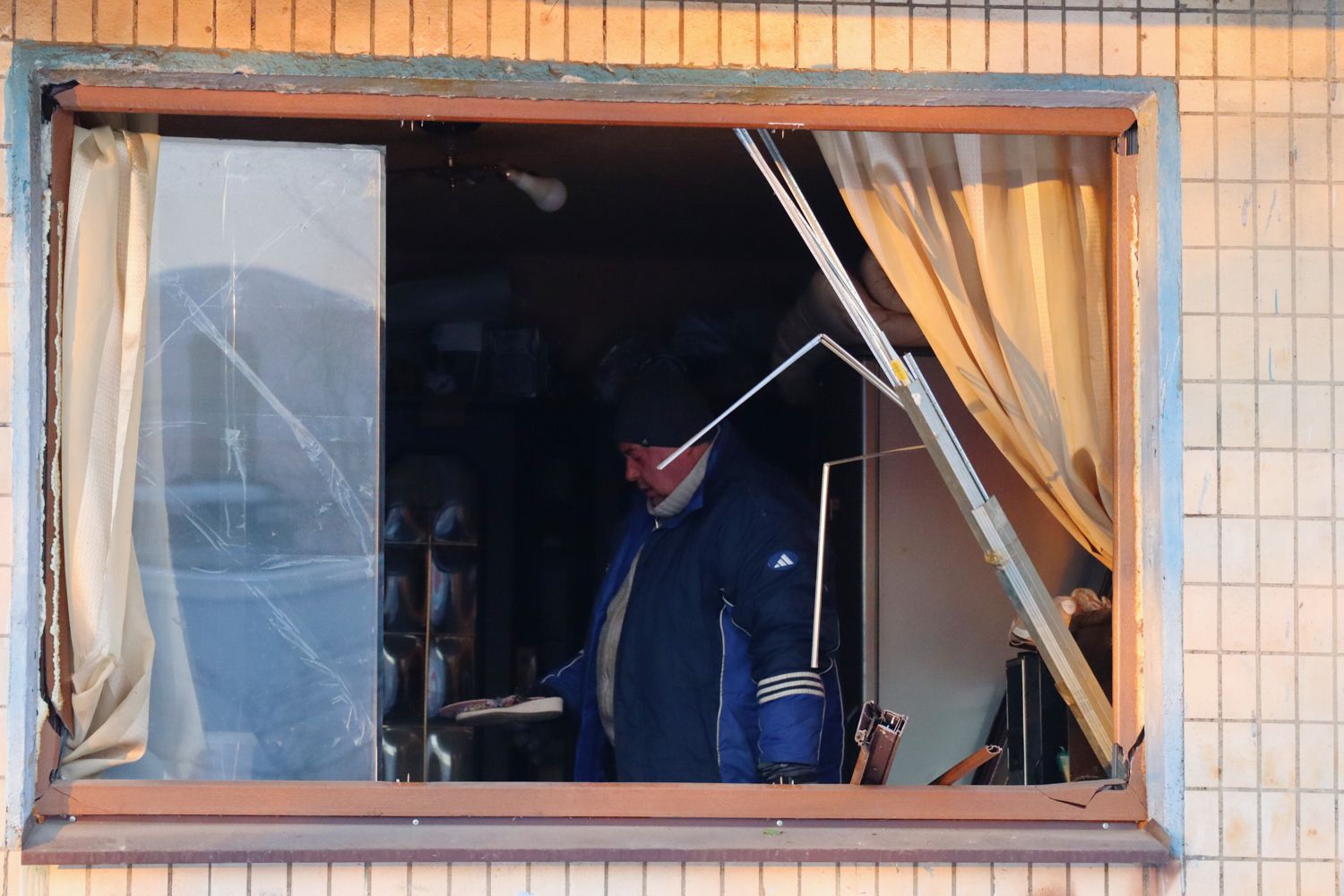
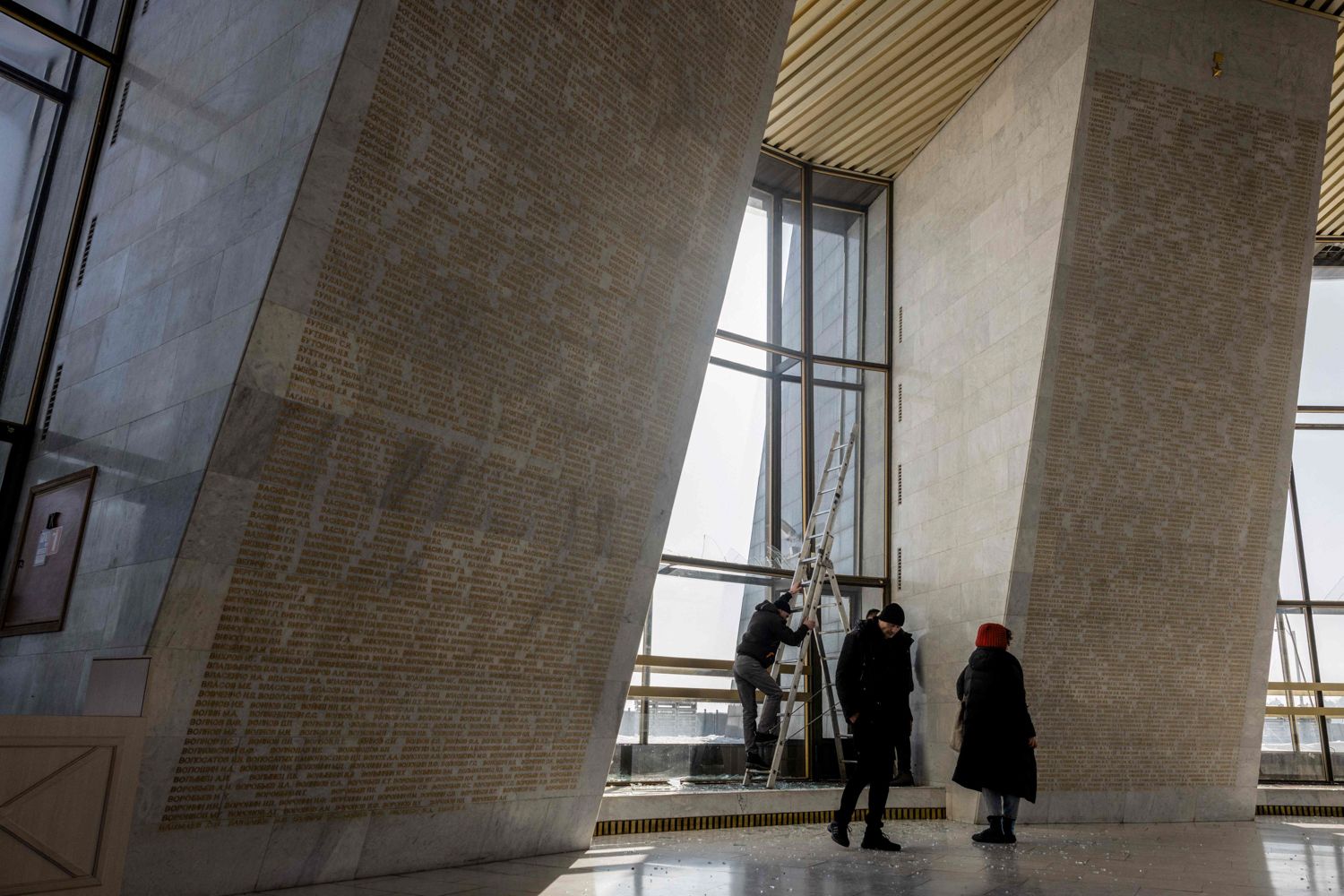
War in photographs. Consequences of the attack on Kyiv
War through the eyes of Meduza readers
How we choose letters
Meduza's readers live in different countries and have different attitudes towards the war. We publish your letters to see this event through your eyes. Our editors try to present all points of view, even if they do not coincide with the editorial position. However, in accordance with the Meduza code, we do not publish messages that contain “hate speech,” justify the murder of civilians, or express direct support for an aggressive war.
Alexander (Vologda) . Sometimes in letters it appears that the Russians did not stop the war, that ordinary citizens are also to blame for it.
Yes, we did not stop the war, but look at examples from other countries. In Belarus, riot police dealt with tens of thousands of protesters at one time. Thousands of people have recently died in Iran.
Probably, somewhere in a parallel universe, the Russians took to the streets, but they suppressed everything, killed a lot of people, and the West condemned it. But in the end, nothing has changed, this fucking “ SVO ” is still going on.
We don’t live in some kind of fantasy like “The Hunger Games”, where people in districts without weapons, despite the sacrifices, ran up to armed soldiers - and eventually took power into their own hands. Our Katniss Everdeen is dead. In the real world, if someone sees that several people have died from bullets, then the rest, even if there are ten thousand of them, will stop. Yes, even their own citizens, zombified by the box, would be the first to start slaughtering the protesters, because for them the protesters are the “fifth column”, “libertine” and so on. Believe me, many would like to go to pickets and rallies, but we know how this can end.
Share your thoughts about the war
"Jellyfish"