Translated material
“Design produces culture, culture produces design”
Applied research within the framework of the “Réexister” project.
Author: Bulyash Todaeva, artist, designer, engineer, independent researcher.

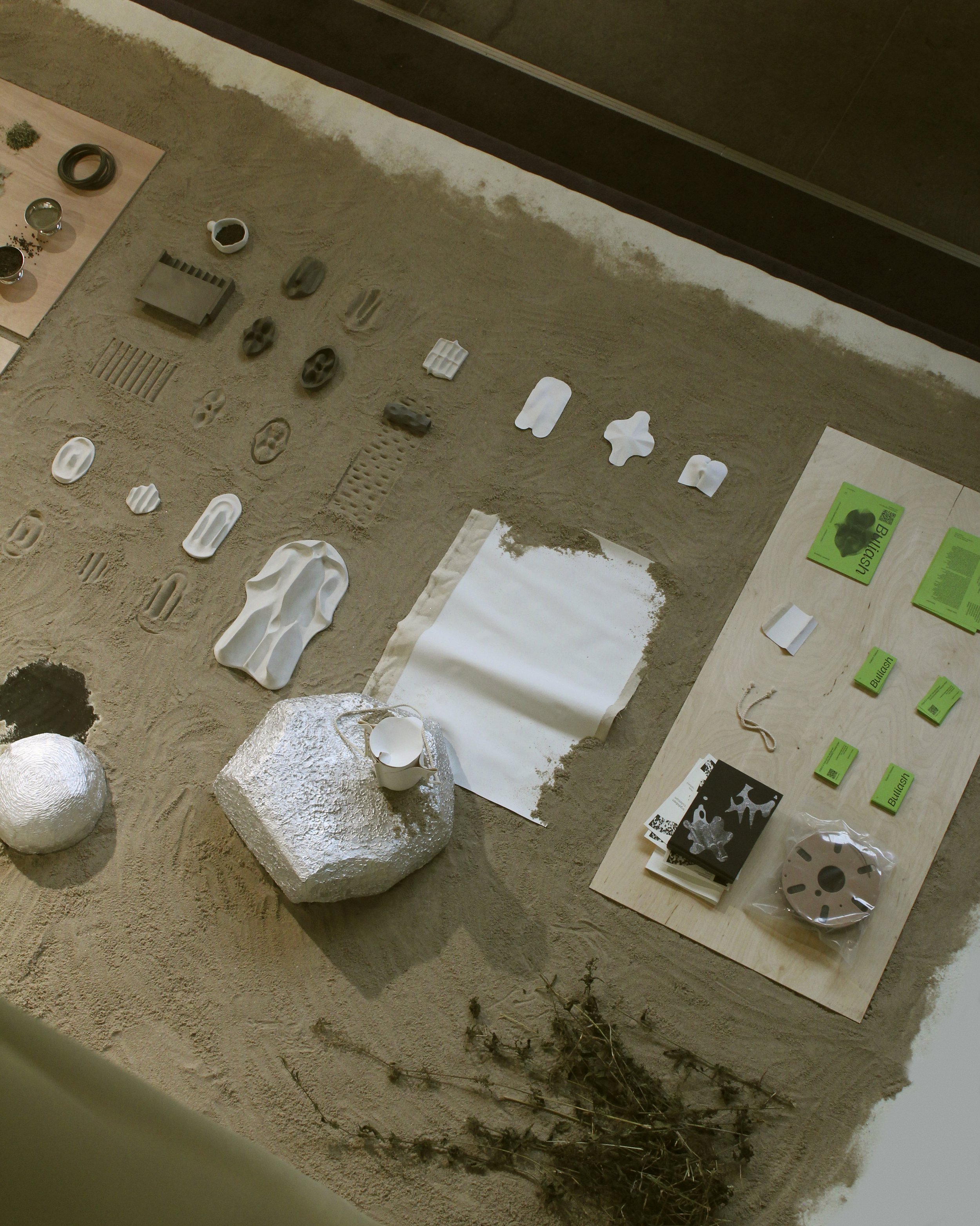
Photo: Saint-Etienne School of Art and Design, City of Design, 2023
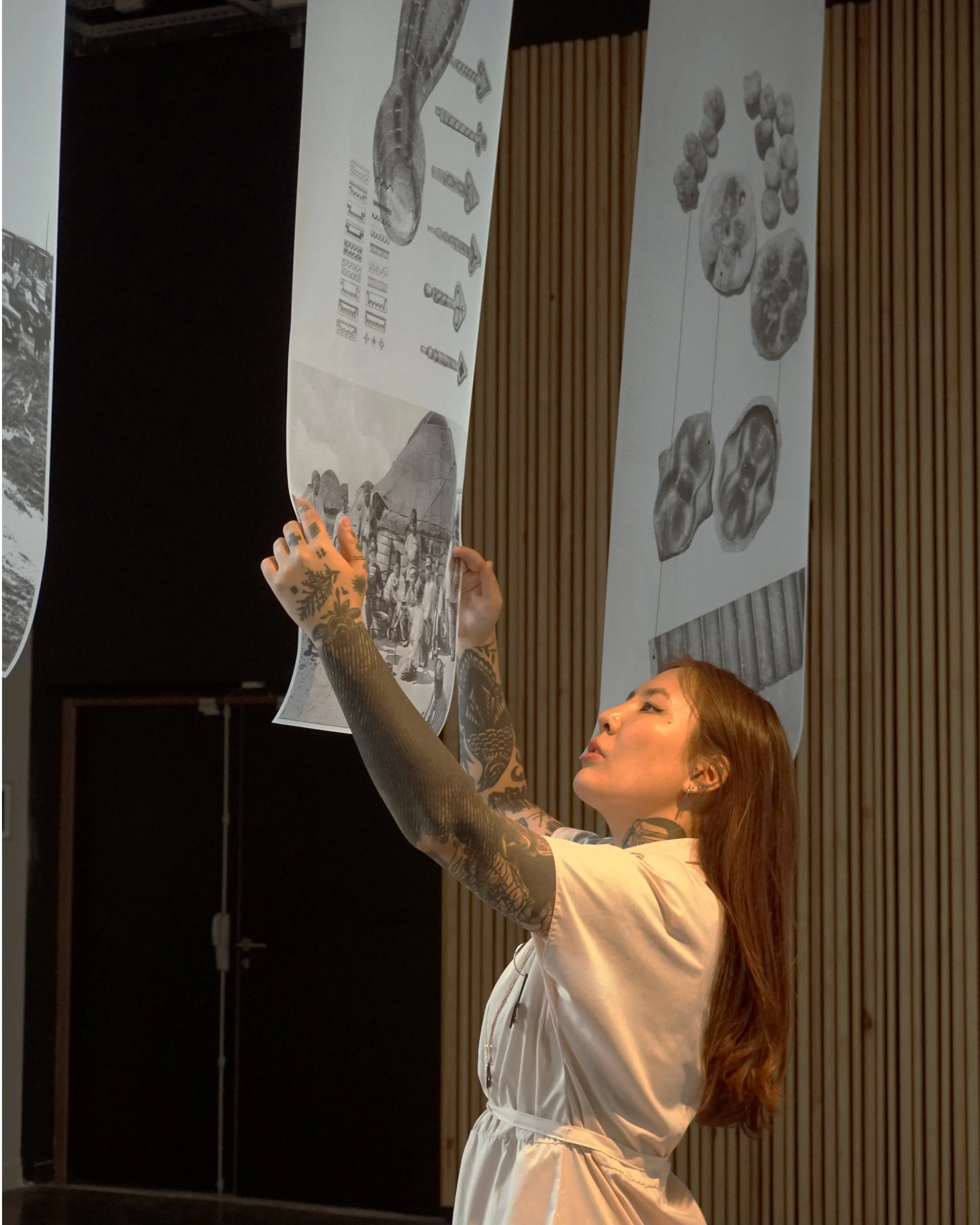
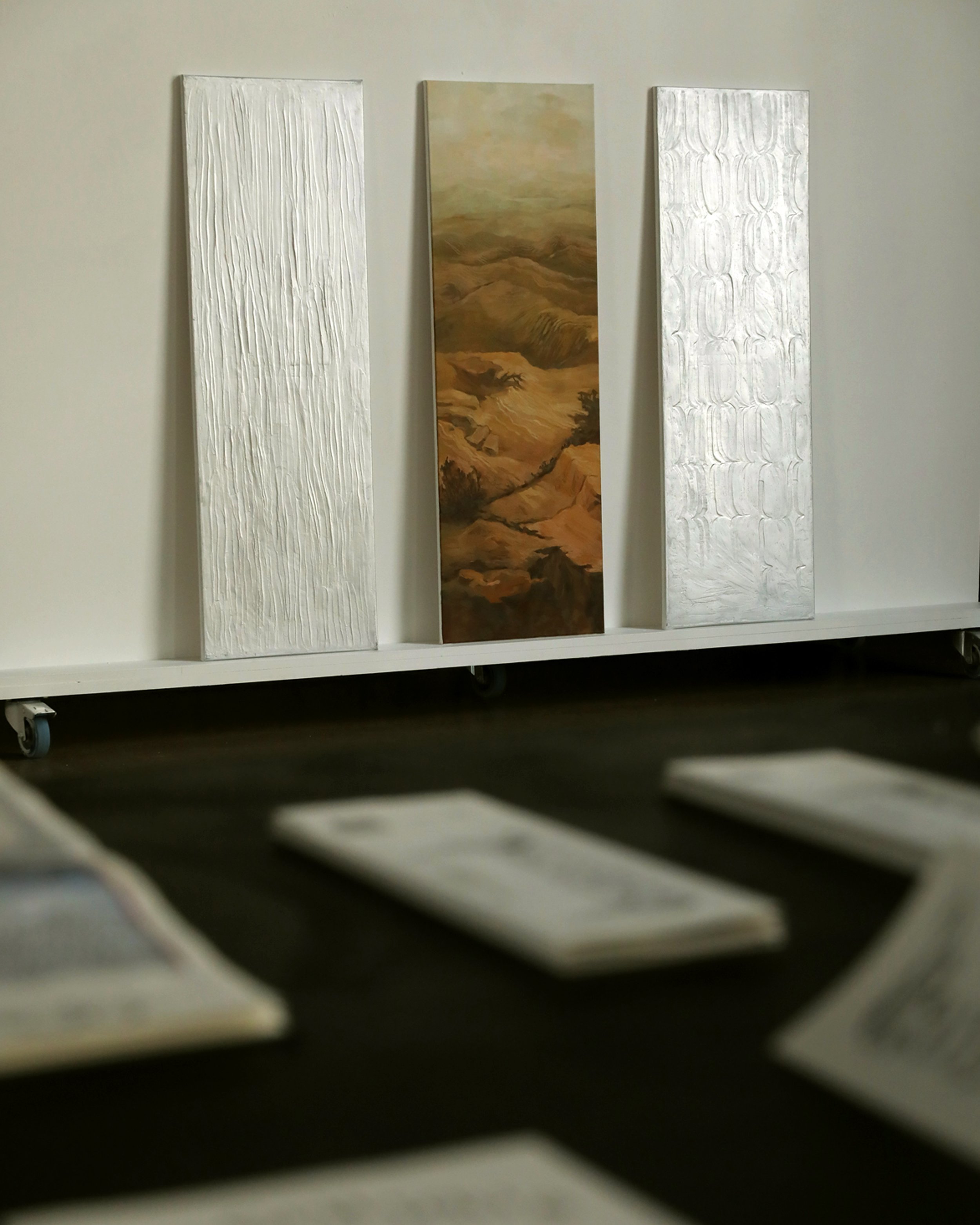
“Réexister” - (from the French “re-existing”, “to exist again”) - a project presented at the School of Art and Design in Saint-Etienne (City of Design, 2022) and at Design Week in the Netherlands (2023).
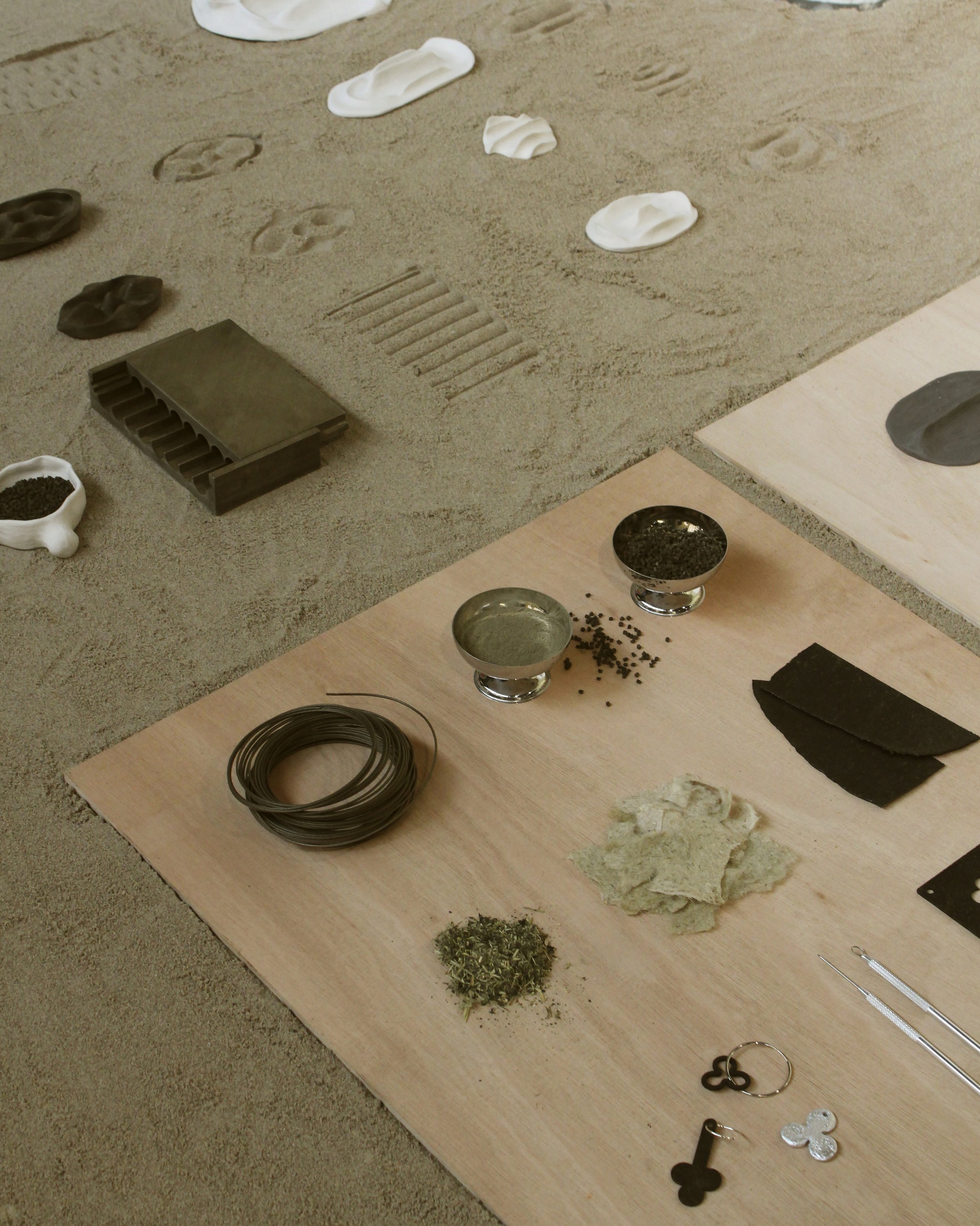
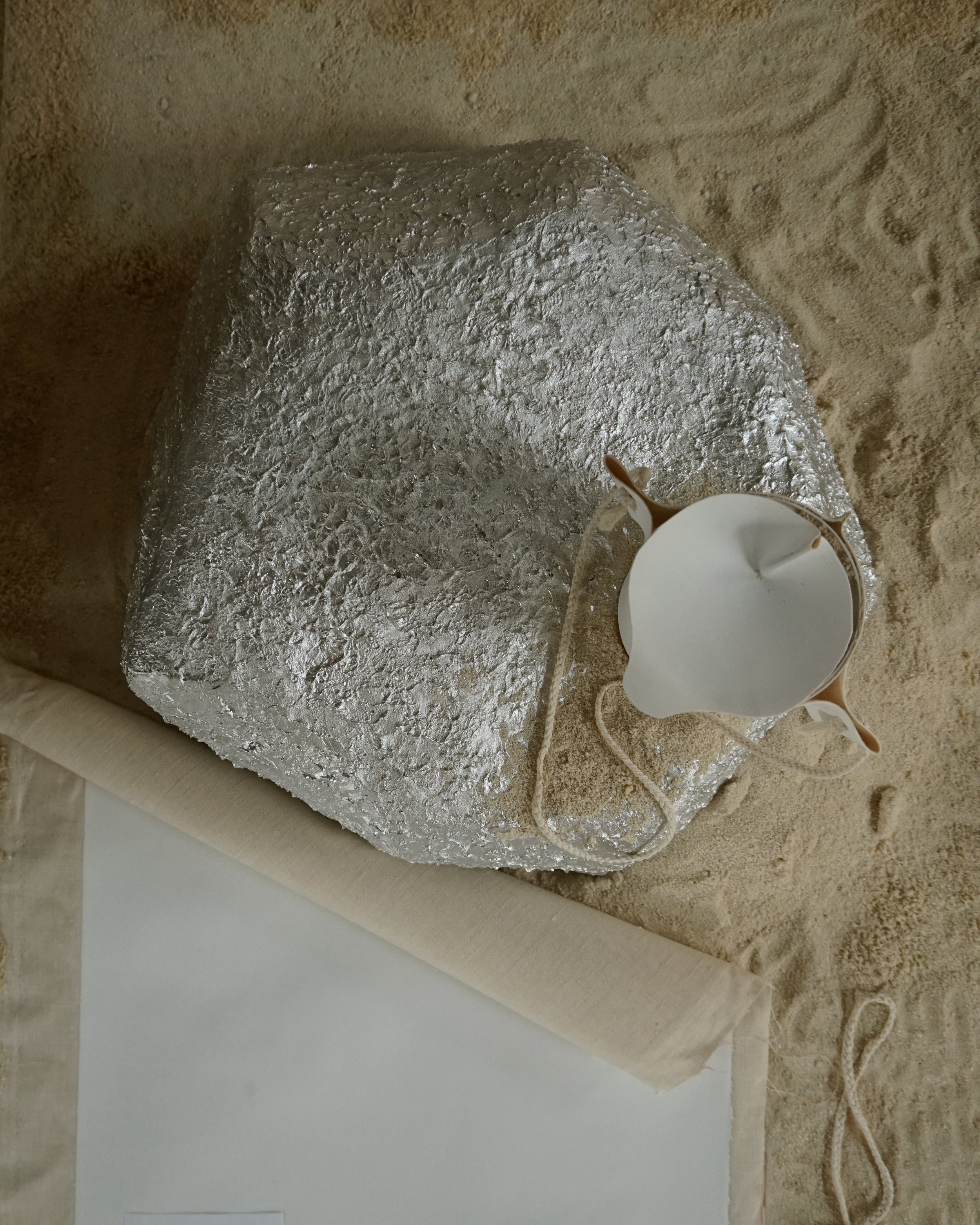
Photo: Netherlands Design Week 2023
The project offers a critical perspective on the climate crisis as a product of political decisions. Environmental damage, along with the cultural and social consequences of the policy, determines the vulnerable situation of the Oirad-Kalmyk community.
Geohistorical background of the project
Historian Michael Khodarkovsky, a professor at Loyola University Chicago who specializes in the history of Russian imperial expansion into the border regions of Eurasia, described the devastating conflict between the Russian Empire and the Oirad-Kalmyk tribes in the book “And Two Worlds Met: Russia and the Kalmyk Nomads (1600-1771).” Drawing on Russian and Turkish sources: chronicles, epics, travel accounts and Ottoman archives, Khodarkovsky presents history from the perspective of the Oirad Kalmyks and deepens the understanding of Russian colonization. Although this book is not directly related to the project described, it provides historical context for the relationship between empire and community. Imperial policies and socio-economic contradictions regarding autonomy and territorial structure created systemic problems that only worsened over the following centuries.
According to Oirad-Kalmyk historians and decolonial activists, significant damage to the Oirad-Kalmyks was inflicted at the beginning of the 20th century. The forced transition from a nomadic to a sedentary way of life - when a new economy is imposed on top of an already existing structure - led to the destruction of the everyday life, and cultural values and practices were reduced to decorative and applied arts.
Later, following the principles of a planned economy and in pursuit of productivity, the Soviet government imposed extensive agricultural methods on the Oirad-Kalmyks. The number of livestock was increased to critical levels, and pastures began to be used year-round, which negatively affected the condition of the soil.
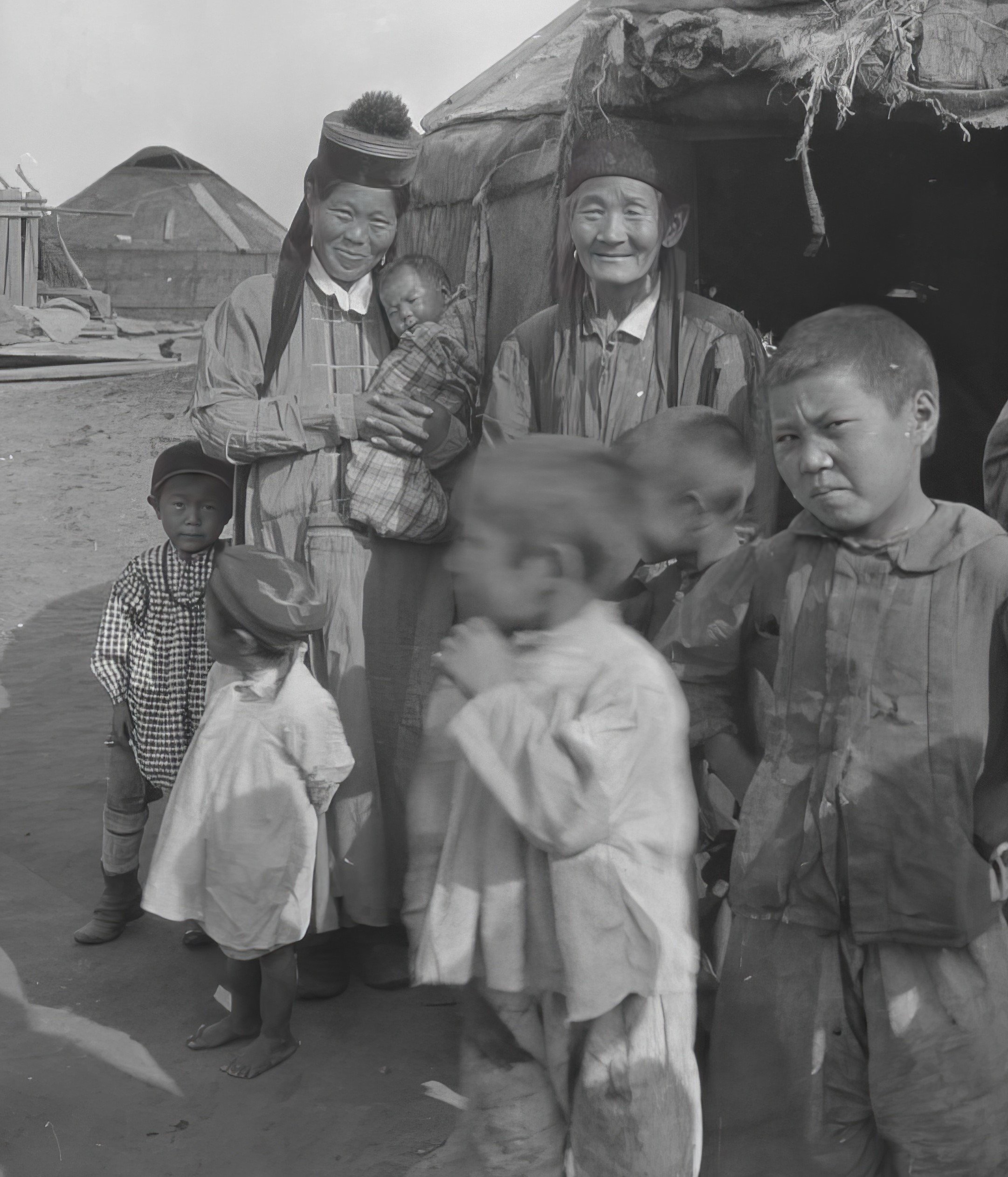
Photo: “Kalmyks in Sarepta” (a former German colony that became part of the administrative boundaries of Volgograd in 1931), 1912. Caucasian expedition of Konrad Keller.
In 1943–1957, the Oirad-Kalmyk people experienced genocide (Law of the RSFSR dated April 26, 1991 No. 1107-1 “On the rehabilitation of repressed peoples” recognized the repression of the peoples of the USSR as an act of genocide.)
The official pretext: the Oirad Kalmyks were accused of “massive collaboration” with the Germans during the occupation of part of Kalmykia in 1942–1943. Indeed, the Germans created a Kalmyk collaborationist formation. But such formations also existed among many other peoples of the USSR, including Russians (ROA Vlasov and Cossack units). And there were significantly more Russian collaborators. However, only certain ethnic groups were subjected to collective punishment, repression and genocide: Oirad-Kalmyks, Chechens, Ingush, Crimean Tatars, etc.
After the deportation of the Oirad Kalmyks, the Kalmyk Autonomous Soviet Socialist Republic was liquidated, its territory was divided between neighboring regions: the Astrakhan region, the Stavropol Territory, the Rostov and Stalingrad (later Volgograd) regions. The Russian and Ukrainian population was resettled there. This was part of the methods of “Stalin’s national policy” and was an act of settler colonialism. The same imperial practices were applied to other deported peoples.
While the Kalmyks survived deportation, new settlers continued to intensively use the territory. The overfulfillment of plans for livestock farming, which began back in the 1930s, intensified: the number of livestock grew, pastures were used year-round without restoration. By the 1990s, 80% of Kalmykia's territory had undergone desertification, forming the first man-made desert on the European continent. This has led to mass extinction of species: saigas (steppe antelopes) have almost completely disappeared, populations of the steppe ferret and birds of prey have declined to critical levels, and wild tulips continue to die out due to soil degradation.
“Over the past few decades, Kalmykia's landscape has undergone severe desertification, threatening the livelihoods of farmers inhabiting its steppe. Pastures were depleted beyond acceptable limits. Droughts and incessant winds have destroyed the once fertile lands. Climate change is exacerbating an already dire situation.”
– this is how the state of the Kalmyk steppe was described in the material of The New York Times (2021).
The print version of this article appeared on July 6, 2021, under the headline: “A Vanishing Way of Life on the Denuded Russian Steppe” in The New York Times Magazine.
The description of the steppe is supplemented by the material from Radio Canada:
“Welcome to the semi-autonomous Republic of Kalmykia, the only artificial desert on the European continent. With its endless dunes, it may sometimes seem like you are in the Sahara, but in fact we are in the heart of the steppes, in southern Russia. Humans are to blame for soil erosion, a consequence of decades of barbaric agriculture practiced by the Soviet regime. This region, once a unique pasture for livestock, is now the driest in Europe. Today, climate change is exacerbating soil and lake degradation. Droughts have become the norm, and precipitation is extremely rare. This is a hostile reality that a population almost entirely dependent on agriculture is facing or fleeing from.”
“The desert is growing in Russia. The Republic of Kalmykia, its farmers and the wrath of global warming.” Tamara Altersko. Published November 4, 2021.
When at the beginning of 1957 the Oirad Kalmyks were allowed to return to the places of eviction, the Kalmyk Autonomous Region was formed as part of the Stavropol Territory of the RSFSR.
Having survived a traumatic experience and still being under the control of a centralized government, Oirad-Kalmyk society gradually returned to tradition. But they were allowed to work with culture only in the form of stylized folklore, and there was no opportunity to create modern design based on their cultural logic. At this and subsequent times, many elements of everyday life and clothing became decorative elements of a “costume” or “souvenir”, losing their function and connection with everyday life, and at the same time the possibility of organic development.
Applied implementation of the project. Deconstruction of material culture
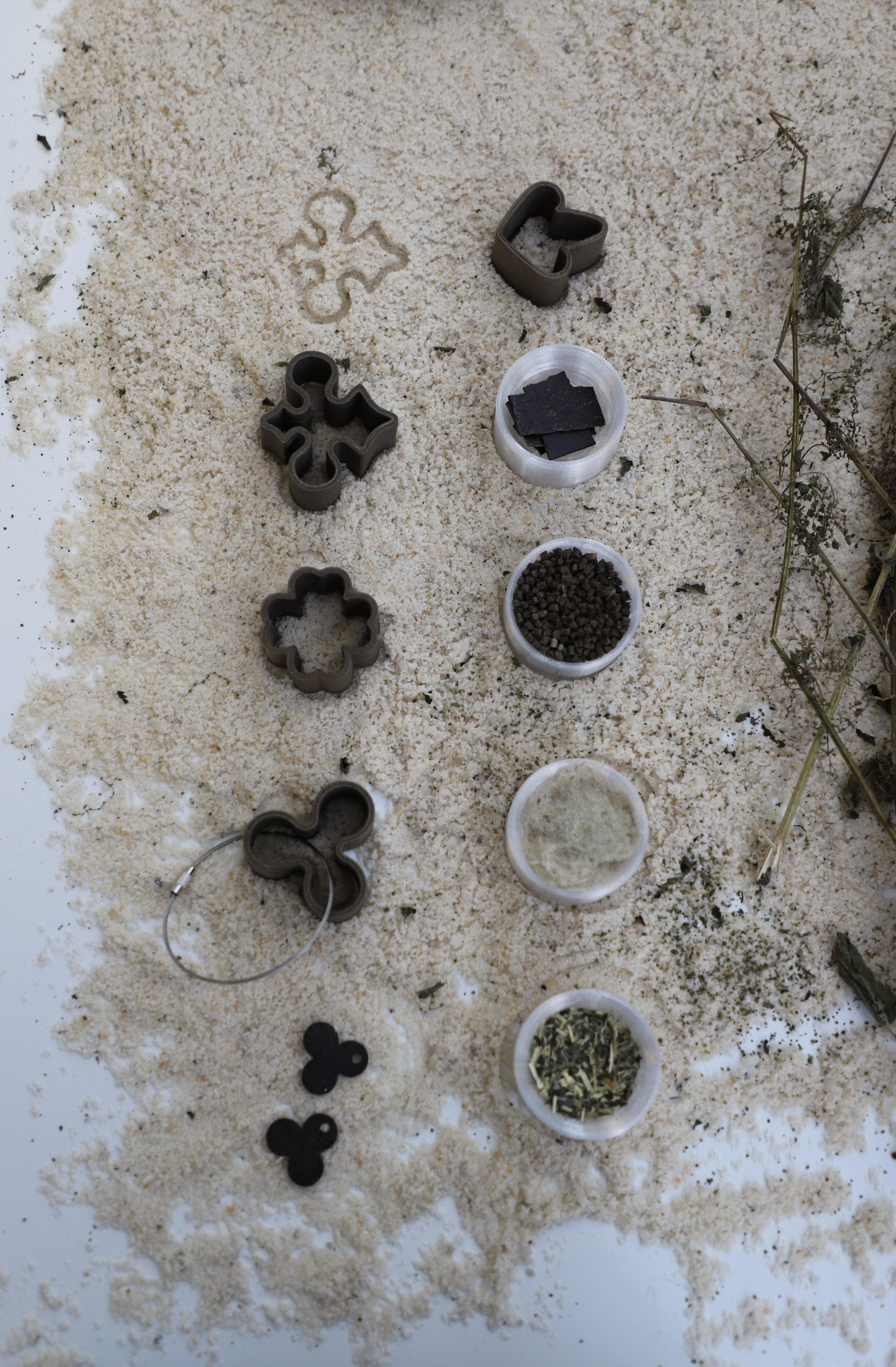
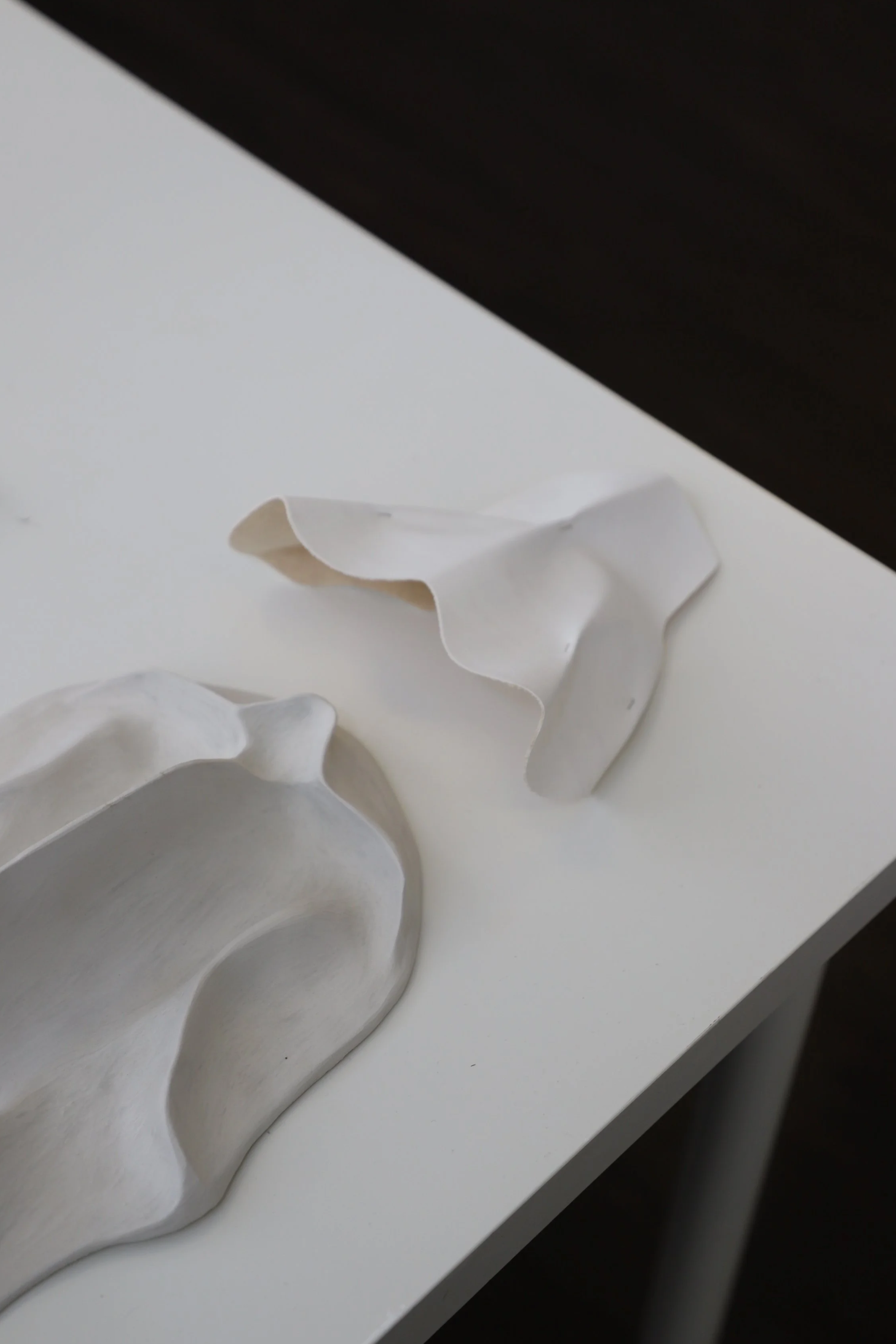
I presented part of the “Réexister” project in the form of a narrative object exhibition: these are objects based on the archetypes of Oirad-Kalmyk life of the early and mid-20th century. An archetype in design refers to a recognizable original form of material culture (object or practice) embedded in the collective memory of a community.
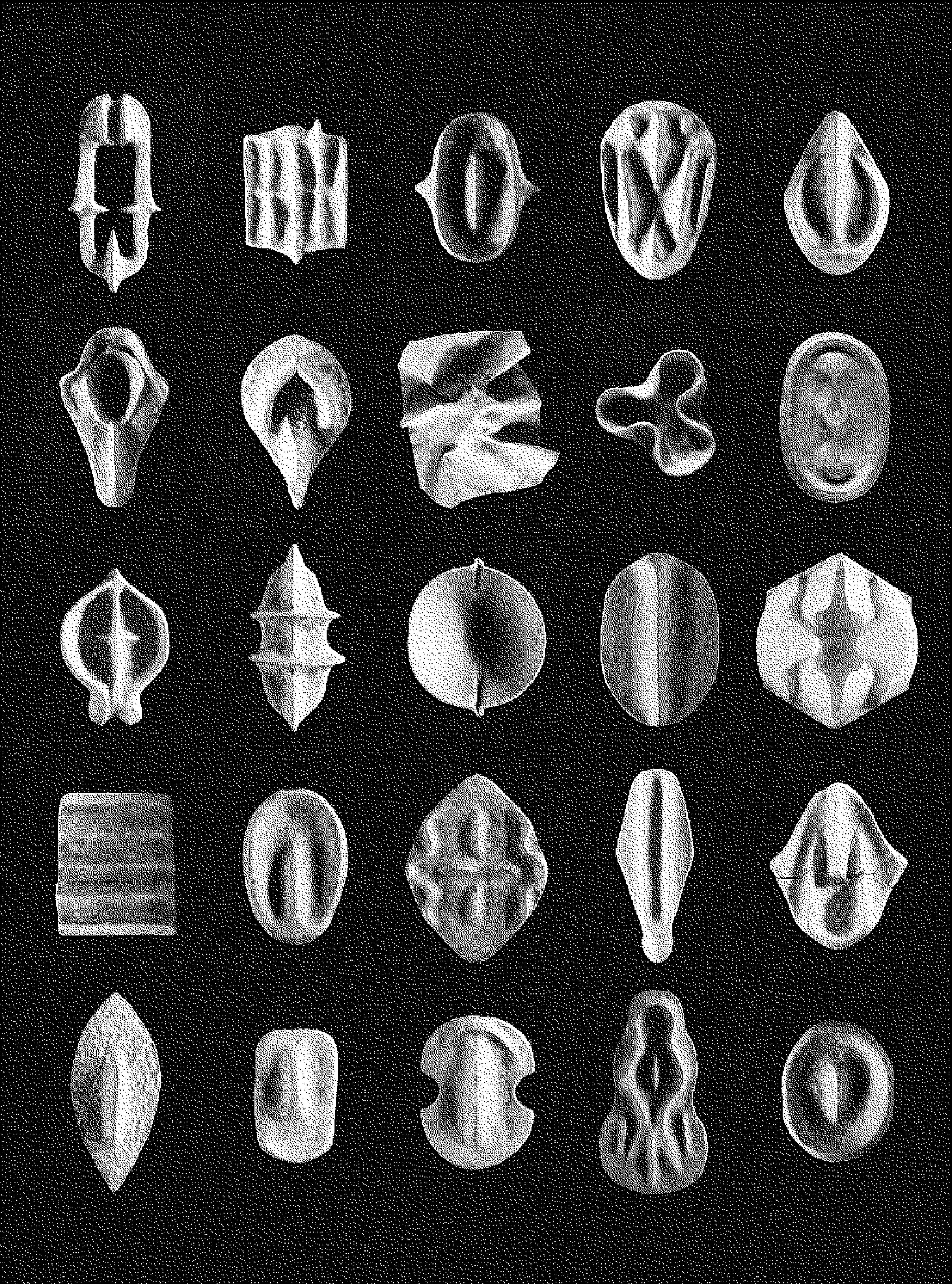
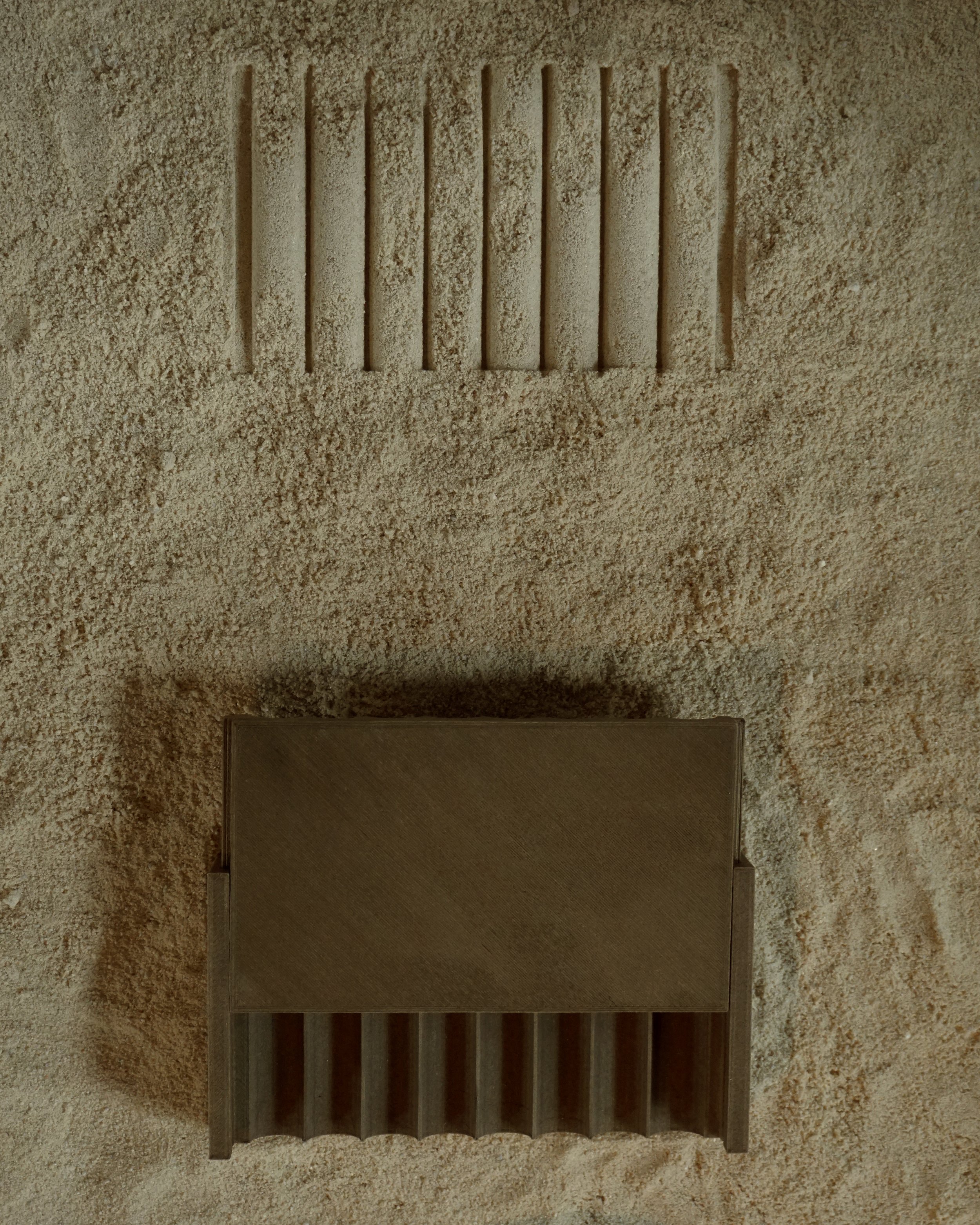
The exhibition shows that in nomadic cultures, the production of objects and cooking were part of the same process. Previously, thermoforming technology was used to create a drinking container called "bortha" (kalm.): While cooking on an earthen oven, heat was used to shape household items. By combining these two parallel cycles with one energy source, I created molds that can mold both household items and food.
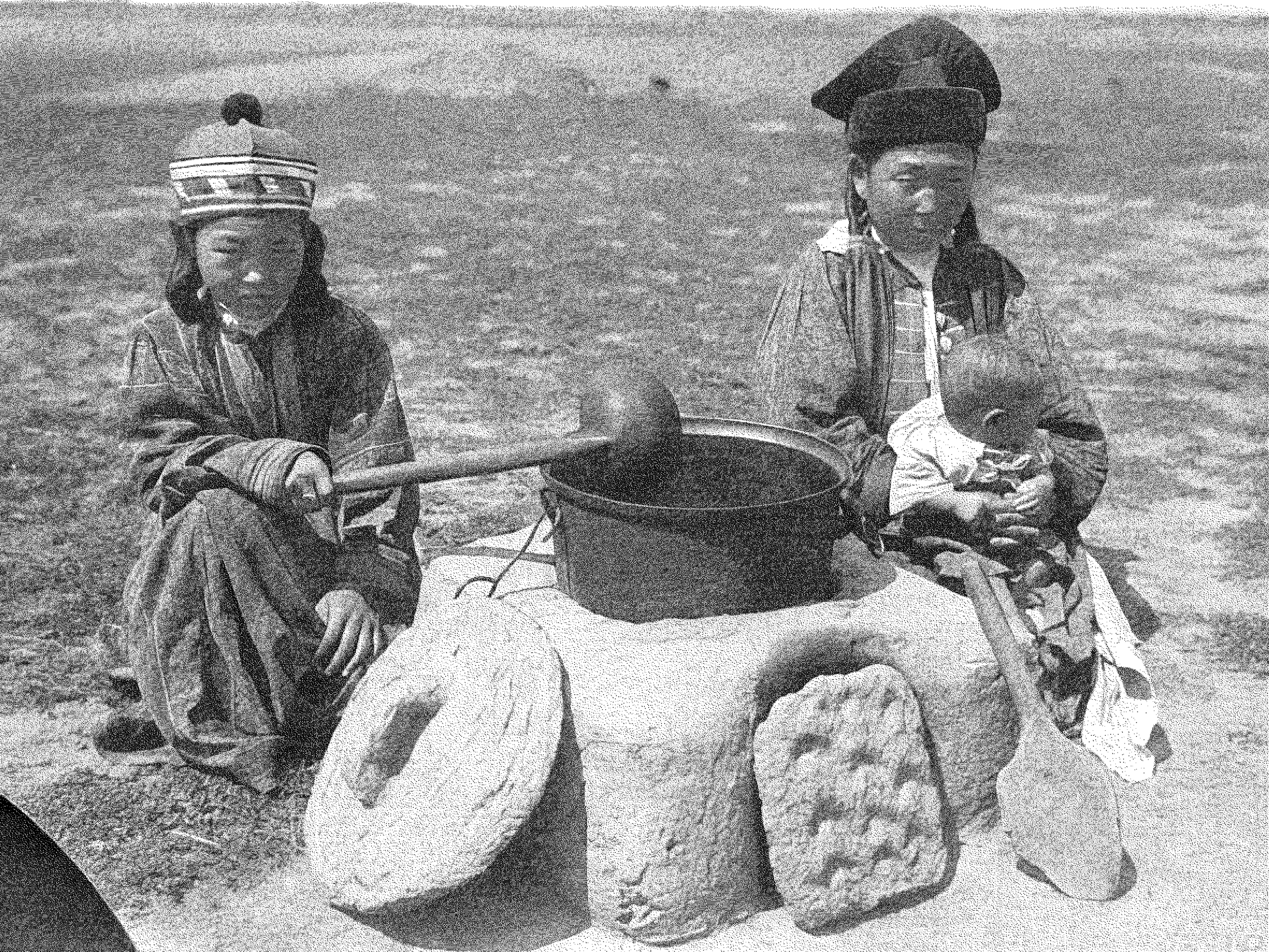
Photo: Archival materials
In the archetypes I chose, knowledge about the environment was encoded through shape, color and ornament. Thus, the “Zeg” ornament includes images of steppe flora and fauna, acting as a visual encyclopedia of the local ecosystem. The color palette functions as a classification system for seasonal cycles: white represents winter, yellow represents autumn, green represents summer, pink represents spring, and black carries the historical memory of the Tribulation Period. Such a coding system can be interpreted as an alternative to chronicle, in which the ornament functions as a map or directory recording the characteristics of the territory, while the color coding can represent a calendar system.
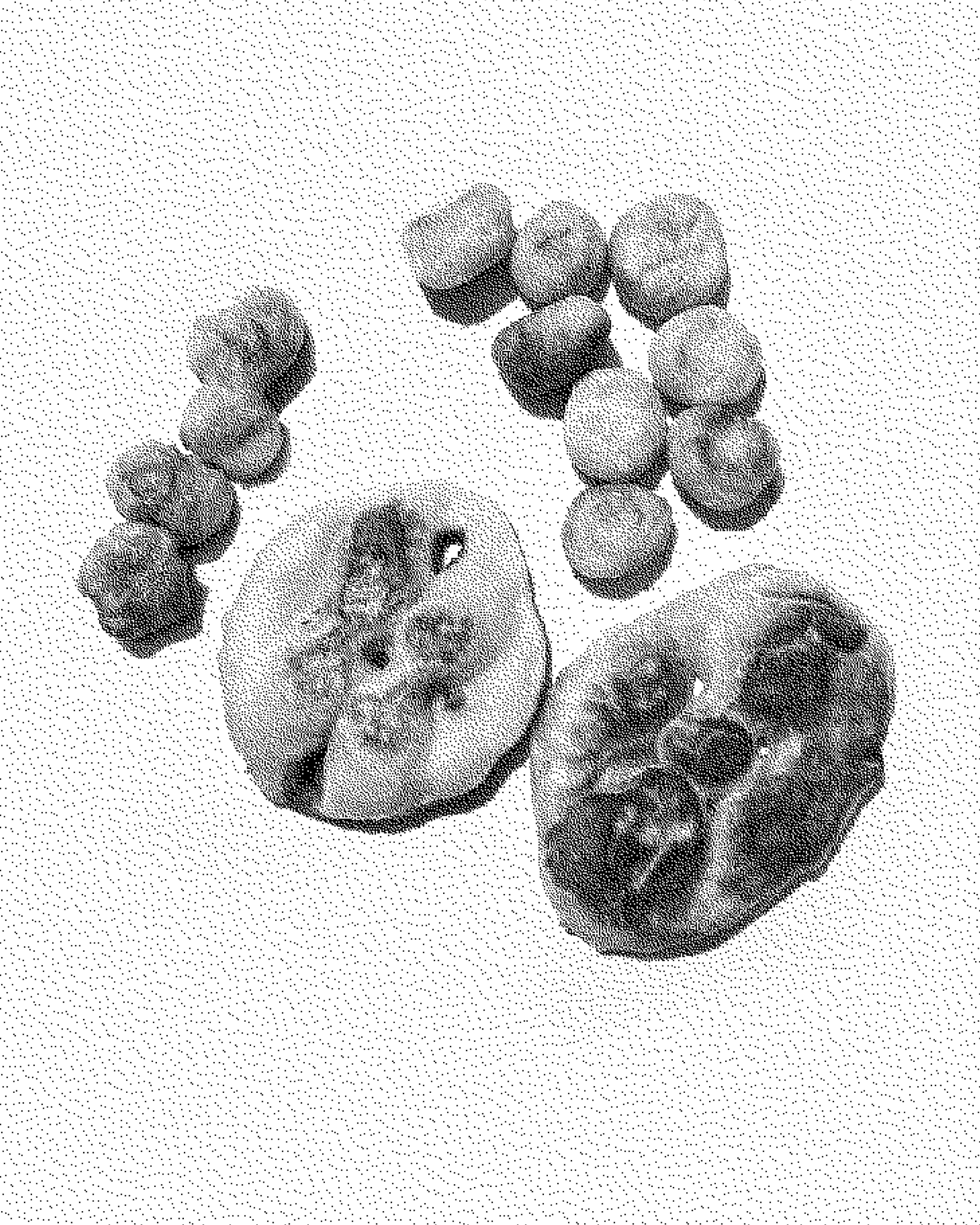
Food traditions followed a similar logic. The form of “bortsok” (Kalm.), flour products, conveyed environmental observations: “Horja boortsg” is a recording of knowledge about the interconnection of all living organisms, and the impossibility of the existence of one species without another. The form “Tohsh” talks about the repetition of the cycle “birth-death-new birth”.
Thus, both food and household items contained symbolic designations. And turning to this material and food practice continues the understanding of everyday life as an integral system of values.

Decolonial design theory
Design theorists and practitioners in the late 19th and early 20th centuries established a “universal approach” in industry, which was presented as neutral, rational and suitable for everyone. In reality, it was a European aesthetic and production system presented as universal. Bauhaus and functionalism became the “correct” design for the whole world, transforming human communication with the objects around him and the way they are made and consumed.
“In the process of collecting information, it is important for me to consider the nomadic culture of the Kalmyks and elements of everyday life as an existential experience in certain natural and historical conditions.” This is a quote from the annotation to my project, in which I refer to the work of V.N. Badmaev “Culture of nomadic peoples: towards the methodology of the issue” ( Bulletin of Kalmyk University , 2016).
“It is important to understand nomadism as a special model of social evolution, as a special system of economic management and adaptation that has developed in certain natural, ecological and historical conditions, as an original culture, system of values and identity that persists today, despite global processes of cultural unification,”
– writes Badmaev.
In his work, Badmaev quotes R.O. Rzaev, who, in turn, discusses the dichotomy “West - non-West”. This concept contrasts Western civilization with the “rest of the world” and is used in social sciences and political science. According to this logic, the “non-West” had to either catch up with the West or remain “traditional” and “backward,” which created an inevitable hierarchy. Rzaev turns to an alternative concept that rejects the existence of a universal path of development for all cultures: each culture is capable of creating its own version of modernity. For this purpose, the term “plural modernities” (or “diverse modernities”) is used. This transition from a binary opposition to the recognition of a plurality of equal paths to modernity.
Concurrent with Badmaev, a 2016 article by Tristan Schultz (“Decolonial Design—Navigating a Sustainable Future: A Critical Study of Brisbane and the Gold Coast, Australia.” by Tristan Schultz of Griffith University) suggests working with the term “Decolonial Design Theory.”
The Sustainability Handbook explains the term as follows:
“Decolonial design theory begins with an analysis of the often invisible power structures embedded in design itself. She encourages us to look beyond aesthetics and functionality and explore the historical and cultural roots of our world created through design. Decolonial design theory, in its most fundamental sense, is about recognizing and addressing the lingering influence of colonialism on how we create and experience the world we create. Colonialism was not just political control; it was a system that imposed certain ways of seeing and being, often marginalizing or erasing indigenous and non-Western perspectives. Design, as a powerful tool for shaping our environment and experience, has been deeply involved in this process. Think of standardized measurements, architectural styles, or even city layouts, many of them were developed and disseminated within colonial systems, often prioritizing European norms and values.”
Simply put, hidden within the design are invisible power structures inherited from the colonial past. And decolonial design suggests recognizing these patterns and returning value to non-Western traditions.
Tristan Schultz's article explores and proposes a decolonial concept of wayfinding based on case studies of two cities, Brisbane and the Gold Coast in Australia. It argues that both cities will see an influx of people displaced by climate change in the coming decades, and both cities will face rising sea levels.
I was particularly interested in his thoughts on how designers respond to external influences and incorporate them into their designs:
“Designers are now increasingly called upon to use their skills to solve the growing challenges of the future. … [but] the discourse predominantly remains trapped in Eurocentrism, technocentrism and economic rationalism. … Overall, if we accept that modernity, colonialism and globalization underlie much of the structural instability reaching our city streets, there is still a lot of work to be done...”
Therefore, in my project it was important for me to use design as a mediator of change and transformation.
A more precise and intersectional lens on the decolonial approach is offered by Nicholas B. Torretta in his doctoral dissertation “A decolonial approach to design for sustainable development: spaces, rhythms, rituals, celebrations, conflicts” (Umeala Institute of Design, Sweden, 2022), the main academic work on which I drew.
In the introduction, Torretta mentions the term “pluriversality” in the context of the design discourse that Badmaev used above to define the modern theoretical framework of the concept of nomadism. For Torrett, this is due to the need to “allow multiple ways for multiple ways of design to coexist.” And this approach of decentralizing Eurocentric colonial design must be done in a way that does not eliminate the European heritage in design, but instead presents it as only one of many possible ways of designing – Escobar (2018), Mareis and Paim (2020).
“We are moving away here from the view that we stand on one specific and universalized (of many possible) ways of designing in a world facing social and environmental problems. Ontologically defined by Eurocentric modernity/coloniality, such design is now forced to change towards pluriversality.”
The goal of his doctoral work was to find opportunities for a decolonial transition to the pluriversality of design. And in conclusion, he clarified that his work is aimed at development:
“This work is a study of movement. This is a movement."
He was not the only one to manifest decolonial design as a practice, process and movement. California College of the Arts' Decolonial School focuses on how to connect diversity, inclusion, and equity to art and design practice. In one of the articles available for reading on the college website, Juan Carlos Rodriguez Rivera writes that:
“Decolonization is a process that begins with self-reflection, structural assessment and institutional restructuring and requires time, vulnerability and responsibility. The trendiness of the term has derailed the conversation and continues to be used as a synonym for design projects concerned with social change, regardless of their connection to the land and Indigenous lives. One of the main goals of my practice and the Decolonial School is to ensure that decolonization becomes an action, rather than being used as a metaphor for everything related to progressive social practices. … I have come to understand design as a colonial agent, therefore as a decolonial agent.”
The term “agent” here can be understood in the sense of “actor”, but comes from the word “agency”. In one of my project notes, I wrote a loose but close to the official definition of the term: “Agency is the ability to act, to express presence and influence in systems that have historically or institutionally oppressed them, whether marginalized human communities, animals, or natural systems.”
Conclusion
A decolonial approach to design has the potential to restore function to archetypes, restoring agency to politically marginalized communities. Through the lens of decolonial methodology, design becomes a tool for critical reflection and action. And of particular importance in this process are the practices of “gaining existence” in the present - without attempts to revive the idealized past. This is a radical reappropriation of the right to autonomous development, to determine one’s own values and ways of interacting with the outside world.
Decolonial design offers an ethically grounded practice that supports the right of each community to shape and produce material culture, transforming the design-culture or culture-design relationship from appropriation to recognition.