
Translated material
War
One thousand four hundred and forty-second day. A new round of trilateral negotiations has begun in Abu Dhabi (there “is no provision for the press”). In Belgorod there is a blackout due to an attack by the Ukrainian Armed Forces
Since February 24, 2022, Meduza has been broadcasting live about the Russian-Ukrainian war. We publish your letters every day because we are sure that we need to continue talking about the war. Share with us your thoughts about the war. What feelings are you experiencing? How does war affect your life and your attitude towards the world? If you have a story related to the war, tell it . The feedback form is at the end of this article. A review of the previous day can be read here .
World
The second round of trilateral negotiations between Russia, Ukraine and the United States began today in Abu Dhabi in the United Arab Emirates. “There is no provision for the press,” a source from the Russian state agency TASS said about them.
Secretary of the National Security Council of Ukraine Rustem Umerov, who heads the Kyiv delegation, said that first the parties will communicate in a trilateral format, then in separate groups specializing in different areas.
Officially, the exact composition of the delegations was not announced. It is known that, like last time, they are headed by Umerov, Chief of the Main Directorate of the General Staff of the Russian Armed Forces Igor Kostyukov and Special Envoy of the US President Steven Witkoff.
Neither side gave any substantive comments on the details of the negotiations. Press Secretary of the Russian President Dmitry Peskov officially stated that Moscow does not plan to do this in the future.
Politico, citing Ukrainian and American sources, writes that there are signs that the current negotiations may be “more promising than generally believed.” They draw attention to the change in the composition of the Russian delegation - instead of Vladimir Medinsky, who “gave long lectures on the root causes of the conflict,” military personnel who are ready to do real technical work are participating in the negotiations in Abu Dhabi from the Russian Federation.
Ukrayinska Pravda also wrote about the changed nature of the negotiations the day before. According to the publication, the reason for this was the arrival of Kirill Budanov as head of the office of the President of Ukraine. Under his predecessor Andrei Yermak, contacts took place through several different channels, through which Russia was often conveyed opposite signals. Now Budanov has taken all these channels under his control and returned deputy David Arakhamia, who has strong contacts in the Russian Federation, to the negotiating group. Following this, the composition of the negotiators was changed by Russian President Vladimir Putin.
“Previously, our people had to listen to hour-long sermons about who and when conquered whom in the past. Now the military is sitting and discussing very specific things: withdrawal mechanisms, guarantees, deadlines, and so on. This is perhaps the key change that occurred with the arrival of Budanov,” said one of the sources of Ukrayinska Pravda.
On the eve of a new round of negotiations, the Russian military carried out the most massive shelling of Ukrainian energy infrastructure since the beginning of the year. The main targets were Kyiv, Kharkov, Dnieper and Odessa. In the Ukrainian capital, more than a thousand multi-storey buildings were left without electricity in twenty-degree frosts. Ukraine, which previously emphasized that it would not attack Russian energy as long as the Russian Federation refrained from attacks, then attacked the infrastructure of Belgorod.
Ukrainian President Vladimir Zelensky accused Russia of violating promises not to strike the energy sector for a week, emphasizing that in fact there were no such attacks for only four days. He said that in this regard, Ukraine will “adjust accordingly” its approach to the negotiations.
Russia
In Belgorod, after the Ukrainian attack, many areas are left without electricity, heat and water supply.
The attack took place the night before. According to the local telegram channel “Ashes”, its targets were the Frunzenskaya and Belgorod electrical substations. Immediately after the attack, most of the city lost power, and in some houses the heating and water supply was turned off. There were queues at gas stations as people bought fuel for portable generators, and dozens of city residents were stuck in elevators.
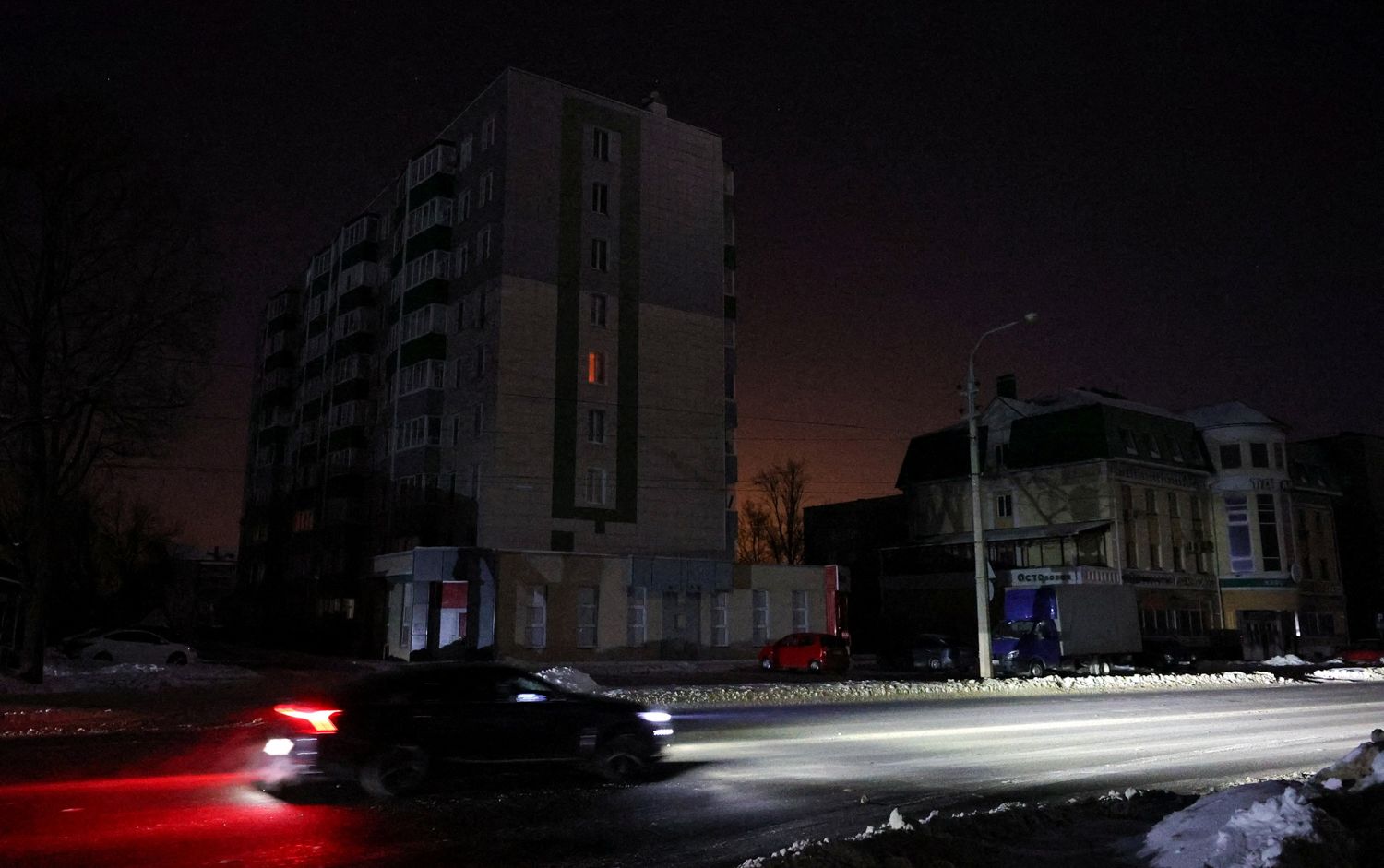
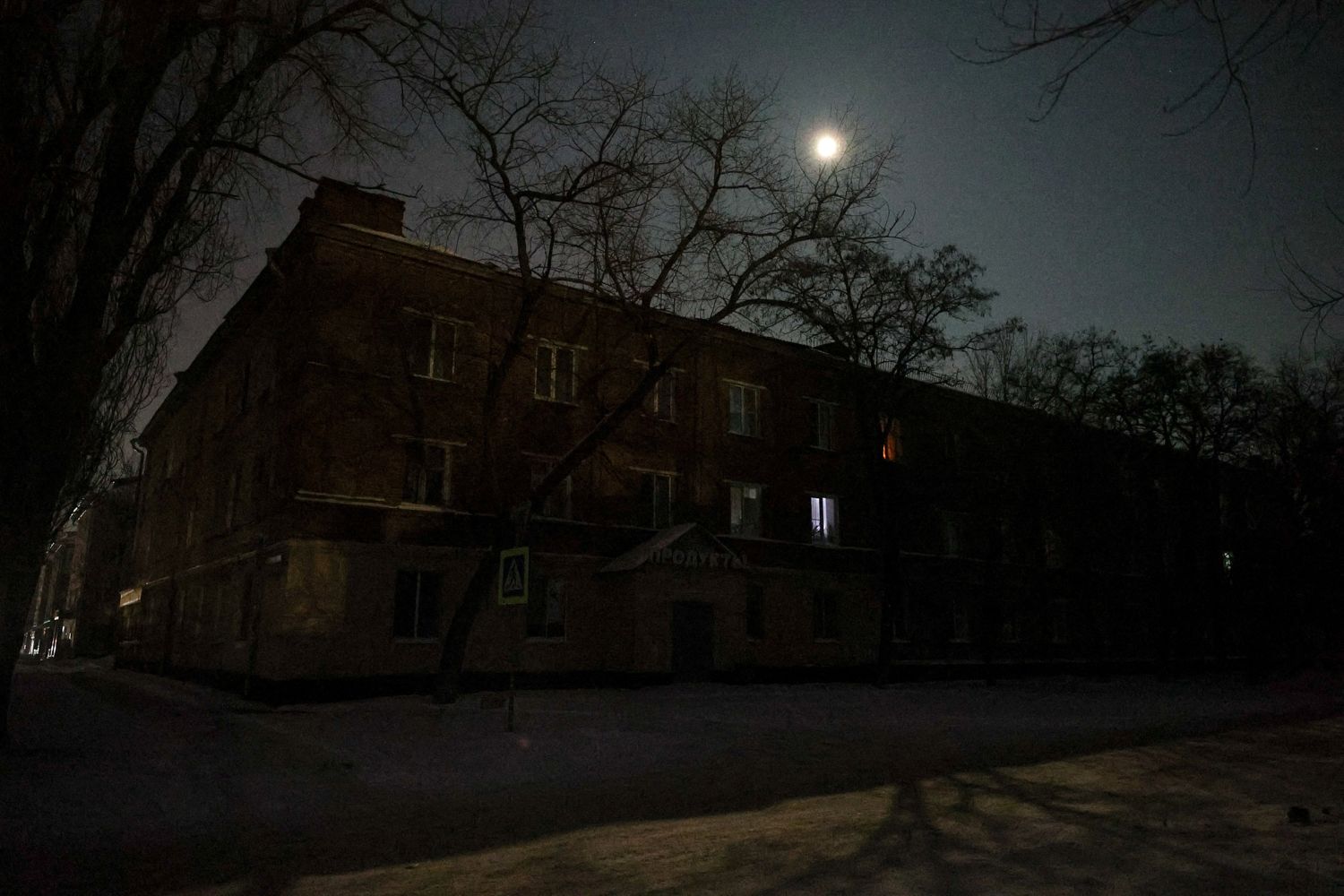
In Belgorod, as in Ukraine, many large cities of which remain without electricity due to Russian attacks, it is now frosty - during the day the temperature does not exceed minus 10 degrees, and at night it drops below minus 20.
Initially, the authorities promised to restore power supply by 1 am - this happened in most parts of the city, but some streets, as well as the suburbs of Belgorod, still remain without power. Schools and colleges in several areas have now switched to distance learning, and some shopping centers remain closed. A heating point has opened in the CityMall shopping center.
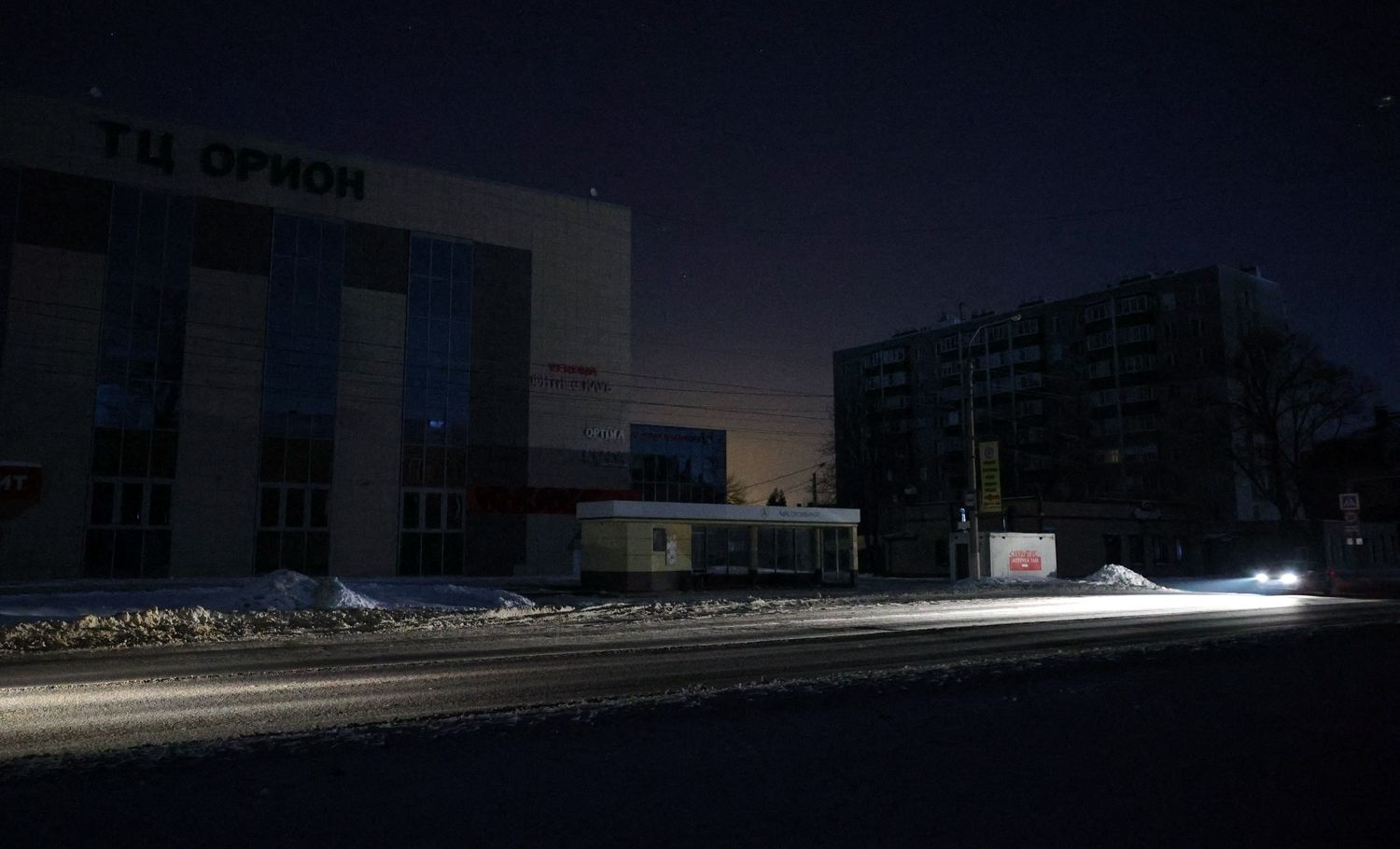
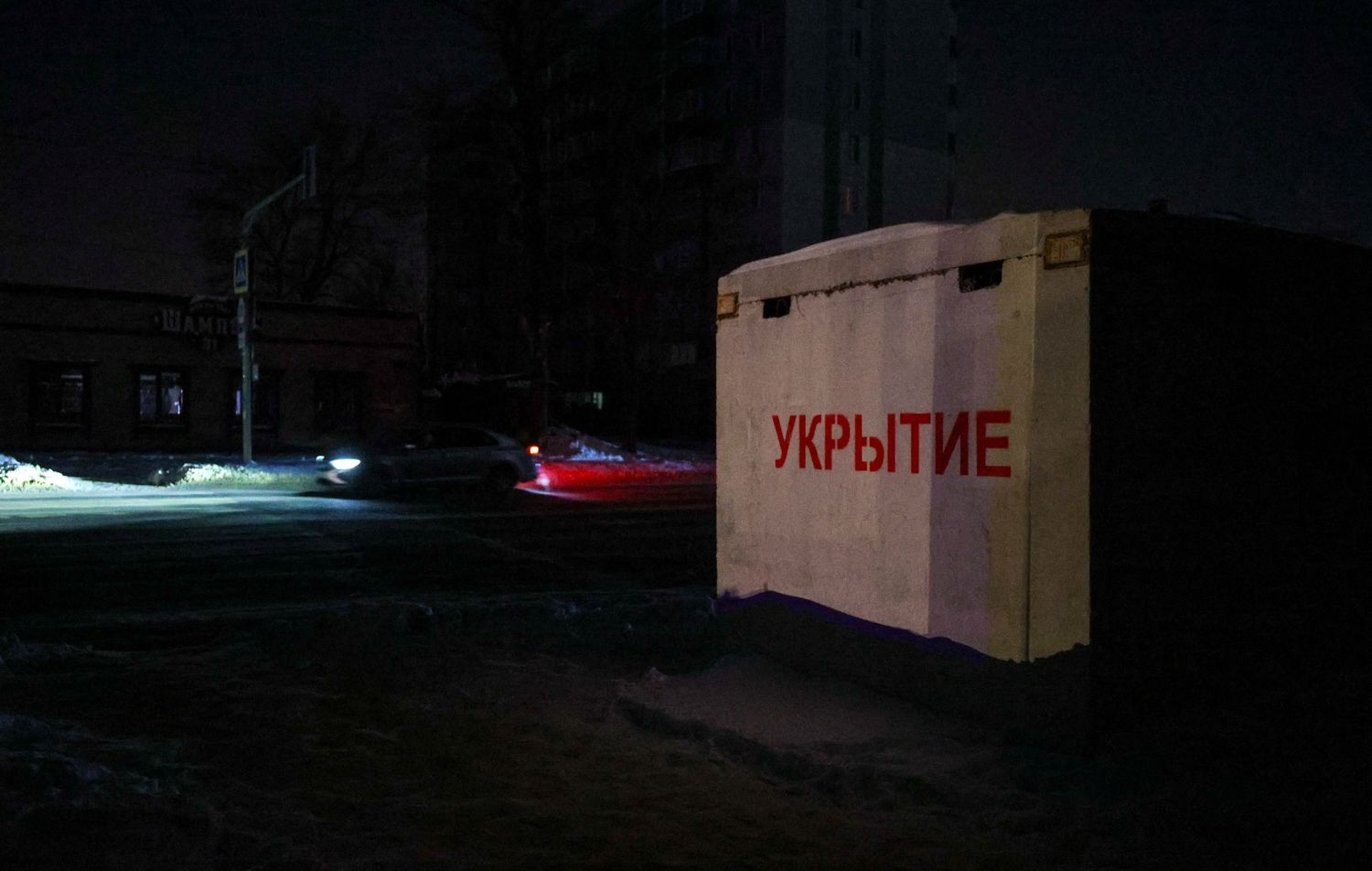
Ukraine has struck Belgorod's energy infrastructure several times in recent weeks. Thus, on January 9, more than half a million people were left without electricity due to the attack. On January 25, as Governor Vyacheslav Gladkov reported , the city was subjected to “the most massive shelling” since the beginning of the war.
At the same time, Russian state media and authorities practically do not cover the scale of the consequences of the Ukrainian Armed Forces’ strikes on the energy infrastructure of Belgorod. In mid-January, Gladkov explained the decision to hide information by his reluctance to give Ukraine the opportunity to use this data for new attacks - and called independent telegram channels that wrote in detail about the situation in the city “enemy.”
War in photographs. Kyiv
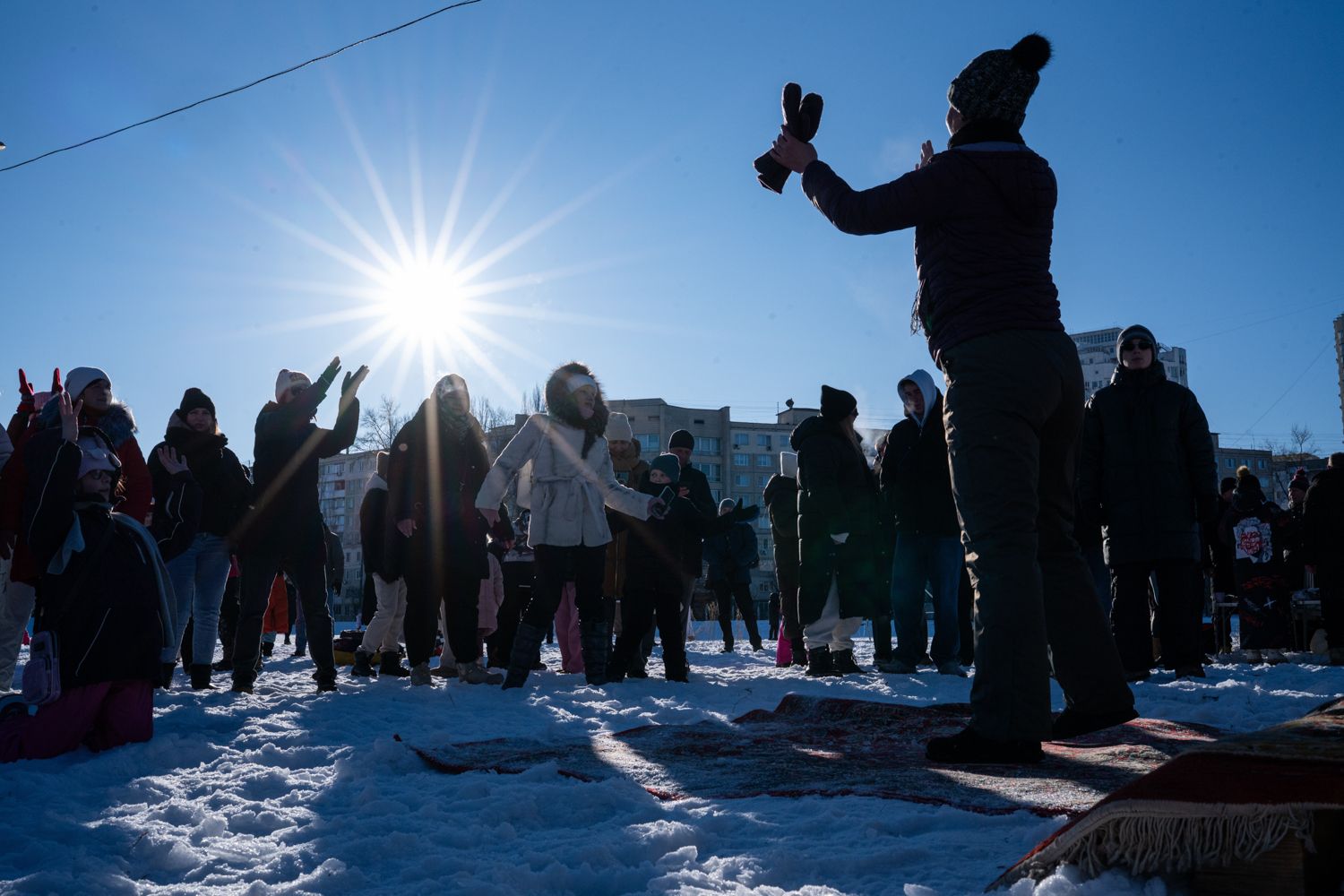
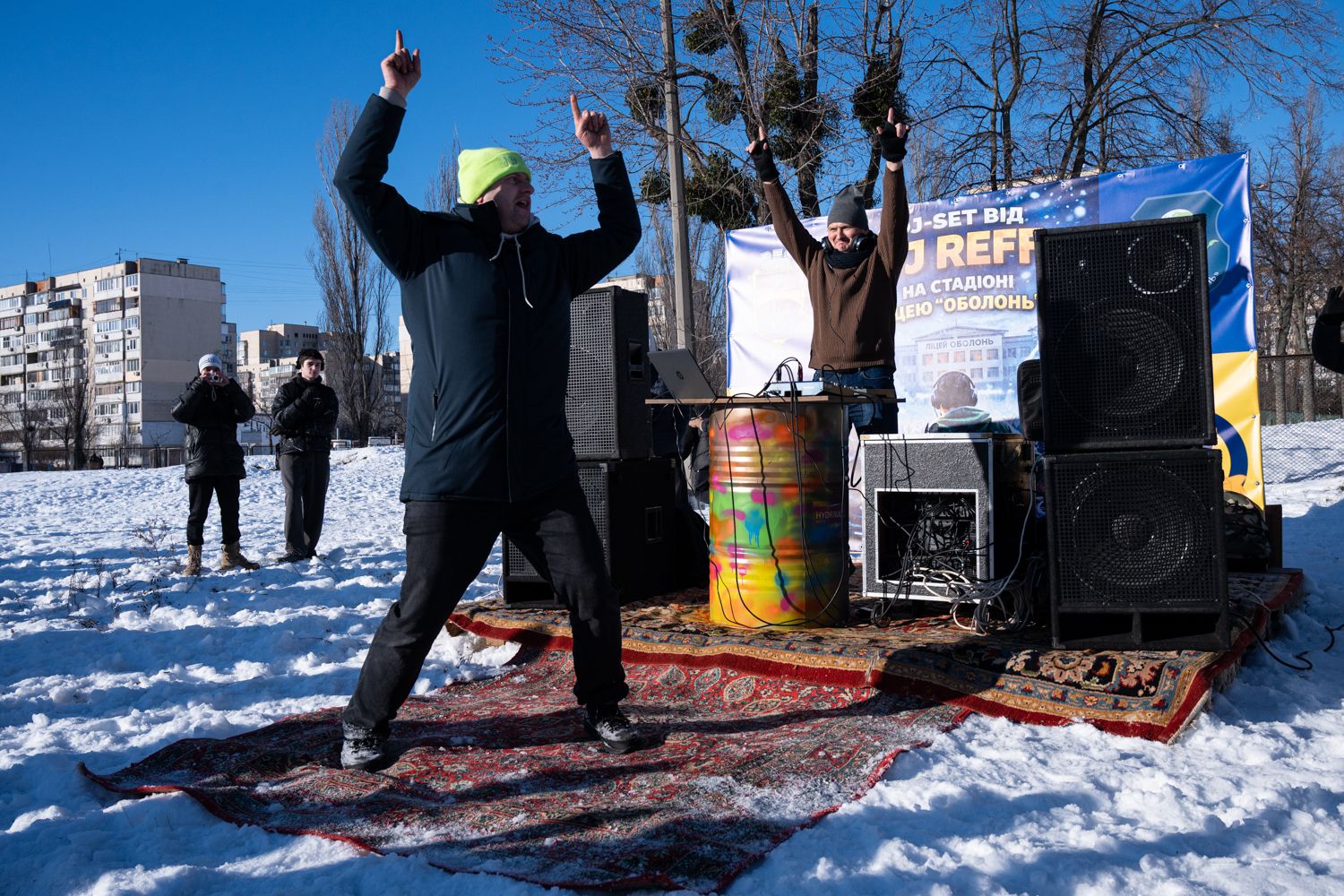
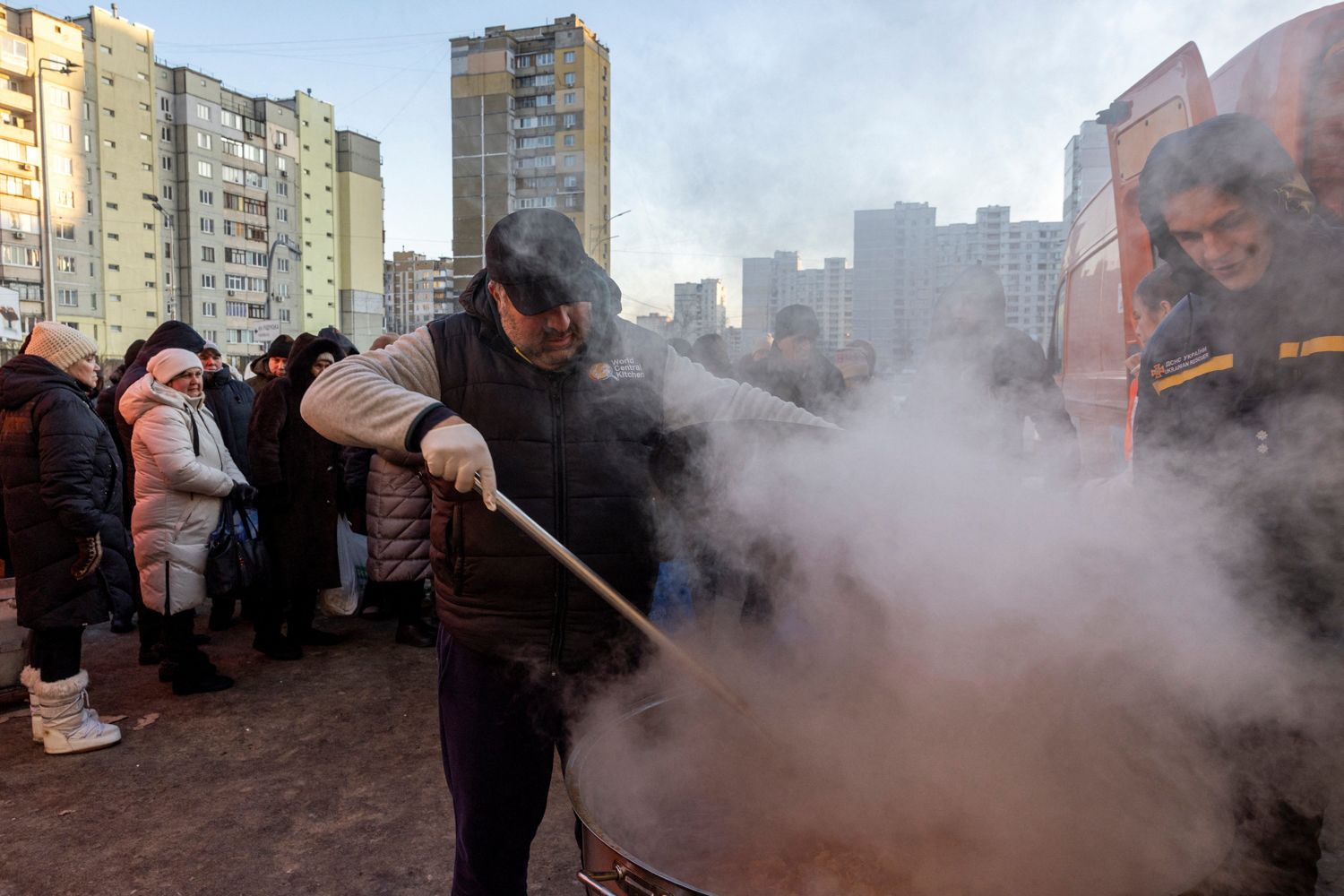
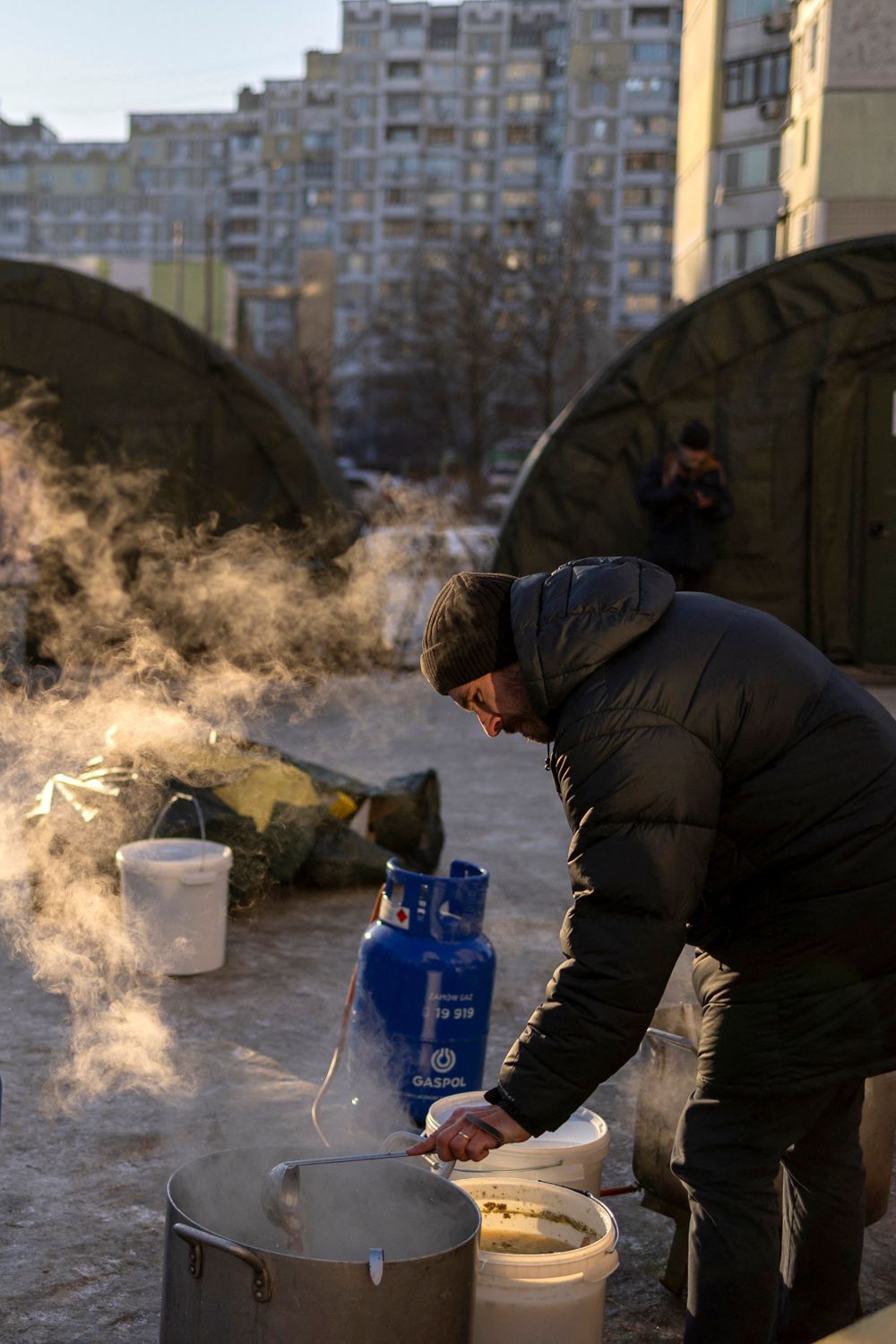
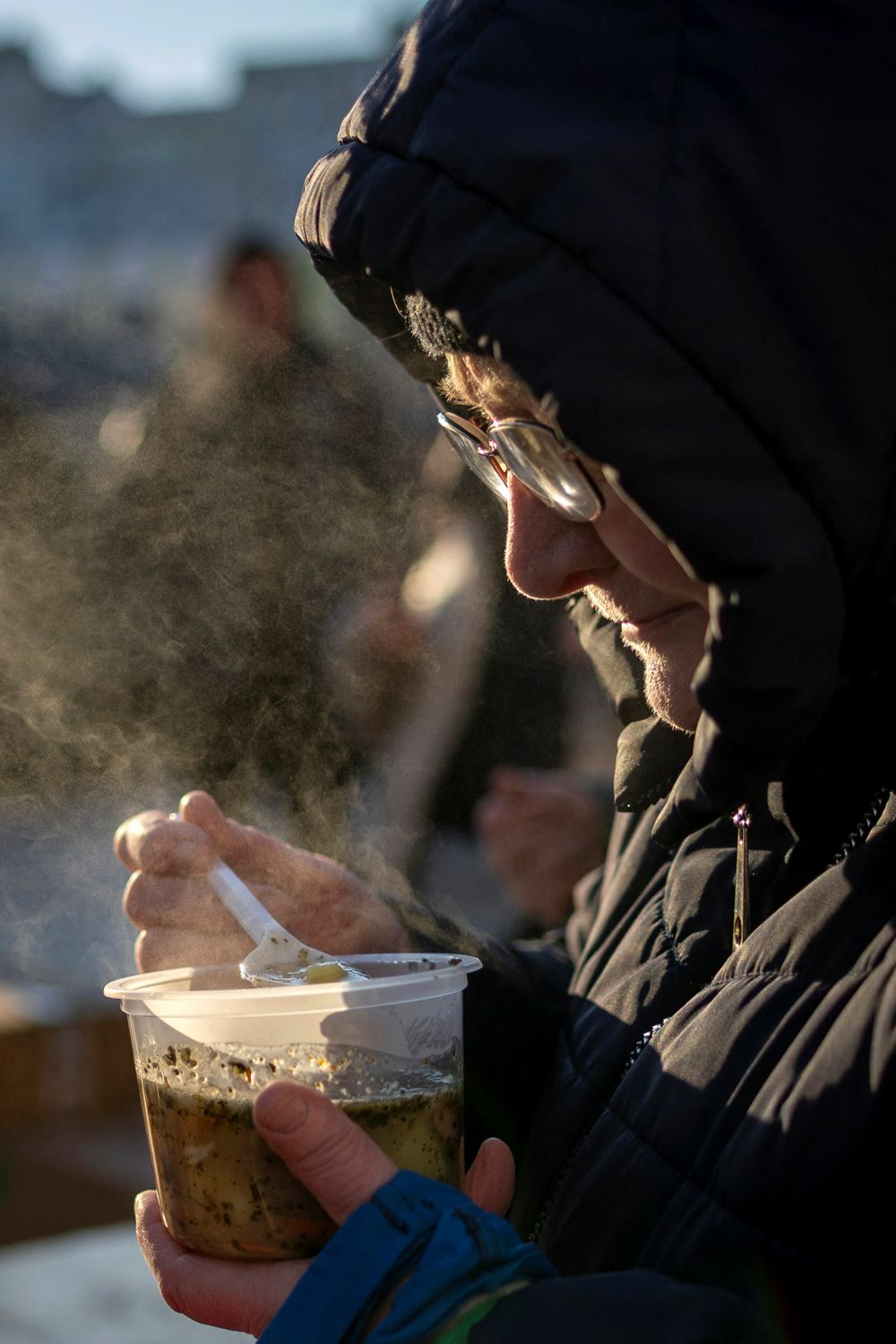
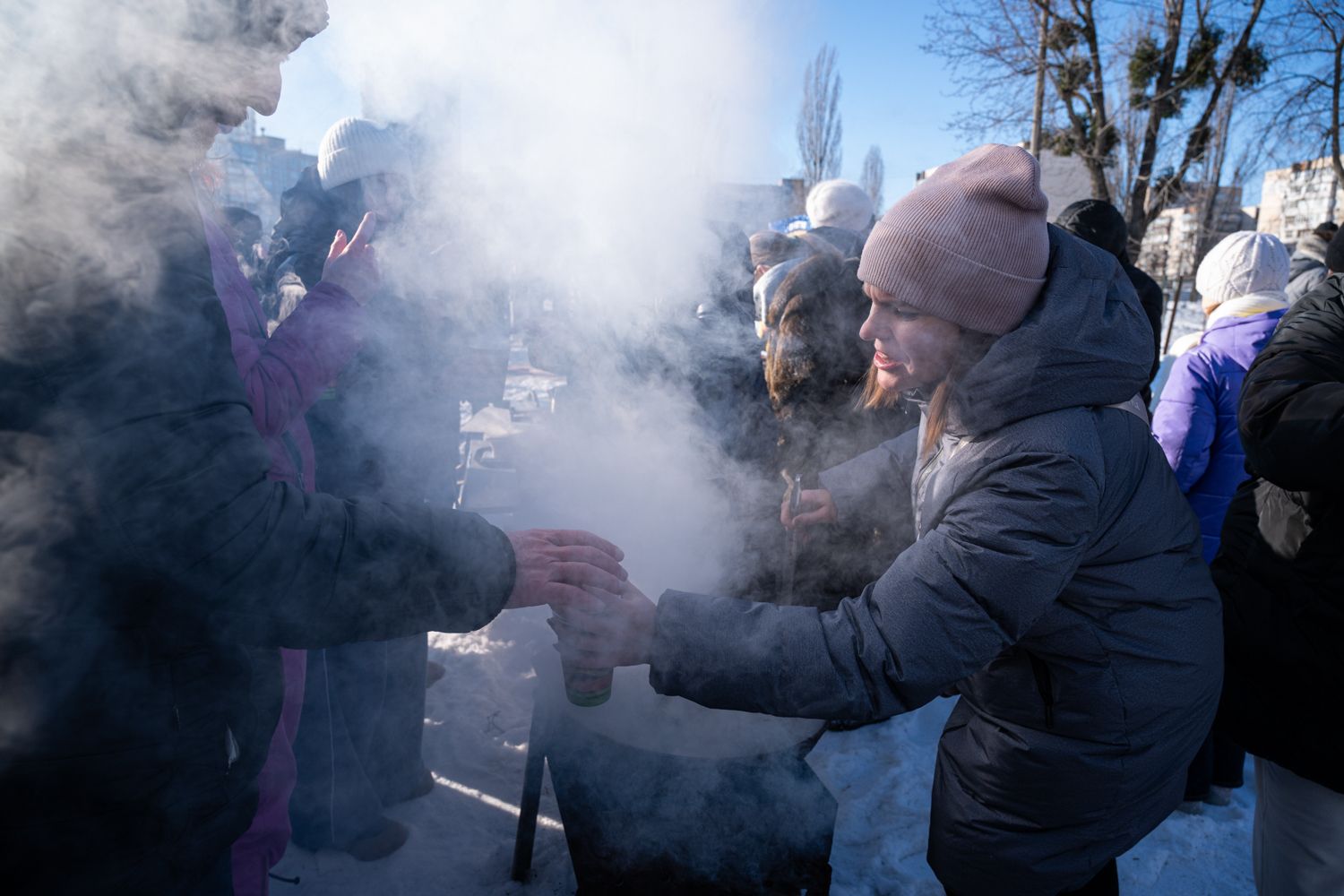
Due to Russian attacks on the energy infrastructure, many residents of Kyiv live for weeks without electricity and heating in severe frost conditions. To support each other, neighbors organize active events right in their yards - they hold joint exercises and even parties with DJs. There, volunteers hand out hot food and tea.
War through the eyes of Meduza readers
Anonymous reader (New Zealand) . I am the same “surf guy” in New Zealand whom Maxim hated, freezing in Krivoy Rog . I was, of course, unlucky to be born in New Zealand - I was born in the USSR and emigrated from Russia shortly after the outbreak of hostilities in the Donbass. At that moment, being still a fairly young man who understood nothing about geopolitics, I somehow clearly formulated for myself the simple idea that Russia is an empire. An empire that will always wage wars and burn them generation after generation.
My parents had Afghanistan, my generation had Chechnya, for my son, who was eight at the time, the empire was preparing a war in Ukraine. Unfortunately, that’s how it turned out. My son is now exactly of military age, and every time I look at this carefree fool, I say to myself: “I did everything right.”
As for the perception of war in this part of the world, almost no one really cares. War is just boring headlines in the news feed. Artificial intelligence, economics, weather are much more important topics. And that's great. This is how people should live.
As for my personal perception of the war, it is with me every day. I fall asleep to the droning of military analysts, I wake up and immediately start scrolling through Meduza, I have lunch studying maps of the front line. This, of course, cannot be compared with what Ukrainians are experiencing. I just want to extend a virtual hand of support to Maxim from Krivoy Rog from a surf guy from New Zealand.
Share your thoughts about the war
"Jellyfish"