
Translated material
The Great Underdictator
Can President Trump be considered a fascist?

Donald Trump. Photo: AP / TASS
At first, Italian fascism found a warm welcome among many American and European progressives. At first, the Western press favored him. For polemical purposes, the “F-word” began to be used in the United States during the period of Roosevelt’s New Deal, writes Stanley Payne, professor emeritus of history at the University of Wisconsin, a great expert on this topic. Roosevelt, for example, was called a “fascist” by the radical Louisiana populist Huey Long, who meant that the restructuring initiated by the Democratic president resembled the innovations of Mussolini.
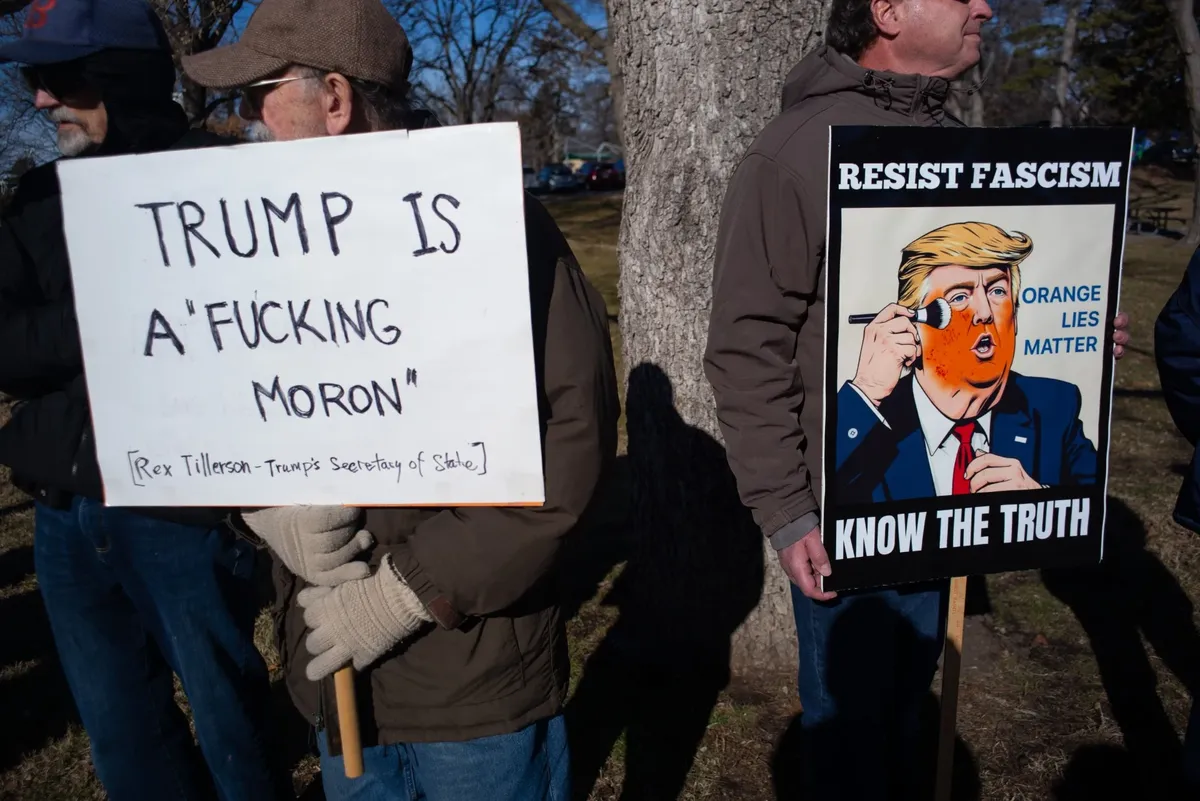
In addition to Roosevelt, this label most often went to the same Long, who sometimes called himself a “fascist,” most likely as a joke. Trump also coolly declared that he would be a dictator, “but only for one day,” and his trolls depicted Trump in a crown and royal robe.
Supporters of the New Deal called its critics “fascists.” In 1938, Roosevelt denounced the "fascist" tendencies of the Republican Party. The term began to take on an infernal connotation here in 1935, when, as historian Bruce Kuklick put it in Fascism Comes to America, “Hitler sullied Mussolini.”
In 1947, when only memories remained of “classical” fascism and Nazism, Democrat Harry Truman followed Roosevelt’s example and complained about the “fascist tendencies” of the then Republicans.
In the post-war period, polemical “fascism” alternates in the United States with “Nazism,” although the German Nazis never called themselves “fascists” and generally did not like to be likened to their Italian “colleagues.”
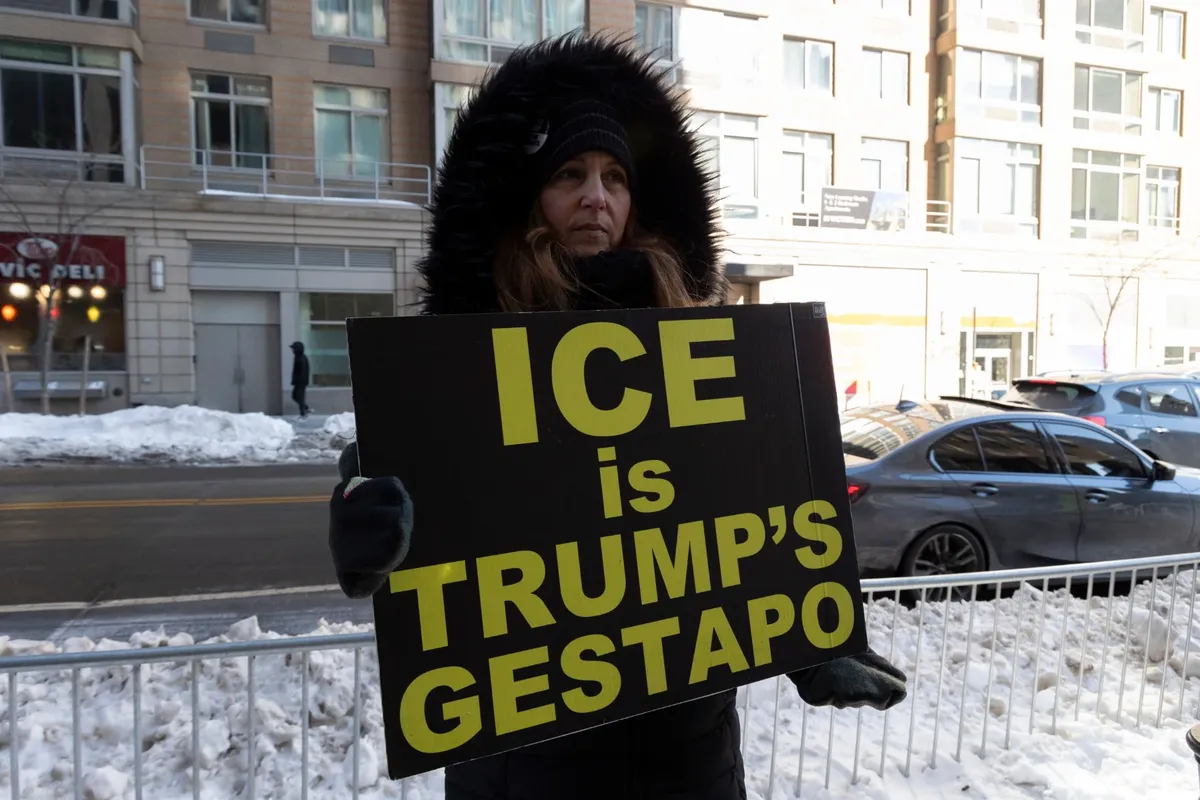
American Democrats have long preferred to call Republicans “racists,” but under Trump, the palm has moved to the word “fascist,” although he is sometimes called “Hitler” and his ICE is “Gestapo.”
sometimes pronouncing this word as “geShtapo”. The “fascisation” of Republicans by Democrats has a long history.
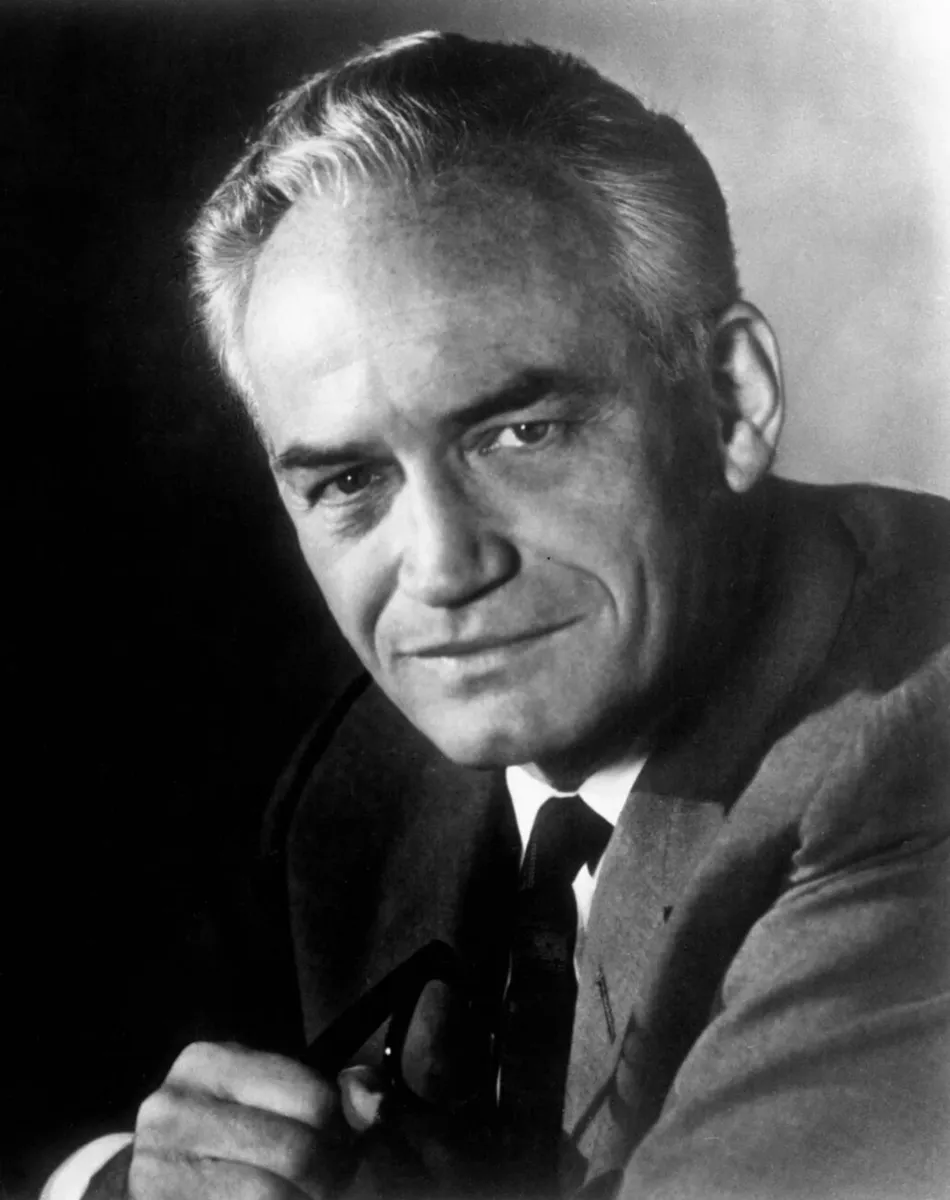
In October 2024, the American publicist Christopher Tremollier published an essay in the conservative publication The Washington Examiner entitled “Reductio ad Hitlerum (“Reduction to Hitler”). It's been 60 years since Democrats have falsely called Republican candidates fascists." The author begins with the 1964 presidential campaign, when Democrats likened Republican senator, major general in the US Air Force and son of a Jew (though he was raised an Episcopalian by a Christian mother) Barry Goldwater to Nazis and fascists.
“We see dangerous features of Hitlerism in Goldwater’s campaign rhetoric,” the famous black rights activist Martin Luther King once warned Americans. “Now I understand how the Jews felt in Hitler’s Germany,” baseball star Jackie Robinson said of Goldwater’s speech. The then-mayor of San Francisco, where the 1964 Republican convention was held, remarked that Mein Kampf was their bible.
The Democratic Party's presidential candidate in 1968 was Vice President Hubert Humphrey, who remarked about the then election: "If the British had not fought back in 1940, Hitler would have been in London, and if the Democrats had not fought back in 1968, Nixon would be in the White House."
The Democrats, as we see, fought back, but not enough, and Nixon finally settled in the White House, inevitably reaping his harvest of reproaches for Nazism. One political poster from 1970 showed Hitler with a swastika on his elbow and a Nixon mask in his hand. A photo from 1973 showed a man wearing a Nixon mask as a crowd yawed at him.
Vice President Gerald Ford, who replaced Nixon after his resignation, received similar invective. His presidential library contains an account of Ford's confrontation with a woman who repeatedly calls him a "fascist" and a "fascist pig."
Ronald Reagan also came under attack. Democratic Congressman William Clay argued that Reagan was eager to replace the American Bill of Rights with “fascist precepts copied word for word from Mein Kampf.” And Los Angeles Times cartoonist Paul Conrad published a cartoon depicting Reagan planning a fascist putsch in a gloomy Munich beer hall.
The liberal essayist Harry Stein, who later became a conservative, wrote in Esquire magazine that Reagan supporters reminded him of the “good Germans” in “Hitler’s Germany.”
Holocaust scholar John Roth commented on Reagan's election victory: "I cannot help but recall how, 40 years ago, devastation coupled with Nazi nationalism and militarism - exacerbated by Germany's defeat in World War I - pushed the world toward disaster... It is not entirely wrong to reflect on our post-election situation with fear and trembling."
I agree with Tremollier that before Trump, Democrats most vehemently attacked George W. Bush, adding the title "war criminal" to their menu of invective. But they also suffered from the seemingly harmless Republican Senator Mitt Romney, who in 2012 was also accused of Nazi and fascist inclinations, and the future Speaker of the House of Representatives Paul Ryan, who was likened to Goebbels.
Republicans, naturally, had their own unflattering epithets for Democrats, but usually others.
Trump was not fascist for long: first he was a noble example of New York's golden youth, and then - a wonderfully wealthy bon vivant and showman who had no clear ideological allegiances and often donated to candidates from both parties.
Democrats began to fascist him in 2015, when he began running for president in earnest.
At that time, doubts were still expressed on the left flank about this characteristic. For example, on December 28, 2015, the liberal New Yorker magazine published an article by John Cassidy entitled “Donald Trump is not a fascist, but a media-savvy know-nothing.” The author did not spare offensive definitions and, in particular, called him a “shameless demagogue,” but denied Trump the title of “fascist.”
Cassidy was referring to a recent article by Dylan Matthews of the leftist outlet Vox, which cited the views of a number of American historians on Trump's fascism. They all agreed that Trump does not meet the classic definition of the term. Columbia University's Robert Paxton, for example, said Trump is "too much of a hedonist and individualist to be worthy of the kind of collective action and political mobilization that was at the heart of fascism."
Today's liberal historians, on the other hand, will immediately object that much water has passed under the bridge since then, and Trump, for example, called on his fans to storm the Capitol on January 6, 2021, that is, to the “collective action” that Paxton supposedly had in mind. Conservative writers overwhelmingly reject Trump's involvement in the fascist tribe.
Last week, Wall Street Journal commentator Barton Swaim published an article entitled "America Doesn't Do Fascism."
According to the author, “fascism” is on the lips of the left these days. Over the summer, Minnesota Governor Tim Walz called Trump's initiatives "fascist" and recently drew a parallel between those concerned about ICE operations against illegal immigrants and Anne Frank. Demartia Secretary General Ken Martin calls Trump a “red-tie fascist” (not a pioneer) and claims that the current administration is seeking to “march us into full-blown fascism.”
Last week, the liberal Atlantic magazine published an article by Brookings Institution fellow Jonathan Rauch entitled "Yes, It's Fascism." As Swain notes with relief, Rauch summarizes that America itself has not yet “slipped into fascism,” but is now “a hybrid state combining a fascist leader and a liberal Constitution.”
Swain writes that Trump doesn't really have a worldview that can be categorized. “You cannot be a fascist, or a socialist, or a communist without having a conscious desire to be one,” notes a commentator for a newspaper that itself is not easily classified in any ideological camp.
Swain agrees that in his second term, Trump repeatedly ordered the Justice Department to settle scores with his enemies, but notes that he did this “in comical ways that lowered his rating and turned these enemies into heroes.”
Trump complied with court decisions, although sometimes federal judges had to spoil the nerves of his administration's lawyers before doing so.
Finally, what kind of dictator is Trump if he regularly backs down (although he will never admit it)? The latest example: last week, he removed Homeland Security Secretary Kristi Noem and Border Patrol chief Gregory Bovino out of harm's way from bustling Minneapolis and replaced them with the more experienced security official Tom Homan.