
Translated material
Reanimatologist Alexander Polupan saved Navalny after being poisoned with Novichok. Then the doctor went to Latvia and received a license - but faced a ban on his profession
He's not the only one. Citizens of Russia and Belarus are prohibited from working in Latvian hospitals
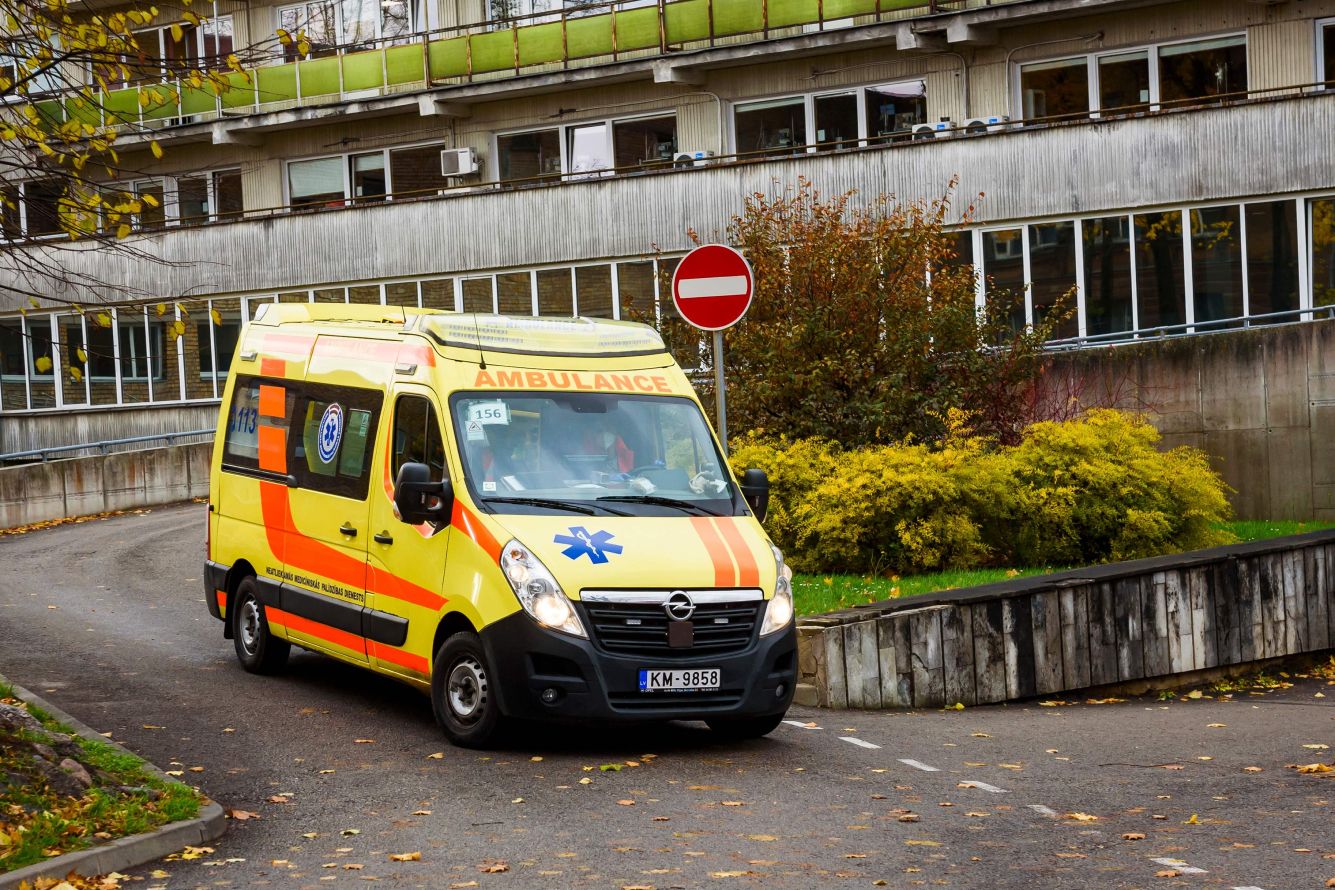
In the summer of 2025, Latvia introduced labor restrictions for citizens of Russia and Belarus - they lost the right to work at critical infrastructure facilities, which include large public hospitals. As a result, at least 100 people lost their jobs. Among them was Alexander Polupan, a Russian resuscitator who treated Alexei Navalny after his poisoning and openly supported him after his imprisonment. Polupan learned the Latvian language and received a medical license, but now he cannot get a job in his specialty without permission from the Latvian Security Service. According to Polupan, in his case this means a ban on his profession.
You can read this story in English here .
In the summer of 2025, Latvia adopted amendments to the national security law that prohibit citizens of Belarus and Russia from owning and managing critical infrastructure facilities . They are also prohibited from working at such facilities if this involves access to information or equipment “essential to the functioning of critical infrastructure.”
Citizens of the Russian Federation and Belarus in Latvia
According to the Latvian government, as of mid-2025, almost 42 thousand Russian citizens and more than 4,200 Belarusian citizens lived in the country.
The amendments have deprived dozens of Russian and Belarusian citizens living in Latvia of work. Thus, 49 people were fired from the regional hospital in Daugavpils. According to a source from the Chaika publication, employees were informed of their dismissal on January 30, 2026, and all procedures were completed in one day. Layoffs also took place in large hospitals in Riga: 13 people left the Eastern Hospital, 10 people left the Paula Stradiņš Hospital. The Riga Children's Hospital, where several Russians and Belarusians also work, is still assessing whether they meet the criteria for dismissal.
Latvian Railways has already terminated or plans to terminate employment relationships with 26 employees with Russian and Belarusian citizenship. Sadales tīkls, Latvia's largest electricity grid operator, has fired two such employees. Many other structures that can be classified as critical infrastructure (for example, the airport and seaport of Riga, the natural gas distribution operator Gaso, the energy company Latvenergo and the Latvian State Radio and Television Center) told reporters that they do not employ citizens of Belarus and Russia at all.
“As for non-citizens , a similar problem existed before. Six or seven years ago, employees had to make a choice - get Latvian citizenship or quit. You could say that we have [already] gone through this cycle. At that time, this was largely our initiative,” said Girts Ozols, Chairman of the Board of the Latvian State Radio and Television Centre.
Among those who suffered from the new policy of the Latvian authorities was Alexander Polupan, an anesthesiologist and resuscitator from Moscow, who was part of a council of doctors who tried to diagnose Alexei Navalny after the Novichok poisoning in 2020. Later, Polupan became one of the initiators of an open letter from doctors calling to stop tormenting Navalny in custody, and openly doubted the official causes of the politician’s death in the colony on Yamal.
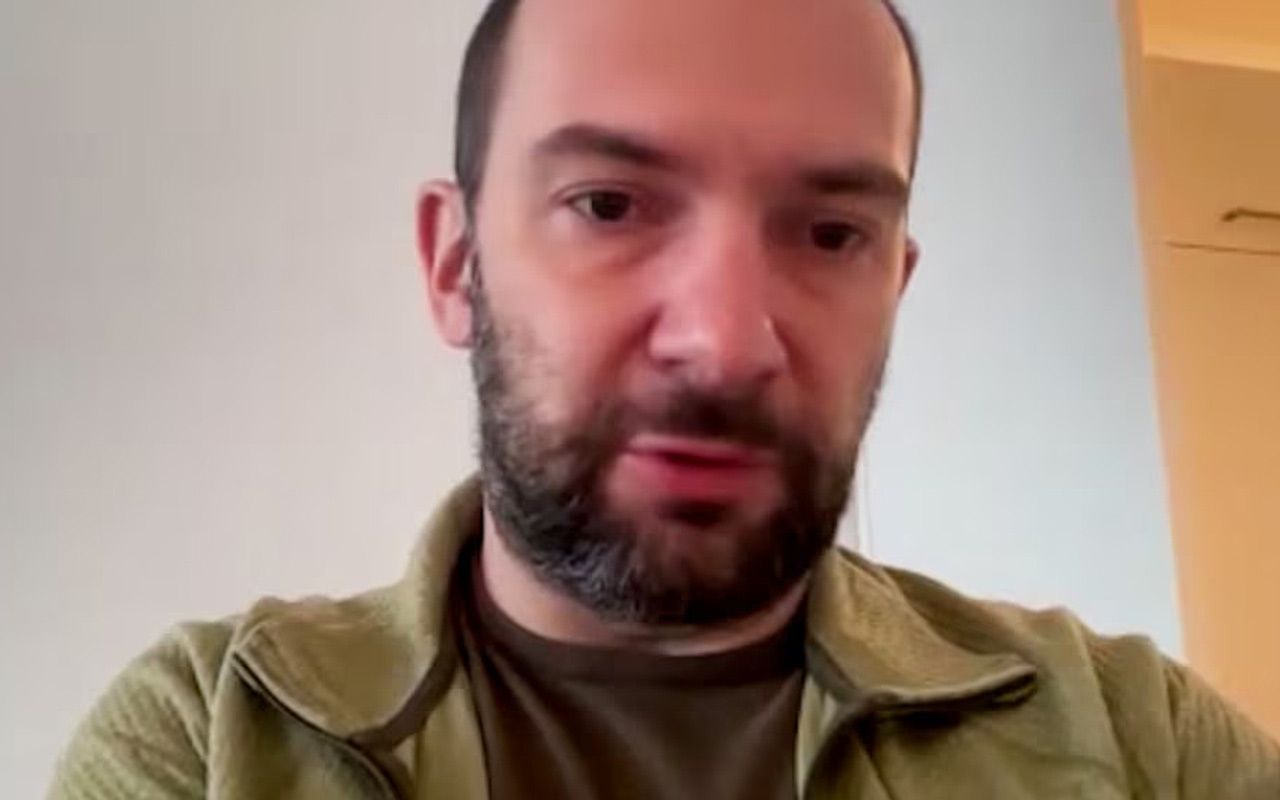
Polupan told Current Time that he left for Latvia in 2023 for political reasons, including disagreement with Russia’s invasion of Ukraine. By May 2025, he received all the necessary permits to work as a doctor, including passing the language exam for category C1 . Polupan was invited to work in the new intensive care unit at Riga East Hospital. He was supposed to start work in January 2026, but after being recalled from the State Security Service (SSS) of Latvia, he was denied the position.
“I then wrote a personal request to the State Security Service, attached my entire biography, told what I did in Riga, that in general I was not noticed in anything bad in Latvia, only good things . They said: “Thank you for the information provided, but we see no reason to make an exception for you,” the doctor said.
The National Security Law does provide that citizens of Russia and Belarus can work at critical infrastructure facilities in Latvia if the State Security Service issues them a personal permit. Some structures have already tried to take advantage of this and had to fire citizens of Russia and Belarus - for example, Latvian Railways and the hospital in Daugavpils. They asked the State Security Service to make an exception for some of their employees who were subject to dismissal. However, at the beginning of February 2026, the intelligence service had not satisfied a single such request.
Why?
“The exception applies only when it is otherwise impossible to ensure full operation of a critical infrastructure facility. For example, if this person has unique knowledge or skills in a particular field that cannot be replaced by another specialist. A lack of specialists in a particular field or increased costs are not considered sufficient justification for obtaining permission to employ citizens of Russia or Belarus on an exceptional basis,” the State Security Service said .
Polupan is now trying to get a job in Latvia for the third time, but not in Riga, but in Liepaja. He is waiting for a new response from the State Security Service. If this answer is again negative, the doctor plans to go to work in Switzerland. He says that in his case, the work restrictions imposed by the Latvian authorities amount to a ban on his profession:
“Not many of us [Russians] have moved [to Latvia in recent years]. As far as I know, only four doctors began this path [of obtaining a license] after the start of the war. If I'm not mistaken, I'm the only one who has already gotten to the point of obtaining a license. They explained to us that if we comply with the requirements of the law, we will work. But then they actually impose a ban on our profession. In my case, this is a complete ban, given that intensive care is only available in public clinics. Yes, doctors of some specialties can go to work in a private clinic, but there is simply no intensive care in private clinics.”
Latvian Ombudsman Karina Palkova also criticized labor restrictions for citizens of Russia and Belarus - but not the rule itself as a whole, but how it is applied. According to Palkova, if a person loses his job not through his own fault, but because of a government ban, some kind of social protection tools should be provided for him. For example, severance pay. Now dismissed citizens of the Russian Federation and Belarus do not have the right to it .