
Translated material
The most vicious man in the world
Some considered him a devil, a Satanist and a madman. Others worshiped him and took part in the orgies he hosted in his villa. In the decades since his death, he has become a cult figure, with songs written about him and featured on music album covers. He was an esotericist, poet, writer and one of the most controversial celebrities of the 20th century. He was born into a rich family, but died in poverty. "Cold" tells the story of Aleister Crowley, who created one of the most unusual sects in the world.
He sacrificed pigeons and held orgies. He was kicked out of Italy and France, and after his death he inspired musicians 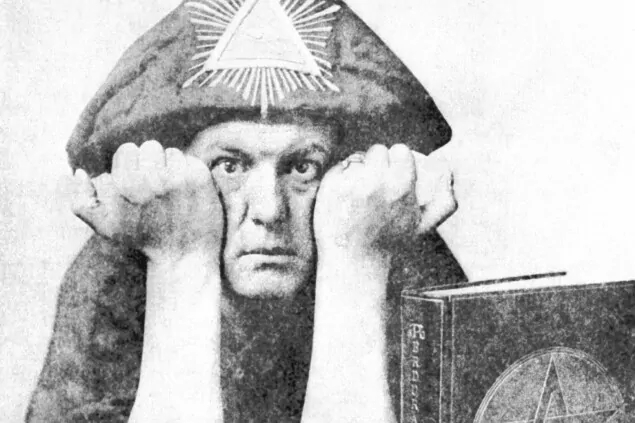
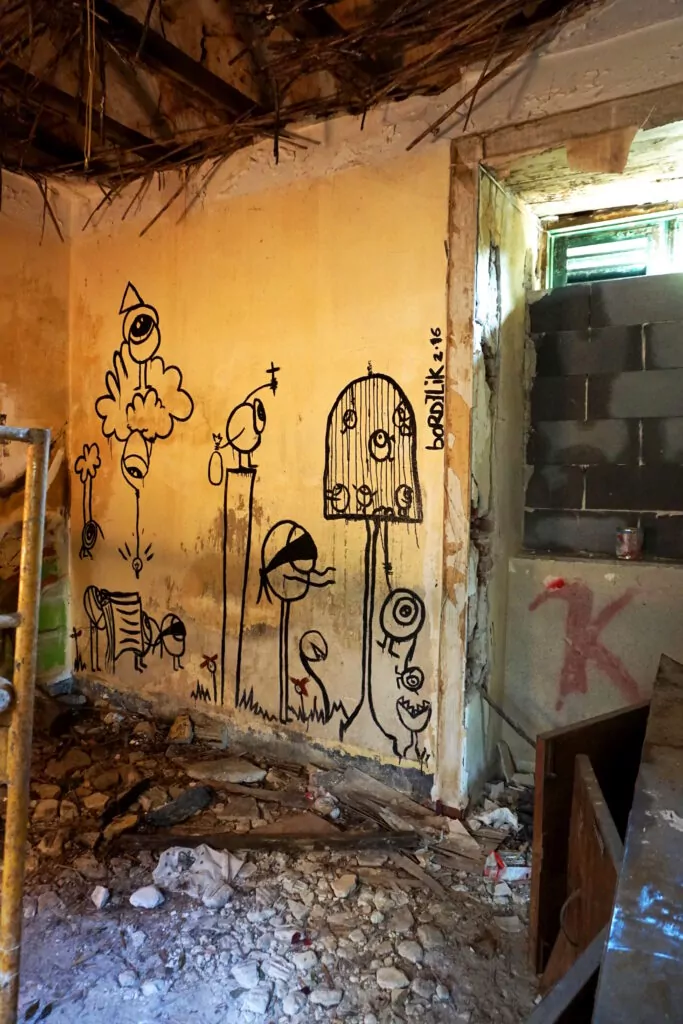
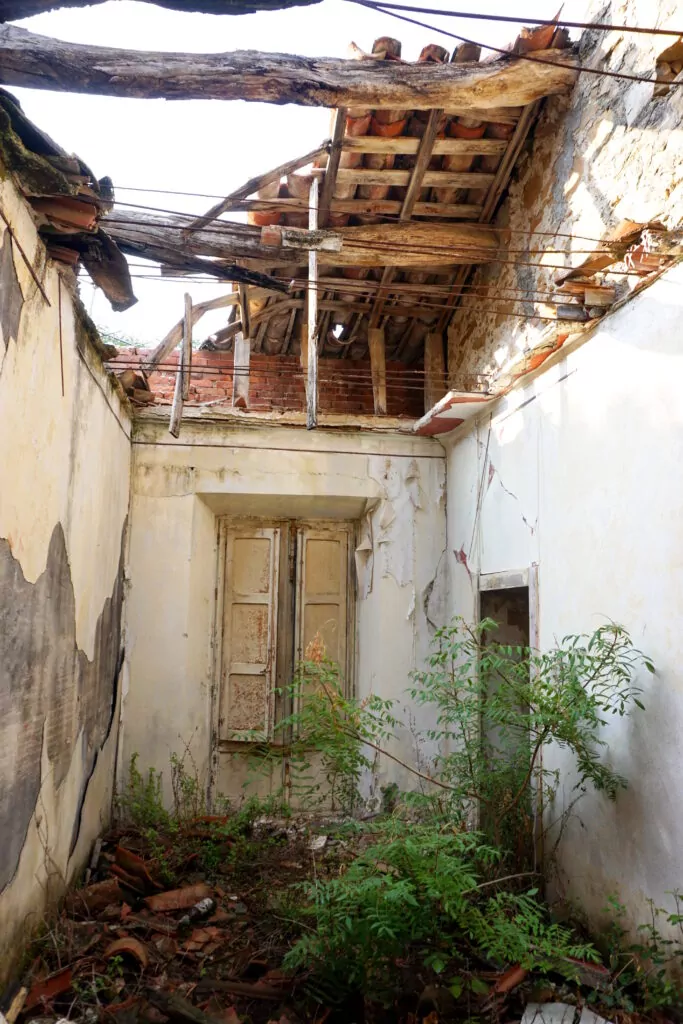
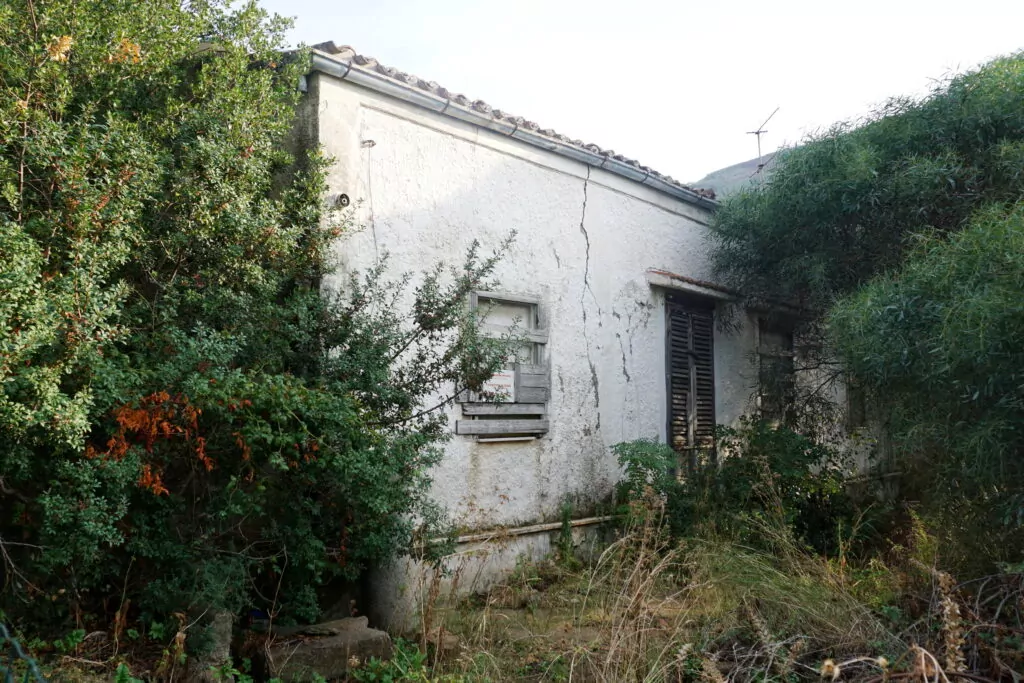
This price was explained by the fact that in the early 1920s, in this place there was a commune of one of the most famous sects of the 20th century. There, along with his followers, lived the famous esotericist and writer Aleister Crowley, who considered himself the incarnation of the devil and a magician. In a Sicilian villa they organized orgies and used drugs. The press wrote about his shocking exploits and cemented his reputation as a debauchee and Satanist, including hinting that he was engaged in ritual murders in his house in Sicily.
Under the influence of rumors, many contemporaries shunned him. However, several decades after his death - during the "sexual revolution" of the 1960s - he became a cult figure.
Subsequently, many artists and musicians were inspired by Crowley's personality. His face was on one of the Beatles' most commercially successful albums. Ozzy Osbourne, after leaving Black Sabbath, released the track “Mr. Crowley." Led Zeppelin guitarist Jimmy Page has bought Crowley's estate in Scotland and amassed the most comprehensive private archive of his work. And the author of the James Bond novels, Ian Fleming, said that Crowley was the prototype of the main villain from the first book about agent 007.
Son of a cultist
As Aleister Crowley himself stated , as a child, at the age of 11, he “went over to the side of Satan.” It was in 1887 that his father, a wealthy man who had been a member of the radical Protestant sect of the Plymouth Brethren , died. After the funeral, as Crowley wrote in his memoirs, the attitude towards him at school deteriorated, and he himself also changed dramatically: he wanted to “serve the new master ... with the same passion with which he served the old one.” However, some researchers believe that Crowley could have invented such a “convenient” backstory for himself.
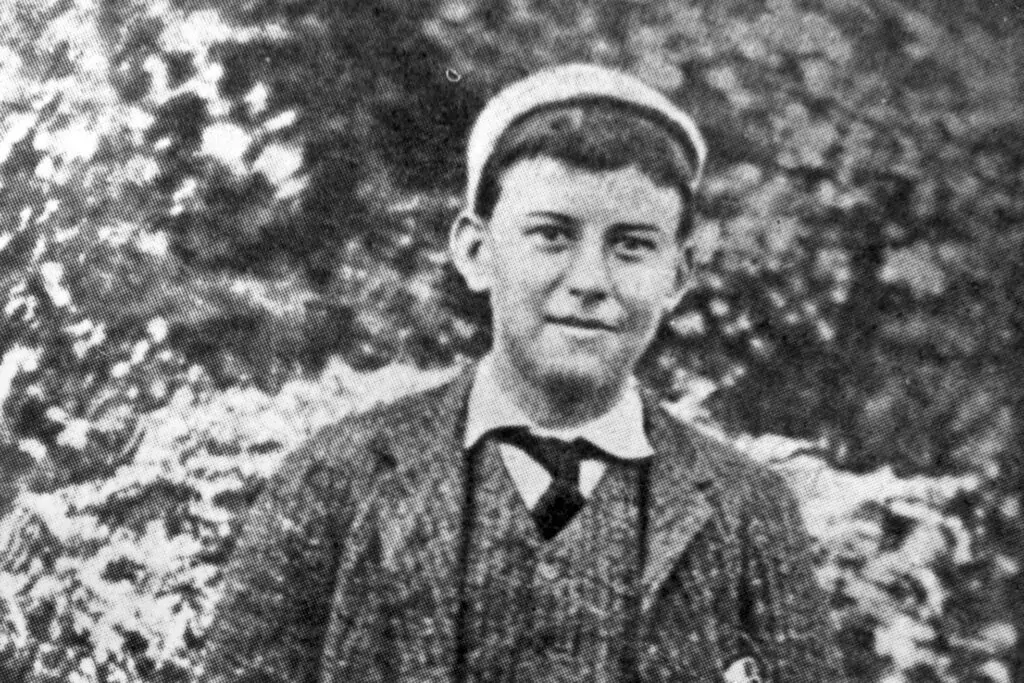
However, as Crowley wrote, his mother soon could not cope with him and, in despair, even called him “The Beast 666” - that is, the devil from the Holy Scriptures. At the age of 20, he entered Cambridge, where, as researcher Alex Owen wrote , he finally freed himself from the “suffocating religious atmosphere of his home” and surrendered to forbidden pleasures: sex, smoking and literature.
During his studies, Crowley began to travel and on one of his trips decided that he wanted to devote himself to religion. “I realized that I possessed magical powers, the presence of which I could feel and satisfy that part of my being that until that moment had been hidden from me,” he wrote in his memoirs.
The men had sex, then drew a triangle in the sand, wrote the name of Choronzon in it and sacrificed three doves. As a result, Crowley dropped out of school in his last year and continued his wanderings. During them, he kept a diary, where he recorded his observations of mystical and religious movements in different countries. He later published a collection of articles about this and called it “777”, and also decided to create his own mystical movement or even found a religion.
Crowley's travels and British intelligence Some biographers believe that Crowley was recruited by British intelligence at college and all his further travels were connected with intelligence missions.
In 1898, after Crowley dropped out of school, he joined the secret mystical society, the Order of the Golden Dawn. Its participants were keen on studying elements of all kinds of religions, but the main thing for them was Kabbalah, a religious movement in Judaism. Getting into this society at that time was considered prestigious - it consisted of educated and creative people who wanted to gain access to “secret knowledge.” There Crowley became interested in astrology, Tarot cards and other esoteric practices.
In The Order, Crowley befriended the occultist Alan Bennett, who moved into his London flat and, as some biographers have written , turned him on to drugs. Soon, Crowley's relations with members of the Order of the Golden Dawn deteriorated - it is not known exactly why. Meanwhile, he came to the conclusion that society no longer uses esoteric practices and does not strive to obtain secret knowledge, and left it. However, according to the author of the book “Secret Agent 666” Richard Spence, Crowley could have deliberately destroyed the order on instructions from the British intelligence services.
After leaving the Order, Crowley went on a trip to Mexico with his friend, mountain climber Oscar Eckenstein. Biographer Tobias Churton suggests that he was sent there by British intelligence to search for oil fields. He then went to India and Ceylon, where he studied Buddhism and practiced yoga for several months. Then he went to China, but, according to him, he did not find worthy teachers there.
While still a student at Cambridge, Crowley traveled to the Russian Empire and lived for several months in St. Petersburg. The second time he visited there was in 1913: he came to Moscow with a troupe of dancing violinists, The Ragged Ragtime Girls. “On the Russian border, civilization and order abandoned us, and we found ourselves in a world of confusion and anarchy. No one on the train spoke a single word even of German. We found ourselves in Warsaw in complete solitude, which would hardly have been deeper if we had been thrown onto the Moon,” he wrote .
In Moscow, Crowley and his troupe performed at the Aquarium variety theater on Sadovaya Street. There was no mention of the performance in theater newspapers of that time; most likely, it was considered insignificant. At the same time, Crowley wrote that in Moscow he experienced a surge of creative inspiration: in six weeks he wrote several poems, poems and a novel.
Scarlet Women
Crowley was allegedly prompted to found his religion by a mysterious incident. In 1903, he met his friend's sister Rose Kelly. She said that she was engaged to her brother's friend, but was in love with another man. Then Crowley decided to save Rose and invited her to marry him so that she could thus escape from her brother and her fiancé. They actually got married, but eventually fell in love with each other and began to live together.
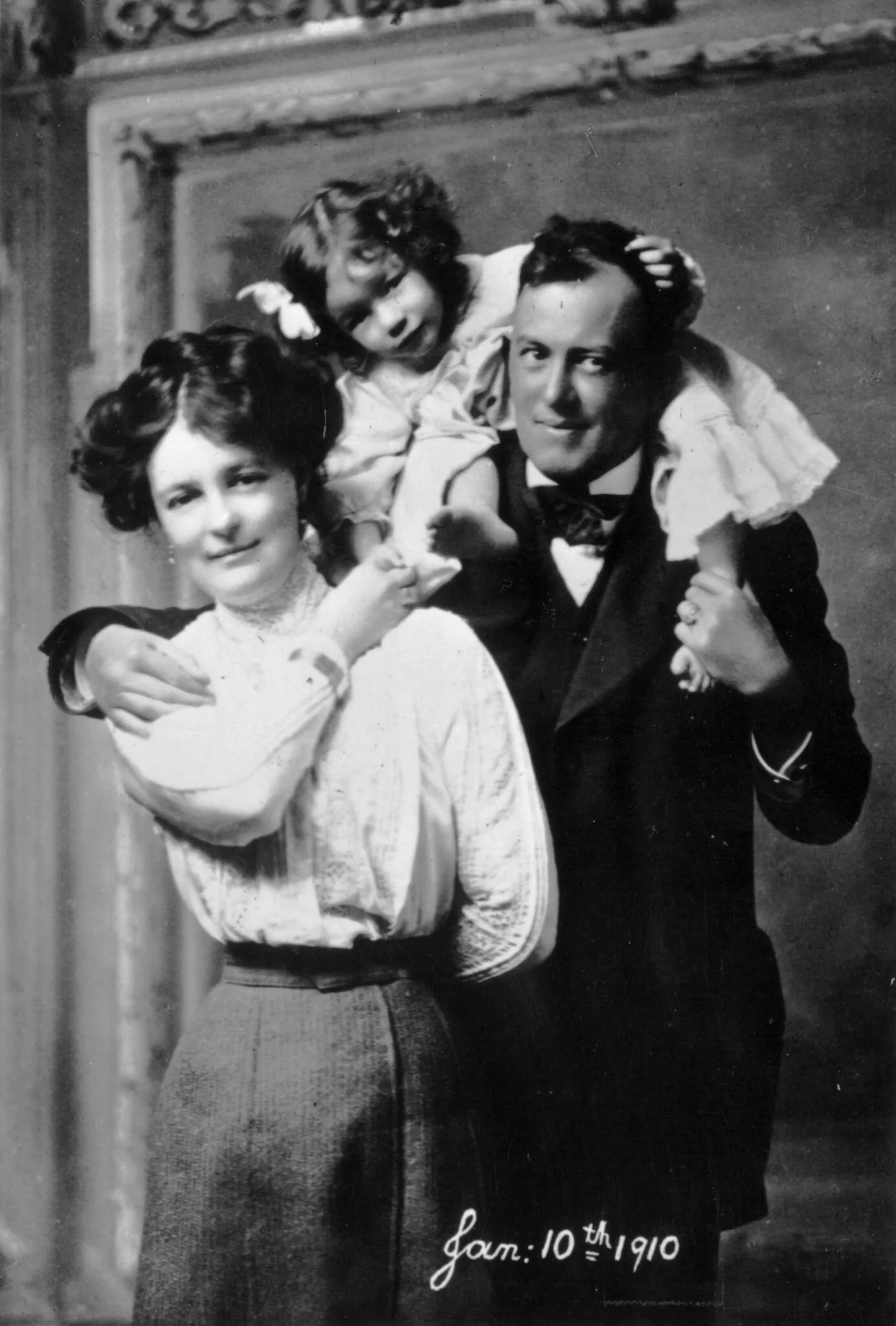
One day during a trip to Egypt in 1904, Rose, then pregnant, allegedly began repeating: “They are waiting for you.” And then she explained that she meant the ancient Egyptian god of heaven and war, Horus. Crowley took this as a sign from above and in two days wrote “The Book of the Law,” which later became the basis of Thelema, the religion that Aleister Crowley would create and whose followers would become thousands of people.
In The Book of the Law, Crowley proclaimed the onset of a new stage in the spiritual evolution of mankind, in which he was assigned the role of prophet. He believed that this era should be built on individual liberation and self-realization.
Crowley then proclaimed Kelly "The Scarlet Woman." He used this term to designate a female medium, supposedly capable of communicating with the gods, and the spiritual companion of Beast 666.
Their marriage, however, did not last long. In 1906, during another trip, their two-year-old daughter Lilith died of typhus. After this, Rose began drinking and refused treatment for alcoholism. In order not to indicate the real reason for the divorce, Crowley said at the trial that he had been unfaithful to his wife - and thus saved Rose a second time.
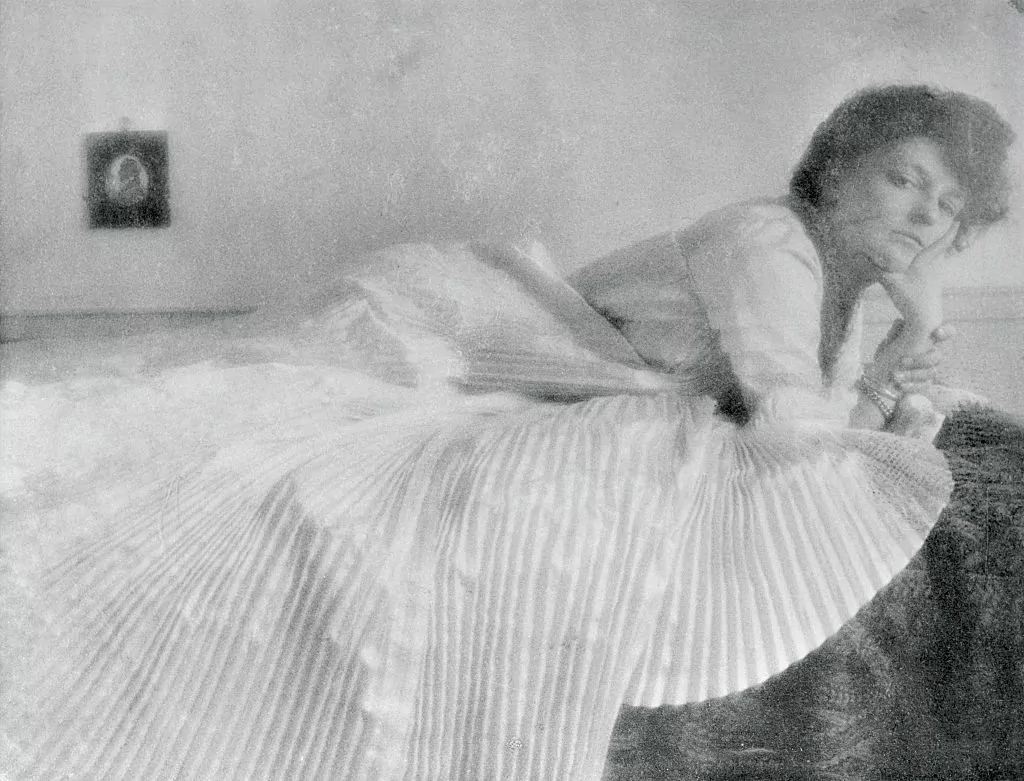
Subsequently, Crowley had at least eight more "scarlet women". Once he even had to “commit suicide” because of one of them. When Crowley was 54 years old, he began an affair with 19-year-old Hannie Yeager. In 1930, he came with her to Portugal to visit his friend, the famous poet Fernando Pessoa. There, Crowley began to quarrel frequently with Yeager and complained in his diaries that he was tired of her “pathological fears and lies.”
Together with Pessoa, they came up with the idea that Crowley would fake suicide in order to break up with her. One day, Pessoa gave Yeager a note that said: “I can’t live without you.” He said that his friend allegedly threw himself into the sea from a cliff, and the next day his ghost appeared to him and told him about life in the afterlife. The news of Crowley's suicide was published in the press, but three weeks later he appeared at the opening of an exhibition in Berlin. How Yeager reacted to this is unknown.
Sexual magic
During his divorce from Rose Kelly, Crowley went on a trip that, as he later described , turned his life upside down. In November 1909, he and his friend Victor Neuburg traveled through North Africa. They reached Algeria and went into the desert to summon certain spirits. Crowley read passages from the Koran aloud to local residents and believed that his knowledge and appearance made an extraordinary impression on them. However, Neuburg, in his opinion, prevented him from looking impressive due to his “clumsy shuffling gait and strange body movements.”
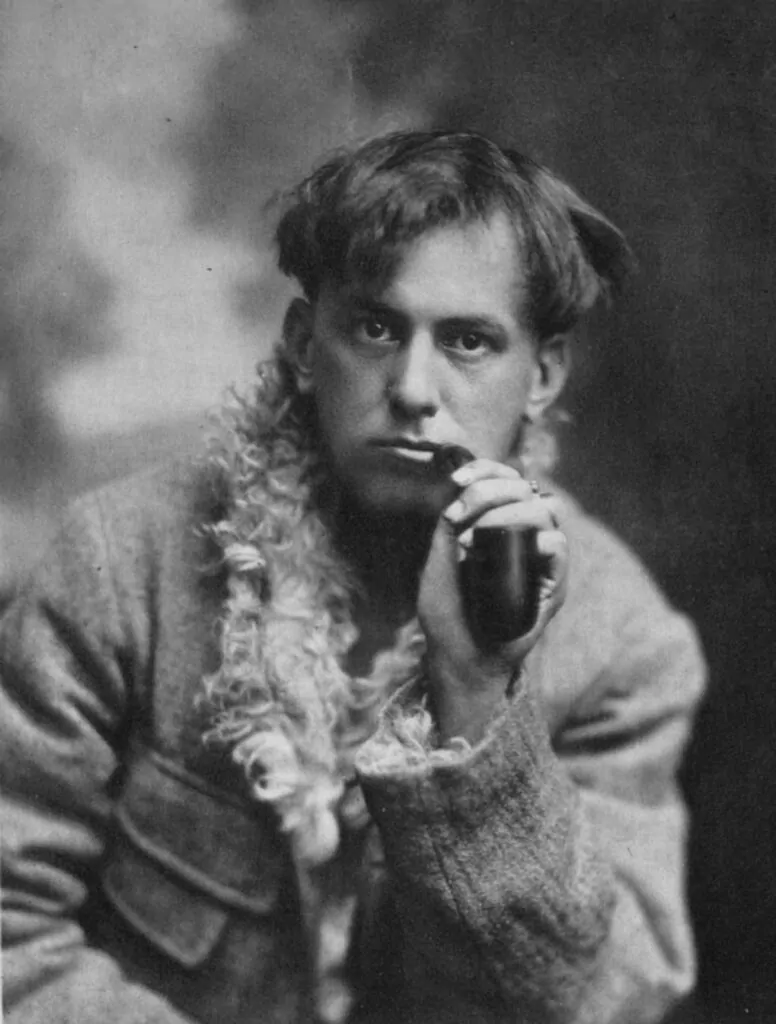
Then Crowley cut off all the hair from his friend's head, leaving only two strands on the sides. He painted them red and curled them like little horns. “The more strange and creepy Neuburg looked, the more absurd and grotesque he behaved, the more respect the locals had for the magician who managed to tame such a fantastic and terrible genie,” wrote Crowley.
As researcher Alex Owen wrote , Crowley was a man who “knew everything about masks.” He often introduced himself by other names: for example, he rented an apartment in London under the name of the Russian Count Vladimir Svarev, and in Egypt he was called Prince Khiva Khan. According to Owen, he could do this, among other things, because he was dissatisfied with his position: his everyday life was very different from romantic fantasies about an aristocratic origin and lifestyle.
Further, as biographer Richard Cavendish wrote , Crowley and Neuburg performed a magical ritual in the desert - they had sex, then drew a triangle in the sand, wrote in it the name of Choronzon (a demon in medieval occultism, whom Crowley called one of the gods in his religion) and sacrificed three doves - each on one peak. According to researcher Alex Owen, the experience was overwhelming for both. From that moment on, Crowley discovered “sex magic” and, according to Owen, soon decided that it was an unsurpassed means of gaining great power.
Crowley subsequently described the experience in the wilderness as the moment when he abandoned "certain ideas of conduct which, though quite proper from the point of view of […] human nature," were "inappropriate for initiation."
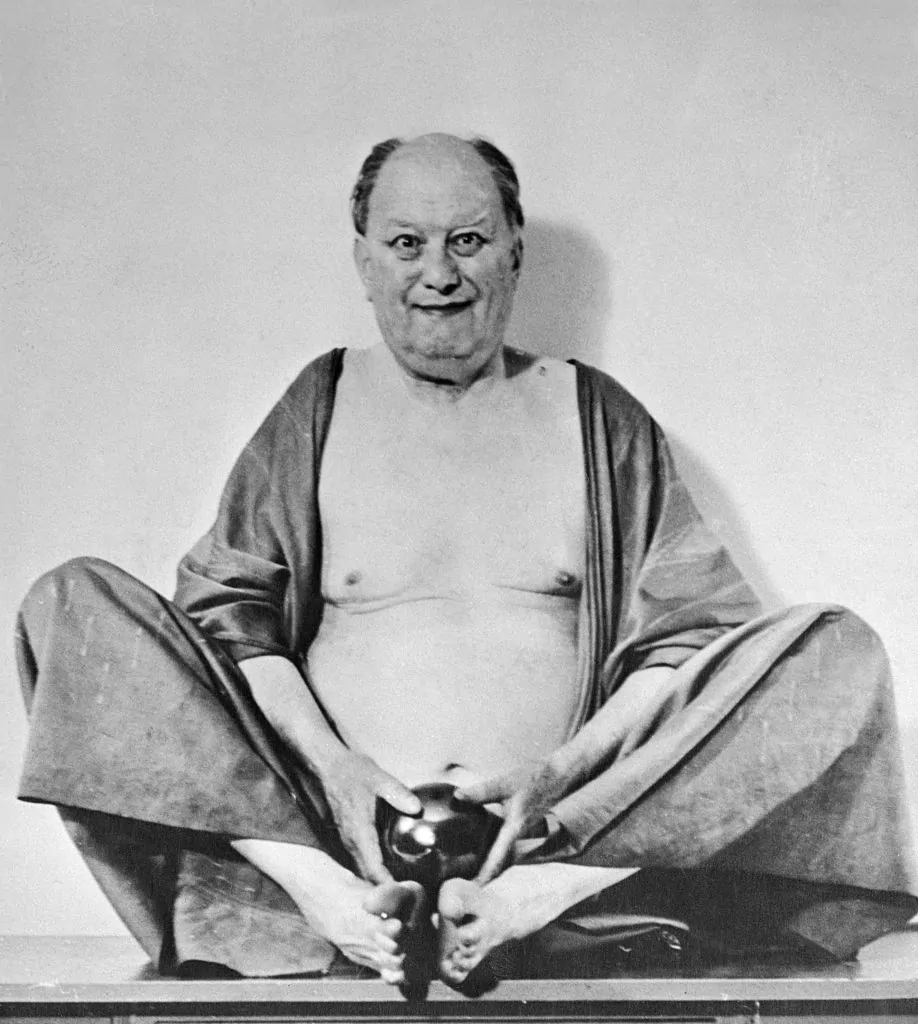
Biographer Martin Booth believed that Crowley was a bisexual with a penchant for aggression and sadomasochism, and Neuburg was one of his lovers. In 1914, they held sessions of “sex magic” in Paris. As Booth wrote, in this way they wanted to achieve unity with the gods, and used sex as a means of moving to a higher level of consciousness.
“Sexual intercourse was considered a sacrifice, and the sacrifice was the seed. The penis was called a rod, and Crowley made a phallic-shaped statue of Hermes from wax. As during theatrical performances, Neuburg's chest was symbolically pierced,” Booth described the “Parisian activities” of Crowley and Neuburg.
Sicilian orgies
In the 1910s, Crowley continued to travel, preaching his teachings. In 1918, he met 36-year-old schoolteacher Leah Hirsig from New York. Two years later, they rented a house together in the city of Cefalu in Sicily, where they moved with their followers. Crowley named his commune “Thelema Abbey” - in honor of the utopian society of the same name from Francois Rabelais’ novel “Gargantua and Pantagruel.” From there Crowley took the motto for his teaching - “Do what thou wilt is the whole law.”
According to Crowley, at first there were only four people in Thelema Abbey (he claimed that later there were more: he said that followers “came and went, but there were never more than 11”).
Crowley's followers at Thelema Abbey participated in ritual ceremonies and sexual practices that seemed wild even to the participants themselves. One of the villa's residents, Mary Booth, recalled that Crowley's student raped a goat. Among the members and visitors of the commune were celebrities: for example, silent film actress Jane Woolf.
Crowley biographer Martin Booth wrote that drugs were freely available at the abbey, but Crowley supposedly believed they should only be used for spiritual growth. However, Crowley suffered from heroin and cocaine addiction for a long time. In 1922, he published a novel about this, “The Diary of a Drug Addict,” in one of the final chapters of which he wrote that he began to use drugs less often.
In 1922, Briton Raoul Loveday came to the abbey with his wife Betty May. Loveday was a devoted follower and student of Crowley, and his wife did not share the views of the Thelemites and hated their leader. She later claimed that all members of the abbey were forced to cut themselves with razors every time they uttered the word "I", and her husband was once forced to drink the blood of a sacrificed cat.
Loveday lived at the abbey for only a few months and died in February 1923. The official cause of his death was a liver infection he received after drinking water from a stream. Betty May returned to London and told the press about it. The world's media began calling Crowley "the most vicious man on earth" and hinted that he practiced ritual murder, and in April 1923 the government of Benito Mussolini expelled him from Italy. The commune soon fell apart.
Notoriety
After the incident, Crowley began to speak out sharply against Mussolini and write poetry ridiculing Italian fascism. In subsequent years, he continued to travel and called himself the international head of the occult organization Order of the Eastern Templars. But he was haunted by notoriety, and in 1929 he was deported again - this time from France.
“Crowley claims to be the greatest authority on black magic, which he studied in Mexico, China and Africa. While in America, he wrote articles for German newspapers and said that he collaborated with British counterintelligence. Various charges were brought against him and he was expelled from Italy. For the past six years he has lived in Paris, sometimes performing “magic” of an exotic nature,” The Times reported on April 17, 1929.
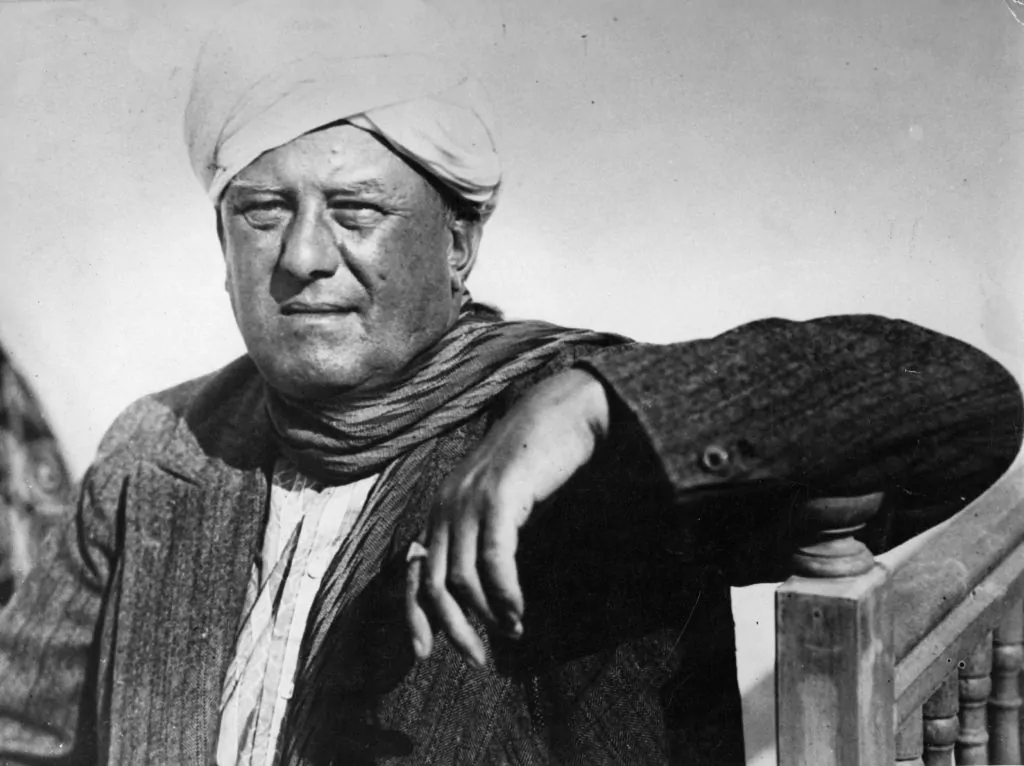
The series of misfortunes in Crowley's life continued, and he was soon left without a livelihood. In 1932, the British artist and writer Nina Hamnett, who visited Thelema Abbey, published an autobiography called The Laughing Torso, where she described, among other things, her acquaintance with Crowley. Hamnett even contacted him while writing the book and promised that she would give him great attention, but without provocation. However, when Crowley read the book, he decided that he had been slandered.
He was outraged by a short passage describing a villa in Sicily: “It was believed that he [Crowley] practiced black magic there, and one day there was a rumor that a baby had mysteriously disappeared from one of the local residents. In addition, there was a goat living in the villa. All this, as it seemed to people, pointed to the practice of black magic, and the locals were afraid of Crowley.”
Crowley sued the writer and lost in April 1934 and was left without most of his fortune. In January 1935, he was declared bankrupt, then all the creditors and companies that had once lent him money filed lawsuits against him. The total amount of debts was 15 thousand pounds sterling (about 930 thousand pounds in modern money).
At the outbreak of World War II, Crowley wrote to the British Office of Naval Intelligence and offered his services, but was turned down due to his controversial reputation. He spent the rest of his life in poverty, drinking in restaurants on credit and at the expense of other people. At the same time, he continued to write books: the last collection of poetry was published a year before his death.
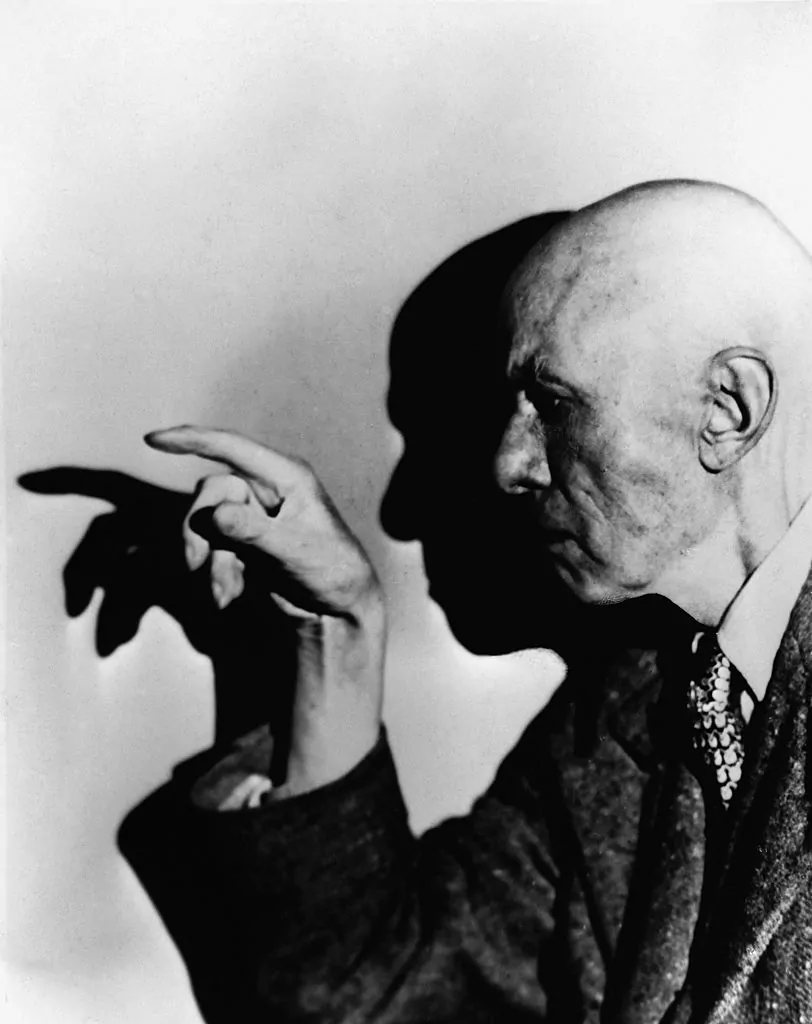
Crowley died on December 1, 1947 in the British county of Sussex from bronchitis - he was 72 years old. The funeral took place four days later. About a dozen people came to his farewell, not counting journalists, but the tabloids called it a “black mass.”
Crowley's Sicilian villa remains abandoned to this day and continues to deteriorate.
Author: Marina Kiryunina
Photo: TopFoto / Scanpix