
Translated material
72 years in the profession
Genrikh Padva defended Yaponchik, Vysotsky, and Khodorkovsky in the courts and achieved a moratorium on the death penalty. Meduza recalls the cases of the legendary lawyer
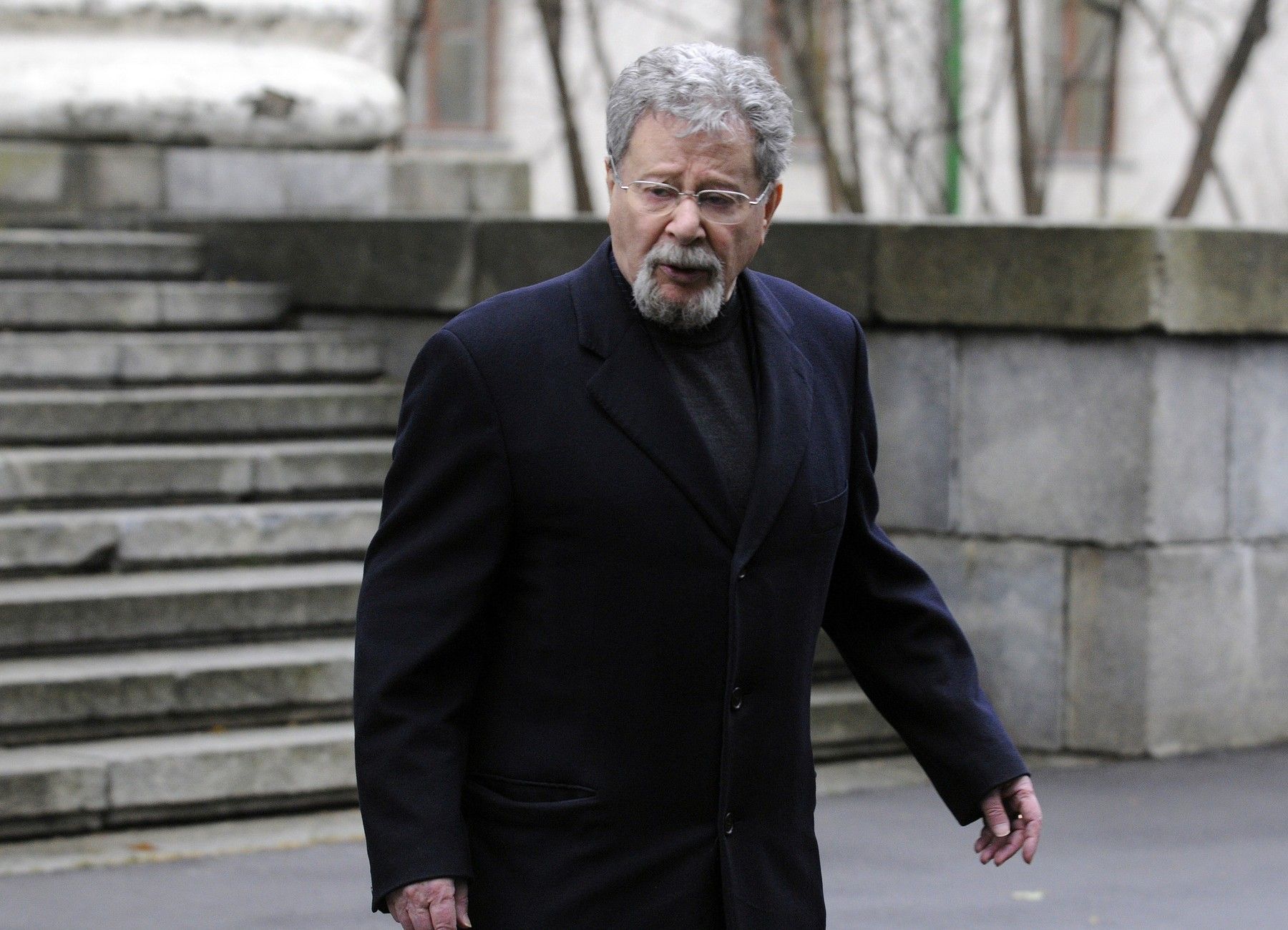
In early February, at the age of 95, the legendary lawyer Heinrich Padva died in Moscow. Starting in the 1950s, he has built an amazing career. Padva defended criminal authorities, defended the interests of representatives of the Soviet stage, fought against censorship together with his clients and participated in political affairs - and he defended Anatoly Lukyanov, a participant in the State Emergency Committee case, with whose actions he did not agree, and Mikhail Khodorkovsky in the first Yukos case, and Alisher Usmanov when he was suing Alexei Navalny. Meduza recalls the lawyer’s main cases.
unknown defendant
A case that ended in failure
Heinrich Padva began his career in law a few months after the death of Joseph Stalin - in the summer of 1953. “For me, a novice lawyer, the broad amnesty announced by that time was of particular importance, when a huge number of various types of early-released criminals were released,” the lawyer recalled in his Telegram channel.
A Muscovite from Patriarch's Ponds, a graduate of one of the best schools in the capital, after graduating from the Padva Law Institute, he was assigned to practice in the Kalinin region (now the Tver region).
In those years, the decision on whether a recent student could be allowed to work independently was made by the presidiums of regional bar associations. The meeting of the Kalinin Presidium, at which they considered the question of whether to give the young lawyer the status of an attorney, took place already in February 1954, after six months of his internship. “Padva has a good theoretical background, but he needs to prepare more carefully for business,” one of the members of the presidium noted at that meeting. The protocol explained that the lawyer “incorrectly uses some theses and expressions.”
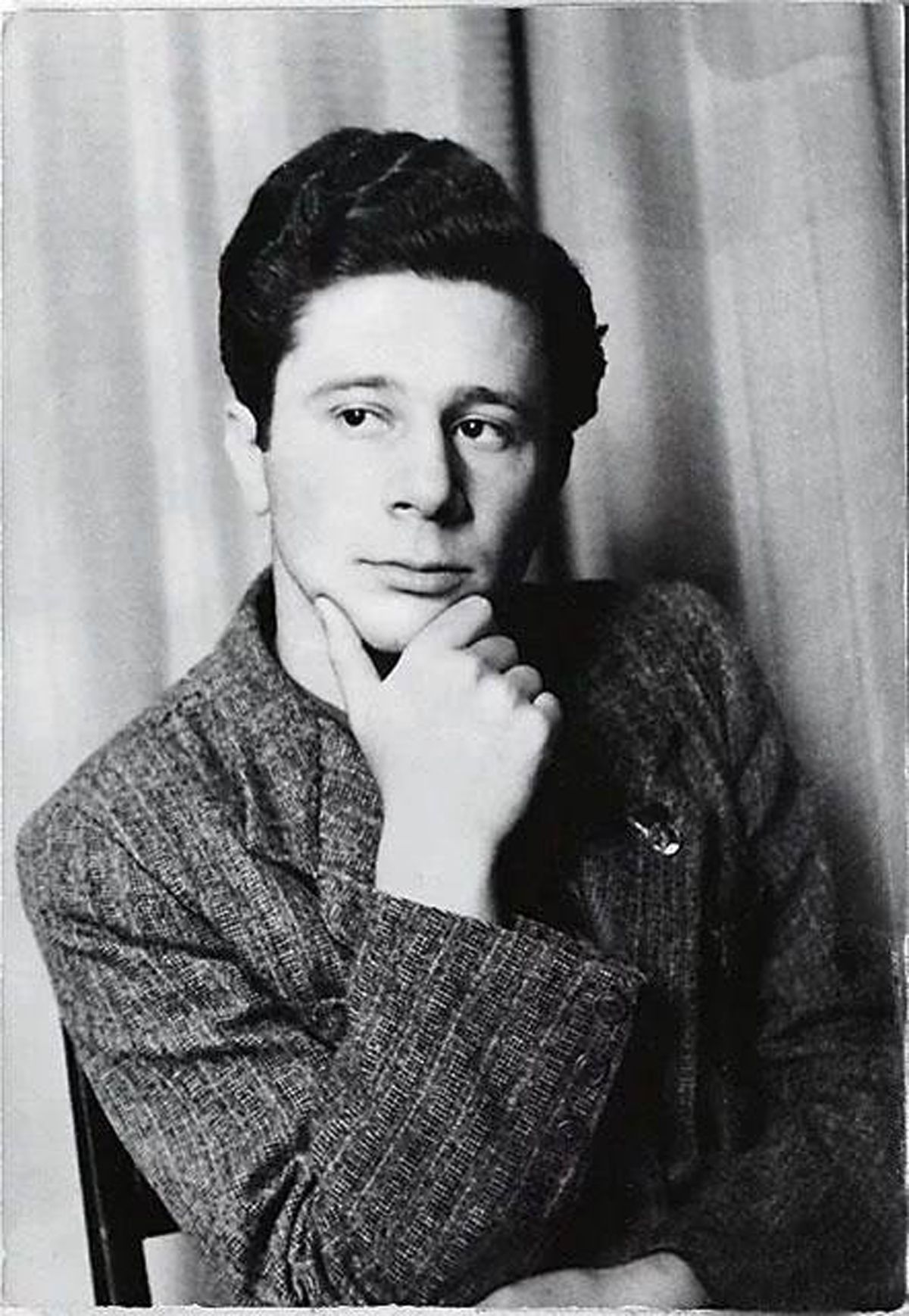
Nevertheless, Genrikh Padva was given lawyer status, and then sent to work in a village near Rzhev. So Padva turned out to be the only lawyer in the entire regional center. He had to take on all processes - from property disputes to murder charges.
The lawyer’s first client was a Kalinovets man who raped a minor girl. Many years after the crime, he himself came to the police and confessed - by that time his two daughters were already growing up, and he himself received the Order of the Banner of Labor and the title of shock worker. Padva felt sympathy for the defendant. He was convinced that he deserved to be released from punishment.
Decades later, Padva recalled that case in his Telegram channel:
He was already punished by the torment of his conscience and the fear of the possibility of unexpected exposure instead of sincere repentance. He understood perfectly well that every year of his new existence helps him to cleanse himself of the taint of crime and [provides the opportunity] to continue the life of an honest man and family man, but mental anguish did not give him peace.
The court sentenced Padva's client to three years in prison. The lawyer tried to appeal the unfair verdict, in his opinion, but after losing the appeal, the client demanded to stop. The lawyer called this case his professional failure.
Vyacheslav Ivankov
The case in which Yaponchik hides from the police and then confesses
Genrikh Padva defended in court many times those accused of violent crimes - both during his work in the Kalinin region, and in the early 1970s, when he decided to return to Moscow. Already in the capital, he twice acted as a lawyer for the criminal authority, thief in law Vyacheslav Ivankov, known as Yaponchik .
For the first time, Yaponchik was accused of robbery and illegal carrying of weapons. In 1974, the administrator of the Maly Theater, Mikhail Glioza, wrote a statement to the police in which he complained that Ivankov was extorting a car from him.
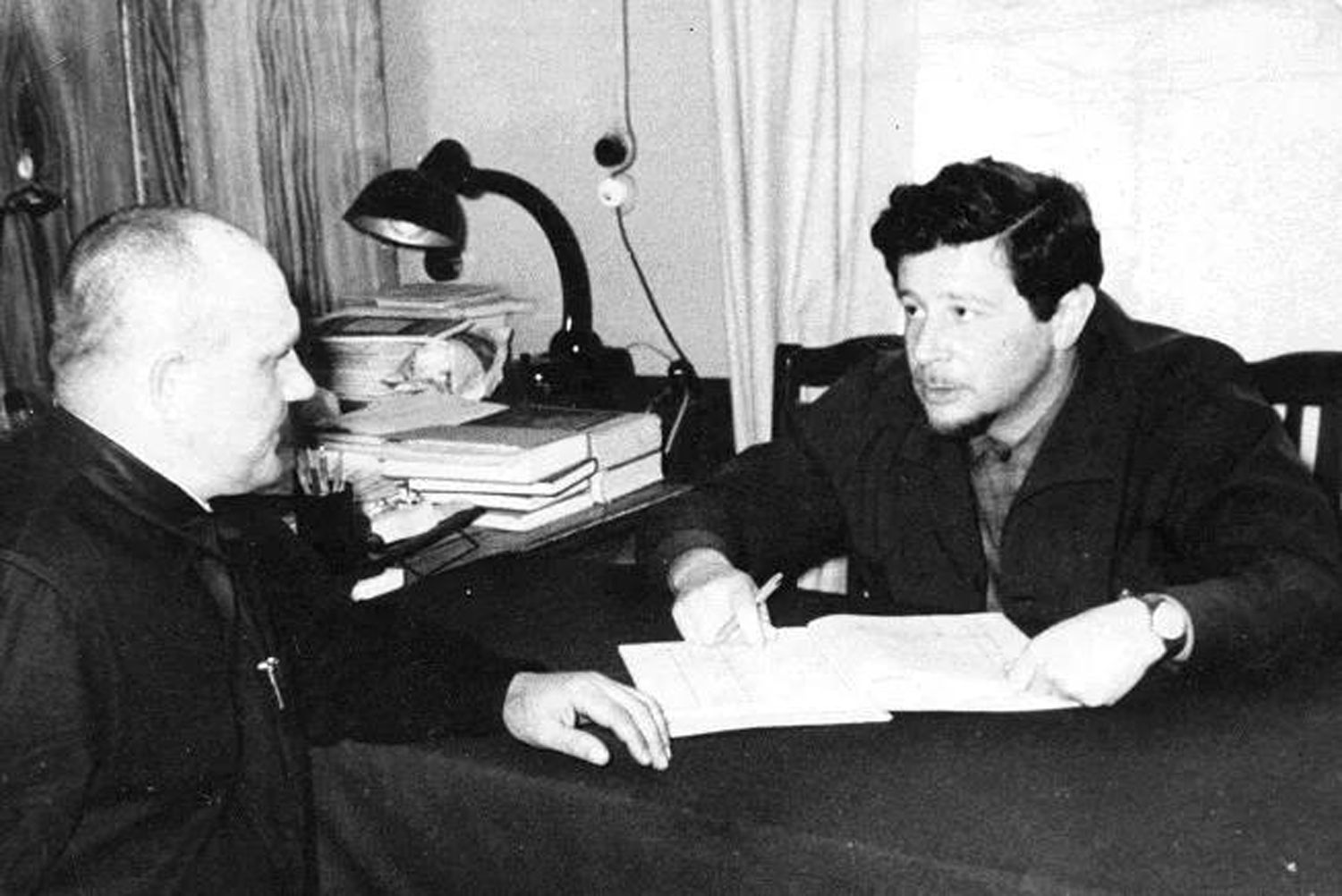
The police detachment went to arrest, but Yaponchik noticed the policemen and tried to escape in his car - according to investigators, he fired back while driving. The Jap managed to break away. They were looking for the criminal for six months, but suddenly he himself came to the department. This is how Padva recalled this in a conversation with a reporter from Dengi magazine:
Slava [Ivankov] decided that these were some bandits who would now start beating him, taking him away, killing him. There were no identifying marks on them that they were police. They didn't show me any books. So he stepped on the gas and ran away. And they started shooting at him. Then he pulled out a lighter in the shape of a pistol and began to scare them away with it. And although they pierced three of the four cylinders (tires - Medusa's note) , he still managed to escape from them.
At the trial, Padva was able to prove that Ivankov did not have a weapon with him, and in addition, the accused was diagnosed with paranoid schizophrenia. The Japanese man was sentenced to five years in prison and sent to a psychiatric hospital. Later it turned out that he was feigning an illness - then he was transferred to a colony.
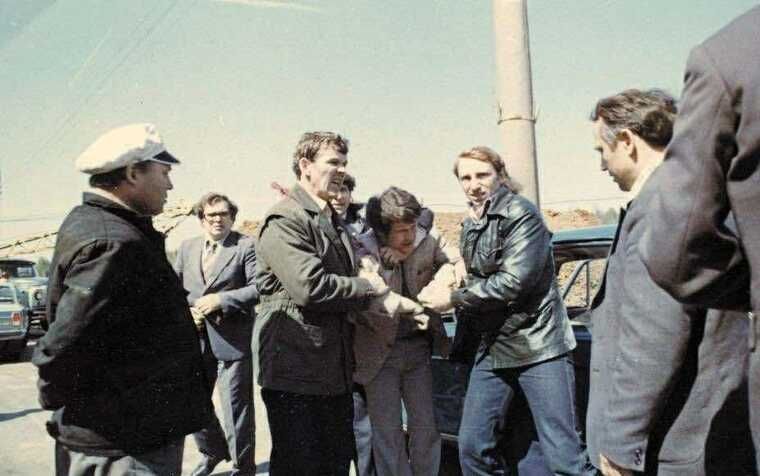
After his release, Yaponchik continued to break the law. In 1981, the crime boss turned to Padva again: this time he was accused of armed robbery. Jap was charged with several counts, but the defense ensured that only one was included in the indictment. Nevertheless, Ivankov was sentenced to 14 years in prison. “He was given 14 years for one episode where everyone remained alive,” Padva later told reporters. “He was given one case for everything that had previously failed to incriminate him.”
In 1991, thanks to numerous petitions from Russian cultural figures, Yaponchik was released early, and he soon left for the United States.
In America, Ivankov came to the attention of the FBI and in 1997 was sentenced to almost 10 years in prison for extortion. At the beginning of 2000, Russia requested the extradition of the crime boss - he was charged in absentia with two murders; Padva no longer participated in this process.
The case was considered by a jury. She found Yaponchik not guilty. In 2009, Vyacheslav Ivankov was shot dead in Moscow - the investigation established that the murder was the result of a long conflict of authority with another thief in law - Ded Khasan (Aslan Usoyan).
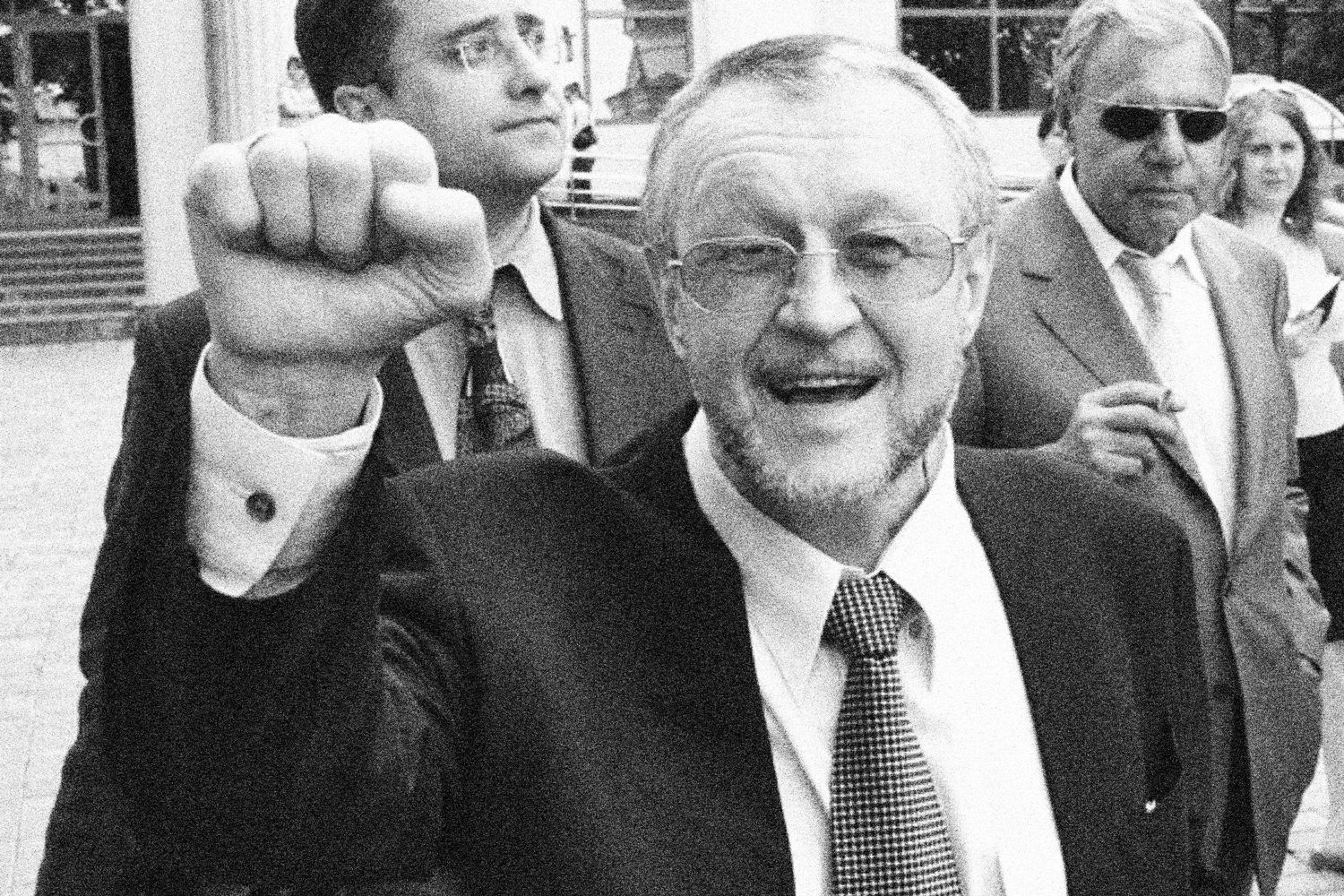
After Padva’s death, member of the Human Rights Council Eva Merkacheva wrote in her Telegram channel:
You cannot associate a lawyer with his client. This rule is spelled out in the 1990 UN convention. Every person has the right to protection. Defending the righteous is easy. But having ambiguous characters is difficult, and at the same time can be incredibly interesting. This is a challenge to one’s professional abilities, beliefs, and, in some ways, to society and the state (more precisely, to its representatives who forget about the Law).
Member of the Moscow Region PMC Irina Drozdova agreed with Merkacheva:
Law does not exist for the “good”. It exists for everyone. This is precisely his strength. That is why people like Genrikh Pavlovich Padva are not just lawyers. This is the support of a system that must be inoculated against becoming a repressive mechanism. Protecting the comfortable is easy. It's character to protect the inconvenient. And yes, this path is not for the weak...
Vysotsky, parsnips, Mogutin, Rostropovich
Cases in which Soviet celebrities fight censorship and each other
Among Heinrich Padva’s clients were not only the “uncomfortable” and “ambiguous characters” that Merkacheva and Drozdova write about. He became a legend for another audience: the Soviet creative intelligentsia and their families, as well as dissidents (Padva represented the interests of the family of academician Andrei Sakharov).
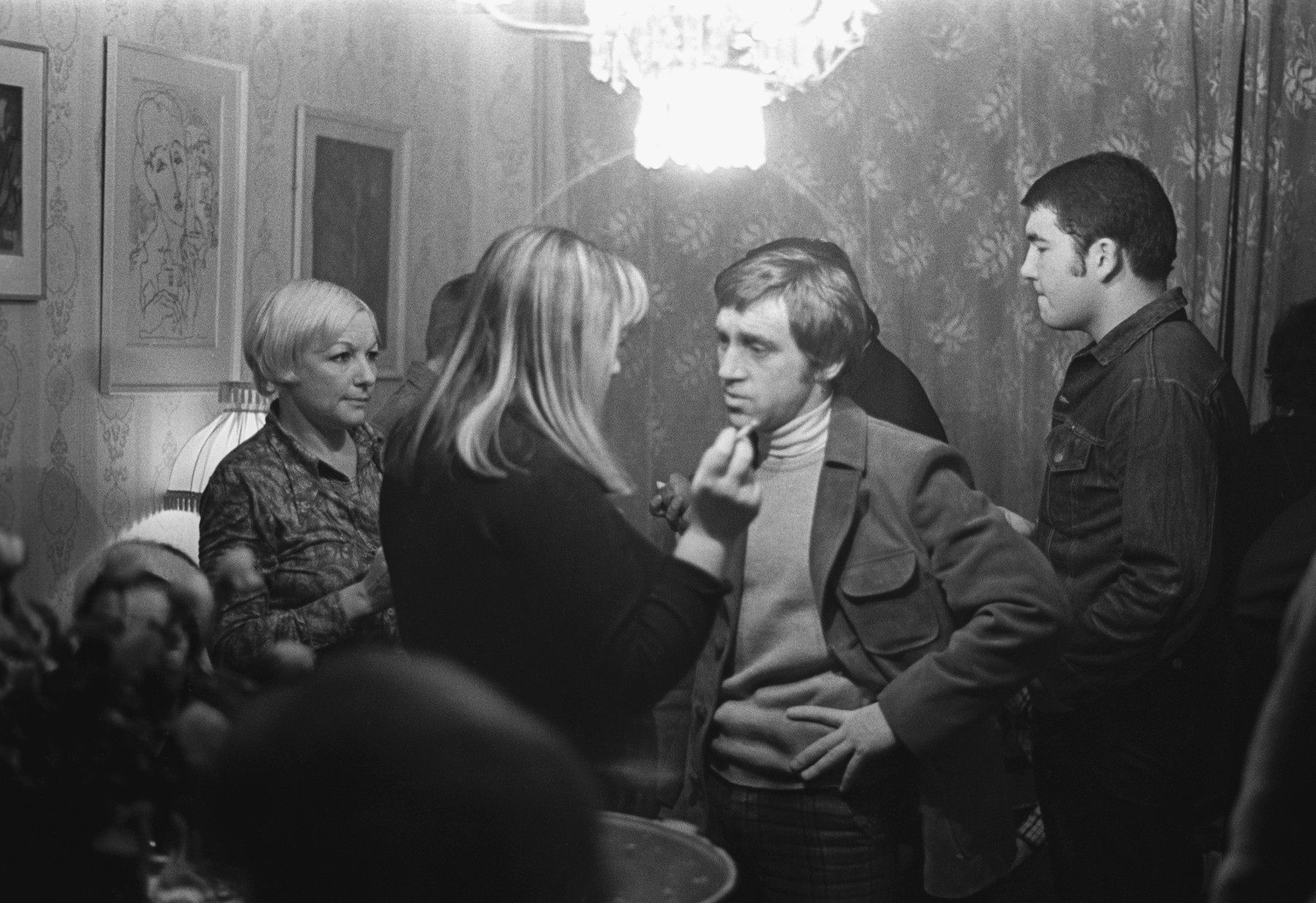
In 1979, Vladimir Vysotsky turned to Padva for help: the bard asked a lawyer to act as a defender for Vasily Kondakov, a concert organizer accused of fraud in the sale of tickets. Vysotsky himself was a witness in this case, but Padva suggested that the artist also risked ending up in the dock, so he also advised him. As a result, the lawyer managed to prove that Vysotsky was not involved in the fraud. Kondakov was found guilty of “theft of property committed by fraud” and sentenced to ten years in prison.
Padva was the lawyer of the translator and Boris Pasternak’s common-law wife Olga Ivinskaya, who fought for the rights to the poet’s archive with his daughter-in-law Natalya and granddaughter Elena Pasternak. After the death of Boris Pasternak in 1960, Ivinskaya was arrested on charges of smuggling (she allegedly received royalties for Doctor Zhivago from abroad) and was sentenced to eight years in prison. The writer's manuscripts and letters were confiscated from her house.
When Ivinskaya was rehabilitated in 1988, she tried to return Pasternak’s archive. The poet's direct heirs entered the proceedings. According to Heinrich Padva, he did this work for free. “There was no one there and nothing [to pay],” he explained his decision to a reporter for Dengi magazine. “At the very beginning of my work, I once received the equivalent of three hundred dollars. Then nothing.” Ivinskaya died in 1995; the lawyer began to represent the interests of her children. The case ended with the victory of Natalia and Elena Pasternak.
In 1994, Padva represented the interests of independent journalist Yaroslav Mogutin: he faced up to five years in prison for “malicious hooliganism.” A year earlier, the erotic newspaper “More” published an interview that Mogutin took with singer Boris Moiseev (the material was called “Dirty ends of Komsomol members. Boris Moiseev about time and about himself”). The singer, who by that time had already come out as a gay man, spoke openly not only about the time, but also about his sexuality, using obscene language.
The censored version of the text was reprinted by Moskovsky Komsomolets, accompanying the article with a critical preface. Mogutin was indignant and published a column in the newspaper “New Look”, where, among other things, he cited the original versions of Moiseev’s quotes, which included obscene language. It was because of the publication in New Look that the journalist became accused.
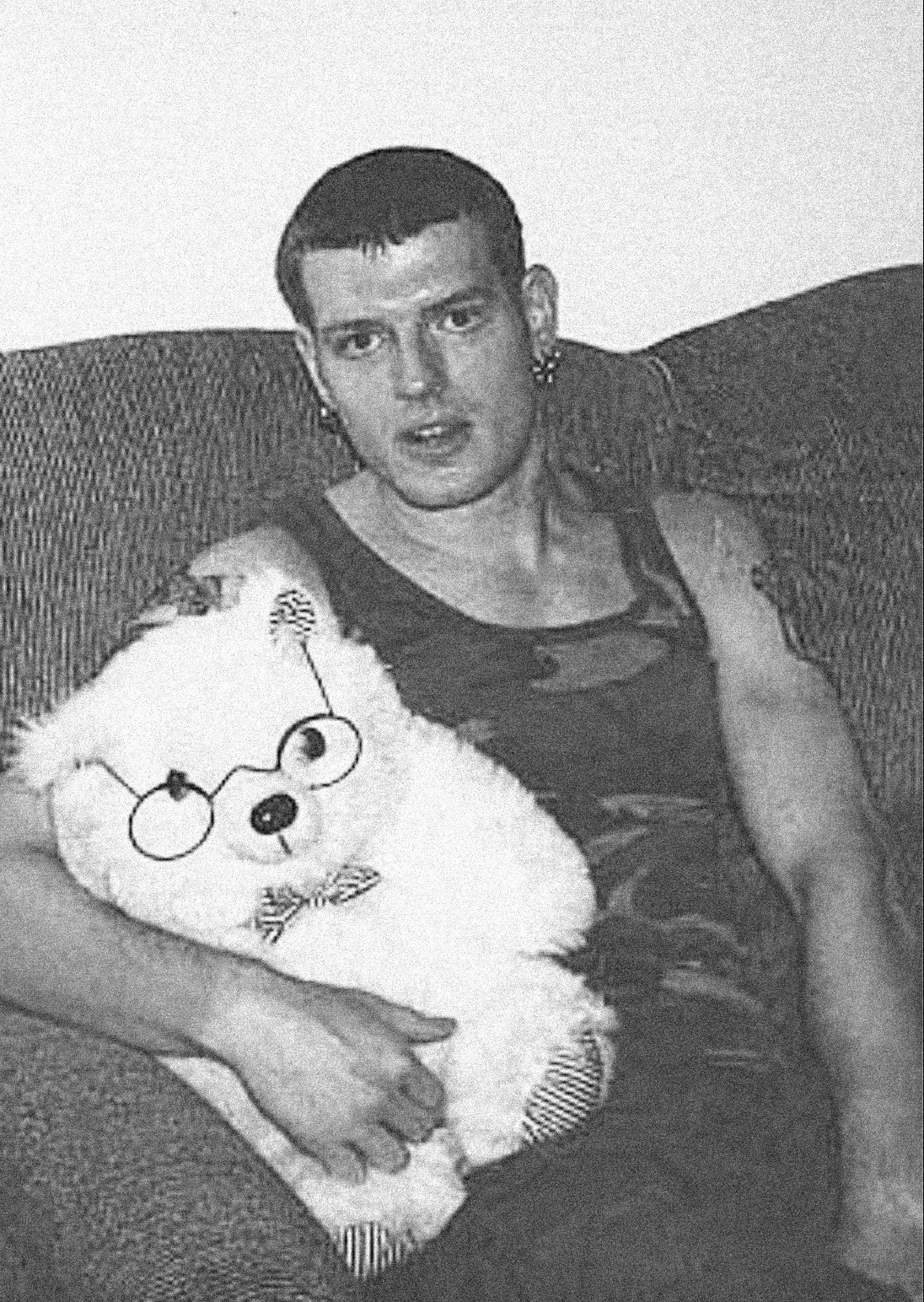
Heinrich Padva, according to Mogutin, undertook to represent his interests for free. The lawyer’s line of defense boiled down to the fact that texts containing obscene language were already published in the country (in particular, the works of Eduard Limonov and Sergei Dovlatov), but criminal cases were not brought against them. As a result, Mogutin’s case was closed.
“This was the first big case about moral censorship in Yeltsin’s times,” recalls poet Dmitry Volchek. “Mogutin, on Padva’s advice, left for the United States forever [where he received political asylum].”
Musician Mstislav Rostropovich hired Padva to protect his reputation. According to the lawyer, in 1996, Rostropovich was “slandered in one of the television programs”: the artist Ilya Glazunov said that the mayor of St. Petersburg Anatoly Sobchak allegedly gave the musician a three-story building, and he began to sell apartments there. “The most famous painter in Russia attacked the most famous Russian musician, who called for help from the country’s most famous lawyer: the circle is closed,” Kommersant wrote about this case.
Rostropovich claimed that he himself bought the house from the tenants, and resettled them in apartments bought with his money. After the renovation, also paid for by Rostropovich, he was going to donate the renovated building to the city so that a museum could be created in it, the musician himself claimed (Meduza was unable to find out how Rostropovich’s case against Glazunov ended).
Anatoly Lukyanov
The State Emergency Committee case, in which a lawyer and his client came from different sides of the barricades
The Chairman of the Supreme Soviet of the USSR and member of the CPSU Central Committee Anatoly Lukyanov was not a participant in the State Emergency Committee, but was considered the ideologist of the seizure of power. Therefore, immediately after the August 1991 coup, a criminal case was opened against him. The official’s daughter, lawyer Elena Lukyanova, asked for Lukyanov’s defense to Heinrich Padva.
Lukyanova’s request surprised the lawyer - Padva openly opposed the seizure of power and “the destruction of the emerging democratic constitutional system.” He expressed his opinion in an appeal on behalf of the Union of Lawyers of the USSR, which he sent to international and national bar associations shortly after the putsch. Elena Lukyanova knew about this.
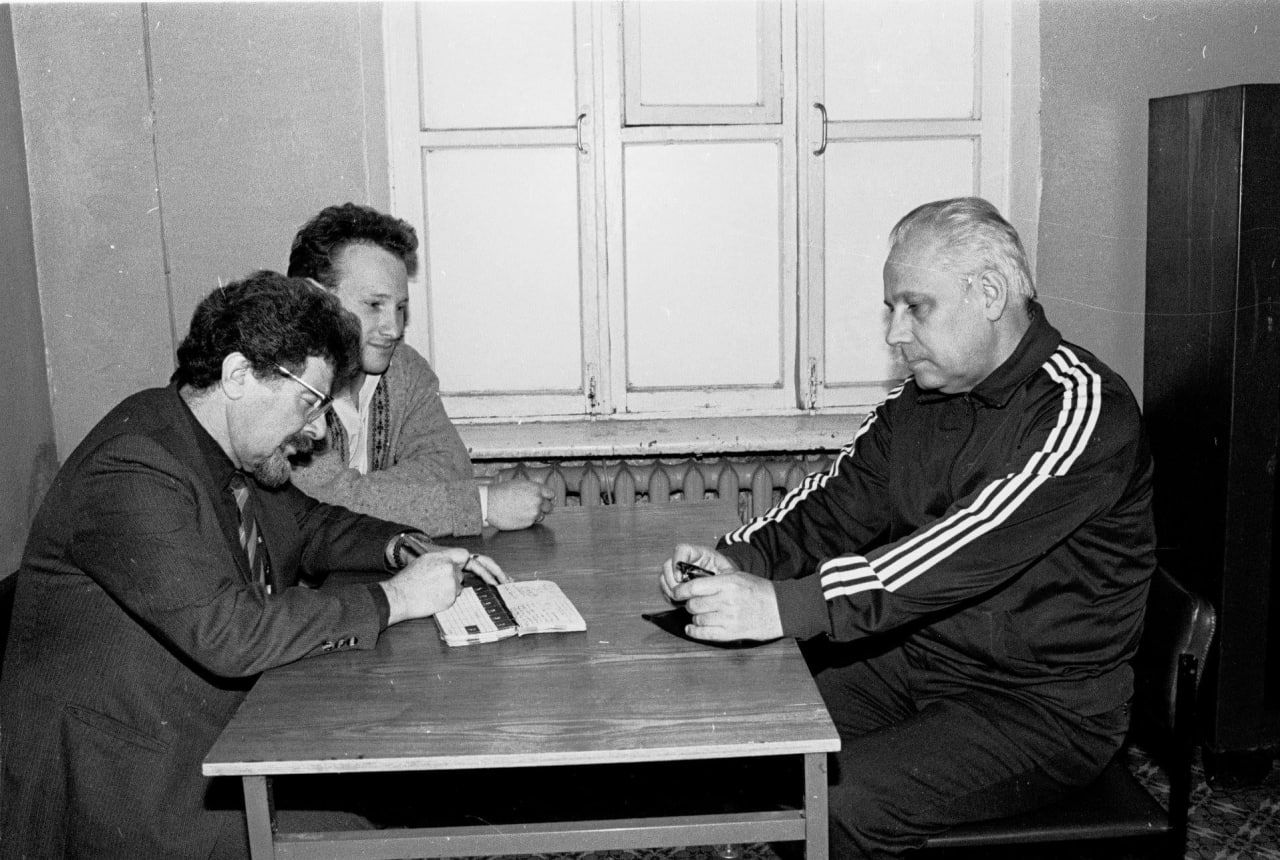
Before taking up the defense of Anatoly Lukyanov, Padva decided to talk to him personally. The lawyer feared that his daughter had sought help without telling her father.
But it turned out that Lukyanov does not require his lawyer to justify the seizure of power in the country. The former chairman of the Supreme Soviet of the USSR only wanted his lawyer to convey to the court that he did not commit “treason to the Motherland.” And on this issue Padva agreed with Lukyanov. “He acted in the interests of the Motherland, but only with a different understanding of these interests than they were understood by Yeltsin and many other, more democratically minded people,” the lawyer later wrote in his book “From the Bag and from Prison... Notes of a Lawyer.”
Padva’s decision to join Lukyanov’s business was also influenced by shop-floor solidarity, he later recalled in his Telegram channel. Shortly before the events of August 1991, a conflict occurred between “individual representatives of the investigative authorities” and Moscow lawyers. As a result, one of the “prominent Moscow lawyers” (Padva did not name him) was arrested in a bribery case.
Representatives of the Moscow Bar appealed to the CPSU Central Committee with a demand to stop pressure from the investigative authorities. It was Anatoly Lukyanov who dealt with this issue in the Central Committee - thanks to his assistance, the arrested lawyer was released and rehabilitated.
61-year-old Anatoly Lukyanov spent almost a year and a half in the Matrosskaya Tishina pre-trial detention center. During this time, his health condition worsened. “He might not have lived to see the end of the trial, given that during the investigation of the case, both during the preliminary investigation and later, he was hospitalized several times in serious condition,” Padva wrote in his Telegram channel.
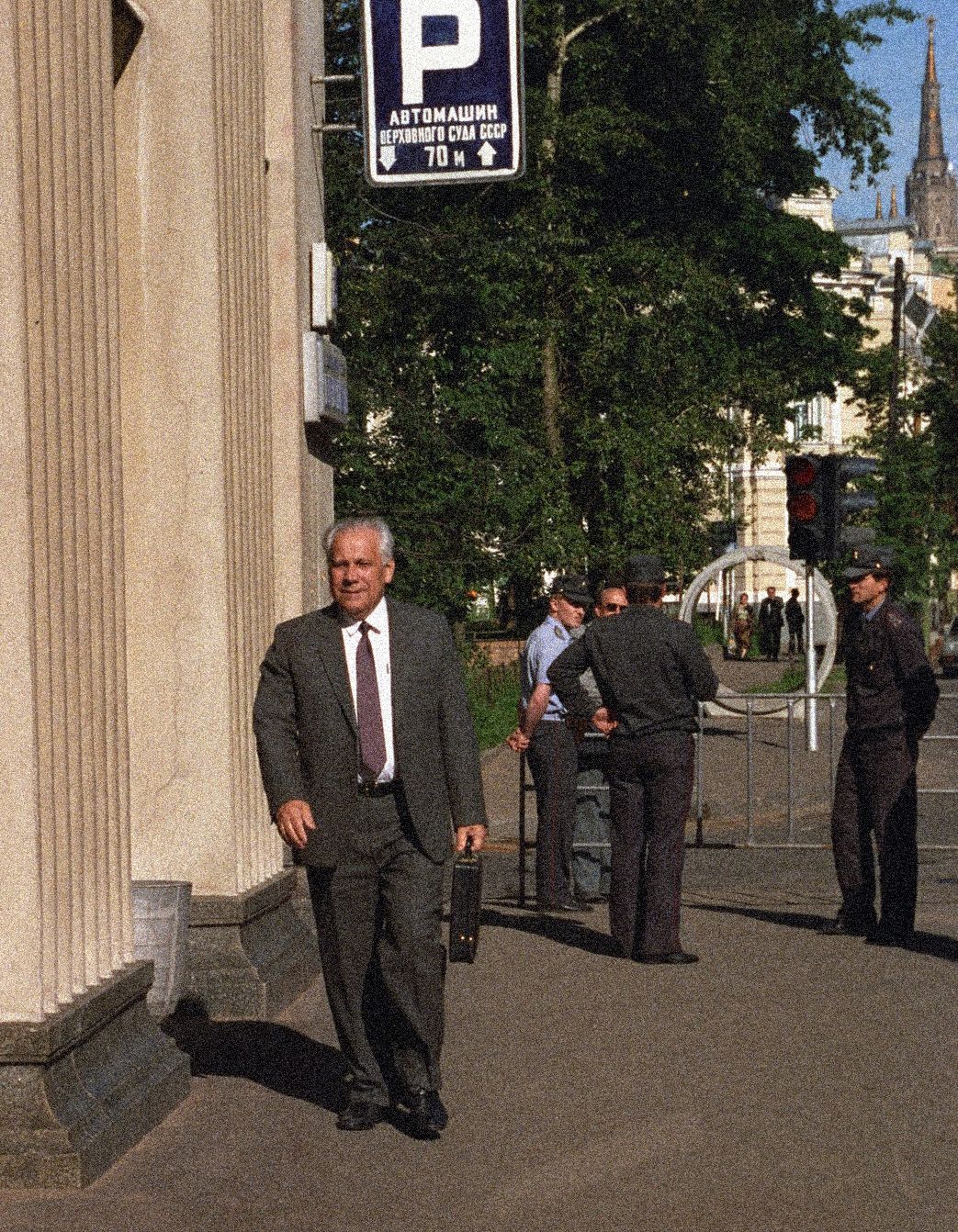
In 1994, participants and supporters of the State Emergency Committee were granted an amnesty. Lukyanov’s defense agreed that he too be given an amnesty. “This was not even an indirect admission of guilt, but was a reasonable and expedient decision,” Padva later wrote in his memoirs.
Anatoly Lukyanov died in 2019.
moratorium on the death penalty
The case that ended with the actual abolition of the death penalty in Russia
In 1994, a trial took place, without which the death penalty would probably still be used in Russia. In May 1994, a young woman and her little son were found murdered in Moscow. Suspicion fell on the Muscovite husband - the investigation assumed that he got drunk and quarreled with his wife. Padva undertook to be one of his lawyers.
The defendant was charged with “premeditated murder with aggravating circumstances” - under this article he could be sentenced to death. Padva believed that since the dead were a mother and child, the possibility of capital punishment "was real."
By law, only a jury could sentence a person to death at that time. But by 1994, such courts operated only in nine regions of the country (including Moscow). The defense concluded that defendants living in regions where jury courts have already been formed have disadvantaged rights compared to those who can avoid the death penalty on formal grounds. This was contrary to the Constitution, according to which all citizens are equal before the law.
Padva and his colleagues appealed to the Constitutional Court with a demand to declare the rule on the death penalty unconstitutional. The court agreed, and in 1999 banned the use of the death penalty throughout the country until jury trials appeared in all regions.
By the end of 2009, Chechnya remained the last Russian region where such a court did not yet exist - but from the new year it was supposed to appear there too. The Constitutional Court, without waiting for this, decided to extend the moratorium. Since 1999, the country has “formed stable guarantees of [a person’s] right not to be subjected to the death penalty and has developed a legitimate constitutional and legal regime within which an irreversible process is taking place aimed at abolishing the death penalty,” the rationale for this decision stated.
Khodorkovsky, Usmanov, Navalny
Cases that will definitely be included in history books (and, possibly, jurisprudence) after the change of political regime
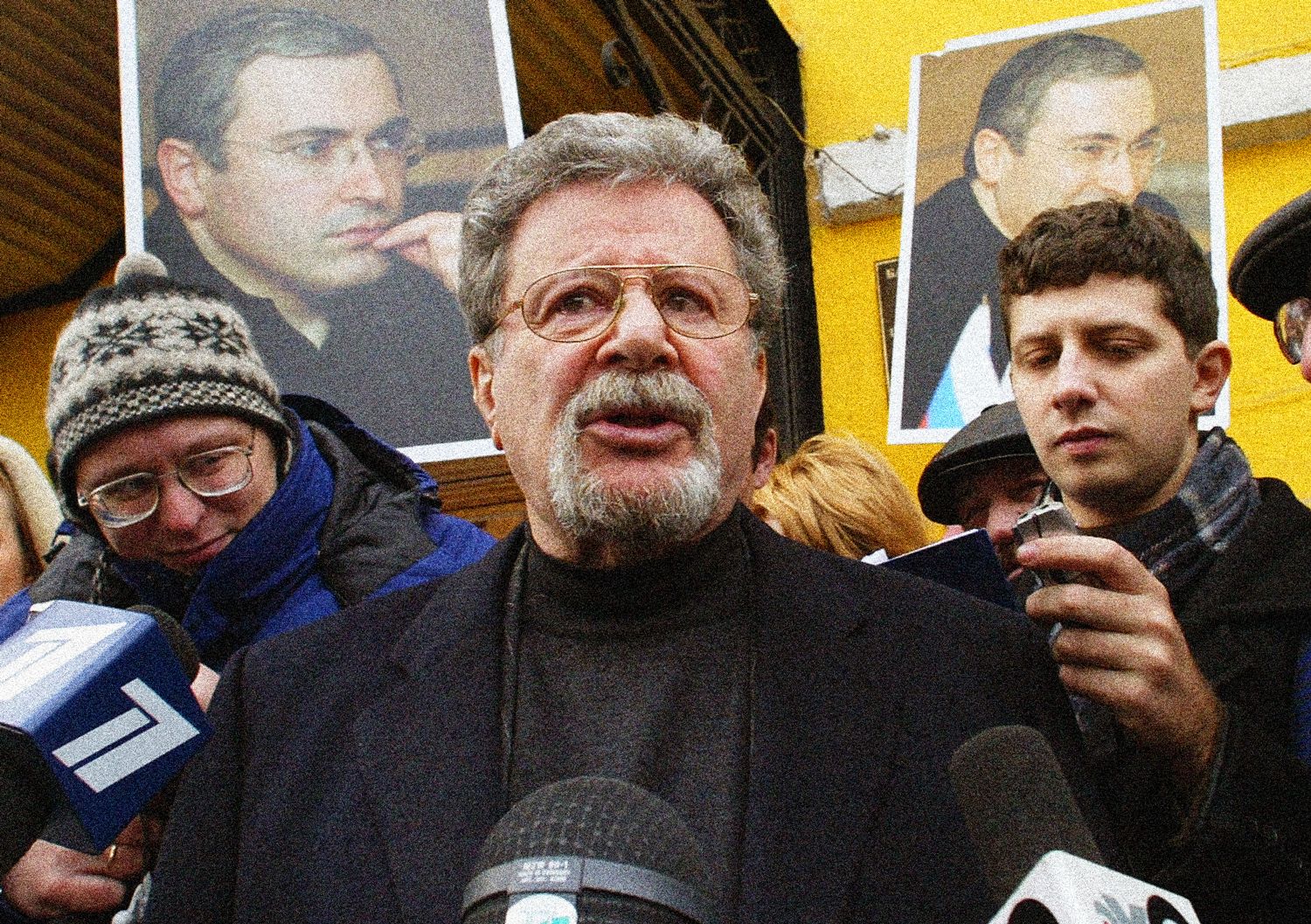
Heinrich Padva often spoke at the trials of oligarchs. He was one of Mikhail Khodorkovsky's lawyers in the first Yukos case . “At first I categorically refused [to join the defense team], mainly because I understood the outcome was a foregone conclusion,” Padva wrote in his book. “Everyone was well aware of the political background of this case. I didn’t have the slightest desire to participate in a play whose ending was predictable.”
After another request to get involved in the case, Padva went to the pre-trial detention center to personally talk with Khodorkovsky - to make sure that he understood the political background of the case, and to find out what outcome the entrepreneur hoped for.
According to the lawyer, the ex-head of YUKOS told him that he understood everything, but wanted “society to hear the truth from the lips of a respected professional and for all the factual and legal arguments in his defense to be expressed and heard.” After such an answer, Padva agreed to take on the oligarch’s case. As the lawyer feared, Khodorkovsky was sentenced to a real term - nine years in prison. After an appeal, the sentence was commuted by a year.
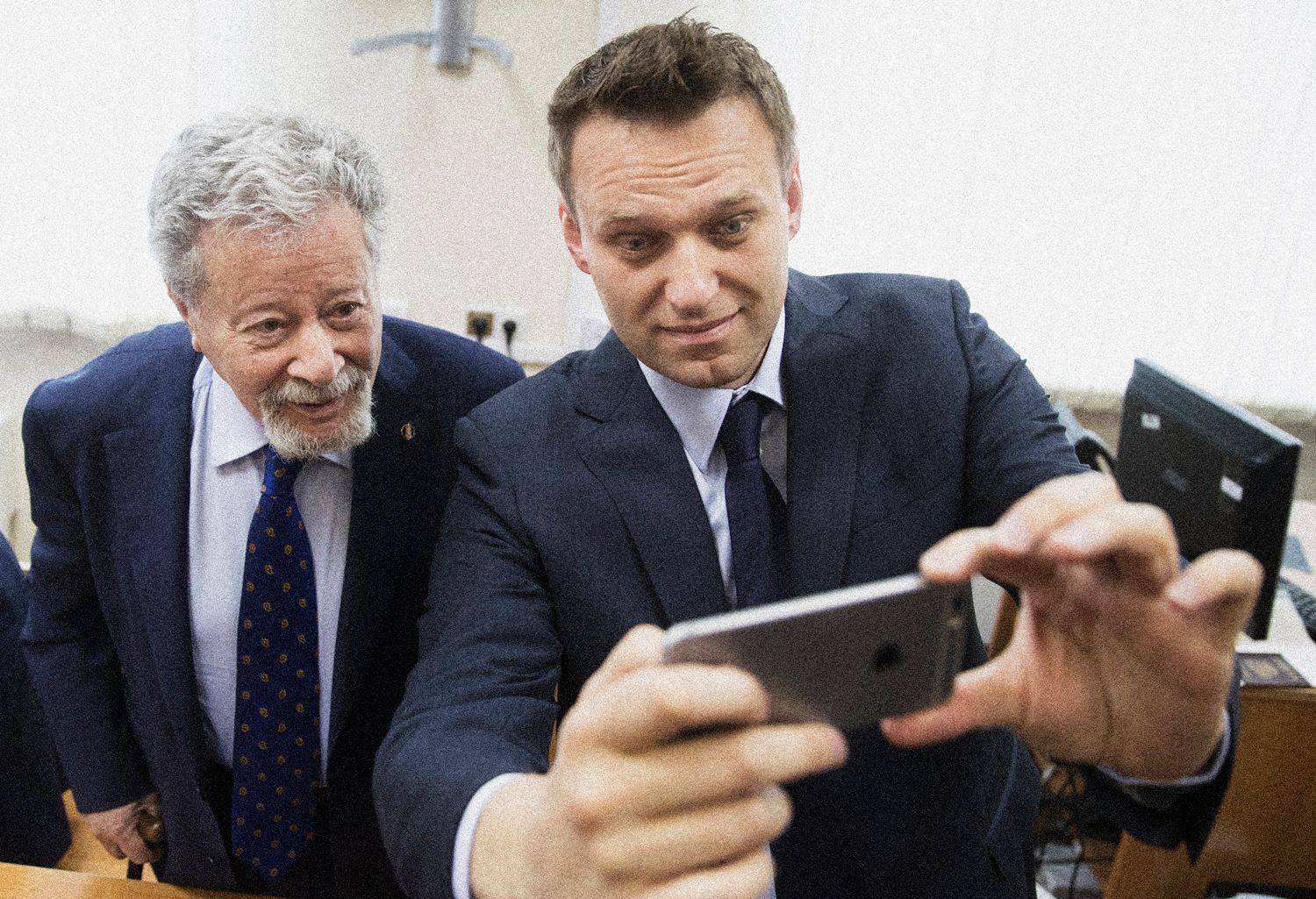
Another client of the lawyer was a representative of another political camp, USM Holdings founder Alisher Usmanov, loyal to Vladimir Putin. In 2017, Alexei Navalny’s team found out that the billionaire had donated an estate on Rublyovka worth five billion rubles to a foundation associated with Prime Minister Dmitry Medvedev. This investigation was included in the film about Medvedev’s corruption “He’s Not Dimon.”
After accusations from FBK, Usmanov recorded a twelve-minute video , which became famous thanks to his phrase “Fuck you, Alexei Navalny.” In his video, the businessman called the oppositionist a “scoundrel,” accused him of lying and stated that, contrary to FBK statements, he did not steal or give bribes.
After this, the founder of USM Holdings filed a lawsuit for the protection of honor and dignity, in which he demanded a refutation from Navalny. “There must be evidence that the fund was organized and managed by Dmitry Medvedev, such evidence has not been presented,” Padva said in court. “The defendants will say that the court rejected their petitions, but I did not hear a single witness in the petitions who could say that Medvedev was involved in this fund.”
According to the lawyer, Navalny’s team was probably guided by good intentions, but “the methods by which they implemented these good intentions were monstrous.”
Former FBK director Ivan Zhdanov, who participated in that trial as Navalny’s lawyer, remembers working with Genrikh Padva with warmth. “Once I had the opportunity to be in the same process with him,” Zhdanov writes on his Facebook. “And despite the fact that we were on different sides, there were very kind and good conversations.”
Anatoly Tikhonov and Frank Elkapony
A case that will continue
Even at the age of 95, Padva continued to work. One of his latest clients is former Deputy Minister of Energy Anatoly Tikhonov. The former deputy head of the Ministry of Energy was accused of receiving bribes and embezzlement of money allocated from the budget for the creation of a state information system for the fuel and energy complex (GIS TEK). In March 2024, the former official was found guilty . Until the beginning of 2026, Padva and his colleagues tried to challenge this decision.
In early February, the Court of Cassation refused to overturn the conviction. “Unfortunately, today is a sad day of yet another collapse of hopes for a favorable outcome in the consideration of the criminal case against my client,” Padva wrote in his Telegram channel. “But even more so I would like to remember cases that, in my opinion, ended fairly.”
In the next post, the lawyer spoke about the case of Azerbaijani businessman Frank Elkaponi (Fuzuli Mamedov), who in the early 2000s was accused of illegally possessing a kilogram of heroin. The defense was able to prove that drugs were planted on the businessman - it turned out that this moment was caught on video that a cameraman from one of the TV channels was filming for a news story dedicated to the arrest of Elkaponi.
The last post on Genrikh Padva’s telegram channel was published on the evening of February 7; the lawyer died two days later. On February 20 he would have turned 95 years old.
“72 years in the profession (!) - he stepped into the bar from his student days and remained in it, did not retire, practiced, one might say, until his last breath,” wrote lawyer Henry Reznik on Facebook, who, like his departed colleague, is considered one of the patriarchs of Russian jurisprudence:
We have behind us not only hundreds of completed and many won cases, but also dozens of trainee students. The connection of times has not broken down. The centuries-old traditions of criminal defense have withstood the attacks of ideological demagoguery, which humiliates the legal profession in its own eyes.
"Jellyfish"