
Translated material
War
One thousand four hundred fifty-third day. The Russian Foreign Ministry recalls the idea of “external control” of Ukraine proposed by Putin. Kyiv continues to freeze
Since February 24, 2022, Meduza has been broadcasting live about the Russian-Ukrainian war. We publish your letters every day because we are sure that we need to continue talking about the war. Share with us your thoughts about the war. What feelings are you experiencing? How does war affect your life and your attitude towards the world? If you have a story related to the war, tell it . The feedback form is at the end of this article. A review of the previous day can be read here .
Russia
The Russian Foreign Ministry, on the eve of a trilateral meeting in Geneva, recalled the idea of “external control” of Ukraine after the end of the war
On the eve of the trilateral meeting of Ukraine, Russia and the United States in Geneva, which will be held on February 17-18, Russian Deputy Foreign Minister Mikhail Galuzin said that Russia is ready to discuss with the United States, as well as “European and other countries” the possibility of introducing temporary external control in Kyiv.
Galuzin expressed this idea in an interview with TASS - in response to the question: “Will Ukraine need elements of external control under the auspices of the UN after the end of hostilities?” According to the deputy head of the Ministry of Foreign Affairs, temporary external administration will make it possible to hold democratic elections in Ukraine and “bring to power a capable government with which it would be possible to sign a full-fledged peace treaty and legitimate documents on future interstate cooperation.”
The idea of external control in Ukraine after the end of hostilities, as Galuzin himself recalls in an interview, is not new - it was proposed in March 2025 by Vladimir Putin, whose words were actually repeated by the deputy head of the Russian Foreign Ministry. Then Putin, at a meeting with submariners of the nuclear cruiser "Arkhangelsk" in Murmansk, said that external control in Ukraine would make it possible to "bring to power a capable government that enjoys the trust of the people" - because now Russia "is not clear with whom it should sign something." Putin called the establishment of an external administration under the auspices of the UN “one of the possible options,” and cited historical examples of situations where external administration was introduced in East Timor, Papua New Guinea and parts of the former Yugoslavia.
There were no official comments from the Ukrainian authorities at that time, but Vladimir Zelensky’s adviser Dmitry Litvin, responding to Putin’s proposal, wrote : “If Putin again cannot understand with whom he needs to interact in order to seriously move towards ending this war, perhaps he should just take pills to stimulate brain activity - if such pills still work on him.”
Galuzin, in his interview with TASS, notes that the UN “has not formally established a uniform mechanism for creating temporary international administrations in the territories affected by the conflict” - and sums up that recently the idea of introducing external governance of Ukraine under the auspices of the UN “is not actually discussed in the public field.”
Ukraine
Kyiv is on the brink of disaster, said Mayor Vitali Klitschko - hundreds of houses are still left without heat, and Russian shelling does not stop
In Kyiv, more than a thousand multi-storey buildings are still without heating. Continuous Russian strikes over the past two months have brought the Ukrainian capital to the brink of disaster, Kiev Mayor Vitali Klitschko told the Financial Times. According to him, the question of whether Ukraine will survive as an independent state still remains open.
“If you want to kill someone, you shoot in the heart. [Vladimir] Putin’s main goal is not Donetsk, not Lugansk, not Crimea. His main goal is Kyiv and all of Ukraine,” Klitschko said in an interview with FT.
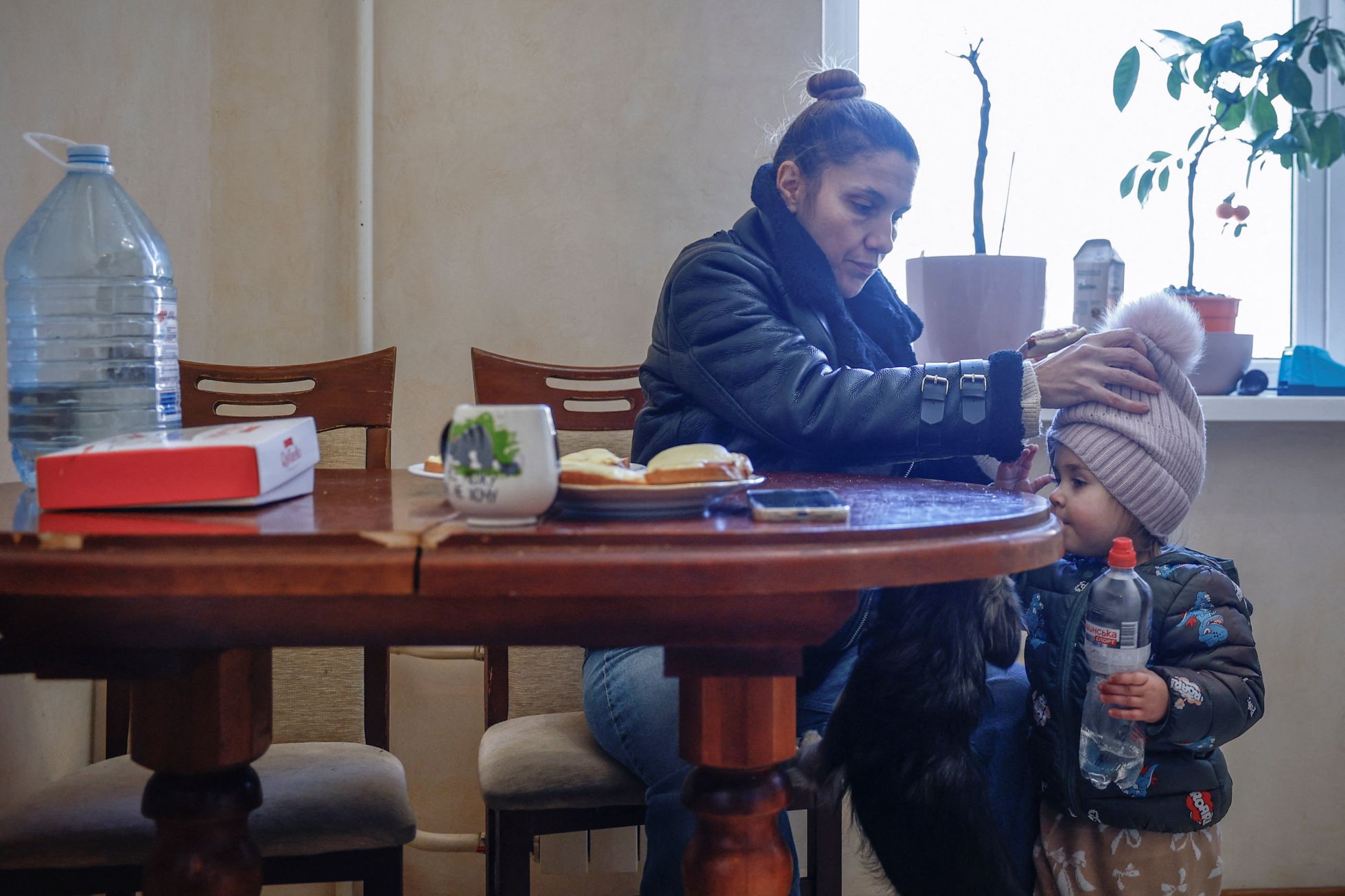
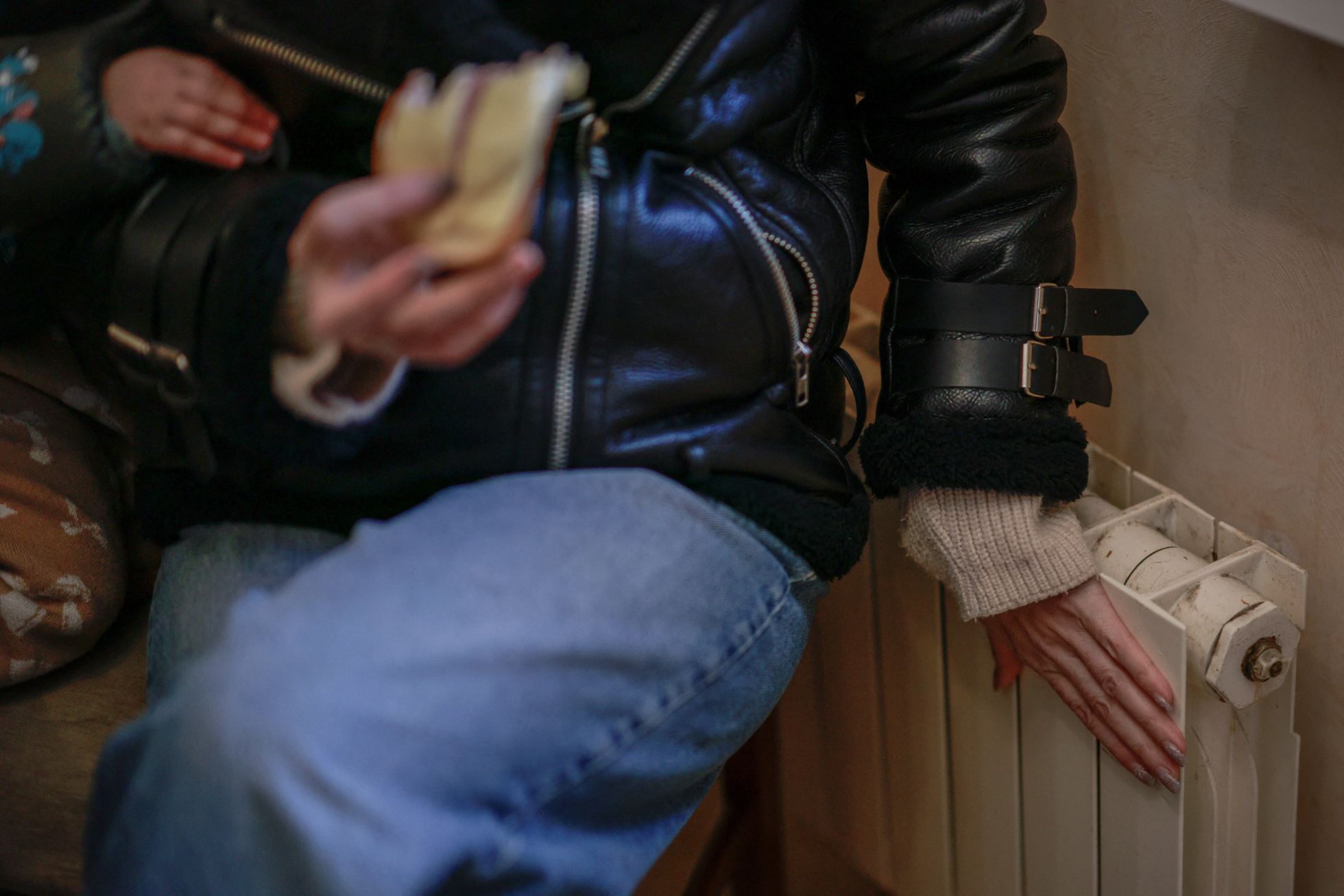
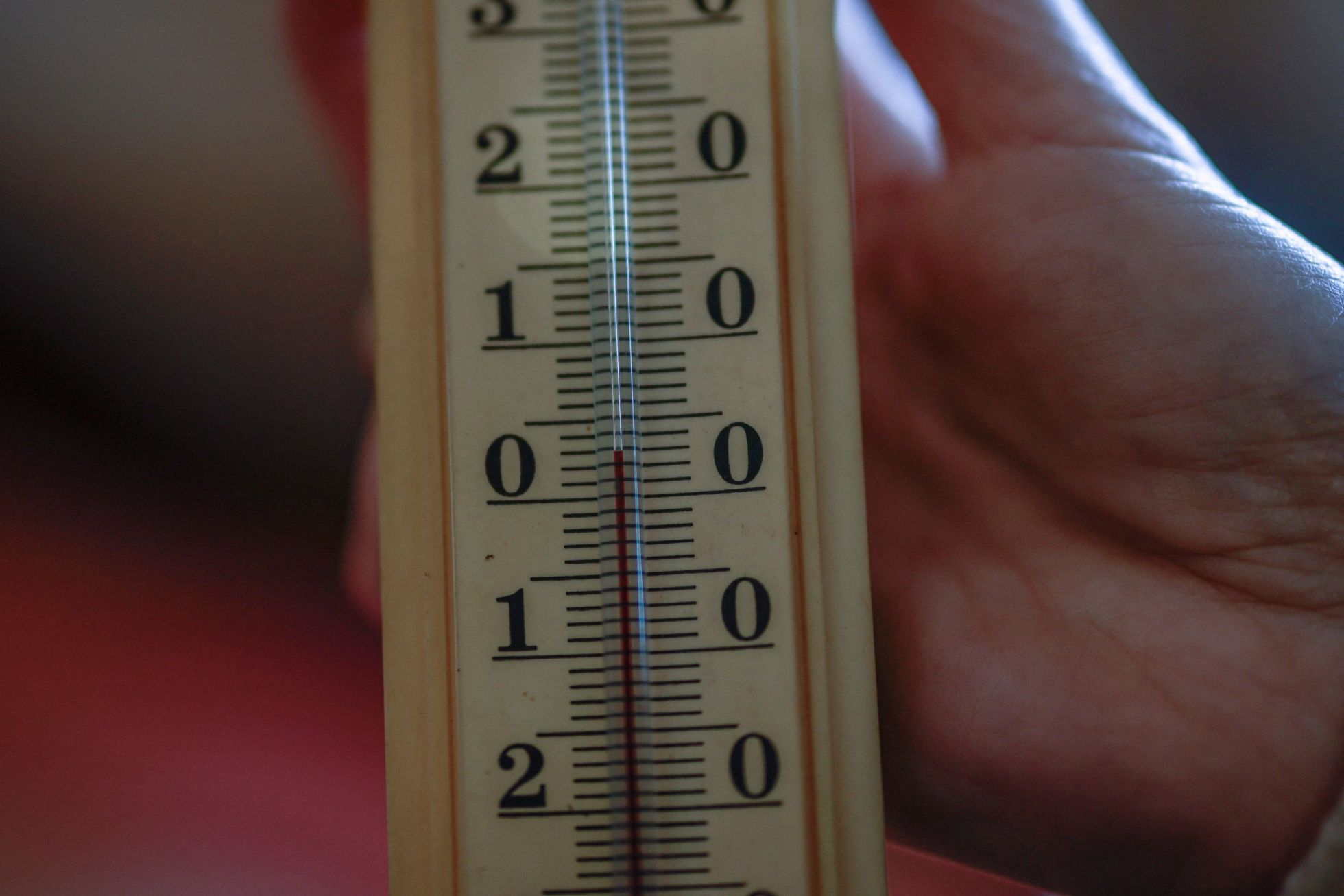
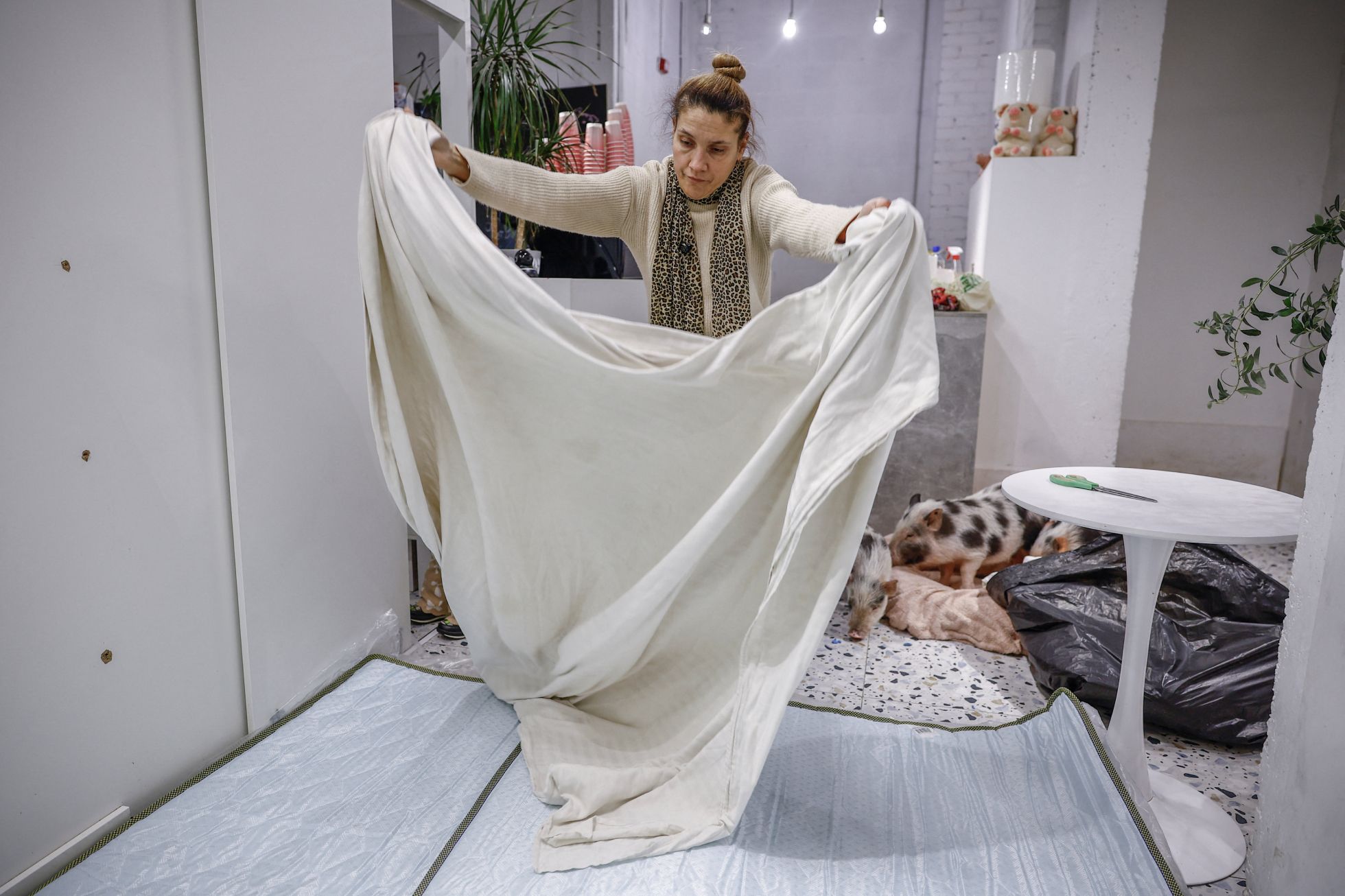
Over the past 24 hours, Kiev's utilities have resumed heating supplies to another 1,100 high-rise buildings out of 2,600 houses left without heat after the shelling on February 12, Klitschko said on the morning of February 15. According to him, heat has already been returned to 1,500 houses - that is, about 1,100 more remain without heating. Now the temperature in Kyiv is about minus one degree. Next week it will become colder again - daytime temperatures will drop to minus 10 degrees.
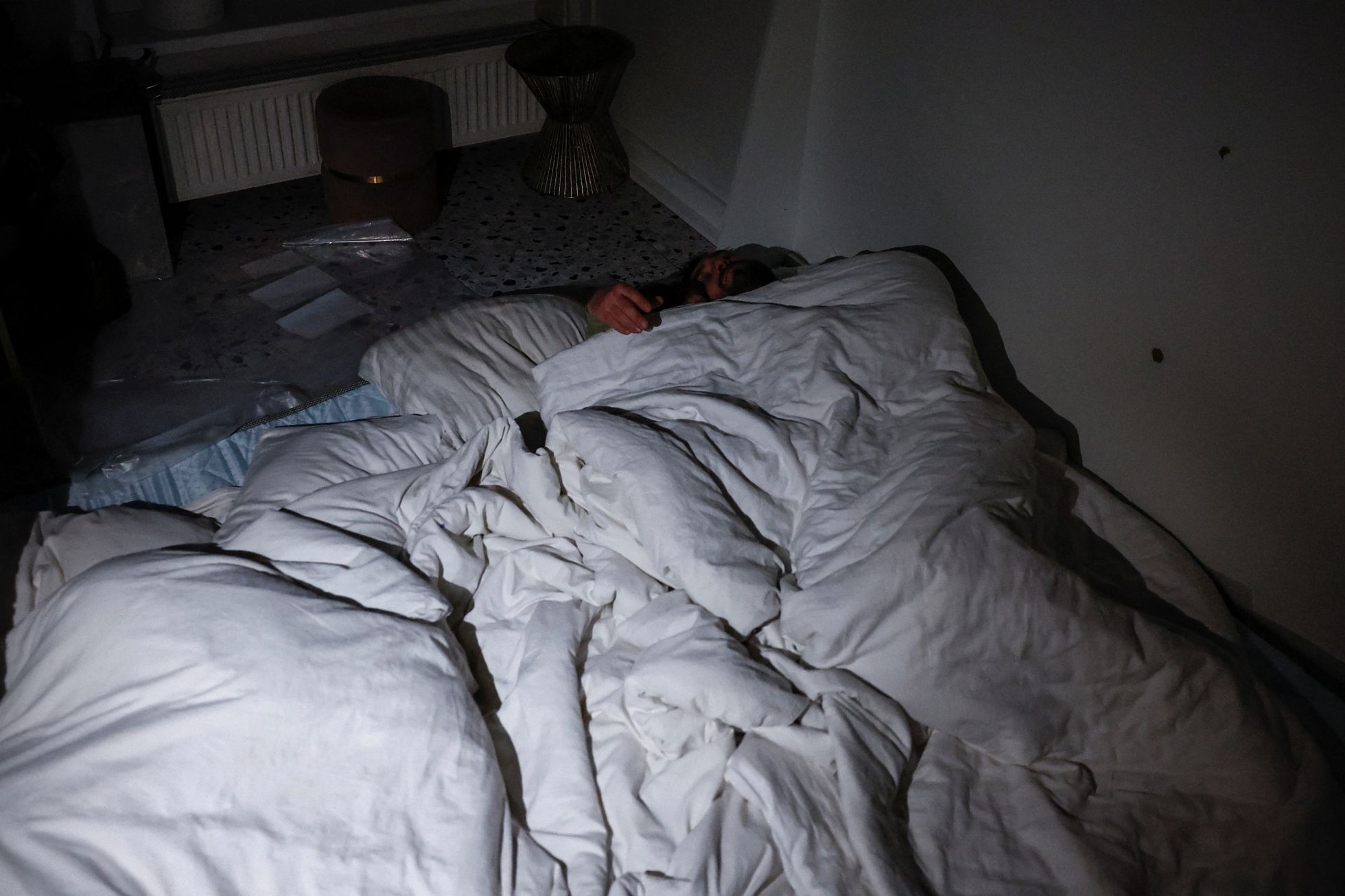
War in photographs. Residents of Kyiv in cold apartments
War through the eyes of Meduza readers
How we choose letters
Meduza's readers live in different countries and have different attitudes towards the war. We publish your letters to see this event through your eyes. Our editors try to present all points of view, even if they do not coincide with the editorial position. However, in accordance with the Meduza code, we do not publish messages that contain “hate speech,” justify the murder of civilians, or express direct support for an aggressive war.
Mira . When the war started, I was in the process of applying for a work visa to Germany. In the first days there was panic, horror, shock. I was running around looking for ways to buy euros, somehow save the situation, get out of here as soon as possible. My father was happy then and rubbed his hands: “Ours have reached Kyiv!” It made me sick. I abruptly took the side of Ukraine, cried while reading the news, and even wanted to donate to the Ukrainian Armed Forces. But I didn’t decide before moving.
Then there was an escape to Turkey, a move to Germany, a new life began, although the horror and sympathy did not go away. But over time, I came across the other side - the hatred of Ukrainians. Even my colleague refused to communicate with me, although we were both in the same country and had previously spoken Russian normally. I read comments on the Internet wishing harm on all Russians - and I didn’t understand what it had to do with me and how I could justify myself. I suffered from anxiety and depression.
After a couple of years, I saw enough of Ukrainian refugees - how they still sit on benefits while I work and complain. On the streets I heard a lot of conversations in Ukrainian and Russian, which even made me feel disgusted. People are different when they think they are not understood.
Four years have passed - I am no longer on the side of the Ukrainians or Russians. I'm waiting for this war to end and the refugees go back, and my family will be allowed to visit me. I will not return to Russia again, but I calmly say that I am Russian. I'm not ashamed of this. I work, I know German, I have integrated. A friend of mine, who also came from Russia, once told me that it was a shame that I still hadn’t learned Ukrainian in four years. I was just surprised: “Should I have?”
I'm on my side now. I’ve become armored and no one will label me anymore. War is shit, but it doesn't divide the world into good and bad. People share.