
Translated material
“He always urged not to be discouraged and not to despair.” Ksenia Fadeeva about the legacy of Alexei Navalny
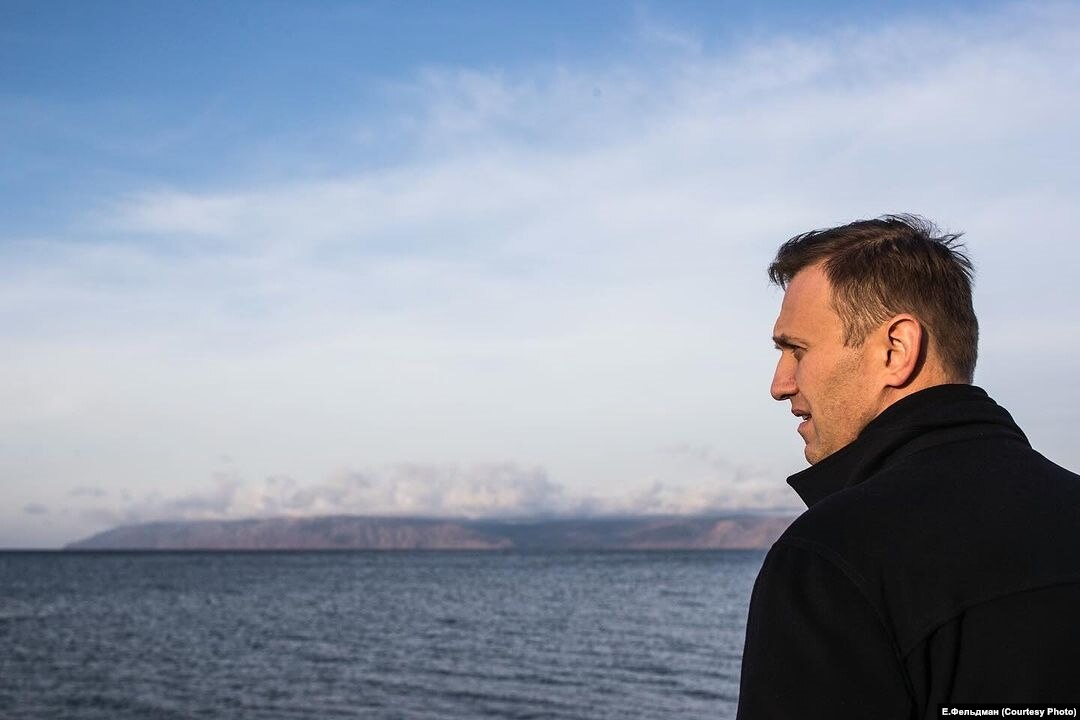
Two years ago, on February 16, 2024, Russian opposition leader Alexei Navalny , who was serving a 19-year prison sentence, died in a maximum security colony in the village of Kharp. Russian authorities tried to pass off his death as natural, but on February 14, 2026, the foreign ministries of five European countries published a statement saying: Alexei Navalny was poisoned with epibatidine - this substance was found in biological materials that were taken out of Russia.
Epibatidine is a highly toxic substance produced on the skin of the South American dart frog. It is not found in Russia, so the poison was synthesized, and the governments of Great Britain, Sweden, France, Germany and the Netherlands now accuse Russia of violating the Chemical Weapons Convention.
And it is known that since 2023, negotiations have been going on between Russia and Western countries through intermediaries on the exchange of Navalny and other Russian political prisoners for FSB officer Vadim Krasikov, who was serving a life sentence in Germany for the murder of former Chechen field commander Zelimkhan Khangoshvili in 2019. Navalny's death has slowed down the negotiation process. But on August 1, 2024, the “big exchange” did take place. The Kremlin returned eight criminals convicted in the West to Russia, and 16 political prisoners were released from Russian colonies.
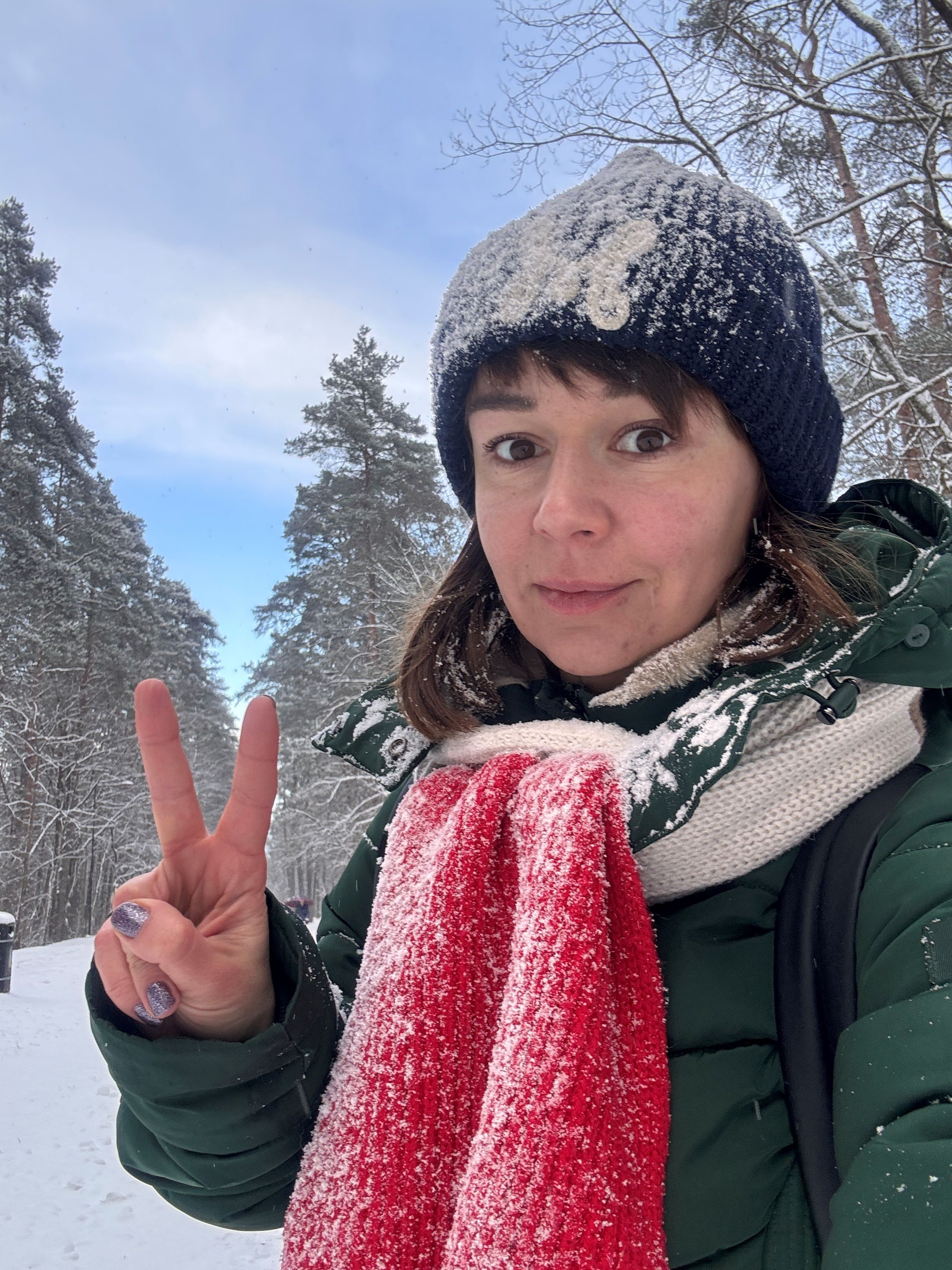
Among those released was Ksenia Fadeeva, a former deputy of the Tomsk City Duma, former head of Navalny’s headquarters in Tomsk. At the end of December 2023, the Sovetsky District Court of Tomsk sentenced her to 9 years in prison under articles on creating an extremist community using her official position (Part 3 of Article 282.1 of the Criminal Code) and participation in an NGO that encroaches on the rights of citizens (Part 3 of Article 239 of the Criminal Code), and in fact - for working in the structures of Alexei Navalny.
Today Ksenia lives in Vilnius, works in the “You are not alone” project to support political prisoners, and is responsible for communications and fundraising there.
Sibir.Realii talked with Ksenia about who Alexey Navalny was and remains for Russia and whether it is possible to “squander” his legacy.
“Alexey should have been on this plane.”
– Ksenia, at the time of the exchange, did you think that Alexei Navalny might also be on the plane on which all of you – the freed Russian political prisoners – were flying to Germany?
– This thought caught up with me already in Germany, in the hospital. The guys from FBK came to us - the management of the fund at that time: Maria Pevchikh, Leonid Volkov, Ivan Zhdanov. They brought flowers and some basic necessities: some were even in prison uniforms. I had a minimum of civilian clothes - only what I could take from the colony. And when they arrived, the thought gradually dawned on me: of course, Alexey should have been on this plane. Then the details became known - that Navalny’s exchange had been prepared for a long time and should have taken place exactly on the dates when he was eventually killed.
– How did you find out about his death?
– I was in the Tomsk pre-trial detention center and found out from the news on Channel One. The presenter's dry phrase - without details, just a retelling of the FSIN press release. It was Friday. Then Saturday and Sunday: no news, no letters, no lawyers. And I was in denial for a very long time. I couldn't believe it at all. The phrase “I can’t believe it” always seemed somehow abstract, but here I directly felt: you are being told news that is impossible to believe. Therefore, I was not hysterical, I did not cry - I was in a stupor, and then reality took a long time to catch up.
– Many people had the feeling that day: Russia had been deprived of its future. What about you?
“I think Alexey definitely wouldn’t want us to think that way.” He always urged not to be discouraged and not to despair, to continue working - for everyone in their own field. Yes, everyone experiences loss and grief differently. But it seems to me that we cannot allow ourselves to fall into apathy and believe that our country has no future. Because if we believe that everything is over and evil has won, it will really win. This is what they are trying to achieve: so that journalists stop doing their work, politicians stop doing politics, investigators stop publishing investigations. This is what those who killed Navalny need. We cannot afford to despair completely.
– Do you have an internal understanding of why he decided to return to Russia after the poisoning?
- Yes. He spoke about this himself - and I understand him very well. Alexey is a true Russian patriot in a good sense. I understand how the phrase “Russian patriot” is now stained with blood, but I consider him a patriot. He was a Russian politician and did not see himself outside of Russia at all. Of course, in hindsight we all wish he hadn't gotten on that plane. Let him live close to his family, do research, be a blogger - but he would be alive. But it’s hard for me to imagine that Navalny would decide to stay abroad. It was January 2021: there was no war yet, the headquarters structure worked throughout Russia, FBK were in Moscow. He felt the leader's responsibility for his followers. To imagine that he remained abroad, while colleagues in the regions worked in Russia and continued to take risks - this was unacceptable for him. His main motivation was love for his country: he did not see himself apart from Russia.
– There is a point of view that he could have done more for Russia by emigrating. Do you agree?
– It’s difficult to talk about this. It would be better for Alexey to be alive - without reservations. Even if he had stayed in Germany after the poisoning and said: “That’s enough, I’ve had enough,” it would have been better than what happened. But then it wouldn’t be Navalny.
– He could probably become a politician in exile - like Garry Kasparov, who has been in exile since 2013, or Mikhail Khodorkovsky, who has been abroad since 2014.
– Navalny was very different from Kasparov and Khodorkovsky. He felt part of the Russian people, and the Russian people live in Russia. He did not imagine himself as an “emigrant politician.” Would it be better if Alexey were alive and abroad now? Certainly. But then it would be a different person. And I am irritated by speculation in the spirit of “he should have been stopped.” This is an adult, brave man, a politician who challenged one of the most terrible dictatorships of our time. There was no stopping him. He decided to return, be with his people and share their fate. And yes, it turned out the way it turned out. But if he had not done this, it would not have been Alexei.
"An example of courage and inflexibility"
– Tell us about your favorite personal memory associated with Navalny?
– We didn’t see each other very often: Alexey worked in Moscow, I worked in Tomsk. But our longest meeting was in 2020, when they came to Tomsk for the second time - during that trip to the regions when he was poisoned. We walked around the city a lot then. I remember mid-August: good weather, pleasant summer. We walked along the central streets of Tomsk, and Alexey was recognized literally through one person: they approached, greeted, hugged - completely different people, not just young people. Retired grandmothers, middle-aged people. This was so different from the propaganda picture about “2% of hipsters inside the Garden Ring”. And now I remember it as a different life: we are all in Russia, walking down the street, Navalny is free, nearby, alive, people communicate with him. This is a very warm, but also a very bitter memory - because this will no longer happen. And even when everything gets better in Russia, Alexey will never walk around summer Tomsk again. It really hurts.
– Who is Alexei Navalny for you? After all, it started your political career, but it also led you to prison and emigration...
– Even before Navalny’s headquarters, I was interested in politics: from the age of 18 I was in Solidarity, then in Golos, and organized rallies in Tomsk. I joined Navalny’s team at the age of 25. And it was not Navalny or politics that brought me to prison and exile, but the Investigative Committee, the prosecutor’s office, the court and the repressive regime. The responsibility is definitely not on Navalny or FBK. I consciously did this and believe that I was engaged in legitimate activities to make my city and my country better. Alexey for me is an example of courage and inflexibility. I can't call him a friend - we weren't that close. But he is an example - not only for me, for millions.
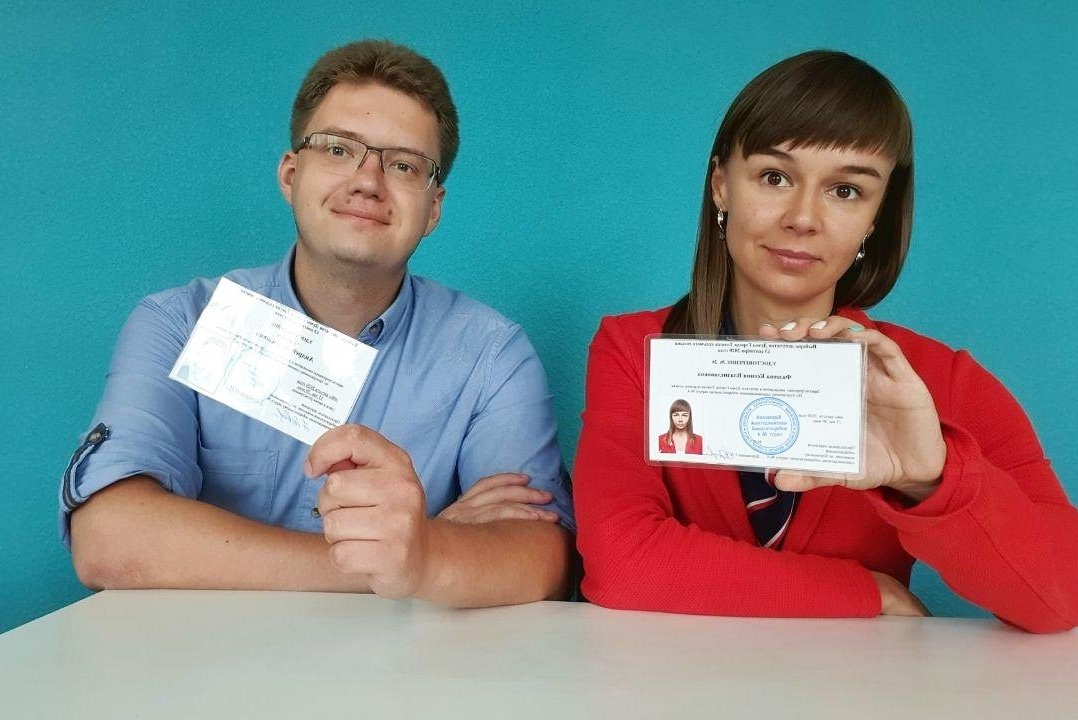
– Ksenia Fadeeva, who came to the opening of the headquarters in Tomsk, and Ksenia Fadeeva now – are they two different people?
– I don’t think they’re completely different. Nine years have passed - it’s terrible, of course, how time flies. Yes, my thoughts that were at that moment now seem somewhat naive, after the repressions, the war and everything. But I’m the same person, plus or minus – just with more experience.
– When you went to the elections to the Tomsk City Duma, did you believe that normal, civilized politics was possible in Russia?
- Yes. And now I believe that it’s just impossible in Russia right now. I am a historical optimist. And our elections showed that such a policy is possible: when the authorities do not hit citizens on the backbone and allow opposition even at the grassroots level, where there is talk about utilities and transport, the opposition wins. We are not a “third world country” or a people “genetically unfit for democracy.”
– That is, those elections and the City Duma were a positive experience for you?
– Positive. It was a way out of the bubble. The headquarters and supporters are one thing, the street is another: you campaign, talk to different people who do not always share your values. And I almost never came across clichés like “American money.” People reacted rather positively, they were surprised: how is it that young guys with such bold slogans are not afraid to campaign. And the City Duma was an interesting experience: you work in a real government body, interact with officials, learn to negotiate, learn compromises. I became a deputy in September 2020, and actually worked until December 2021 - then they put a bracelet on me. Formally, the mandate was until 2024, but in reality it was a year and three months.
– In real politics, people often become less radical and more inclined to compromise. Have you felt this effect?
– I have never been “super radical” in the sense of “hanging everyone on poles.” My views on Putin and federal policy remain the same. But at the city level, once you figure it out, you discard populism. For example, you can demand that officials be prohibited from using official cars. And then you understand: parts - yes, but parts - no. This person objectively needs a normal car, because he drives over objects that break down one after another. I have become less radical in details, but not in general.
“I consciously stayed in Russia”

– What kept you from going abroad when many Navalnists were already leaving, fleeing repression?
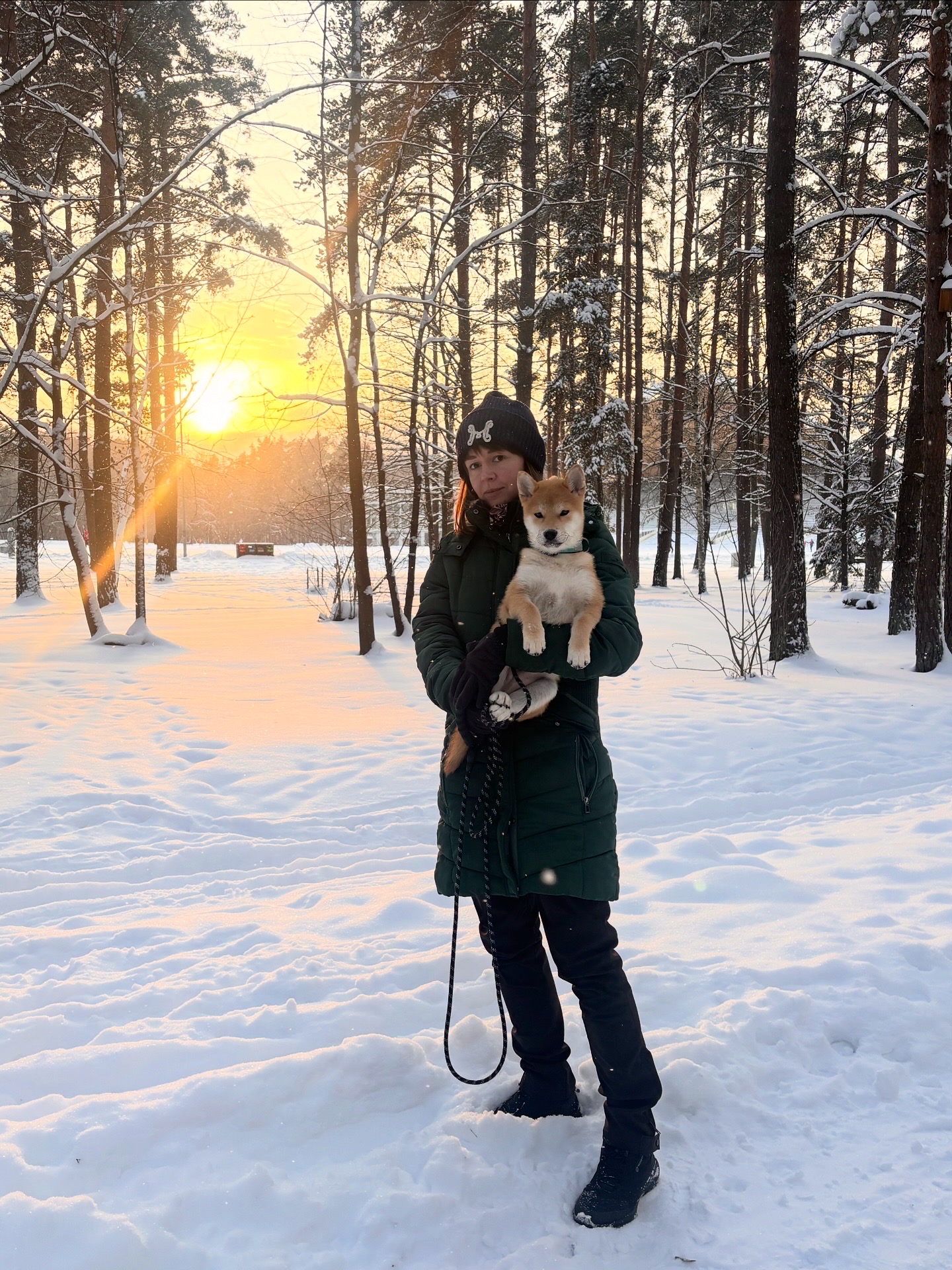
“I couldn’t leave emotionally. I have lived all my life in Tomsk: my family, loved ones, loved ones, my dog are there. I am attached to the city. And I felt responsible to the voters. Liliya Chanysheva was imprisoned in November 2021, a year has passed since we became deputies. It seemed wrong to me: I had just walked the streets, promised to defend the interests of people, spoke from the podium - and suddenly I was leaving for Germany or Georgia. There is nothing rational here, I just couldn’t. I wanted to stay in Russia and - yes, it sounds pretentious - to share fate with my compatriots.
Liliya Chanysheva, the former head of Navalny’s headquarters in Ufa, was arrested in November 2021 on charges of organizing the activities of an extremist community. In June 2023, the Kirovsky District Court of Ufa sentenced her to 7.5 years in a general regime colony, later the term was reduced to 5 years. Released on August 1, 2024 as part of the "big exchange".
– When you found yourself behind bars, did you regret not leaving?
– It was a gradual process: first a criminal case, then a year and a half bracelet, then courts, three weeks of house arrest, a pre-trial detention center, a month later a verdict. There was not a single moment when I thought: “It would be better to leave.” After the sentences of Chanysheva, Ostanin and 19 years, it was clear to Navalny where everything was going. It wasn't a shock.
– What kept you going in prison?
– Close ones – family, friends. Nobody turned away. Even classmates with whom I had not communicated for many years wrote. And strangers too: stacks of letters arrived, all my free time was spent reading and answering. Letters arrived on Mondays, Wednesdays, Fridays - and I tried to respond in time before new ones arrived. And also - a feeling of being right. In the women's pre-trial detention center, the majority of prisoners are not political. In the case of women, it is usually theft or drugs. And this is truly terrible when you simply destroy your life and the lives of your loved ones with your immoral actions and crimes. And I knew that I had not done anything bad to anyone - and this was an internal support.
– How did you know that you would be replaced?
- Exactly - already on the bus near Lefortovo, which was taking us to the airport. But I guessed when we were brought to Lefortovo for four days. It was clear that this was definitely not a new case, because they asked me to write a petition for clemency. I don’t remember what I wrote verbatim, but there was no admission of guilt or repentance: I wrote that I always wished the best for Tomsk and Russia, and asked to be released from further serving my sentence. The feelings were mixed. There was no euphoria - this is conditional freedom: I do not have the freedom to stay in Russia. It was a huge relief for loved ones. But I understood: they were not taking me to Tomsk. I won’t meet my girlfriends at my favorite cafe, I won’t go to the dacha with my parents. I'm being taken abroad. I am grateful to those who made the effort to exchange, but there was no feeling of absolute happiness.
– If you were asked in advance, would you agree to the exchange?
– I think not. Now, having lived freely, it is difficult to imagine that one can voluntarily choose prison. But then I consciously stayed in Russia. If they had asked, I would have refused. But no one asked.
“If you want to convince people, you cannot humiliate them”
– How did emigration work out for you?
– Quite emotionally difficult. They helped me financially, I have a social circle here, I live in Vilnius. But in the background all the time: everything is fine, but this is not home. It’s funny: you see stunning views - I was in Switzerland - and the thought: it’s beautiful, but not Altai. Absolute nonsense, but it happens all the time. I want to go home.
– How did you solve the problem with documents - you were taken abroad without a passport?
– I came with an internal Russian passport to both the Lithuanian migration department and the Russian consulate - both of them looked strange: “How did you end up here?” I had to explain this long story. At first I was denied a Russian passport. I applied for a five-year passport, and four months later the refusal came: “You have a court verdict that has entered into force, you are prohibited from leaving Russia” - and I read this while in Lithuania. The embassy employee, without irony, offered to give me a certificate to enter Russia “to clarify the points.” Then a month later they changed their minds and issued a passport after all. Five years old. Then I applied for a 10-year-old - he was also given away.
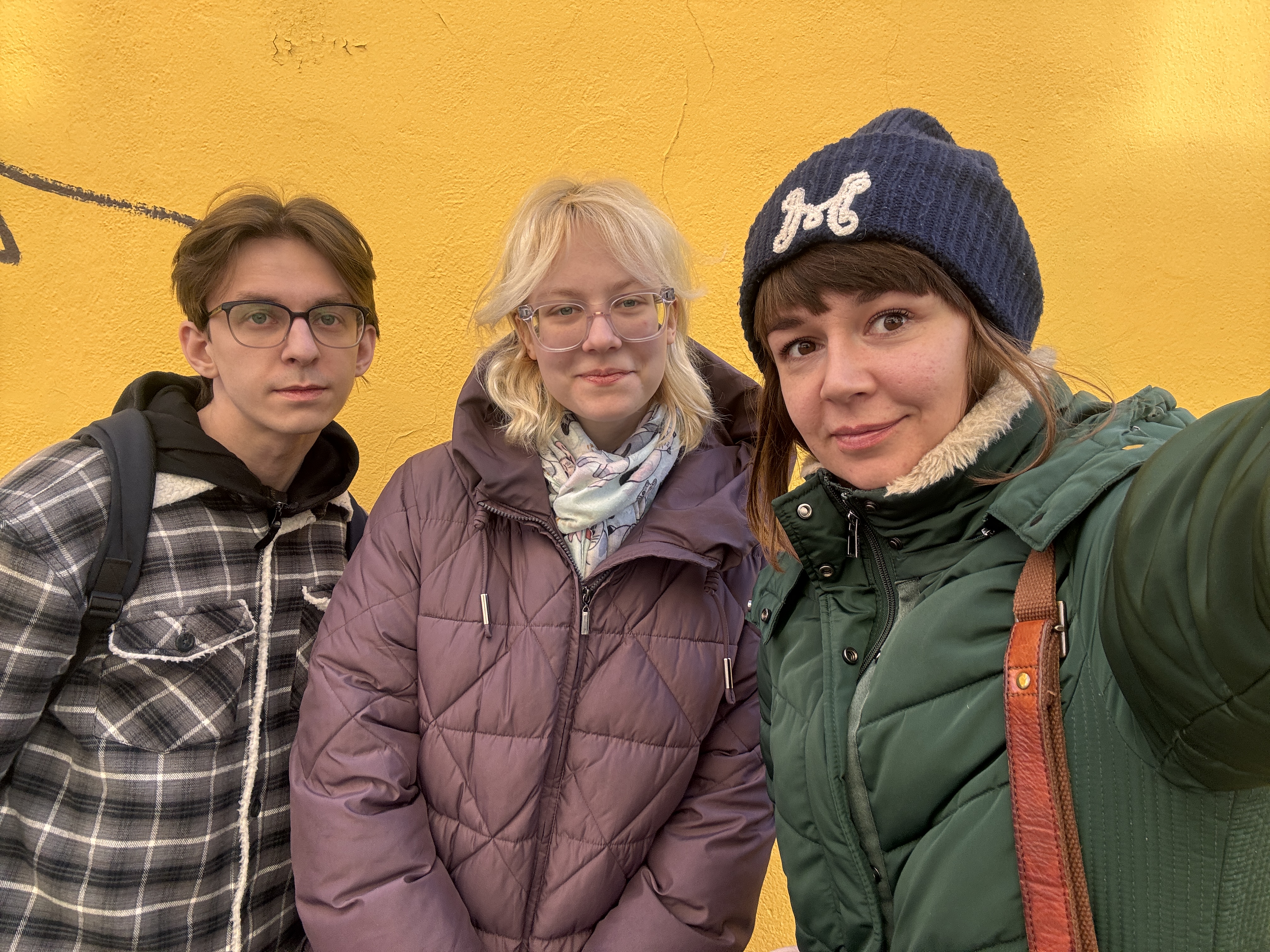
– Do you collaborate with colleagues at FBK? Do you feel like you are “back at headquarters”?
– I don’t work for FBK. They met us in Germany and brought us to Lithuania. I communicate with someone, I am friends with someone. But there is no feeling of “I’m back at headquarters” - it was a different life, a different job, a different time. But there is contact with former colleagues.
– Why do you think the attitude towards FBK has changed so much, where does so much hate and disappointment come from from those who are completely opposed to the Kremlin? people?
– This is a complex story. It seems to me that the global reason is that people are tired and disappointed. When we were in Russia, there was specific activity: rallies, investigations, elections, “smart voting” - something worked out. And now we find ourselves where we find ourselves: war, repression is growing. There is a general feeling of powerlessness: we did everything, and this is the result. This is not resentment, rather irritation and fatigue. FBK is a political organization; it makes mistakes, harsh statements, and faces criticism. Criticism is normal; any political organization benefits from criticism. There is also an intraspecific struggle: old grievances, new claims, everyone has filmed investigations about each other... Therefore, we have what we have.
– Is FBK a real political force now?
– This is still one of the leading political organizations, I think. The FBK of 2020 and the current FBK are different stories: then we were all in Russia. Navalny's headquarters were the most popular opposition force, the center of attraction for activists. Environmentalists, animal rights activists, communists, nationalists, libertarians, Yabloko supporters, feminists - everyone gathered at the headquarters. Now the time is different: there cannot be a network inside Russia. FBK is in crisis - like, by and large, all politics is in exile. But they remain one of the leading Russian political forces - with reservations about emigration.
– Are the reproaches fair that FBK is a rigid hierarchical structure in which criticism of the leadership or any disagreement is impossible?
– I didn’t work at FBK. There was a hierarchy at the headquarters: coordinators, regional managers, network manager - like any party. And that’s probably why the headquarters were effective: it was work, and not “today I’m distributing leaflets, tomorrow I’m not.” But it definitely didn't look like a cult. The headquarters were quite autonomous and could make their own decisions. Of course, if the federal headquarters announced a rally, we supported it. I can’t say anything about the current FBK from the inside. And given that there are several prominent figures there, one cannot say that this is a “dictatorship of one person.”
– Why, in your opinion, have so many scandals arisen around Leonid Volkov lately?
– It’s difficult to call a situation when a person is hit on the head with a hammer a “scandal.” It’s just that Volkov is one of the leaders of FBK, and it is clear that close attention is paid to him. For any of his mistakes - and any public politician has mistakes - they cling to and make claims. Sometimes justified, sometimes not.
– Are they also “clinging” to Yulia Navalnaya? Her recent speech, where she read out a letter from a Russian woman who wanted to go to war, was received very ambiguously...
– Here we need to understand who exactly perceived it this way. Ukrainians can probably perceive any Russian politicians however they want - in the fifth year of the war, I wouldn’t expect them to understand their motivations. I like the way Yulia Navalnaya tries to communicate with Russians. If you want to convince people, you cannot humiliate them. In that letter, the girl was going to participate in the war - she hoped to become a cook, no matter who. Inside I may think this is immoral and wrong. But if you want to persuade, you need to speak politely and respectfully. Let’s imagine that Yulia Navalnaya is watched by a certain number of people who are considering whether to go to the front or not. And if you want to convince those who are planning to go, you cannot insult them - this will only push them away. It is necessary to explain in understandable language: you go and they will kill you there. Here are the statistics, here is how long stormtroopers live. You can appeal to morality - war is immoral, invasion is bad. But if you need an effect, sometimes you need to appeal to the fear of losing your life. Therefore, those claims seem inadequate to me.
– There is a lot of talk about Navalny’s legacy. It is “protected”, it is “appropriated”, it is often said that in the current FBK “everything has been squandered”.
– “They squandered the heritage” is a harsh phrase that is often thrown around by those who do not like FBK. Navalny's legacy is people. This includes FBK and those who remain inside Russia: those who volunteered, worked in headquarters, went to rallies, observed, and participated in elections. You can’t call just the organization or just the investigations a legacy—it’s more than that. This is a movement of people who love their country and opposed this government, fought and continue to fight for a better future. Such a legacy cannot be squandered. Navalny has written himself into Russian history. Alexey played a huge role in the history of Russia, and sooner or later this role will be appreciated.
"Most would be back tomorrow"
– Do you personally continue to consider yourself a politician?
- It's hard to say. A politician is someone who fights for power. But fighting for power in Russia or Tomsk from Vilnius is problematic. It’s probably more correct to say that I’m a public figure: I do human rights work and support political prisoners. Sometimes I speak on political topics and write. The views have not changed. But I won’t call myself a politician in the strict sense now.
– Do you keep in touch with Russia?
– Yes, I have parents, grandmother, and many friends there. Mutual understanding is maintained. Sometimes I correspond with old acquaintances on social networks and respond on Instagram. I communicate with friends outside of politics, and I even managed to see friends abroad. No one turned away because I was an “extremist.”
– Is the problem of Russia that left and remained behind real or far-fetched?
- Rather far-fetched. It is being inflated by narrow-minded people on both sides. A very small part of those who left reproach those who remained for paying taxes that go to war. Some of the remaining people consider it an achievement that “we stayed.” It is incorrect to blame those who stayed at home with their family and loved ones. It’s also strange to blame those who left: the majority would return tomorrow if they weren’t threatened with prison terms for doing so. I'm talking about political emigration. This is an artificially inflated topic.
– Do you feel like there will be a common language later?
- It already exists. I don’t feel any problems in communicating with those who remained in Russia - I’m talking about anti-war people on our spectrum. It’s hard for me to imagine that when those who left are able to return, they will have problems communicating.
– Would you like to return to Tomsk?
- Yes. Even tomorrow, I’m literally at a low start. There are no illusions that this will end tomorrow: everything can drag on for a long time. But I am 34 years old, I hope that I can return home as a not too old grandmother.
– Theoretically: if the opportunity arose to meet with voters again, what would you talk about? Let's imagine that the war is over, you can participate in elections again.
– The problems that existed in Tomsk remain the same – they only got worse. I would campaign the same way: I would talk to people on the streets, stay in touch, be as open as possible. In municipal politics these are transport, roads, infrastructure, utility bills. I would have talked about this if the war had ended and there was a different regime. I respect those who are trying to participate in elections: they are pumping up their civic muscles. But they have to avoid the topic of war. Even if we put morality aside, we need to explain why there is no money for trams, roads, or garbage collection. But there is no money, because the priority of the state is war. You cannot say this publicly: you will immediately sit down and find yourself in the place of Alexei Gorinov. Therefore, today I would definitely not participate in elections in Russia: either you become part of a system that keeps everything silent, or you instantly find yourself in prison.
– Do you believe that the war will end this year?
– I am a bad predictor, as can be seen in my life. And not an expert in geopolitics. I, of course, am following all these endless negotiations, but according to my feelings, all this, unfortunately, can drag on for quite a long time. I don’t have the feeling that Putin wants to end this war. If I wanted, I could finish it today. A sudden event may occur, a “black swan” for the system, in which one wants to believe. But for now there is a feeling that Putin wants to continue fight and may continue to do so for some time.
“He always urged not to be discouraged and not to despair.” Ksenia Fadeeva about the legacy of Alexei Navalny