
Translated material
Omani Foreign Ministry on US-Iran negotiations: there is still a lot of work to be done
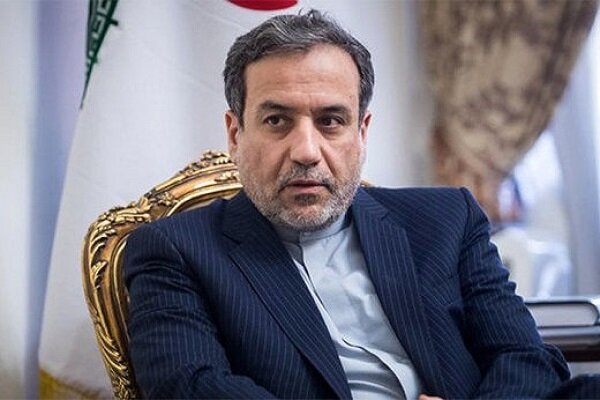
Following the results of the second round of negotiations between the United States and Iran mediated by the Sultanate, the Foreign Ministry of Oman reported that “there is still a lot of work to be done,” and the parties outlined “clear further steps” before the next meeting.
New meetings on nuclear issues took place on Tuesday in Geneva. Upon completion, Iranian Foreign Minister Abbas Araghchi also stated that the work was not yet completed. At the same time, he noted that representatives of the two countries had reached an understanding on the basic “guiding principles.”
In comments to Iranian media, Araghchi said progress did not mean reaching an agreement anytime soon, but "the path to it has begun."
As talks began in Geneva, Iranian state media reported that Tehran would close part of the Strait of Hormuz, an important global oil supply route, for several hours “as part of security measures.” At the same time, mention was made of the Iranian Islamic Revolutionary Guard Corps (IRGC) conducting military exercises there.
The American administration previously sent significant military forces to the Persian Gulf region to put pressure on Tehran and extract concessions from it, notes Reuters .
US President Donald Trump has said that "regime change" in Tehran may be the best thing that can happen. In turn, Iran's Supreme Leader Ayatollah Ali Khamenei said on Tuesday that any attempt by the United States to overthrow his government would fail.
The talks in Geneva, mediated by Oman, included US President Donald Trump's special envoy Steve Witkoff and Trump's son-in-law Jared Kushner on the American side. Trump told reporters that he "will be involved in the negotiations indirectly, and that they will be very important."
Recent discussions have focused largely on the controversial nuclear program of Iran, which the West suspects of trying to develop nuclear weapons. Tehran insists that its developments are exclusively peaceful. Iran has said it will not negotiate on other issues, such as reducing its missile arsenal or ending support for armed groups in the Middle East, DPA noted.
Trump, gathering huge forces off the coast of Iran, has repeatedly stated that he wants to conclude a deal with Iran that will deprive this country of its nuclear program. As The Wall Street Journal reported on February 17, Iranian officials are now considering suspending uranium enrichment, moving some of the country's reserves abroad and entering into business deals with the United States as part of attempts to advance nuclear negotiations and prevent a strike on the country.
- The talks with the United States come amid weeks of tension between Washington and Tehran after Iranian security forces brutally suppressed a wave of anti-government protests in December and January, during which human rights activists say thousands of people died. In response, Trump threatened the Iranian leadership with military intervention.
- The first round of negotiations between the US and Iran, in an attempt to prevent tensions from escalating further, took place in Oman in early February.
Omani Foreign Ministry on US-Iran negotiations: there is still a lot of work to be done