
Translated material
Non-contractual uncertainty
How to live without control of nuclear weapons? The Strategic Arms Reduction Treaty has expired
On February 5—the day the Strategic Arms Reduction Treaty expired—mainstream American media either completely ignored the event or reported it very sparingly. As usual, President Trump sets the agenda, and the press reacts to the next turn of the owner of the White House.
Meanwhile, experts greeted this day with alarm, noting that the most important milestone had been passed, after which the world would enter the era of a new nuclear arms race: without rules, without warnings and inspections - that is, without control. Former President Barack Obama, who signed New START in 2010, wrote on X (formerly Twitter) that expiring the treaty would "senselessly undo decades of diplomacy and could trigger a new arms race."
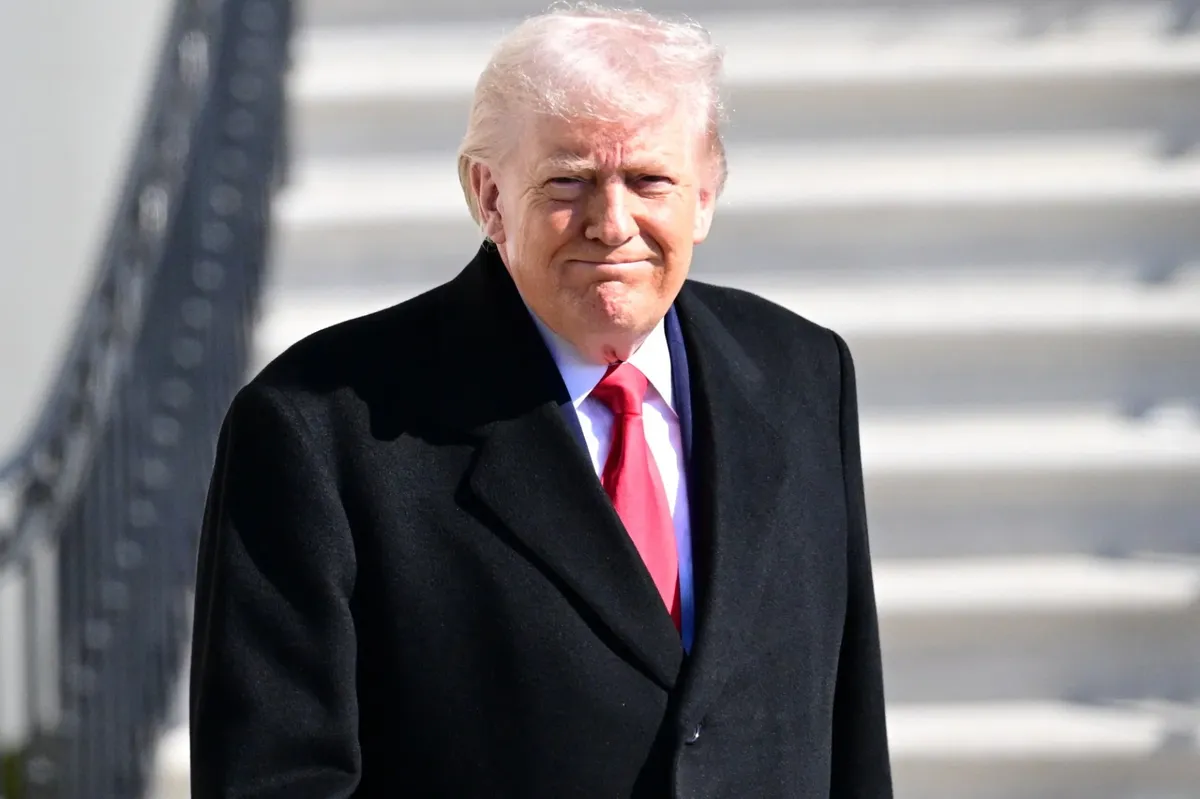
“It expires, it means it expires. We will make a better agreement,” Trump said about the agreement. The US administration has not yet officially responded to the Russian President’s September proposal to extend the main restrictions of the treaty for a year. Although Trump said at the time that “it sounds like a good idea,” nothing was done.
Let me remind you that under the treaty, the United States and Russia could deploy a maximum of 1,550 strategic nuclear warheads and 700 nuclear weapons delivery systems (including land-based intercontinental ballistic missiles, submarine-launched ballistic missiles and heavy bombers). Each side was allowed 800 deployed and non-deployed launchers for delivery vehicles such as missile launchers, submarine launchers and heavy bombers.
To ensure compliance with the treaty, each side was required to notify the other of any strategic weapons-related activity, including missile test launches and heavy bomber movements, exchange data on the number of deployed missiles and delivery systems, and allow on-site inspections.
The United States and the Soviet Union first entered into nuclear negotiations in the 1960s, following the Cuban Missile Crisis, and entered into the first agreements—the Nuclear Test Limitation Treaty, the Strategic Arms Limitation Treaty, and the Ballistic Missile Limitation Treaty. According to Washington's estimates, at that time the United States had more than 32 thousand warheads, and the USSR - 40 thousand. The successor to these treaties, the first Strategic Arms Reduction Treaty (called START in the United States and around the world), regulated the reduction and elimination of nuclear weapons and delivery systems remaining on the territory of the newly formed independent states of the Soviet Union. Remember the Budapest Memorandum of 1994 - Ukraine’s renunciation of its own nuclear arsenal in exchange for security guarantees?
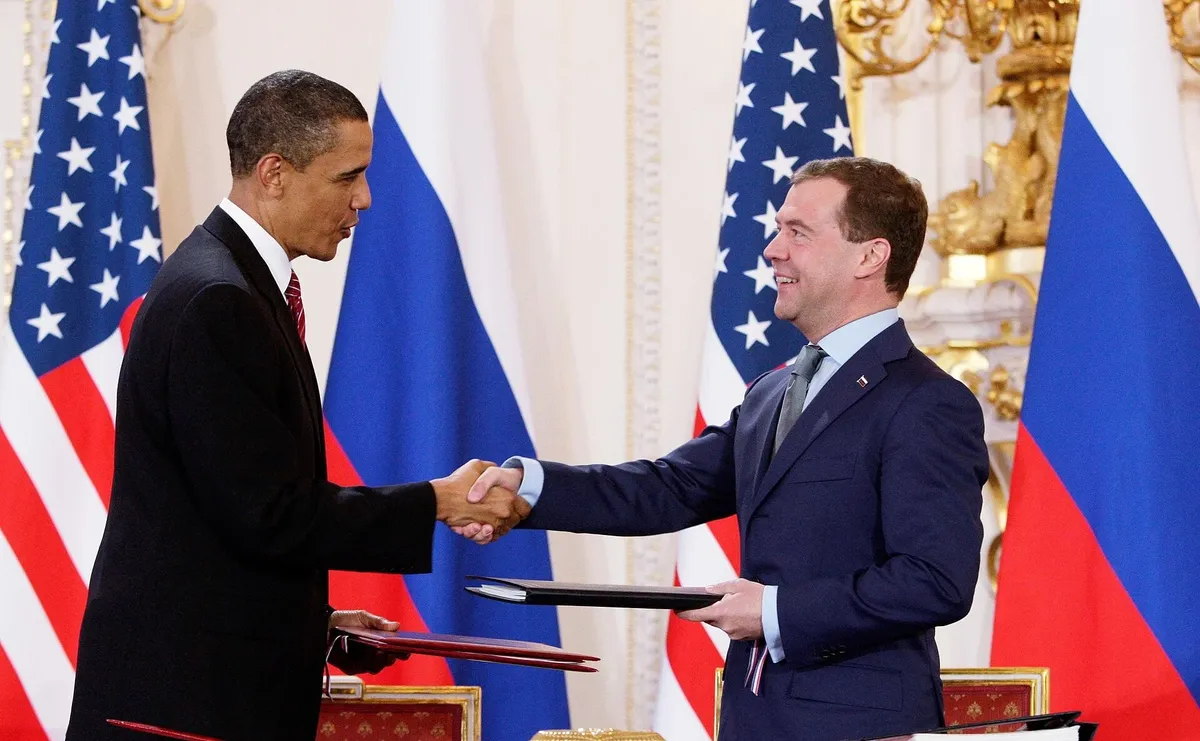
The arsenals of the USA and USSR (and then the Russian Federation) were reduced first to 12 thousand warheads, then to six. Two additional agreements—signed by Presidents George W. Bush (“looked into Putin’s eyes and saw his soul”) and Barack Obama (ate hamburgers with Medvedev: “unhealthy, but tasty”)—reduced the number to 1,550, the current level. The Biden administration has used up all five years of the treaty extension and, under its terms, no further extensions are possible.
On February 5, the era of international détente, which began more than half a century ago, officially ended. Although political scientists have long said that
The world is already actually living in the era of a new Cold War, which has become “hot” in the conflict zones of the planet.
The two main problems (as they see it in Washington) standing in the way of concluding a new treaty (START-4?): new Russian weapons (here they call them “exotic”) and the PRC’s nuclear program.
As Washington is convinced, the Russian Federation has a nuclear arsenal that is far superior to the American one (5,500 or more warheads) and is distinguished by a high degree of diversity - both long-range and tactical: torpedoes, mines, artillery shells, as well as medium- and short-range missiles. Particularly noteworthy are the “Petrel” (here it is called “Skyfall”, like the name of the Bond film) - a cruise missile with a nuclear warhead and a nuclear engine, and the “Poseidon” - its underwater version. US intelligence estimates that Russia has between 1,000 and 2,000 non-strategic nuclear warheads, although the exact number is unknown. These weapons are not considered deployed, but are stored relatively close to the launchers, allowing them to be deployed at short notice. The US insists on including it in the new treaty.
But China worries American policymakers even more. China's nuclear weapons are advancing at "breakneck speed," the Senate Foreign Relations Committee noted at a Senate hearing with the characteristic "Arms Race 2.0" title late last year. The PRC has more than 600 warheads and is ahead of schedule, planning to field 1,000 weapons by 2030 and have 1,500 warheads by 2035.
The nuclear world has turned from “bipolar” to “tripolar”. President Trump warned during his first term in the White House that a new treaty would not be possible without China.
In addition, there are “small nuclear powers”: nuclear-armed North Korea, Iran may join the nuclear club (despite the bombing of nuclear facilities on Trump’s orders and mass protests against the regime). Washington is concerned that Russia may provide technological assistance to Pyongyang and Tehran in exchange for soldiers and suicide bombers.
And also eternally warring nuclear neighbors India and Pakistan. Finally, Israel, which has never confirmed nor denied the presence of its bomb (there are dozens to hundreds of them, no “transparency”).
Plus the nuclear arsenals of Britain and France and the desire of Germany, and recently even Poland, to protect themselves and get their own nuclear weapons. And although US Secretary of War (Defense) Pete Hegseth, calling on the Europeans to develop their own weapons without regard to America, at the same time confirmed Washington’s commitment to providing an “anti-nuclear shield” for Europe (nuclear deterrence), European countries have a legitimate question in an era of general instability and growing threats: can we trust Trump, who has said all sorts of things about NATO in the past?
Trump expects to conclude new nuclear deals, or at least discuss them, at summits announced this year with Putin and Xi Jinping. He believes in the “art of the deal” and the priority of personal contact by “strong leaders.” But on the nuclear issue, any agreement is prepared by teams of experts - ahead of time, quietly, thoroughly, taking into account all interests. The problem is that nothing has been heard about such contacts from the White House, either with Russia or with China.
American experts on the topic are divided into two groups.
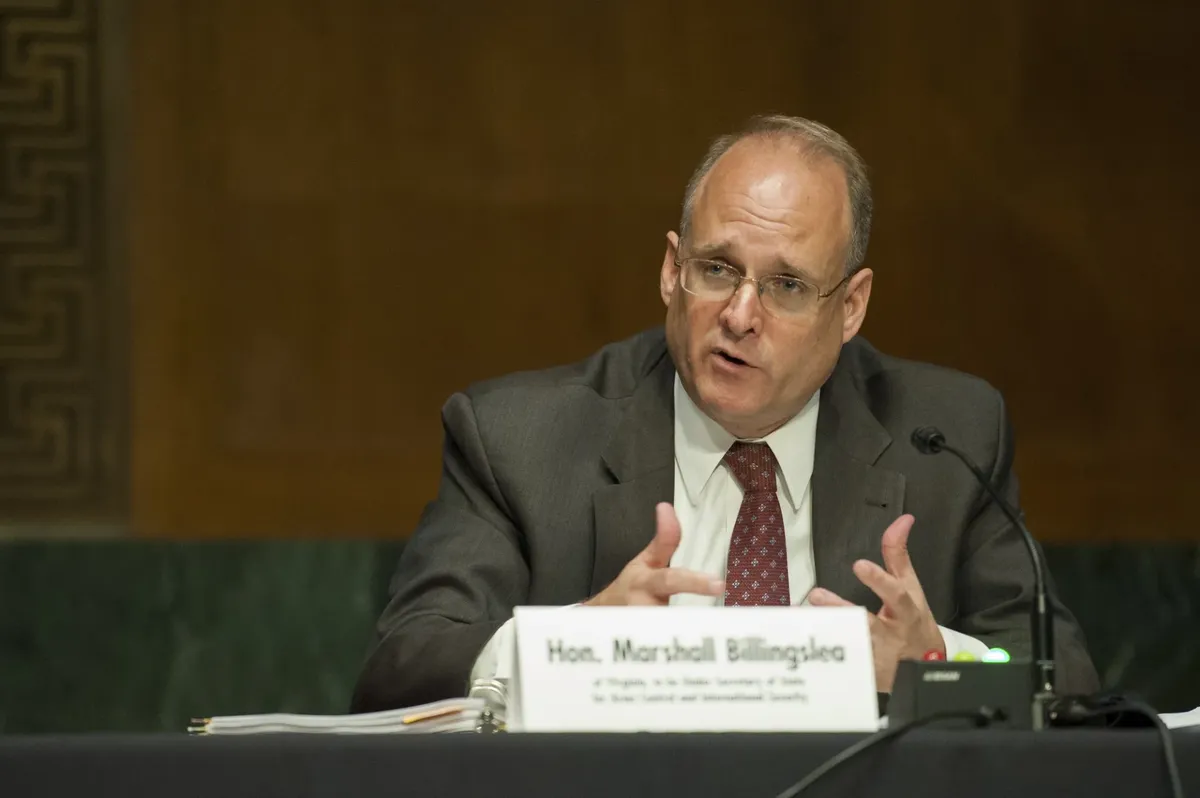
The former included the former special presidential envoy for arms control, Marshall Billingsley, who said in the Senate that urgent and comprehensive modernization of the American nuclear triad, as well as air and missile defense capabilities, is needed. Donald Trump signed an executive order on the Golden Dome program, a new missile defense system that has been compared to Israel's Iron Dome and the Strategic Defense Initiative proposed by Ronald Reagan in 1983. “Golden Dome” involves placing hundreds of thousands of satellites in low-Earth orbit, designed to detect and destroy enemy missiles as they take off. The White House set the price of the issue at $175 billion, but the Congressional Budget Office estimates the “dome” at 500 billion and 20 years to implement this project.
Russia will use the extension of the New START Treaty for another year or more without establishing verifiable restrictions on thousands of weapons to threaten NATO allies, and China's threat to America will grow, according to experts in the first group. The same opinion—modernization first, negotiations later, that is, “peace through strength”—is represented by the majority of Republicans in Congress. This approach will inevitably lead to a new nuclear arms race.
The second group of specialists includes a well-known expert on strategic weapons issues, former Deputy Secretary of State for Arms Control and International Security and former NATO Deputy Secretary General Rose Gottemoeller. She believes that to solve the nuclear crisis, a modernization program is necessary but not sufficient. Moscow's proposal to extend restrictions on the nuclear arsenal for a year is useful and should be accepted. And one more thing: diplomats must immediately begin negotiations. “New nuclear negotiations will have value if they limit Russia's buildup and stop China's pursuit of parity with the United States. Both goals are achievable and would be helpful to the United States in preventing a new nuclear arms race. They would also be useful for Russia, China and all other countries in the world concerned about the risks of a new era of nuclear arms race,” Gottemoeller said at the Senate hearing. There are fears that the negotiation process is overshadowed by Russia's constant violation of its treaty obligations on all categories of weapons of mass destruction - nuclear, chemical, biological - both in bilateral and multilateral agreements, the expert noted. Ronald Reagan's principle (taken from a Russian proverb) of “trust, but verify” should always be in front of us, Gottemoeller said, “but I want to emphasize that I do not consider it necessary to rush to load missiles right now,” the expert emphasizes.
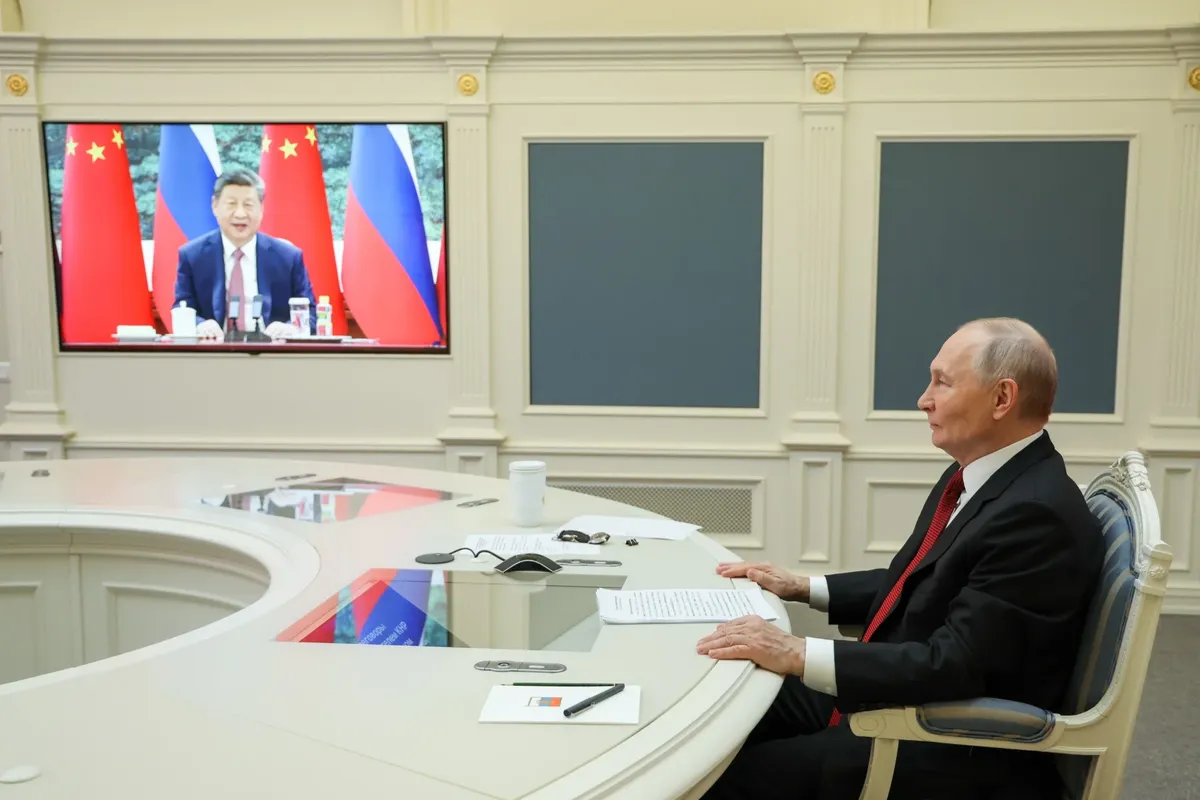
This position - to accept Putin’s proposal to maintain the nuclear ceiling for another year and begin negotiations on a new treaty (understanding that Moscow can set conditions that go far beyond the topic of nuclear restrictions, and the PRC has never discussed restrictions on its own nuclear weapons) - is shared by the majority of Democratic legislators. They are against the creation of a new Star Wars program and believe that this will not only lead to the depletion of the country's resources, but will also destabilize the situation in the world and stimulate a new nuclear arms race.
“Let's be honest. America needs another nuclear weapon just as much as Donald Trump deserves the Nobel Peace Prize."
said Senator Ed Markey, Democrat of Massachusetts and co-chair of the Working Group on Nuclear Weapons and Arms Control. Last December, Democratic lawmakers in both chambers reintroduced the bicameral Arms Control Negotiations Acceleration Bill.
According to Greg Dwyer, a former member of the US delegation to the New START Treaty negotiations, new strategic systems should be included in the one-year extended treaty: the Russian Sarmat heavy intercontinental ballistic missile and the Kinzhal hypersonic air-launched missile. These temporary measures will not be easy to implement; These are difficult questions in difficult times, the expert admits.
Since February 5, the world has entered an era of “increased uncertainty” about intentions, capabilities and escalation dynamics, said Amy Nelson, a security expert at New America. New technologies such as the integration of artificial intelligence into early warning and command, control and communications systems are changing the way nuclear risks arise. Arms control negotiations will not succeed in conditions of maximum ambiguity, mistrust and rapid change, writes the expert.
The good news is that Trump is promising that he will push for “denuclearization” and, as experts from both camps emphasize, there is still time to agree to begin substantive negotiations. And not only with Russia and China, but with the gradual inclusion of the entire “nuclear club” in them.
The bad news: on the famous “Doomsday Clock”, which was invented in 1947 by the scientists who created the atomic bomb, and whose symbolic hands are regularly set by Nobel laureates - the best scientific minds on the planet, there are only 85 seconds left until midnight (the Apocalypse and the end of the world). But this is a separate topic.