
Translated material
Lost memory
What and who is at risk from participating in the activities of the international “Memorial” declared “undesirable”*

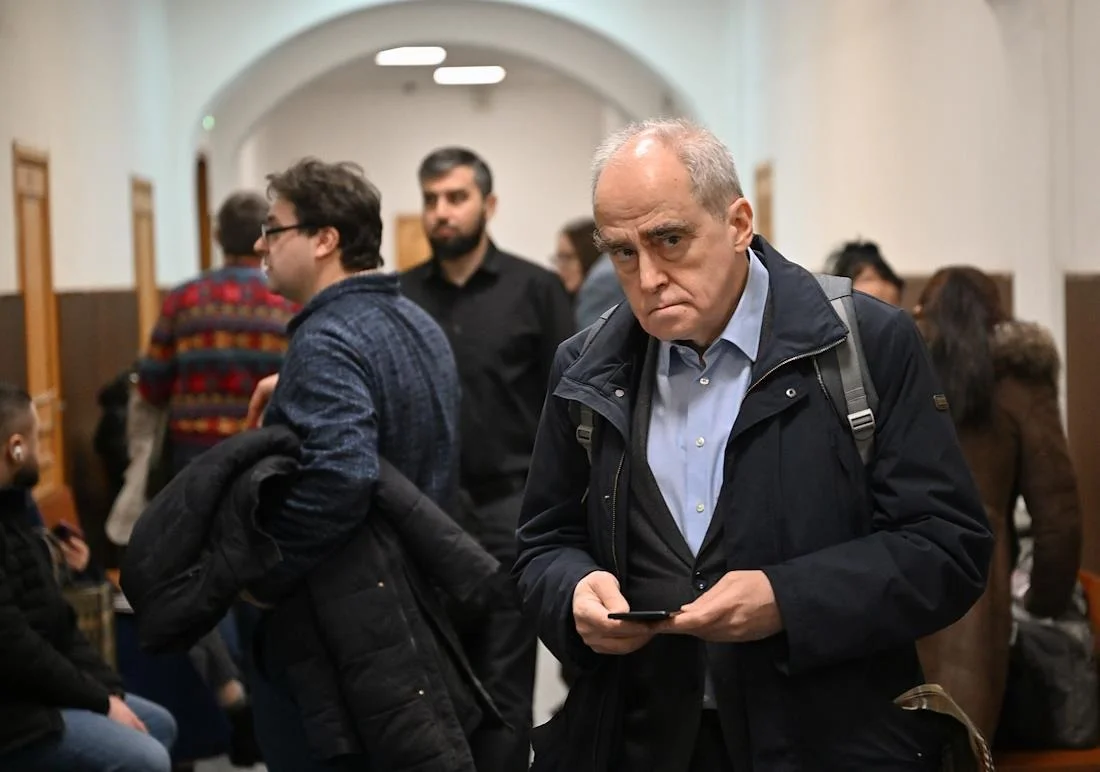
Photo: Irina Bujor / Kommersant
On February 17, Zukunft Memorial ev (“Future. Memorial”, Germany) and International Memorial Association (International Memorial Association, Swiss Confederation) appeared in the register of undesirable organizations on the website of the Ministry of Justice.
Created “from below” mainly in 1987–1992, the community of “memorials” has a complex multi-level structure depending on the territorial location and specific activities - mainly historical, educational and human rights.
In December 2021, the Supreme Court of the Russian Federation and the Moscow City Court, at the request of the Prosecutor General's Office, liquidated the International Society "Memorial"** and the human rights center "Memorial"**, respectively. In October 2022, the Tverskoy District Court converted the premises of Memorial in Karetny Ryad into state income. But the most valuable thing - the archive of Stalin's repressions - was digitized and preserved by the memorialists, which allows them to continue historical work and make inquiries about those repressed based on appeals from citizens.
“Memorialists” are more of a breed and a way of life; most of them continued their legal activities even after the liquidation of umbrella organizations. In 2022, many were forced to leave the country, but many remained.
What does the next decision of the Ministry of Justice threaten them with?
In accordance with Art. 20.33 of the Code of Administrative Offenses of the Russian Federation, participation in the activities of a foreign or international organization, in respect of which a decision has been made to recognize it as undesirable on the territory of the Russian Federation, entails the imposition of an administrative fine on citizens in the amount of 5 to 15 thousand rubles; for legal entities - from 50 to 100 thousand rubles, if these actions do not contain signs of a criminal offense.
According to Parts 1–3 of Art. 284.1 of the Criminal Code of the Russian Federation, the same actions on the part of a person who has already been subject to administrative liability, the provision of funds for such activities and its organization may entail imprisonment for a term of up to four and a half and six years of imprisonment, respectively.
According to OVD-Info*, in 2025, at least 56 sentences were handed down in cases of involvement in “undesirable” organizations. In five cases, the persecuted were imprisoned in absentia (in particular, the editor-in-chief of Novaya Gazeta Europe** Kirill Martynov*), 30 people received punishments not related to imprisonment, and three received real sentences.
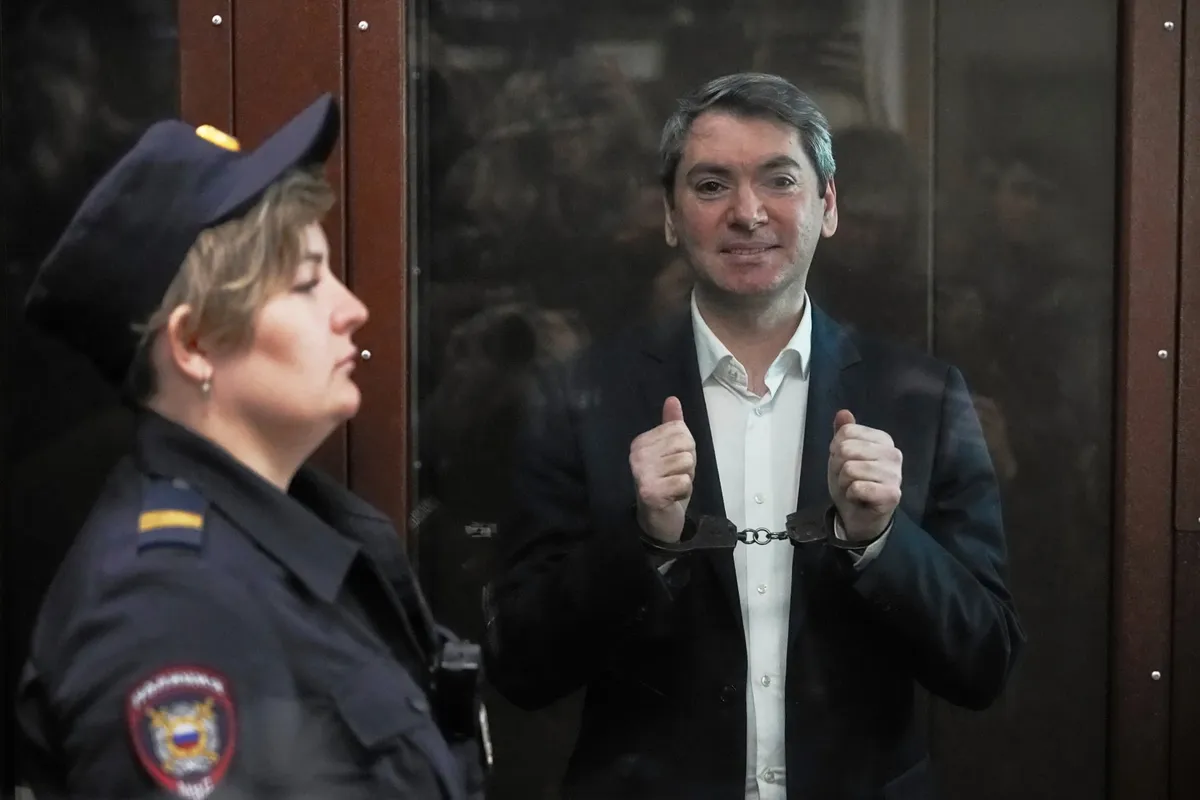
The most famous of them is the co-chairman of the “Voice” movement* Grigory Melkonyants, accused of organizing the activities of the European Network for Election Monitoring (ENEMO)** and sentenced to five years in prison. At the same time, Golos was not a division of ENEMO and immediately after it was declared “undesirable” in 2021, it announced a lack of cooperation with it.
Yesterday’s decision of the Ministry of Justice recognized only two organizations of Memorial members as “undesirable” - in Germany and Switzerland, but there is a high risk that Russian courts will consider any interaction with any foreign organization whose name contains the word “Memorial” to be a crime.
The Melkonyants case shows that courts can arbitrarily, including only on the basis of similarity, recognize the “participation” in the activities of undesirable organizations of certain specific individuals.
The memorialists with whom we managed to talk have not yet given public comments - first they need to develop a common position. Ultimately, everyone will determine the risk zone for themselves personally. As one of the interlocutors told us, “Memorial” is the memory of millions of people, it is an idea, not a structure.” The idea cannot be banned.