
Translated material
Phoenix birds
The documentary film “Traces,” which tells about Ukrainian women who survived sexualized violence at the hands of Russian soldiers, was shown at the Berlinale
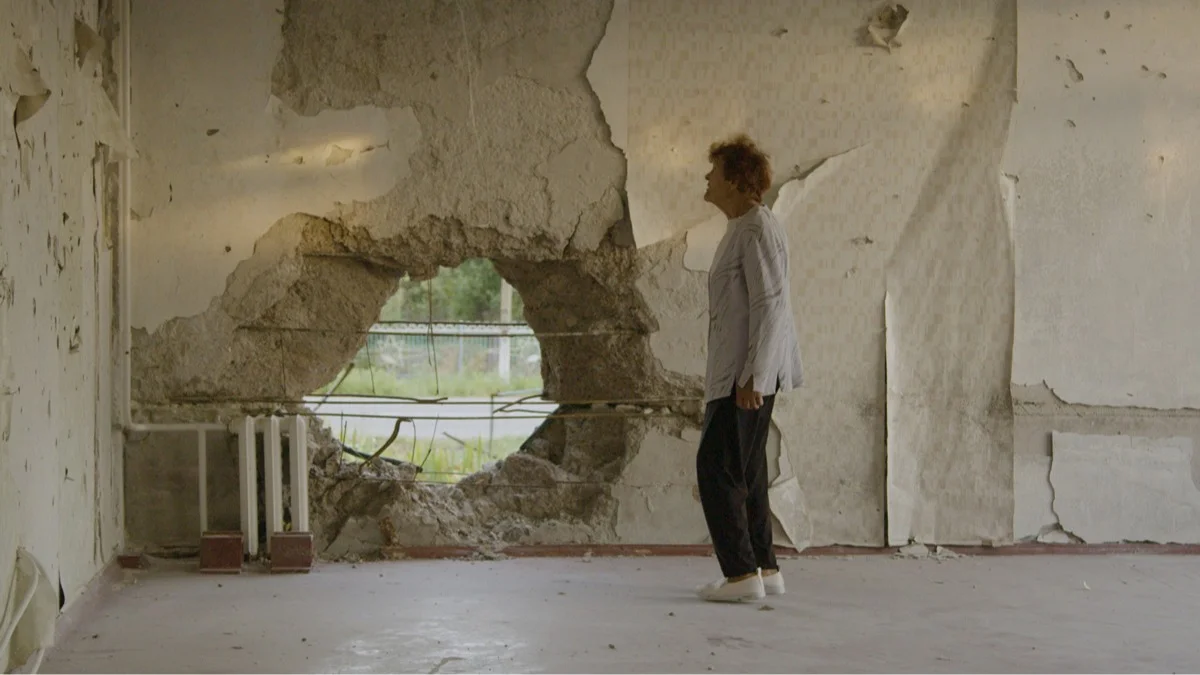
Photo: Alisa Kovalenko / Berlinale
At the Berlinale, in the documentary section of the second most important program “Panorama”, the premiere of the film “Traces” by Alisa Kovalenko and Marysia Nikityuk took place. This is one of three Ukrainian films at the festival, but the only one representing modern Ukraine; the other two, from the Soviet and perestroika times, are shown in the “Retrospective” and “Classics” sections. Film critic Irina Karpova watched the film and believes that, despite the severity of the topic raised, it has a huge healing effect.
After the screening of the film, the entire Berliner Festspiel hall stood up and gave an ovation to the creators and heroines of the film. This was a different kind of applause than the minutely measured ovation at the main premieres of Venice and Cannes (they also exist in Berlin, but I don’t remember anyone noticing them). The audience applauded not just an artistic achievement, it was a gesture of recognition and at the same time admiration for the strength, resilience and courage of the film’s heroines - Irina, Tetyana, Lyudmila, Galina and Olga - and its creators - Alisa Kovalenko and Marysia Nikityuk.
Director and screenwriter Alisa Kovalenko herself went through what her characters experienced: in the Donbass in 2014, she experienced sexualized violence from the Russian military. But her story is not in the film. After the start of the full-scale invasion, Kovalenko joined the Ukrainian Volunteer Army and spent several months at the front.
Ukrainian cinema about the war can be divided into two subgenres: one is films about testing and overcoming, and the second is films that create a myth about Ukraine, building blocks in the formation of a new civic consciousness of Ukrainians and Ukrainian women. In “Traces” there is no adrenaline chamber of Mstislav Chernov, as in “2000 meters to Andreevka”, there is no suspense, as in “Honeymoon” by Zhanna Osirna, but it shows a titanic work with shame - that shame that should not exist at all, the shame of being the injured party, the shame that is in the word “raped”, but for some reason is not in the word “rapist”. The most revealing of all is probably the story of the main character, Irina Dovgan, the founder of the Ukrainian organization SEMA, which unites and supports women who survived sexualized violence in war. Irina not only went through sexualized violence in the Donbass in the self-proclaimed DPR in 2014, but was accused of collaborating with the SBU and tied to a pole.
The moral and physical torture she endured became a story for Channel One; she was the same woman with the “Traitor” sign who was spat at and beaten by the “liberated” residents of Donetsk.
A shot from 2014 - torture and insults, a shot from 2026 - Irina and her friends posing on a blue background with the Berlinale logo, and the whole world can see the unbroken Ukrainian spirit. Unbreakable - indestructible, this was the name of the story about Irina on the Ukrainian TV channel Channel 5.
“Your Silence Will Not Help You” is the title of a collection of essays by African-American writer and essayist Audre Lorde, and “Traces” is the best illustration of these words. While a lot of films at the Berlinale (and at any film festival) talk about overcoming trauma, in most cases, working with trauma is depicted and limited to shed tears and a tortured happy ending, where the terrible experience recedes on its own. “Traces” is one of the few films about working through trauma, where it is shown in action, where the community and sisterhood of the heroines is real - together they confront the same misfortune and the same enemy. This is a conversation that shows that healing is possible, that it is very difficult, almost impossible at times, but burned earth, crippled nature and tortured women can be healed and reborn if they give grief space and time and stick together.
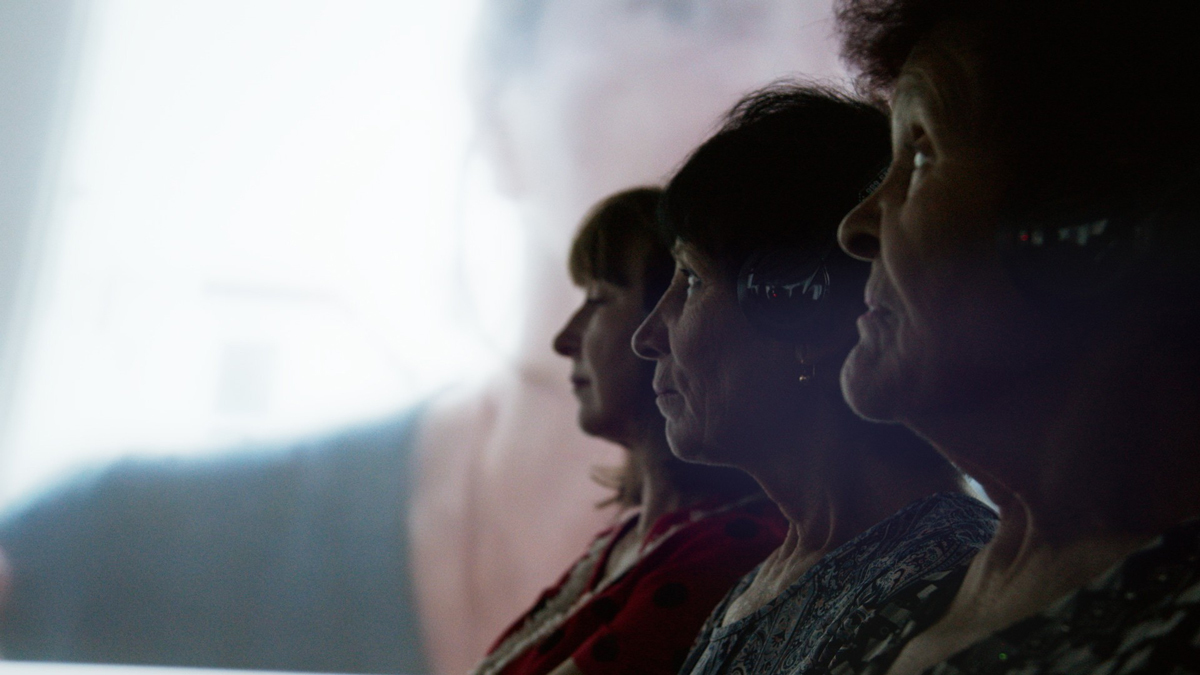
Directors Kovalenko and Nikityuk postulate at the end of the film that rape is one of the instruments of genocide against the Ukrainian people. War always brings horror and destruction, but sometimes it shifts social layers - for example, during the First World War, women went to work instead of men who had gone to the front. "Traces" suggests we stop looking at the rape of women during combat as collateral damage, it continues the #metoo cause and the effect of the Giselle Pelicot rapist trial. In Footprints, women in times of war eliminate shame and assert their strength and their integrity so that women living in times of peace can learn from them not to remain silent about the crimes of others.