
Translated material
Forget the Gulag
Instead of a museum of Stalinist repressions, an exhibition about the “genocide of the Soviet people” will be opened in Moscow. The project will be led by a participant in the war in Ukraine
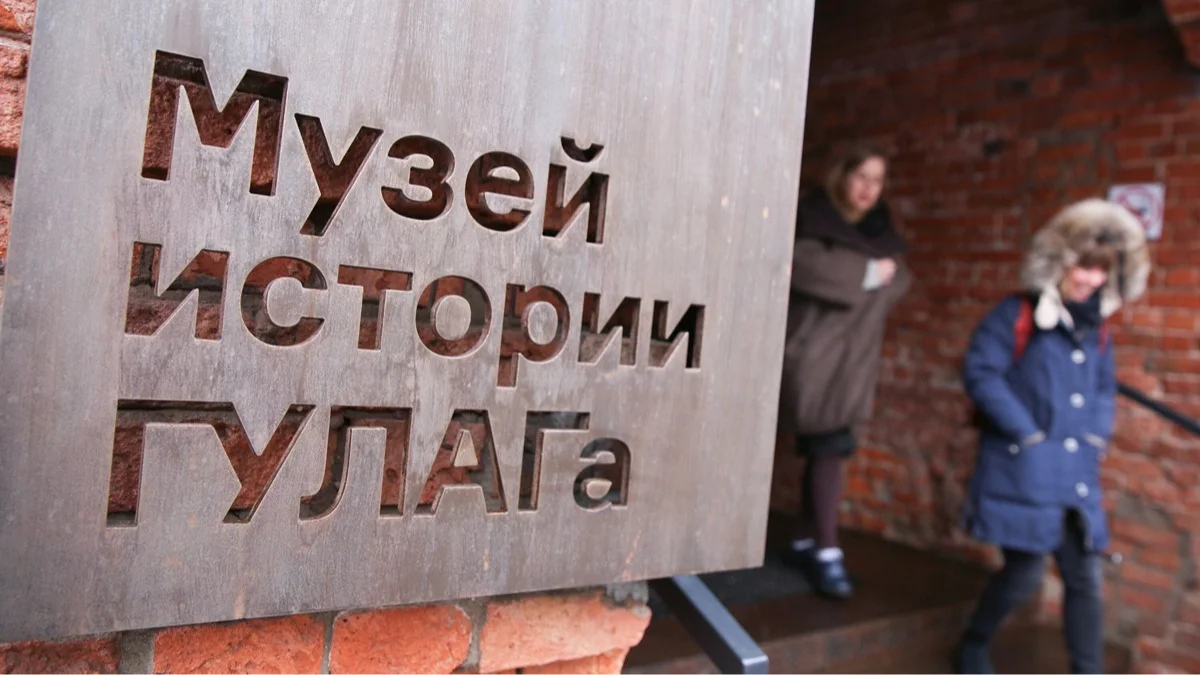
Photo: Kirill Zykov / AGN “Moscow”
In Moscow, the Gulag History Museum will be finally closed: instead, a Memory Museum dedicated to the “genocide of the Soviet people” will be created. The institution suspended operations more than a year ago, and its director was soon fired. According to media reports, the museum’s problems began after its refusal to change the section on Stalin’s repressions in another museum exhibition. The new museum will be headed by a veteran of the war with Ukraine, Natalya Kalashnikova. For more details, see the article “New Europe”.
Closing of the museum
The Moscow Museum of Gulag History, closed back in 2024, will finally stop working. An announcement about this appeared on the museum's website.
Instead of the Gulag Museum, the so-called Memory Museum will open, dedicated to the “genocide of the Soviet people” during the Great Patriotic War with Nazi Germany. “The exhibition will cover all stages of Nazi war crimes,” the website notes. An Interfax source familiar with the situation confirmed the information and clarified that the changes had already been announced to the museum staff.
The most famous supporter of the concept of “genocide of the Soviet people” can be considered the head of the Investigative Committee, Alexander Bastrykin. For years, the Chairman of the Investigative Committee has been calling for the consolidation of the corresponding concept, initiates search work (including in the occupied territories) and supports court decisions recognizing various crimes of Nazi Germany as acts of “genocide of the Soviet people,” for example , in the territory of Donbass. In Russia, they even declared April 19 as the Day of Remembrance for the Victims of the Genocide of the Soviet People: at the end of 2025, Vladimir Putin signed the corresponding law.
The Yabloko party called the decision to close the museum “an act of perversion of the very idea of preserving the truth about the tragic pages of our past.” According to party chairman Nikolai Rybakov, replacing “the topic of political repression with the topic of genocide of the Soviet people by external forces is an attempt to erase the memory of the crimes of our state against our people.” He also called for an end to the destruction of memory and the preservation of the Gulag History Museum as an “independent institution of truth.”
“The museum is being destroyed deliberately to deprive society of the opportunity to comprehend the lessons of the past.
History teaches: where the repressions of yesterday are deliberately forgotten, the ground is created for the continuation of such practices today.
Without an honest recognition of the tragedy of the Gulag, it is impossible to build a legal, humane and free Russian state,” the party statement says.
The fate of the exhibition is in doubt
It is unknown what will happen to the museum exhibits. RBC, citing a source, writes that the exposition will be completely replaced.
“They promise that it will be preserved, but at the same time they are talking about removing it from the museum building,” said the publication’s interlocutor.
Member of the Human Rights Council Eva Merkacheva expressed hope that the exhibits of the Gulag Museum will be preserved. In particular, she mentioned the cell doors of famous prisons that made the strongest impression on her when visiting.
Temporary closure turned out to be permanent
The Gulag History Museum has been operating since 2001. It was opened on the initiative of historian and former prisoner of the camps Anton Antonov-Ovseenko. At first, the museum, which was based on archives and personal files of the repressed, was located in a small building on Petrovka. In 2014, the museum moved to a reconstructed building on 1st Samotechny Lane.
Museum staff shared the history and scale of Soviet repression through interactive exhibits about the camp system from the 1920s to 1950s, lectures, performances, and discussions. The museum's documentation center helped people search for information about repressed relatives. In addition, the museum held annual commemorative events, including the “Prayer of Memory” event on October 30 with the reading of the names of those executed during the Great Terror.
The Gulag Museum suspended operations on November 14, 2024: then the management of the institution called this a temporary decision “as a result of fire safety violations.” The inspections revealed that the museum allegedly “poses a threat to the safety and comfortable stay of museum visitors.” Even then, the date of the new opening, according to Deputy Development Director Anna Stadinchuk, was unknown.
In January 2025, Roman Romanov, who had led it since 2012, was fired from his post as director of the museum. A Meduza source familiar with the situation said that the reason was Romanov’s refusal to change the section on repression in the new exhibition “History of Moscow,” which opened at the Museum of Moscow in December 2024. Employees of the Gulag History Museum helped organize it.
Initially, the exhibition was supposed to tell about Stalin’s repressions, including the Shakhty affair and the history of the House on the Embankment, but at the request of “from above” this section was completely removed, leaving only the interiors of the 1930s without explanation.
Then Romanov’s position was taken by the director of the Museum of Moscow, Anna Trapkova.
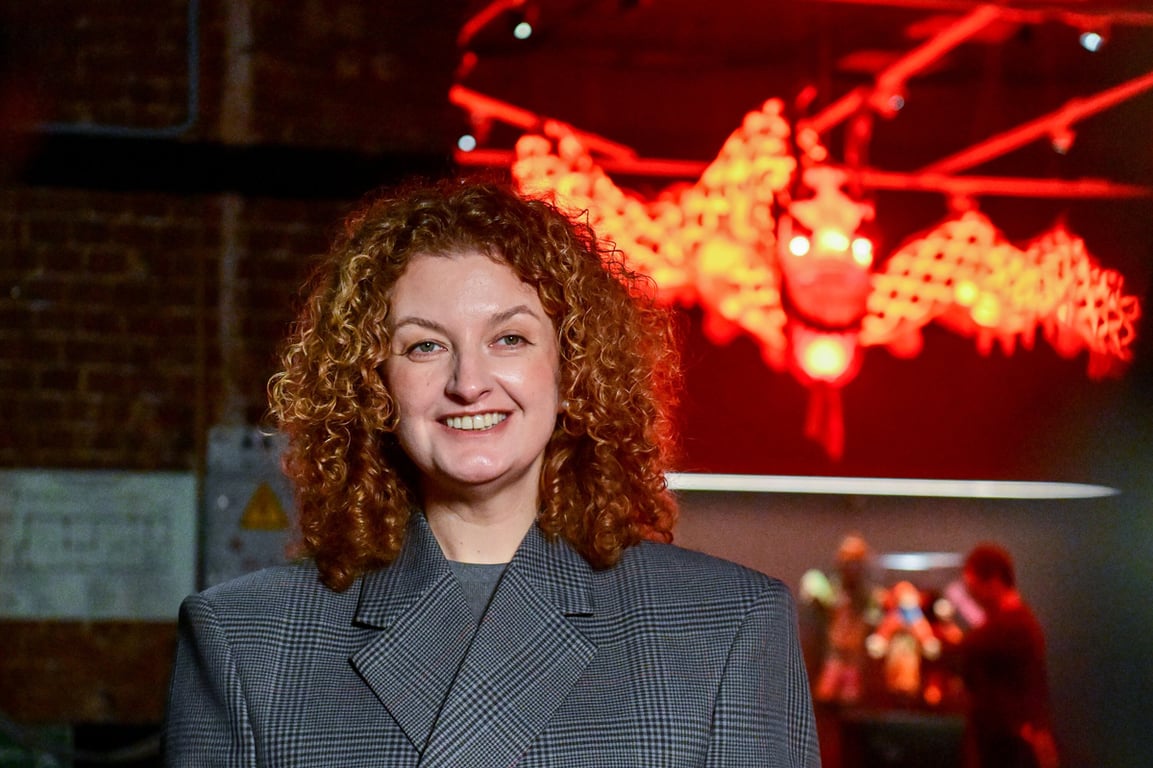
“After Romanov’s refusal to make changes to the exhibition, they intelligently decided to liquidate the Gulag History Museum and annex it to the Museum of Moscow,” Meduza wrote .
At the same time, officials periodically discussed the resumption of work of the Gulag Museum. Thus, in January 2025, the head of the Human Rights Council (HRC) under the President of the Russian Federation, Valery Fadeev, promised that the museum would be opened in the “near future”: “I talked with the leadership of Moscow. There are no ideas about closing the museum. In the near future, all necessary measures will be taken and the museum will be open. We have no fear that it will be closed."
A new museum with a war participant at its head
The first “national museum of memory dedicated to the victims of the genocide of the Soviet people” will open in 2026, the Moscow mayor’s office reported . It will be based on archival materials from the project “Without a Statute of Limitations,” initiated by the Search Movement of Russia.
The Moscow Department of Culture, in a message about the change from the Gulag Museum to the Memory Museum, emphasized that “perpetuating the memory of the victims of the genocide of the Soviet people” is “one of the key areas of work on patriotic education and historical education of the younger generation.”
The updated exhibition will talk about “manifestations of Nazism, biological weapons tests on Soviet citizens carried out by the Japanese, the liberation mission of the Red Army, and the trials of Nazi criminals.” Also at the exhibition will be “a carriage for sending people to death camps, a recreated room of a resident of besieged Leningrad and scales from a concentration camp on which prisoners’ hair was weighed before being sold.”
The new museum will be headed by Natalya Kalashnikova, a participant in the war between Russia and Ukraine, who has already been heading the Smolensk Fortress museum since April 2025. The mayor's office reported that she has experience in “preserving the memory of the victims of the genocide of Soviet citizens through the organization of thematic exhibitions and the publication of historical books.” Previously, she headed the science department at the A. N. Scriabin Memorial Museum, and also worked as vice-rector of the Moscow State Institute of Culture.
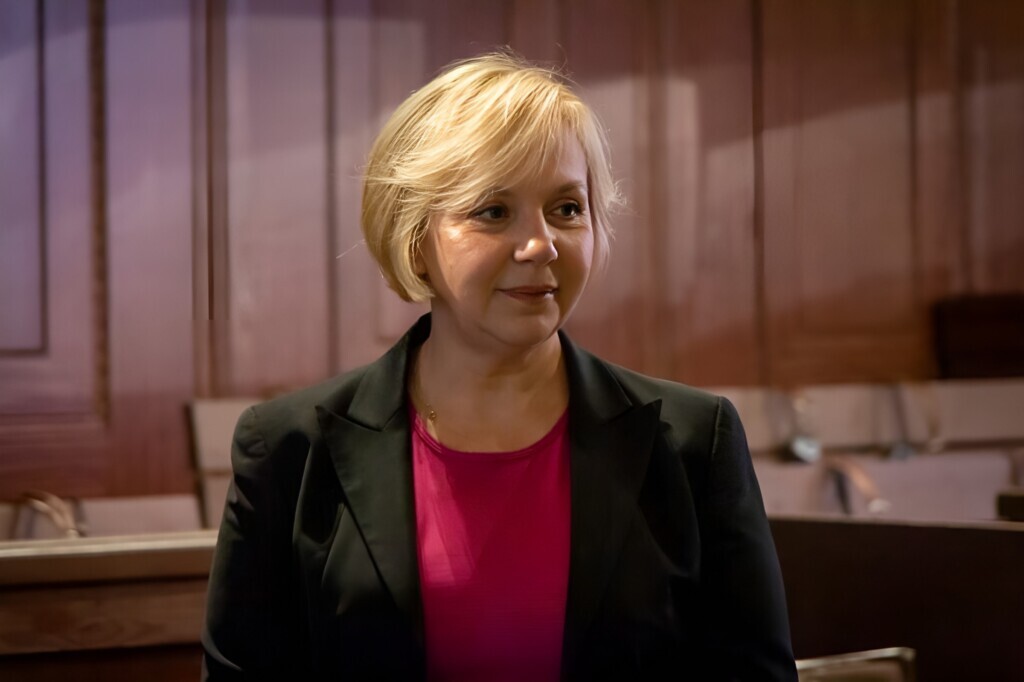
Kalashnikova has the title of combat veteran, and was also awarded the medals “Participant in a special military operation” and “For contribution to strengthening the defense of the Russian Federation.” At the Smolensk Fortress, she held meetings with SVO soldiers and talked about organizing concerts for military personnel on the front line. At the same time, there is no evidence in open independent sources of what and where exactly Kalashnikova did at the front.
“One of its ( the museum’s – editor’s note ) key tasks is to form among the modern generation a persistent rejection of Nazism in all its manifestations. This is especially important now, when there are almost no real witnesses of those terrible events left,” Kalashnikova said about the new museum.