
Translated material
"People have every right to this money." Is it possible to pay compensation under ECHR decisions using frozen Russian assets?
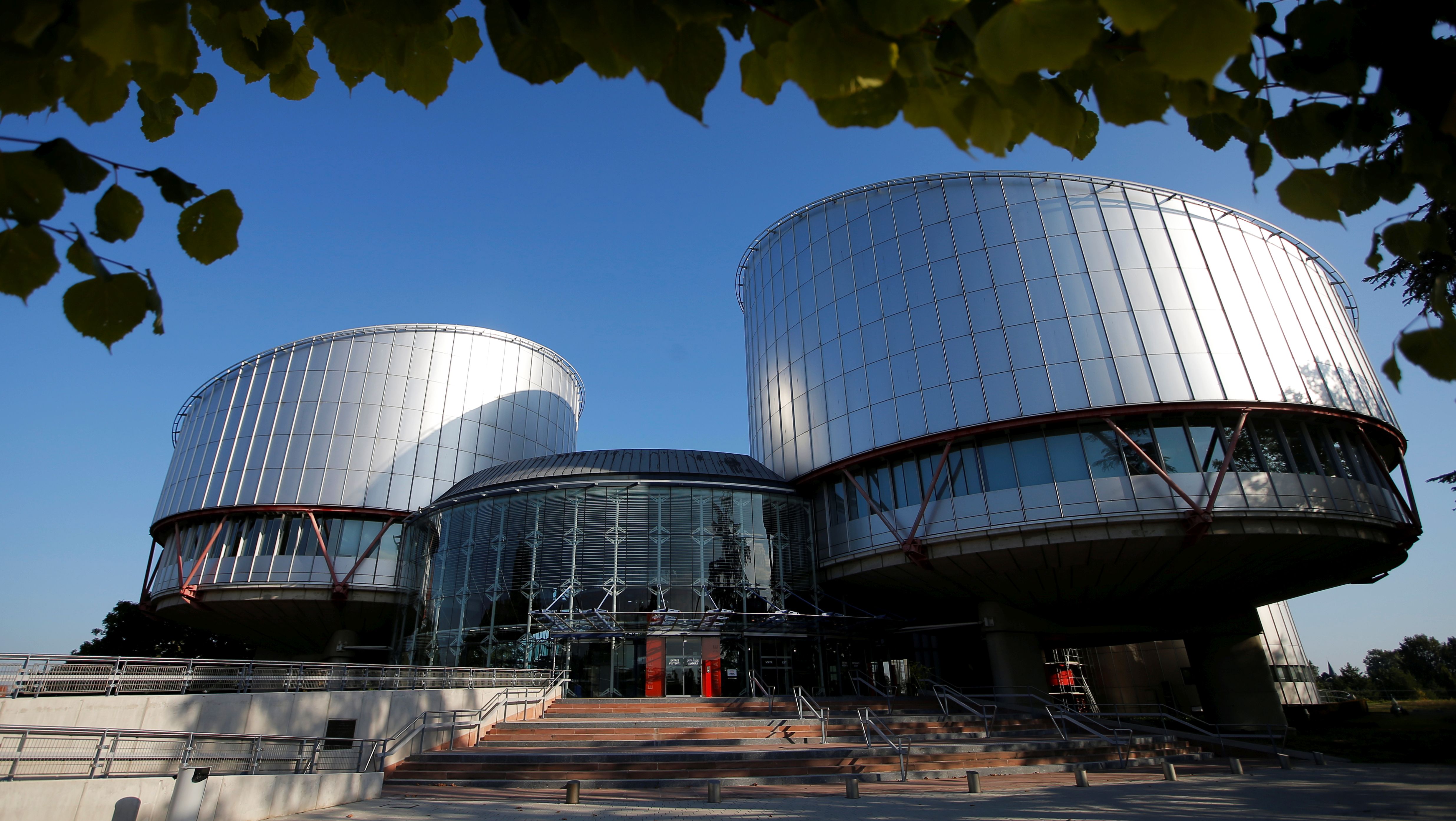
A petition has appeared on the website of the European Parliament with a proposal to pay compensation to Russians according to the decisions of the ECHR at the expense of frozen Russian assets. In March 2022, due to the outbreak of war in Ukraine, the Russian Federation was expelled from the Council of Europe, and on September 16 of the same year, Russia ceased to be a party to the European Convention on Human Rights. According to the ECHR resolution, the court continued to consider appeals from Russians if human rights violations by the Russian authorities occurred before September 16, 2022. The Russian authorities are obliged to implement these decisions, but in 2022, only three ECHR rulings were implemented, and the rest were ignored.
In total, Russia has not complied with 2,566 decisions of the ECHR, which is 40 percent of all pending proceedings in court, the annual report of the Committee of Ministers of the Council of Europe dated April 2024 stated. The amount of all compensation that the Russian Federation must pay to the victims exceeds 2.2 billion euros. According to OVD-info as of February 2026, their lawyers filed more than 3,100 complaints with the ECHR (we are talking about political cases, arrests at rallies and sentences related to freedom of speech), and more than 2,500 decisions were made in these categories of cases. The amount of compensation awarded, together with penalties, is 11,339,049.29 euros (or approximately 1,041,321,591.55 rubles), reported Sever.Realii in OVD-info.
Following the Russian military invasion of Ukraine, seven leading Western powers found and froze 260 billion euros of Russian foreign exchange reserves. 210 billion euros are seized in the EU, of which 193 billion euros are in Belgium, in the Euroclear depository. Another about 20 billion euros are in France, approximately 10 billion euros in Luxembourg. In Britain, 25 billion pounds are frozen, in Japan - 25-30 billion euros, in Switzerland - less than 8 billion francs. The least amount of frozen Russian money was in the United States - only $5 billion.
The petition to the European Parliament was sent by 24-year-old Gera Ugriumova, who emigrated from Russia in 2022. The human rights organization Iskra, which she created, defends the rights of Russians abroad. This is not her first appeal to the European Parliament, she says. In reality, letters and clarifications from commissions were received on previous ones, which played a positive role.
– Some universities did not want to admit Russian students; there were complaints from Germany and Norway that this was allegedly impossible due to sanctions. We were told from the European Parliament that there were no sanctions on education, there were no other such problems,” explains Gera Ugryumova. – There were a lot of complaints that bank accounts were not opened for Russians, we canceled about five thousand bank decisions and prepared lawsuits against 42 credit institutions. Our goal is to ensure that laws and sanctions are implemented correctly.
She considers the problem of non-execution of ECHR decisions and non-payment of winnings to Russians to be very serious and requiring a solution. The petition has 12 signatures, however, according to the procedure, their number does not matter, it will be considered in any case.
– Thousands of people have already won this money and have every right to it; these decisions are binding according to all international standards of law. In addition, there is also money for this; we are talking about Russian state assets that have already been frozen. They should be spent not only on the restoration of Ukraine, but also on compensation to the Russians. Therefore, we ask that a mechanism for the execution of ECHR decisions be developed so that it is included in the EU legal framework,” says Ugryumova.
“I’m not interested in politics. That incident was enough.”
Andrey (name changed for security reasons) was one of the last in Russia to receive a payment from the ECHR. On June 12, 2017, he was detained in Moscow at an anti-corruption rally on Pushkinskaya Square. He was snatched from the crowd.
“I was filming the action on my phone and before I even knew it, four “cosmonauts” knocked me down and dragged me into a paddy wagon,” he recalls. – The first one was already filled with detainees, I was in the second one – Ildar Dadin was in it (the first person convicted in Russia for repeated violations of the rules for holding rallies and pickets, died in Ukraine in 2024, fought for the Ukrainian Armed Forces. – SR) , I recognized him immediately. We were taken to the police department in the south of Moscow, where we were kept for nine hours, and were released at about three in the morning. They accused me of participating in an unauthorized rally and resisting the police, I wrote that I disagreed with this.
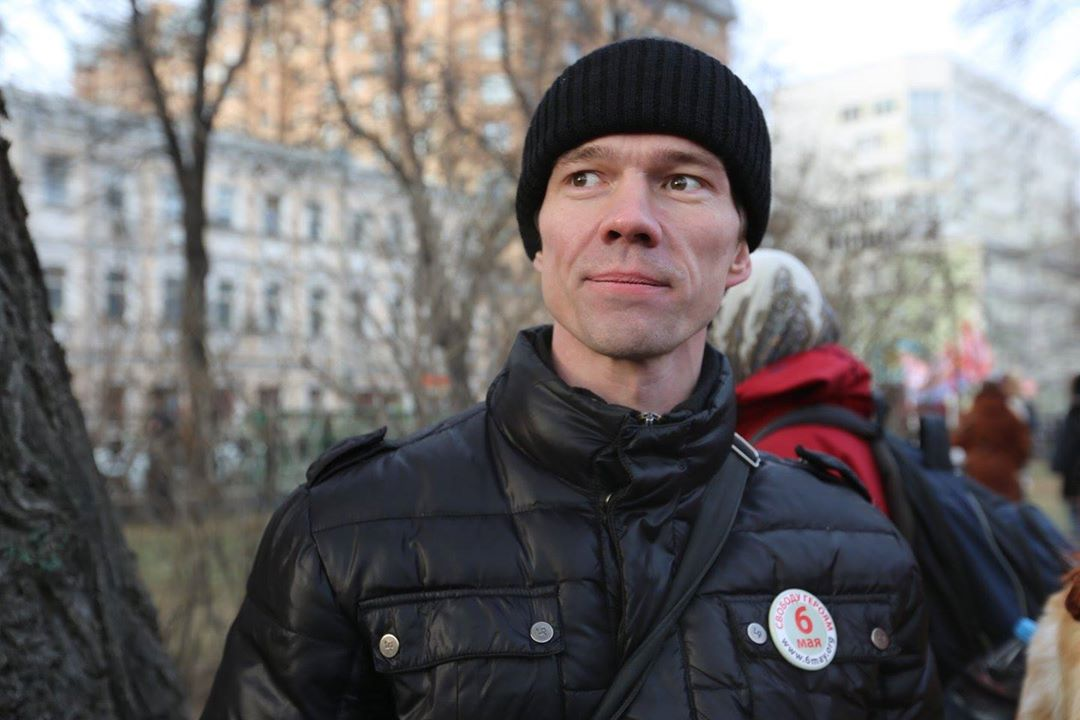
OVD-info lawyers contacted Andrey, together they went through three courts, where they lost, and then filed a complaint with the ECHR.
“It was impossible to prove that there was no resistance, although I had a recording of my arrest, but they didn’t even watch it,” Andrei continues. – After that incident, I no longer participated in any rallies - I was scared, to be honest, my parents paid the fine, he came to the place of registration. Then I tried several times to get a job in government agencies, passed all the interviews, but in the end I was refused - apparently, since then I have been on some kind of “black list”.
According to him, he was never an oppositionist, but he did not like many things about the policies being pursued.
The decision in the case of Andrei and six others illegally detained at rallies was made on January 13, 2022. The ECtHR noted that the applicants were taken to police stations to draw up administrative reports, while there was no evidence that they could not have been drawn up on the spot without detaining people. Prosecutors did not participate in their cases, the judges rejected all petitions, which means, according to European judges, the courts actually took over the functions of the prosecution. The ECHR found that as a result of the illegal detentions of seven people at rallies, Articles 5 (the right to liberty and security of person) and 6 (the right to a fair trial) of the Convention for the Protection of Human Rights and Fundamental Freedoms were violated, and Andrey was awarded 3,900 euros in compensation.
– For the first time in all these years, there was a feeling that there was still justice, and this is very important! And this money also came in handy: a letter came from the Ministry of Justice asking where to transfer it, and it arrived in the account literally a couple of days after the start of the war. I, like many, was horrified by everything that was happening, I immediately bought a ticket and flew to Turkey, then to Georgia, this money helped me stay abroad for several months. But then I returned back - I realized that there was no adequate work there, difficulties with documents, etc. You see, those who could did so left, those who could not did so went silent. I understand all the risks, so I try not to show it; since then I have no longer been interested in politics. Enough of that incident.
"I would ride on them"
Fedor (name changed) filed three complaints to the ECHR, one of which was considered. In May 2024, the ECHR awarded him 26 thousand euros in compensation due to torture: in October 2019, FSB officers put him in a car, handcuffed him, took him to the forest, kicked him and used a stun gun; there were massive bruises and bruises on his back, waist, arms and legs. However, Russian law enforcement agencies refused to open a case of beatings, and experts did not see “harm to health.” At that time, Fedor had already received several fines due to posts on Vkontakte; after the beating, a criminal case was opened against him again for a comment: he called student Mikhail Zhlobitsky, who caused an explosion in the Arkhangelsk FSB building and died on the spot, a “hero” and “a man of the day, a man of the week (at least).” At the trial, Fedor stated that he meant that Zhlobitsky would become a news hero. Memorial recognized him as a political prisoner.
In 2020, Fedor was accused of justifying terrorism and sentenced to five years and two months in prison. He served “from bell to bell,” spent a year in a PKT (cell-type facility), and the last six months in a detachment under strict conditions. He returned home and lives with his father.
– Since I passed as a “political”, I was immediately warned that I would be under strict conditions for a year and a half, they would find a reason, and so it was. And now, although I am free, I am on all the “black lists” - both as a former prisoner and as a “terrorist”; I have no chance of any normal work at all, I get by with odd jobs and it’s unlikely that it will be better,” says Fedor. – I really want to get the money that the ECHR awarded me, I would leave the country with it. Because you no longer understand at all where the deadline will come from and for what, what article they will “draw” for you.
According to the court verdict, he must be under supervision for another 8 years and report to the local police twice a month, he is prohibited from traveling outside the region, and from 10 pm to 6 am he must be at home.
However, there is an option to get left behind: go to war, he notes. In the colony they were actively recruiting for the front, and when he was free he was also offered to sign a contract several times.
– Recruitment in the zone was constant, but the most disgusting thing was when the administration broke young guys, forcing them to sign a contract. We had one good guy, only 20 years old, who went to jail due to stupidity. I didn’t want to go to war, which is what I always said. But they found his “weak spot”, he is afraid of small spaces, he has claustrophobia, so they often began to lock him in the punishment cell. Until he signed the contract. They took him away, and we later found a note to his parents, where he wrote that he did not want to go to war, but he would not be able to sit either. And this is how they act: they figure out fears and phobias and break people,” says Fedor. – They constantly offer me to sign a contract, but it’s more for show, they know that I won’t go and I’m generally ideological. But they still offer it. That's why I want to get away from all this. And I wish everyone who also wants to leave that they have this opportunity and do not live in fear. Of course, there must be a mechanism for receiving the money that is won in the ECHR, because many people need it here and now, and not sometime in the distant future.
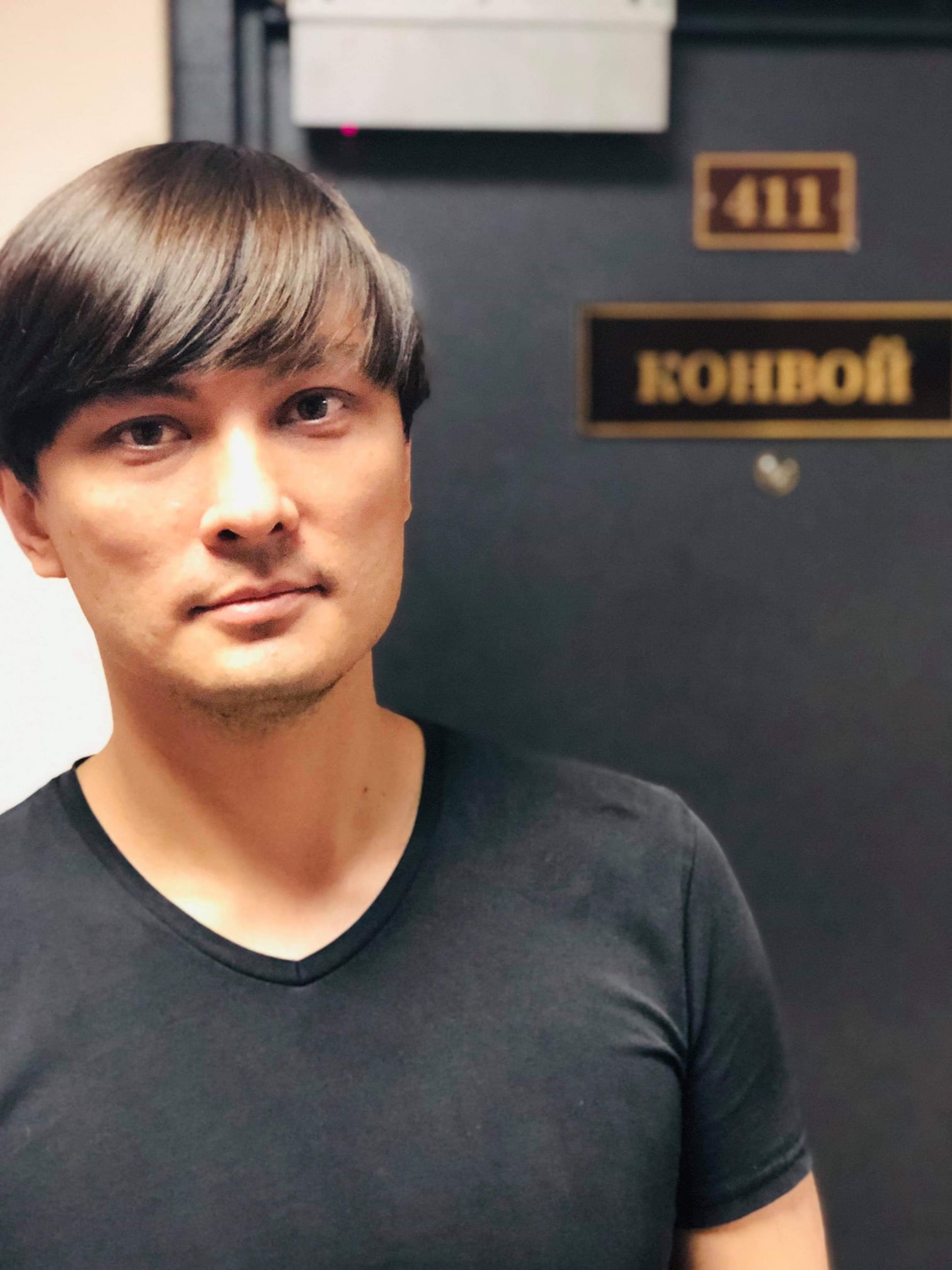
Alexander Kim, who won against Russia in the ECHR, is owed 16 thousand euros by the authorities. In February 2017, he was riding the subway to work when a police officer stopped him and asked him to show his documents. When Alexander asked to name the reason for the check, he was told that he had “Asian appearance.”
– I was born and raised in Russia, but I was constantly checked because of my appearance - both before that incident and after. And I was tired of this for a long time, so I recorded everything on my phone, the phrase about “Asian appearance” was also recorded. I did not comply with this demand, since it was illegal, I refused to follow the policeman and grabbed the fence. And then an employee named Pyshkin began to bend my fingers and broke my left thumb,” recalls Alexander Kim. “The police kept me all day, my hand was swollen, the abrasions were bleeding, so when they released me, I immediately went to the hospital.
Alexander wrote a statement about the unlawful actions of the police officer and sent it to all authorities. And I received the answer that “no evidence of a crime was found.” Then there was the Izmailovo court, the Moscow City Court, which “overpowered” the fine awarded to him; in 2018, he appealed to the ECHR. Seven years later, he admitted that Article 3 of the Human Rights Convention had been violated and recognized Russia’s responsibility for inhuman and degrading treatment, as well as ineffective investigation of the complaint.
Alexander left Russia because of the war and says that he is very interested in getting this money as quickly as possible.
“I live on the local minimum wage, this winter I couldn’t buy clothes and shoes for myself, there’s simply no money for this, I barely have enough for food and rent,” Kim notes. – This petition to the European Parliament is very appropriate, and I am glad that it appeared. As soon as a mechanism for receiving this money is developed, I will immediately use it.
What to do?
Moscow femme activist and human rights activist Tatyana Sukhareva won more than a dozen cases in the ECHR in the interests of her clients.
In 2014, she ran for the Moscow City Duma from A Just Russia with a feminist agenda, but was arrested: she was accused of fraud in the sale of OSAGO policies and sentenced to 5 years in prison. In 2024, Sukhareva picketed the State Duma against the bill banning childfree propaganda, then emigrated to Georgia.
Sukhareva believes that the EU should create a special legal mechanism that would allow the use of frozen Russian state assets or income from them to fulfill the international obligations of the Russian Federation to private individuals. And formalize it through EU regulations or through an international agreement with the participation of European states and institutions of the Council of Europe.
– A compensation fund and a register of claims should function within the mechanism. At the same time, the final decisions of the ECHR should automatically be recognized as sufficient evidence of the existence of the state’s debt to the applicant when confirming the fact of non-payment, says Sukhareva. – Or it is necessary to allocate a certain percentage of the frozen assets to receive compensation for those whose rights have been violated by the Russian Federation by the ECHR.
According to her, it is necessary to determine a reasonable period during which applicants located outside Russia can apply for compensation from the ECHR (for example, a year). But it is necessary to take into account that for those who won and live in Russia, it may be unsafe to apply for compensation, which means they should have a different deadline - as an option, no later than one year after the end of the war in Ukraine, Sukhareva believes.
While there is no mechanism for receiving money, all winners in the ECHR must contact the Prosecutor General's Office of the Russian Federation with a demand to pay compensation according to the decision of the ECHR (with the attachment of the ECHR ruling). The goal is to formally record a demand for fulfillment of an international obligation and confirm that the state is notified of the debt, she explains.
“It is clear that there will be a written refusal from the Prosecutor General’s Office with the motivation that Russia does not comply with the decisions of the ECHR after leaving the Council of Europe or does not have an internal mechanism for their implementation,” says Sukhareva. – After this, it is necessary to apply to the national courts of the Russian Federation with a demand to oblige the state to implement the decision of the ECHR or to recognize the refusal of the government authority as illegal. Having gone through all available courts, the applicant will receive a final court decision on refusal, confirming the impossibility of receiving payment through the national system.
Next, she believes, it is necessary to contact the Committee of Ministers of the Council of Europe as part of the procedure for monitoring the implementation of ECHR decisions (communications of interested parties). This will make it possible to officially record at the European level the fact of non-execution of the decision and to include the requirement in the general array of systemically unfulfilled decisions against the Russian Federation.
A lawyer who lives in Russia and also won cases in the ECHR (we do not disclose his last name for security reasons), considers an appeal to the Prosecutor General’s Office and the subsequent courts that Sukhareva speaks of as unnecessary.
“People have already been in court for several years, have gone through all the authorities and have a positive decision that must be executed; there is no point in going around the second round, because this will not force Russia to pay its bills, and at the EU level there is no need to prove anything again,” he explains. – In addition, many of those who won in the ECHR and have unenforced decisions left Russia because of the war, some have new criminal offenses and fines, since many repressive articles have been adopted over the past four years, it is simply dangerous for them to return home to sue again, and they often do not have money for lawyers who could do this. Those in Russia, after being released from prison, are also unlikely to be able to sue again - they are often not hired for work, their families have already broken up, they often have no money to live on, where will they get money for lawyers?
“Maybe life would have turned out differently”
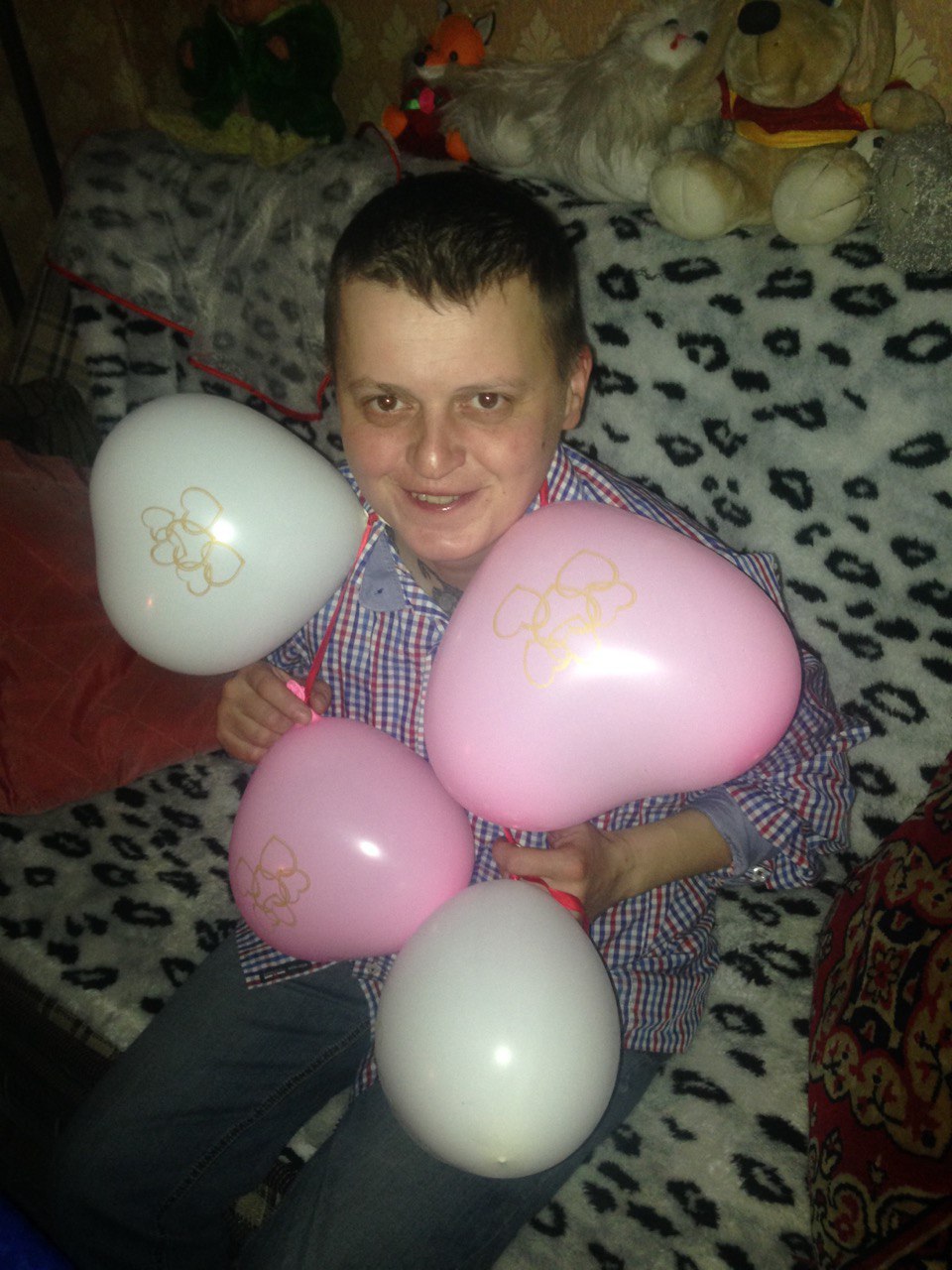
Nazar Gulevich won in the ECHR and should have received compensation (Russia was still paying them at that time), but he will no longer receive it - on January 6, 2026, he died, he was 42 years old.
He was born in the small Belarusian town of Molodechno, his name was Nastya. But Nastya always wanted to be a man and called herself Nazar. According to his acquaintances, he always looked more like a boy, was embarrassed about his breasts and had them removed as soon as he could. Nastya-Nazar was examined at the Republican Scientific and Practical Center of Oncology and Medical Radiology named after. N.N. Aleksandrova in Brovlyany, the conclusion states that he has more male hormones than female hormones and he is allowed sex reassignment surgery. At the age of 19 he left for Moscow.
– I worked at a cinema, sat at the cash register, he was in the cleaning service, he came several times a week. On March 8, red roses fell at my feet through the glass - they were from Nazar, it was very romantic, he invited me on a date. We started dating, for the first time we walked on Poklonka, talked a lot,” recalls his wife Lena, she is 11 years older than Nazar. – Although he is transgender, Nazar was a real noble man that every woman dreams of. Six months later we began to live together. They got married when he was already in jail.
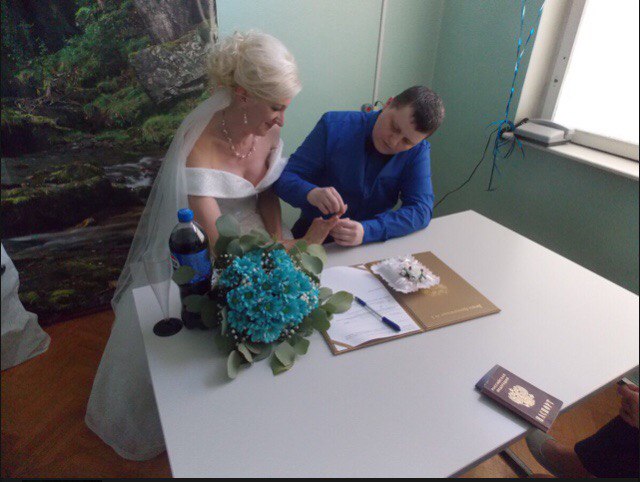
Nazar worked at a construction site, was a tiler, dug trenches and did various physical work; he did not have Russian citizenship, and was often not paid a salary. In 2018, according to the prosecution, he agreed to become the head of a shell company in order to receive a large sum and knew about the plans of his accomplices, who decided to take possession of someone else’s apartment and sell it. The wife says that Nazar was inexperienced and naive and was used as a deputy chairman. Gulevich was convicted of fraud under Part 4 of Article 159 of the Criminal Code of the Russian Federation, given 8.5 years in prison, then knocked off 2 years. He served four years in solitary confinement.
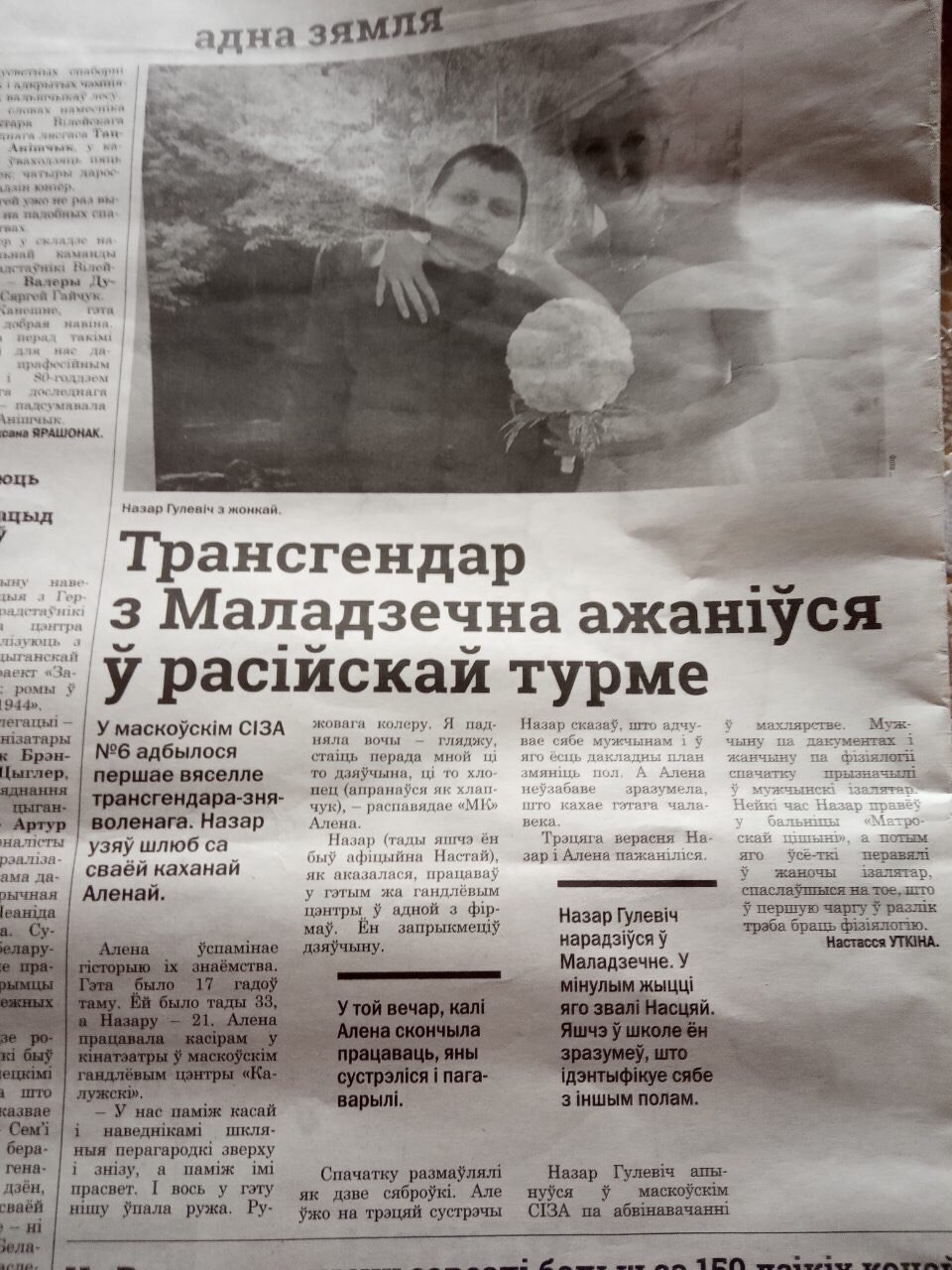
“They didn’t understand what to do with him; before that, transgender people had never been put behind bars. According to the documents, he is a man, but the “bottom” is female, he did not have surgery, in the men’s zone it is clear what would have happened to him, says Lena. “He sat in a corner and rather cool cell, like in a punishment cell, with virtually no sunlight. We were never given long visits - according to the law, they were not allowed in a pre-trial detention center; they communicated only through glass. In May 2021, he was released and immediately deported to Belarus, prohibiting him from entering Russia for 8 years. While he was sitting, his mother and brother died. Nazar won 2 thousand euros in the ECHR - the European Court recognized that Russia did not consider other possibilities for his detention and unreasonably kept him in solitary confinement.
According to Elena, it was a lot of money for him, but he was never able to get it. The lawyer who dealt with him was herself under arrest, there was no one to help him, and he couldn’t have done it alone.
“They didn’t hire him anywhere after prison; he did odd jobs: he would get a job in a firehouse, or in a children’s camp as an auxiliary worker; he couldn’t carry heavy things. He closed himself off and practically didn’t communicate with anyone, lived with his father, and then started drinking with him,” says Lena. “He couldn’t come to me in Moscow, I couldn’t come to him in Molodechno - my elderly mother fell ill, I looked after her. But we constantly called each other and stayed in touch. This money, which the ECHR awarded him, could change his life, he could use it to go to another country, start from scratch. Or he simply would not have begged in Belarus, they would have been enough for him to live, for some time for sure... He left prison weighing 90 kg, and before his death he weighed 46. We talked the day before: he looked unwell, there was no money, no work, his neighbors fed him.
On January 6, his father became ill, Nazar called an ambulance, but they did not take him to the hospital - he died on the way. And three hours later, the neighbors called an ambulance for Nazar himself, and he too was not taken. Neighbors buried both of them.
Elena says that she really wants to receive the money that was awarded to Nazar: she would use it to erect a monument to him.
"People have every right to this money." Is it possible to pay compensation under ECHR decisions using frozen Russian assets?