
Translated material
The puppy helped find the maniac
When 16-year-old Ilona disappeared in the Voronezh region in the 1990s, the suspect was quickly detained - before the disappearance the girl was pursued by a man who had previously been convicted of rape, and his guilt seemed obvious. But when girls continued to disappear in the town, it became clear that not everything was so simple. How they searched for a serial killer in Povorino - in the material from “Cold” .
The killer cut off the victims' breasts, and another man was imprisoned for his crime 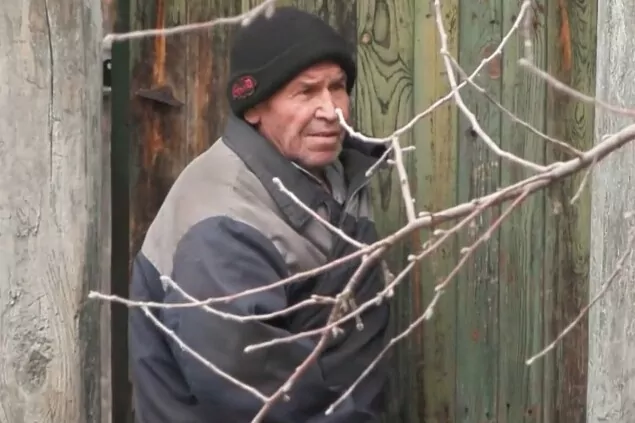
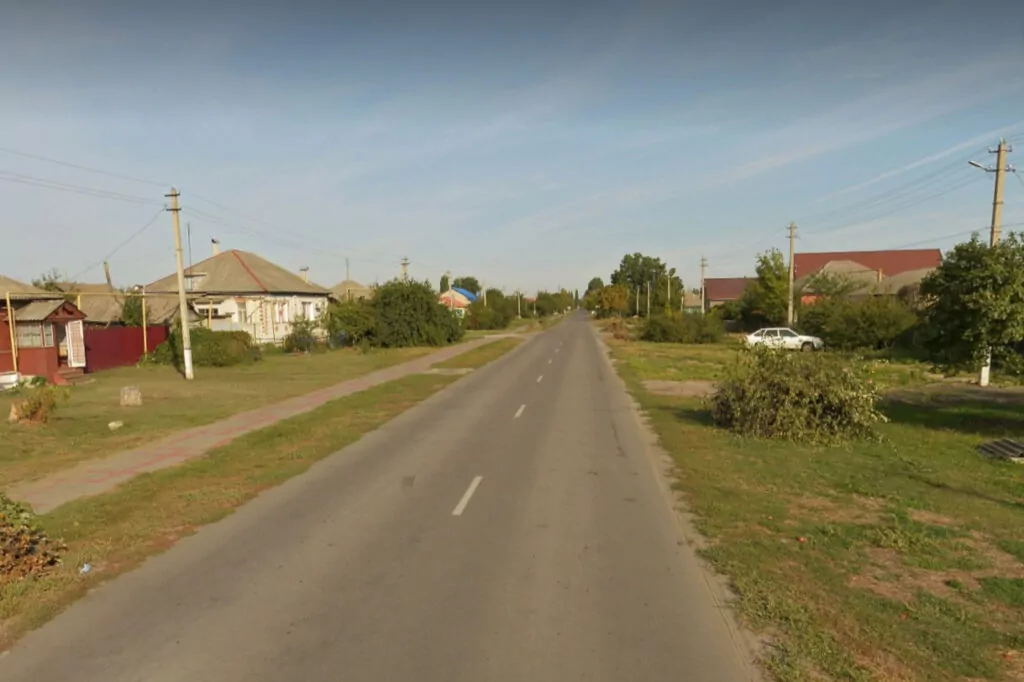
Povorino is a small town of about 20 thousand inhabitants, located near the railway station. Some come there for family vacations and fishing - the Khoper River flows nearby, once considered the cleanest in Europe, and summers in this area are hot and sunny.
Several tragedies have already occurred in the city. However, in the early 1990s it became restless there - girls began to disappear one after another in Povorino. Some disappeared without a trace, the bodies of others were found mutilated and disfigured. By the time the search for Ilona Petashko began, several similar tragedies had already occurred in the town, but it was not yet clear that they were being committed by the same person.
The police found the killer only after 10 girls had died. Law enforcement initially followed the wrong trail and imprisoned the wrong person - if not for the mistake of the investigation, the series of crimes could have been stopped much earlier.
In the thickets of nettles
They searched for Ilona Petashko for 20 days. At first, the search was focused around the beach where she disappeared: divers examined the bottom of the Svintsovka River where the girl’s things remained lying, and downstream. They thought that she might have drowned, but her body was not found under water - it was discovered by chance and in a completely different place.
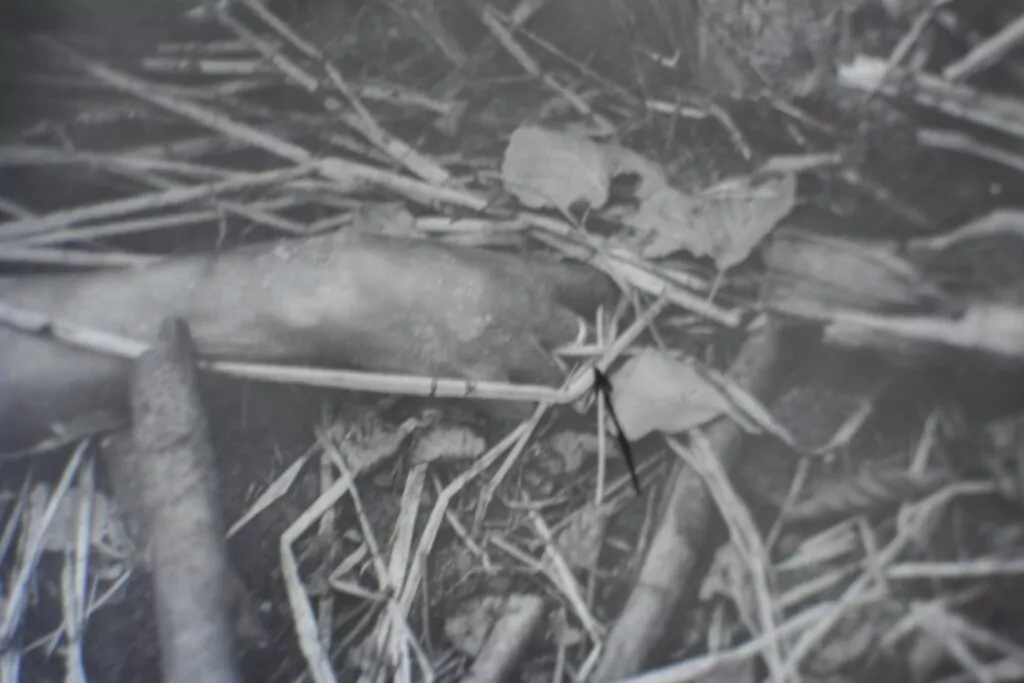
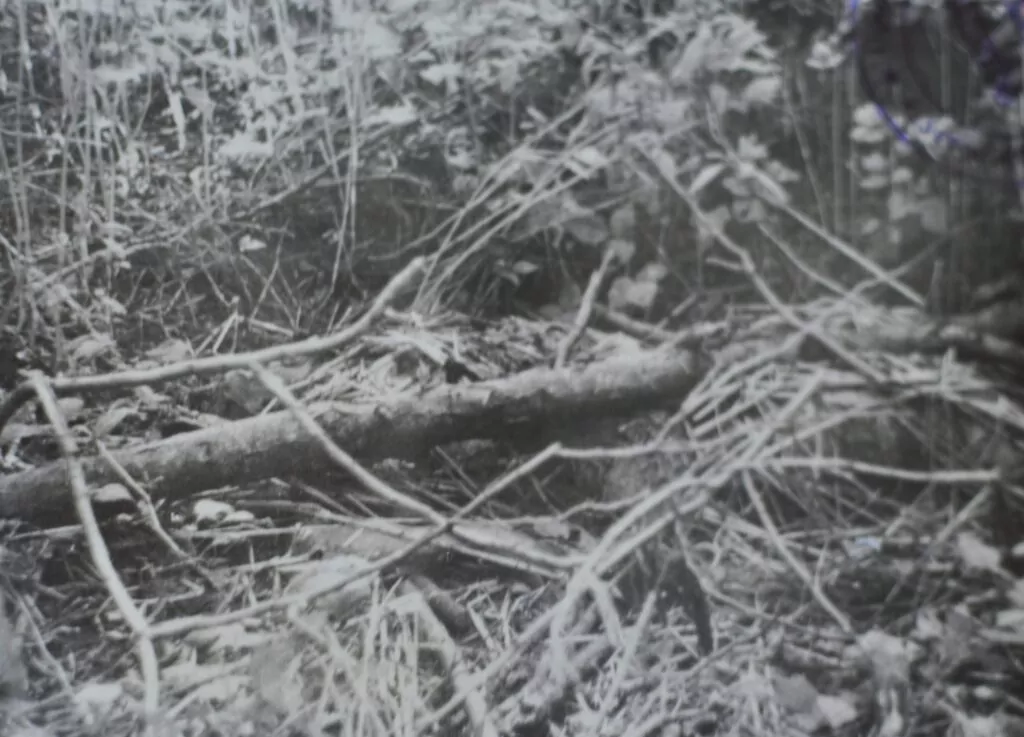
A local resident went to the Spur - a local forest ravine - to cut down branches. He said that he tripped, fell into a thicket of nettles and thus came across a human corpse hidden in a hollow and covered with branches and grass. It turned out to be Ilona's body.
Forensic experts determined that the death was violent, but could not name the exact cause. It also turned out to be impossible to determine whether the girl was raped: the body had already decomposed badly, and this made it difficult for specialists to work.
The police began interviewing people with whom Ilona had recently communicated, and a completely understandable picture quickly emerged. It was clear from the girl’s diaries that she had recently been stalked by one of the local men, and a main suspect had emerged in the case.
“I’m terribly afraid of this Garib”
Ilona Petashko was described as a bright and beautiful girl. She lived in the North, in Monchegorsk, and often visited her grandmother in the summer. In Povorino she had acquaintances and friends; during the day she went to the river to swim, and in the evenings she went to a disco in a local club. Residents of the town said that local young people often met her at dances, and that year she very quickly had a lover - interviewed witnesses even called him Ilona’s fiancé.
From the girl’s personal diary, as well as from witness statements, law enforcement officers learned that one of the men was very persistent in trying to get Ilona’s attention and behaved aggressively. Former policeman Pyotr Elyakin, who at that time was a senior district police officer, quoted her diary entries . They said that at the end of July at a disco a certain Garib began to pester her. The girl wrote: “I’m terribly afraid of this Garib, it seems to me that until he does his part, he won’t stop.”
Garib was the name given to local resident Mikhail Garibov. Witnesses said that he approached Ilona at least twice - on July 30 and 31 - and tried to molest her right in front of her lover.
Garibov had a bad reputation in the city. By the age of 21, he had served 3.5 years in prison for gang rape. His sister later said that this happened “when he was young” because of a certain friend who dragged the teenager into a “bad story.”
Having been released early, Garibov returned home and now did not work anywhere, regularly got into fights and ended up with the police. His sister said that “Misha’s blood is hot, southern, since his father is Armenian.”
His guilt seemed obvious to many. Near the forest where Ilona’s body was found, traces of car tires were found - Garibov had just driven his father’s Moskvich and could have taken the girl to Otrog with it. There were also traces of shoes - during a search of Garibov’s house, shoes with similar soles were found. On September 4, 10 days after Ilona’s body was found, the man was taken into custody.
After interrogating him, the investigation presented the following version: on July 31, Garibov was drunk and harassed Ilona in the garden of the pioneer house behind the railway workers’ club, and she rejected his advances. After this, on August 4, the man went to the beach near the Svintsovka River and accidentally met Ilona there.
Garibov allegedly decided to rape her - to do this, he kidnapped her from the beach and took her to Spur in a Moskvich. Next, according to investigators, he tried to tear off Ilona’s swimsuit, but she resisted and hit Garibov with a stick. He responded by beating her, she fell, hit her head on a tree and died. The suspect threw branches and leaves over the body to hide it.
Mikhail Garibov himself wrote all this in a confession when he was in the Povorinsky detention center. He also confessed to the murder of another girl, Maria Mitina, who disappeared the same summer before Ilona. Just like Ilona, she was found dead in the forest. However, it soon became clear that everything is not so simple and there are many inconsistencies in the story.
“Where are you from so beautiful?”
Suspect Mikhail Garibov was soon transferred from the Povorinsky temporary detention center to the Voronezh pre-trial detention center - and he immediately retracted his own testimony. He stated that he did not kill either Ilona Petashko or Maria Mitina, and the Povorin police officers extorted a confession from him through torture.
Garibov found an alibi. Suspicion of Mitina’s murder was indeed cleared from him. From the case materials it is clear that Garibov had an alibi. His parents said that they were repairing the car that day, which means there was no way their son could have taken the kidnapped girl into the forest with it. Their words were confirmed by three witnesses - however, they could not remember exactly on what day the Garibovs repaired the car.
Garibov’s sister, Marina, later said that during the investigation they tried to charge him with another murder, also of a young woman. But even there an alibi was found: on the day she disappeared, Garibov was in a police station under administrative arrest.
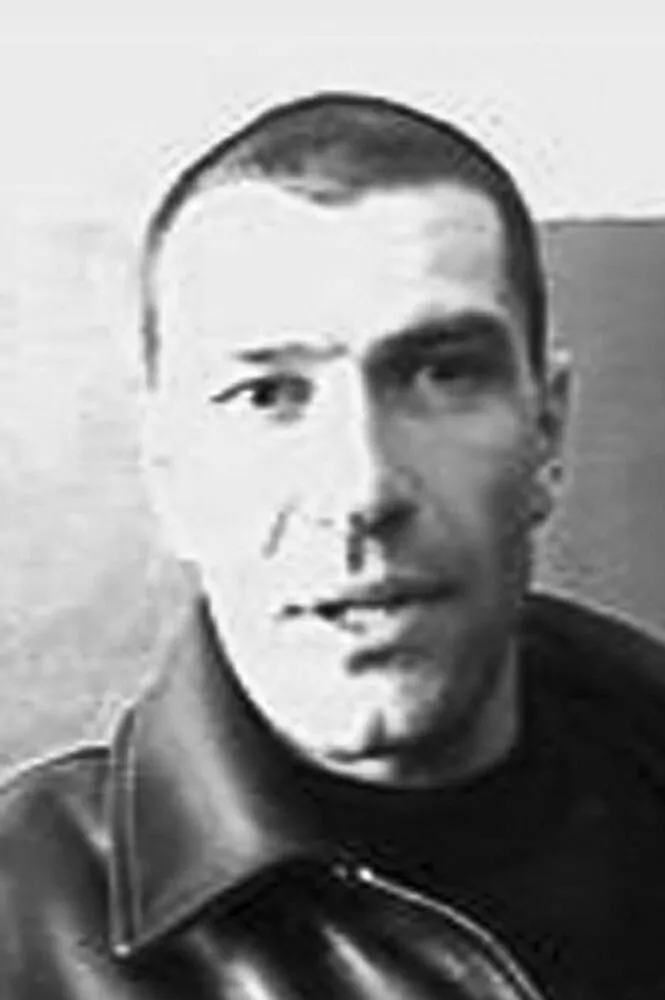
According to Marina, the family hired a lawyer to protect Garibov from false accusations, and it was thanks to him that suspicions of two murders against the man were cleared. But the Petashko murder case still came to trial.
At the trial, Garibov repeated that he was not guilty and told his own version of events. According to him, he first saw Ilona on July 30 at a disco and decided to meet her. He asked: “Where are you from so beautiful, with an attractive mouth and figure?” She replied that she was “coming” and left with her boyfriend.
The next day, Garibov met her again at the entrance to the club. According to him, he was drunk that evening. He said that he took the girl aside and told her to be “careful in her expressions” - in his opinion, the day before Ilona had too harshly refused to meet him. Then, as Garibov said, her boyfriend came up and said that he and Ilona were getting married soon and they loved each other. Garibov demanded that they prove to him that they were in a relationship - he offered to hug and kiss. They did this, and the man, according to him, did not pester Petashko again.
It turned out that Garibov also had an alibi on the evening of the girl’s disappearance. The verdict says that Ilona disappeared on August 4 at about 6 p.m., and already at 7 p.m. Garibov went fishing with friends. Witnesses said that they saw him in the city before leaving: he gave a ride to a friend at the station, went into a store, and met several friends.
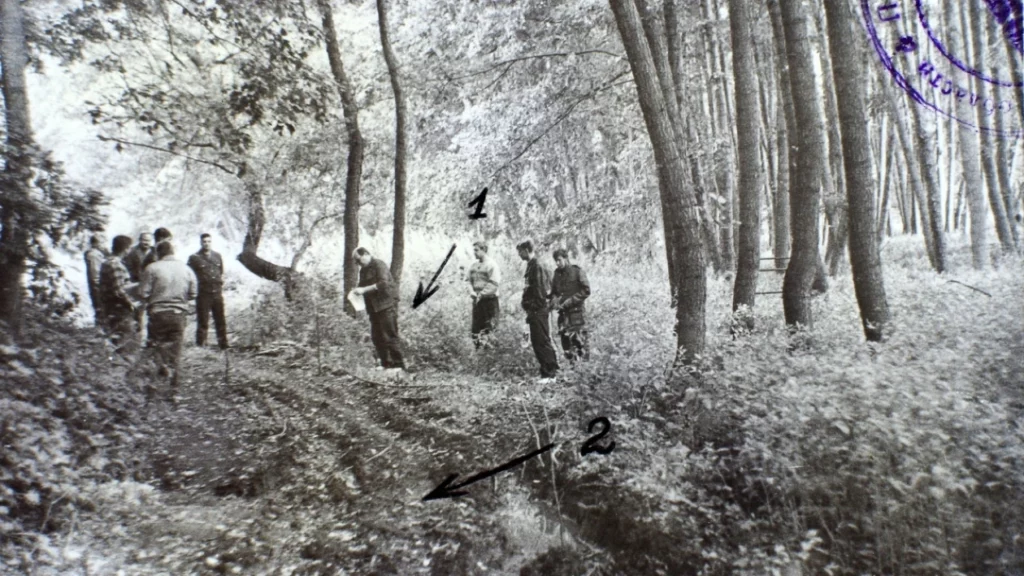
But the court found the alibi untenable - supposedly the suspect could have gone on business after he killed Petashko and hid the corpse. True, Garibov’s confession stated that, having hidden the body, he immediately went fishing. Now that it turned out that several people had seen him in the city, inconsistencies became obvious, but the court did not pay attention to them. Garibov’s complaints about torture by the police were also ignored - the law enforcement officers themselves told the prosecutor’s office that they did not beat the suspect.
In April 1995, the Voronezh Regional Court found Garibov guilty of murder and rape. He was sent to a colony for 14 years - 13 years for the current crimes and another year from the previous term, since he was then released early. The Supreme Court of the Russian Federation left the verdict unchanged. But it soon became clear that the killings were not over.
Missing girls
Mikhail Garibov was convicted of murdering only one girl. However, there were others whose disappearances remained unsolved. There have long been rumors in the town that young girls are disappearing one after another. Their bodies were found mutilated, sometimes pulled out from the bottom of the river. Some had their stomachs ripped open, others had their breasts cut off.
The first disappearance occurred in December 1990. 16-year-old Tatyana Glukhovskaya, who worked as a sales assistant in a store, received her salary that day, bought groceries and got ready to go home.
She lived in the neighboring village of Peski and usually hitchhiked from work, but that day she called her mother and said that an acquaintance would give her a ride. Tatyana never returned home, and in the spring, during a flood, her body was found in the floodplain of the Khoper River. The case file states that her mammary glands were cut off and her stomach was cut. Forensic experts determined that the girl was raped before her death.

In July 1991, another girl, 16-year-old Rimma Grigorieva, disappeared from her own home. On the evening of July 4, her mother went to work on the night shift - her daughter saw her off, and in the morning she was nowhere to be found. Soon, fishermen found severed female breasts near the Svintsovka River, and on July 6, Grigorieva’s body with a ripped open belly and disfigured breasts was caught from the river.
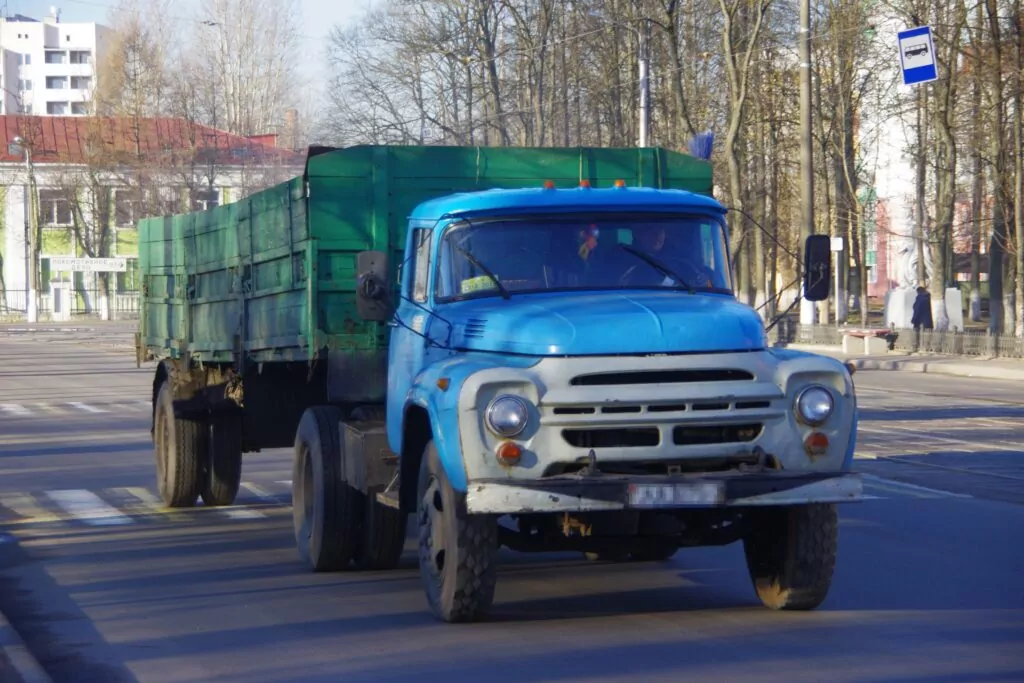
At that time, the investigation had leads. On the day of Rimma’s disappearance, a ZIL-130 truck was seen on her street. There were few such cars in Povorino, and they usually belonged to enterprises.
The court documents say: one of these cars was owned by the Povorinsky district police department. The truck was driven by a driver named Vladimir Retunsky. On July 12, 1991, he was summoned for questioning as a witness. He said that he actually drove along the street where Rimma lived. The fact is that he was returning home from a business trip and stopped at the river for a swim, and there he met some friends and gave him a ride home. They were neighbors of the murdered girl.
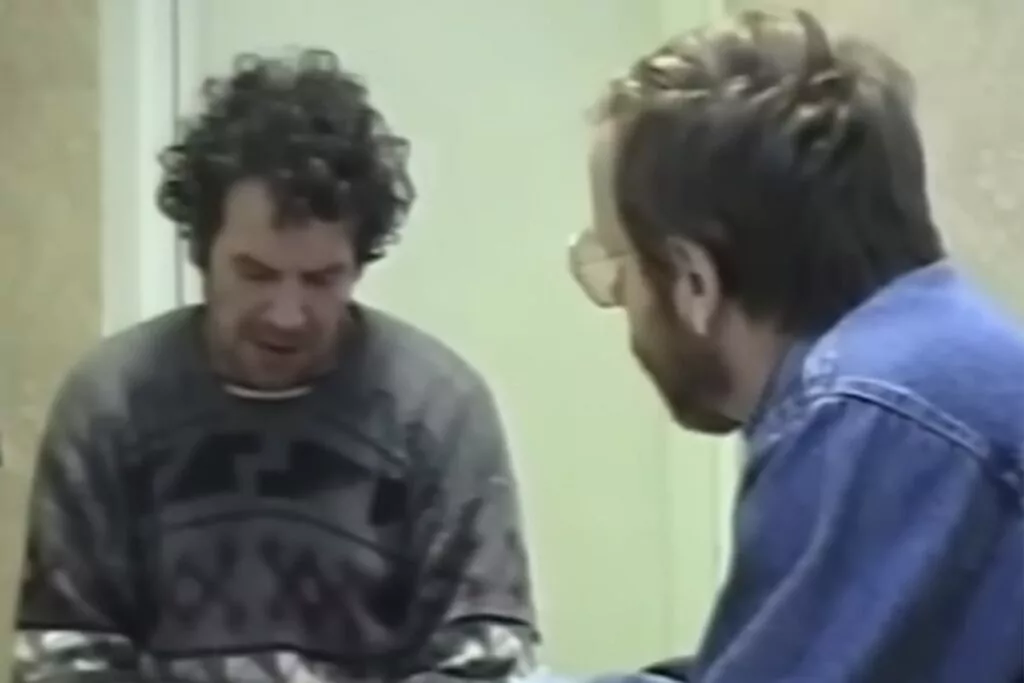
The investigation saw no reason to suspect Retunsky of anything - he was only a witness. Soon, suspects appeared in the case - in 1991, four local men were detained in connection with the murder of girls, and they confessed to everything. Two said that they killed Glukhovskaya and Grigorieva, and the other two said that they helped hide the bodies.
However, they soon retracted their own confessions and complained that they had been tortured into slandering themselves. The men spent a year and a half in custody, but in the end the judge refused to pass a sentence and returned the case for additional investigation - there was not enough evidence.
No new evidence was ever found, and it also turned out that one of the suspects had a broken leg at the time of the alleged murder. This cast doubt on the investigation's version, although it did not completely rule it out. In the end, the men were released, although for several years in the city many considered them criminals.
The next person to die was Ilona Petashko, the same one whose body was found in the Spur. However, the police did not link her murder to previous crimes. When Mikhail Garibov was imprisoned for the murder of a girl, it was believed that the criminal had been found. However, it was still unknown who kidnapped Glukhovskaya and Grigorieva.
Buried by the whole city
A month after Garibov was sentenced, the residents of Povorino were shocked by a new tragedy: two schoolgirls disappeared at once. On May 19, 1995, 14-year-old Lyudmila Fedorova and Olga Podzorova went for a bike ride and disappeared.
“You could feel the confusion of adults who could not protect their children.” On May 21, their bodies were found in Spur, the same forest where the remains of Ilona Petashko were discovered in 1994. Two corpses lay in a hole, covered with last year's leaves. The case file says: both girls were strangled and had knife wounds. Forensic experts established that before her death, Lyudmila was raped and her mammary glands were cut off. The mother of the second girl, Olga Podzorova, told reporters that her daughter’s hair allegedly turned gray before her death.
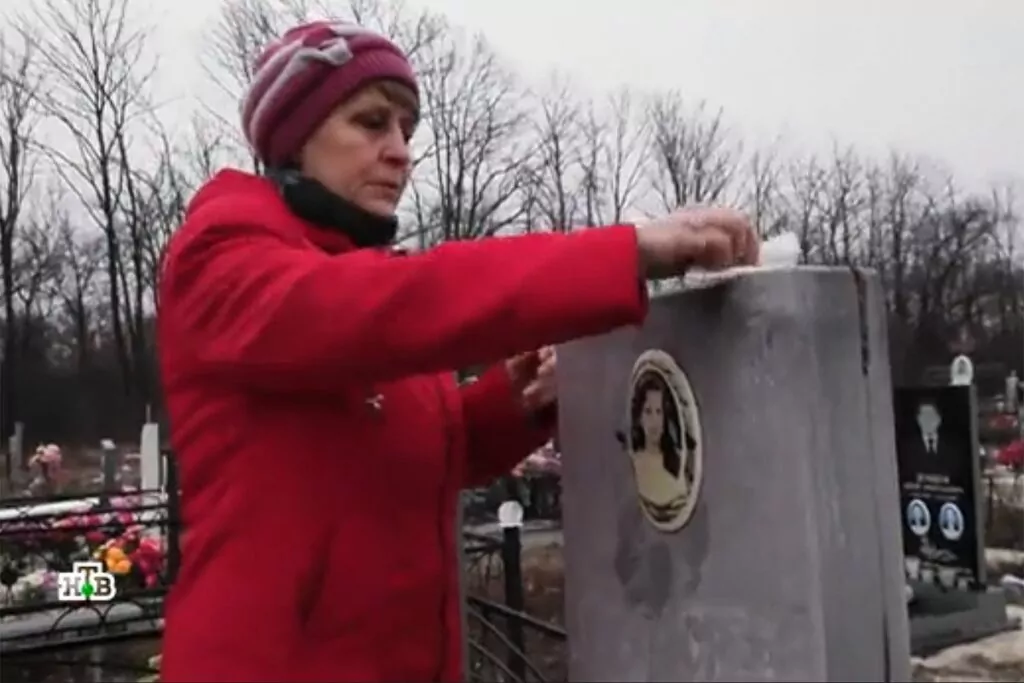
“Lyuda and Olya were buried then by the whole school, the whole city,” local resident Svetlana (name changed at her request) told Kholod. — I was 10 years old, I was in the fifth grade, and they were in the ninth. All this happened on the eve of the last bell.”
According to Svetlana, the whole city knew about the murder - and many were horrified. She recalls: “During the funeral, we left the school; the coffins with the girls were being carried past along the road. There were a lot of people on the street. 30 years have passed, and I still remember: the bright sun, everything is blooming, and against the backdrop of this are such monstrous deaths of girls. You could feel the confusion of adults who cannot protect their children.”
It was then that investigators recognized that there was a serial killer operating in the area. They combined the unsolved cases into one series - however, they did not include Ilona’s murder, since it was believed that it had already been solved, and the criminal was behind bars.
It became clear that the perpetrator drove a truck. After the murder of two schoolgirls, it also became clear that the perpetrator probably drove a truck. Several people said that they saw the girls shortly before their disappearance: they were walking along the road and carrying bicycles next to them. A ZIL car was spotted on the same road that day. Investigators decided that the criminal could have moved on it, because without a truck it would have been difficult to take two bicycles into the forest. However, no other clues were found.
The series of disappearances continued - women and girls disappeared not only in Povorino itself, but also in the surrounding area, as well as in the neighboring Volgograd region.
In May 1996, 23-year-old teacher Olga Yurina disappeared while returning to Povorino from a business trip. In July of the same year, 21-year-old resident of the Volgograd region Oksana Ivakina, who was returning home from Moscow, disappeared. She was hitchhiking and bringing a Rottweiler puppy to her father as a gift. A two-year-old child was waiting for Oksana at home, but she never arrived. The police did not find either her or the dog.
In November 1996, 18-year-old student Oksana Redneva was traveling from Borisoglebsk to the Novokhopersky district - both are in the Voronezh region. Like other missing women, she never made it home. A week later, a tractor driver found Redneva’s body in the forest; her breast had been cut off.
This was the last murder of the “Povorinsky maniac.” A few months later, they were finally able to figure him out thanks to an unexpected detail.
Puppy as a gift
From the moment Oksana Ivankina disappeared, police began looking not only for suspects, but also for a Rottweiler puppy. There were few purebred dogs in the area, and the security forces assumed that if they found out where the puppy had gone, perhaps new information would appear.
They asked local residents if anyone had seen such a dog, and one day they learned that the Rottweiler lived with a man named Evgeny Galin. In February 1997, he was detained, and during interrogation, Galin said that the puppy was given to him by his stepfather, Vladimir Retunsky, a ZIL truck driver at one of the local enterprises.
Former operative of the Voronezh criminal investigation department Mikhail Sidorov later told how he came to detain Retunsky and commanded: “Confess, scoundrel, or your Zhenka will be shot right away.” And he shouted: “I’ll tell you everything, just let Zhenya go!” Local residents said that Retunsky loved his adopted son very much and was ready to do anything for him.
"Normal guy"
Acquaintances and colleagues described Vladimir Retunsky as a “normal guy” and an exemplary family man, and spoke of him mostly with sympathy. He was born in Povorino in 1950. Court documents say that as a child, Retunsky was primarily looked after by his older sister. His parents were often ill, and when he was a teenager, his father committed suicide.
In 1970, Retunsky served in the army, and then lived in Moscow for several years: he got a job at a factory and got married. But the prosperous life did not last long: in 1978, Retunsky attacked a colleague with scissors and raped her. The court sentenced him to five years in prison, and his wife almost immediately filed for divorce.

In 1980, for exemplary behavior, he was transferred from the colony to forced labor in the North. There he met Lyudmila Galina, who raised her son alone. Retunsky and Galina got married, and after the end of their term they came to Povorino together.
In 1986, Retunsky again found himself behind bars: at a family feast, he quarreled with his niece’s husband and stabbed him to death. But at the trial, the whole family defended him: they said that the niece’s husband attacked first, and he only defended himself. As a result, the prison term was only three years.
Having been released, he got a job as a driver at one of the local enterprises - he traveled to neighboring cities and regions, transporting goods.
Prepared graves for new victims
In 1997, Retunsky showed the security forces where the bodies of three girls were located, which they could not find for years. One of those killed was Ekaterina Pastushkova, a waitress at the local Yubileiny cafe who disappeared in 1990. The body was badly decomposed, but he was identified by his wristwatch. Until this moment, Pastushkova’s disappearance had not been connected in any way with a series of murders, but now it has become clear that she was the first victim of the “Voronezh Chikatilo.”
Next to her burial were the more recent graves of Olga Yurina and Oksana Ivankina - the one who was bringing a Rottweiler puppy to her father as a gift. Empty pits were also found nearby - it turned out that Retunsky had prepared them in advance for the next victims. They also found a cache of girls’ jewelry at his home.
At first, he willingly cooperated with the investigation - describing in detail how he raped and killed teenage girls and young women. As a rule, he offered them a ride, and then took them to a deserted place and raped them. To prevent them from getting out, he came up with a special mechanism - as soon as the next victim found himself in the ZIL cab, Retunsky removed the handle from the door near the passenger seat. This made it impossible to open the door from the inside.
Among other crimes, he confessed to the murder of Ilona Petashko - the same one for which Mikhail Garibov had been imprisoned for more than two years. He told in detail how it happened - three years later it finally became clear what happened that day.
Girl on a bicycle
Retunsky said that on August 4, 1994, at about 4 p.m., he was returning from work. “The weather was hot, and I decided to take a swim,” his confession states. — I drove up to the railway bridge and took a swim. When I was returning back, I saw a girl on a lady’s bicycle on a hill.”
He remembered that she was wearing short shorts and a men's shirt tied in a knot on her stomach. It was clear that she had just swam - a wet swimsuit was sticking out of her pocket. According to Retunsky, from above the cab of the truck he saw the girl’s breasts and “stared” - breasts were his fetish.
“If you want to live, do everything I say.” He said that he overtook a stranger, stopped the car, got out and raised the hood - as if he was repairing something. When the girl caught up with him, Retunsky asked her to stop for a moment, climb into the cab and press one of the pedals, supposedly to check if it was working.
Retunsky's acquaintances noted that he was not at all like the criminals that people usually imagine them to be: he was a charming and friendly middle-aged man. Ilona put the bike down by the road and climbed into the driver's seat. Retunsky immediately pointed her to the passenger seat and said: “Move there. If you want to live, do everything I say.”
Then he removed the handle from her door, so Ilona could not get out. He said that after that he threw the girl’s bicycle into the back and sat in the driver’s seat. “Ilona didn’t try to jump out of the car, didn’t scream. I didn’t tie her up, but ordered her to lie down on the seat, which she did,” he said.
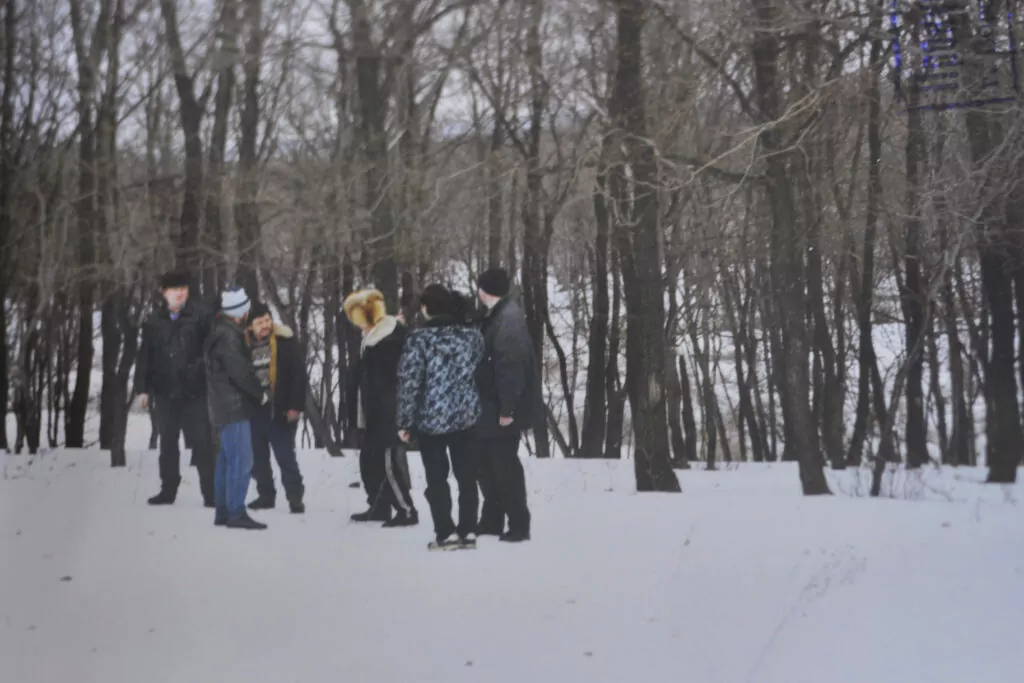
Then, according to Retunsky, he brought the girl to the Spur and ordered her to undress, and then raped her, strangled her with a rope and hid her body in the bushes. He returned Ilona’s bicycle and things to the beach in order to throw the police off the trail.
Miscarriage of justice
There are known cases where serial killers took upon themselves even those crimes that they did not commit, for example, to “boast.” But Retunsky showed investigators his route in detail - where he saw Ilona, where he hid the body. He described what the girl looked like and what she was wearing on the day she disappeared. All the details matched. In addition, Ilona’s gold chain was found in Retunsky’s hiding place.
“I tried not to think about it” Retunsky said that at the time of the abduction he did not know her name, but later came to the cemetery, found her grave and read the inscription on the tombstone. The confession states: he heard that another person was imprisoned for Ilona’s murder, but “tried not to think about it.”
As a result, although everything was obvious, Retunsky was not charged with this murder “due to the lack of objective evidence,” the prosecutor’s office said in its resolution. Garibov remained to serve time for a crime that, apparently, he did not commit. His lawyers tried to intervene, but nothing worked.
Later, the judge who sentenced Retunsky said: what happened was a clear miscarriage of justice, Garibov should have been released.
“The lawyers complained to the regional court,” he said . — The answer was something like this: a verdict was passed, which entered into legal force, it was recognized as correct by the judicial panel for criminal cases of the Supreme Court of the Russian Federation. If new grounds have emerged for proceedings in this case, let the investigation cancel the decision to dismiss the case, petition for the verdict to be overturned, and then a new investigation will be appointed. But none of this was done.”
“I want to look you straight in the eyes and say that I did not kill your daughter.” Investigator of the Povorin interdistrict prosecutor’s office Igor Zhukov, who conducted an internal investigation, said that the security forces responsible for the wrong verdict could be afraid of the consequences: “I wrote that evidence of Garibov’s involvement in that crime was not confirmed. I sent a report to the regional prosecutor's office. But how many people would have to be punished if the miscarriage of justice was confirmed... And huge compensation should be paid to Garibov. And he is not an angel. He was imprisoned for rape."
Mikhail Garibov and his family said that they wrote to all authorities and hired a lawyer. But the “prison rescue operation” had stalled by 2000. Even Ilona Petashko’s mother, who realized that the wrong person had been imprisoned for the murder of her daughter, asked for his release, but they did not listen to her either.
Later she spoke about Garibov: “After the colony, he came to me. Said, “I want to look you straight in the eye and tell you that I didn’t kill your daughter.” And I already knew that.”
Time Paradox
There was one more crime for which Retunsky was not punished. Among other things, he confessed to the murder of Maria Mitina, the one whose disappearance was “tried on” to Garibov, but could not be proven.
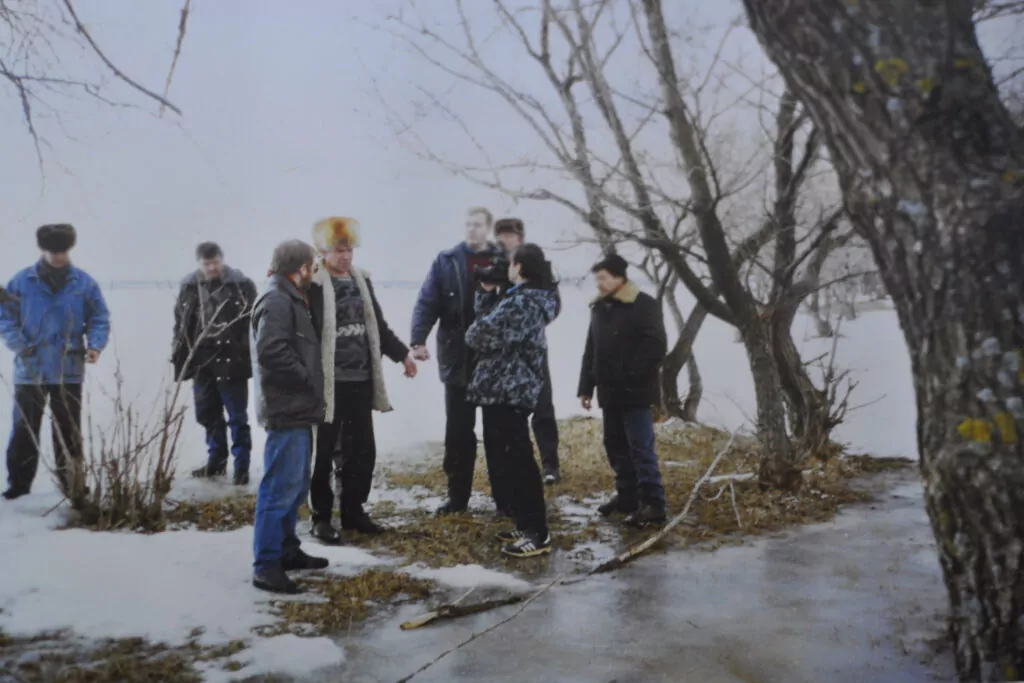
As in the case of Ilona, Retunsky described his route in detail and showed investigators where he hid the body. However, investigators had to drop the case of her murder, it follows from the documents.
The fact is that Retunsky had an alibi for the day of her disappearance: on June 23, 1994, he was on a business trip with a colleague, this had witnesses and supporting documents. Therefore, despite his own confession, they could not prove the murder.
The paradox may have a simple explanation. From the interrogations of Mitina’s mother it is clear: the relatives did not know on what day the girl disappeared. Maria went to Povorino to get a job - and on the second of July it became clear that she had disappeared; by that time she had not been in contact for some time. In the statement, her family indicated that she disappeared on June 23, but it could have happened on another day.
Perhaps Retunsky committed other murders. For work, he often traveled to neighboring regions, and in the 90s, young women often disappeared. At the same time, there is a break in the series of his proven crimes from 1991 to 1994 - and it is not known for certain whether he kidnapped anyone during this period. The names of certain Agapova and Maksina appear in the criminal’s case, but there is no public information about these girls and the circumstances of their disappearance.
Escaped the death penalty
A few months after the arrest, Retunsky, who initially cooperated with the investigation, suddenly refused to confess. However, eight murders were still reliably proven - and many were sure that the criminal would face the death penalty.
“How to sentence only 15 years for 8 raped and murdered girls?” However, by that time the Constitutional Court had banned the death penalty. At the same time, Retunsky was required to be tried under the old Criminal Code - that is, they could impose a maximum of 15 years in prison or the death penalty. The sentence that Retunsky eventually received shocked the residents of Povorino.
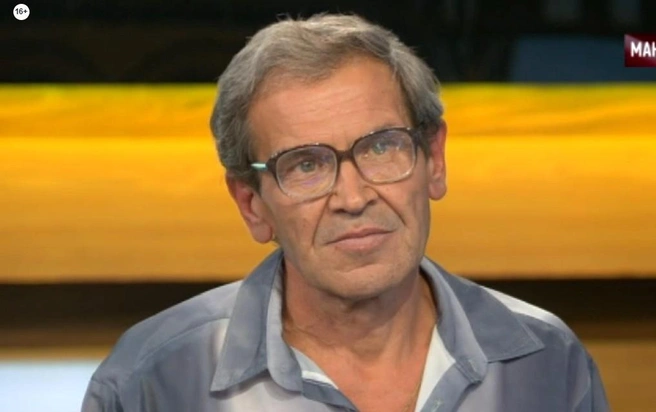
The judge of “Voronezh Chikatilo” Mikhail Avdeev formally sentenced Retunsky to death, although it was clear that it would not be carried out. He explained : “How to sentence only 15 years for eight girls who were raped and killed? People in Povorino were ready to tear the maniac apart; 20 policemen protected him from lynching. I understood that people would not understand such a lenient sentence; I needed to “let off steam.” That’s why I decided on the death sentence,” he recalled.
As a result, the Supreme Court of the Russian Federation, as expected, changed Retunsky’s sentence, and he received 15 years in prison - a punishment that many local residents considered disproportionately small.
Retunsky was released in 2012, but soon went to jail again - this time for theft. In 2015, he was freed again - and continues to live in Povorino, among the people whose daughters and girlfriends he raped and killed in the 1990s.
As for Mikhail Garibov, he served 12.5 years for the murder of Ilona Petashko, and then was convicted twice again - for rape. This time there was no reason to think that he had been framed. He himself believes that it was the judicial system that made him a criminal: “They wanted to make me a rapist, but they succeeded.”
Author: Oksana Gribkova
Photo: NTV
Editor: Yulia Dudkina