
Translated material
"Very angry and very tired." How they live in the Belgorod region after four years of war
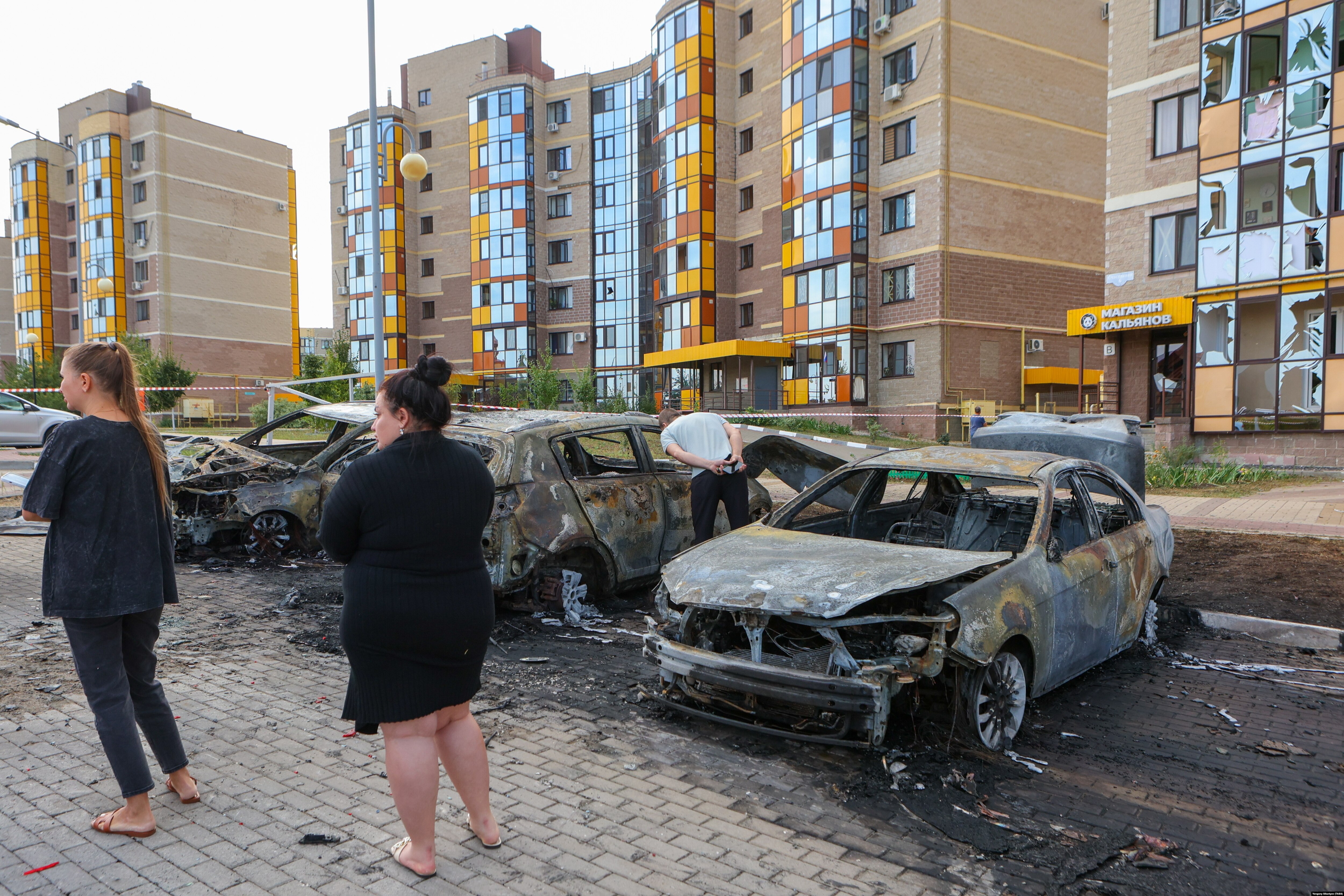
When Russia attacked Ukraine in February 2022, the Belgorod region (population: almost one and a half million) was considered the rear. Four years later, people are being evacuated, conscripts are dying, hundreds of homes and many critical infrastructures are damaged, and the region's economy is in crisis. The war changed everything here.
In January, Belgorod Region Governor Vyacheslav Gladkov described the situation in the region's border areas as "extremely difficult" and cited civilian casualties since the beginning of 2026: 21 dead and 98 wounded, including children. This is 10 times more than for the whole of 2025.
Last May, the governor said that since the beginning of the war, more than 320 residents of the Belgorod region have died from attacks and over 2.5 thousand have been wounded. In July 2024, Gladkov reported more than 200 dead and over 1.1 thousand wounded.
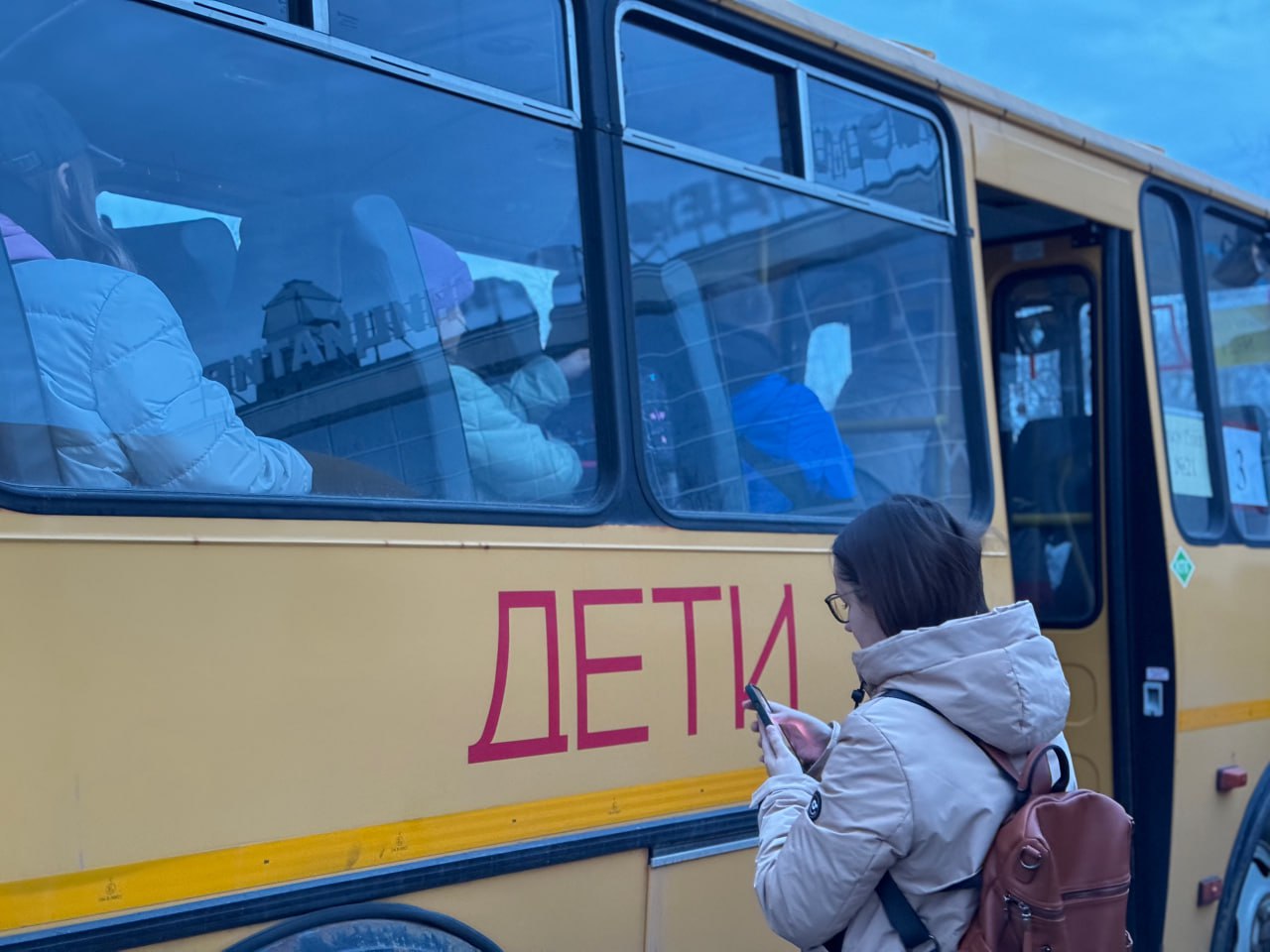
Now they are going to evacuate schoolchildren, large families and single pensioners from the Belgorod region.
“Here is “Kyiv in three days”
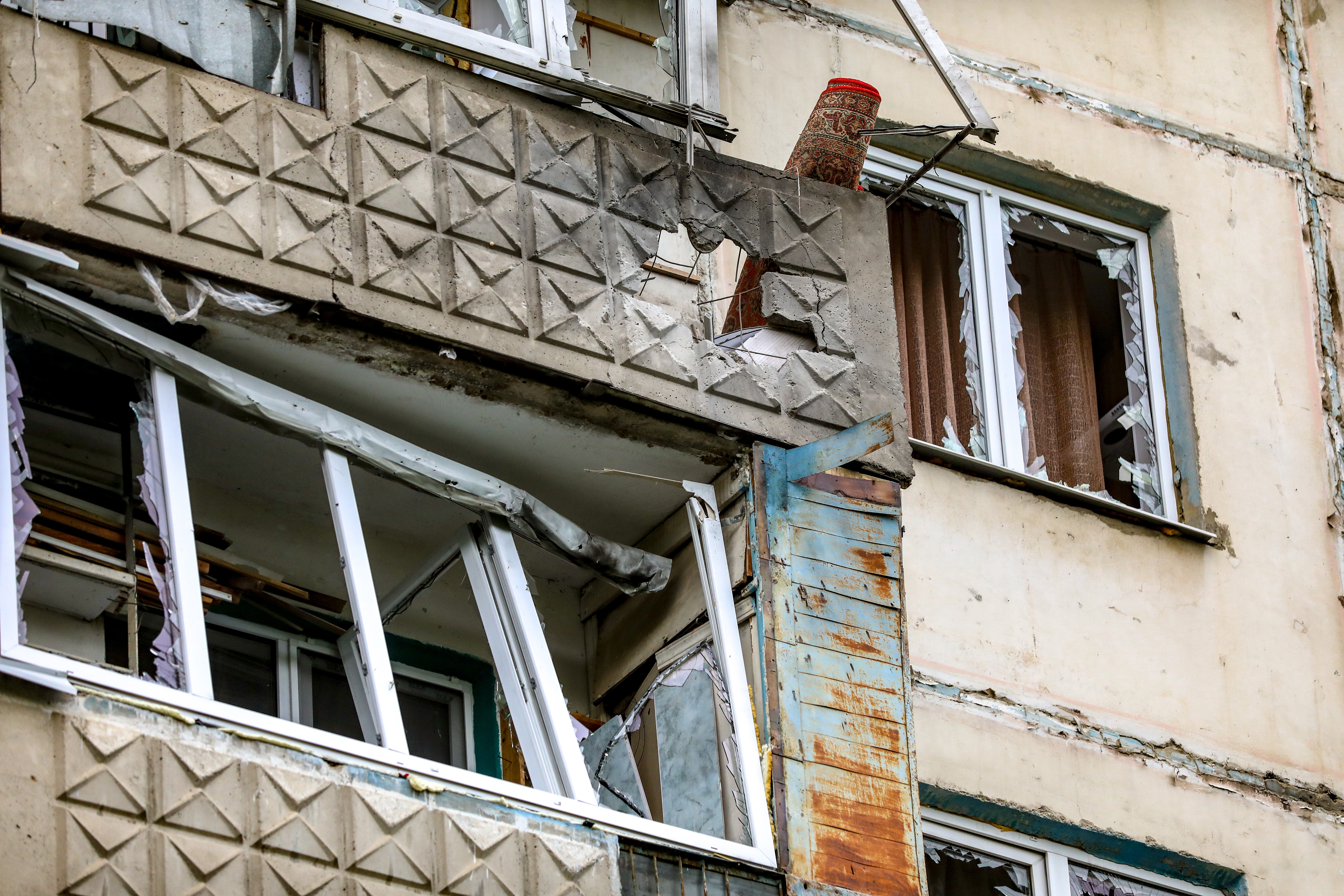
Residents of the Belgorod region were able to realize that the war actually came to their land in 2023. On the morning of May 22, an armed group of people entered the region from Ukraine. Clashes in the Grayvoronsky district continued for more than a day. Representatives of the Russian Volunteer Corps (RDK) took responsibility for the raid - this formation is fighting on the side of Ukraine and is said to consist of Russian citizens. On the night of May 23, a blow was struck at the regional departments of the FSB and the Ministry of Internal Affairs in Belgorod. According to one version , at that moment a meeting of the leadership of security forces was taking place there.
In early June 2023, Ukrainian forces again made several forays into the territory of the Belgorod region, as a result of which the village of Nizhnyaya Tavolzhanka came under their control for some time. Shebekino, a city of forty thousand people seven kilometers from the Russian-Ukrainian border, was subjected to constant shelling . Governor Gladkov then announced the evacuation of residents of border areas.
Subsequently, raids, shelling and drone attacks became routine in the life of the region. Already in March 2024, there were regular clashes on the border in the Belgorod region, the same RDC announced a new raid, and Russian departments reported “repelling a breakthrough attempt” and eliminating “sabotage groups.”
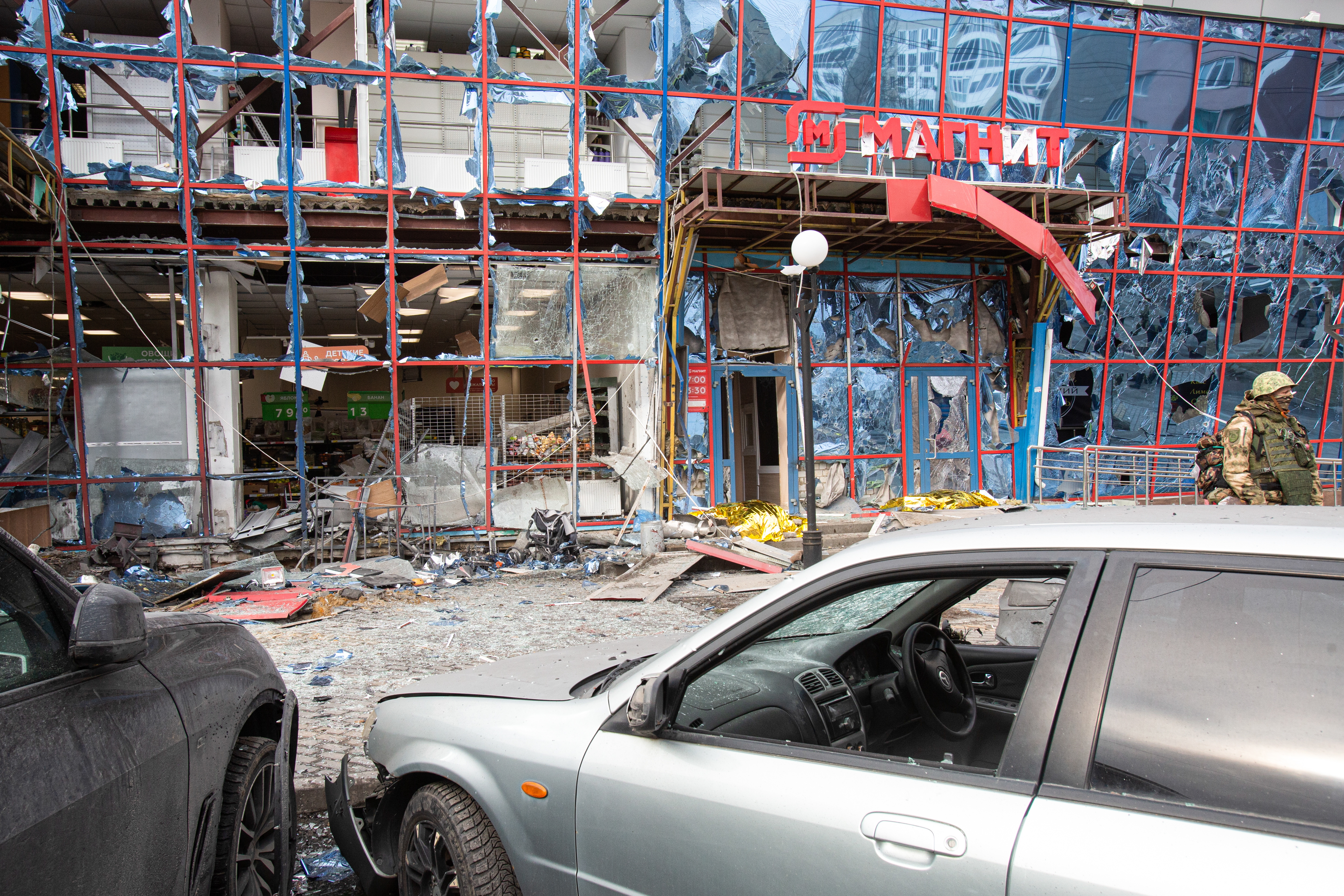
According to local authorities, on some days the region is attacked by up to 150 drones. As a result of a missile strike by the Armed Forces of Ukraine on engineering infrastructure facilities in January of this year in the Belgorod region, more than 550 thousand residents were left without heat, electricity and gas, and almost 200 thousand without water, Governor Gladkov said , inviting citizens to purchase electric generators.
On February 13, it became known that Belgorod apartment buildings with central heating will remain without hot water until the end of the heating season .
“All emergency teams are on the ground, working, but, unfortunately, the damage after the shelling of the Armed Forces of Ukraine is very large and very serious. Water supply, sewerage, gas, heat and electricity are maintained through permanent or backup energy sources,” said Governor Gladkov.
– And after the next shelling on February 18, Gladkov said that “the extent of the damage” was being assessed. But I see in my area - there is no light and no heat since the beginning of February. The governor said that heat guns were delivered from St. Petersburg, but in fact they are only for schools and kindergartens. In our homes we must save ourselves. No one will do this except us. Okay, my husband is a fisherman, and he immediately brought a generator from the garage into the apartment. What about single pensioners? – says Svetlana from Belgorod.
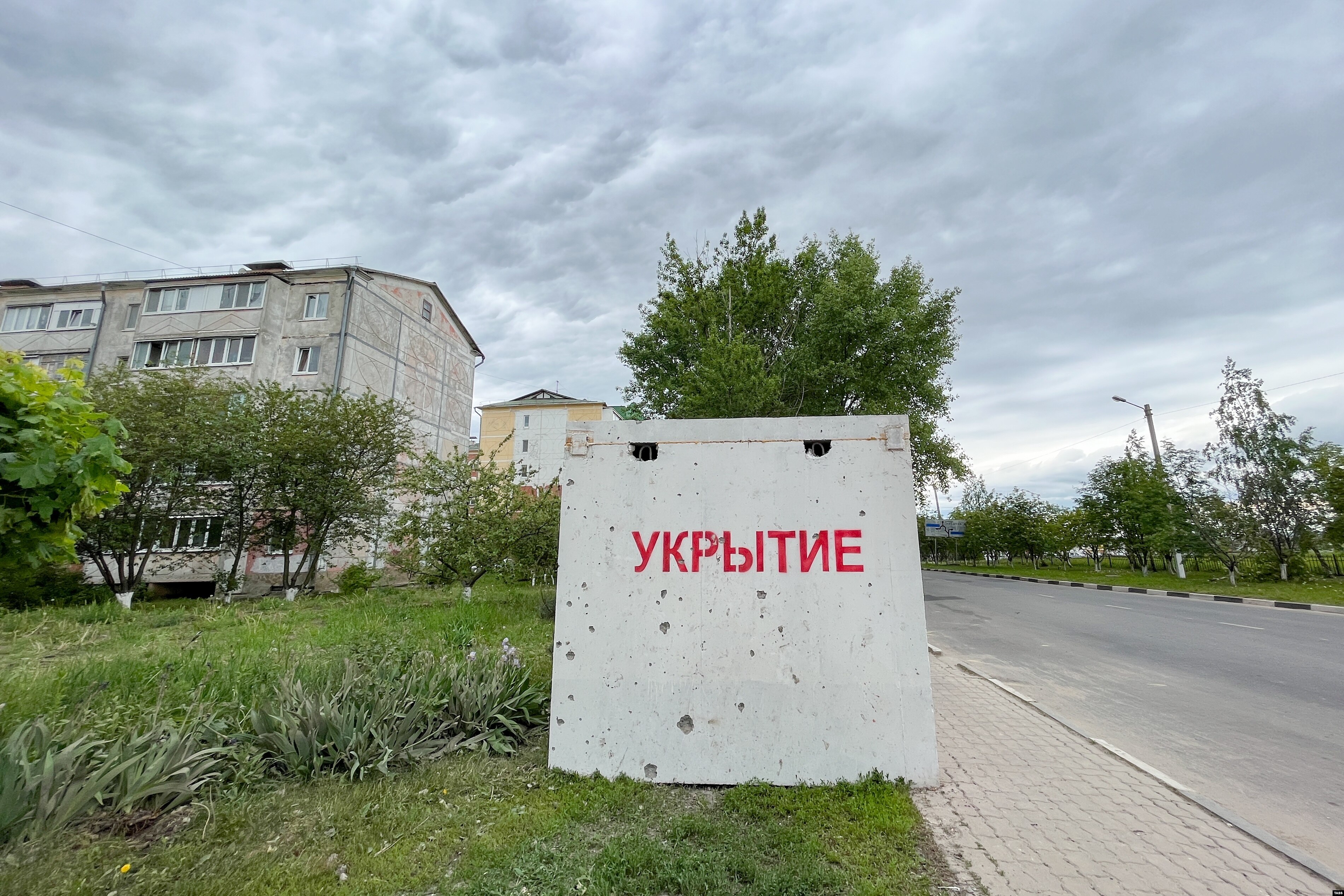
According to her, problems with heat in the city began long before the shelling of the thermal power plant.
– Back in January we complained about the heating; the apartments became noticeably colder. My friend on Chumichovo [street] had no heat at all! And she has two children. They were not taken to kindergarten - the radiators there were also cold. So she almost froze to death with them in the apartment. Tell someone that you will be freezing in your apartment in 2026?! Now she is with her mother in Voronezh, but she is afraid that in a few months [the war] will reach there too. They are thinking about moving on. Where to next? It seems safe in Siberia, but there, I heard, people also sit without heat for weeks and even months. It’s no longer clear where to run,” says Svetlana and admits that she can’t move herself yet. “My husband’s parents are here, we need to get everyone together first, but it’s not easy with old people—they’ll sit under the shells and not move. We also kind of took over the upstairs neighbor (it’s even colder there); in January we gave away two heaters. So now they have become simply useless, there is no light. We'll have to take her home, apparently, but we won't be able to take everyone.
Mass movements of people have become commonplace in the region. In the spring of 2023, residents of the Grayvoronsky district were forced to flee their homes to Belgorod or deeper into the region. A year later, in the spring of 24th, the authorities announced the removal of about 9 thousand children to other regions due to shelling. At the beginning of February this year, Gladkov announced registration for evacuation, promising priority to mothers of many children, parents of disabled children and single pensioners. 78-year-old Alla Ivanovna failed to get into the “priority queue”. Her daughter evacuated her to Moscow.
“I took my mother away myself.” Before that, she called the hotline but didn’t get through, I got through on the second day myself. I gave her details, name, address. Then I see that almost a week has passed - no answer, no greeting. I got ready and went to get it myself, fortunately, the trains are still running,” says Olga .
She herself moved from her native Grayvoron (a city in the western part of the Belgorod region) to Moscow back in 2023.
- Lord, I’ve waited a long time. We have less than a hundred kilometers to the Ukrainian Sumy there. There was constant shelling, either the transformer unit would be damaged or the local plant would be shelled. When it all started in 2022, it was immediately clear that we couldn’t live there peacefully. I still delayed this for a long time. In the spring of 2023 it became simply unbearable, I first moved to Voronezh. Now she has escaped from Voronezh to Moscow. The airport in Belgorod has been closed for a long time, and there are also constant heat cuts. She tried to force my mother to leave Belgorod back in 2023, she denied it and generally pretended that there was no war. “Oh, why are they attacking our thermal power plants?!” Indeed, Kharkov and Kyiv are sitting without heat even before the New Year: why is this all of a sudden? At first I was “set off” when she quoted her house chat: the damned VSU officers left our area, such and such a kindergarten, without electricity. And now she just spat: a person does not remember how the war began in 2022, and now he is very surprised that it came to Belgorod. So I saved my mother, but, as they say, not completely. Now we just stopped talking about this topic, because we need to somehow survive together in the same apartment. I can’t afford to eat another one,” Olga admits.
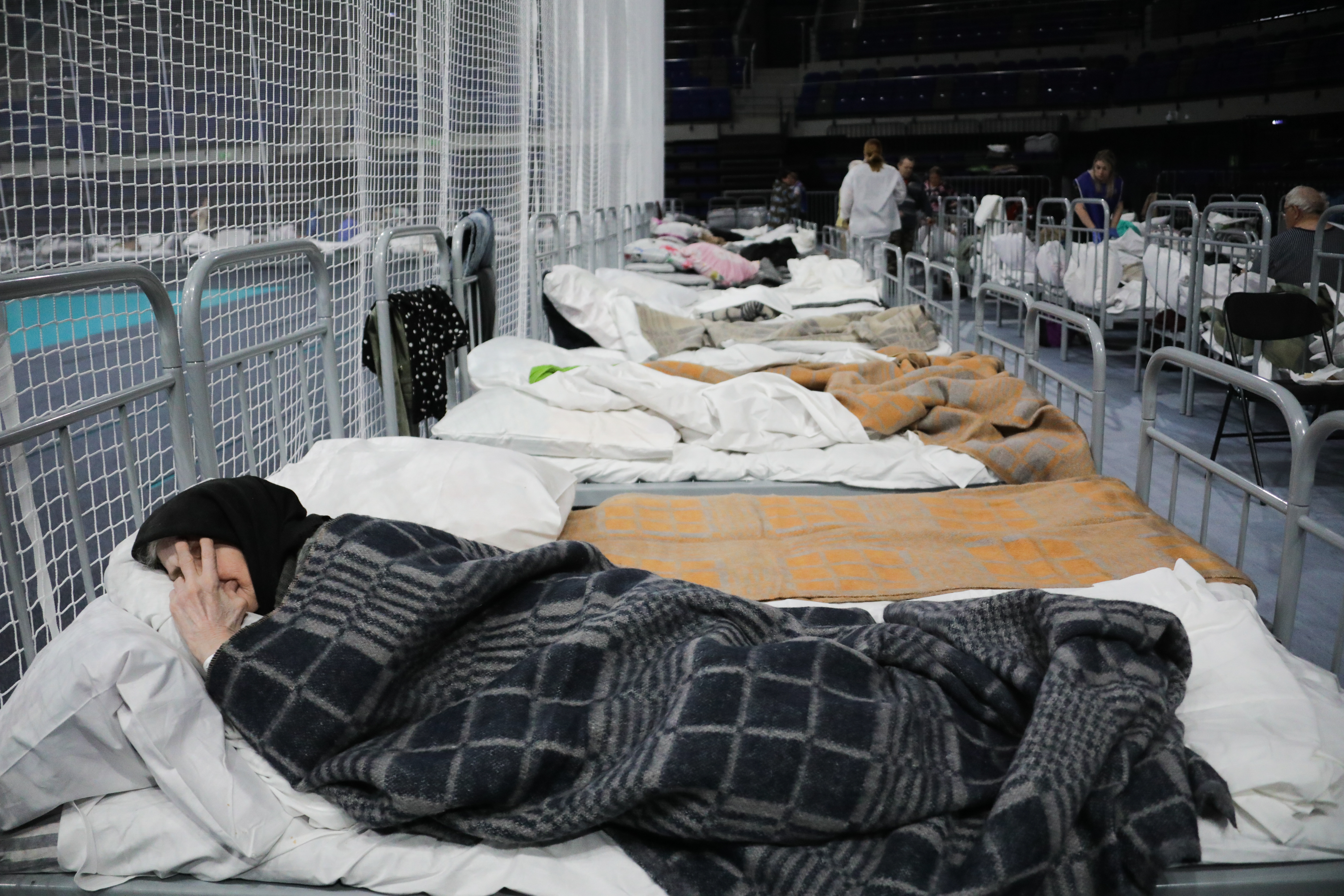
According to her, she still has not received the one-time payments promised by the regional authorities in the summer of 2023.
- The unfortunate 10 thousand were squeezed! And I’m not the only one, people from the Shebekinsky district also complain about non-payments, although I and other victims not only have registration, but even own housing,” says Olga. – As a result, my apartment in Grayvoron was simply abandoned (who the hell needs it there now), and so was my mother’s in Belgorod. This is “Kyiv in three days”.
The region formally has a system of payments for damaged housing and lost property, but in practice not everyone receives compensation. Thus, in the spring of 2024, residents of a collapsed house in Belgorod complained that they were denied compensation . According to the law, it is not available to those who do not have a residence permit, even if the apartment was owned and people actually lived there.
By 2025, the rhetoric of local officials had shifted from promises of “we will restore everything” to suspicions of abuses: the governor spoke about “inflated demands,” and accusations of attempts to “make money” on compensation appeared in the public sphere - in particular, Novaya Gazeta Europe wrote about this in November 2025.
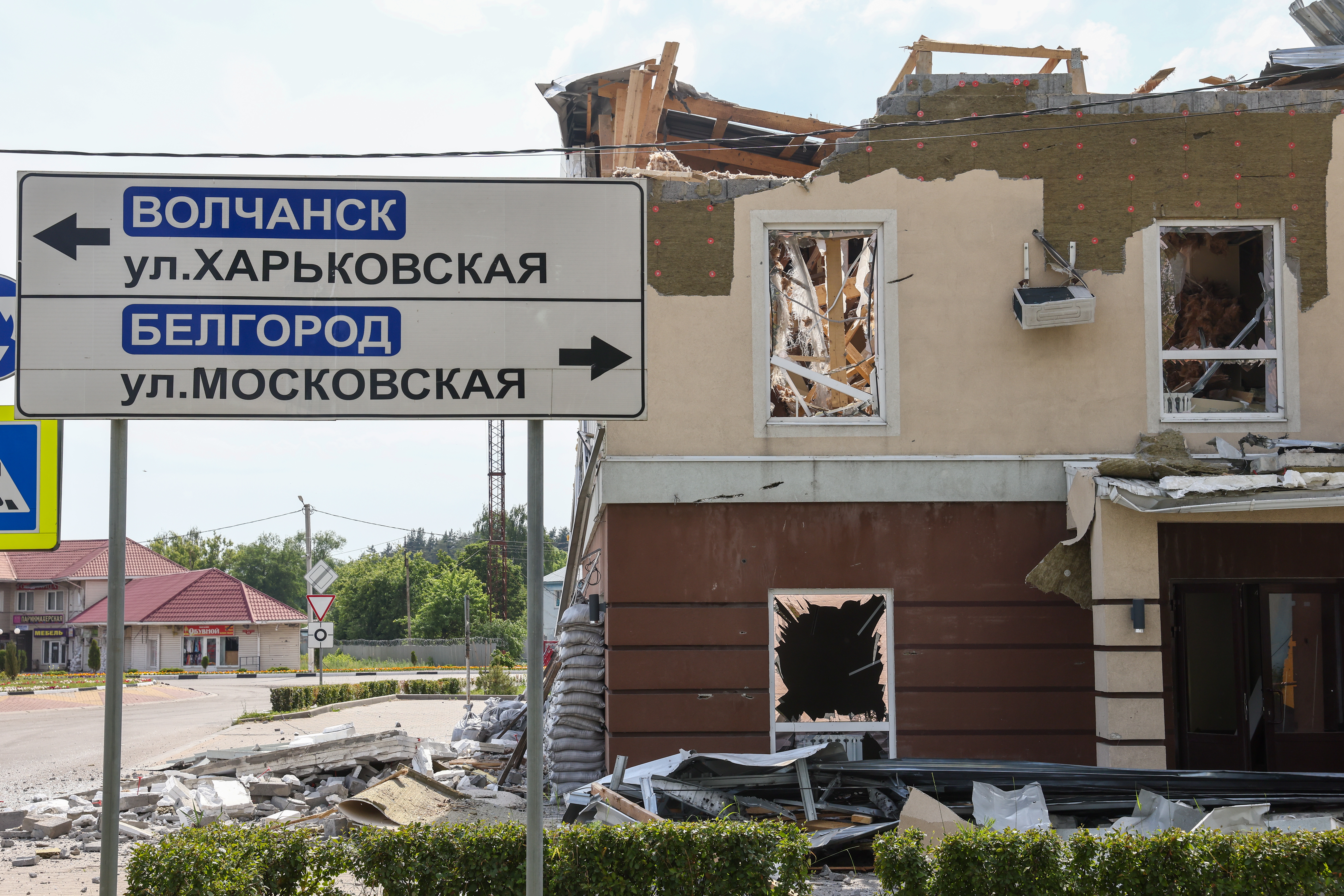
A resident of the Belgorod region, Natalya , tells how she herself evacuated from Malomikhailovka (Shebekinsky district) at the beginning of 2023. Since then, she has not received any payments from the authorities.
– I immediately left for Siberia; my friend lives here. There are no relatives in Russia at all, but going abroad is scary, there is no normal profession, I don’t know the languages. Even in Krasnoyarsk I had a hard time settling down, to say nothing,” Natalya shares. – I’ve been a simple salesman all my life, I had to quit my job there, my house. I lived here for several months with a friend, and when I got a job, I realized that I couldn’t afford to rent in the city itself. As a result, I travel from Zheleznogorsk (64 kilometers from Krasnoyarsk) to work. Nine hours at work and three on the road. I'm surviving, you might say. And even then, if it weren’t for my friend, I wouldn’t even be able to do this. I consider myself lucky to be alive - several of my neighbors on the street went missing, they refused to leave. It was as if they didn’t understand until recently that there was actually a real war going on: “they said it was a military operation.”
Restoration of damaged housing, compensation for victims, emergency security measures and support for evacuees require increasing expenditures from the regional budget. The regional budget deficit at the end of 2025 reached 14.4 billion rubles, with revenues of 178.7 billion and expenses of 193.1 billion; the budget for 2026 was adopted with a comparable deficit. At the same time, the authorities directly admit that their own tax and non-tax revenues are not growing, and the balance is maintained through federal transfers .
"I didn't sign the contract"
From the first days of the invasion of Ukraine, the Russian authorities promised not to involve conscripts in combat operations. But at the same time, reports of the death of conscripts in the Belgorod region are constantly received. Formally, we are not talking about their participation in the war, but about “border protection,” but the conditions of service in the border areas actually equate it to combat.
In 2024, Sibir.Realii talked about the death of two conscripts from the Krasnoyarsk Territory and the Khanty-Mansiysk District. Relatives of the victims said that the young people did not intend to sign the contract and expected to return home after demobilization. In the same year, Sibir.Realii reported on the death of 20-year-old twin brothers Konstantin and Dmitry Reshka from the Tavrichesky district of the Omsk region. Their relatives claimed that for a long time they were not informed of the circumstances and date of death of the twins, and the bodies were not handed over for identification.
In 2025, it became known about the death of five conscripts in the Nekhoteevka area of the Shebekinsky district. According to journalists, the cause of death was an explosion of ammunition; Officially, the situation was again described as an incident while serving on the border .
On January 11, 2026, five conscripts from the Chebarkul garrison (Chelyabinsk region) were killed in the Belgorod region. They, according to their relatives, did not sign contracts, but were sent to the border region “to carry out combat missions.”
- We were told the cause of death - the explosion of a guided missile. They confirmed that Artem remained a conscript; he did not sign any contract. Why did the conscripts end up in the area with “combat missions?” they answered that “officially this is not behind the front line,” that is, they supposedly had the right, says Roman , a relative of one of the victims, Artem Zherebtsov. – Tyoma was only 20 years old. In four months he was supposed to return home.
Zherebtsov joined the army on July 7, 2024. His relatives were worried when in the fall he was suddenly sent from Chebarkul to the Sverdlovsk region “to study to be a sniper.”
“There was a two-week training, after which we were immediately taken to the Belgorod region. We were sitting on pins and needles, because there are so many cases where conscripts are forced to sign contracts for them. The commanders offered them to sign a contract. There was blackmail - they say, if you sign, we won’t send you to a dangerous place. But Artyom knew perfectly well that this was a deception; he saw that the signatories were not immediately taken out to the front. He didn't sign. But in the end, he was still taken away under the shells, says Roman.
According to relatives, the families tried to get the conscripts removed from the border areas, but to no avail. At the border, relatives of the conscripts say, the soldiers were abandoned without any shelter.
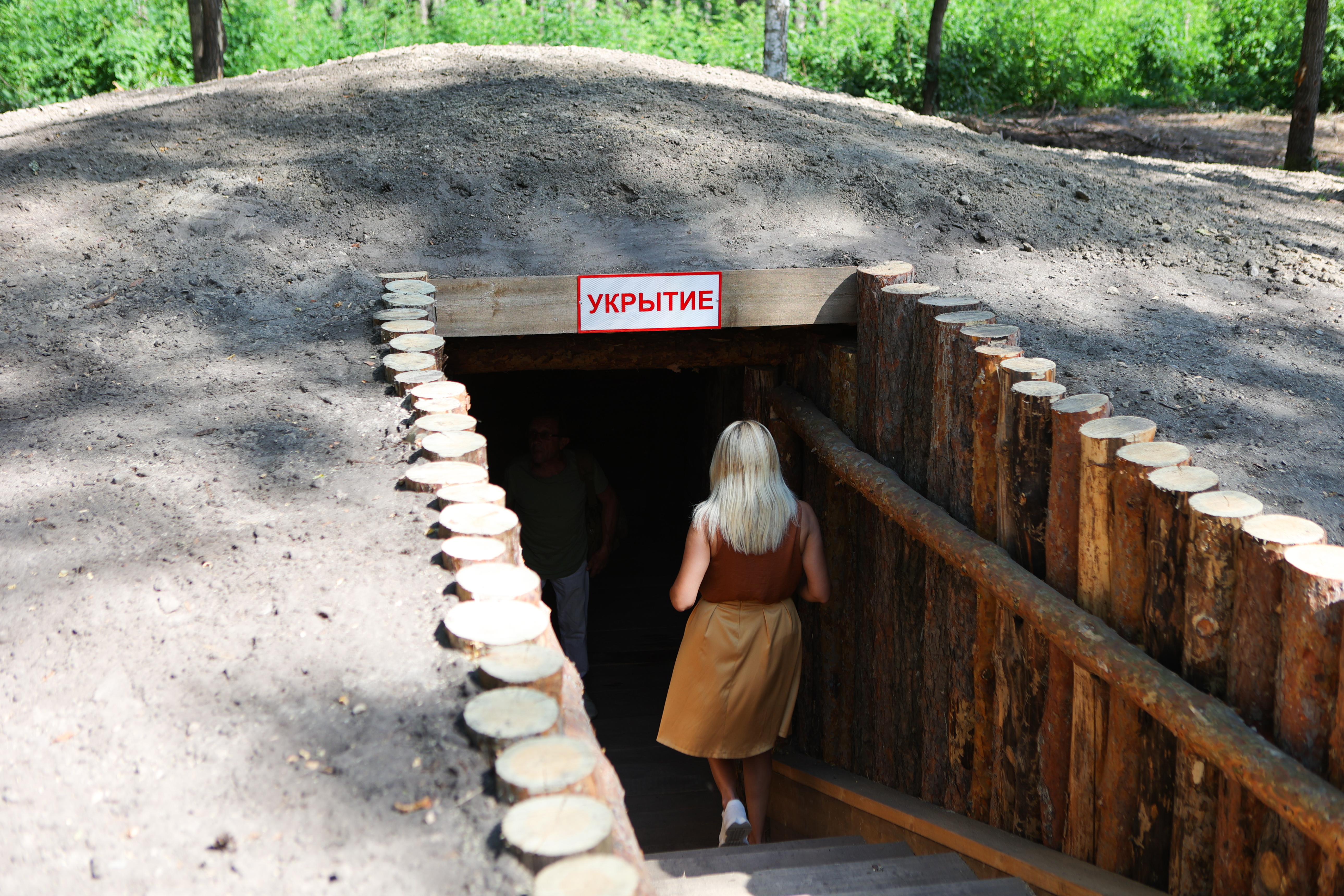
“They began to make their own shelter, dug a trench, and built a dugout. But when a shell landed on it on January 11, it fell apart and all nine of them fell asleep, says Roman. - Everyone died. Four of them were definitely conscripts, including Artyom.
"Why the hell did you even start this war?"
In November 2025, the first large-scale Internet outage occurred in the Belgorod region, affecting the entire region. As it turned out later, this shutdown came as a surprise even to Governor Gladkov.
“Of course, this was done as part of providing additional security. On the other hand, part of the interaction that was deployed on the territory was disrupted,” Gladkov said in a morning video message on November 27. Under this post on Vkontakte, angry comments immediately appeared from people who, among other things, had lost notifications about the arrival of drones:
“Vyacheslav Vladimirovich, whoever came up with this nonsense, let him come to Shebekino and live here without the Internet! In the morning, I took the child to the garden and didn’t know whether something was flying or not! Like blind kittens! You have to think of this, in the borderland where lives literally depend on the Internet, just turn off the Internet! And the drones flew and continue to fly. Well, sheer insanity! Bring back the Internet!!!”
“...how could it be possible to allow the Internet to be cut off in border villages, are you playing with the lives of the population or do you want to increase the mortality statistics from drone attacks, we were left without notifying the UAV, please explain to people how this could be allowed to happen. I suggest you come to Novaya Tavolzhanka in the evening and drive blindly, whether you are lucky or not.”
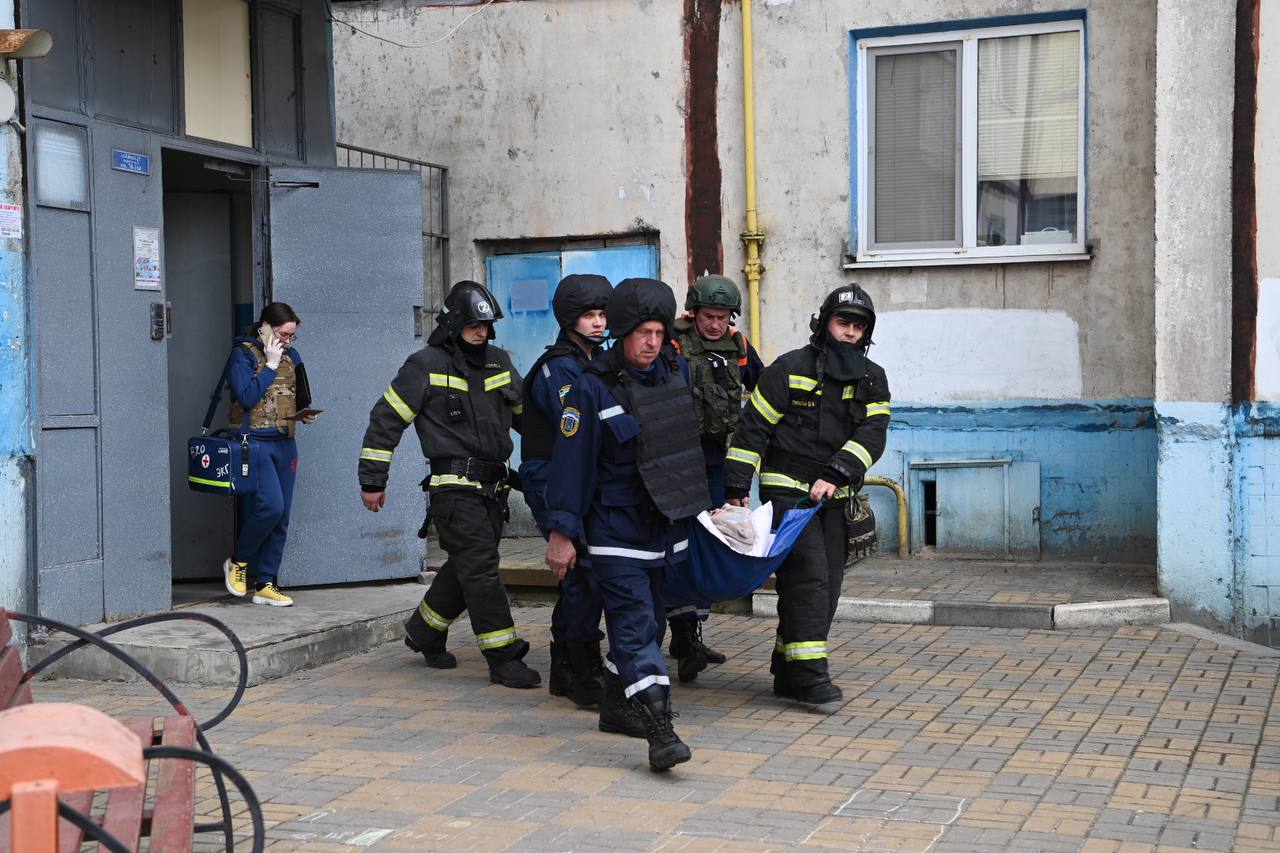
Against this background, the local telegram channel “ Ashes Belgorod ” tells truthfully and promptly throughout the years of the war about what is happening in the Belgorod region, despite censorship and repression.
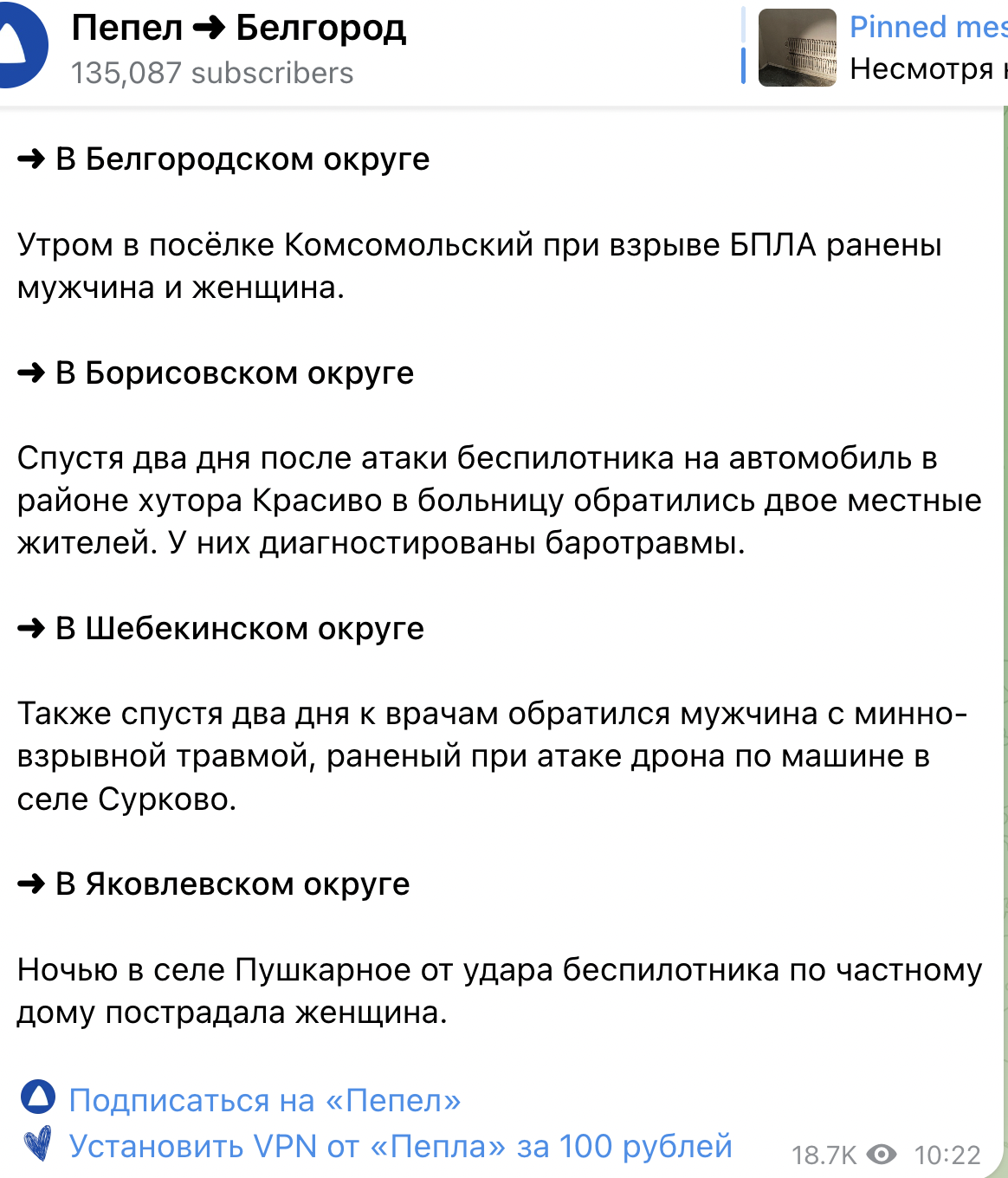
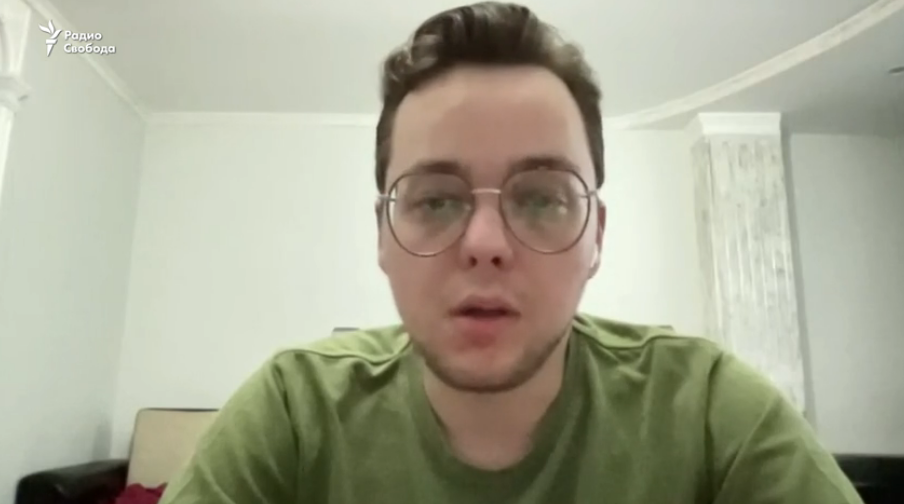
The publication appeared in the fall of 2022 and is constantly gaining subscribers (now there are already more than 133 thousand people). The editor-in-chief of "Ashes" Nikita Parmenov , whom the Russian authorities recognized as a "foreign agent", was forced to leave Russia, but continues to coordinate the work of the media he created and monitor the situation in the Belgorod region.
– Nikita, in your opinion, what is the psychological state of people in the Belgorod region now? How do they understand and perceive what is happening?
– In general, they are now exclusively concerned with survival. There are no complex anti-war reflections. The shelling does not cause abstract thoughts in people - they think about completely mundane things: where to charge the phone, will there be water, how to take children to kindergarten under drone attacks, will there be heat in the houses.
Some questions that might arise from a conventional Muscovite simply do not arise here - for the reason that people do not have the resources for this. Neither emotional nor everyday.
At the same time, there is a very strong accumulated fatigue. It is converted into a simple desire to stop the war - on any terms. Trump’s plan, Zelensky’s plan, Putin’s plan - people absolutely don’t care what kind of plan it is, as long as Belgorod remains part of Russia and hostilities stop there. At this level perception occurs.
– How do people feel about local authorities against the backdrop of blackouts and infrastructure problems?
– Blackouts cause very strong distrust of the authorities and indignation. On the one hand, it is accumulated, and on the other, it strongly depends on the specific actions of the authorities.
For example, when the water was turned off during the blackout and the authorities did not organize its supply, people, to put it mildly, were very upset. The governor then suffered seriously - people did not mince words and directly expressed their dissatisfaction.
But at the same time, trust in the governor as a whole remains, because he is in the region, lives here, and shares common troubles. Although, as I said, blackouts and infrastructure problems undermine this trust - there are more and more complaints. This is a moving story. In general, people are very angry and very tired, and each new blackout only intensifies this state. For example, when the authorities announced that due to the strikes there would be no hot water in the city at all, this caused a violent reaction: “Why the hell did you start this war?” Putin is regularly reminded of “this movement” - in the Belgorod region this is already a common formula: “Well, how do you like the movement? Maybe it’s time to stop it?”
– How do people in the region perceive the federal center and Moscow’s reaction to what is happening there?
– People don’t trust the federal center and don’t expect anything from it. They don’t see support, but at the same time, by and large, they no longer give a damn - they are busy with their own problems.
Nobody expects that Vladimir Putin will think about them, or that Channel One will make a big story about the Belgorod problems. If in 2022–2023 people were still worried that Belgorod was given only 30 seconds in federal news, now everyone understands: no one cares about Belgorod, and no one will particularly talk about it. Hence the understanding that they are left to their own devices.
– “Ashes” is one of the few, if not the only publication in which you can read information about what is happening in the Belgorod region that differs from the official position of the authorities. How do locals feel about your media? Aren't they considered "traitors"?
– Propaganda works very strongly. The governor publicly says that we work for Western intelligence services, on his social networks - and this is one of the main sources of information in the region.
Every day there are attacks: we are accused of “targeting missiles” and so on. This is a powerful wave of misinformation, which, of course, turns some people against us.
But at the same time, a paradoxical phenomenon has arisen: the “foreign agency” media “Ashes” is an important source of information in the region after the governor. The first is his official channels, then the large propaganda channel “Tin Belgorod”, and in third place is us.
We record a high level of trust. "Ashes" really has great authority: in a number of cases our publications led to the dismissal of officials, we can influence the specific problems of people during the war.
We are read by the military, the z-public, liberal-minded citizens, people without a formed position, officials, police officers. In fact, the entire Belgorod region. We are the only media in the region that continues to grow strongly. While large regional channels have gained several thousand people over the year, we have gained 30 thousand subscribers since the beginning of the year. This says a lot about the level of trust. At the same time, many read us without subscribing because they are afraid. This trend continues now.
– How do you manage to obtain information under conditions of censorship and repression?
– Political repressions in the region – as well as throughout the country, I would not say that their level is fundamentally higher. However, there is an important feature: the FSB in the Belgorod region works more easily due to the uncontrolled circulation of weapons. There are a lot of military people, a lot of arms trade, and the security forces have learned to fabricate political affairs by planting explosives, weapons, and ammunition. Courts in such cases proceed quickly, and people receive real sentences. There are also repressions against activists and volunteers who helped Ukrainian civilians during the de-occupation of the Kharkov region, and helped people travel to Ukraine through the Kolotilovka checkpoint (it has now been destroyed).
Among the most famous cases are Alexander Dimidenko, who committed suicide in a pre-trial detention center, and Nadezhda Rossinskaya, convicted in a treason case. These are people who helped Ukrainians during the war. Otherwise, there is virtually no activity in the region. There are no protests, independent media have been destroyed, everything is censored. There is simply no alternative opinion, and therefore mass repressions are not required.
But we continue to work successfully. We are the most efficient, objective and, let’s say, daring. We have people on the ground - I cannot say how many there are and who they are, but they are there and continue to help us. Without these people it would be extremely difficult for us. We have very great trust, a huge network of sources - these are residents of Belgorod, working in administrations, hospitals, police, among the military, and energy workers.
They are not Ashes employees, but many of them are regular sources of information. It is due to this that we continue to exist and do what we do,” says Nikita Parmenov.
"Very angry and very tired." How they live in the Belgorod region after four years of war