
Translated material
"Like Saint Francis." Why does a history teacher save a mill in the Pskov region?
“You see, there were only two places where the whole village went - to the church and to the mill,” Valentin Karelin explains the significance of the project. “Only someone still needs churches, but there are no mills.”
Especially for “In the Woods,” journalist Maria Dyatlova found out how and why he is saving the mill and what awaits her if the villages around are dead. We are publishing this material together with the “ Regional Aspect ” media.
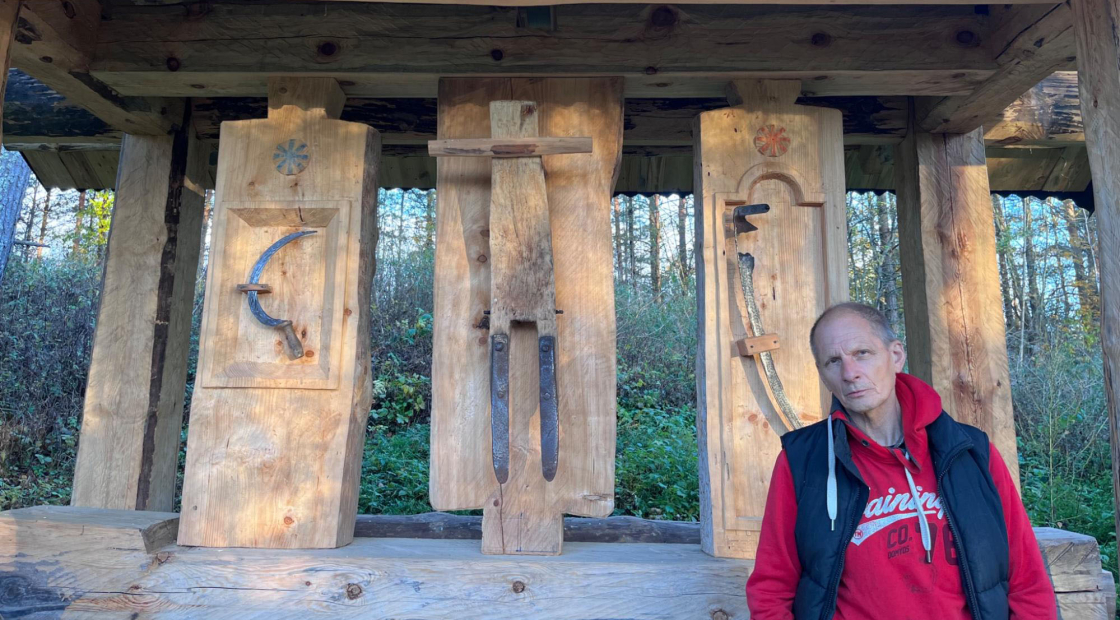
Valentin Karelin at the memorial sign he created for the village of Vishnevatka © Maria Dyatlova
The wooden mill in the village of Maslovo is probably the last pre-revolutionary turbine-type water mill preserved in Russia. There are many reservoirs in these places in the Pskov region, and half a century ago the entire area was strewn with similar mills. Now only this one remains.
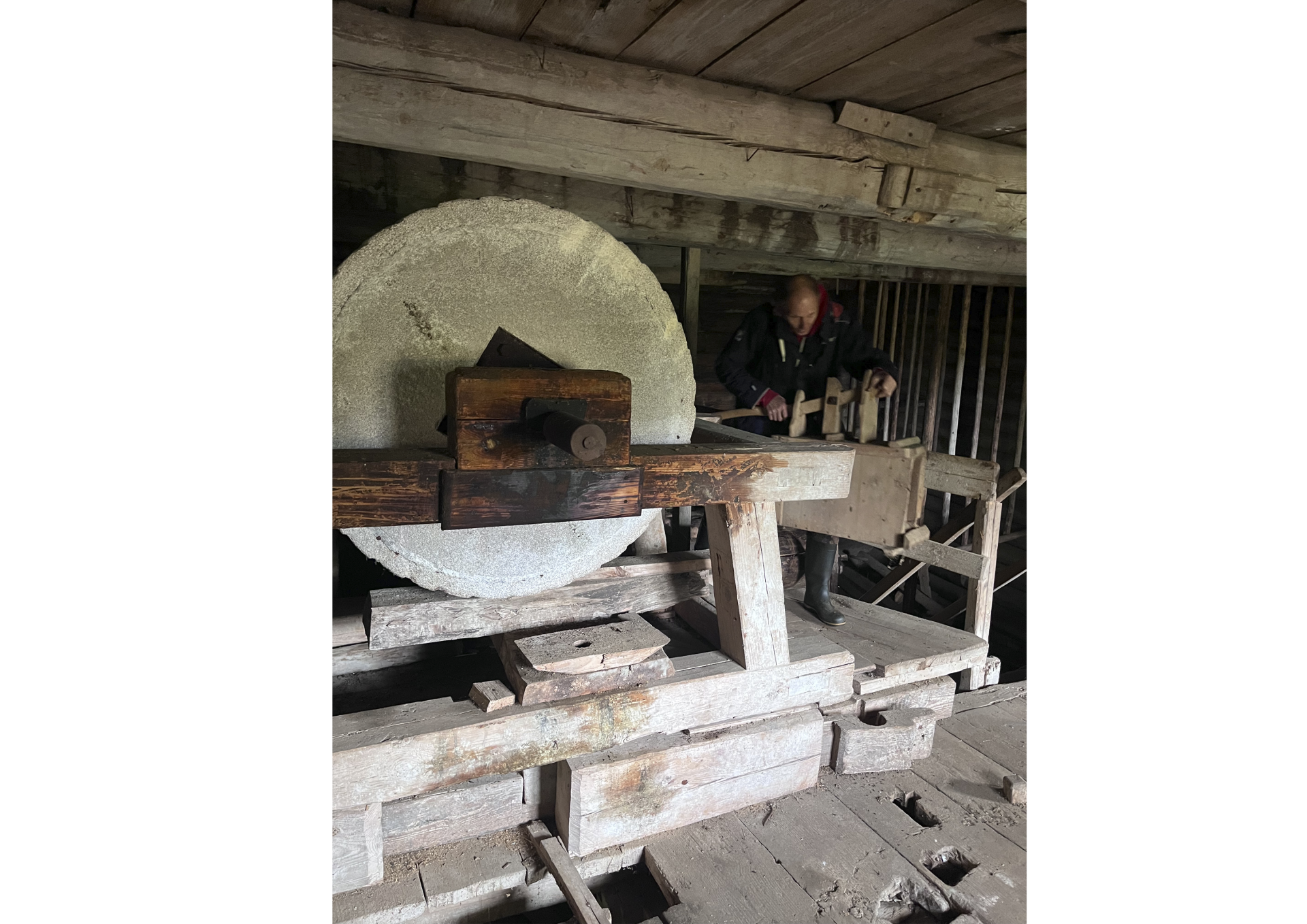
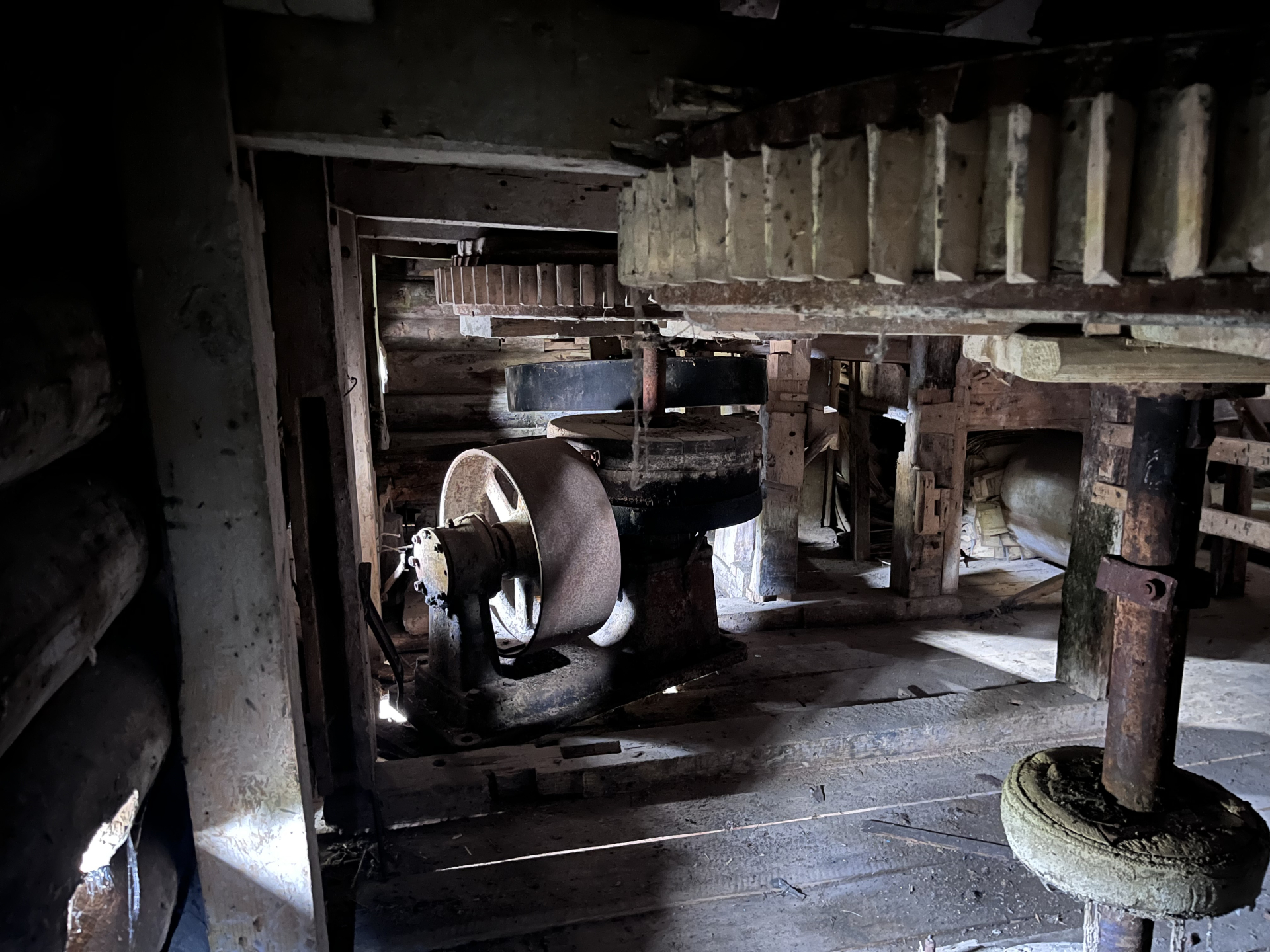
The mill looks like a large log cabin, only half of it overhangs the river. Inside, it looks like a theater backstage: stairs, hatches, railings, bolts on chains, mysterious mechanisms with gears. “Comrades, please! Smoking is not allowed here,” reads the inscription on the rafters of the attic floor: flour suspension is explosive. In the half of the building that stands on solid ground, the walls are covered in places with newspaper, on which wallpaper was glued - the miller's family used to live in these rooms. In one of the newspapers there is news about the murder of Sergei Kirov: the last time the wallpaper was re-pasted was in 1934.
The mill closed only in the late 80s. Two water turbines installed above the river used to spin the flow of water, in recent years - electricity. Boats from the surrounding villages walked along the river to the mill, and along the road - carts loaded with bags of grain. A special mechanism lifted the bags to the very top of the mill, and from there the grain was sent to the millstones. Without a mill, the rural economy was unthinkable.
- A real village manufactory! — Valentin says with admiration. — Inside there were flour-grinding mechanisms, a flax milling machine and a wool carding machine; outside, under a canopy, they tore wood chips.
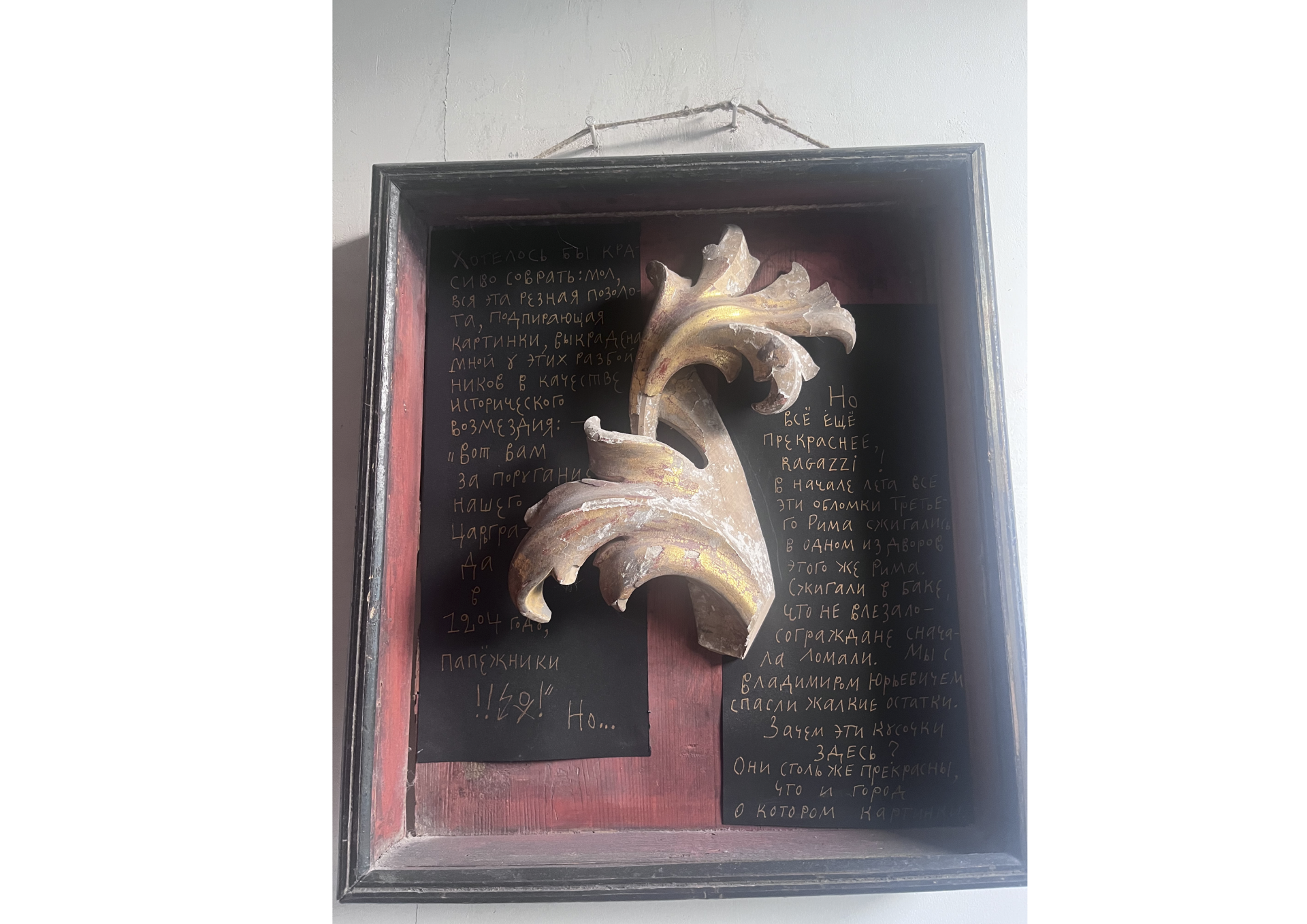
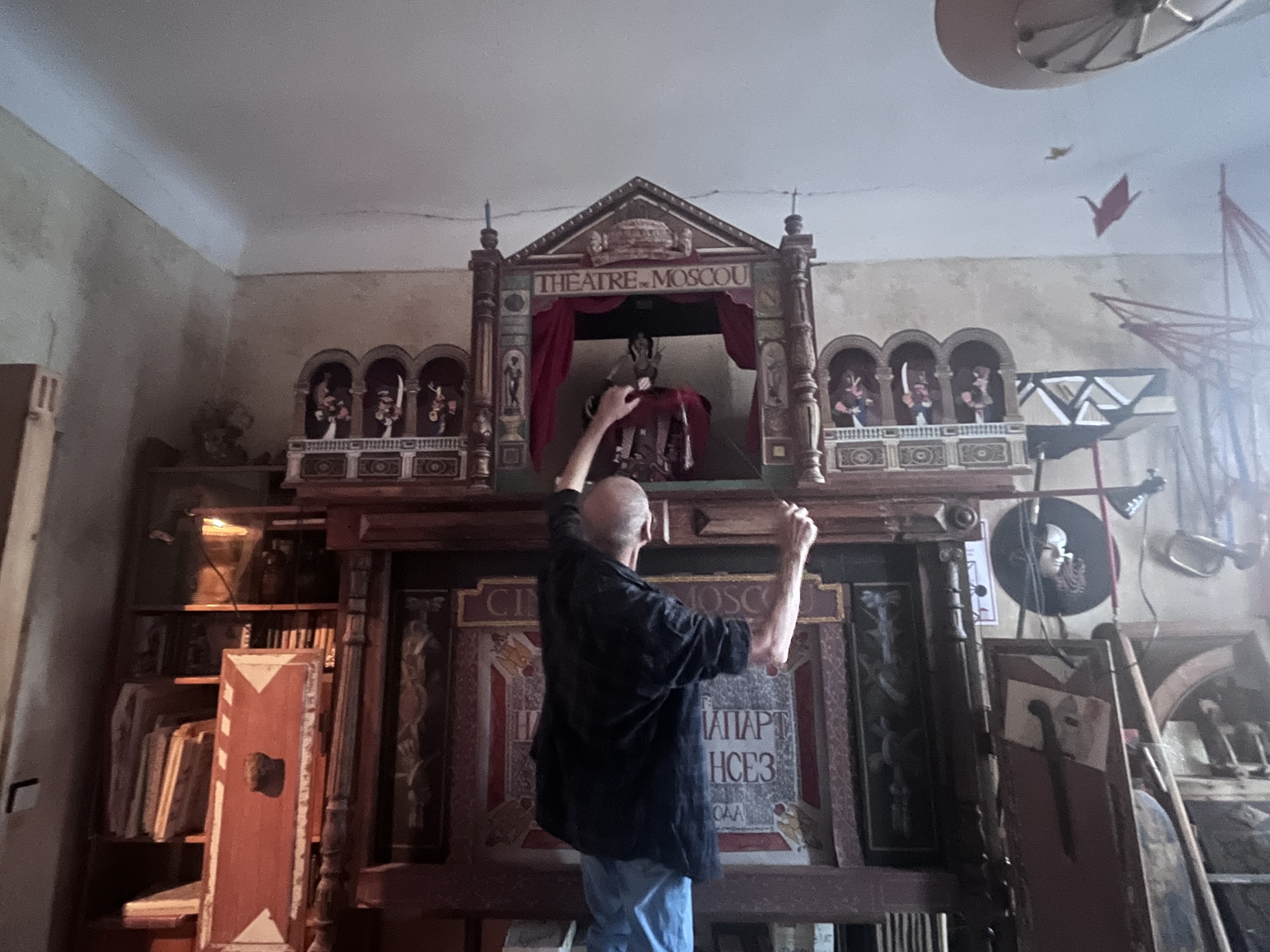
Valentin Karelin is a high school history teacher and Moscow expert known for his superpower of finding things that are in danger of being destroyed. In the corridor of his Moscow apartment there are window frames and doors salvaged from demolished houses of old Moscow. He got the latter from the house-school of the architect Kazakov just a couple of months ago. There are paintings on the walls. The kitchen has a whole frieze of pre-revolutionary stove tiles.
- They are all from the surrounding houses. “I can tell you about each one,” he says about the tiles. -Will you have some tea? — Valentin puts a Soviet porcelain teapot on the table and covers it with a quilted heating pad.
On the table in front of me is a folder with materials about the mill that Valentin collected. Plans, sketches, notes on the history of the mill, even the family tree of its pre-revolutionary owners. Twelve years of irregular searches and research.
He first learned about the existence of the mill in 2013. Karelin has his own hut 14 km from Maslovo, he was riding a bicycle around the area, and one of the locals suggested it. At the sight of the abandoned “village manufactory,” the historian’s heart could not stand it.
“All this could collapse at any moment.” The lower crowns of the frame were rotten, the stonework under one of the walls was washed away by the river, and the roof was leaking,” he explains.
In the first year, Valentin and his friends covered the roof with roofing felt. The roofing felt, a short-lived material made from cardboard and tar, tore after two years, and the roof had to be re-covered. It became clear that tactical decisions could not get away with it, but strategic ones needed money and professional restorers.
Valentin tried to convince the local history museum in neighboring Opochka to take over the mill or move the entire frame to the historical center of the city. I even agreed with the director of the museum, the head of the cultural center and the head of the local administration that they would come to get acquainted with the mill.
- I’m coming. They are already there, gloomily looking at the rickety mill building and at me. We go inside, and then the eldest of them: “Yes, this is a whole museum complex!” Well, I think it’s a victory, I got it! They walked around and looked for about ten minutes, and the driver who brought them said from behind the boss in a soft Pskov accent,” here Valentin pretends to be a local accent, “If only I had a byanzina, there wouldn’t be any problems.” Well, we left.
In the end, the museum did not take the mill for itself; it only took a heavy pre-revolutionary wool carding machine, which threatened to fall through the rotten floor of the Maslovsky log house. And then Valentin had to bluff a little.
“He said that my colleagues from the Polytechnic Museum in Moscow were interested in this unique machine,” admits Valentin, “and if Opochka doesn’t want to take it, then the Muscovites will come in a week.” The museum immediately sent several men with strong backs...
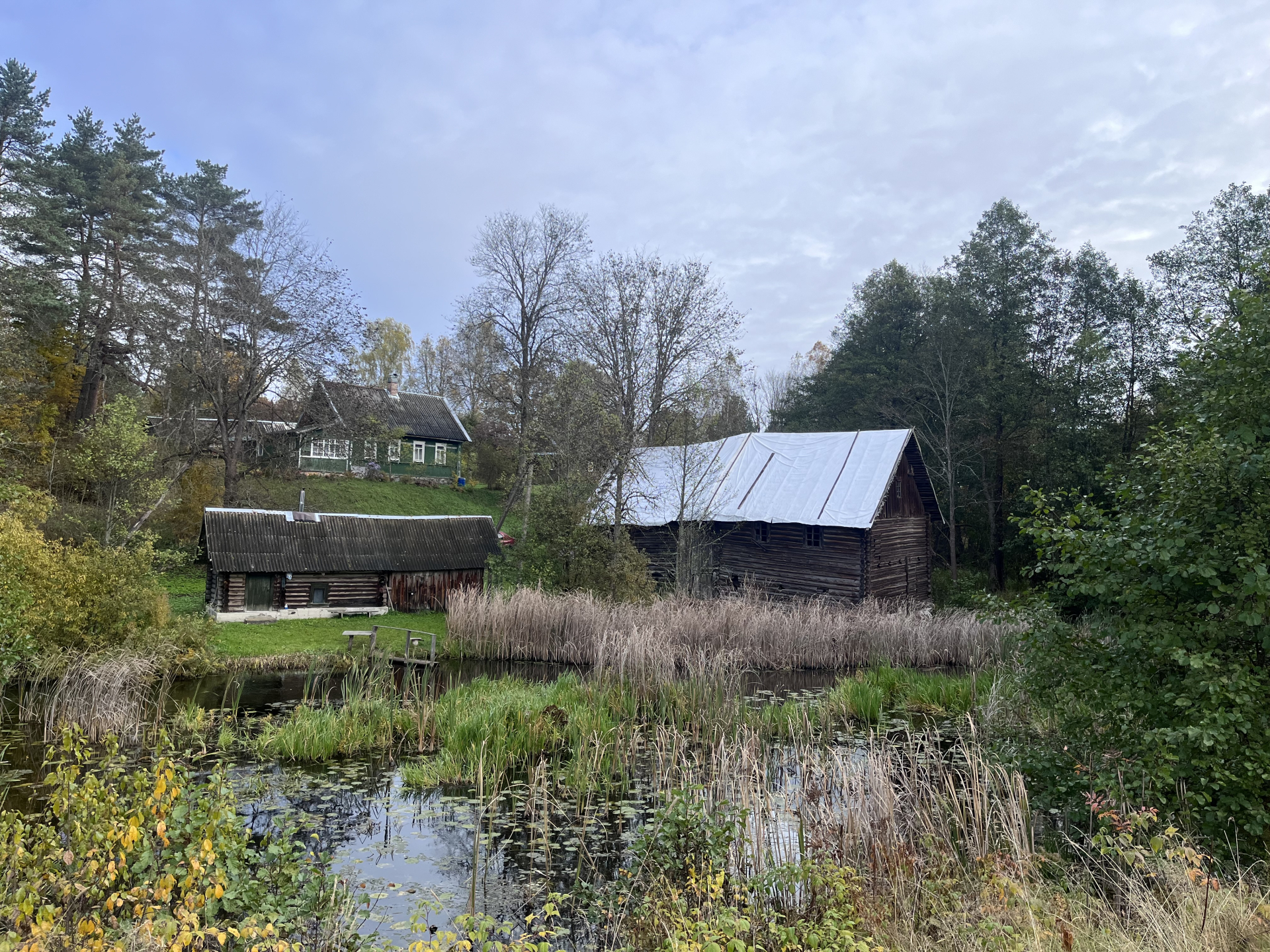
Mill in the village of Maslovo © Maria Dyatlova
Two years ago, Valentin met the Conservation Foundation, which agreed to prepare a restoration project. But then it turned out that not everything is so simple.
Firstly, the mill has heritage status. In the 90s, historian and Hermitage employee Alexander Gordin achieved its assignment, who learned about the object while still a student from a family friend and employee of the Pushkinogorsk Nature Reserve. Gordin hoped that in the new Russia such facilities would receive funding from the state. But it turned out differently: there is no financial assistance from the state, and the protective status often becomes a limitation - objects can be restored only after approval from the protection authorities.
Secondly, the mill does not belong to the municipality at all. All this time it had an owner - according to Valentin, a local entrepreneur, the owner of a slaughterhouse and a butcher shop. He bought the entire collective farm in one tranche in 1991 and has never appeared there since then.
The owner waited a year before signing the documents. Then another year - approvals, fundraising, purchasing materials. If all goes well, work will begin in Maslovo next summer.
But the turbine mill had to be saved even without permits. One autumn, Valentin arrived and realized that the support under the stairs might not survive the winter. It was necessary to cut new supports and prop up the corner of the mill hanging over the water.
“I was so reluctant - I was completely alone,” recalls Karelin. “And so I returned to the hut, sat down to read in the evening, and then a book fell from the shelf and opened on a page where it was written that Aristotle Fioravanti moved the bell tower.
The book prophecy encouraged Valentin. For several days he rode his bicycle 28 km every day, with an ax and waders on his back, to build a new support for the mill. The support turned out to be reliable, the master was proud.
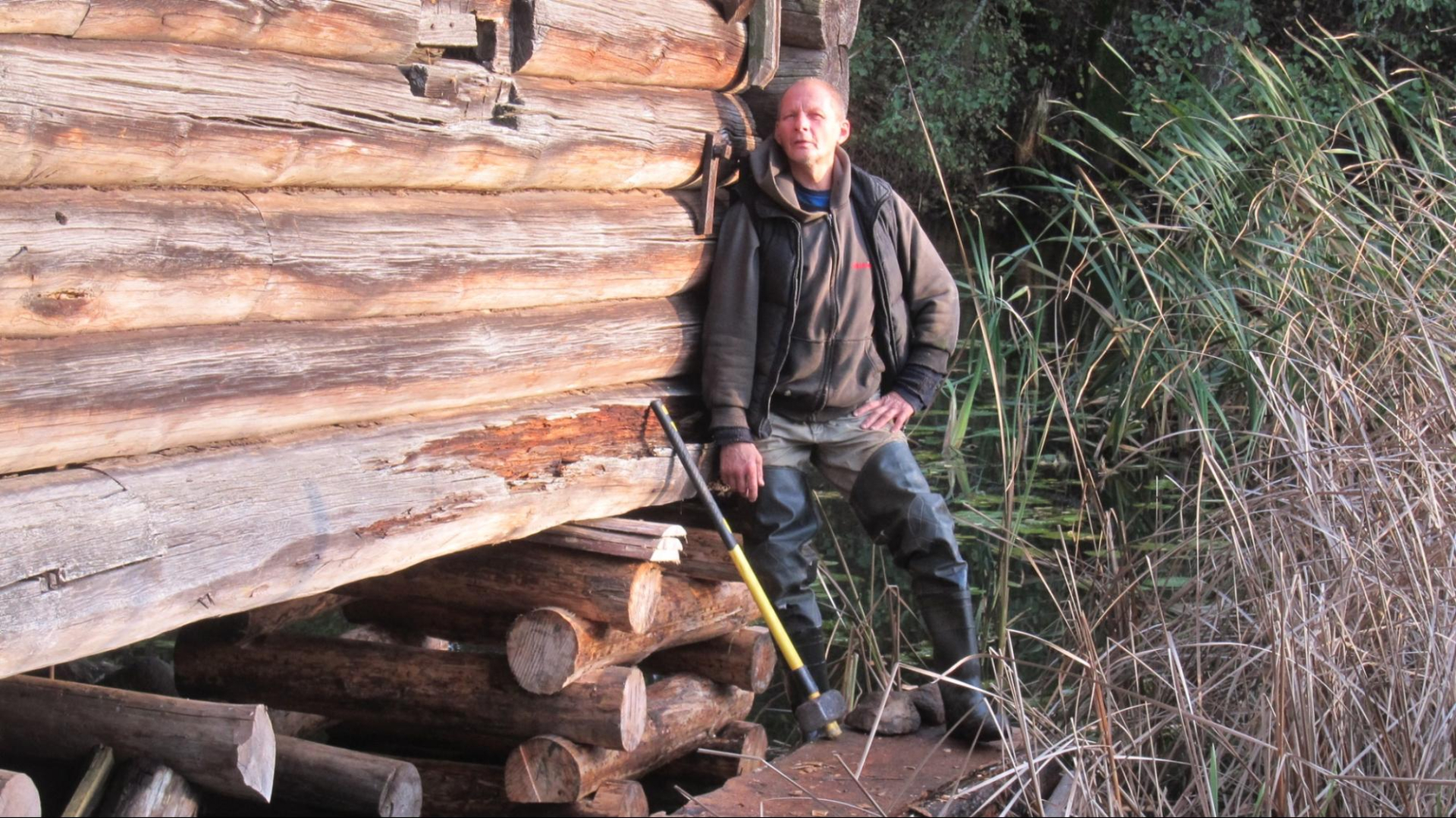
Valentin Karelin after the construction of a new support © Personal archive
“I still look at this photo and think that I’m here like St. Francis.” Do you know this legend? — Valentin suddenly becomes a history teacher again. — One day, Pope Innocent III dreamed that the Lateran Cathedral was about to collapse, but then Saint Francis appeared and propped up the church building with his shoulder. Here I am in this photo next to the mill, like Francis with St. Peter’s Basilica,” Valentin laughs.
Grandmother Irinya
To find out more about the mill, Karelin began asking local residents, recording interviews, and asking for photographs. A plan for a museum in a mill was brewing in his head - and the museum needs to be filled with stories.
Step by step he found Nelly Andreevna, an old woman born in 1938, the granddaughter of the last two millers from the Vinogradov family. Precisely two, because after the disappearance of Roman’s own grandfather, Nelly was taken under guardianship by his brother Epifan and his wife Irinya. Their father, most likely, built the Maslovsky mill.
This was a strong Old Believer family - religious, hardworking, wealthy. But after collectivization they fled, changed their names,
“We tried to save ourselves,” says Karelin.
Nelly Andreevna's mother Matryona ran away in the late 20s - literally through the window of the Maslovsk mill - and married, against her father's will, a guy from a wealthy, but not Old Believer, family. The family was dispossessed and exiled, and so Matryona ended up in exile. Nelly Andreevna's uncle was shot in 1937, the children ended up in an orphanage. Her grandfather Roman simply disappeared. And the mill was taken away from the family.
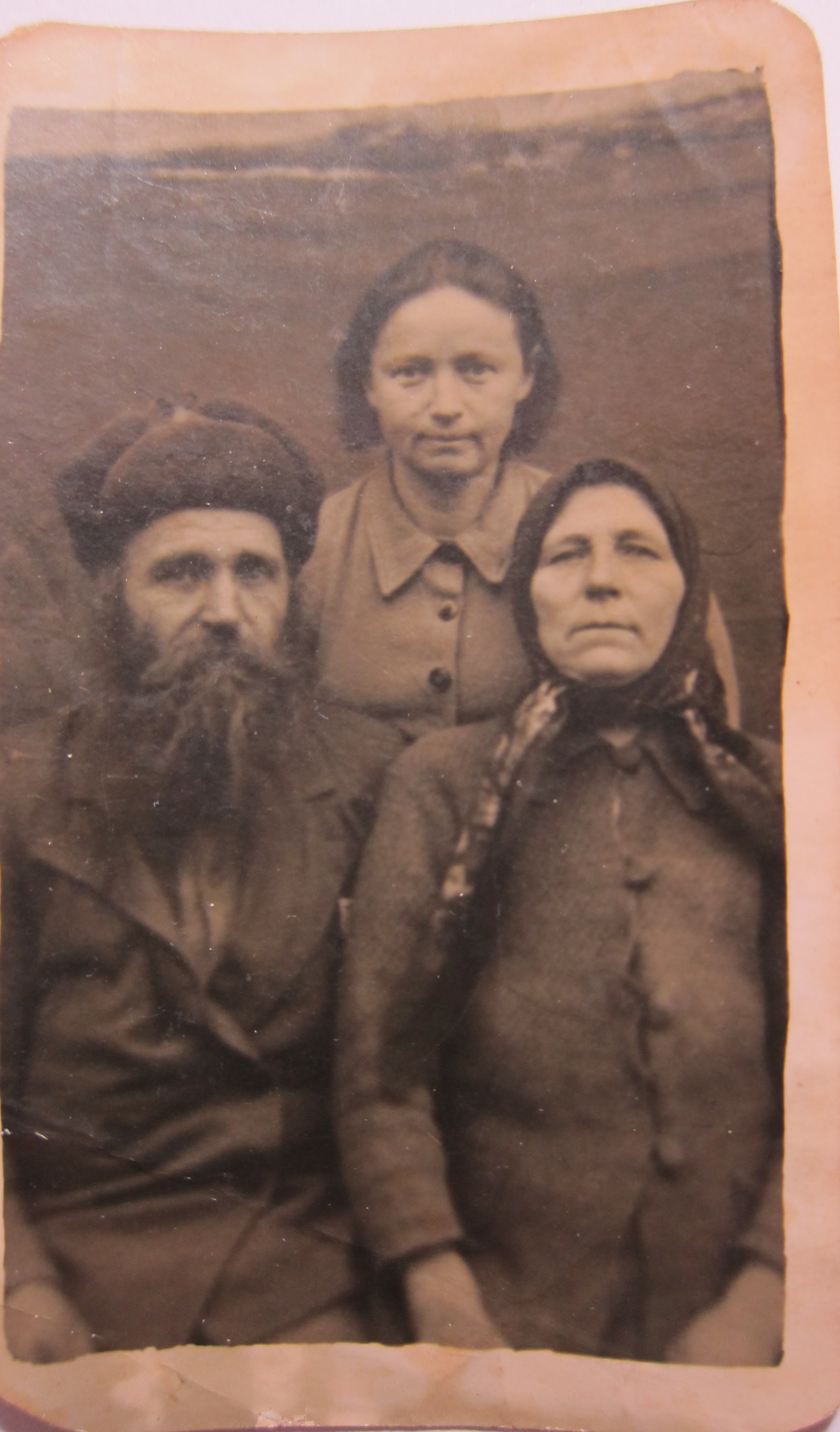
Grandfather Epifan, grandmother Irinya and Matryona © Archive of Nelly Andreevna
But as soon as the war began, everyone who remained alive and free - grandmother Irinya, grandfather Epifan and Matryona with little Nelly - went on foot to the German rear, to their mill. The Germans allowed them to return, but with conditions: to supply the Germans with bread and to leave a room in the mill for the assistant to the German doctor August.
Nelly Andreevna remembers Augusta very clearly: here he is working at his desk, in front of him is a mirror. The mirror reflects a little girl sitting on the bed behind him. Augustus is bent over his papers and does not look up. “He understood that if he just turned around, I would run away immediately. I'll get you out of this [room] with a bullet. He takes a chocolate bar and, without looking, throws it over his shoulder to me,” Nelly recalled in an interview with Karelin.
Who was this Augustus? How did he know Russian? Did you speak with or without an accent? Nelly Andreevna no longer remembers. But he remembers that he let the adult residents of the mill listen to Soviet broadcasts on the radio, while he stood in the doorway so that other Germans would not catch him.
“He was an anti-fascist,” Karelin suggests. “She told me that he even warned the locals when he knew that a German raid on the village was being prepared, that they would be taken out. And the locals managed to flee into the forest.
In the same interview with Karelin, Nelly Andrevna recalls:
“Grandmother [Irinya] baked bread [for the Germans]. She got up at three o'clock in the morning, lit the stove, baked... And stood, stood, and then stood at the icon. I prayed for an hour or two. She [said]: “You are worldly, and I am a slave.” That is, a servant of God."
Old Believer religiosity prescribed special attention to dishes - covering empty vessels, crossing oneself before taking even a sip, and not drinking from the same dishes as those of the world.
— In the entryway there was a barrel of kvass and a ladle. And God forbid anyone should drink from this ladle - this ladle was immediately thrown away. With a ladle you could only climb into the barrel and pour it into your cup. Grandma's dishes were all separate, grandpa drank from a different cup. Everyone had their own. Whoever came has everything worldly. There was a worldly cupboard, all the worldly utensils stood there.
But one day Grandma Irinya forgot all the rules. It was the summer of 1944, when the Germans were hastily retreating to Pskov, and Soviet soldiers were walking along the highway through Maslovo.
“As I remember now,” recalls Nelly Andreevna, “it’s such a hot summer day, we have sand... And suddenly columns are coming.” Horses, several horses and commanders on them, and then soldiers come. The build is so long, long. And grandma, she has a milk rack, she just milked the cow.
And can you imagine, this grandmother, who did not let us get her mug into, God forbid, into a milk pan there, or somewhere... She runs with a mug along the rows - they walk quickly - and she scoops up and passes this milk. She gives them milk, and I, I jump and run, look - and they are all... so dusty, tired.
Nelli Andreevna gave Valentina Karelin a poem that she wrote in 1949 - at the age of 11. This poem is about grandmother Irinya, who prays for her son who died in the war. In rhymed lines, the girl Nellie also draws her native surroundings - peaceful and calm.
Gray twilight reigns over the earth,
The trees are sleeping, shrouded in darkness,
A stream whispers sleepily under the mountain,
And not a single soul around.
Night reigns over the Russian village,
There is fog over the river,
From the window with a narrow strip
The light fell to the ground, which means someone is awake...
“You just need someone to find you”
Getting to Maslovo is not easy. First you need to be in Opochka, an ancient city with defensive ramparts from the 15th century: here was the border with Lithuania. There is only one night bus going there from Moscow. There is no railway in the entire Opochetsky region. It’s 130 km from here to Pskov, 50 km to the border with Latvia. From Opochka to Maslovo it’s another thirty minutes by taxi.
Nikolai, a smiling man of about sixty, a native of Maslov and the husband of the last miller’s niece, brought Valentin and me to the Maslovskaya mill.
“When the collective farm collapsed, we got very involved in alcohol here. So you get up in the morning, you don’t have to go anywhere, there’s no responsibility... And here,” Nikolai snaps his finger in the throat. - Many are already at the cemetery.
If he hadn’t stopped drinking in time, he would have been there too, he believes. And so - he’s alive, taxiing, fishing. From Maslovo Nikolai takes us to Kalinka - this is the second mill, which belonged to the same Old Believer family. On the way, he describes the surroundings as if they were the possessions of the Marquis of Karabas:
- Here we go, we go and we go. This was our largest collective farm, “Urozhay”. It started where you were and ends in the Sebezh region.
Shows where the recreation center was, where the volleyball court is, where the store is. After 35 years, none of this exists. Most of the villages along the dirt road we are driving along are dead. Here and there there are one or two residential buildings or dachas of Muscovites and St. Petersburg residents.
We arrive at the Chernitsky Pogost: Valentin insists on getting out here and inspecting the area. The spacious plateau rises 20 meters above Lake Cherny, and is washed on both sides by the Chernitsa River. From the height there is a view of the lake and the autumn forest. The place seems to be an ideal stronghold - and indeed there has been a fortified settlement here almost since pre-Mongol times. For centuries the plateau above the lake was inhabited, but in the 90s the collective farms closed and the village died. There's not a soul here now. Just an overgrown cemetery and empty huts with broken windows.
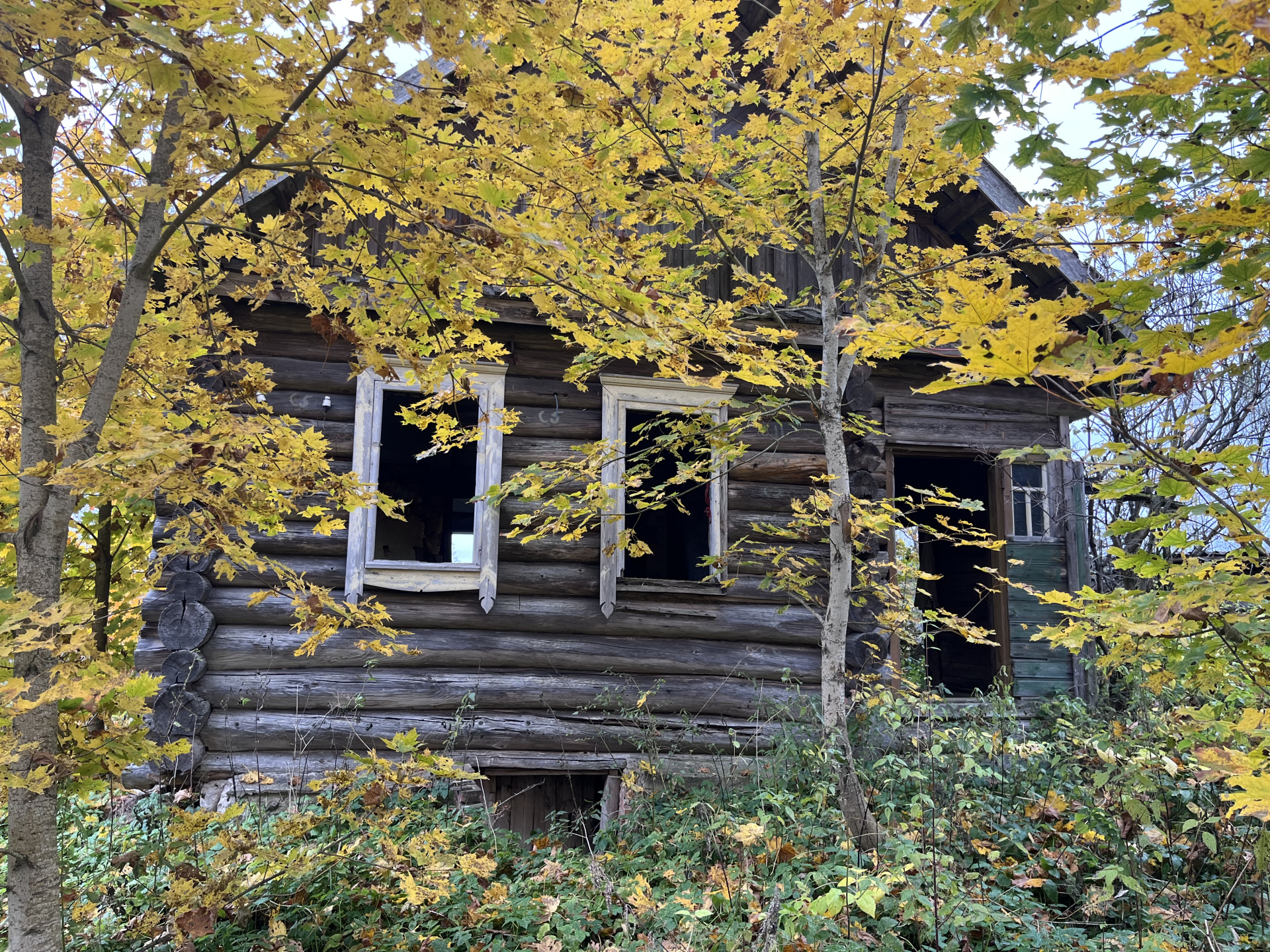
Abandoned house in Chernitsky churchyard © Maria Dyatlova
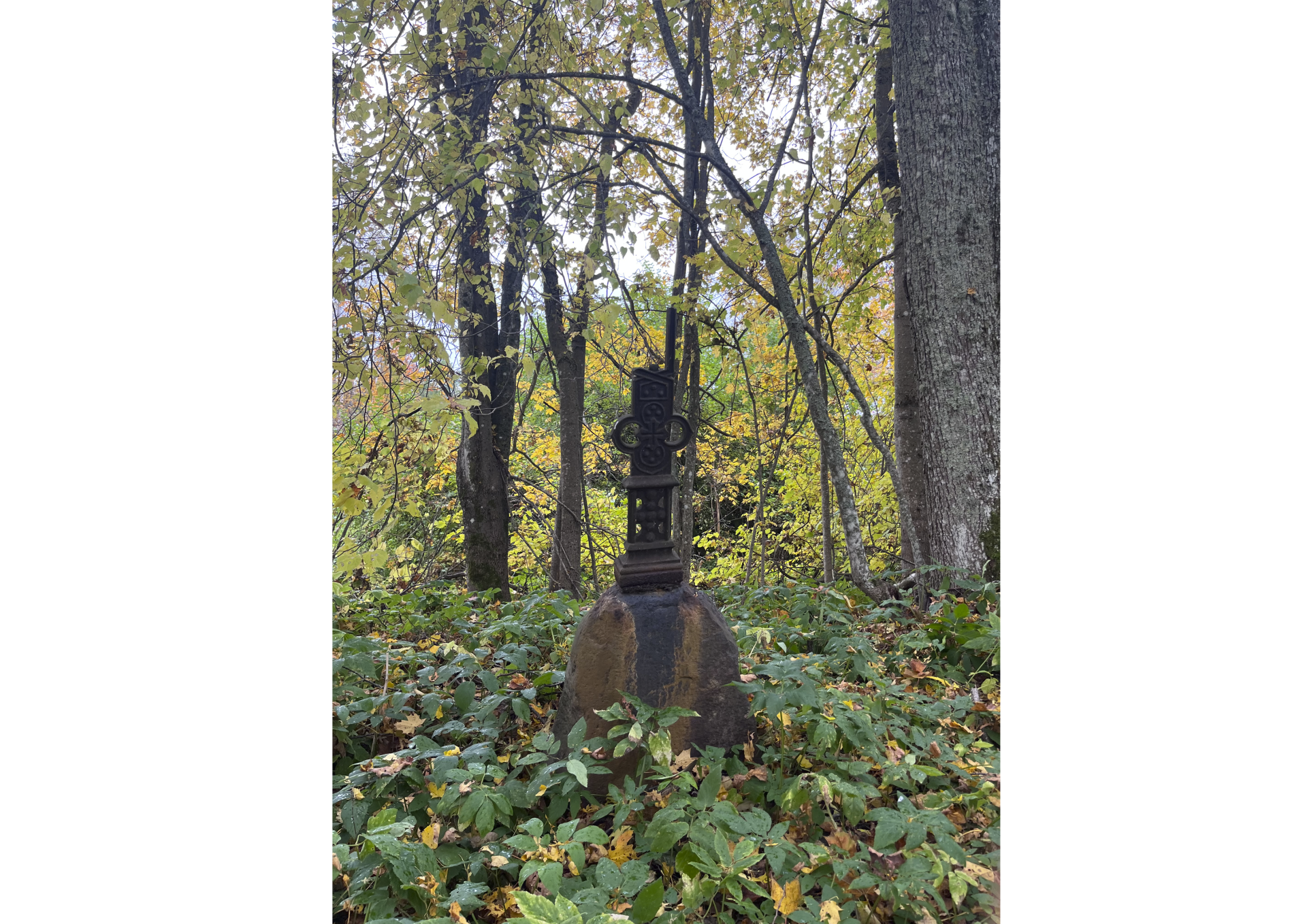
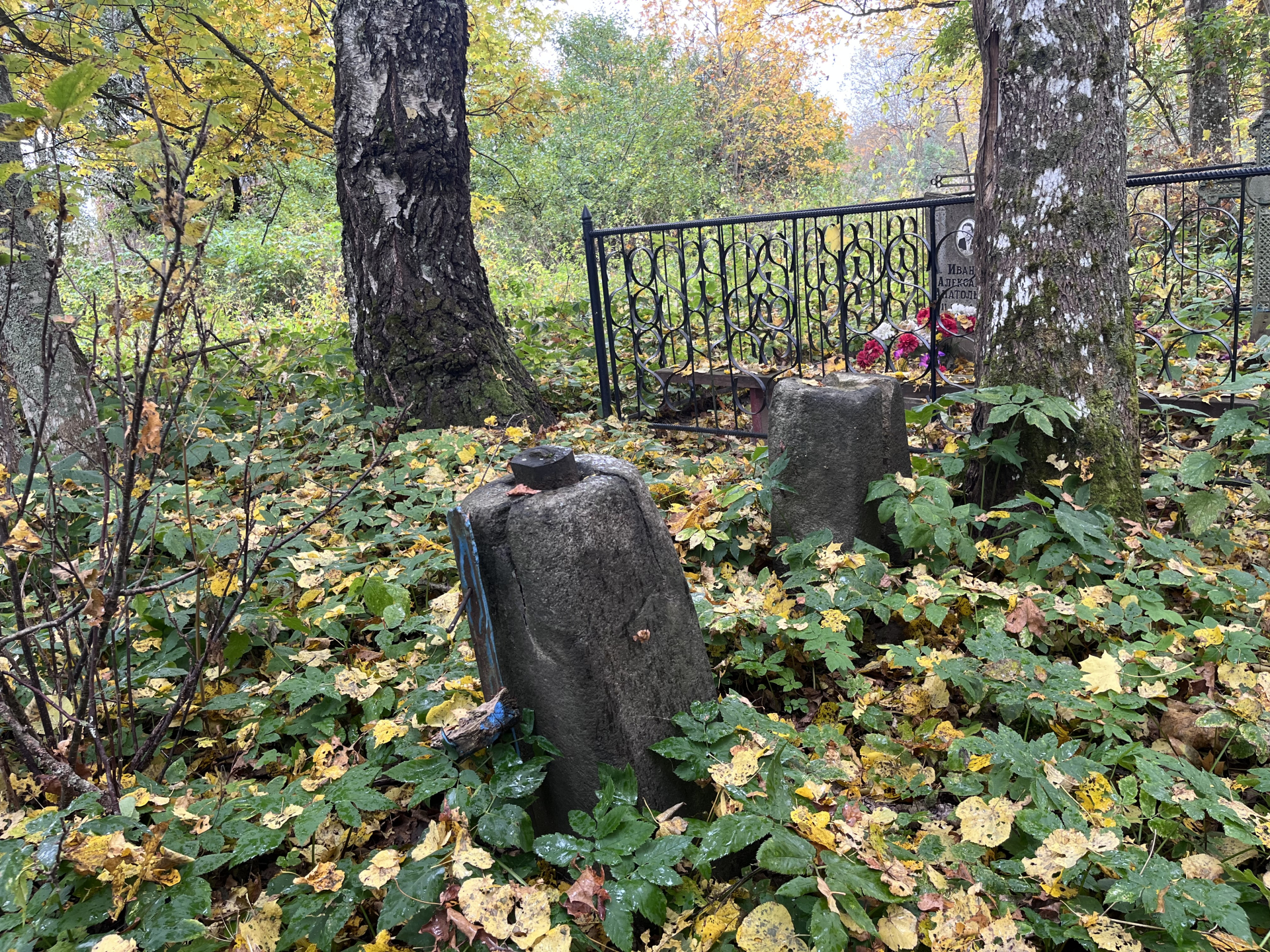
“Look,” Valentin calls to me as we walk through the cemetery. “There were these cast openwork crosses everywhere.” And this is what’s left of them,” He points to a granite pedestal from which a metal handle sticks out. There are several more of the same ones nearby. “They sold it for scrap metal,” he explains. - Crosses! Cast grave crosses of the 19th century. And the people who accepted this scrap metal understood what it was. This one, it seems, was recently broken,” Valentin touches a fresh, undarkened granite fracture, from which the cross was uprooted. “I was born in the wrong country after all.”
The last words were spoken in the hearts - Valentin does not want another country for himself. Another time, in Moscow over tea, he listed his friends and classmates who had left in different years and admitted that he did not understand them.
- How can you? Here the homeland is in burdocks!
We get back into the car, and while we drive on, Valentin questions Nikolai.
— Kohl, what do you think awaits these lands?
“I don’t know,” he says thoughtfully. - So, no one needs it. Agriculture is unprofitable in our country; all this has become very cheap. Productivity is low. Previously, we had a cow, we had piglets, we had chickens, but all this was very unprofitable. Feed is expensive.
- Don’t you want there to be collective farms again?
- No.
- Why? - a Muscovite asks his village neighbor.
- Why? We began to live better. I'm the driver. My friend, he also quit drinking at one time and carries firewood. He has two or three thousand per cart. We live small, as they say, huh? My generation is the last in the village, that’s it, there is no one else. And you say - a mill... Who needs it? It will be interesting as a monument. And not here, probably.
Kalinka, the Vinogradovs’ second mill, was much larger than Maslov’s, but now only part of its foundation remains, which has turned into a kind of bridge over an artificial channel.
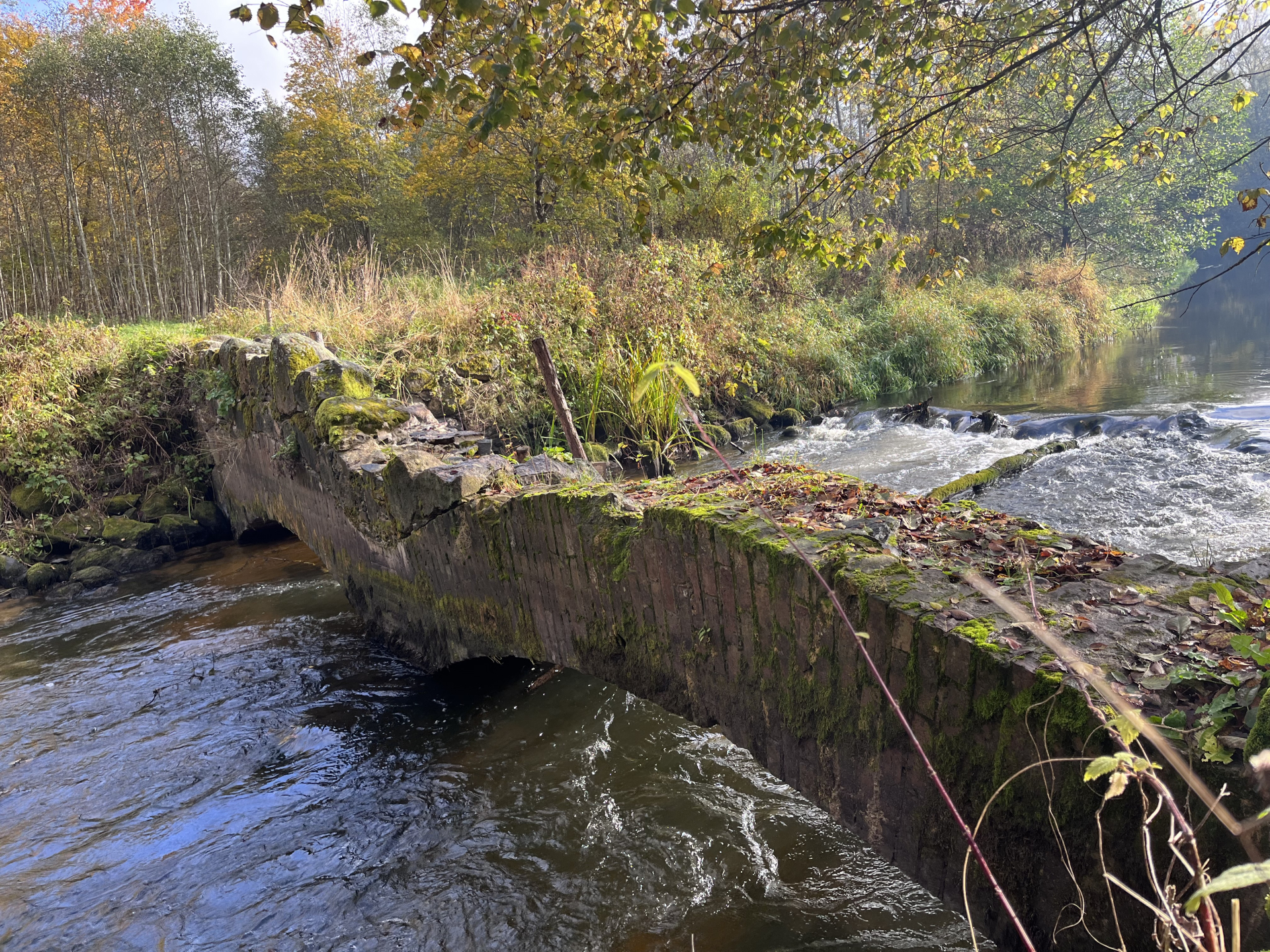
Remains of the foundation of the Kalinka mill © Maria Dyatlova
“There is everything here to create a small, incredibly interesting museum,” says Valentin, while we light a fire on an island in the middle of the river. — Just imagine what a weekend route this could be! Start in Maslovo, there is an excursion, a story about the mills, about the Vinogradov family. History of Old Believer entrepreneurship, collectivization, war, German occupation. This is such a fragment, such amber, in which life has frozen. And it all ends on this island, in a forest with a gentle river.
It's really very beautiful here. The mill stood on a bend in the Velikaya River; an artificial channel turned part of the land into a tiny island. While the flames of the fire are burning, the sun is slowly setting behind the treetops on the high bank. Valentin takes a pot out of a huge bag, places a porcelain teapot on a tree stump, and places bread and cheese on a Zhostovo tray.
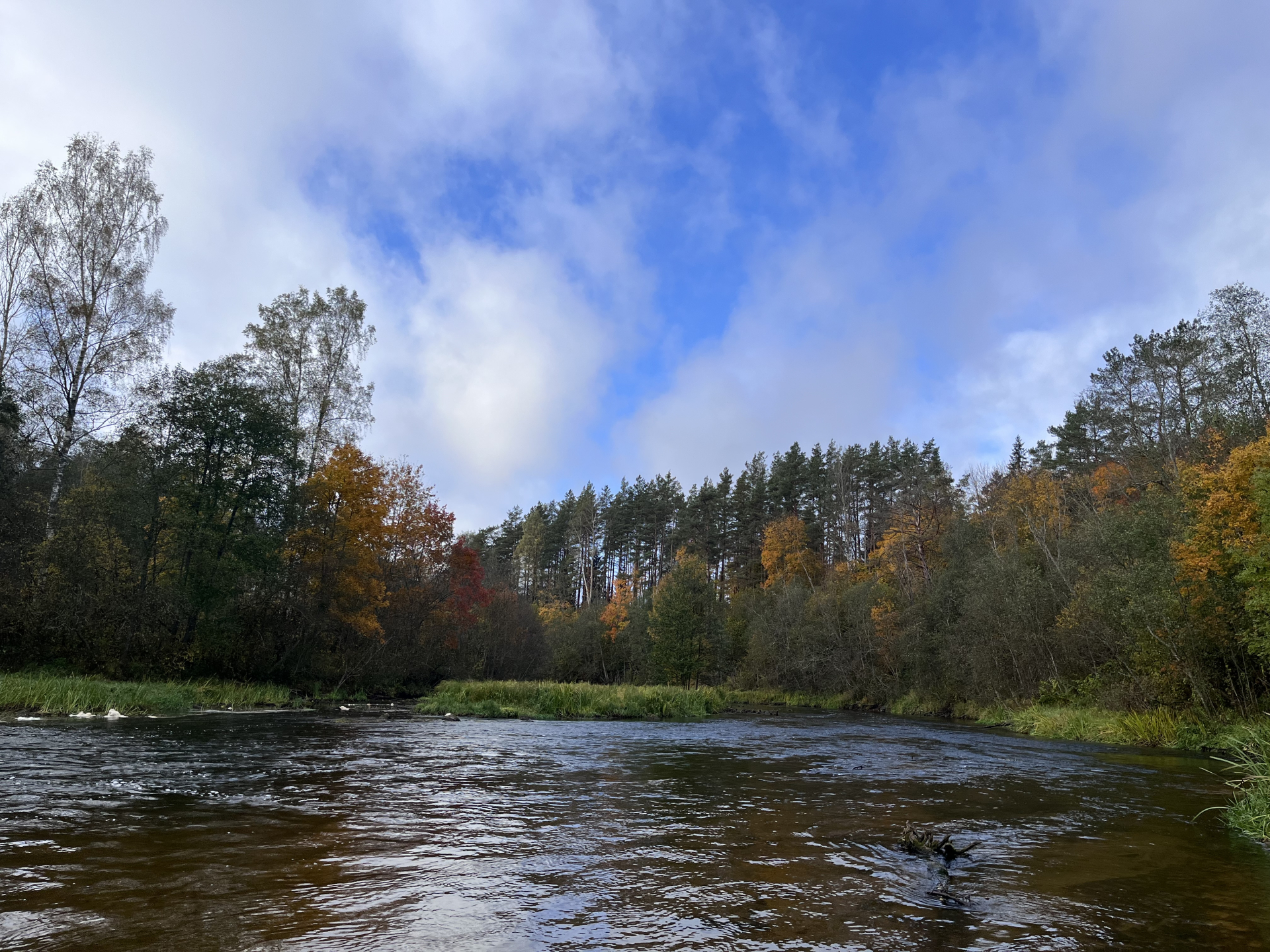
View from the island on the Velikaya River © Maria Dyatlova
“We just need to find someone who would take on this,” he reasons. - Some smart person who would enjoy moving here with his family, living next to the mill, leading tourists. This is a dream. Do you think this is completely impossible?
Andrei Sakharov Alley
The Karelin family ended up in the Pskov region in the early 90s, when the wife’s relatives bought a house in the village of Vishnevatka. Later, Valentin himself and his wife settled here.
“It’s just that Lena and I walked out through the forest to a hill on which stood an incredible apple orchard and such a house... a ghost house.” Well, somehow we realized that we wanted to live here.
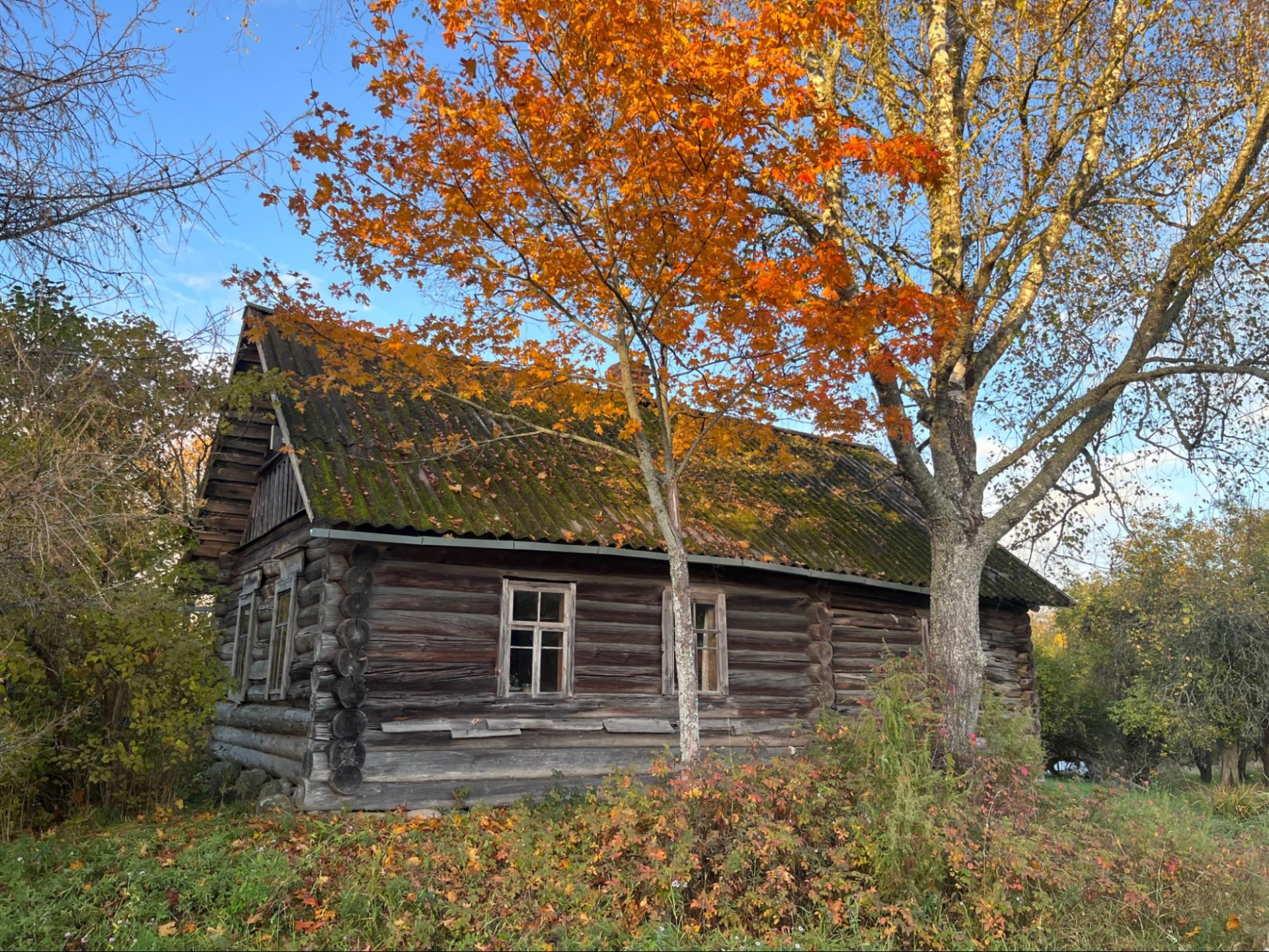
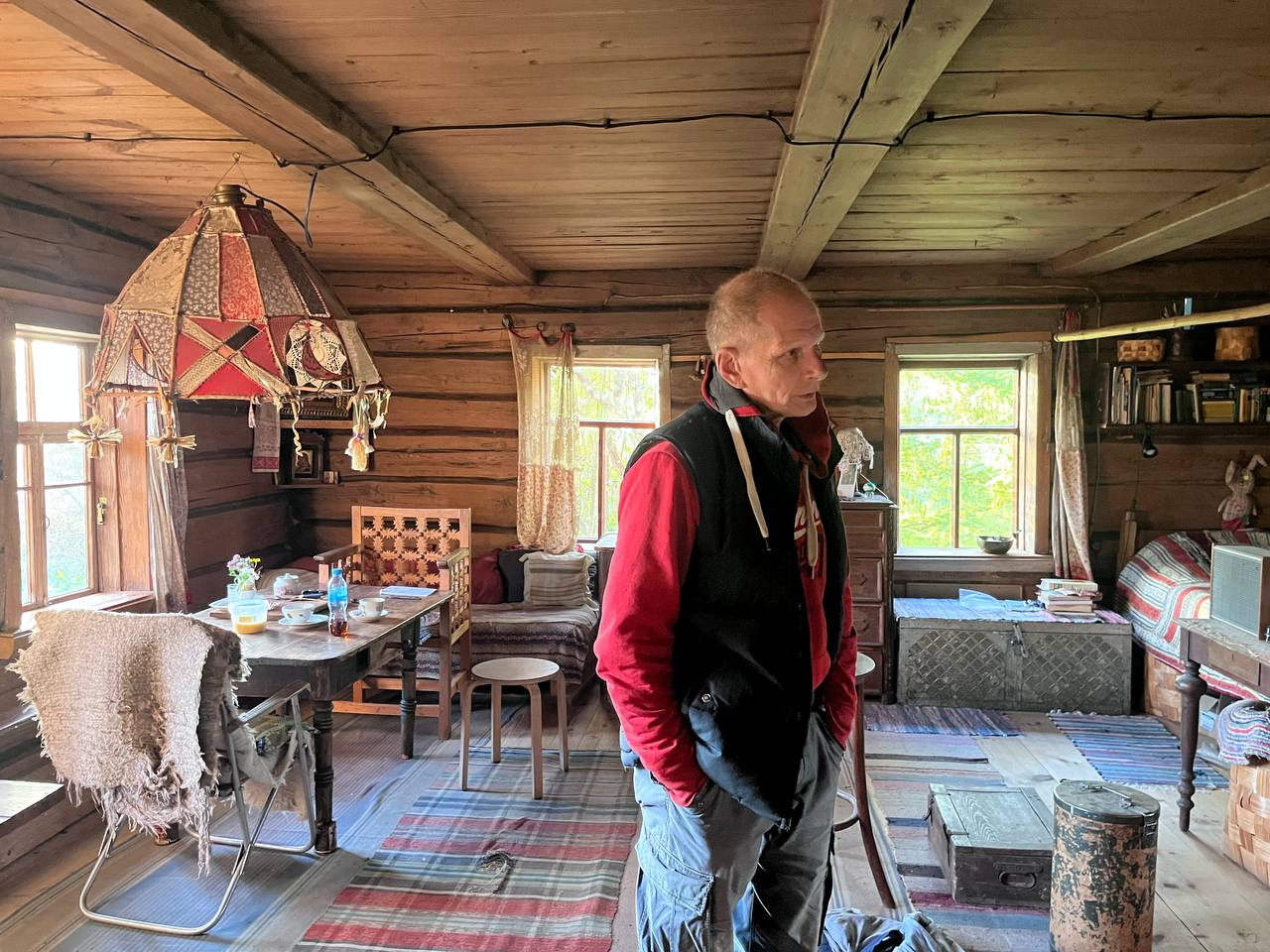
Valentin put the ghost house in order. Now it is a clean, albeit tiny hut with a newly laid floor and a new stove. Nearby, Karelin is slowly building a guest house - with lancet windows, the frames for which he saved during the renovation of the Petrovsky Travel Palace in Moscow. The decor in the hut is reminiscent of the life of a wizard from the film “An Ordinary Miracle” - tulle curtains, a strangely shaped chandelier, worn door slopes. Just a shirtfront under a stretched sweater - and Karelin will turn into Yankovsky.
Only no one lives in Vishnevatka except the Karelins. There is only one empty hut; the rest have burned down or been transported.
“The peasant Ageev lived in my hut, and everyone knew that this was Ageev’s apple orchard, the oldest apple orchard in the area. He had 60 varieties of apple trees. He was an individual farmer, did not join the collective farm, and under the Germans he was a headman, and therefore in 1943 the partisans killed him. Another house stood in a lowland, another on a hill, where a woman hanged herself after the war. There was also a blacksmith who blew himself up while dismantling German shells in front of his daughter and wife. They used these shells to suppress fish...
On the road that used to cross the living village, Valentine erected a memorial sign, something like a roadside chapel. Only in the icon cases, instead of icons, there are tools of rural labor. On the board at the top there is an inscription carved: “In memory of the village of Vishnevatka.”
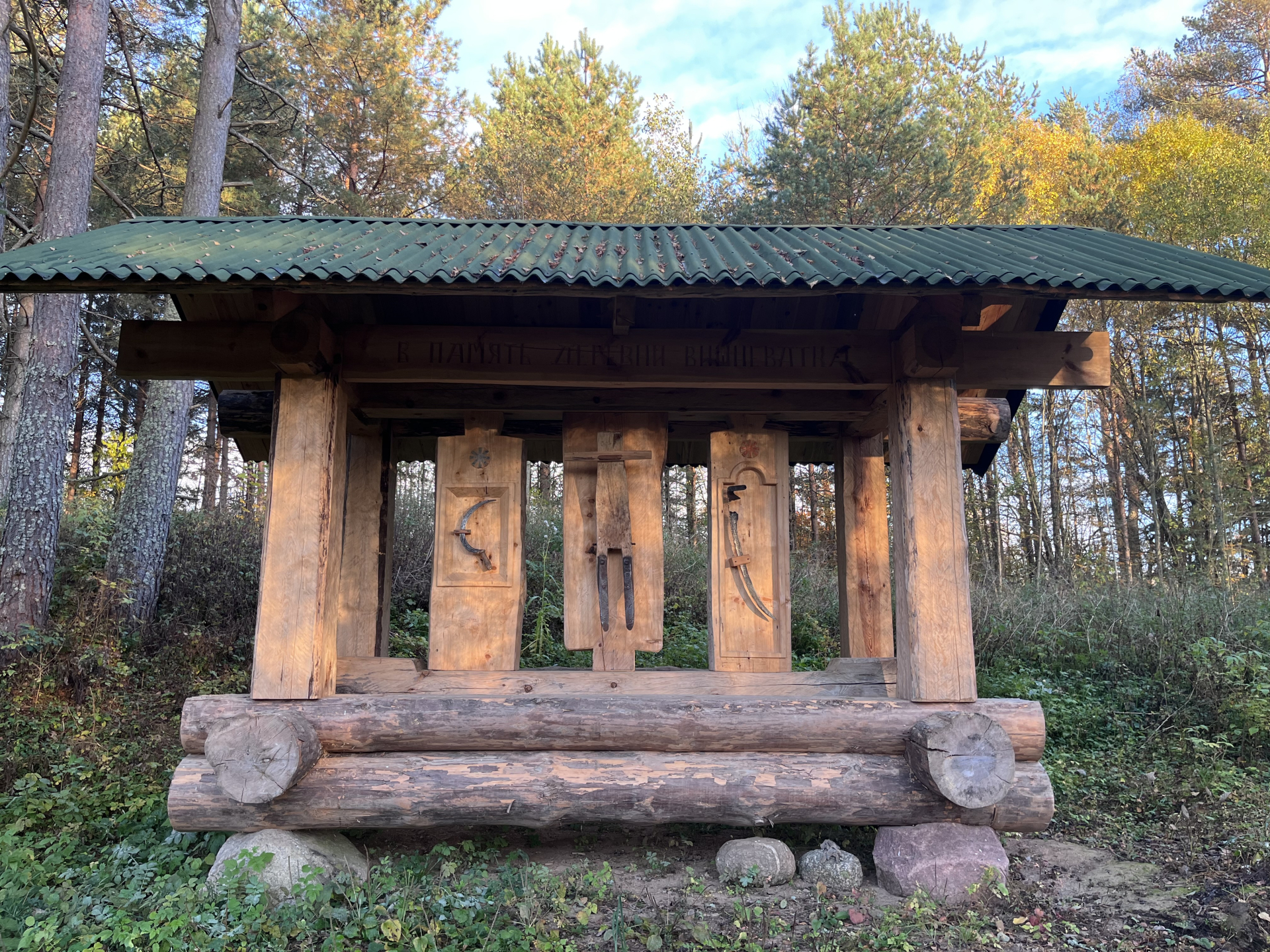
Memorial sign to the village of Vishnevatka © Maria Dyatlova
“I’ve planted sixty trees here over the years.” These along the road I personally call Andrei Dmitrich Sakharov’s alley,” he jokes. — When the Sakharov Center in Moscow was closed, I was asked to take some things from there. And I look - there are sprouted acorns in the yard. I collected it, brought it here and planted it to mark the entire length of the village.
Almost no one walks along “Sakharov Alley” in Vishnevatka. Our driver Nikolai and several other families live in the nearest village; the “Orthodox collective farm”, a sect of Tsar-worshippers, is also based there. At the end of the 2000s, it was founded by Eduard Ageev, a local native. His followers live without passports, run a common household, pray, and the ringing of their bells can be heard as far as Valentin’s hut. No one can say for sure how many of them there are now—either twenty people, or about a hundred. Such is the current influx of people into Pskov villages - summer residents and sectarians.
Valentin accompanies you to the road to Moscow, handing over a huge pumpkin and other fruits from his fairy-tale garden.
“It feels like this is an abandoned land, and people like me won’t save it,” he says as we cross the stream where he built a dam a couple of years ago. - Unless the ducks flew to my pond.