
Translated material
“You must be led out of the battlefield by the hand”
Lev Shlosberg* - about the fifth February 24

Photo: Alexey Dushutin / Novaya Gazeta
18+. THIS MATERIAL (INFORMATION) IS PRODUCED, DISTRIBUTED AND (OR) SENT BY FOREIGN AGENT SHLOSBERG LEV MARKOVITCH OR CONCERNES THE ACTIVITIES OF FOREIGN AGENT SHLOSBERG LEV MARKOVITCH.
In the 20th century, Russia and the Soviet Union participated in three global wars: the First World War, the Civil War and the Second World War (for the USSR, the Great Patriotic War). In less than 35 years, the same (borders are not important here) country, the same society went through three consecutive national tests, each of which changed society and left behind a mark, the furrows of which have not been erased to this day.
The First World War (July 28, 1914 - November 11, 1918) began for the Russian Empire on August 1, 1914 and ended on March 3, 1918 with the signing of the Brest-Litovsk Peace Treaty of the RSFSR with Germany and its allies. According to various sources, from 12 to 15 million people were mobilized to participate in the war as part of the land army and navy. Sources estimate the total military losses of Russia (killed, died from wounds and diseases, died in captivity) from 1.7 to 2.3 million people and more.
The time of the Civil War in Russia is counted from the date of the Bolshevik coup on October 25 (November 7), 1917 and ends with the defeat of the main white armies and the formation of the USSR on December 30, 1922, but isolated hostilities and partisan wars continued until June 1923.
The human statistics of this war remain highly uncertain. During the Civil War there was and could not be one center of mobilization, a single military command, a single accounting of losses, or a common understanding of the composition of the participants. Even after the end of the war, no one was able to collect and bring together information from the Red and several White armies, national formations, interventionist armed forces, spontaneous military units and partisan formations.
Millions of people took part in the fighting during the Civil War; it is highly likely that the aggregate figure is in the double digits in the millions. The number of those killed is very roughly estimated at 3 million people and significantly higher, because the fighting was accompanied by famine, epidemics, red and white terror, when the number of those executed was actually lost.
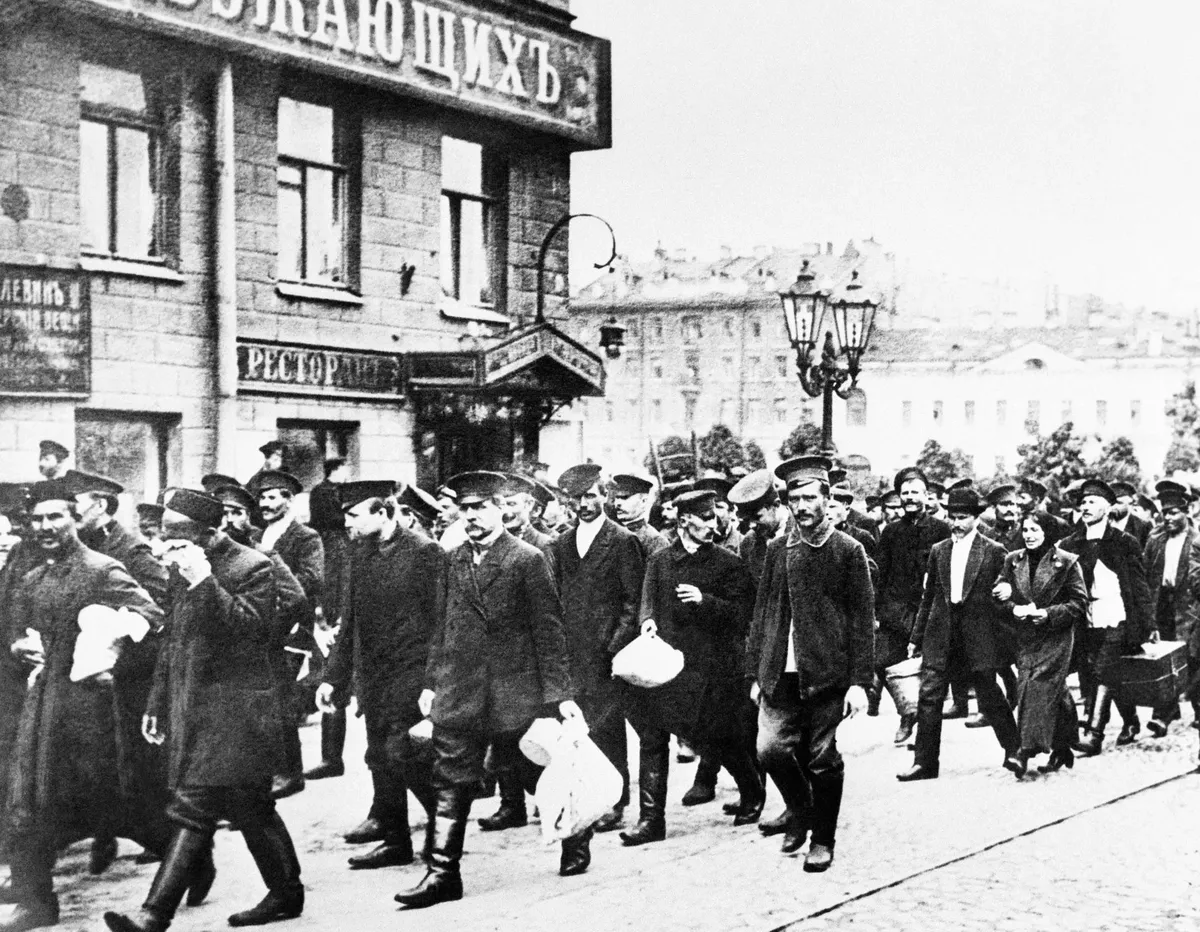
The scale of the tragedy is indicated by the number of street children (left without parents), which in 1921 was estimated by researchers to be from 4 to 7 million people. In 1922, 540 thousand children were officially kept in Soviet orphanages. The rest wandered around the country and lived wherever they could.
The Second World War (September 1, 1939 - September 2, 1945) began for the USSR on June 22, 1941 and ended, as for all its participants, with the surrender of Japan. During 1941–1945, according to various estimates, from 25 to 34 million people were mobilized into the Red Army and other armed formations of the USSR.
Most often, in official sources, the figure for losses of the USSR (all union republics) is indicated at 27 million people - both military and civilian. The structure of losses (dead, died from wounds, missing, died in captivity) depends on the calculation method and, in the absence of a complete record of names, as well as the remaining closed parts of archival materials, represents estimates of varying degrees of accuracy. Demobilization after the war lasted from 1945 to 1948 and gradually affected about 25 million people (the number increased annually).
A new global military campaign, lasting more than four years, was a special military operation in Ukraine, launched by Russia on February 24, 2022. Its duration has already exceeded 1418 days - a psychologically critical figure for the duration of the Great Patriotic War.
The statistics of participants and losses in this campaign are officially closed and, I assume, will remain closed for a long time. The Ministry of Social Development of the Russian Federation reported in 2025 that its structures issued about 3 million certificates of participation in hostilities.
The very duration of the military operation and the involvement of residents of all regions of Russia in it, without exception, allows us to speak of the deep mark that it has already left and will continue to leave in Russian society.
The main consequences of any military campaign are the people who took part in the fighting. First of all, the dead, of course. But for peacetime (which will come sooner or later), the condition of millions of people who went through battles and returned home is of great importance.
The post-war trace in any country at war is the families of the dead and the families of the survivors (including the survivors themselves). A large community of people is spontaneously, but inevitably, being formed in the country, each of whom can be called wounded - not only physically, but also morally. Physical wounds heal faster than moral ones. Moral trauma accompanies a person who has fought all his life and directly (often tragically) affects his family and friends.
The community of those who fought can be the driving force behind great events, including political ones. This community keenly perceives and evaluates the actions of the authorities, the attitude of society towards itself and the results (including the consequences) of the military operations in which these people took part and the memory of which is now forever with them.
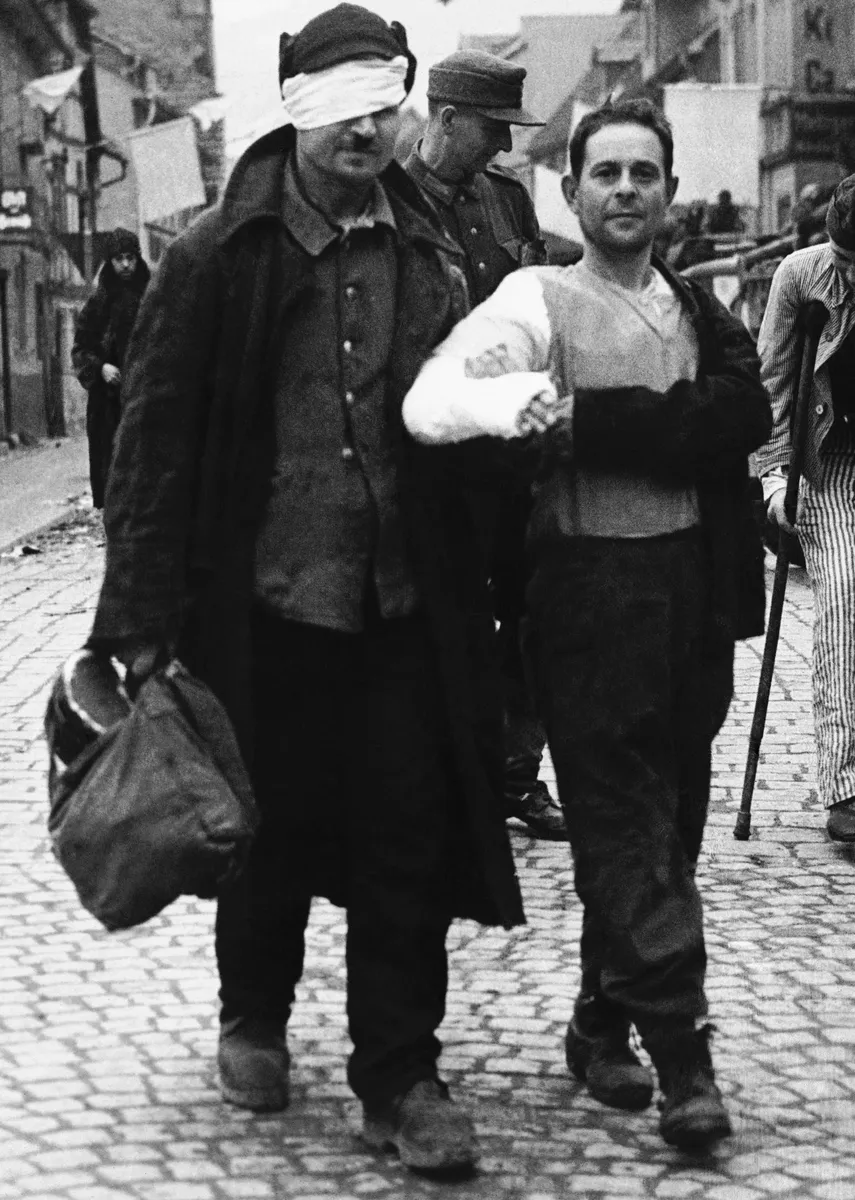
Participants in the First World War, who experienced not only the hardships of military life, but also all the consequences of the senselessness of war for Russia, became a powerful force that first achieved the abdication of Nicholas II from the throne on March 1, 1917, then this force (not all) became part of the destructive and destructive Bolshevik movement and, ultimately, the coup in October 1917, which not only broke the Russian state, but also split the one swollen with enmity Russian society.
The Bolshevik coup immediately opened the abyss of the Civil War, in which participants in the First World War found themselves on all sides of all fronts of the fratricidal tragedy. As a result, the red terror defeated the white terror, the country was devastated and drenched in blood, the number of dead could never be counted, and the street children of the Civil War, deprived of parental love and family warmth in childhood, became not only the builders of a new society, but also thousands of ruthless executioners of Stalin’s repressions.
The Great Patriotic War occupies a special place in history because it is the only war in the 20th century, at the end of which the surviving people experienced an inspiration unprecedented before or since and, having suffered unprecedented losses, expected freedom as the main reward and hoped for freedom, which with the end of the war never came. Tens of millions of people suffered through Victory, but returned to Stalin’s camp.
Any state that has gone through a major military campaign is faced with the question of how to deal with people returning from the front. There are many great risks in communicating with this very vulnerable and sensitive community to untruths and injustice.
- The first risk is to continue talking to these people in wartime language, which presupposes a division of society into front and rear, friends and foes, friends and enemies.
Yes, these people understand the language of war well and are accustomed to it. But such language presupposes action, and action by force, aimed at the enemy. Who will be presented to these people as an enemy within the country when the fighting is over? Who will be formed into the image of an enemy for these people? And for what? Will these people be assigned peaceful or military tasks?
The second risk is the manipulation of these people for political purposes, the creation of a special political detachment from them, which will be in demand exclusively for election purposes, to generate the desired score on the board of the election commission. Such campaigns cannot be hidden or disguised in any way. When combat veterans feel like disposable political units, they immediately perceive this as a consequence of manipulation and cynicism. The consequences can be very different - from rejection to aggression.
The third risk is abandoning individual work with the millions of people who participated in the fighting in favor of standardized mass work. I fought for a year - this is for you. I fought for three years - this is for you. I was wounded - this is for you.
The task of rehabilitating combatants is not to distribute benefits and compensation, but to help people personally experience post-traumatic syndrome - the main post-war companion of all those who have passed through the front.
These people continue to live in wartime space, they have formed a military consciousness, they see war dreams, and the cruelty and fear of the battlefield remain in them.
A man on the battlefield kills himself and can be killed. The internal psychological transition of the blood barrier is the most serious and always lifelong consequence of a person’s passage through war and wars through a person.
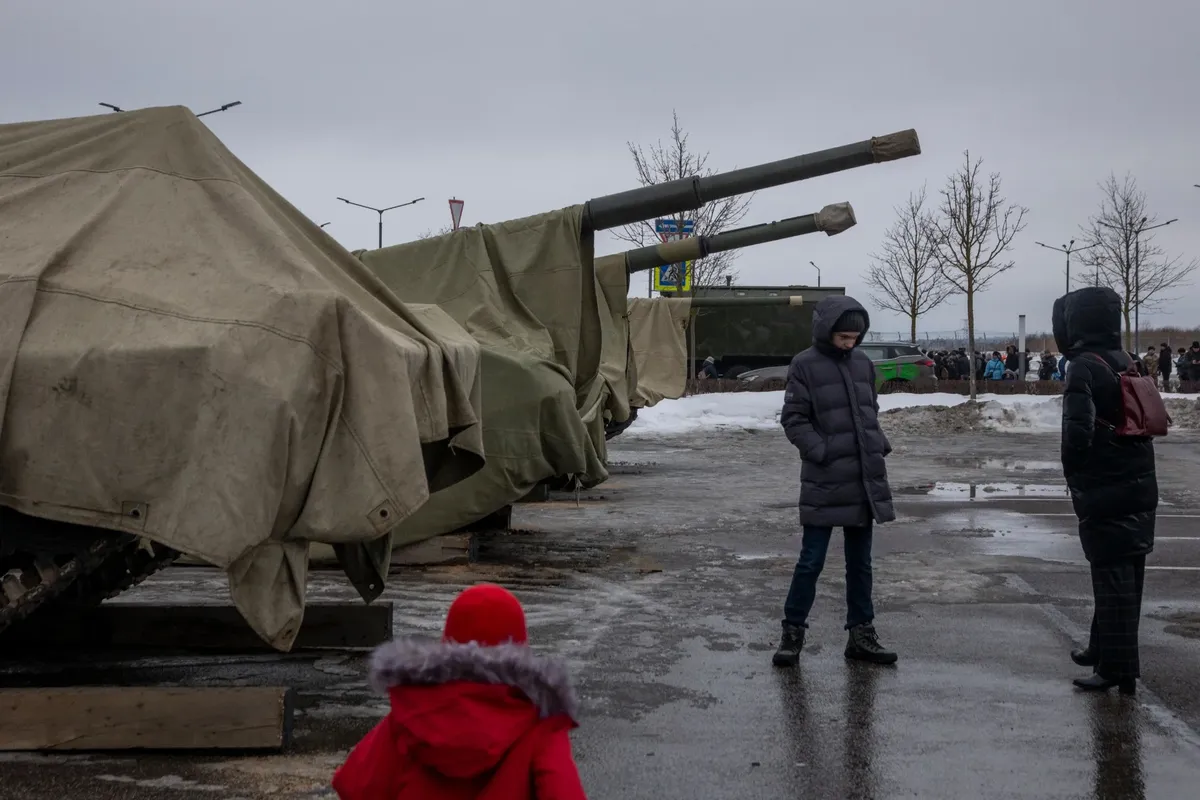
The soldiers of the First World War became the driving force behind the destruction of the state in which they were severely disappointed.
The Bolshevik revolution and the Red and White Terror it caused gave birth to millions of people for whom human life was worth practically nothing. This is also why the participants in the Civil War became the executioners of future repressions. They learned to kill before they loved.
Everyone who lived in the second half of the 1940s and the first half of the 1950s remembers what happened on the streets of post-war cities, when they were filled with people who knew nothing in life except to fight. These people didn't have time to learn anything else.
The main task of the state in the post-war period is to remove combatants from wartime and return them to peaceful life, to rid these people of military consciousness and transfer them to a peaceful state.
In the last quarter of the twentieth and early twenty-first centuries, our country saw people with unexperienced post-traumatic syndrome - after the invasion of Soviet troops in Afghanistan and two wars in Chechnya. Not once have the authorities been able to tactfully and professionally work with people returning from the killing field. The fate of most of them was tragic.
There cannot (should not be) an abstract state in the face of a specific person. To take people out of the battlefield after a battle, they must be taken out one by one, each by the hand.
All survivors at the front return home. Some go to their parents, some go to their own family, some go to loneliness.
The fourth risk is the state’s unwillingness to support the return of people who fought to private life, which, on the one hand, must be protected from interference by anyone, and on the other hand, this private life, which has developed in a variety of ways - is fragile for everyone - may not withstand the test of the condition of a person who has brought within himself the spirit of contact with death.
Alcohol, drugs, violence, along with a sense of permissibility and permissibility, also return from the front to peaceful life along with many people after the end of wartime. Almost no one can cope with such a load without the participation of specialists, and those who are ready to work with precisely such people, with such addictions.
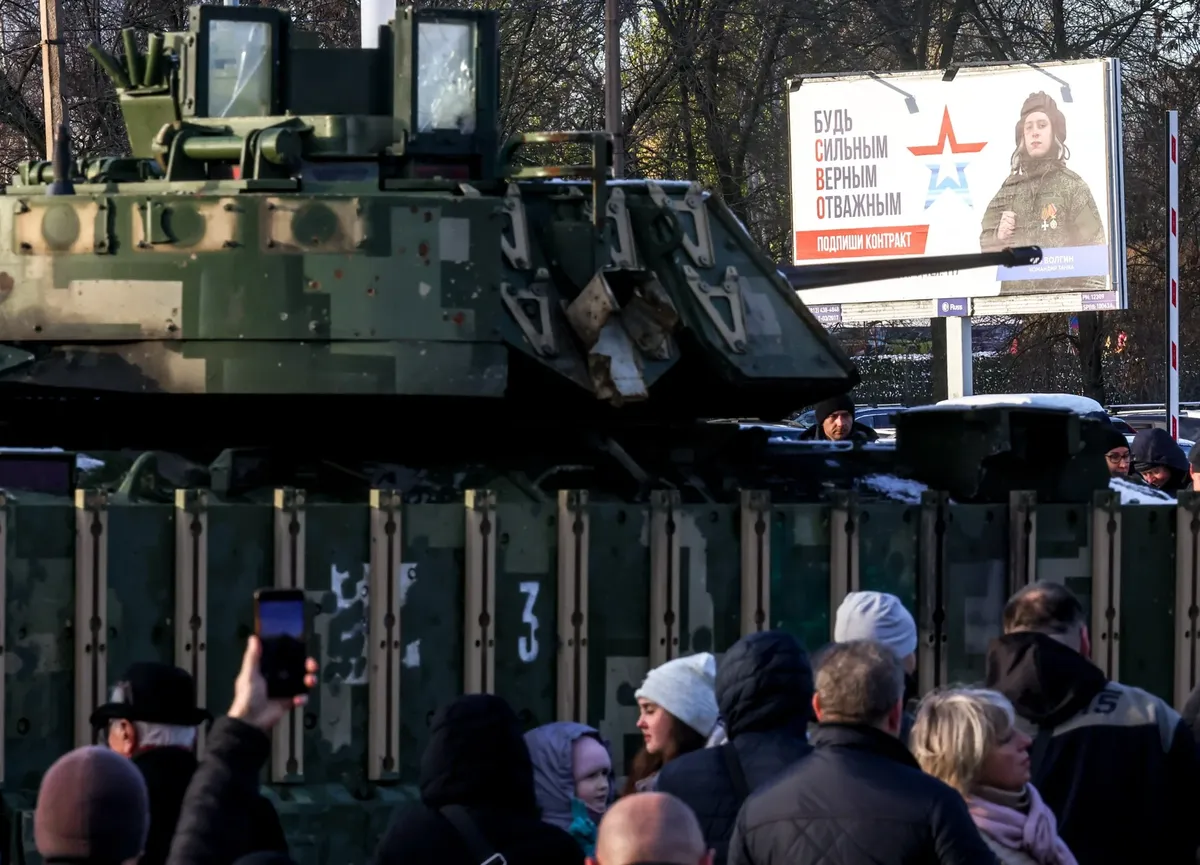
People returning from the battlefield are a deep scar on society that runs across the country. This is a wound, the healing of which requires the efforts of thousands and thousands of specially trained people, the participation of millions of family members, the willingness of society to talk with these people and the state's understanding of its responsibility for these people forever, for life for each such person. Because on February 24, 2022, the decision was made by the states.
No country will wage war with its own army. The army leaves society and returns to society, changing it significantly and for a long time. If you were unable to help the army return from the war, you will face a serious test within the country in which the army finds itself unsettled in peaceful life, psychologically undisarmed. History shows that avoiding answers to questions from those returning from war is fraught with a new war, including on one’s own soil.
I really wish the sixth and twenty-fourth of February did not happen. Every day the number of people living close to death increases. Every day the death toll increases.
Every day the number of relatives of those killed increases. Every day there are more people wanting to avenge their dead. Blood gives birth to blood. Hatred breeds hatred.
Every day mothers wait home for sons, wives for husbands, sisters for brothers, girlfriends for friends. They are waiting alive.
Every day the road from military life to peaceful life increases. The most reasonable, most responsible, and the only politically and humanly correct way out is an early ceasefire by agreement of both warring parties. Millions more people are alive. This is sufficient reason for the higher power to stop.
The transition from wartime to peacetime is much more difficult than the transition from peacetime to wartime. One hour is enough to transition from peacetime to wartime. And it takes years and years to change the clock of society from wartime to peacetime.
To avoid the sixth and twenty-fourth of February, we must take a step towards peace. Anyone who wants to return society to peaceful life and understands the severity of the military burden will take this step first.
Lev Shlosberg, Pskov, February 24, 2026