
Translated material
Ekaterina Shulman: “It’s becoming increasingly difficult to maintain the illusion of normalcy”
Political scientist Ekaterina Shulman In March 2025, the Russian Ministry of Internal Affairs put her on the wanted list. Shulman left Russia in April 2022. That same year, she was added to the register of “foreign agents.” The Ministry of Justice stated that this decision was made because of the fee for Ekho Moskvy. At the end of July of the same year, the Meshchansky District Court of Moscow arrested her in absentia in the case of evading the duties of a “foreign agent.” in an interview with Present Time, she spoke about how four years of Russia’s great war against Ukraine influenced Russians. Who profits from the war, who suffers losses, do Russian citizens see “light at the end of the tunnel”, how in a warring country gradually “the living flesh of everyday life is being corroded by the acid of war.”
"This war is an example of a net loss to humanity"
– How did the war affect you personally?
– I have never been a fan of Nietzsche’s thesis that what does not kill us makes us stronger. I think that what doesn't kill us makes us disabled. It is clear that the losses experienced are then considered as some kind of achievements. In the sense that if I was able to get through this and somehow survive, then how strong and resilient I am... Rationally, looking back at these past four years, I think the only reasonable reaction is that it would have been better if none of this had happened. Everyone would be better off if none of this happened. Even those who consider themselves beneficiaries of this war, even they would be better off without it.
This war is an example of a net loss to humanity
This is one of the amazing military conflicts and one of the amazing political decisions that, in general, does not benefit anyone. Not to mention its direct victims and indirect victims like us. People who have lost their home, job, social status.
As for those who earned money from this war or retained their power, they would have earned money without the war. And, in general, nothing special threatened their power. This war is an example of a net loss to humanity. This is, it seems to me, a basic awareness that has been present all these four years and has not changed over these four years.
It’s good that you can continue some kind of professional activity in new conditions. It’s good that you manage to preserve yourself as an individual. It's good that your family is with you. This is all wonderful, but this was also before the war.
And, if there had been no war, then in these four years it is clear that all of our development, including professional development, in normal, natural conditions characteristic of us, would have gone much better and much more correctly in Russia.
If we talk about lessons learned, one of them is that man is truly an adaptive creature, as we have said many years before. It turned out to be true. Adapts to a lot, adapts to a lot. Not without losses. With losses.
Probably everyone who survived these four years wondered what remains when everything is taken away? Having lost everything, what are you left with? This something is some kind of indestructible, except physically, part. Perhaps this is our personality.
This deprivation of everything allows us to prioritize quite clearly. That is, you understand what is absolutely necessary, and what, in general, it turns out you can do without.
Who has what as the center, as the tax authorities put it, the center of vital interests? This is the center of your vital interests - what is this? This is your family, this is your professional identity, this is your civilian identity, this is your geolocation - you have nothing more valuable than it. This is a way of life - living conditions, and they define you.
Having lost them, you no longer really understand who you are.
This, I think, is what everyone who was hit by this war realized about themselves in four years. Or I could understand if I had the skill of reflection.
"The average Russian is a woman, his name is Elena Smirnova"
– The average Russian. How is he living all these four years of the great war?
– During this time, the average Russian has already become over 40 years old. He is a woman, his name is Elena Smirnova, she has 1.6 children. And during this time there were fewer of them, these “children”; she lives in a city apartment, in an apartment building and would like to live in her own house. But she does not have such an opportunity, and she has a domestically assembled car.
What has changed in these basic parameters during the war years is that our Elena Smirnova has become older, and she has fewer children. A domestically assembled car is now Chinese. Here, so to speak, from the base.
Elena Smirnova began to save more on food
Elena Smirnova’s income increased slightly in 2022 and 2023, and since 2024 they have continued to decline. Elena Smirnova may be less likely to travel to Turkey and Egypt, although she may continue to do so. And now she prefers domestic tourism, although it is also expensive for her.
Elena Smirnova began to save more on purchases, even on food. And when choosing goods, the price parameter comes first for her. This is about consumer behavior.
Elena Smirnova began to save less because everything had become more expensive. The rise in price worries our Elena and is considered one of her main problems that worries her. This is the picture that emerges from sociological research.
Here we can also say that, say, the demographic trends that developed in Russia in the 2000s would have developed in approximately the same direction even without the war, but the war accelerated them.
Russia in the 2030s will be a country populated by older women
Russian society was aging, Russian society was giving birth less, and the birth rate continues to fall. During the war years we reached minimums in the entire history of observations. In my opinion, on the territory of the current Russian Federation, more children were born in 1944 than in 2024. Such are our demographic achievements ( demographers also associate the decline in the birth rate with previous “holes”, including due to the low birth rate in the 1990s, and in 2025 Russia classified demographic data - Note RS ).
The murder of a large number of young men and, accordingly, the departure of a large number of young people of both sexes reinforces the trend that existed before. Namely, the trend of aging. Perhaps after the war Elena Smirnova will grow up and Russia in the 2030s will be a country populated by older women. More and more populated by older women.
What did the war unfold? This is a trend towards a slight increase in average life expectancy, including for men. Women continue to be the beneficiaries of this trend, but for men it has somehow reversed. As they write on the Russian Internet: “Oh, what happened?”
– If we talk about the losses from the war for the average Russian, what are they? What are they primarily associated with?
Elena Smirnova is worried and annoyed by restrictions on the Internet
– If we rely not on our own feelings, but on the data of opinion polls, then we see that our “average” Elena Smirnova, our respondent, is worried and irritated by restrictions on the Internet.
She is accustomed to a certain level of service, to a certain speed of communication, to the availability and low cost of communication tools. When they start taking it away, it annoys her. A sensation arises, it is only a sensation, but, nevertheless, the articulated irritation about this is a kind of transference.
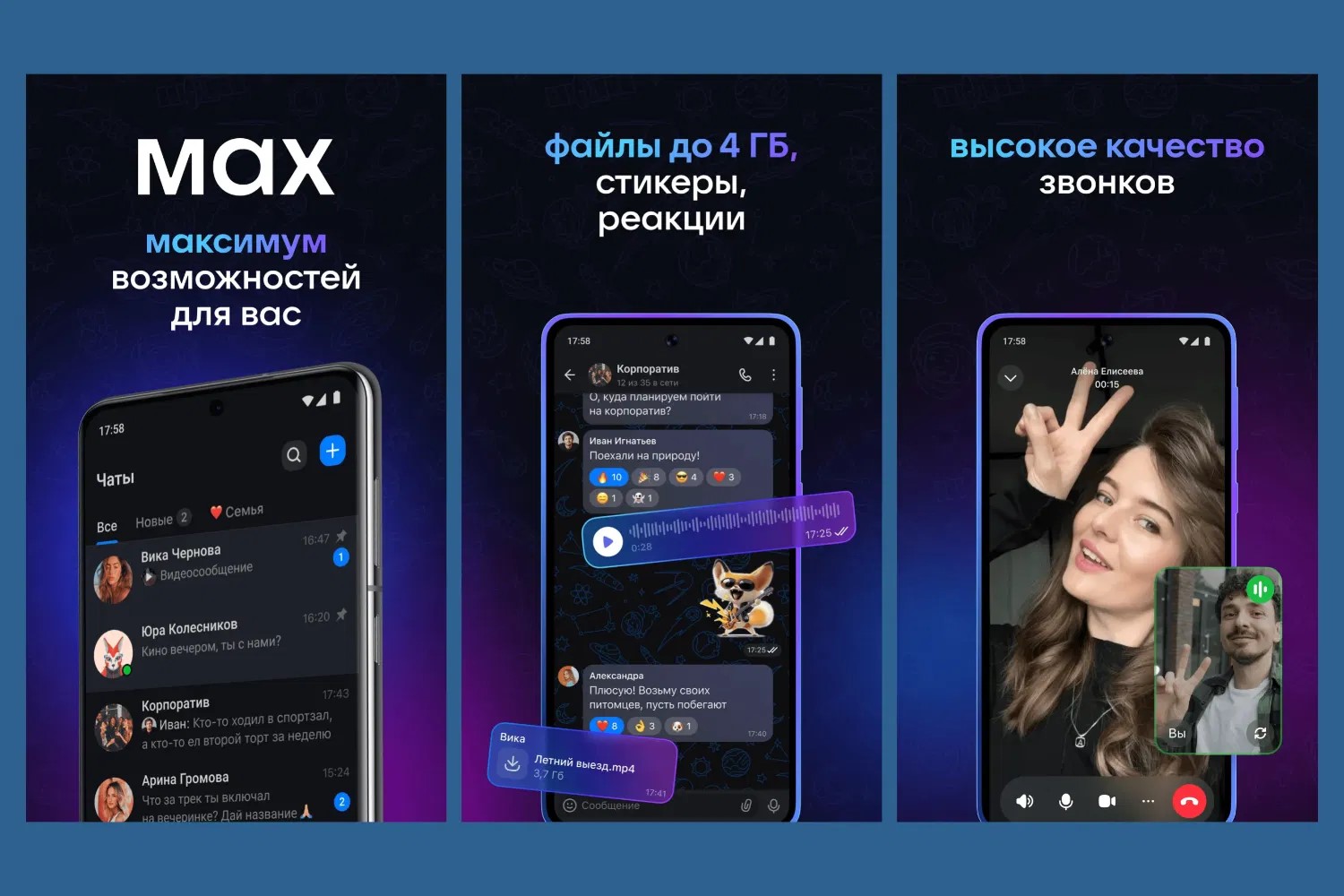
Have you perhaps noticed a trend in Russian permitted public space, when people suddenly attack some subject with some kind of inappropriate passion? For example, the cat was thrown out of the train, or Larisa Dolina sold the apartment incorrectly , or you can no longer call on messengers . This is of course important. And the cat is important, and the stability of ownership is important, and of course, everyday communication tools are also important.
But the passion with which it is discussed seems to be some compensation for not being able to address the elephant in the room. That is, here we live in a room with an elephant that regularly tramples a certain number of people. But you can’t talk about it, you can’t look at it, you can’t call it an elephant. The word is prohibited; you can’t address it in any way at all. But that’s why, with the frustration that has accumulated in us, let’s talk about the cat or WhatsApp. There is such a feeling. Although, of course, when listing these objects of public indignation separated by commas, one must understand that they are not entirely equivalent, of course.
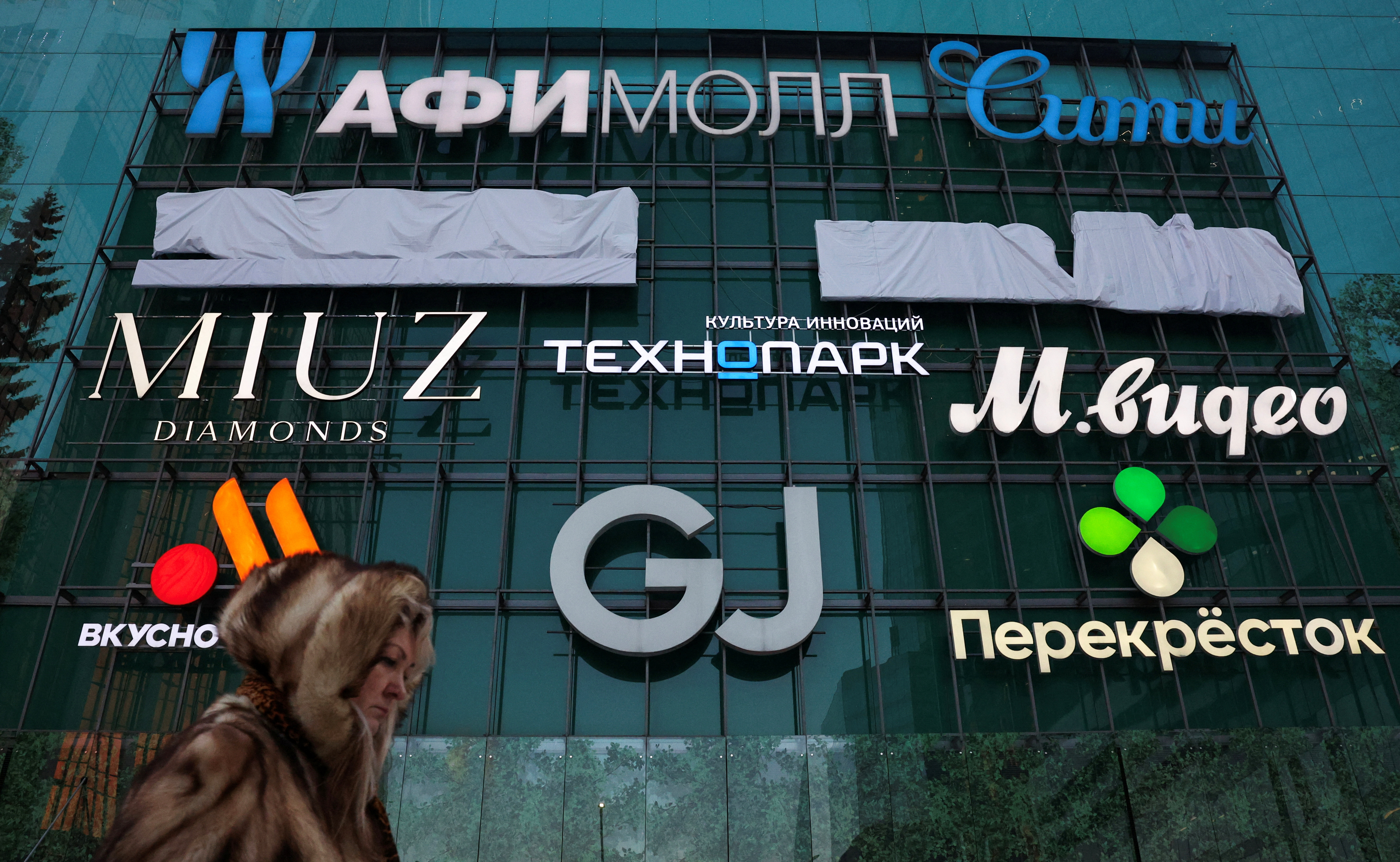
Life in Russia - family, economic, commercial - in general, everyday life was built on messengers, so their destruction, the imposition of this strangely working MAX , of course, corrodes the fabric of existence, so this really concerns everyone.
by Radio Liberty Text copied width px height px The URL has been copied to your clipboard
No media source currently available
The illusion of normalcy is becoming increasingly difficult to maintain.
As for the loss of freedom. Well, listen, our percentage of people with international passports remained at 28% for quite a few years. 28-29% did not have a passport at all. Most of these people used it, naturally, in order to travel to Turkey. Therefore, these losses affect the average Russian to a lesser extent. It concerns the erosion of the fabric of everyday life that has accumulated over these four years. It seems to me that in the past 2025 it really came to the slow-witted ones.
The illusion of normalcy, which is so dear to the heart of every autocracy and to maintain which so much effort and resources went into... this illusion is becoming increasingly difficult to maintain. More and more abnormal - arrivals are becoming more and more common in more and more Russian cities. All sorts of disappearances of what was taken for granted over the past two decades - like cheap taxis, Internet in cities, the ability to build a route using a map on your phone, the ability to pay everywhere with a phone or even a card. This is where it starts to shrink. It hasn't disappeared, but it's starting to shrink.
This is precisely the process of erosion - how the living flesh of everyday life is corroded by the acid of war. This is, in my opinion, the main trend of the past 2025, which distinguishes it from previous years.
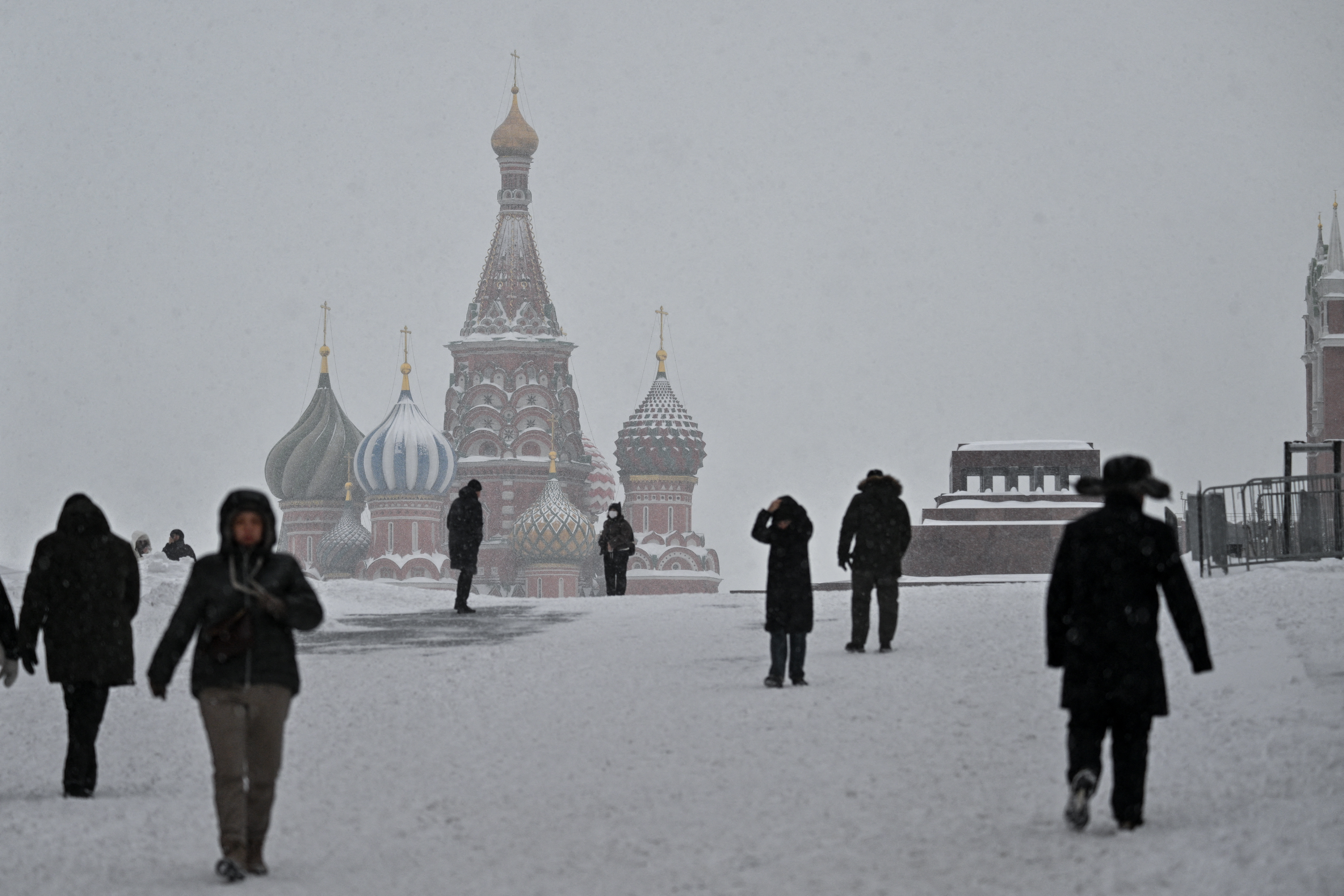
"Russian youth are unhappy patriots"
– How do you think the war affected the younger generation? If we talk, for example, about the consequences of the war for Russian students.
– The most important thing to say about it is that there is less of it. It became less for the following reasons. The first objective reason is demographic. Demographic hole. And the second reason is the departure of some and, accordingly, the enlistment of others into the army - voluntary and not voluntary. The third reason is a sharp reduction in places in universities.
The policy of restricting access to higher education is a deliberate, generally declared state policy. And, by the way, within a year she showed herself. Let me remind you that almost the first international agreement from which the Russian Federation withdrew when the war began was the Bologna Agreement on Russia’s entry into the Bologna system, which postulates a two-stage form of education - bachelor’s and master’s degrees. We left there in the spring of 2022, although it would seem that this was not the first thing we should have thought about. It turns out that's about it.
Since then, both budget and extra-budgetary places have been forcibly reduced. A policy is being pursued to close commercial private universities; programs at universities are being rewritten, especially in the humanities and social sciences. It makes it difficult for children to enter grades 10-11 in order to force them to go to vocational schools and colleges, and thereby shorten the period of study, speed up their entry into the labor market, and also actually facilitate their entry into the army.
The student benefit has not gone away, it remains. It's just more difficult to become a student. The state believes that it needs fewer people with higher education. In particular, he needs fewer people studying social sciences - law and economics.
My science of political science is actually prohibited . This word is considered not quite decent. Now this is called some kind of study of traditional values. Religious studies, international relations - this is possible, but political science - not.
Also, everything that is called Liberal Arts is not allowed, because the word Liberal is also not legalized. This is really happening.
By the way, those few remaining budget places are distributed among beneficiaries, among whom are the children of participants in the “SVO” ( as the war in Ukraine is called in Russia - Note RS ), either themselves or their wives. Not many of them come to these places; their sphere of vital interests often does not include obtaining a higher education, but nevertheless this adds to social tension.
In general, we see from all the studies available to us a fairly clear correlation between age and the degree of loyalty to the ongoing government policy.
The elderly are the most happy, the elderly are the most bloodthirsty, the elderly support the use of nuclear weapons and mobilization - this is literally a nuclear apocalypse. The younger you are, the less enthusiasm you have about this. After all, this is a very clear line: the older, the more ferocious the Russian respondent. The younger he is, the sadder and less satisfied he is at the same time with what is happening, and he experiences more fears about the future.
And this is a rather paradoxical picture if we think about it. Previously, it was believed that war was “the work of the young, a cure for wrinkles,” that the young should be in favor of movement, and the elderly should be anxious, value stability and generally not make sudden movements.
Born in the 1950s - the generation that destroyed Russia
But with us it’s the other way around. We have anxious and rather pacifist-minded young people and desperate, so to speak, not afraid of God, elderly people who are not ashamed of people. Some kind of separate study, I hope, will someday be written about the generation of people born in the 1950s. Those who are now in power, those who have been in power for a long time. You can imagine the title of this book: "Born in the 1950s. The generation that destroyed Russia." But let's not engage in ageism.
In general, Russian youth are small in number and pessimistic - they are such unfortunate patriots. They all identify as patriots because it is the socially acceptable answer, but they are unhappy in their patriotism. They don't like what's happening. At the same time, they do not exactly demonstrate, at least sociologically, an inclination that is revealed in them not for revolutionary struggle, but for unification. In order to shrug off this misfortune a little. It is assumed that you need to survive, you need to adapt or leave. The desire to leave expressed in surveys is never converted into real behavior, otherwise everyone would be leaving everywhere. A very high percentage of people, especially young people, usually say that yes, we would not mind. They won’t go anywhere in particular, while Russian youth are generally mobile.
But the main mobility in Russia is not moving abroad, but moving from small cities to big cities, to the regional capital, and from there to Moscow. The concentration of human resources continues, mainly at the expense of young people. This great migration of people is still happening.
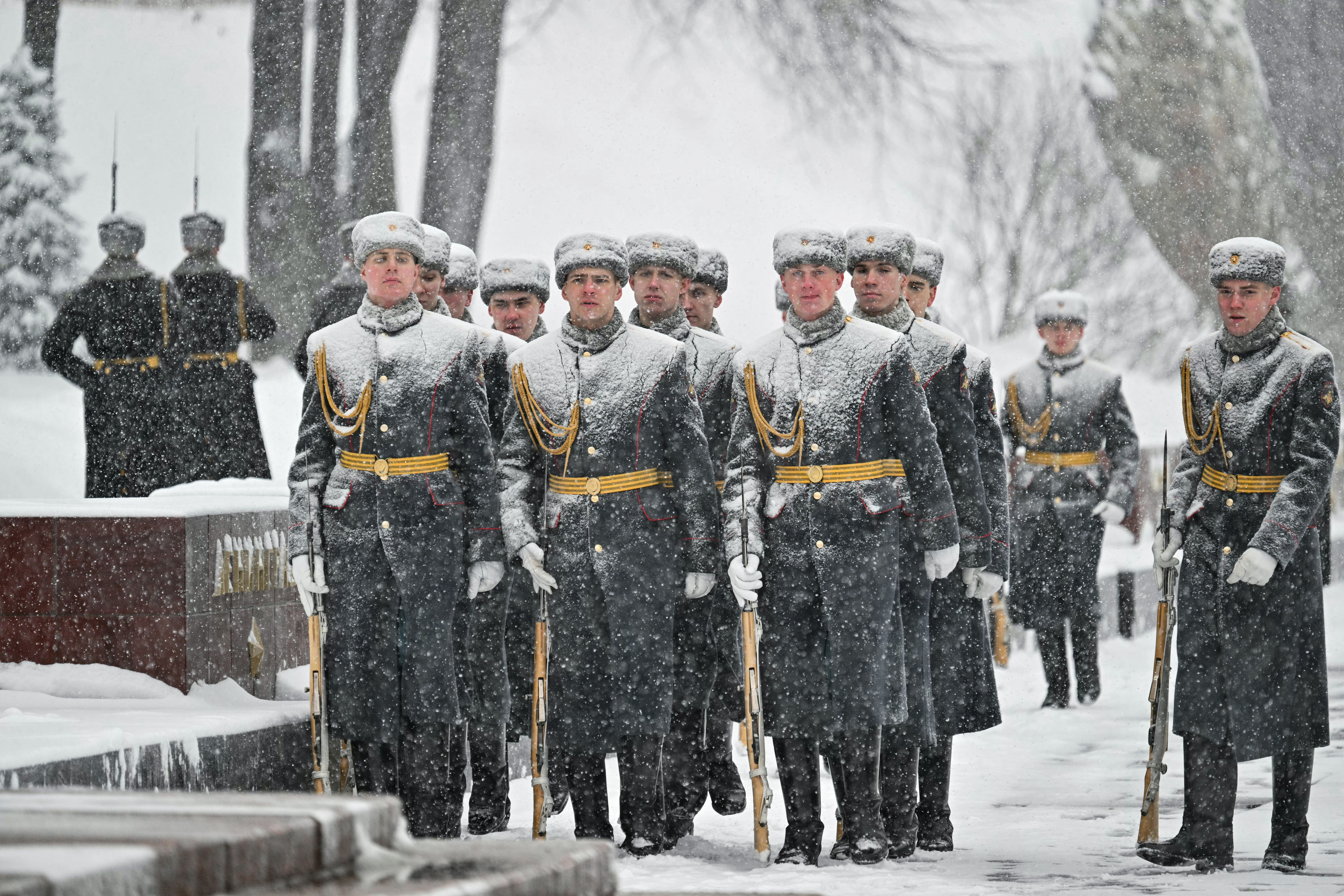
“Either you will be imprisoned, or you will go to the regional administration”
– The average Russian official. Is he among those for whom war is a new “benefits”?
– Depends on where our average official works. Is he in uniform or not in uniform? If he is in uniform, then he is doing better - in terms of salary and some sense of who is now the boss of the country.
A civil official receives less than others and is more likely to be imprisoned than others
If this is a civil official, then since 2020, with Covid, all the burden has fallen on him, especially if he is a regional civil official, in terms of the real daily management of life in the country. At the same time, he receives less than others, and he is imprisoned more often than others.
Regional civil servants are the most imprisoned category. Previously, we had mayors - the most vulnerable in this regard, in the sense of initiating criminal cases. Mayors were equally likely to sit down compared to the other two most common career paths, namely moving to regional government, or what was referred to in this study as “going off the radar.”
That is, the researchers asked the question (the Committee on Civic Initiatives did this in 2019): what happens to mayors after they cease to be mayors? There are three roads, and each accounts for approximately 19%. Either you will be imprisoned, or you will move to the regional administration, or you will go somewhere unknown. And here, again, the probability is equal.
But since 2022, especially since 2024, when the “great purges” began in the Russian government, this dubious palm has passed to regional officials - department directors, deputy heads of federal services in the regions, vice-governors, and so on. This is what the life of an official in Russia looks like.
By the way, civilians are to a lesser extent the beneficiaries of the very temporary increase in income that we observed in 2022-23. Their salaries weren't raised that much. The security forces were given raises, they were often indexed, and they do not have the same earnings as those working in the military-industrial complex, near the military-industrial complex, or, in fact, like those who signed a contract and received money from it. They or their families.
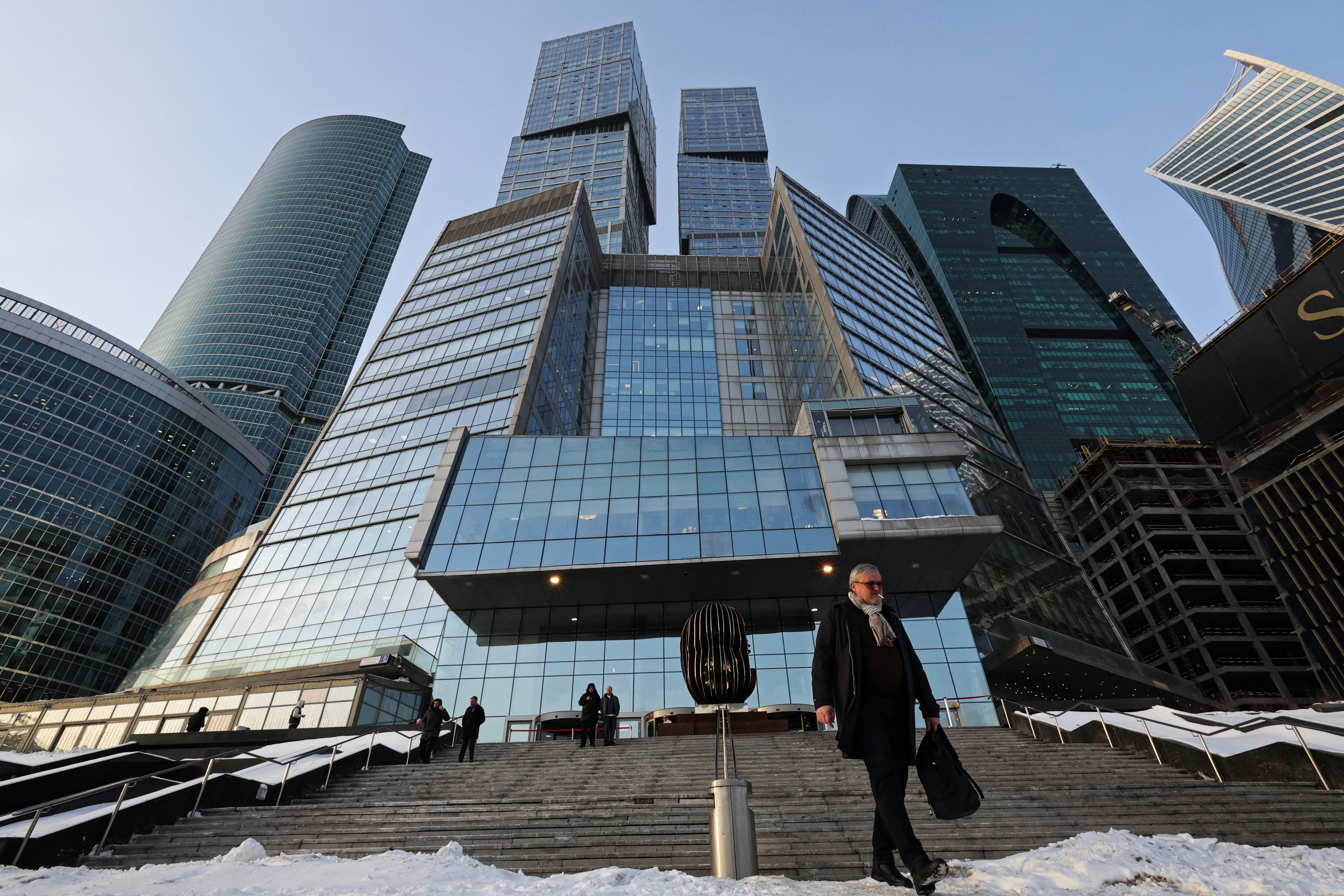
"The worst is yet to come and the worst is not behind us"
– If we talk about those people in Russia who suffer losses from the war. Do you think they see light at the end of the tunnel?
- Well, how can we answer this question? We can answer this question by looking at sociological research. Research records, for example, the level of consumer optimism, the answer to questions like: “Do you think that in a yearly perspective, in a five-year perspective, the situation of your family will improve, worsen, or not change, and the situation in the country will improve, worsen, or not change?”, “Is the country developing in the right direction?”
What do we see here? If we summarize the rather motley sociological picture, because different services have different formulations and different lengths of series over which they publish their research, this is what is clear: a positive answer to the question “Is it developing in the right direction?” has greatly increased in popularity after 2022 and is, as we have already said, a socially acceptable answer. There, in my opinion, it’s over 60%. Levada has this too.
– But is it possible, in your opinion, to trust these sociological surveys?
– This is called a socially acceptable answer - it gives us an idea not of the respondent’s inner world, but of how the respondent perceives the social norm. So people think that this is how you should answer.
And then we can discuss whether this majority is the result of the fact that after 2022 life has improved dramatically, or whether these 60-odd percent were formed because after 2022 they began to punish for an incorrect answer, which was not done before.
Next, as they say, let's argue. This is, in fact, a good topic for a small round table between sociologists, political scientists and social psychologists.
So, “the country is developing in the right direction.” But the lower we go from the general to the specific in these matters, the lower the level of optimism. Typically, when people are asked about their financial prospects, they assess the prospects of their family better than the prospects of those around them or the country as a whole. That is, the person says: “we are somehow coping and will cope, but in general, what the hell is going on.” I see, right? This is a simple correlation. We have been watching her for many years.
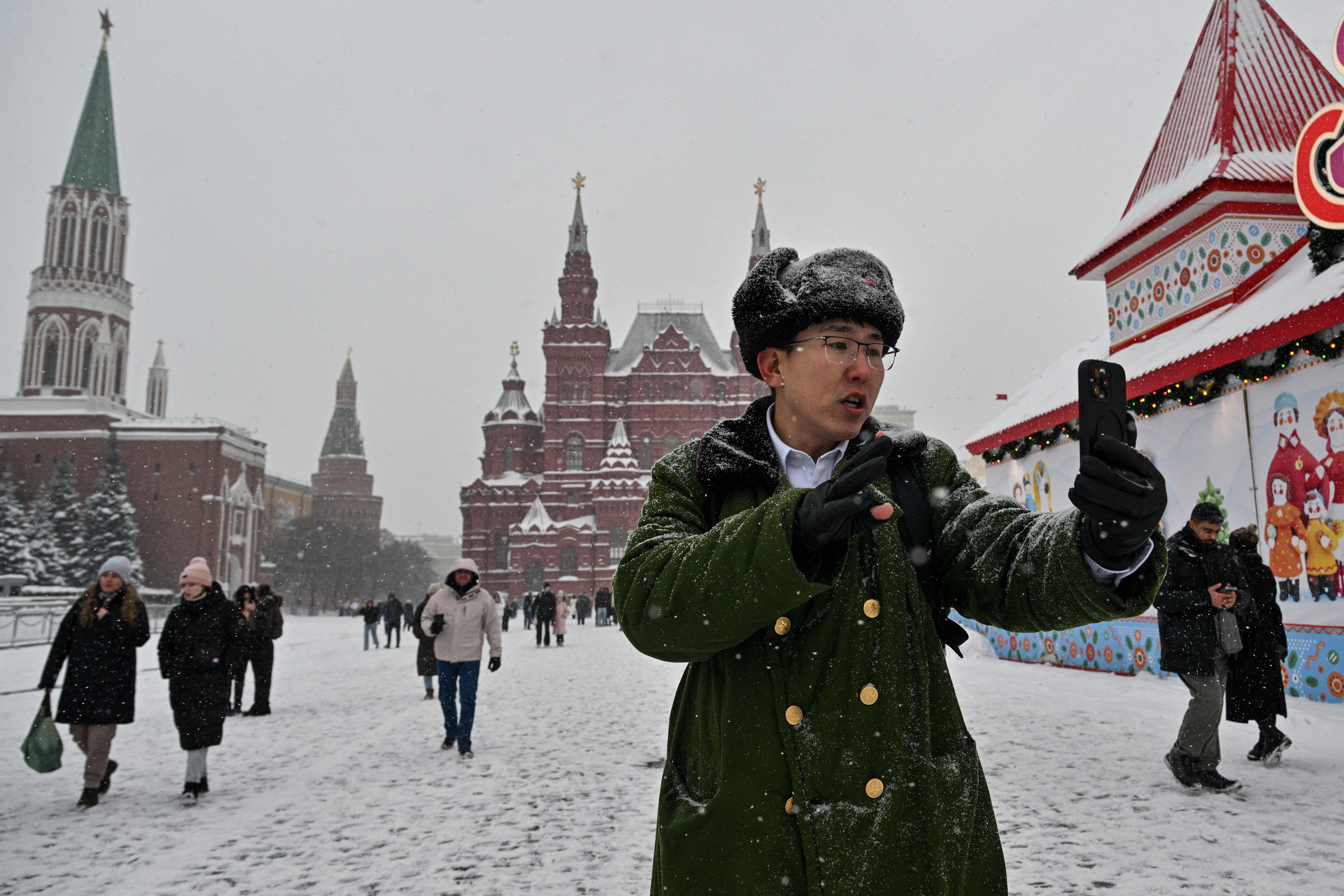
The closer to the shirt, which is closer to the body, the more pessimistic respondents become
And in the last couple of years, perhaps even more, the opposite picture has been observed, where “in general everything is fine in the country, the leadership is great, the country is prospering, but then it will be difficult.” A significant portion of respondents say that “the worst is yet to come and the worst is not behind us.” Well, “it’s like nothing, we’re exporting normally, but here we are – it’s difficult for us.”
That is, the closer to the particular, the closer to the shirt, which is closer to the body, the more pessimistic the respondents become.
What does it mean? Again, you see, data is such a thing, it doesn’t say much or say anything on its own. As they like to say in academic circles, if you torture the data long enough, it will confirm any hypothesis. So we can interpret it in different ways.
Maybe the closer to yourself, the more realistic the assessment. People can imagine that they really are talking on TV about the large volume of watermelons brought from Mariupol, and they think that yes, indeed, things are going well in the country, but things are going badly for me, and I can’t help but see this - my salary is not growing as much as prices are rising. It is becoming increasingly difficult for me to get my child ready for school by the first of September. Salad "Olivier" becomes more expensive every New Year and so on.
Or we can say that people, seeing how “everything is wonderful in the country,” begin to evaluate their own situation more critically, expecting that tomorrow everything should be as wonderful as their neighbor on TV, but for some reason this does not happen. Again, this is a matter of interpretation, but I'm talking about how people see the light at the end of the tunnel.
Peace comes first – ahead of everything else
This means that they really want the war to end – this is the main desire of all Russians. Whatever survey you take - “wishes for the New Year”, “what question would you ask Putin” when there was a “hotline”? “The values on the basis of which the future of Russia should be built” - such research has been conducted by the Institute of Sociology of the Russian Academy of Sciences for many years.
World. Peace comes first – with a good lead over everything else.
Then, as usual, the interpretations that I have already mentioned begin - “peace on our terms,” but this is somehow already mumbled, to be honest.
Moreover, if some sociological services use rather harsh formulations like: “Will you support the president’s decision to end hostilities without achieving the stated goals of the SVO?” Or, as the Chronicles project did last time in the last wave of its research: “Do you support the withdrawal of Russian troops from the territory of Ukraine?” - just like that. And there it turned out 42% “for”, 35% “against”. In such a formulation - completely desperate. Again, one can argue what the respondents think "from the territory of Ukraine", but, nevertheless.
In general, “peace on almost any terms” is the desire of the Russians, despite the fact that the conditions are vague. They don't really hope for it. They began to have strong hopes at the beginning of 2025, in the spring when the American elections happened. All hopes forever in Russia must come from outside, because there is nowhere to get them from within.
So, these hopes were high. I think that each of us, to one degree or another, felt them in our souls, but then they somehow decreased.
At the same time, people say, answering the question: “Are the military operations going successfully for Russia?” “Successfully, successfully, very successfully. Just let’s finish quickly, otherwise everything is great.”
Well, I would also look, going back even to the very beginning of your question, what the Russians gained in four years, what they lost - look at the Levada poll : “Has SVO brought more benefit or more harm to Russia?” Even in 2023, when it seemed that “everything was going great,” and 2023 was a year of general euphoria – now, looking back, we can already say this. This was a year of, I would say, somewhat hysterical optimism - when the war is already going on, it seems like nothing terrible has happened, the promised catastrophe has not happened, we are fighting successfully, there is an increase in money in the economy, everyone has received an increase. Look how great it is. So, even in 2023, there were more people who believed that “SVO” was harmful than those who were beneficial. And when they start asking: “What harm?” – the most popular answer: “Many people were killed.”
Awareness of loss begins to penetrate the masses
So the awareness of loss is beginning to penetrate the masses. This happened for a long time, because the country is large, and in fact, those who want to go to war go to war - plus or minus. Therefore, this is, well, not the Great Patriotic War. And it was easy to move away from the information about the dead. For some time it was possible, let's say. At first it was easy, then it was possible, but now it’s difficult.
I don't know if this answers the question of light at the end of the tunnel. Regarding this, look at the dynamics of sales of antidepressants in Russia. This is actually a positive trend. Antidepressants are better than vodka and suicide. Therefore, let the poor be treated. They and we will need all this for some time to come.
One last factor about our Elena Smirnova, to conclude this rather gloomy review.
After a while she will be called Anastasia, while she is Elena, but when the average Russian is someone born in the 1980s and later, she will become Anastasia Smirnova.
Ekaterina Shulman – about Russians and the war: “It is becoming increasingly difficult to maintain the illusion of normality”